Since charitable contributions are subject to taxes and are recognized by nonprofit organizations, specific information about the contribution amount and what the donor will receive in return must be included on the check. Since June 2011, the IRS requires a check for charitable donations over $250, but it does not provide a specific check template. Fortunately, you can handle it all on your own.
Creating Your Own Check for Charitable Contributions
Step 1. Choose a Check Format.
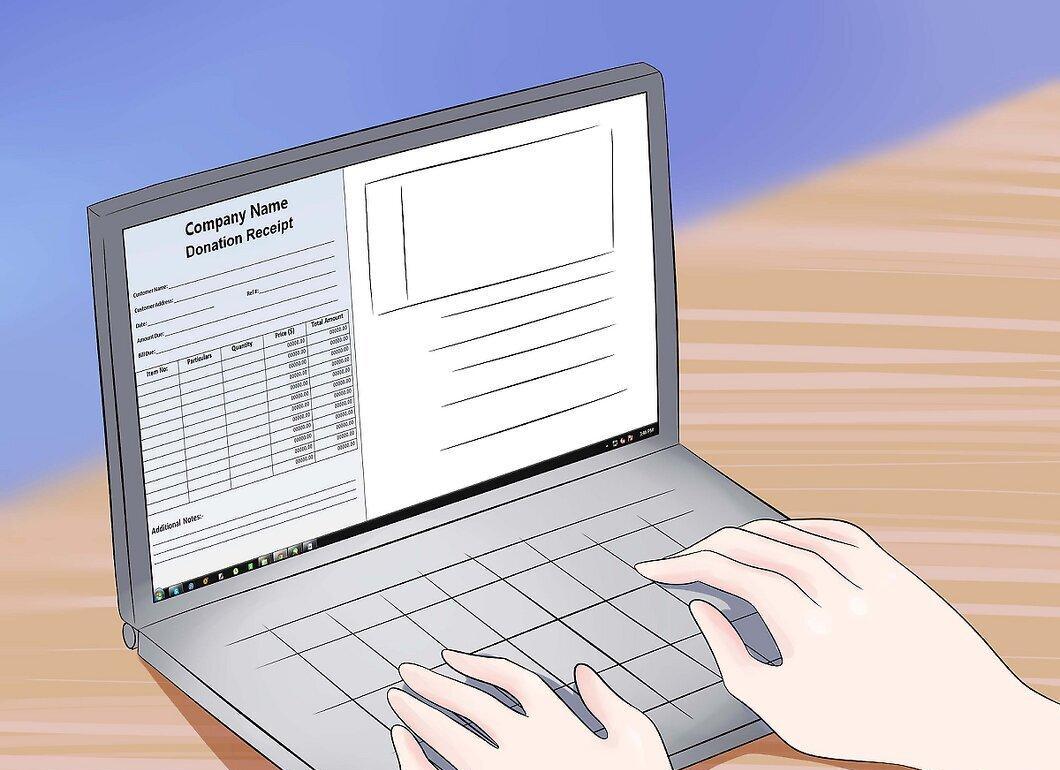
Choose a check format. Send the recipient a letter, email, or a self-created form that includes the name of your nonprofit organization. Most nonprofits provide printed check templates.
Step 2. Write the Donor's Name on the Check.
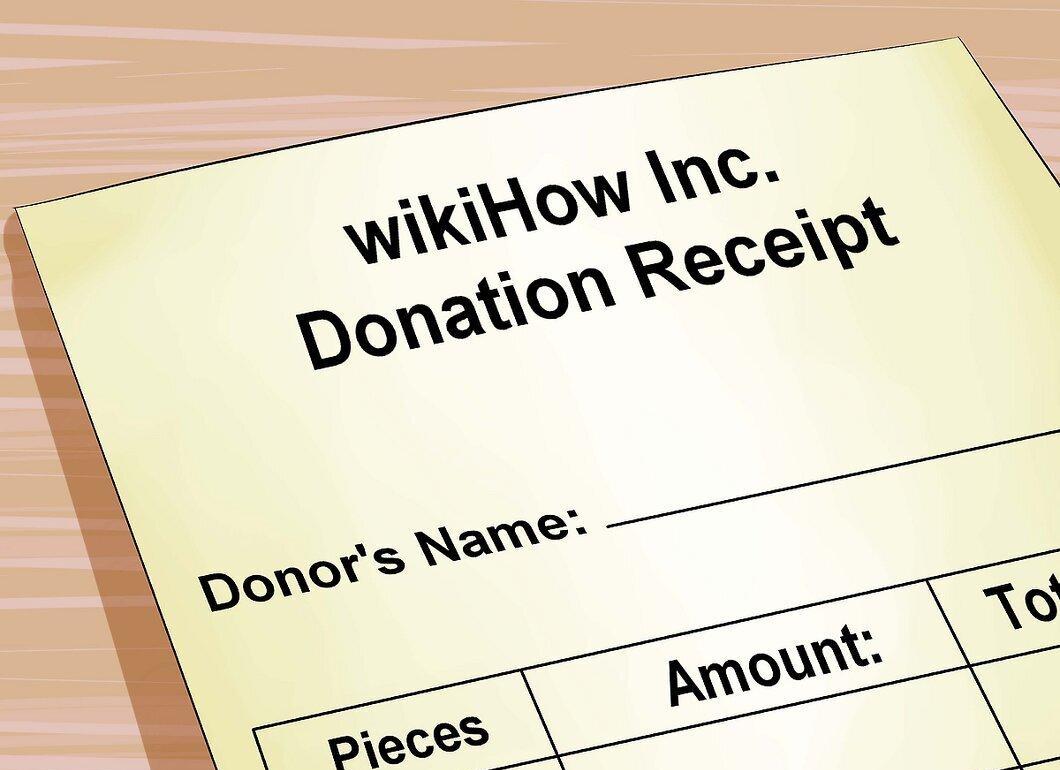
Write the donor's name on the check. This prevents fraud by other individuals or organizations.
Step 3. Specify the Amount and Describe the Nature of the Contribution.

Specify the amount and describe the nature of the contribution. The nature of the contribution includes donations for goods or services. When filling out this part of the check, be sure to include the fair market value of the contribution.
- The IRS provides guidelines for determining the fair market value of contributions in Section 526. This guidance also contains information on taxation, limitations, and reporting of contributions. You can find this section online on the IRS website.
- The value of used vehicles can be determined using a pricing guide known as the "Blue Book." You can find this guide online or purchase it at a bookstore. Blue Books are also used for determining the value of coins and firearms.
- There are pricing guides for many items donated to charity. Some specialize in the value of specific items, such as computer equipment or clothing. There are also guides that charge a fee for their services.
- If your organization uses accounting software, you can order a search database to add to the program.
Step 4. Determine the Value of Anything the Donor Receives in Return for the Charitable Contribution.
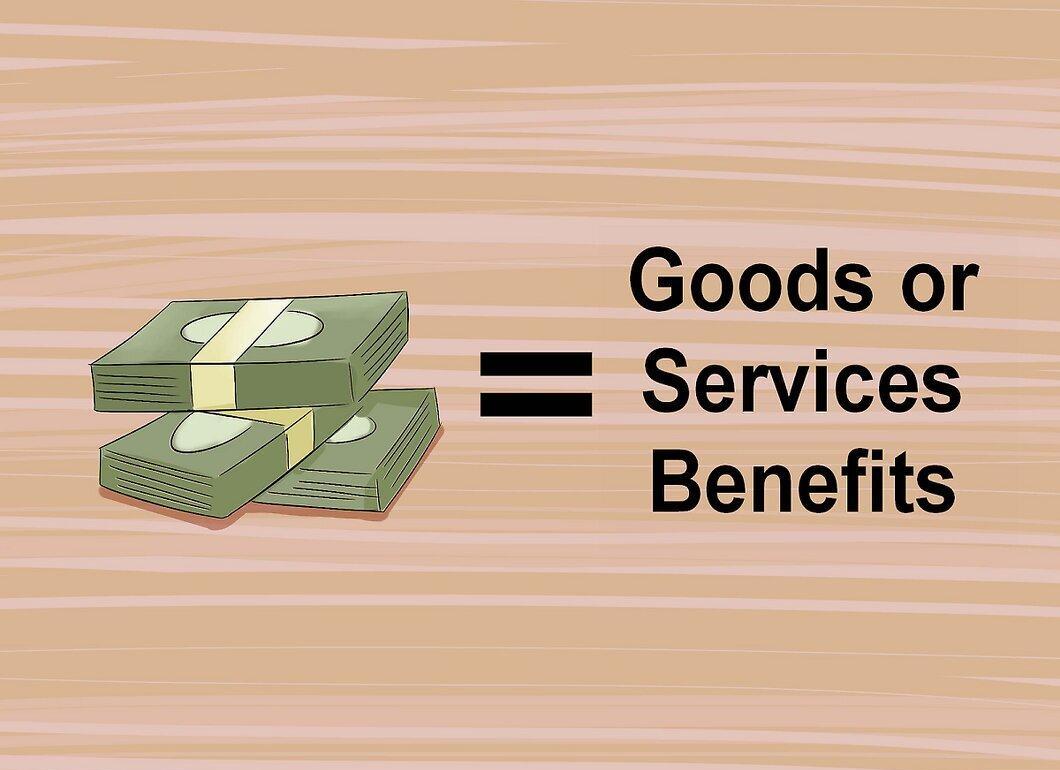
Determine the value of anything the donor receives in return for the charitable contribution. Create a form listing the goods and services the recipient will provide in return, along with their estimated value. The donor should evaluate the value and compare it to the value of the contribution.
- Religious organizations must provide a statement indicating that the contribution requires "non-material religious compensation," but this compensation should not have monetary value.
Step 5. Don’t Forget to Keep the Check.

Don’t forget to keep the check. Remind the donor to save the check for tax reporting, so they can deduct the contribution from their personal or business income taxes.
Step 6. Verify Your Nonprofit Status.

Verify your nonprofit status. Include information indicating that your organization is a nonprofit in the appropriate section of the IRS form. You must also include your taxpayer identification number. This information is necessary for tax collection.