
The best way to make people laugh is by telling them a joke or a funny story. Research shows that jokes and laughter reduce stress and relieve tension. [1] Reliable source Mayo Clinic Go to source A good joke can help break the ice in awkward situations. But to make people laugh, you need to know how to write good jokes. With the following instructions, many will be laughing at your jokes!
Preparing Material for Jokes
Step 1. Think of Interesting Material for Jokes!
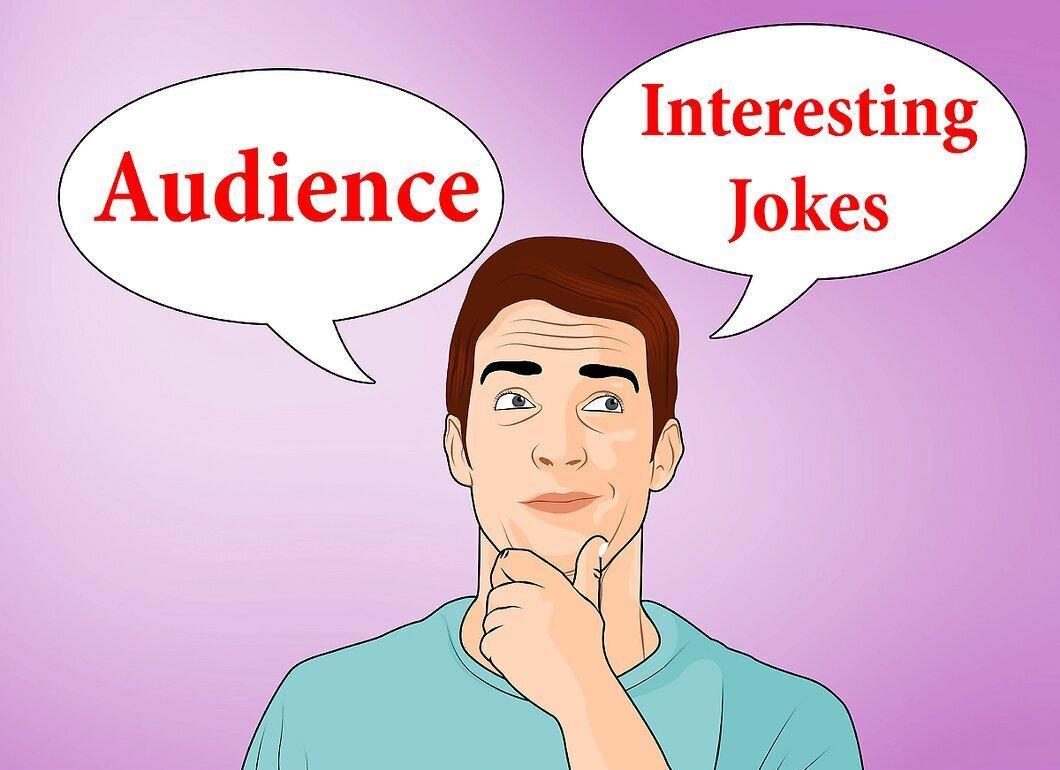
Think of interesting material for jokes! Talking about things that interest not only you but also those around you is a crucial component that ensures laughter.
- Think about the jokes or comedians that make you and your friends laugh! Having an idea for a joke that will elicit laughter is already good material for it!
- It’s a good idea to brainstorm joke material on various topics and for different audiences. For example, a joke you use to break the ice during an interview (e.g., "How much does a polar bear weigh?") would be inappropriate to use during family gatherings (instead, you might say: "What does a pie say to a knife? Want a piece of me?"). [2] Source [3] Source
Step 2. Look for Themes for Different Situations and Audiences, so You Can Tell Your Jokes Anywhere and Everyone Will Understand Them and Laugh.
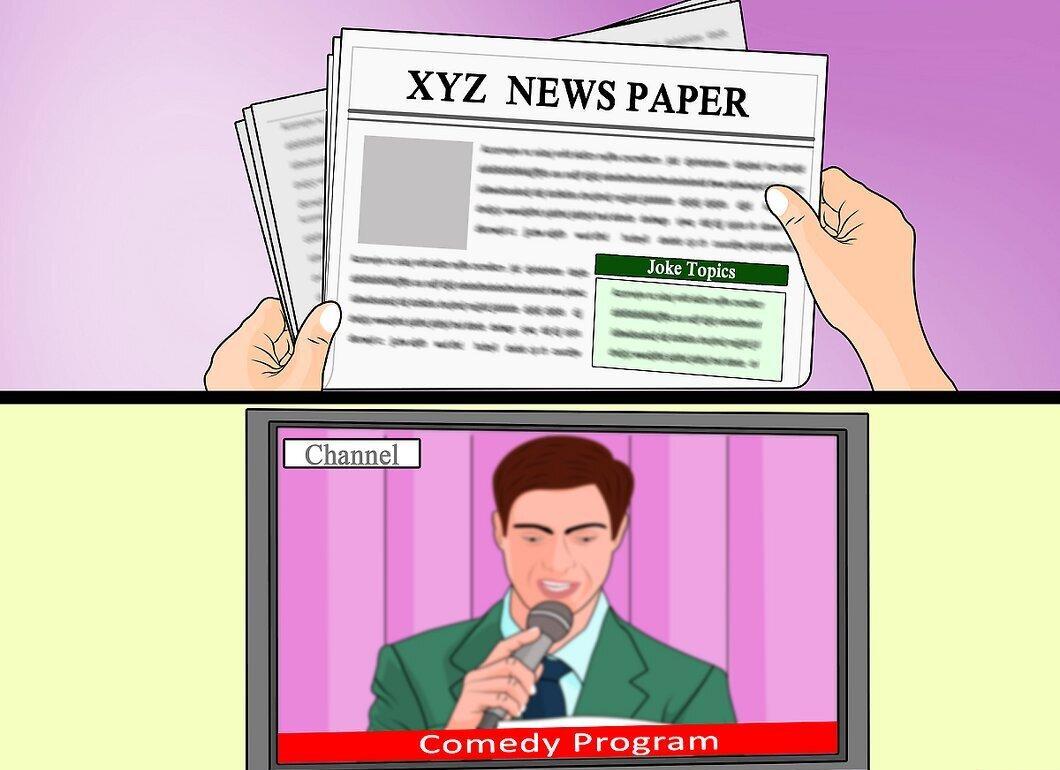
Look for themes for different situations and audiences, so you can tell your jokes anywhere and everyone will understand them and laugh. The right material will ensure you don’t offend anyone. For instance, a joke you tell to a group of doctors would not be suitable for a group of historians or political scientists.
- Discussing current events, celebrities, and even yourself (self-deprecating humor) are excellent material for jokes! You can find good material in any situation. [4] Source For example, political figures and their behavior often make them a target for various jokes. Comedian Chris D'Elia jokes about singer Justin Bieber: "You have it all: love, friends, good parents, and Grammys." [5] Source
- Newspapers, magazines, and even situations from your own life are also great joke topics. For example, you might poke fun at yourself by saying that when it comes to plants, you have "clumsy hands": "I bought a cactus, and a week later it died. And I'm depressed because I think... darn! Even the desert can grow more than I can!" [6] Source
- Watching comedies will also help you learn many jokes and understand how to deliver them.
Step 3. Avoid Controversial Topics to Not Offend Anyone!
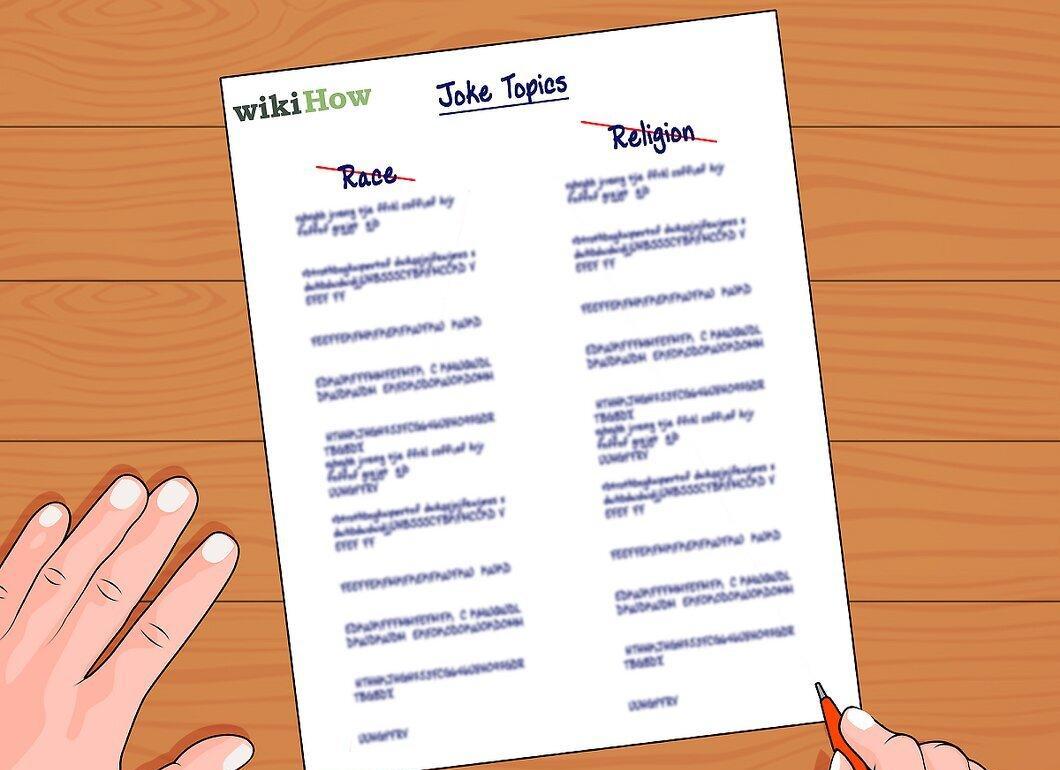
Avoid controversial topics to not offend anyone! There are several taboo subjects you should steer clear of in jokes.
- Jokes about religion or race can also be offensive to some. Such jokes might be acceptable during family dinners, but it’s best to refrain from them altogether.
- If you’re not sure whether your joke might offend someone, it’s better not to say it.
Writing Jokes
Step 1. Think About the Structure of Your Joke.
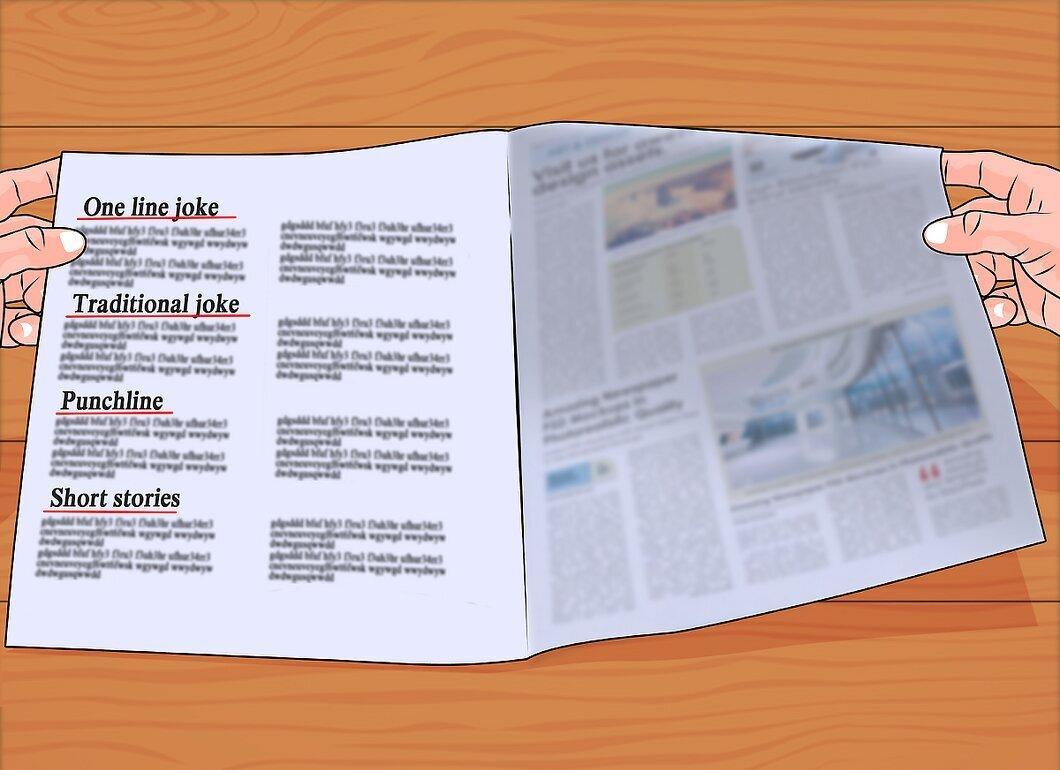
Think about the structure of your joke. There are several different ways to write jokes, including the traditional setup and punchline, short joke format, or short stories.
- Short jokes are a very effective format. Comedian Benjamin Novak uses a simple yet effective joke, albeit crass: "A blocked woman sounds appealing." [8] Source. His joke includes two elements you can incorporate into your jokes: surprise and wordplay. This is the traditional setup and punchline format.
- Another effective method is short stories. However, they need to be exactly that—short! Here’s a great example of such a story: "Once there was a young man who dreamed of becoming a 'great' writer in his youth. To clarify the word great, he said: 'I want to write something that the whole world will read, that will evoke natural feelings in people, something that would make them scream, howl, moan in pain, madness, and anger!' Now he works...
Step 2. Any Joke, Regardless of Its Form, Has a Structure and a Punchline, So Write Them Down!
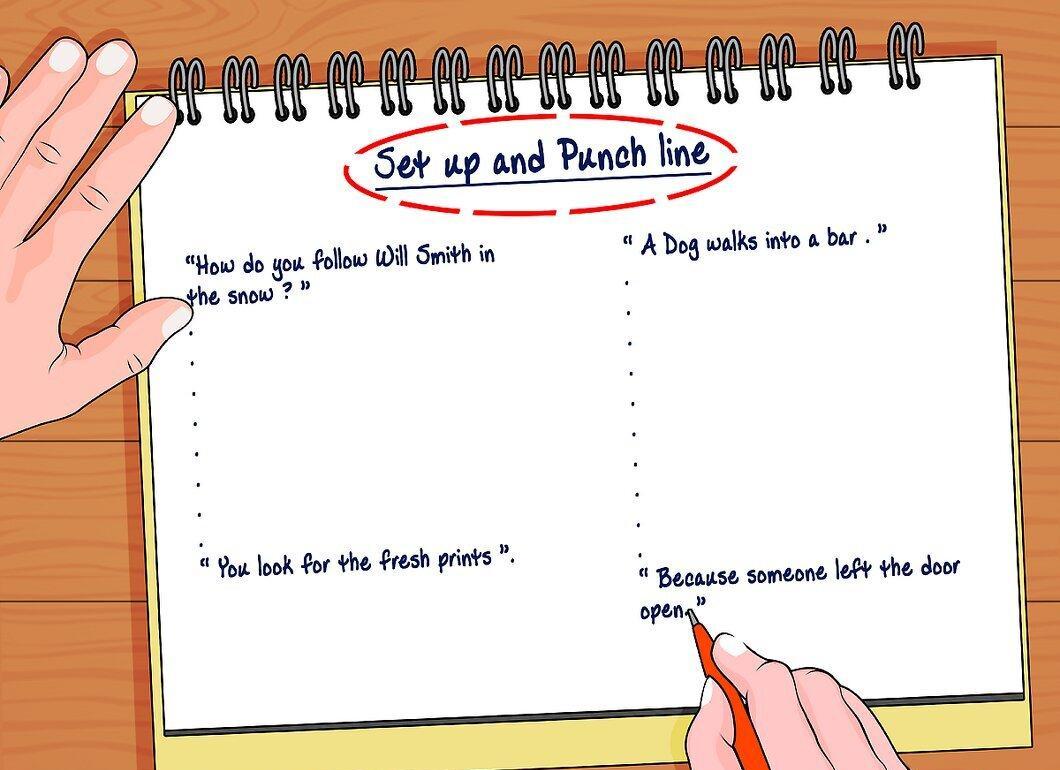
Any joke, regardless of its form, has a structure and a punchline, so write them down! They usually contain a surprise based on an assumption, wordplay, and irony.
- Remember, "less is more!" Once you prepare the structure and punchline, keep in mind that you should tell your joke in just a few words. Avoid unnecessary details! Novak’s joke about the "blocked woman" or the joke about "what does a knife want? A piece of me?" vividly demonstrate the strategy of "less is more." Any other details will ensure the joke fails. [11] Source [12] Source
- The setup of the joke should consist of 1-2 lines, and for a story, just a couple of lines at most. This helps the audience grasp a few details that will aid in understanding the punchline. The joke about the "dead" cactus is a perfect example. The comedian starts with, "I bought a cactus. A week later, it died." [13] Source
- The punchline is the funniest moment of your joke. It is built on the setup and consists of one word or sentence. Usually, it contains some sort of surprise, irony, or wordplay. [14] Source The best example is the cactus story. After the comedian shares a few details about his cactus, he says: "And I'm depressed because I think... darn! Even the desert can grow more than I can!" [15] Source
Step 3. Increase the Element of Surprise in Your Joke.
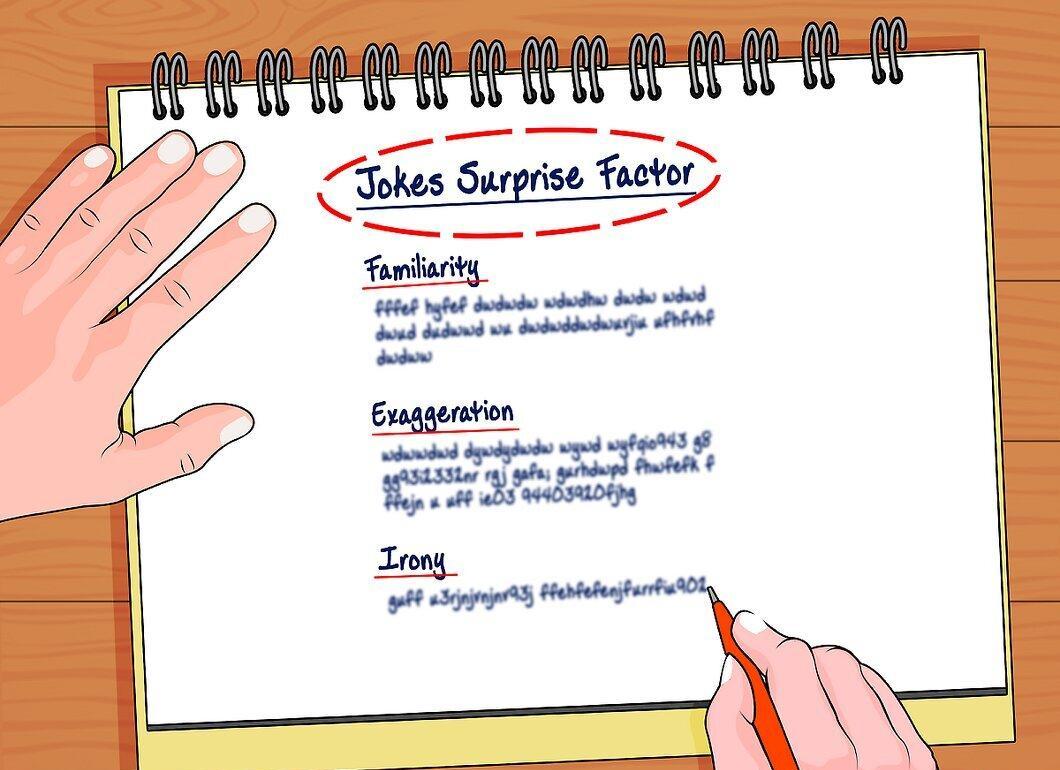
Increase the element of surprise in your joke. Elements like hyperbole and irony will only enhance the surprise of your joke.
- A good example of hyperbole and irony is the story about the young man with a strong ambition. Many listeners might think he achieved his dream and wrote "something that would evoke natural feelings in people, something that would make them scream, howl, moan in pain, madness, and anger!" through novels or short stories. However, the surprise is that "now he works at Microsoft writing error messages." [16] Source
Step 4. Add an Epilogue to Your Joke That Further Highlights the Punchline.
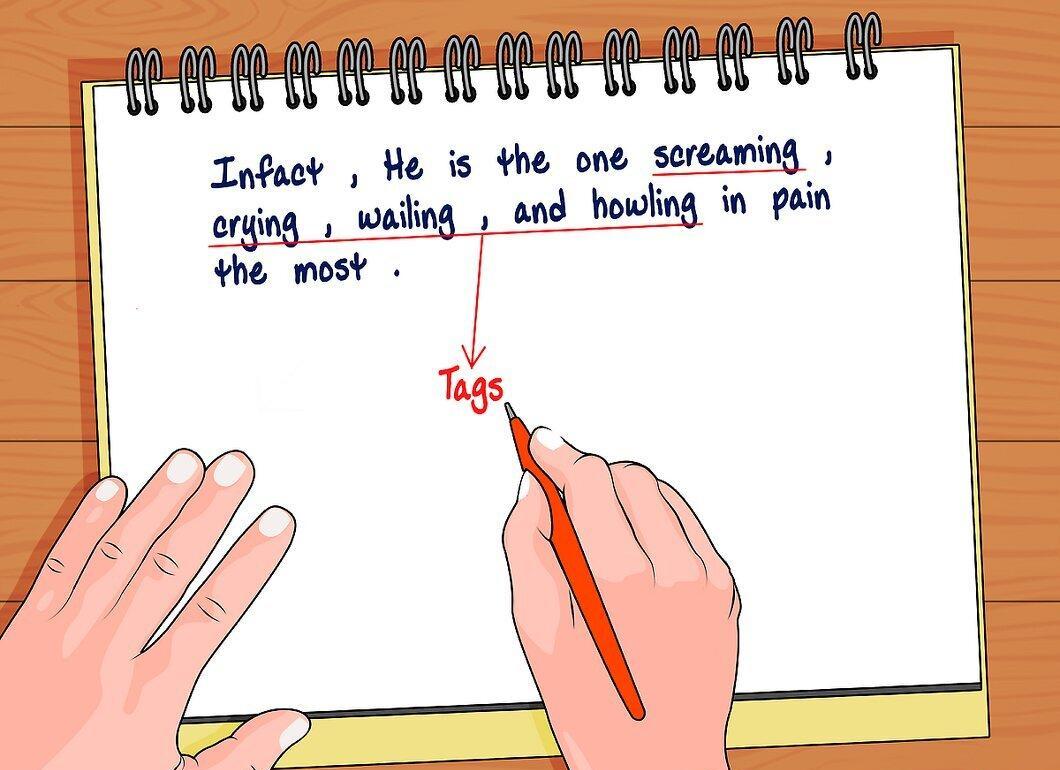
- You can add an epilogue to each of your jokes without creating a new one, as it serves as an additional reason for laughter. [17] Source For example, you might add: "In fact, he’s the only one who screams, cries, howls, and moans in pain."
Step 5. Before Telling Your Jokes to Friends, It’s Best to Practice.
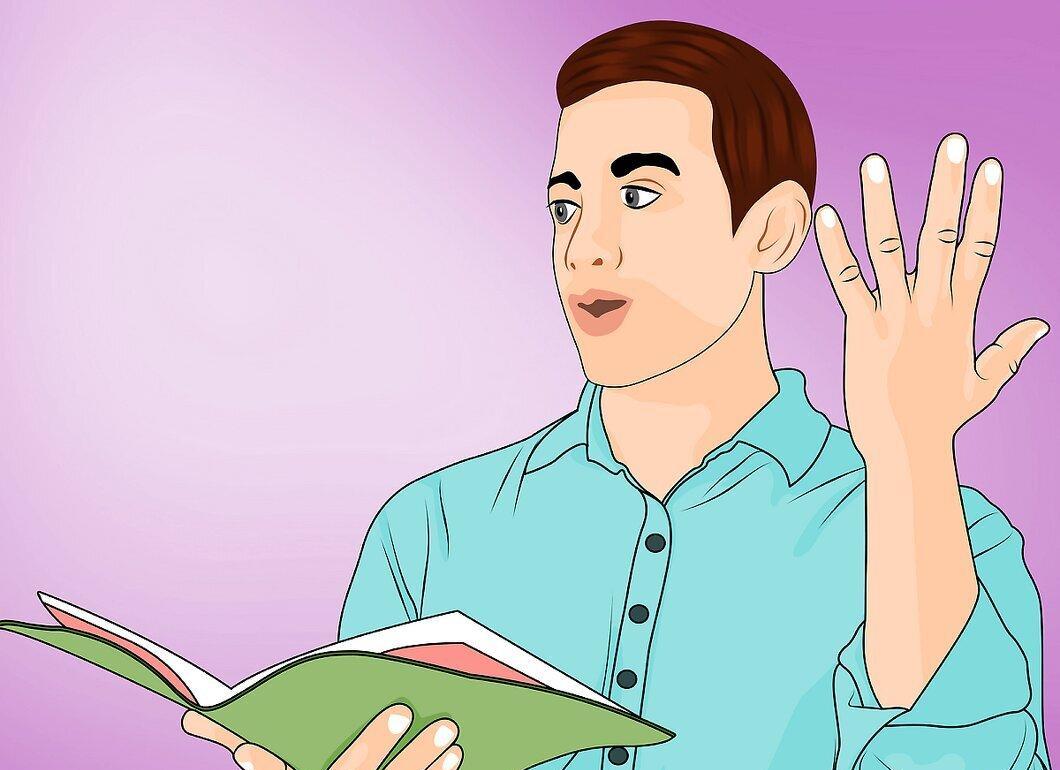
- If you don’t find your joke funny, then your audience won’t either. It’s better to rework it.
Delivering Jokes
Step 1. Before Telling Your Jokes, Think About Who Your Audience Is.
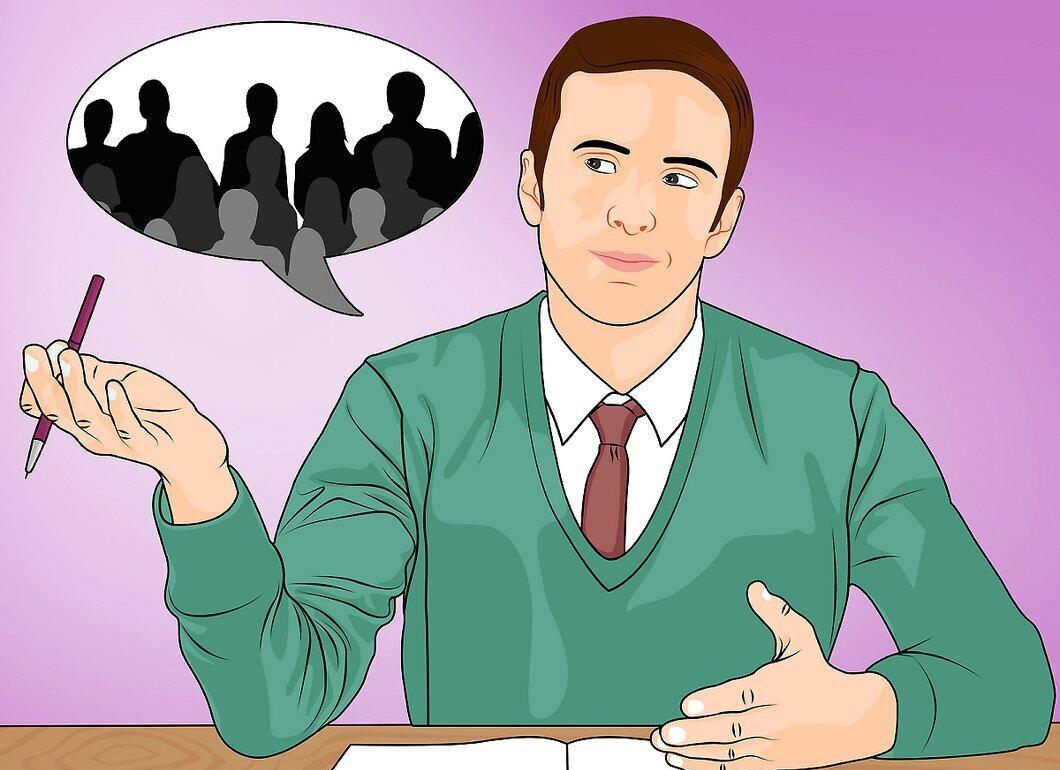
Before telling your jokes, think about who your audience is. This guarantees that they will understand your jokes and laugh! Older people are likely to not get a joke about Justin Bieber, as he is a young singer and his fans are similarly young.
- If you know who is among your listeners, the likelihood of offending someone will significantly decrease. For example, a joke about "a blocked woman" would be extremely inappropriate for a female audience.
Step 2. Use Gestures.
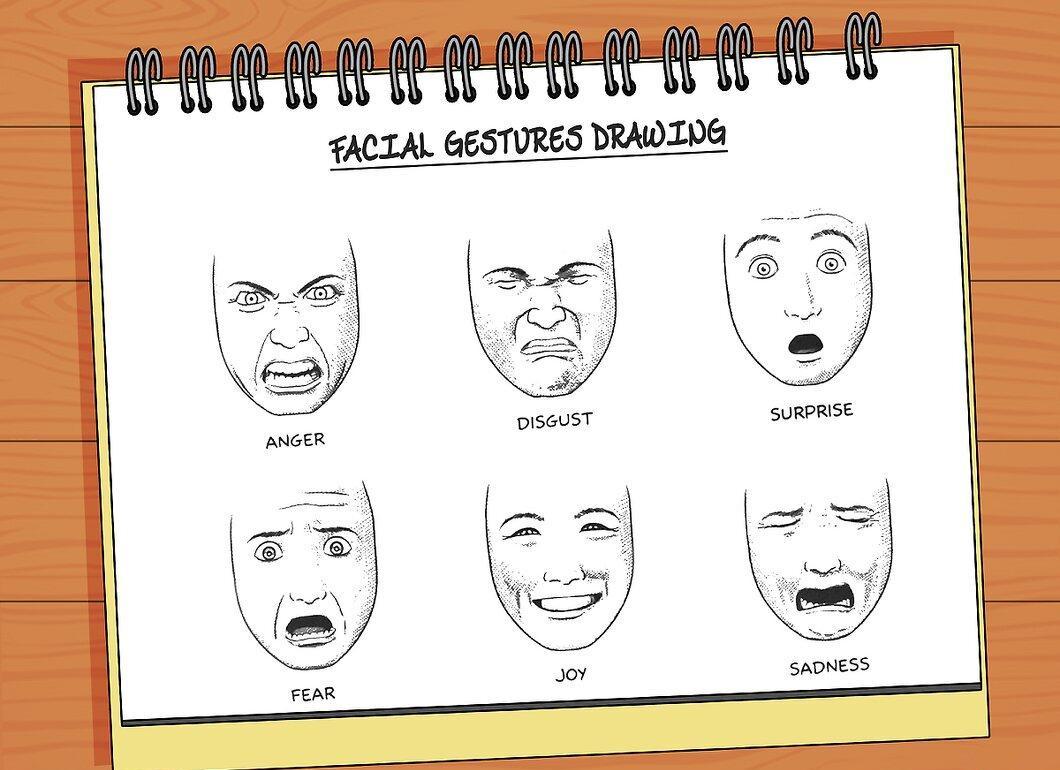
Use gestures. Gesturing is an effective way to help listeners understand your jokes! Drawing pictures is another effective method to help the audience grasp your joke.
Step 3. Be Confident, Relax, and Improvise if Necessary!
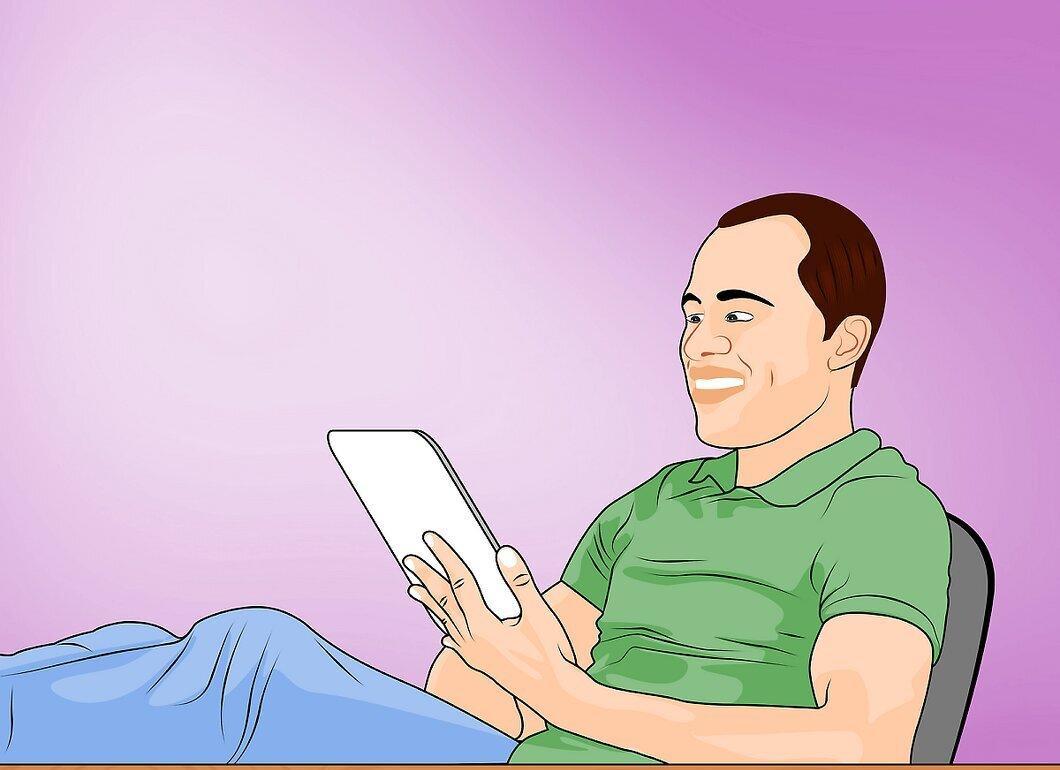
Be confident, relax, and improvise if necessary! These visual signals will transmit to your listeners, increasing the likelihood that they will laugh.
- If your listeners still don’t laugh, you can make a joke about that. Or you can simply continue with other material. But always review your jokes for possible future use.
- Remember that even the best comedians have failed jokes. Jon Stewart, Jerry Seinfeld, and Bob Newhart won't be funny in all situations!