
A regulatory document describes a problem and proposes a specific solution. Initially created in government, these documents are now frequently used in company management. A typical regulatory document may outline ways to meet customer needs, suggest the use of a specific product for technical processes, or define methods for internal communication. The steps outlined below will teach you how to create documents that describe how to attract customer attention and persuade them of your point of view.
Part 1
Step 1. Identify the main problem your audience is facing.

Identify the main problem your audience is facing. You should be able to describe this problem in just a few words.
- For example, "declining sales," "slow network speed," or "conflicts between managers and employees."
Step 2. Determine your audience's level of expertise and attention span.

Determine your audience's level of expertise and attention span. A good regulatory document will not be too simplistic or too complex for readers, and its length will vary depending on who is reading it.
- If you are writing this document for an engineer, for instance, you need to include many technical details and provide lengthy descriptions; whereas if you're writing for a CEO, be direct to avoid losing their attention.
Step 3. Decide on the document's length.

Decide on the document's length. The typical length ranges from 1 to 5 pages. Refer back to the previous step to determine the appropriate length.
Step 4. Give your document a general title that includes the words "regulatory document" and briefly describes the problem.
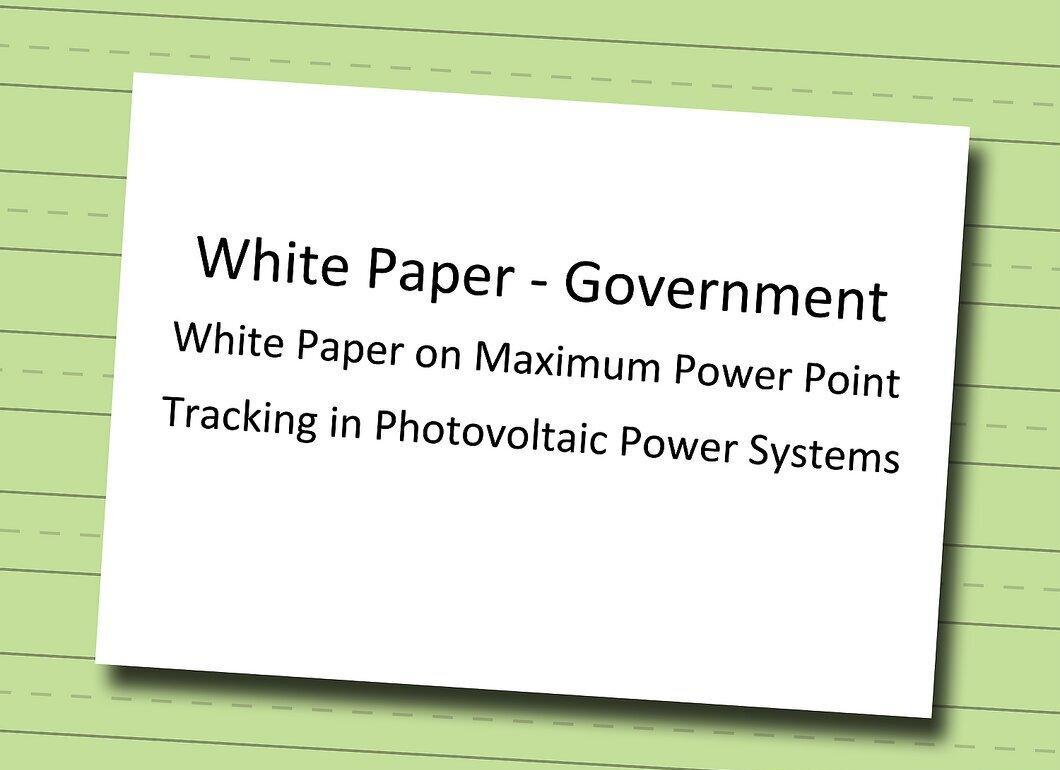
- For example, "Regulatory Document on Insurance Costs at Company X" or "How to Guide Secondary Production: A Regulatory Document."
Step 5. Start your document with a brief and clear description of the problem you identified in Step 1.
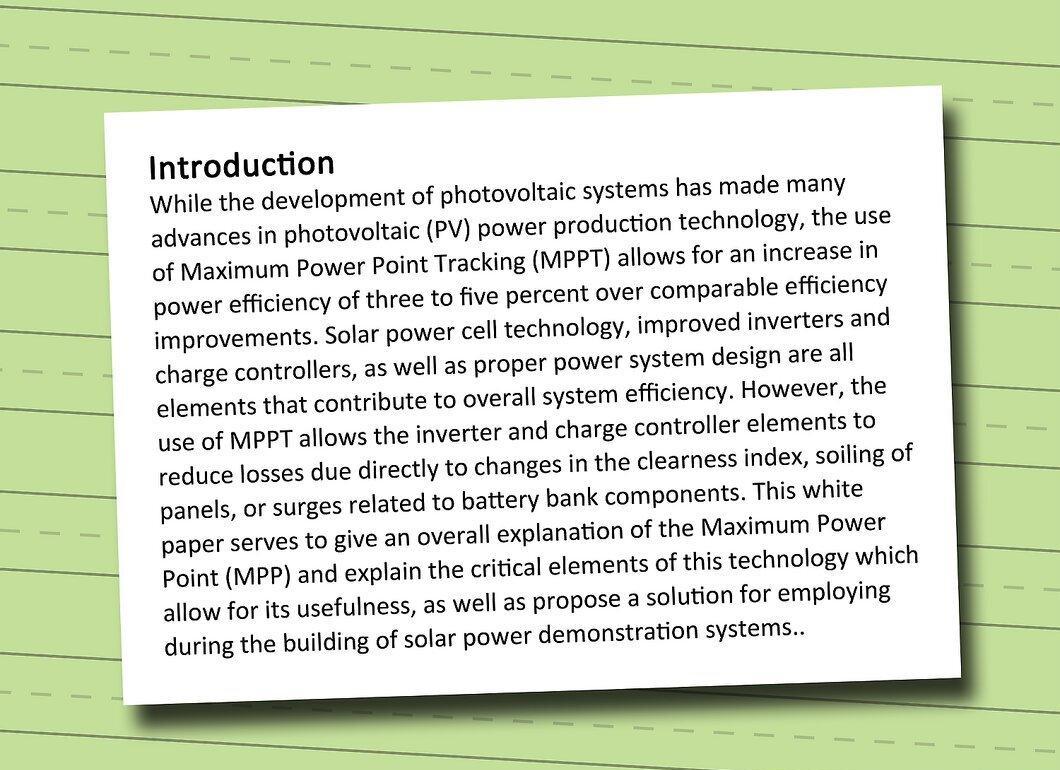
Begin your document with a concise and clear description of the problem identified in Step 1. Your problem diagnosis should not exceed one paragraph.
Step 6. Move on to listing specific aspects of the problem.
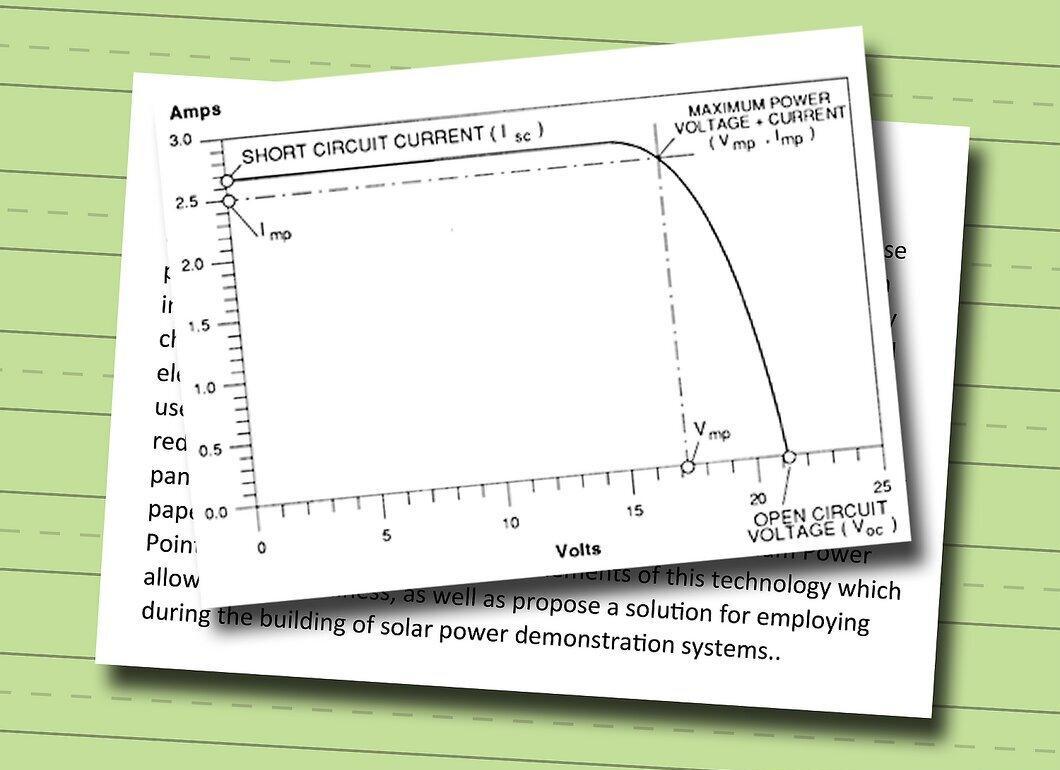
Proceed to list specific aspects of the problem. Use visuals, numbers, and names.
Step 7. Provide all necessary data regarding the problem, such as market size and recent technological developments.
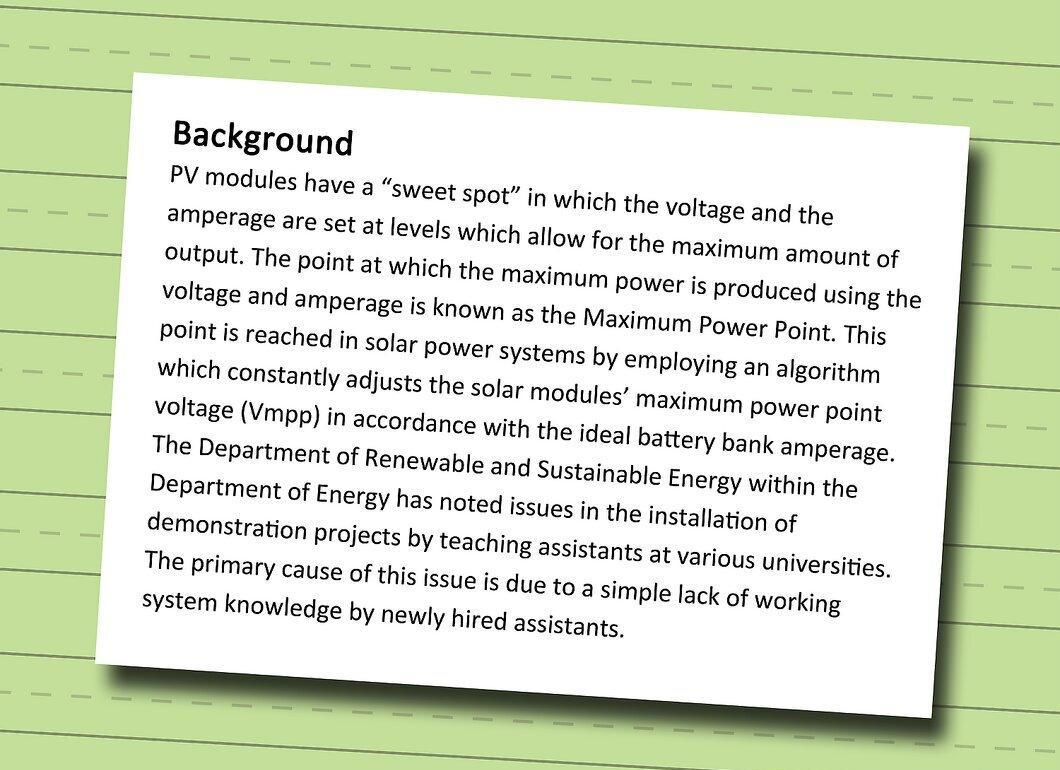
Step 8. Describe the solution or solutions you propose.

Describe the solution or solutions you propose. Utilize a step-by-step approach that clearly conveys how you intend to implement your idea.
Step 9. Conclude the document with a summary that reviews the problem, its solution, and the outcomes you hope to achieve.