
Effective radio advertising motivates consumers to take action through impactful words, memorable jingles, and sound effects. The author typically has between 15 to 60 seconds to grab listeners' attention and convey essential information. To strike this balance, diligence and creativity are required.
Duration of the Ad
Step 1. Choose the Optimal Duration for Your Ad.

Choose the optimal duration for your ad. Radio advertisements usually last from 15 to 60 seconds. In Russia and the CIS, the average duration is 20-40 seconds, while in the USA, it can reach up to 120 seconds. The decision on duration should be based on your available budget, creative format, and audience awareness of your product or service. If you have no financial constraints, it can be beneficial to use several ads of varying lengths. While working on the script, read it at a normal pace to ensure it fits within the overall time limits.
- If the product or service is well-known and the budget is tight, 15 seconds will suffice.
- If the ad involves a creative narrative, you'll need 40-60 seconds to tell the story and sell the service or product.[1] X Source
Step 2. Don't Overcomplicate Short Ads.
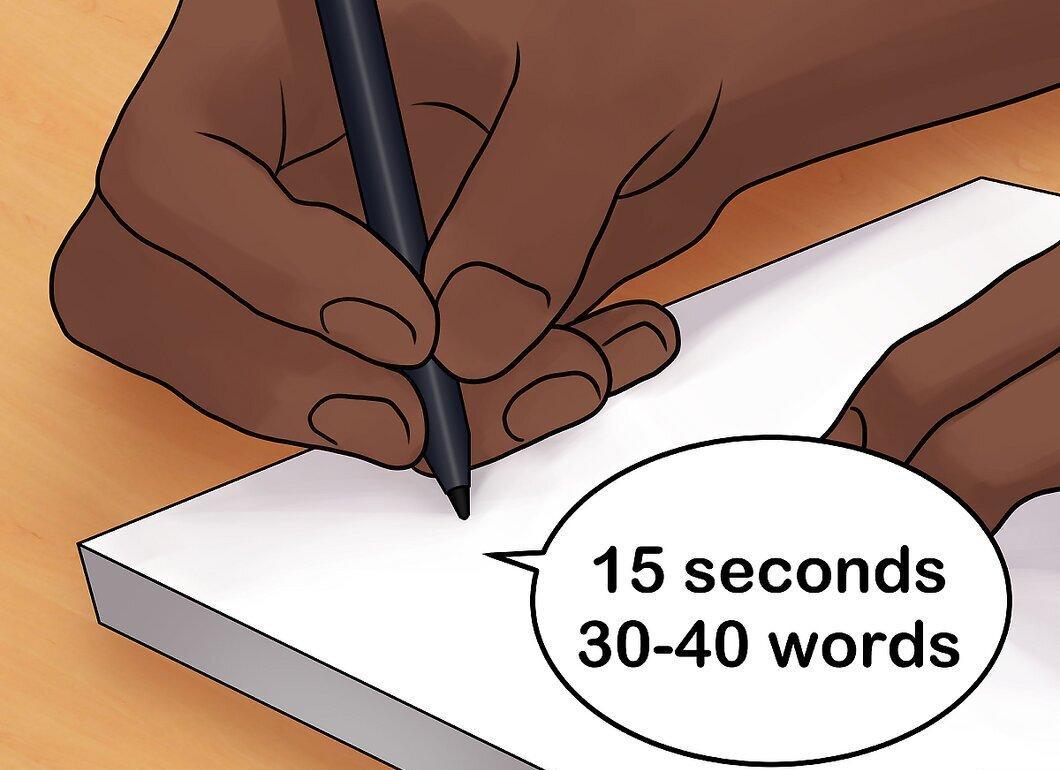
Don't overcomplicate short ads. When working on a 10-15 second ad, you only need to convey basic information about the product or service. If your target audience is already familiar with the product or service, a shorter duration is optimal. In such a brief timeframe, you need to mention the product manufacturer or event organizer, the service or product itself, its price, and contact information.
- A short ad contains about 30-40 words.[2] X Source
Step 3. Capture Listeners' Attention for 30 Seconds.
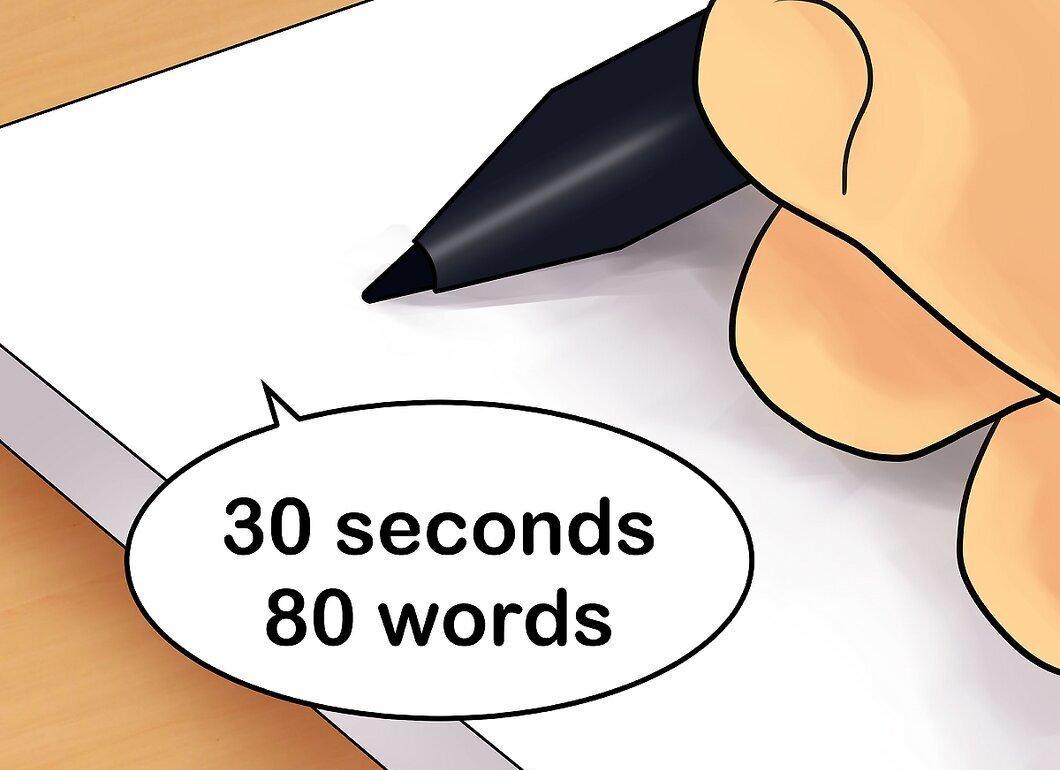
Capture listeners' attention for 30 seconds. In this case, the author of the ad can go beyond just presenting facts and include additional details about your product. Extended time allows for a more creative and engaging script. You can write a dialogue, voice satisfied customer testimonials, or even a short life story.
- A 30-second ad should contain no more than 80 words.[3] X Source
Step 4. Create a Comprehensive 40-60 Second Ad.
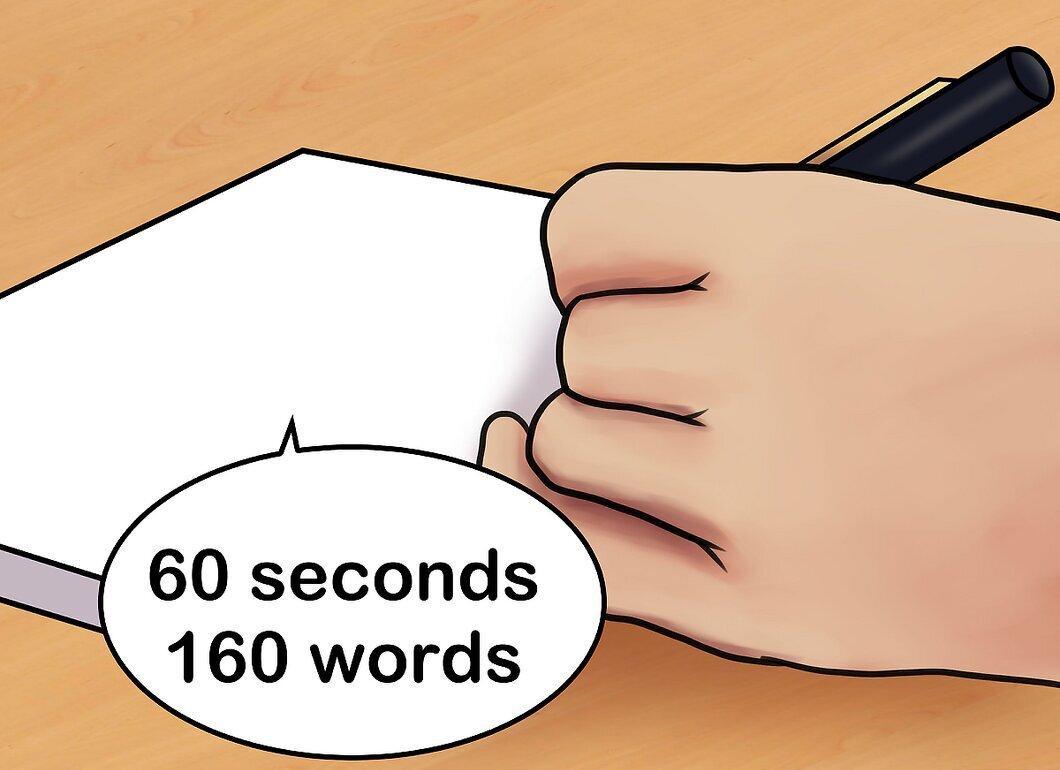
Create a comprehensive ad that lasts 40-60 seconds. This is the maximum duration for an effective radio ad in Russia. In one minute, you can convey all necessary information to potential consumers and sell the product or service. A good author will capture listeners' attention, highlight a problem, offer a solution, and guarantee that your product or service will meet the customer's needs.
- This duration is optimal for promoting new products and services.
- A one-minute ad should include no more than 125-160 words.[4] X Source
Types of Radio Ads
Step 1. Create a Simple "Informational Announcement."
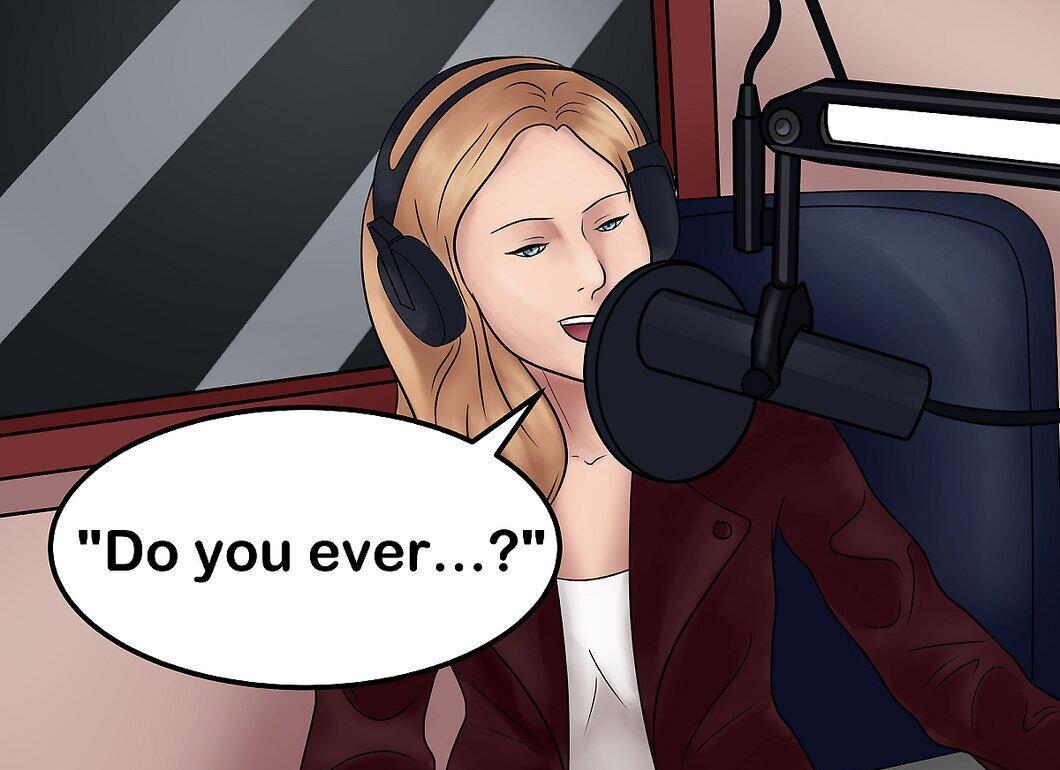
Create a simple "informational announcement." This creative format relies on a single clear voice. This voice should address the listener and communicate, rather than shout, the key information about the product or service. The text should fit the format—clear, understandable, and focused around a central idea. When executed correctly, the ad should sound like a direct address to an individual.
- Besides stating general facts, the speaker can ask open-ended questions like "Would you like to...?" or "Have you ever...?"
- This is the optimal format for short ads.[5] X Source
Step 2. Sell Products and Services Through Dialogue.
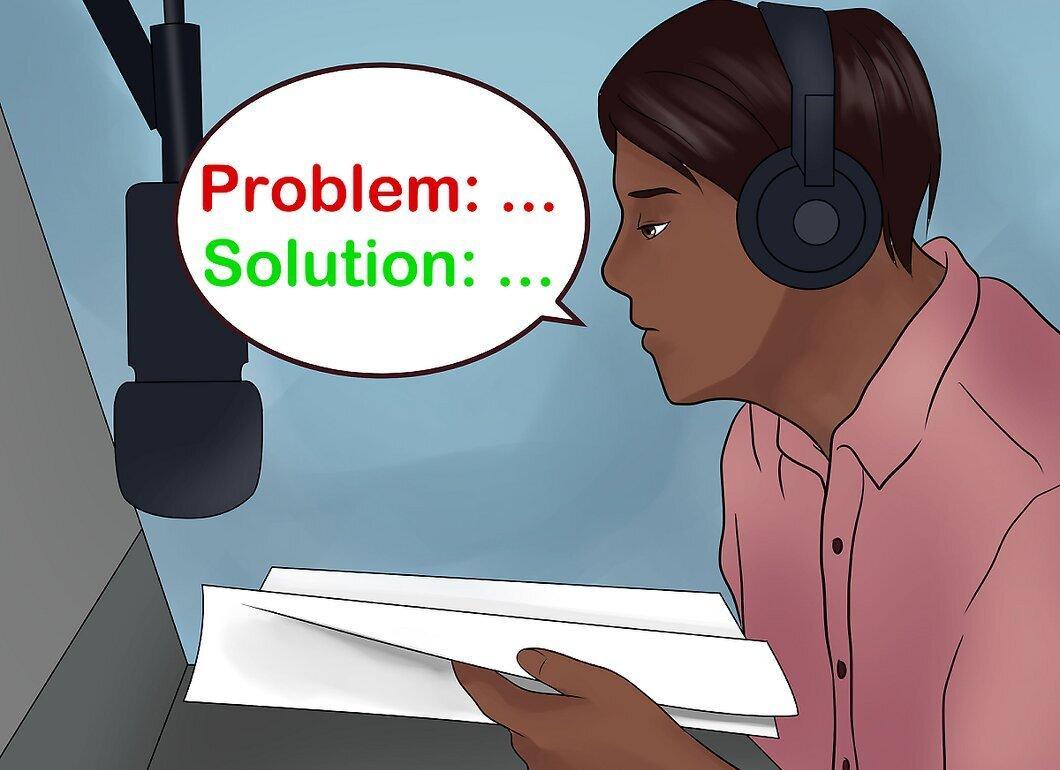
Sell products and services through dialogue. People enjoy listening to conversations and dialogues. In this format, one character voices a problem, while another character suggests the service or product as a solution. The benefits of the product are emphasized through pointed questions and well-crafted answers.
- Problem: "I have an important meeting, but I don't have a suit!" Solution: "I rent suits from _____. It's quick, easy, and affordable."
- Problem: "My kids are so bored in the summer!" Solution: "I've heard about a new art camp. Sessions are available all summer long."[6] X Source
Step 3. Engage Listeners with a Narrative Ad.
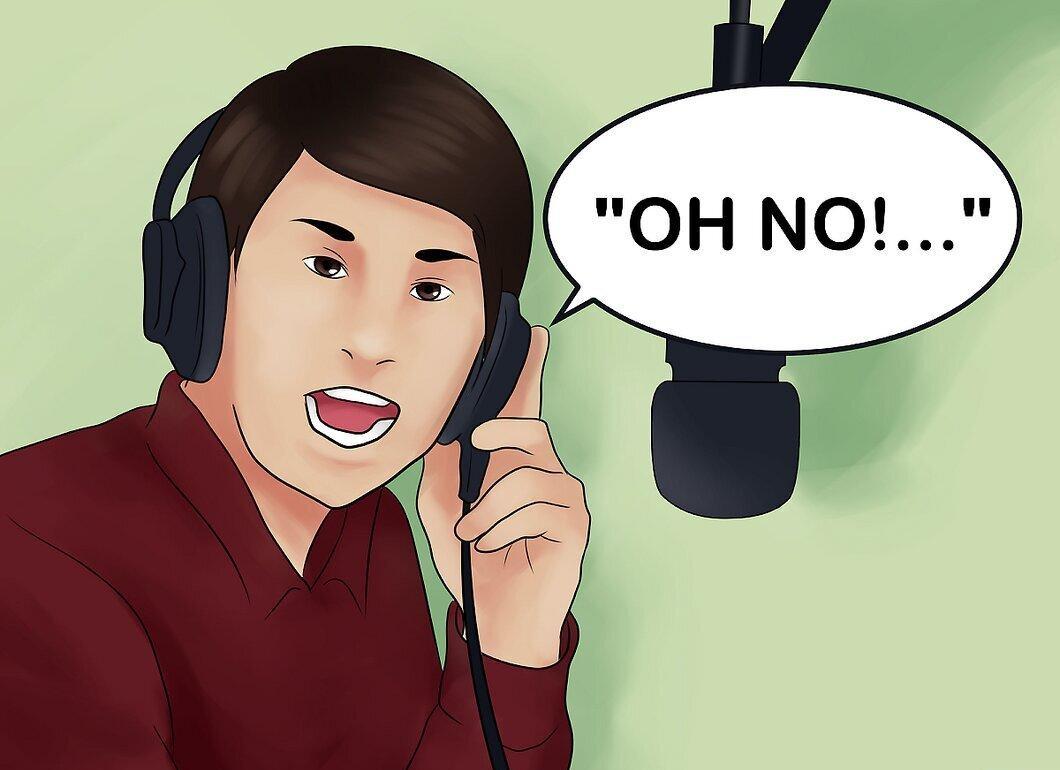
Engage listeners with a narrative ad. This format allows listeners to peek into the lives of others. A short story lets individuals identify with the characters in the ad. If a person sees themselves in the advertisement, they are likely to consider your service or product as a solution to their own problem. Outline the problem and transition into an informational announcement. The narrator sets the context and presents the solution in the form of the advertised product or service, as well as highlighting key features. If time permits, return to the first character. Show how the advertising solution helped resolve the problem. End with a call to action.
- Start the ad by emphasizing a specific problem—the listener should relate the situation to themselves. "Oh no! My holiday pie is burnt again! What should I do? It's my husband's birthday today!"
- "Don't let minor mishaps ruin your celebration. Surprise your guests with a delightful pie from 'Bakery Pirogov'! 'Bakery Pirogov' offers festive pies and cakes for any joyful occasion."
- "Honey, this pie is simply divine!"
- "Don't thank me; thank 'Bakery Pirogov'!"
- "Visit 'Bakery Pirogov' today!"[8] X Source
Step 4. Use Customer Testimonials in Your Ads.

Use customer testimonials in your ads. It's crucial to use endorsements only from real individuals. The power of a testimonial lies not in polished advertising text, but in the sincerity of the words. Real people make the best advertising representatives, as such testimonials are genuine, honest, persuasive, and inspiring. There are several options:
- Survey random passersby on the street about a well-known product or service. Ask why they use the product and how it has changed their daily lives.
- Reach out to real people, celebrities, or experts, asking them to recommend the product or service, highlighting its benefits and applications.[9] X Source
Creative and Engaging Advertising Text
Step 1. Leverage Product or Service Research.

Leverage product or service research. Your understanding of the product or service should inspire your text development. The target audience likely has the same questions that the author of the ad has. A well-crafted text anticipates common listener inquiries and provides all the answers right away.
- Always keep your audience in mind. Carefully choose each word, phrase, and sentence in the advertising text to ensure the ad is well-received by listeners.
- Provide comprehensive information about the product or service.
- Clearly state how the product or service will enhance life, satisfy needs, or benefit the customer or user.[10] X Source
Step 2. Write Simple and Engaging Text.
Write simple and engaging text. During commercials, listeners often turn off the radio or lower the volume. To counteract this, authors must quickly capture listeners' attention with a brief, concise, and clear ad. Achieving this balance is challenging but possible.
- Don't try to provide overly detailed information about the product or service in the ad.
- The text should be straightforward and focused to avoid getting lost in a convoluted sea of excessive creativity. The product or service should not be overshadowed by dialogues, dramatizations, or testimonials.
- Review the text from an editor's perspective. Evaluate each word, phrase, and sentence. Can a 15-word sentence be shortened to 6 words? Is this joke appropriate? Is there a more precise word?[11] X Source
- Remember that most radio listeners are driving. If the music or program ends, they often switch stations. The ad should keep them tuned to the same frequency or break through other thoughts occupying their minds while driving.
Step 3. Use a Clear Call to Action.
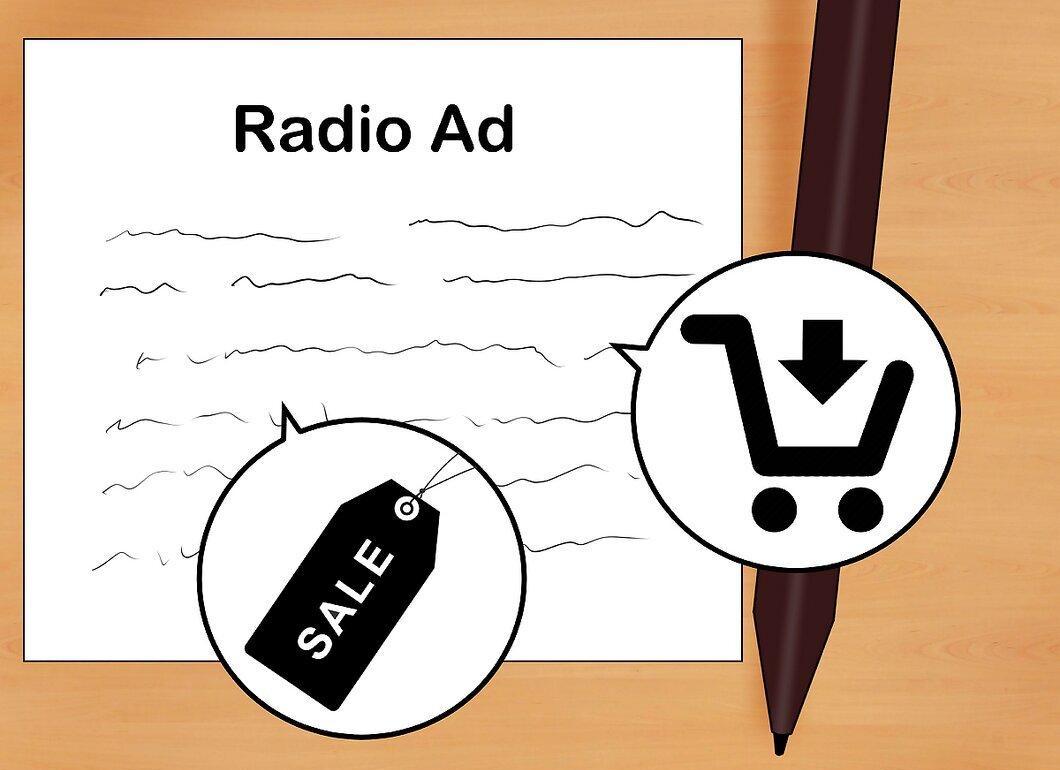
Use a clear call to action. In addition to a clear and comprehensive presentation of the product or service, radio ads should contain a call to action. In other words, it's essential to clearly communicate to the target audience what they should do next. A call to action may encourage listeners to:
- buy the product or use the service;
- go to a sale at a specific store;
- contact the manufacturer or company;
- attend an event or venue;
- watch a specific TV show.[12] X Source
Step 4. Use Sound Effects Wisely.
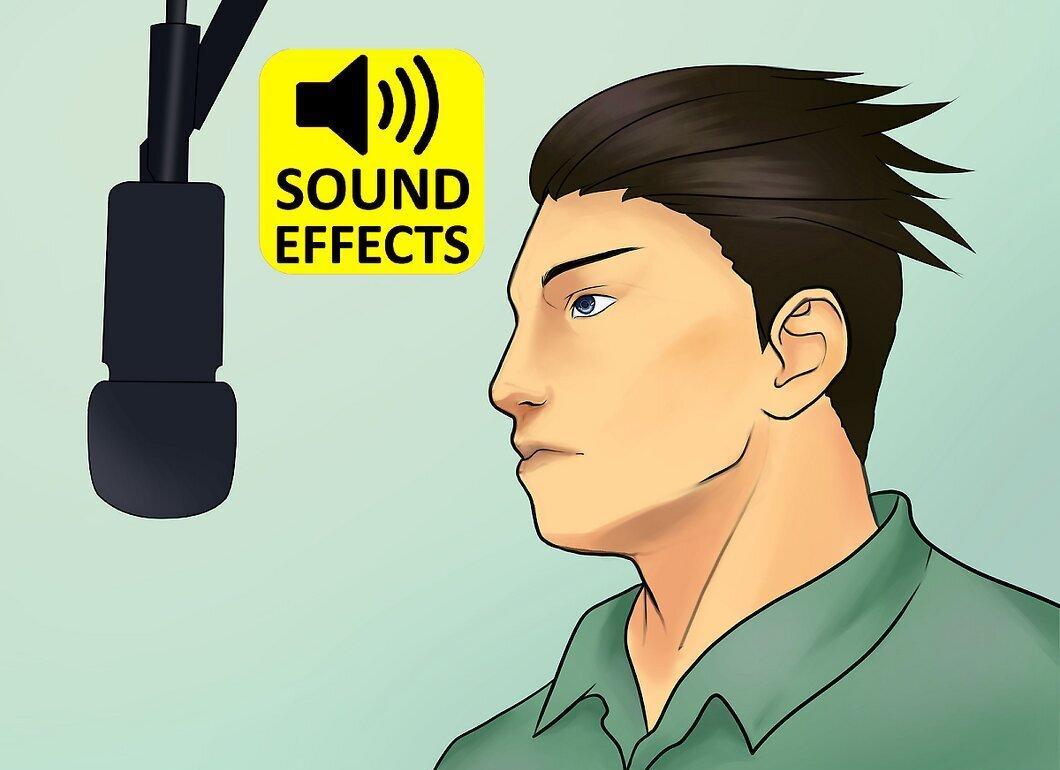
Use sound effects wisely. Radio advertising heavily relies on sound effects and music to help listeners mentally visualize the situation. Smart integration of sounds and music with the text can enhance and transform the advertisement. While working on the text, also envision the optimal sound accompaniment.
- Never add music and sounds as an afterthought.
- Unusual voices can also be incorporated into the ad.[13] X Source
- For instance, if you're selling drinks, the sound of a bottle opening will intrigue listeners. In the advertisement for seasonal stadium subscriptions, you can use the sound of a ball being hit and the noise of cheering fans. These elements elevate the advertisement to a new level.
Researching the Product or Service
Step 1. Research the Product or Service.

Research the product or service. If you want to create effective, witty, and understandable advertising text, it's important to thoroughly research the product or service. During your study, find answers to questions like:
- Why is the product needed?
- What are the benefits of the service?
- Who produces the product?
- Which company or individual provides the service?
- What is unique about the product or service?
- What is the cost of the product or service?
- Is the offer time-limited?
- How can interested listeners contact the seller or service provider?
- Where can the product be purchased?[14] X Source
Step 2. Identify Your Target Audience.

Identify your target audience. The tone and content of the ad entirely depend on your target audience. Advertising for children and parents differs from advertising for teenagers and young adults. An ad for a nightclub is vastly different from an advertisement for a life insurance policy. Identify your target audience based on demographic criteria such as:
- ethnicity;
- average age;
- socio-economic status;
- location;
- education;
- sexual orientation;
- marital status;
- occupation.[15] X Source
Step 3. Determine the Benefits of the Product or Service for the Target Audience.

Determine the benefits of the product or service for the target audience. Advertising is the art of persuading people that they need a specific product or service, so radio advertising should answer the following questions:
- How will the product or service improve life, satisfy needs, or provide benefits?
- Will the product or service solve a specific problem?
- Will it enhance leisure time?
- Will it make someone fashionable and stylish?
- Will it save time and money?
- Will it provide information and valuable skills?
- Will it assist in work, study, or daily life?
- Will it help find new connections?[16] X Source