Master the Art of Speaking Less and Listening More
Many people strive to talk less and listen more. This not only helps gather valuable information but also deepens your understanding of others. Furthermore, you'll be able to express your thoughts concisely. So, how can you achieve this?
Minimizing Speech Frequency
Step 1. Speak only when it's truly necessary.
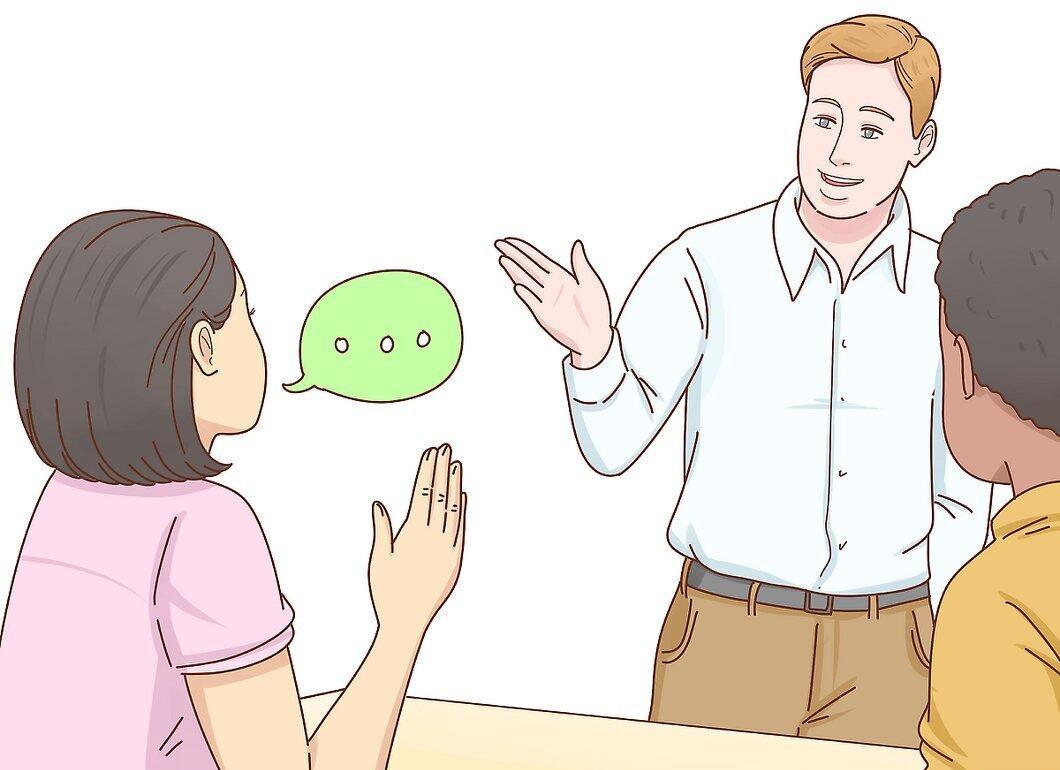
Talk only when it genuinely matters. Before you open your mouth, ask yourself: Is this necessary? Don’t interrupt a conversation unless you’re part of it.
- People tend to pay more attention to those who choose their words carefully. If you constantly share opinions or tell stories, interest in you may wane. If you have a tendency to talk too much, you might notice that you often share unnecessary information.
Step 2. Don’t fill silence with words.

Avoid speaking just to fill the silence. This often leads to rambling. You might find yourself talking in certain situations, like at work, to ease awkwardness. However, sometimes silence is perfectly acceptable.
- For example, if you and a colleague are in the same room, there’s no need to strike up a conversation if they’re not interested in engaging. In such cases, it’s better to smile politely and maintain silence.
Step 3. Think before you speak.
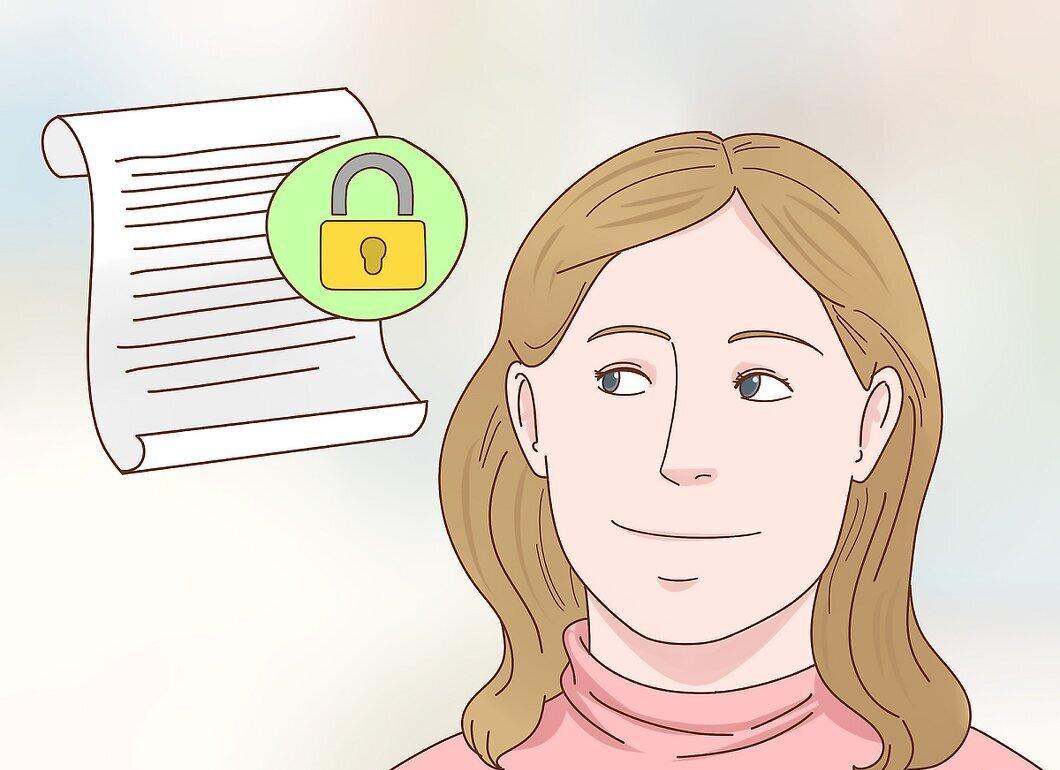
Before you speak, carefully consider your words. If you find yourself speaking too often, it may indicate a lack of filtering your thoughts. Learn to think before you speak to make your communication more precise.
- People who are prone to verbosity often reveal information that is better kept private. If you have a thought to share something personal, take a pause. Remember, you can always share information later, but once it’s out, it’s no longer private.
Step 4. Monitor the length of your speech.
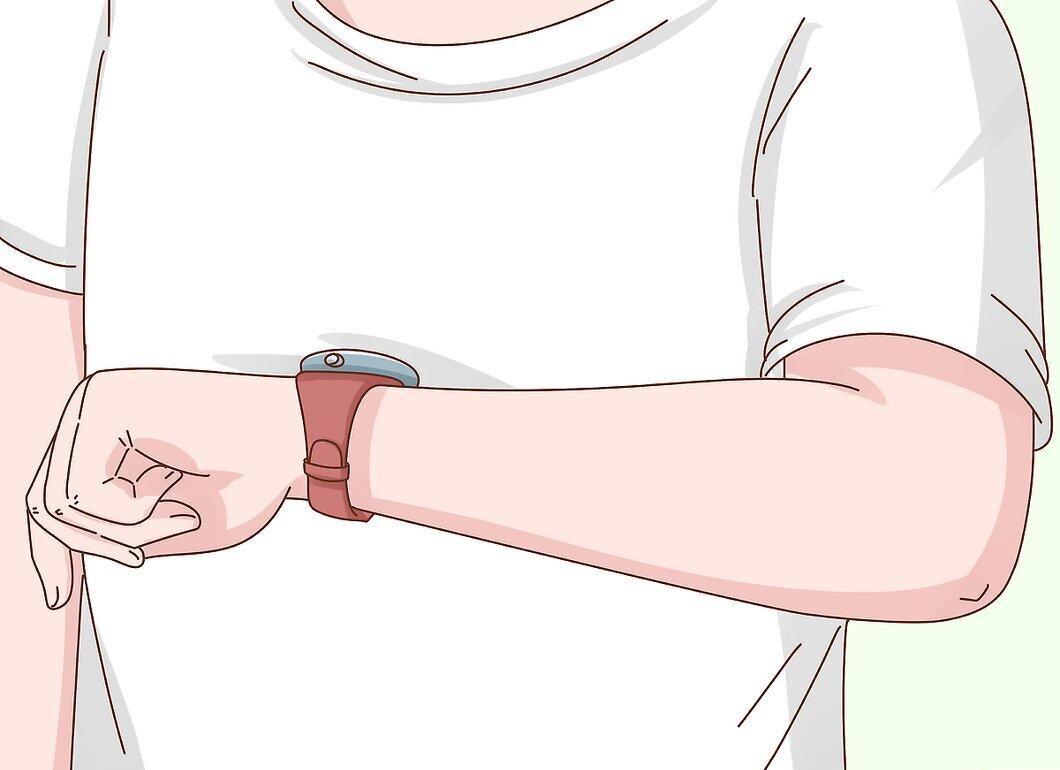
Pay attention to how long you’re speaking. Generally, after 20 seconds of talking, you risk losing the listener's interest. After that, try to switch focus to your conversation partner and notice any signs indicating their waning attention.
- Observe body language: if your conversation partner looks bored, they might be fiddling with their phone or getting distracted. Their gaze may begin to wander. Try not to speak for more than 40 seconds at a time to avoid irritation.
Step 5. Assess whether you’re talking out of anxiety.

Consider whether your verbosity is a sign of underlying anxiety. Often, people talk excessively when they feel nervous. Pay attention to your emotions in such moments.
- When you start to ramble, pause and analyze your feelings. How do you feel? Are you experiencing anxiety?
- During anxious moments, try counting to 10 or taking a deep breath. Remind yourself that it’s normal to feel nervous, but you should try to relax and enjoy the conversation. If social anxiety becomes a problem, consider seeking professional help.
Step 6. Don’t speak just to impress others.
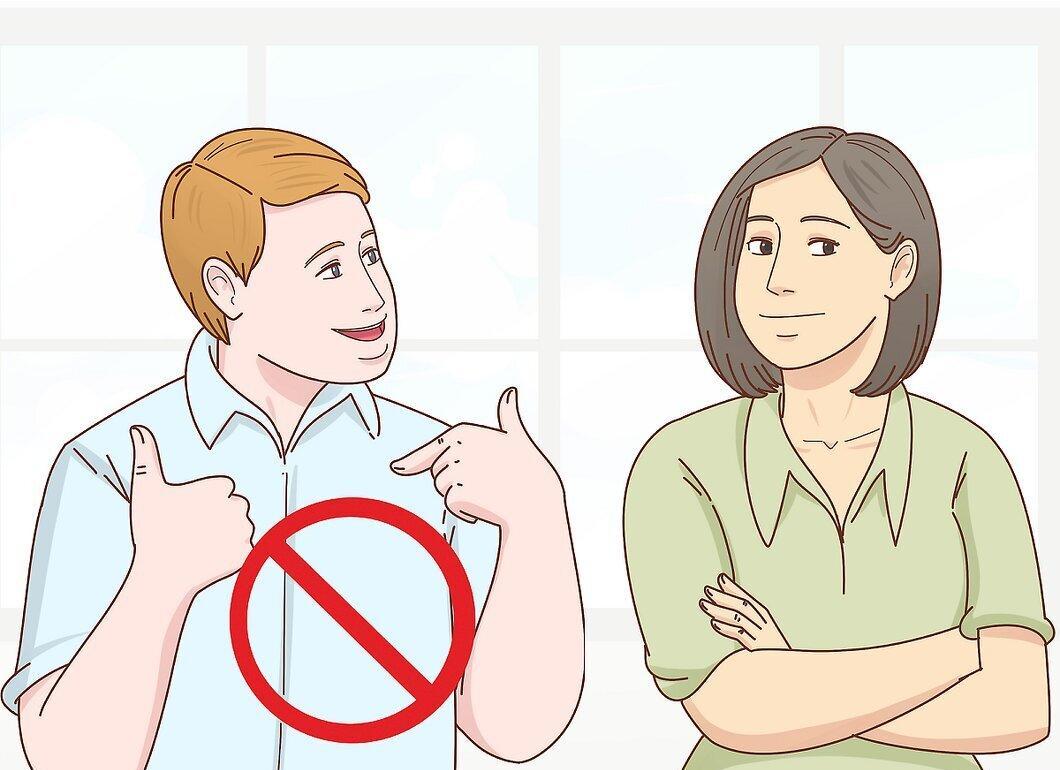
Avoid speaking simply to impress those around you, especially at work. If you notice you’re talking a lot, consider whether you’re trying to “show off.”
- Remind yourself that people value what you say more than how often you say it. Save your words for moments when your contribution will be meaningful.
Learning to Listen
Step 1. Focus on the speaker.
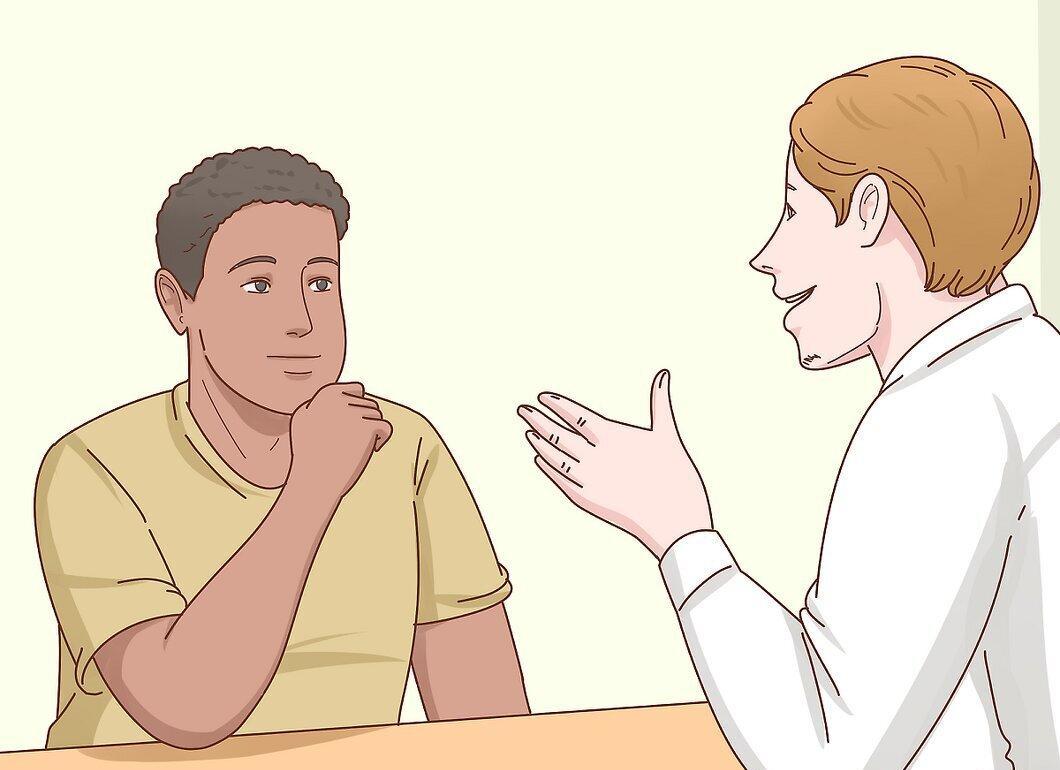
Concentrate on the person speaking. During a conversation, don’t look at your phone or get distracted. Don’t think about your tasks or what you’ll have for dinner. Focus solely on the speaker — this will help you understand them better.
- Don’t break eye contact with your conversation partner. If distracting thoughts arise, return your focus to the conversation and keep listening.
Step 2. Maintain eye contact.

Eye contact shows your attentiveness. Look into the speaker's eyes while they talk. This confirms that you are listening carefully and not getting distracted. A lack of eye contact can be perceived as rudeness.
- Electronic devices, such as mobile phones, can be distracting. Put your phone away in your bag or pocket during the conversation.
- Eye contact also helps indicate if the speaker is getting tired of you. If they look away, you might be talking too much. Pause and give them a chance to express themselves.
Step 3. Reflect on the speaker's words.

Listening is not a passive process. Your task is to understand what the speaker is saying without passing judgment. Even if you disagree, wait until they finish. Don’t think about your response while they’re talking.
- Try visualizing what they’re discussing. Create mental images based on what the speaker is saying.
- Highlight key words or phrases to better grasp the essence of the conversation.
Step 4. Clarify information.

When it’s your turn to speak, show that you were truly listening. Rephrase what was said and ask questions. Don’t repeat word-for-word; instead, articulate your understanding in your own words. Active listening demonstrates to the speaker that you hear them.
- For example, you might say: “So, you’re worried about the upcoming event.”
- Then ask, “What exactly concerns you? How can we discuss this?”
- Show engagement and respect for the speaker's opinion, even if you hold a different view.
Avoiding Common Mistakes
Step 1. Speak when it’s necessary.

Don’t think that learning to speak less hinders your ability to express your thoughts. Sometimes, it’s important to share your opinion, especially if you have serious issues or believe your insights can be valuable.
- If you’re facing challenges in your personal life, don’t hesitate to share with others if you need support.
- It’s important to voice your opinion when it could be meaningful, such as at work.
Step 2. Don’t overdo eye contact.
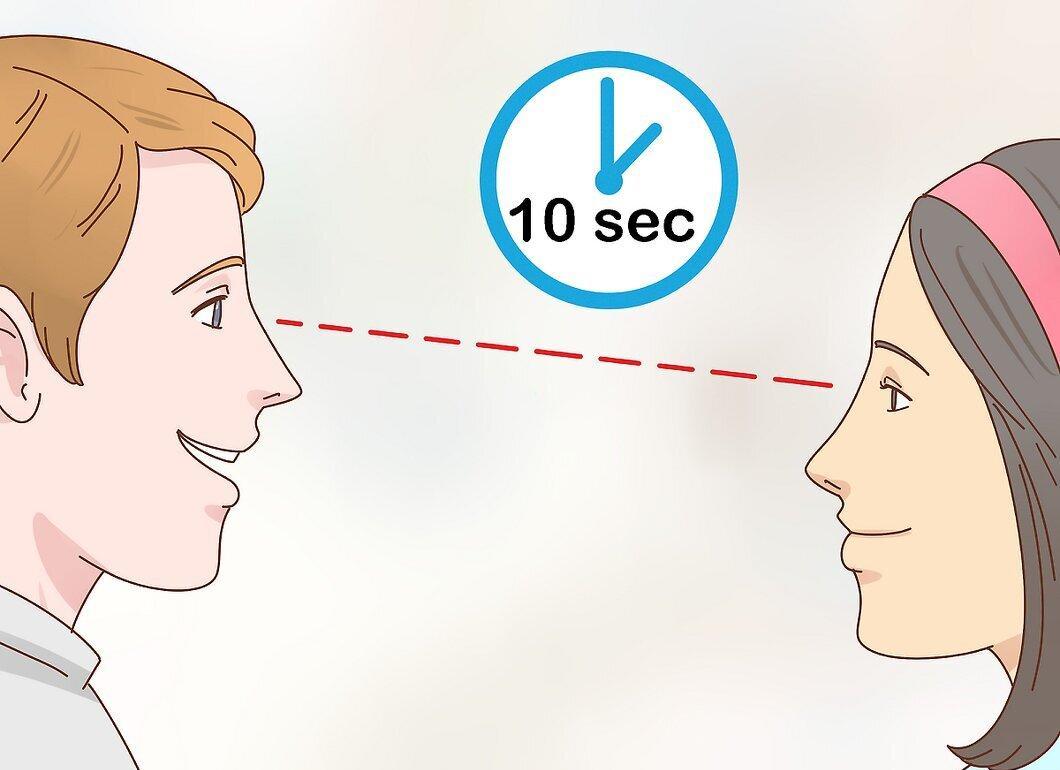
While eye contact is important, too much can create tension. Generally, it’s associated with attentiveness, but excessive contact may appear suspicious. Maintain eye contact for about 7-10 seconds, then look away for a moment.
- In some cultures, eye contact may be considered inappropriate. For instance, in Asian cultures, it may be interpreted as a sign of disrespect. If you’re communicating with someone from a different culture, learn about eye contact etiquette.
Step 3. Don’t jump to conclusions.

Avoid rushing to conclusions while listening. Everyone has their own opinions and perspectives. If you disagree with the speaker, don’t be quick to judge. If you feel you’re making hasty conclusions, pause and focus on their words. Listen attentively and reserve judgment for later.