
The ability to analyze and think critically is an invaluable skill. Not only will it assist you in your studies, but it will also allow you to assess the credibility of news articles and conduct thorough research when necessary. A good analysis requires writing a summary based on an article, making notes on the article, and researching the article and its author's biography.
Writing a Summary of the Article
Step 1. Read the article once without taking any notes.

Read the article once without taking any notes. This initial reading should be used to grasp the overall concept of the material and to gain a general understanding of its content.
Step 2. Look up any terms or words that are unclear to you.

Look up any terms or words that are unclear to you. If you are reading a technical article, make sure you understand all the data before proceeding with your analysis.
Step 3. Try to write a brief summary of the article in 3-4 sentences.

Try to write a brief summary of the article in 3-4 sentences. If you struggle to do this, you may need to read it again.
Step 4. Consider retelling the article out loud if that helps you more than writing a summary.

Consider retelling the article out loud if that helps you more than writing a summary. If you can briefly convey the article's content without overusing technical terms, you are ready to move on.
Making Notes on the Article
Step 1. Make a photocopy of the article.

Make a photocopy of the article. You can also print it out. If you are not very skilled at taking notes using apps like Evernote, you should do it manually.
- Ensure that the printed copies have page numbers so that you can refer to the article correctly during your analysis.
Step 2. Reread the article a second time to highlight the key points.

Reread the article a second time to highlight the key points. Read it more slowly than the first time and make margin notes as you read.
Step 3. Identify the main arguments in the article.

Identify the main arguments in the article. This should be the primary claim that the author emphasizes or attempts to prove in their material. Your analysis will refer back to this claim as you determine how successfully the author has convinced their audience.
Step 4. Highlight information that is frequently repeated throughout the article.

Highlight information that is frequently repeated throughout the article. Underline supporting evidence and make margin notes as you read.
- If you are reading a scientific paper, look for methods, evidence, and results. This is the standard structure of most scientific papers.[1] Source
Step 5. Make notes on any information that is not fully proven or explained.
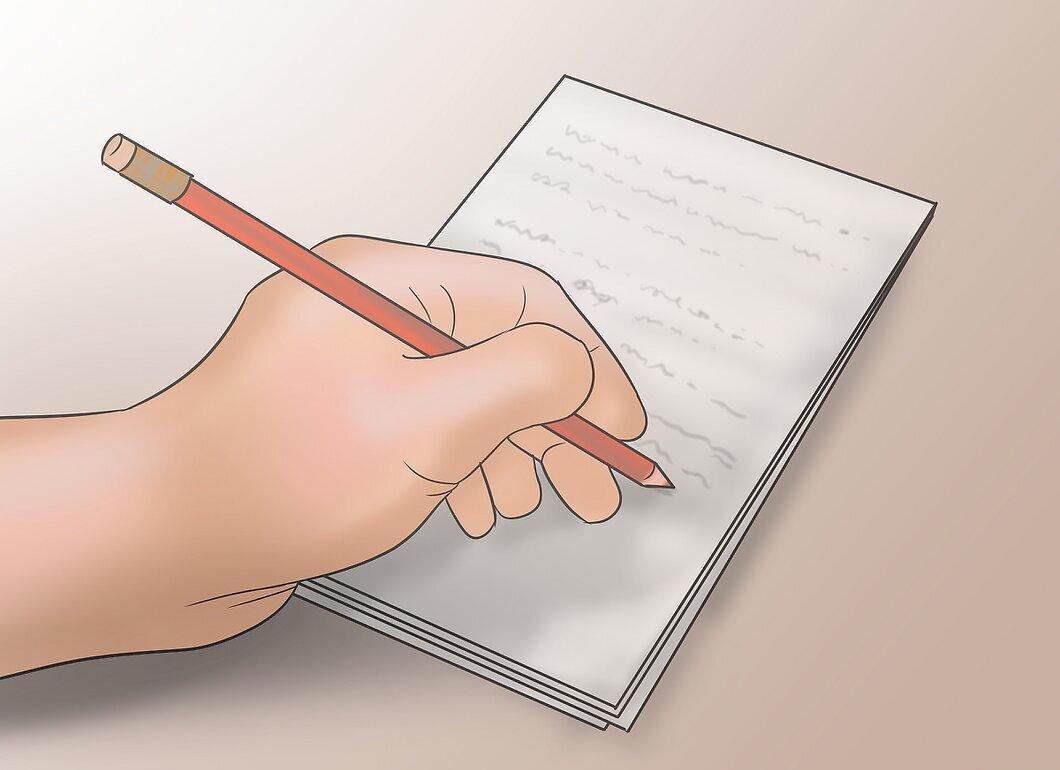
Make notes on any information that is not fully proven or explained. Such notes will save you time during the writing process.
Analyzing the Article
Step 1. Write a summary or outline of the article.

Write a summary or outline of the article. If you are writing an analytical essay, this can serve as your introduction.
Step 2. Conduct a brief biographical research on the article's author.

Conduct a brief biographical research on the article's author. Their qualifications will show whether the author's opinion is competent. In historical articles, this will also indicate whether this author’s work is a primary or secondary source.
- Determine if you think the author could be biased. In media-related articles, you should assess whether the author can remain sufficiently impartial in their coverage of current events.
Step 3. Identify the article's audience.

Identify the audience of the article. Assess whether you think the author wrote the article for this audience. For example, if the audience is the general public, but the author uses purely technical terms, the article may be difficult to understand.
Step 4. Determine the article's purpose.

Determine the article's purpose. This can also be the thesis or what the author is trying to prove. The author may pose questions and answer them later.
Step 5. Evaluate how effectively the author supports their thesis.

Evaluate how effectively the author supports their thesis. Quote the article to highlight particularly successful or unsuccessful arguments. Analyze the article by assessing how informative and interconnected the author's arguments are.
- Go back to your notes on the article to find quotes or questions regarding the validity of the arguments.
Step 6. Compare the article with other materials on the same topic.

Compare the article with other materials on the same topic. If you have been asked to read several articles, you can analyze one article in light of another. Note which article's arguments were more convincing and why.
Step 7. Write down any unanswered questions.
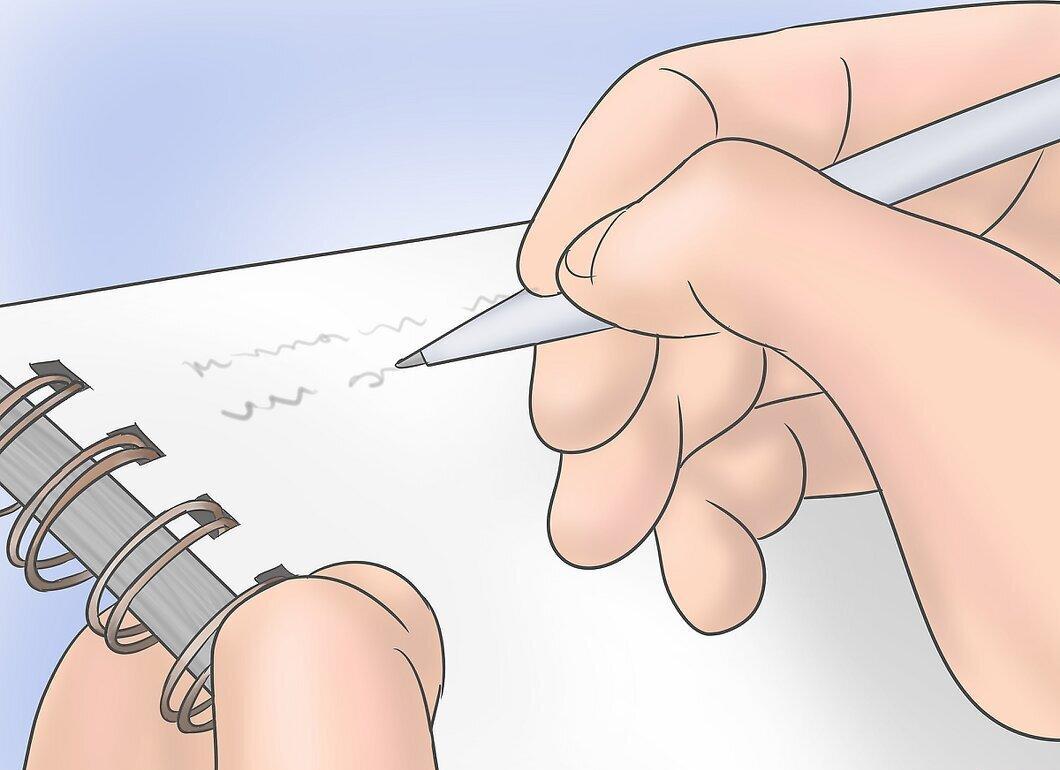
Write down any unanswered questions. Consider whether the author could have improved their article by providing more evidence or conducting more thorough research on the topic.
Step 8. Explain why the article is important to the reader and to the world at large.

Explain why the article is important to the reader and to the world at large. At this stage, you may want to state your personal opinion on the topic. Some instructors ask for the reader's opinion, while others require only a strictly academic approach.
Step 9. Prepare a sources page if you used quotes in your analytical note.
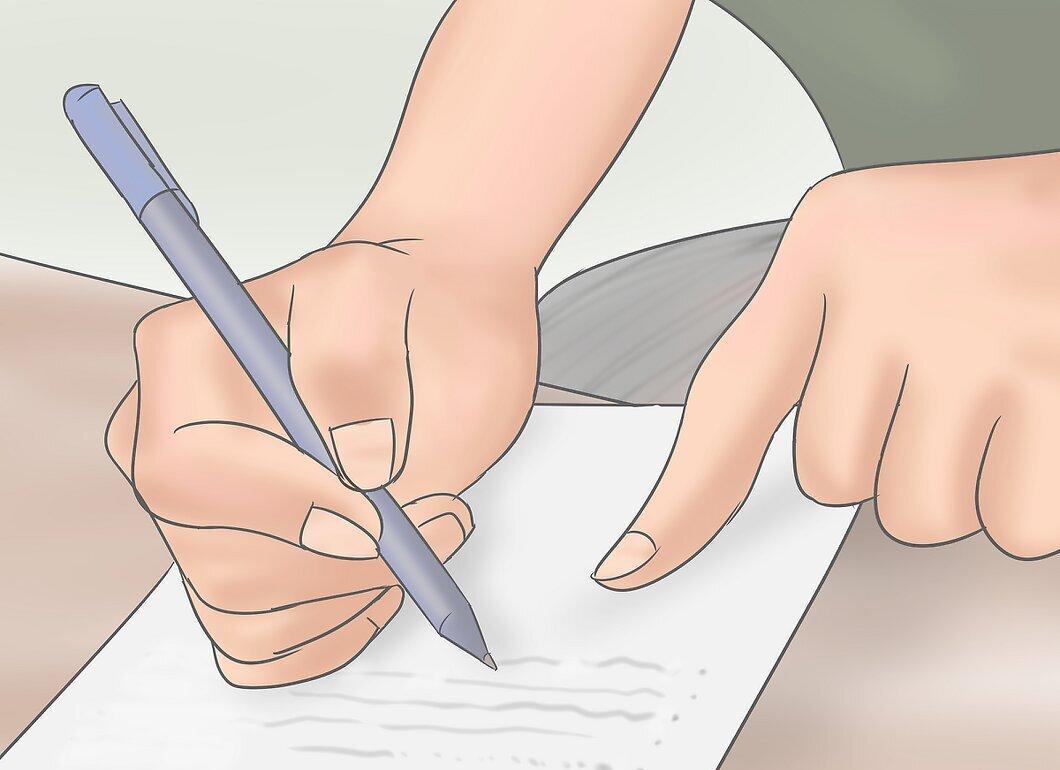
Prepare a sources page if you used quotes in your analytical note. Check with your instructor on how best to format such a page.