Measuring millimeters is typically done using a metric ruler or a specialized measuring tool. If you don't have a measuring device on hand, there are other ways to determine length in millimeters. Additionally, if you have a measurement in another unit, you can easily convert it to millimeters.
How to Measure Millimeters
Step 1. Identify the unmarked lines on your ruler.
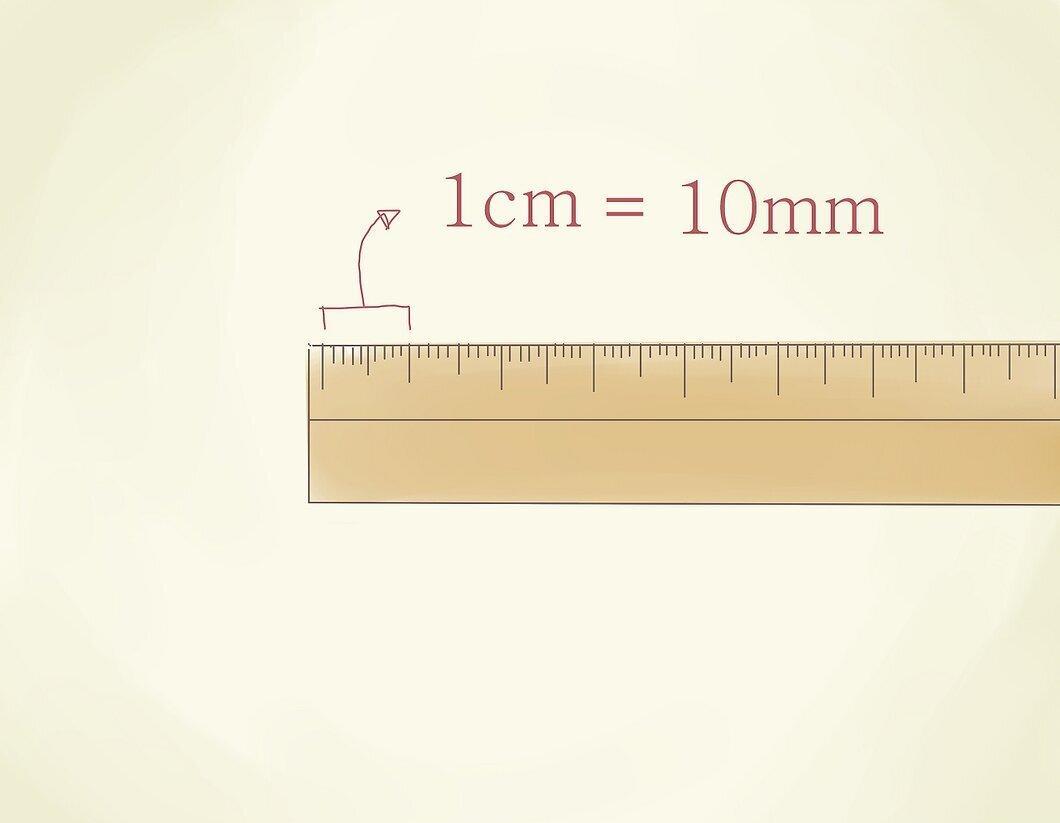
Take note of the unmarked lines on the ruler. The numbered lines indicate centimeters, while the unmarked ones represent millimeters.
- If you have a short ruler, you can use the measuring tool — the small ticks between the numbered lines also correspond to millimeters.
- Remember that 1 cm equals 10 mm.
Step 2. Place the "0" end of the ruler at the starting edge.
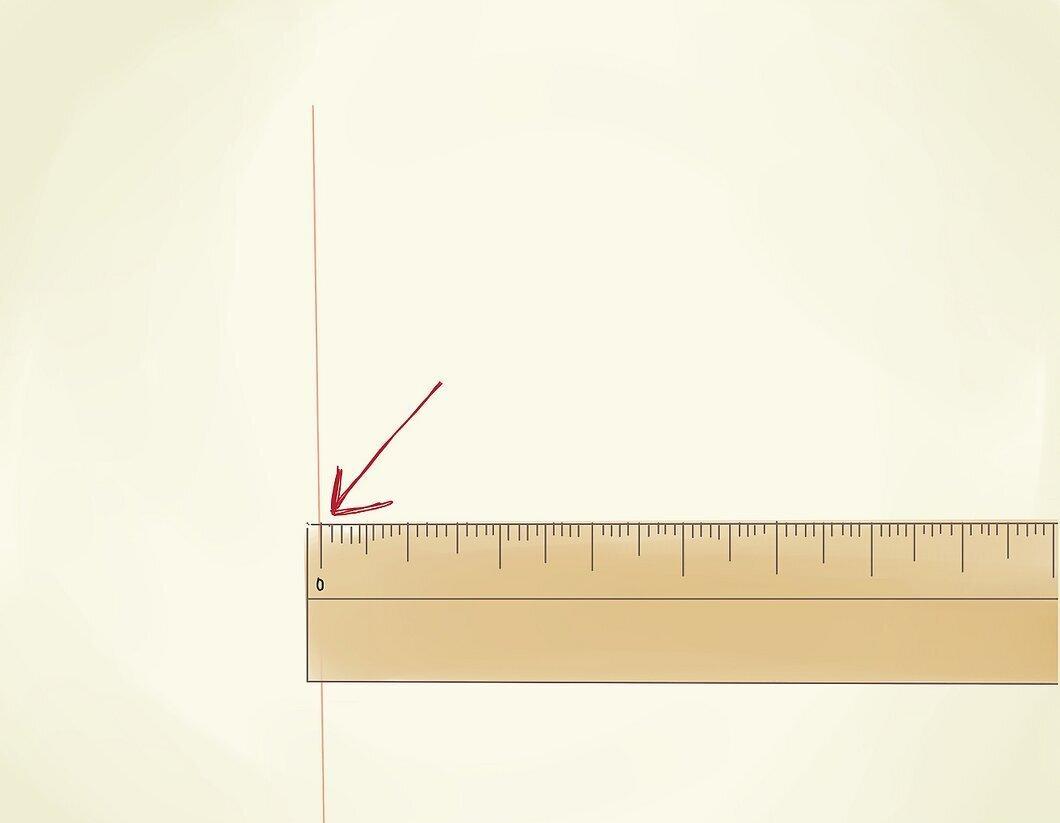
Position the "0" end of the ruler at the starting point. Ensure that the ruler is straight and parallel to the line you are about to measure.
- If the ruler doesn't have a "0" mark, use the edge that is right before the "1" mark.
Step 3. Locate the numbered line before the edge of the object being measured.
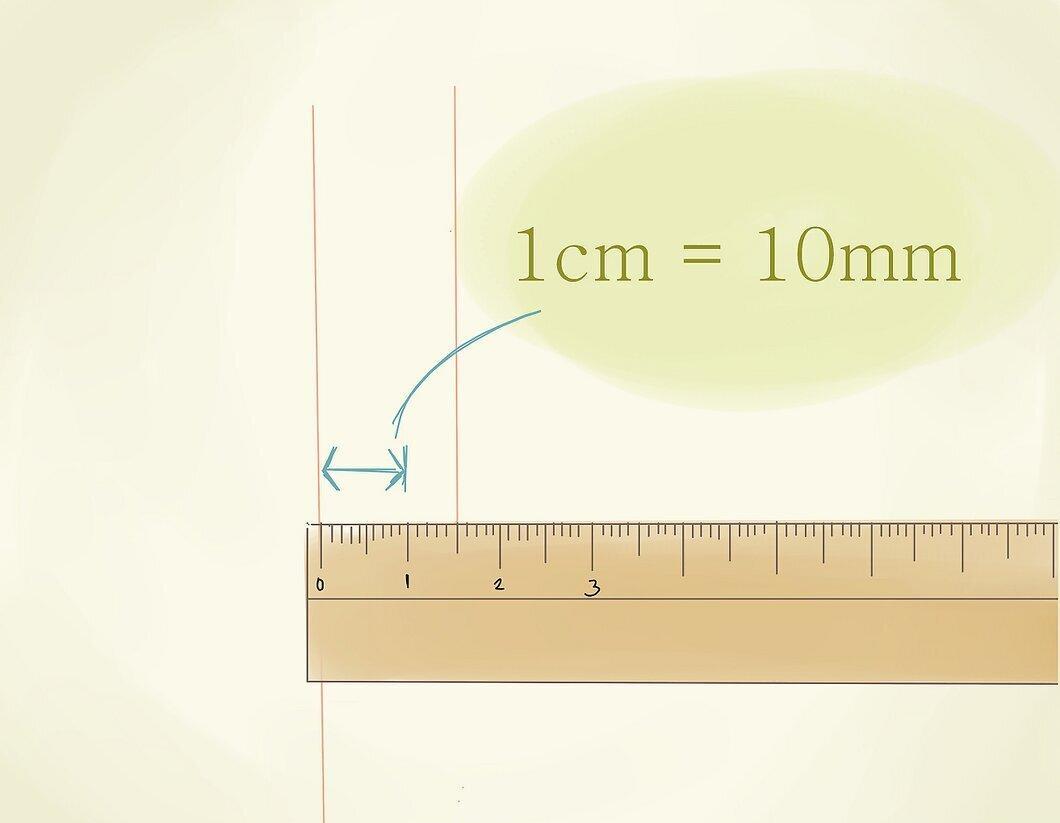
Look for the numbered line that is directly in front of the end of your object. Remember this mark, then multiply it by 10 to get the value in millimeters.
- Ensure the ruler is lying flat on the surface.
- If the edge ends at a numbered line, simply multiply that number by 10. For example, if the length from 0 to 2 cm is measured, that equals 20 mm (2 * 10).
Step 4. Count the unnumbered ticks after the last numbered mark.
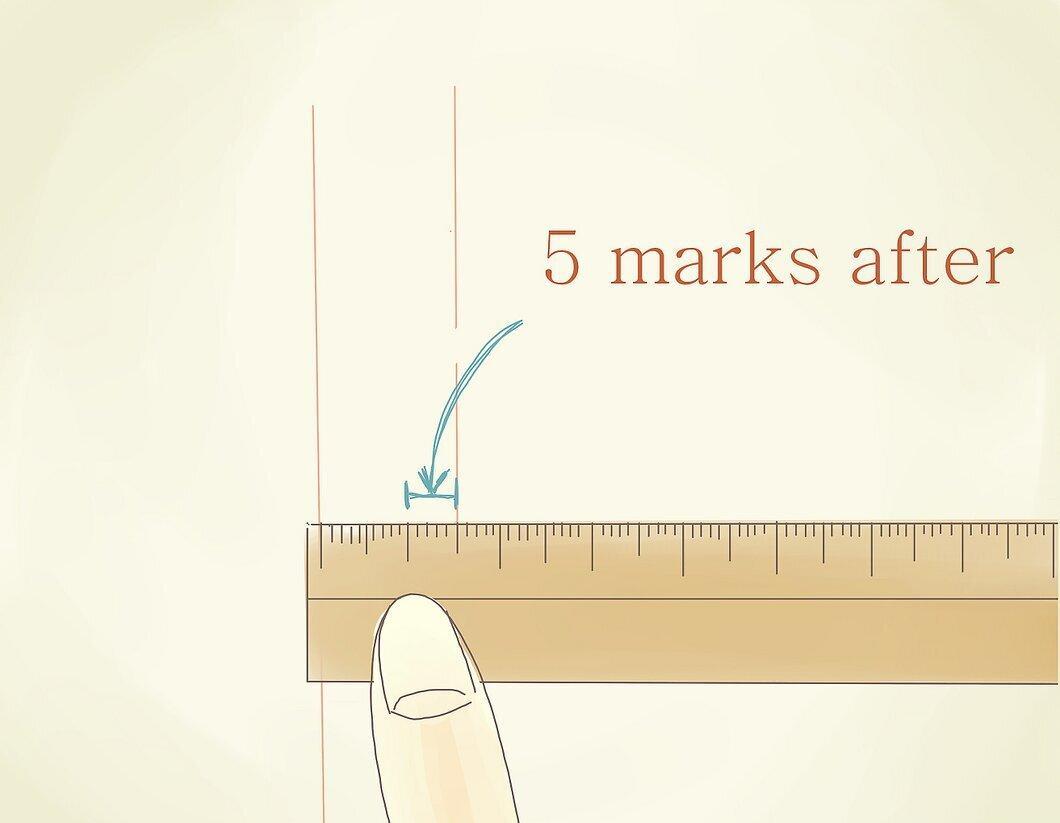
Count the unnumbered ticks between the last numbered line and the endpoint of the object being measured.
Step 5. Add both values to get the length in millimeters.
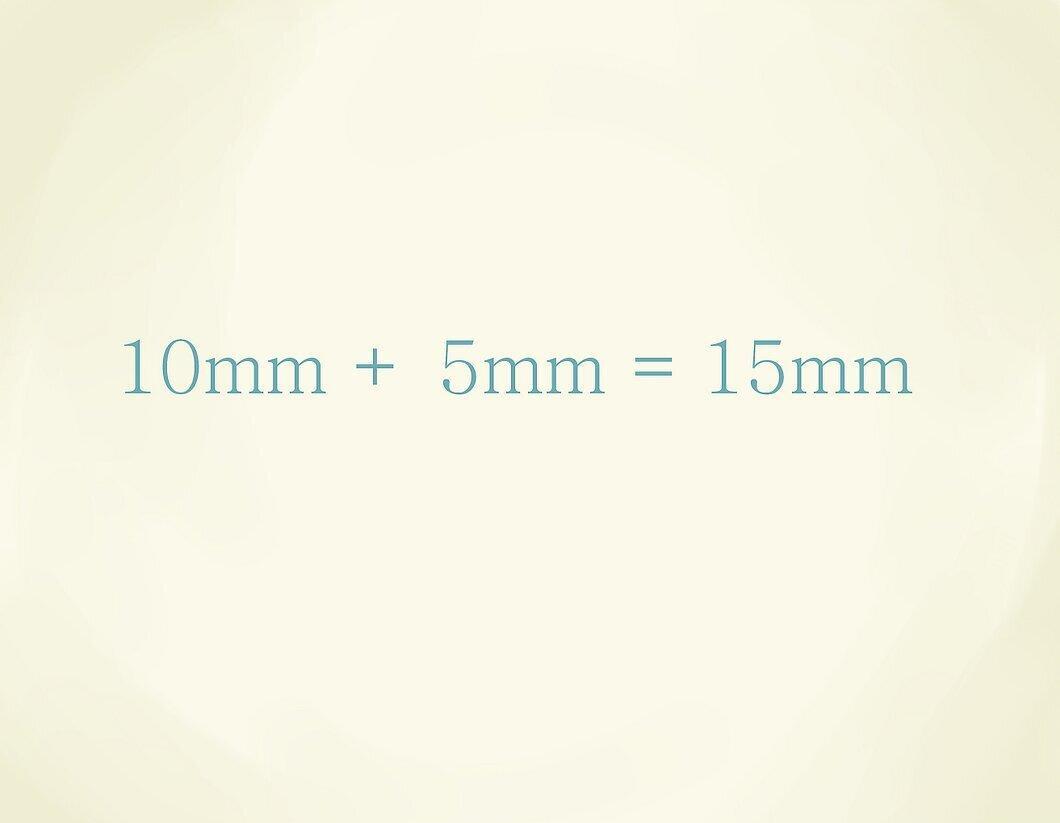
Add the two obtained values to find the total length in millimeters. The sum of the centimeter value and the additional millimeters will give you the final result.
- For instance, if the length from 0 to 5 ticks after 7 cm is measured, then that equals 75 mm: 7 * 10 = 70 and 70 + 5 = 75.
Approximate Measurement in Millimeters
Step 1. Find an item that is about 1 mm in size.
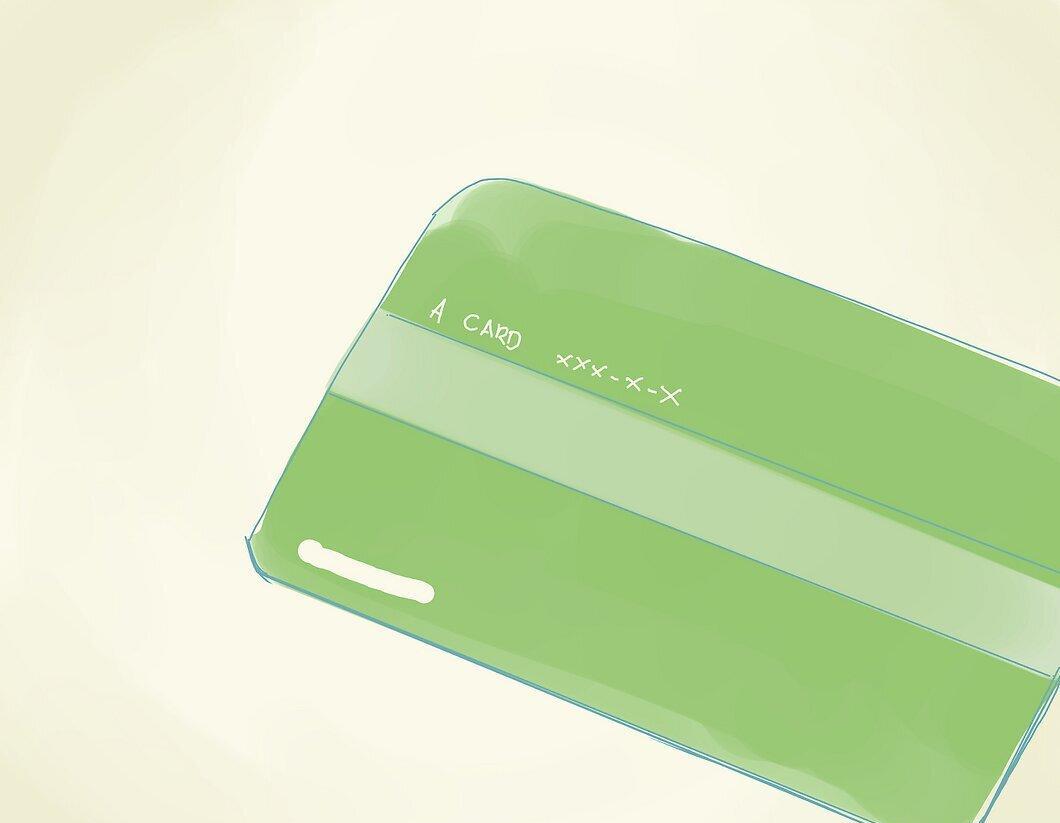
Choose an item that is roughly equal to 1 mm. This could be a plastic card, ID, or credit card, as they usually have a thickness of about 1 mm.
- Plastic cards are an excellent choice. Small items like grains of salt or sand, 10 sheets of paper, the thickness of a single sheet of printer paper, the thickness of a fingernail, or a grain of rice can also work.
Step 2. Place the item on a clean sheet of paper.
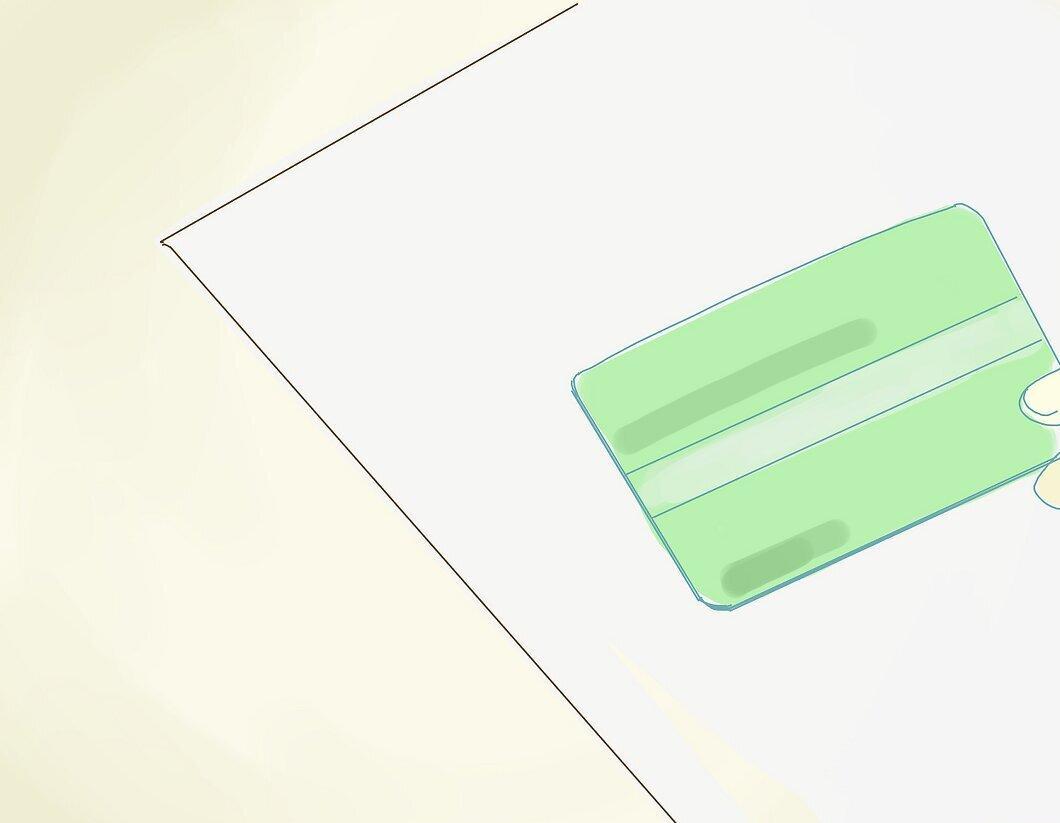
Lay the object on a light sheet of paper so that its edge is on the paper. Try to ensure that the entire edge is on the surface.
- You can draw a line along the edge with a pencil to make subsequent measurements easier, but this is not necessary.
- Ensure the paper is light-colored so the lines are clearly visible.
Step 3. Mark the starting edge.
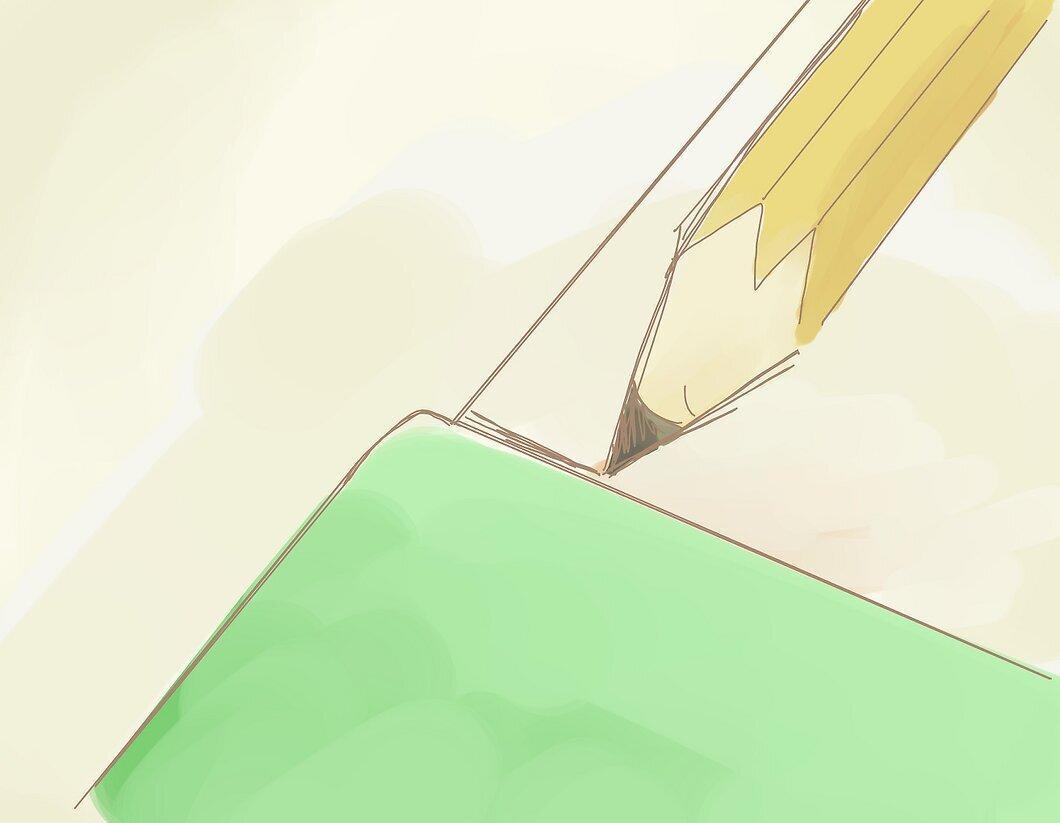
Use a pencil to carefully mark a line perpendicular to the edge of the item being measured. This will be your starting point.
Step 4. Position the measuring item at the starting mark.
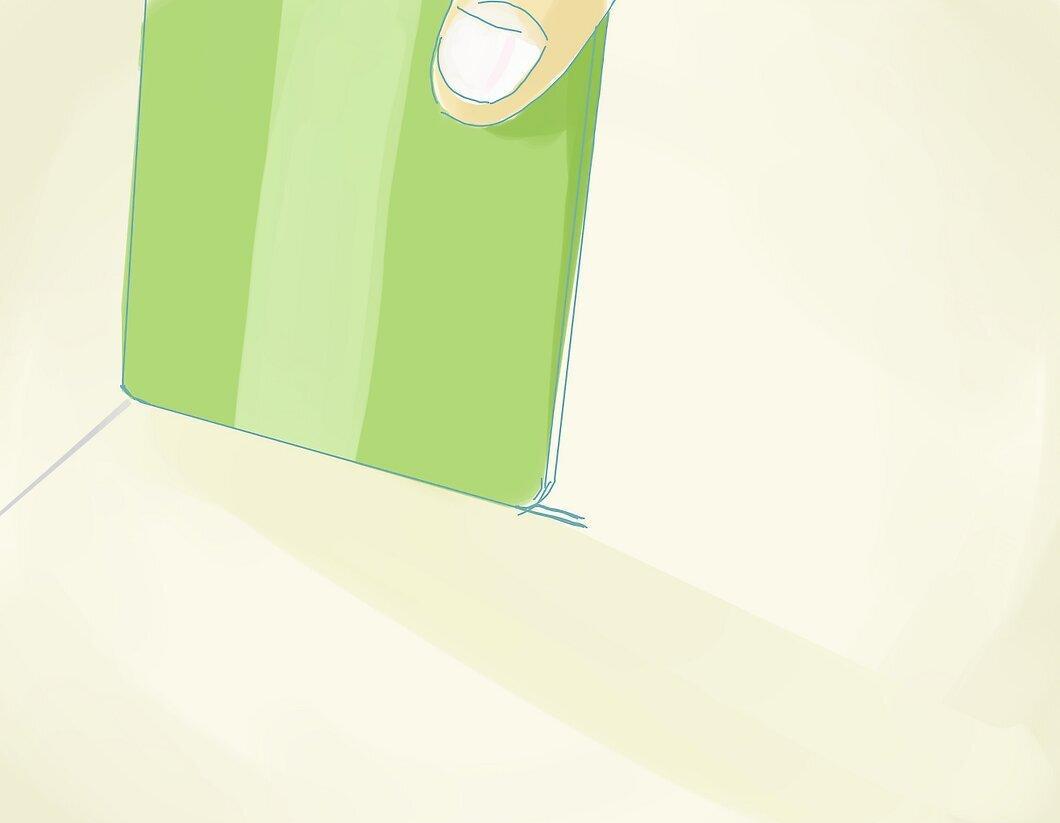
Place the narrow edge of the measuring item next to the starting mark on the paper. Again, draw a small tick on the opposite side.
- Try to get as close as possible to the edge of the item.
- This method is suitable for other objects, not just plastic cards.
Step 5. Move the measuring item along the entire length.
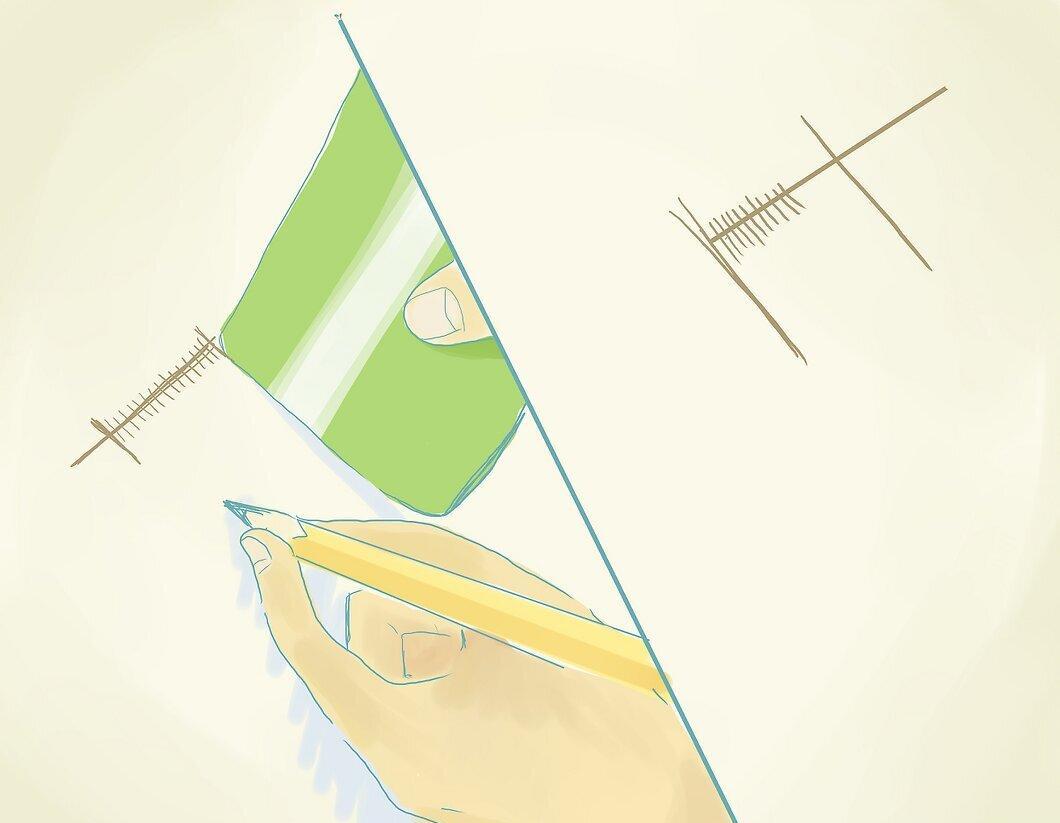
Slide the item along the line, marking a new point each time until you reach the end of the object being measured.
- Ensure the item is perpendicular to the line.
- Don’t forget to mark the endpoint.
Step 6. Count the intervals.
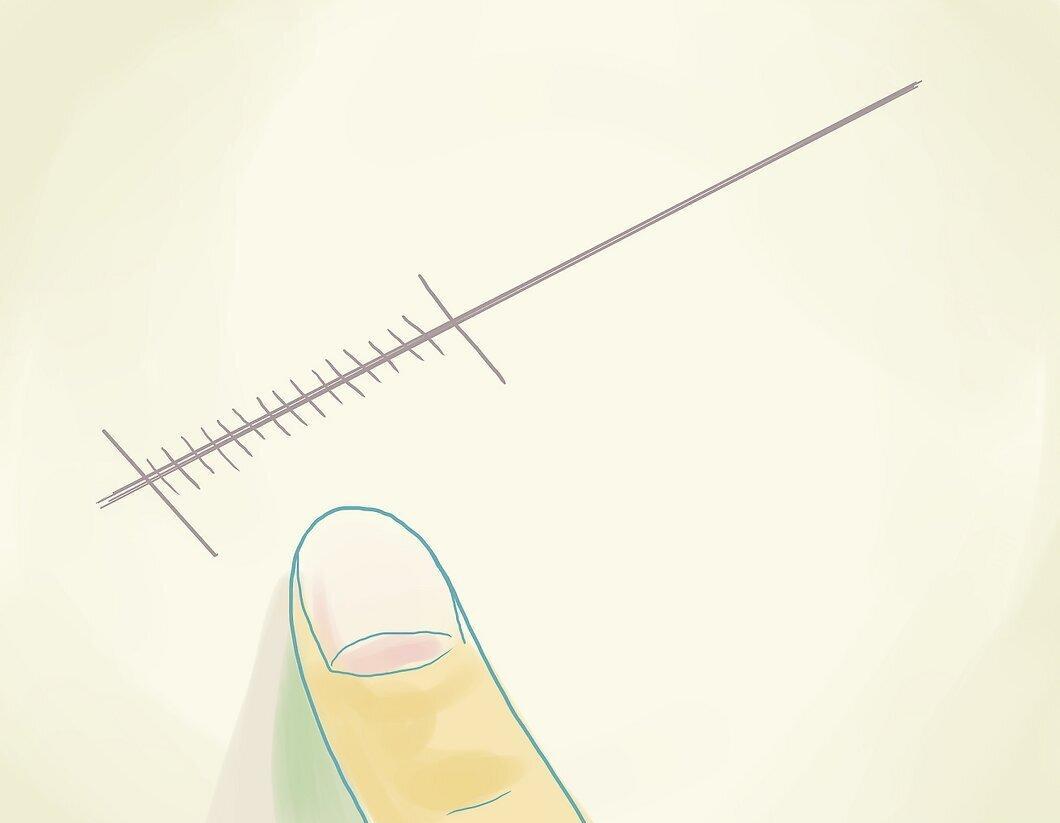
Remove the measuring item and count the number of intervals between the marks. This number will give you an approximate value in millimeters.
- Count only the intervals; ignore the lines.
Converting Other Metric Units to Millimeters
Step 1. Convert centimeters to millimeters.
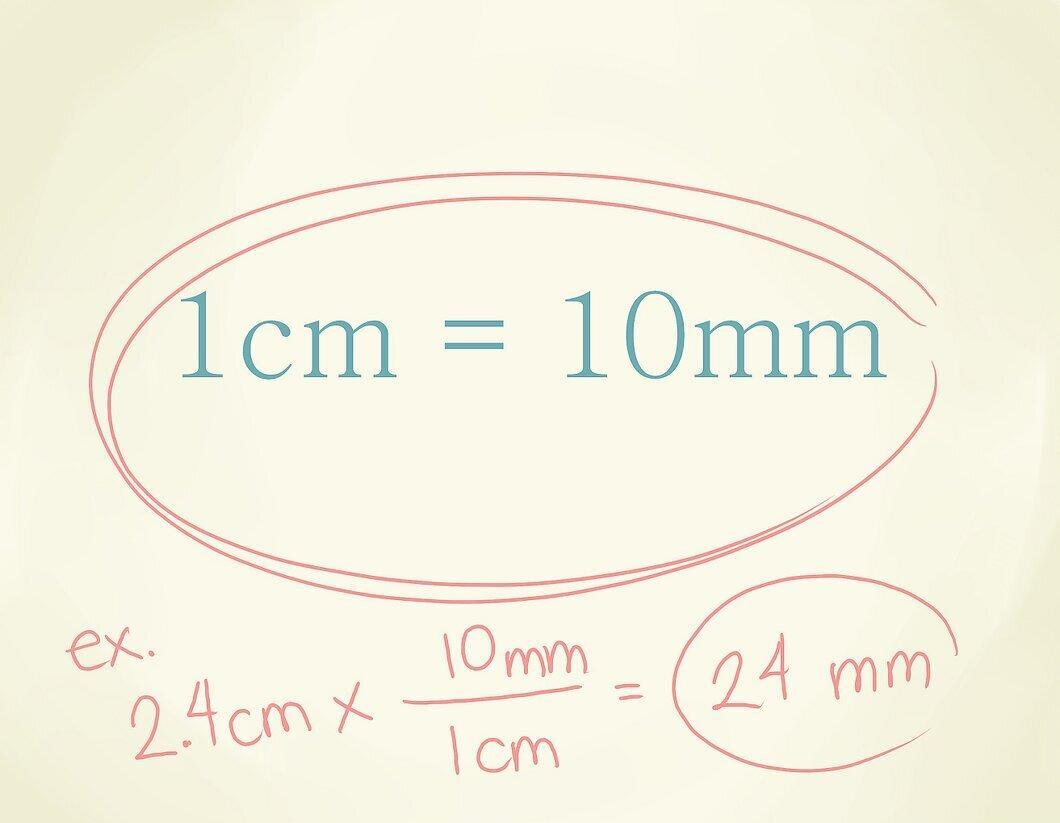
To convert centimeters to millimeters, remember: there are 10 millimeters in one centimeter.
- Multiply the number of centimeters by 10 to get millimeters. For example, 2.4 cm * 10 = 24 mm.
Step 2. Convert meters to millimeters.
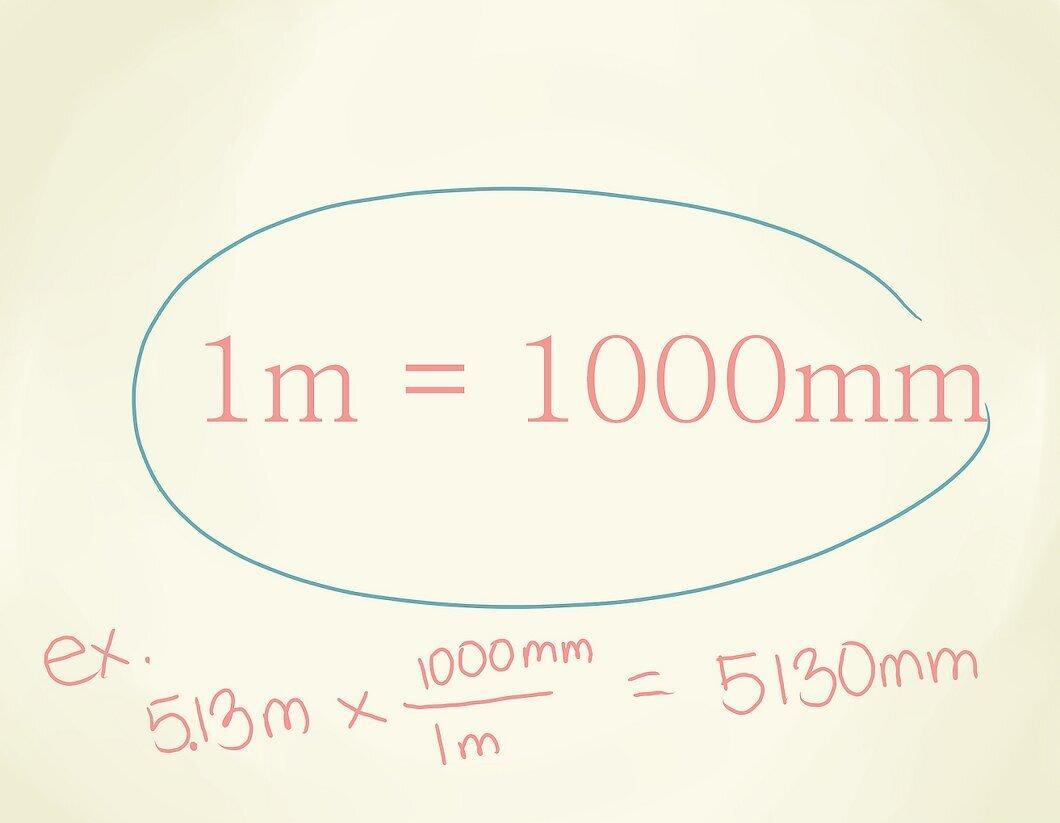
There are 1000 millimeters in one meter.
- Multiply the number of meters by 1000 to get millimeters. For example, 5.13 m * 1000 = 5130 mm.
Step 3. Determine millimeters from kilometers.
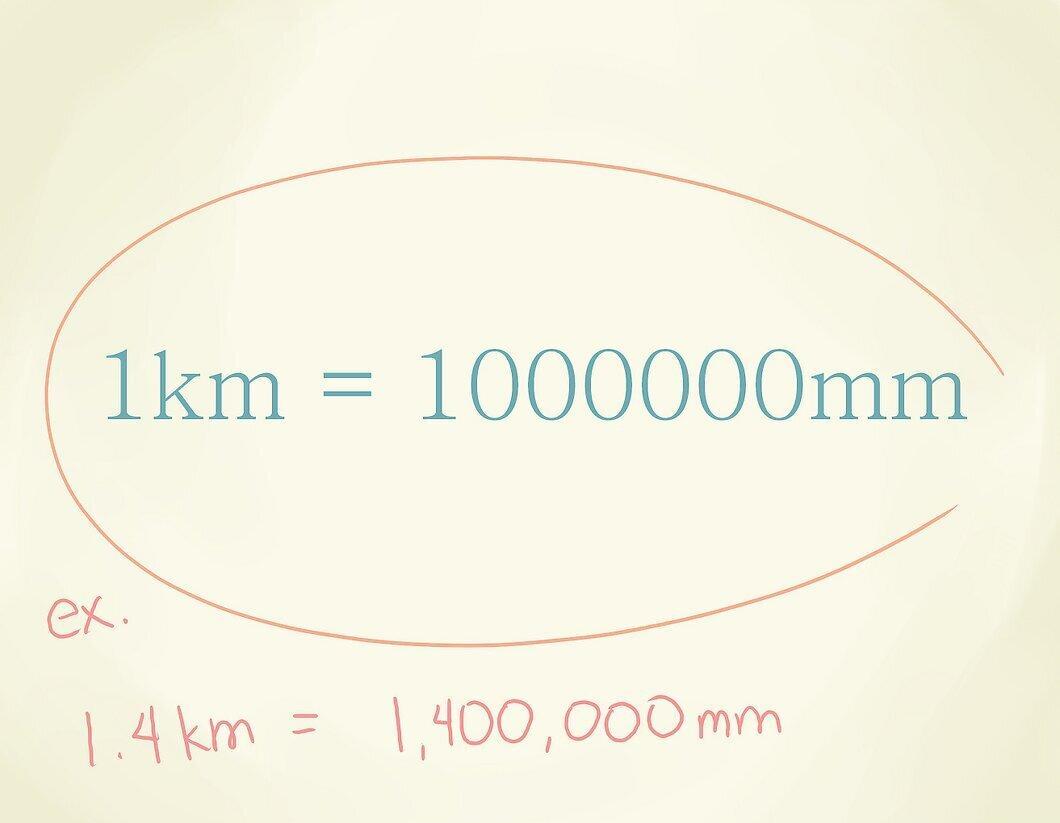
There are 1,000,000 millimeters in one kilometer.
- Multiply kilometers by 1,000,000 to convert to millimeters. For example, 1.4 km * 1,000,000 = 1,400,000 mm.
Converting Imperial Units to Millimeters
Step 1. Convert inches to millimeters.

To convert inches to millimeters, divide by the conversion factor 0.039370.
- There are 25.4 mm in one inch. Use the conversion factor for accuracy. For example, 9.3 inches / 0.039370 = 236.22 mm.
Step 2. Convert feet to millimeters.

To convert feet to millimeters, divide the number of feet by the factor 0.0032808.
- For example, 4.7 feet / 0.0032808 = 1432.58 mm.
Step 3. Convert yards to millimeters.
To convert yards to millimeters, divide the number of yards by the factor 0.0010936.
- For example, 0.03 yards / 0.0010936 = 27.43 mm.