Mastering Reading Comprehension
Reading when you barely understand the material can be frustrating. But don’t despair! Improving your reading skills is not only achievable but also enjoyable! By changing your reading environment and methods, as well as developing your abilities, you can significantly enhance your comprehension. Ultimately, literature can become a true source of joy for you.
How to Engage with the Material
Step 1. Eliminate Distractions.

First and foremost, create a comfortable environment for focusing on the text. Turn off anything that might distract you, and put away electronic devices.
- Turn off the TV and music. Set your smartphone to silent mode and keep it out of sight to avoid notifications.
- If there are many distractions around you, move to another location, such as a library or even a quiet bathroom.
- If you still find it hard to concentrate, try playing soft classical music without lyrics.
Step 2. Read with a Helper if the Material is Complex.

If the text is too difficult, ask someone for assistance who can explain the tough parts. This could be a teacher, friend, or parent. Choose someone who understands the topic well and can answer your questions.
- If a teacher is helping you, ask them to prepare questions that will aid your understanding of the material. Go through them before reading and try to answer them afterward.
- Summarize what you’ve read to your helper and ask them to quiz you on the content. This will help you check your understanding. If you struggle to answer, revisit the text.
- Use online resources to find summaries and questions for complex texts.
Step 3. Read Aloud.
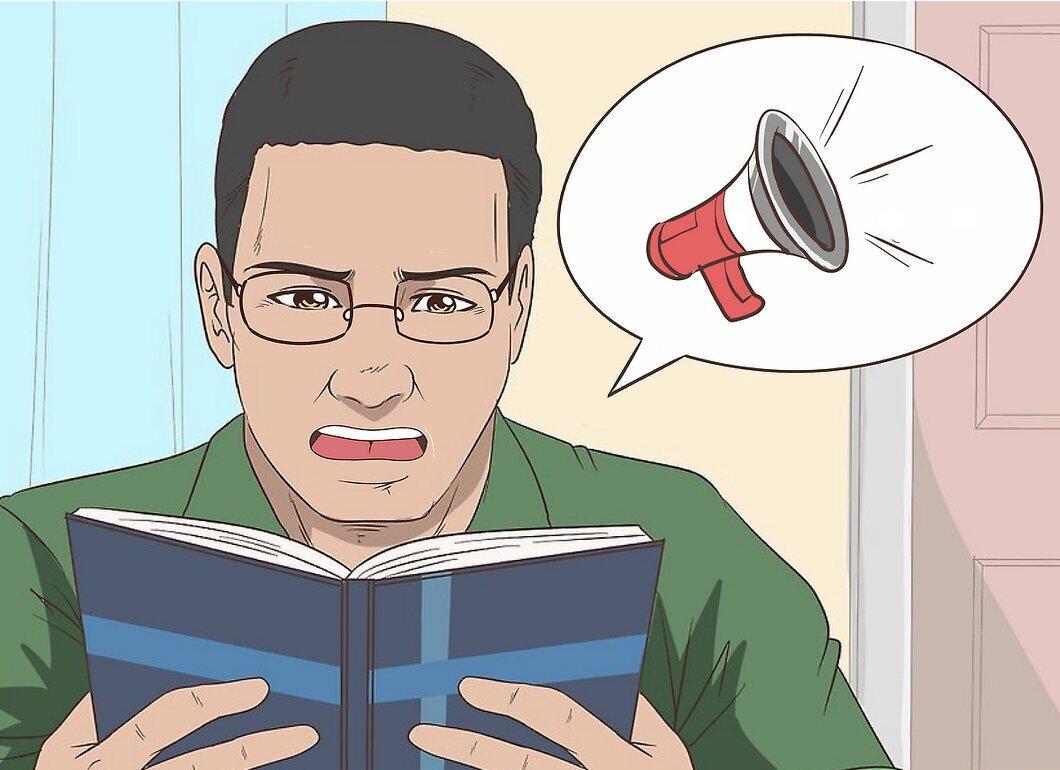
Reading aloud is a great way to slow down the process and think carefully about the material. This method not only allows you to see the words on the page (visual comprehension) but also hear them (auditory comprehension).
- If reading aloud helps you understand the text better, consider listening to audiobooks as well. Even though many prefer reading visually, this can significantly boost your comprehension.
- If your child finds it difficult to read aloud, don’t force them to do it in front of others. Let them read quietly to avoid embarrassment.
- Use your finger, a pencil, or a ruler to follow the text while reading aloud. This will help you focus and better understand the material.
Step 4. Reread the Text for Better Understanding.
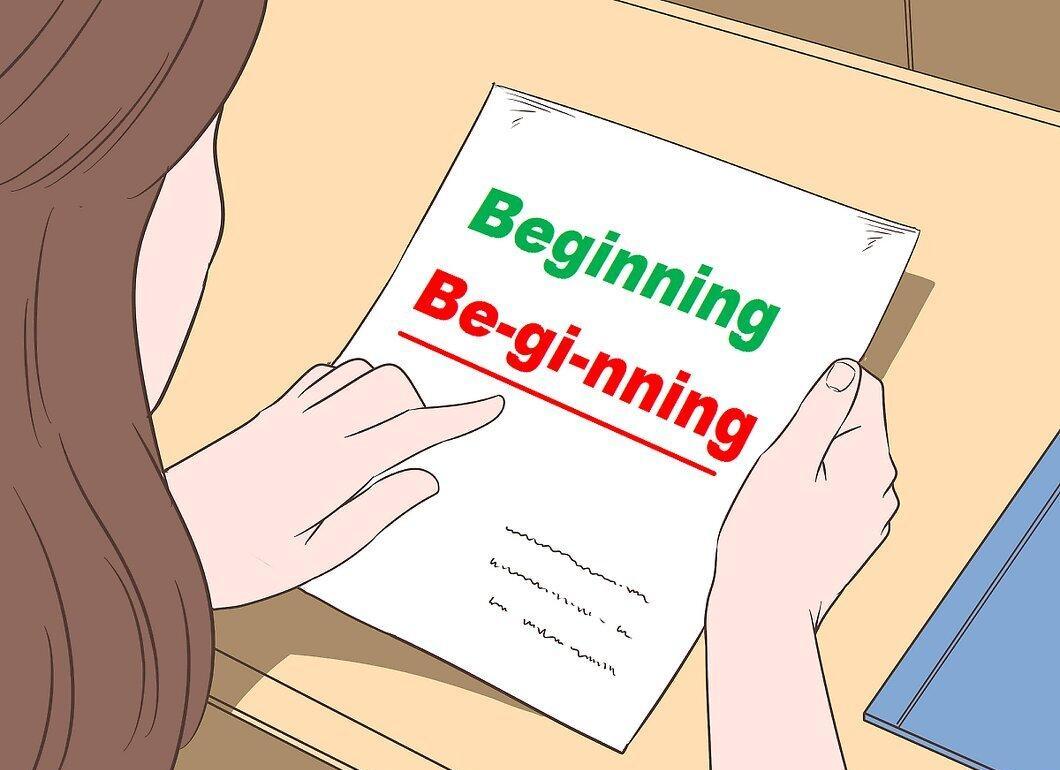
Sometimes, after finishing a text, you might realize that you barely remembered anything. That's perfectly normal! In these cases, it's worth rereading the material to refresh your memory and improve your understanding.
- If you didn’t grasp it the first time, read it a second time more slowly and don’t move on to the next paragraph until you understand the previous one.
- If you haven’t internalized the previous text, it will be difficult to comprehend the following content.
How to Develop Your Reading Skills
Step 1. Start with Books at Your Level or Slightly Below.
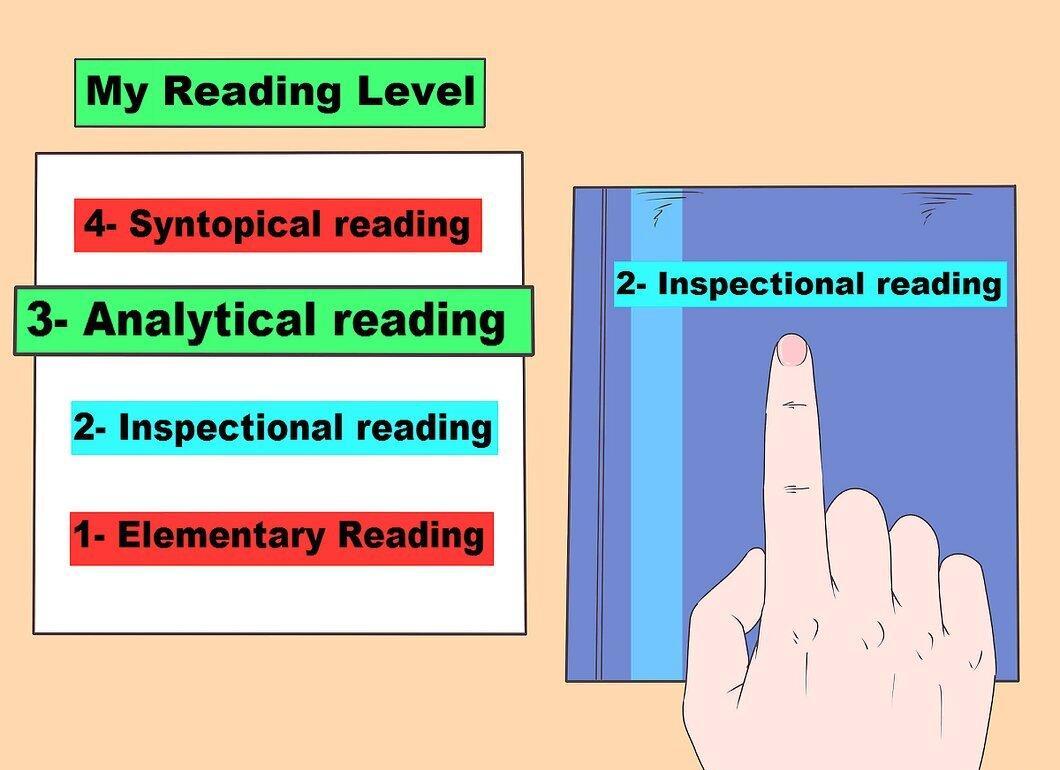
Begin by selecting books that are at your reading level or even a bit easier. Ideally, you should feel comfortable reading but with just enough challenge. Don’t rush into complex works; start with accessible texts to develop your understanding skills.
- If a book is at your level, you don’t need to scrutinize every word or reread sentences. If you find yourself struggling, the book might be too difficult.
- Take an online test to determine your reading level.
- If a school assignment requires reading a challenging book, try to read it, but also remember to engage with easier books for better comprehension.
Step 2. Expand Your Vocabulary for Enhanced Understanding.
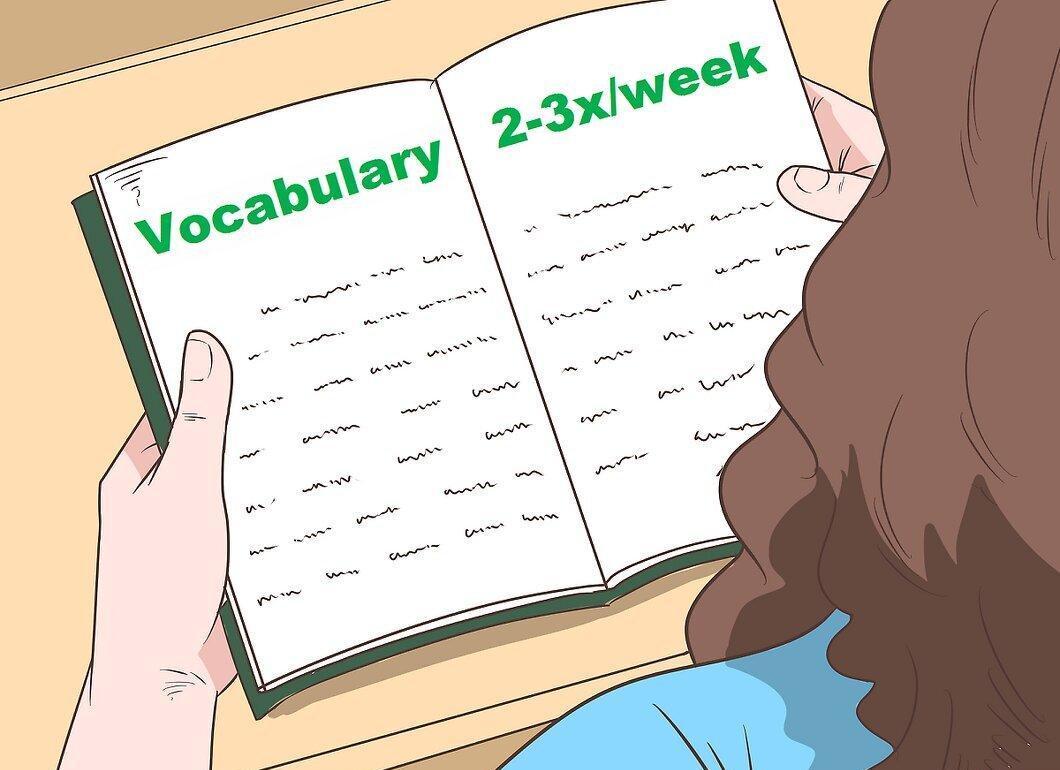
Increasing your vocabulary is key to better comprehending text. Not knowing the meaning of a word can hinder understanding. Identify the level of vocabulary needed for your age and learn new words 2-3 times a week.
- Read using a dictionary and a computer. When you come across an unfamiliar word, look up its meaning and jot it down. Your reading time may increase, but that’s fine.
- Read a variety of books. Sometimes, you can infer the meaning of a word from the context. The more you read, the easier it becomes to determine word meanings.
- If your level is below what it should be, start with books you can understand, then progress to more complex texts. If your vocabulary is already decent, choose slightly more challenging books to encounter unfamiliar words.
Step 3. Read Books Multiple Times to Build Fluency.
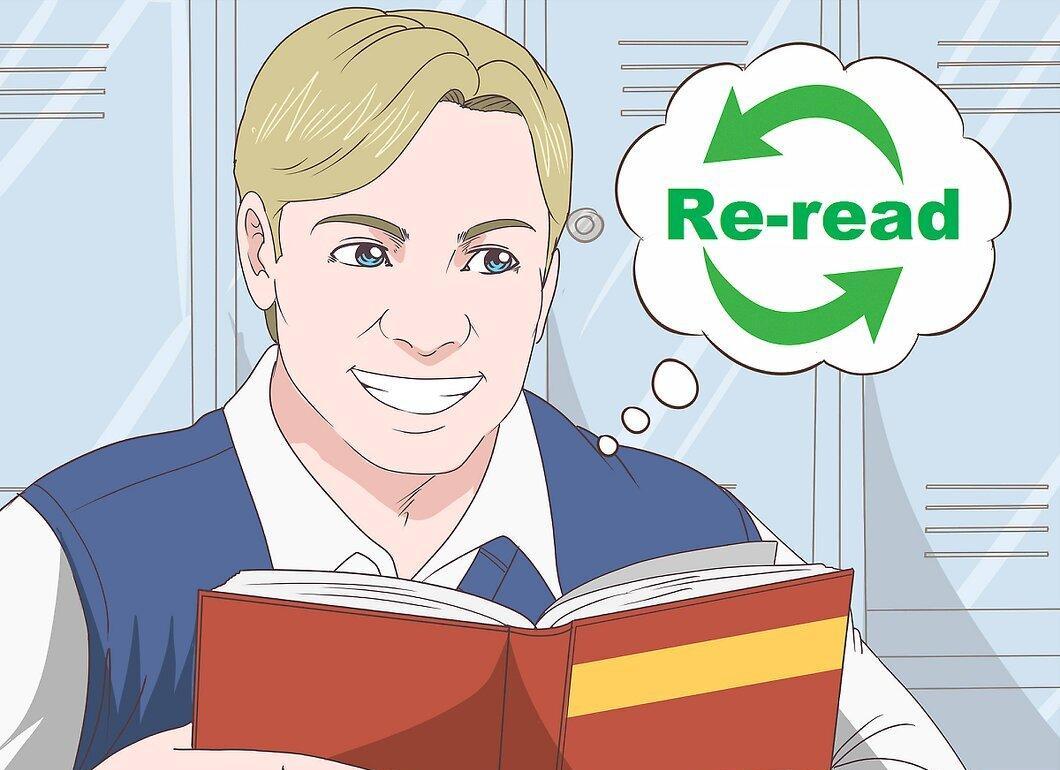
Reading books multiple times will help you gain fluency. Fluency is the ability to quickly and automatically understand text. Read books two to three times to repeatedly encounter words and phrases, which will help improve your fluency.
How to Take Notes
Step 1. Read with a Notebook for Notes.
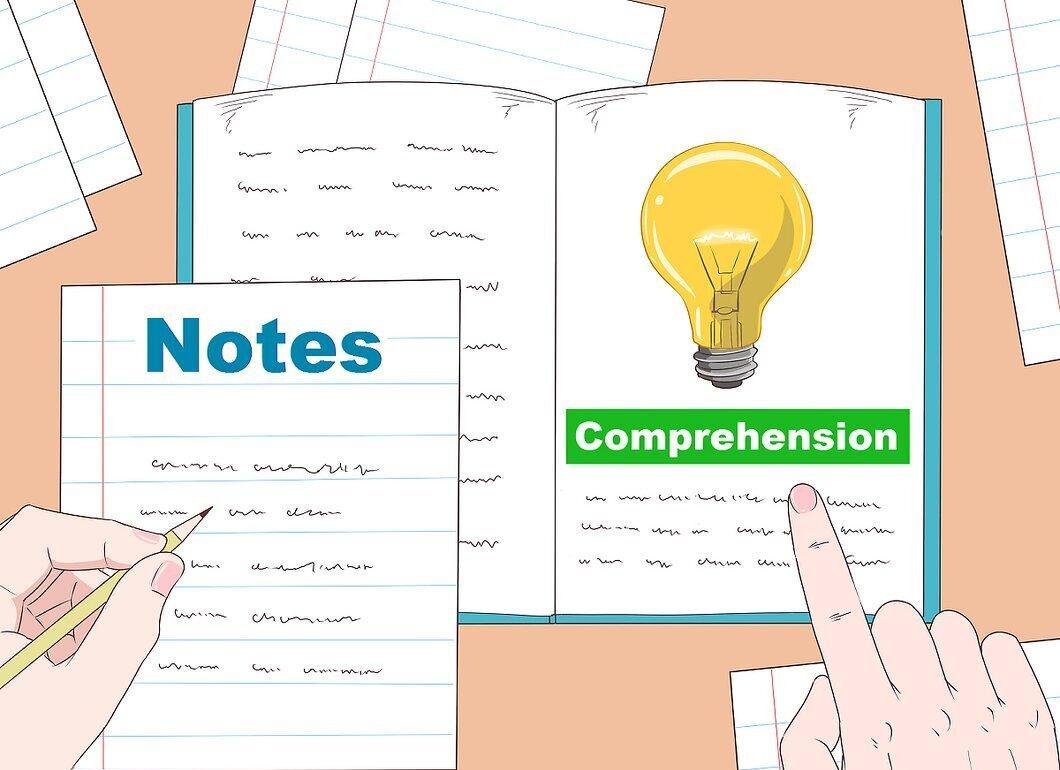
Reading and taking notes might seem tedious, but it’s a fantastic way to enhance your text comprehension. If you're reading a book for an assignment, use a notebook, and for pleasure, just use sheets of paper.
- It’s better to take notes on paper than on a computer, as writing by hand aids in better retention of material.
- If it’s your book, feel free to jot notes in the margins.
- Write down the key points from each chapter or section. If you already understand the text well, brief notes will suffice.
- Don’t rewrite the entire text, but your notes should be sufficient to track the plot.
- Be sure to highlight important events, new characters, and interesting details.
- Keep your notes organized in one place. Store sheets in folders, and the folders in a binder with dividers.
Step 2. Reflect on the Theme of the Book and the Author's Motives.

Ask yourself questions to gain a deeper understanding of the plot and the author's intent. Write down your questions and answers in your notes. Aim to understand the plot and anticipate answers. If the text provides an answer, consider which details best explain the essence.
- Examples of reflective questions: Why did the main character let the cat out the back door? Is this important to the plot or just for description?
- Why does the book start in a cemetery? How does this help to understand the character?
- What is the relationship between the main characters? They seem to be enemies, but could they actually sympathize with each other?
Step 3. Use the Two-Column Method for Notes.
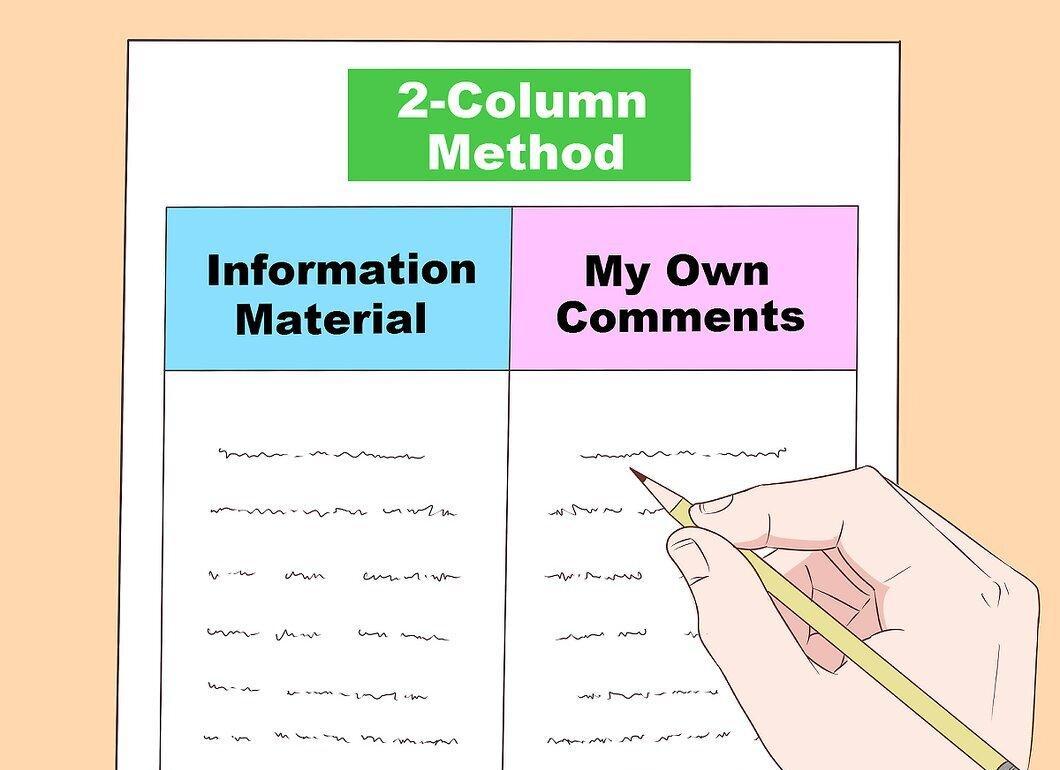
Divide the page into two columns for easy note-taking. In the left column, write down information, including page numbers, summaries, and quotes, while in the right column, jot down your comments.
- Entries in the left column will help you quickly find relevant moments in the book and utilize them later.
- Most entries should be a brief summary of what you’ve read. When recording direct quotes, use quotation marks.
- Entries in the right column should reflect your reactions to the text and connections to themes discussed in class.
How to Read Purposefully
Step 1. Start with Key Sections, Not Following a Linear Order.
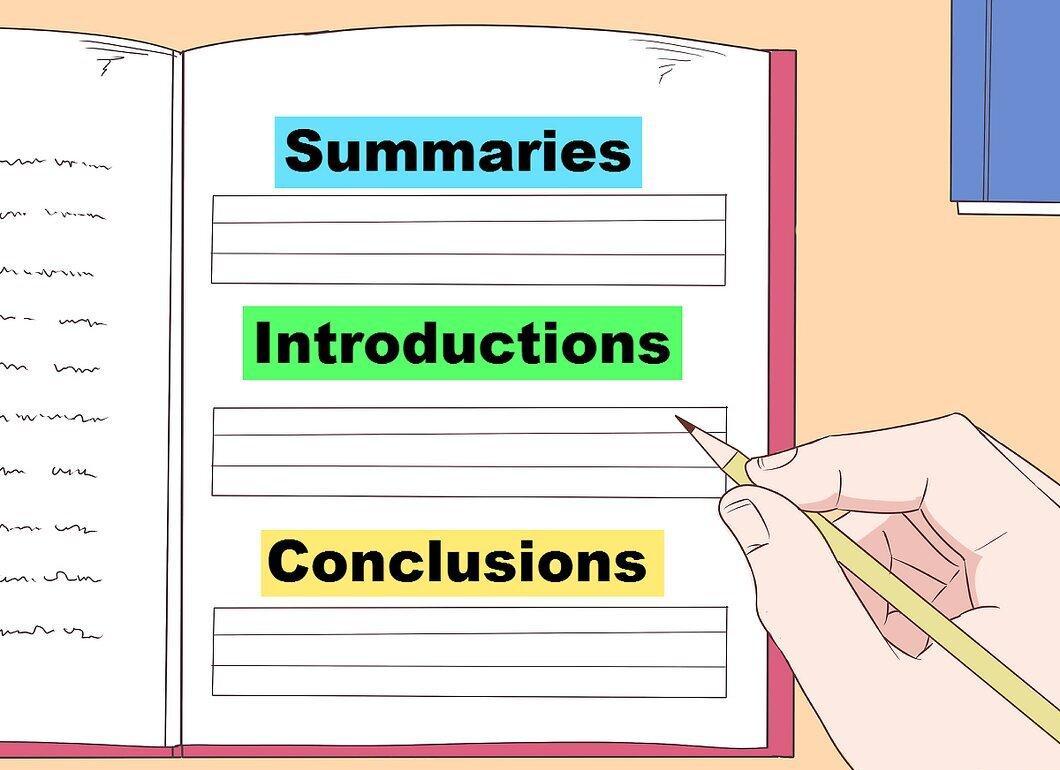
When reading factual information in textbooks and articles, pay attention to key sections first. Start with summaries, introductions, or conclusions to easily locate important information.
- Aim to identify the main idea of each section and remember it. It’s usually presented at the beginning of the section.
- Work with the table of contents and headings to determine the order of reading.
Step 2. Consider Your Teacher's Recommendations.
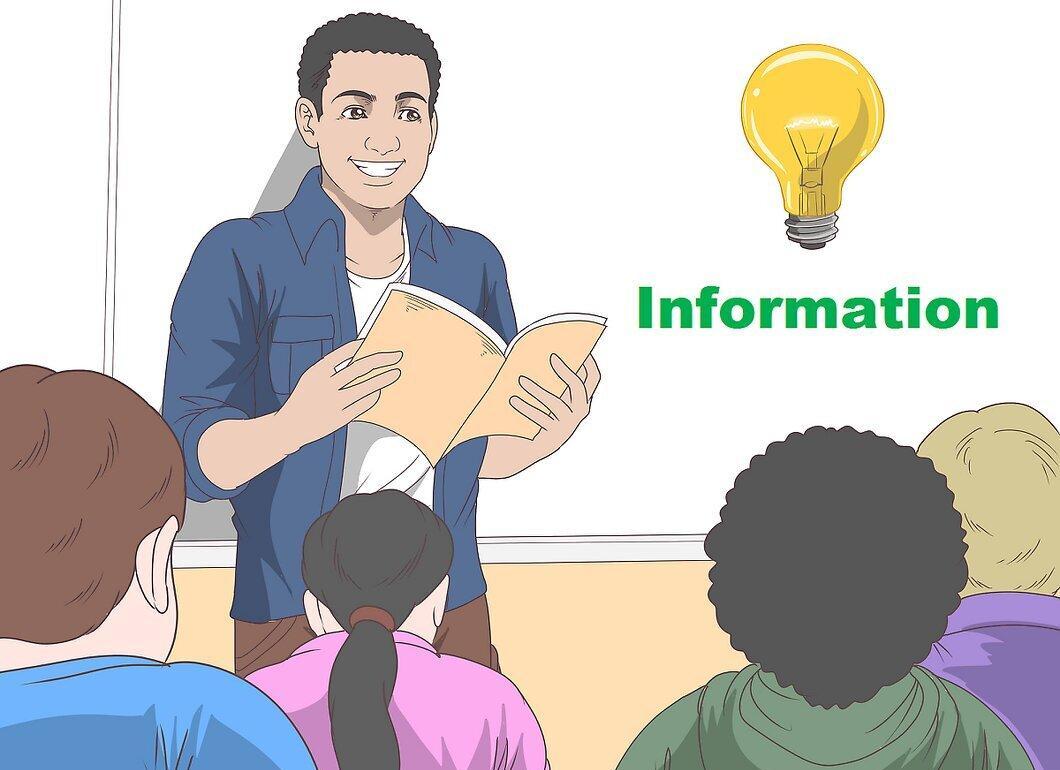
If you're reading as part of a school assignment, focus on your teacher's instructions. Concentrate on what you need to learn to minimize distractions and focus on the main ideas.
- Familiarize yourself with the curriculum and pay close attention to explanations during lessons.
- Review the homework questions to understand what information should be prioritized for memorization.
Step 3. Utilize Digital Materials.

Search for keywords and phrases in e-books to speed up the process of finding relevant information. This will help you read only the important parts of the text and avoid spending time on unimportant sections.
- If you don’t have an electronic version of the book, look for keywords in the table of contents and skim the relevant sections.