
Reading textbooks can feel intimidating due to the dry writing style and the abundance of unfamiliar terms. The sheer volume of pages to cover can also be a bit overwhelming. But don’t despair! There are several helpful strategies that can make your reading experience more comfortable and effective. It’s important to familiarize yourself with the book, plan your time, practice active reading, and periodically review what you’ve learned.
Get to Know the Textbook
Step 1. Investigate the Cover.

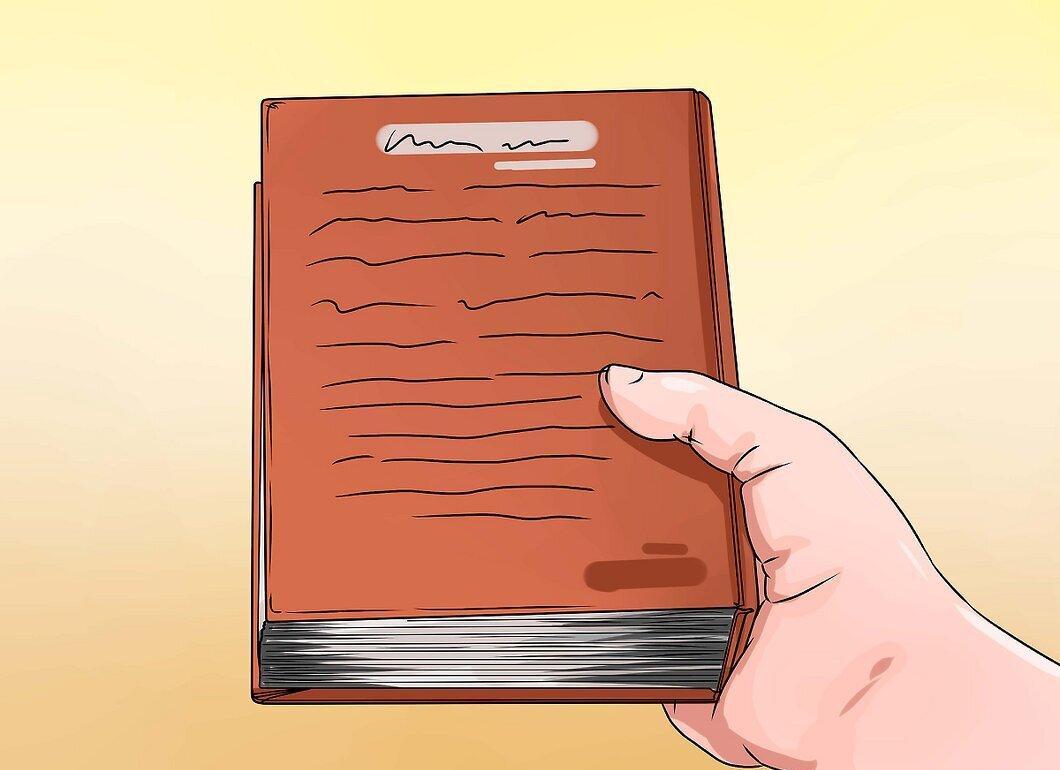
Start by examining the cover. Pay attention to the images and illustrations—they can provide clues about the topics that will be covered in the book. What is the title? Is it aimed at beginners or more advanced students?
- The title will give you insight into the main subject. For instance, if it’s a history textbook, does it focus on world history or the history of your country? What do you already know about this topic?
- Look at the author, publisher, and publication date. Is the textbook old or new?[1] X Source
Step 2. Review the Table of Contents, Index, and Glossary.
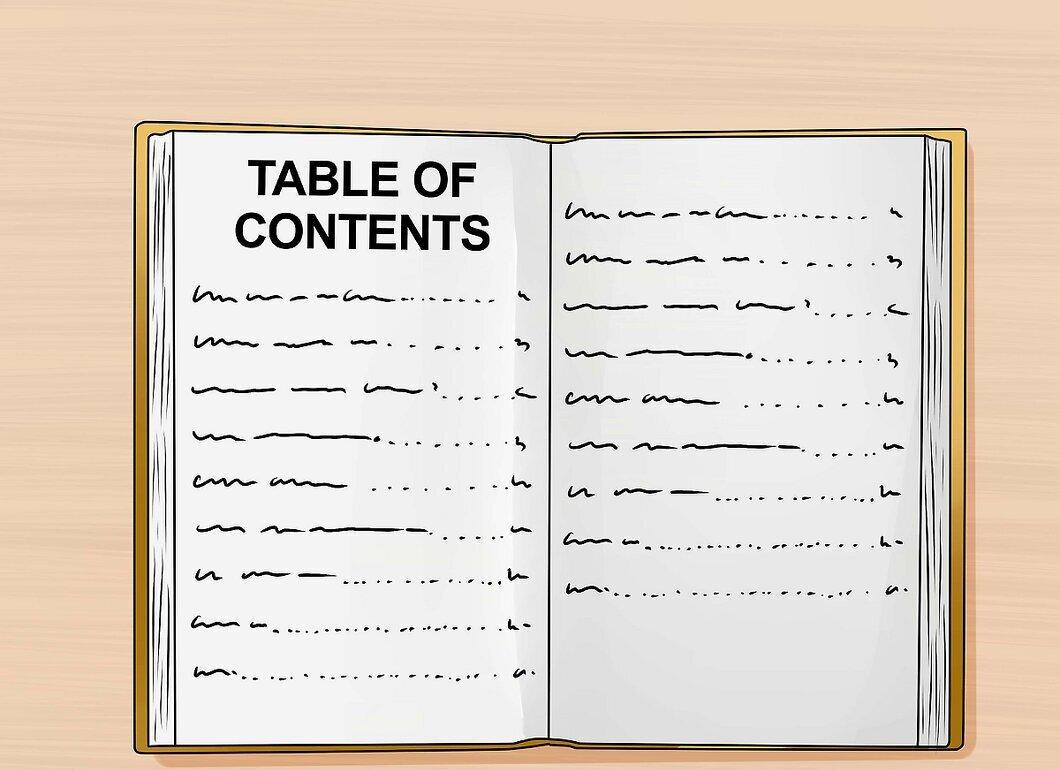
Take a look at the table of contents, index, and glossary. How many chapters are in the textbook, and what is their length? How many subsections are there? What topics are covered?
- Does the textbook include a glossary or appendices? What is listed in the bibliography? What terms are included in the index?[2] X Source
Step 3. Skim Through the Textbook, Noticing Visual Elements and Headings.
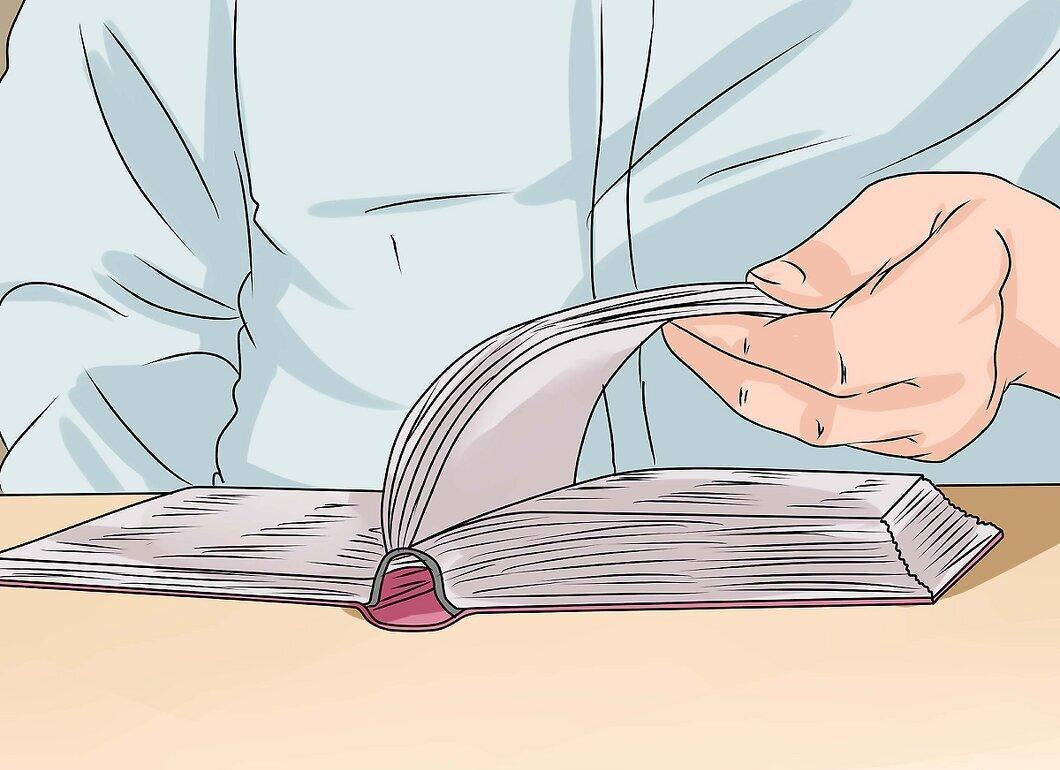
Quickly skim through the pages of the textbook, paying attention to illustrations and headings. What catches your eye? Notice the chapter titles, highlighted words, photographs, diagrams, and charts. What can they tell you about the textbook’s content?
- Try skimming a random page without pictures and read it carefully, timing yourself.[3] X Source
Embrace Active Reading
Step 1. Start with the End of the Paragraph.
Begin with the end of the paragraph. Yes, you heard that right! Read the conclusions and questions to get an overview of what you’re about to learn. This will help you prepare better for absorbing the details.
- Then read the introduction to the paragraph. This will also help set you up for understanding the information.[4] X Source
Step 2. Break Your Reading into Sections of 10 Pages.
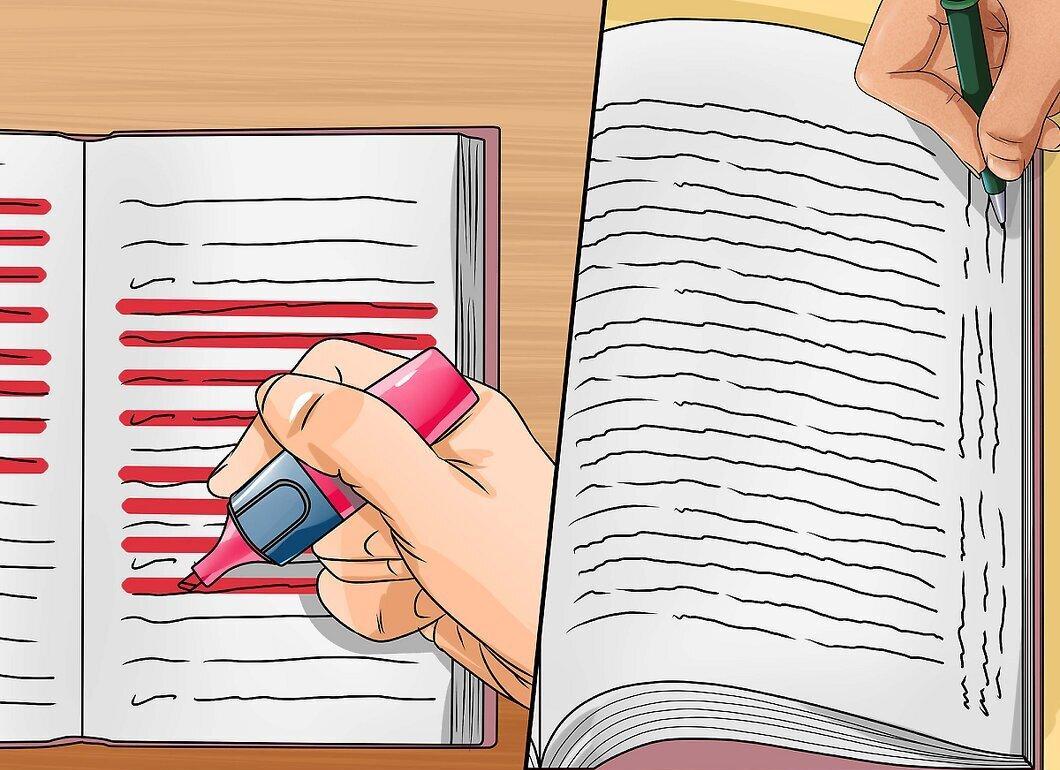
Divide your reading into blocks of 10 pages. After each block, return to your notes and highlighted text. This will aid in reinforcing the material in your memory.
- After finishing a block, move on to the next one. Don’t forget to take short breaks to avoid overwhelming yourself.[5] X Source
Step 3. Highlight Key Points.
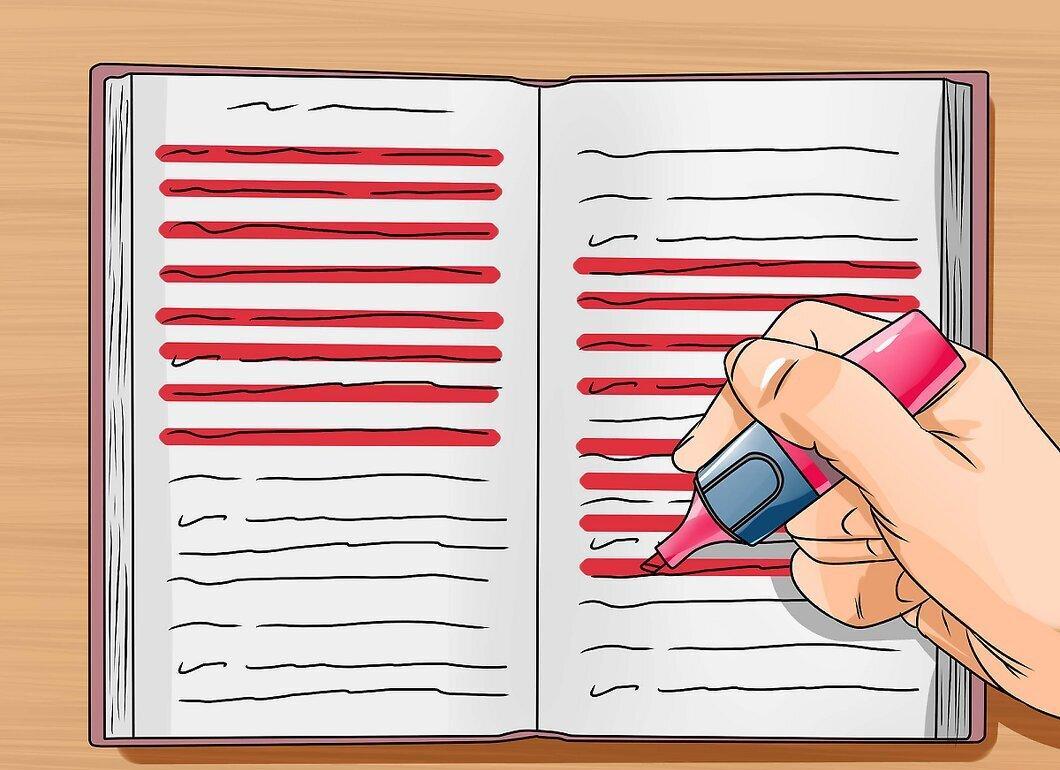
If this is your textbook, highlight key points. But do it wisely.
- Don’t highlight text during your first read-through to avoid disrupting your flow of understanding and focusing on the trivial.
- Read to the end of the paragraph, and then highlight the important parts. This will help you grasp the essence better.
- Avoid highlighting single words or entire sentences; one or two phrases per paragraph is sufficient. This way, you can easily recall the main ideas a month later.[6] X Source
Step 4. Write Questions in the Margins.
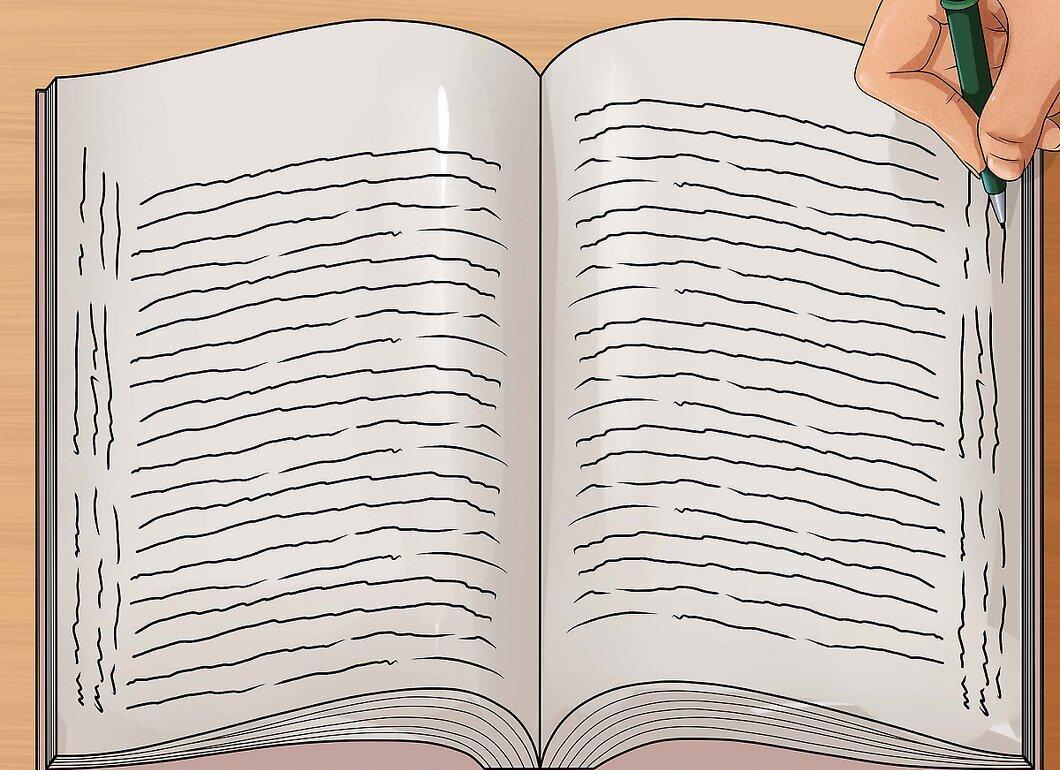
Jot down questions in the margins or on a separate sheet (if the textbook isn’t yours). Formulate one or two questions for each paragraph that you need to answer. For example: “What are the main events of the Renaissance?” or “What are metamorphoses?”
- Once you finish reading, go back to the questions and try to answer them without referring to the text again.
Step 5. Take Notes.
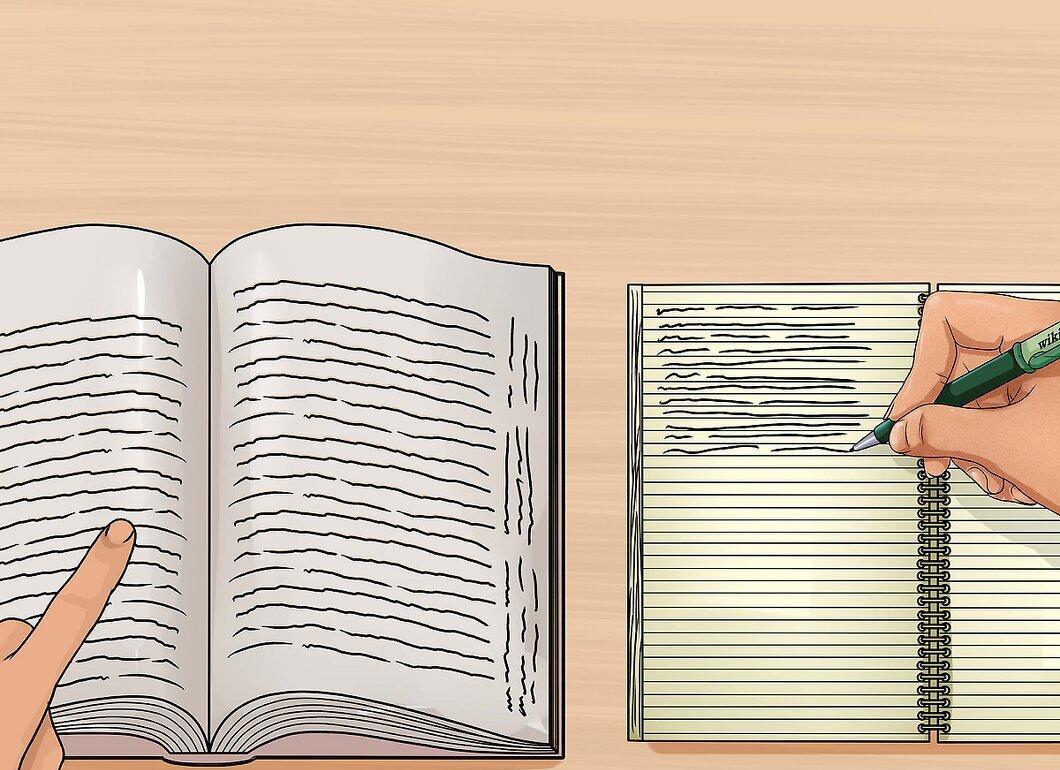
Write down the main ideas of what you’ve read in your own words in a notebook. This is crucial for understanding the material.
- If you don’t simply copy the text, you’ll avoid plagiarism and ensure your grasp of the topic.[7] X Source
Step 6. Bring Notes and Questions to Class.

Don’t forget to bring your notes and questions to class. This will help you participate better in discussions and understand lectures. Be active in class and make new notes! Your instructor may indicate that exams will be based on the textbook or lecture material, but sometimes they don’t mention it, so it’s best to be prepared for anything.
Plan Time for Reading, Reviewing, and Memorizing
Step 1. Multiply the Number of Pages by 5 Minutes.

Multiply the number of pages by 5 minutes—that’s the average time required to read one page of a textbook. Keep this in mind when planning your time.
- If you need to read 73 pages, it will take about 365 minutes or six hours.[8] X Source
Step 2. Don’t Forget to Take Breaks.

Take breaks. If you calculated that reading will take four hours, don’t try to read it all at once. This can lead to fatigue and decreased concentration.
- Read for an hour during lunch and an hour in the evening. Break up your reading into parts, considering how many days you have to complete the assignment and how much time it will take.[9] X Source
Step 3. Read Daily.
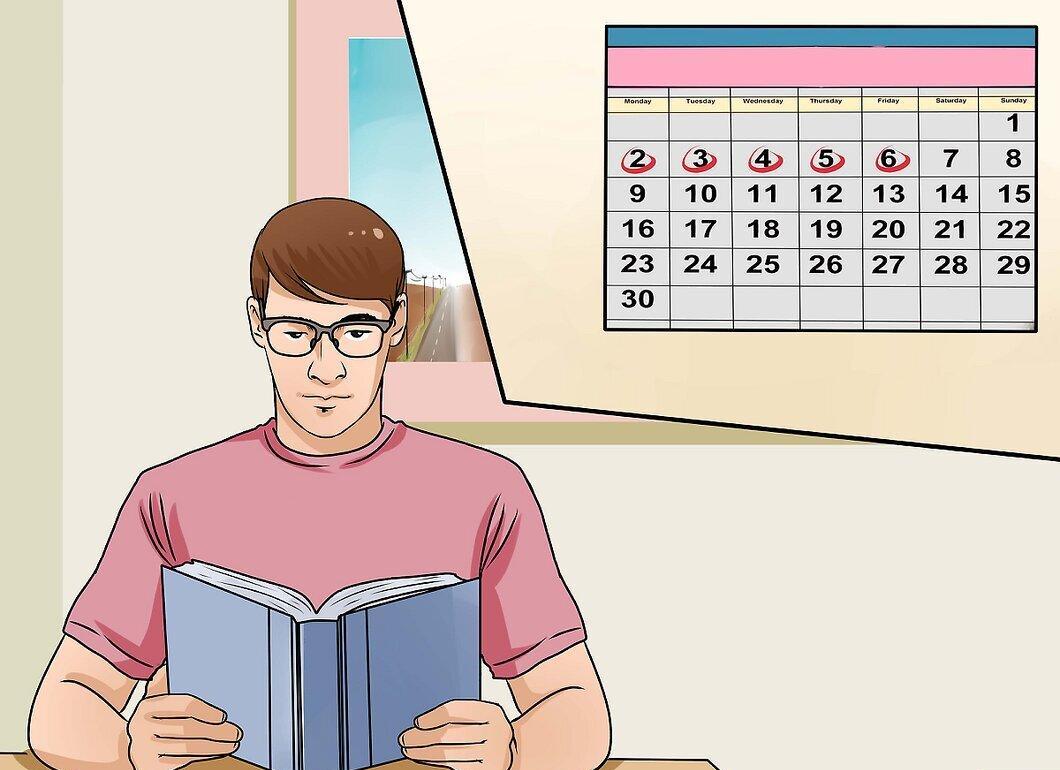
Try to allocate time for reading every day. If you fall behind, you will start flipping through pages and speeding up your reading, which can lead to missing important information. Set aside time for reading to calmly complete assignments.
Step 4. Read in a Quiet Environment.

Reading in silence is key. It will be hard to focus on the material if there’s a lot of noise around.
- Avoid reading in bed, as this can lead to fatigue. Sleep specialists claim that working in bed can cause sleep problems. Read in a quiet place, such as a library or a quiet café. Experiment to find the most comfortable environment.[11] X Source
Step 5. Understand the Grading Criteria.

Understanding the grading criteria is very important. Will you need to write an essay or a test on the material read? If so, did the instructor provide guidelines? Consider all these aspects to focus on the important points.
Step 6. Revisit Your Notes Several Times.
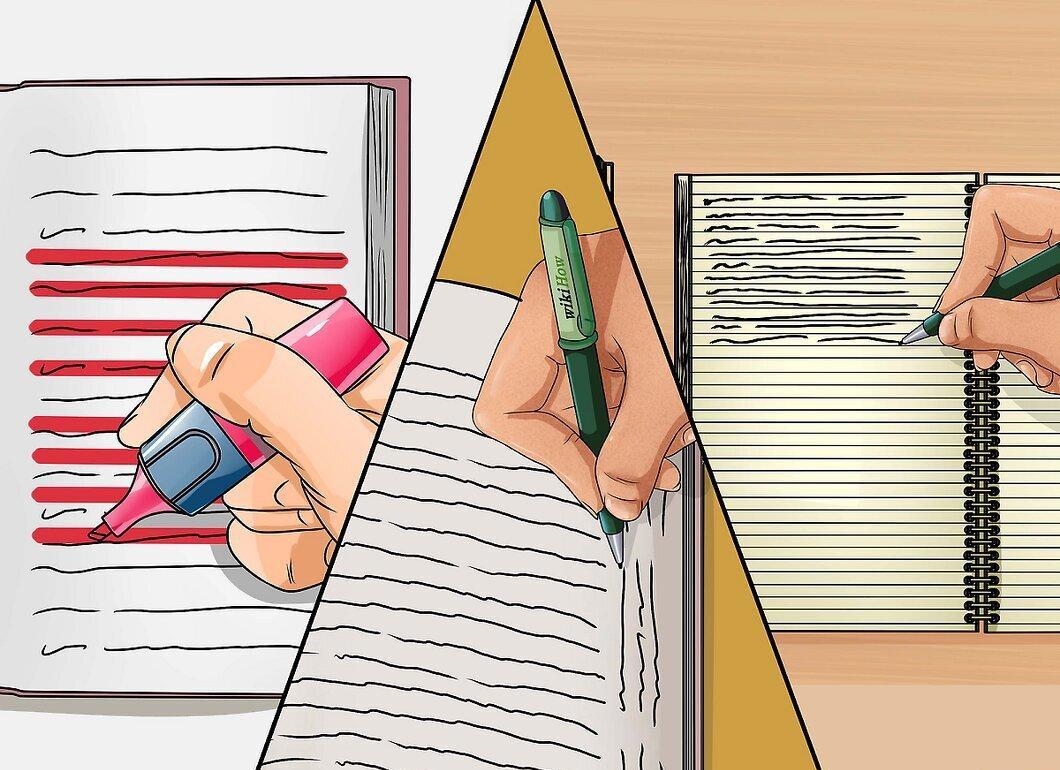
Periodically review your notes. If you highlighted text and took notes correctly, you won’t need to read the entire textbook again. Just reread the highlighted points and notes.
- Repeat the information as many times as necessary to fully grasp the material. If the notes are not very clear, you may need to return to the text.[12] X Source
Step 7. Discuss the Material with Others.
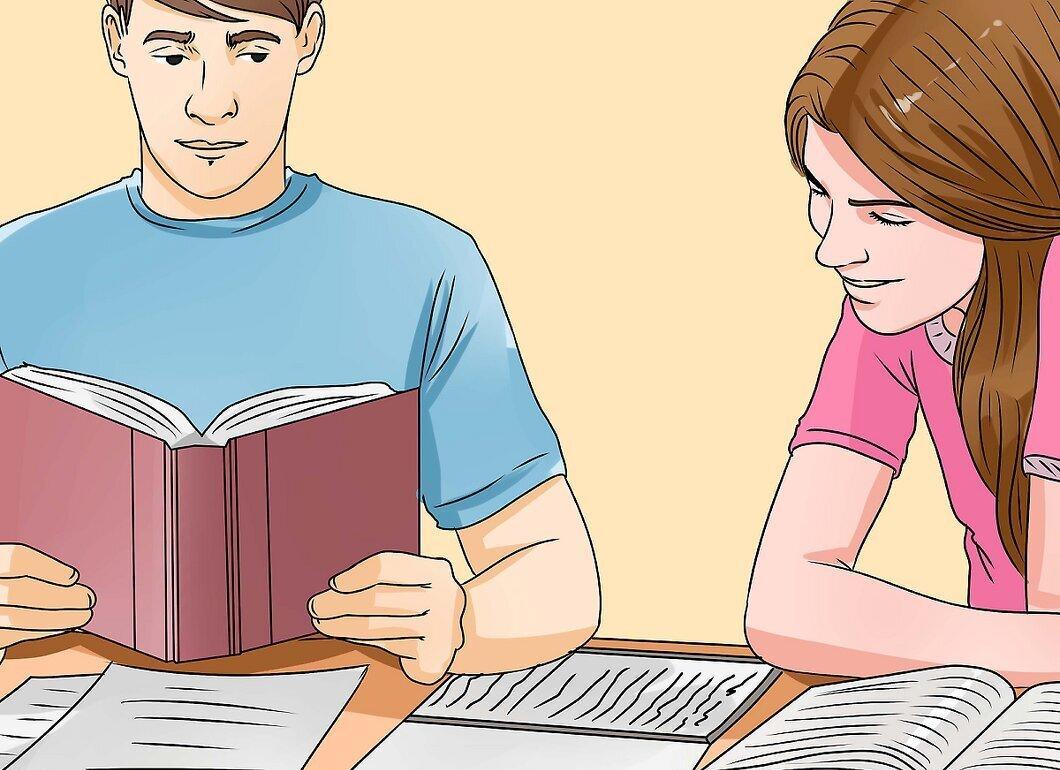
Discussing the material you’re studying with others is incredibly beneficial. Research shows that discussing out loud significantly enhances understanding.
- Form study groups with classmates or share the material with friends and family.
- Don’t skip classes, as discussing the material in class contributes to better retention.[13] X Source
Step 8. Complete All Assignments Thoroughly.
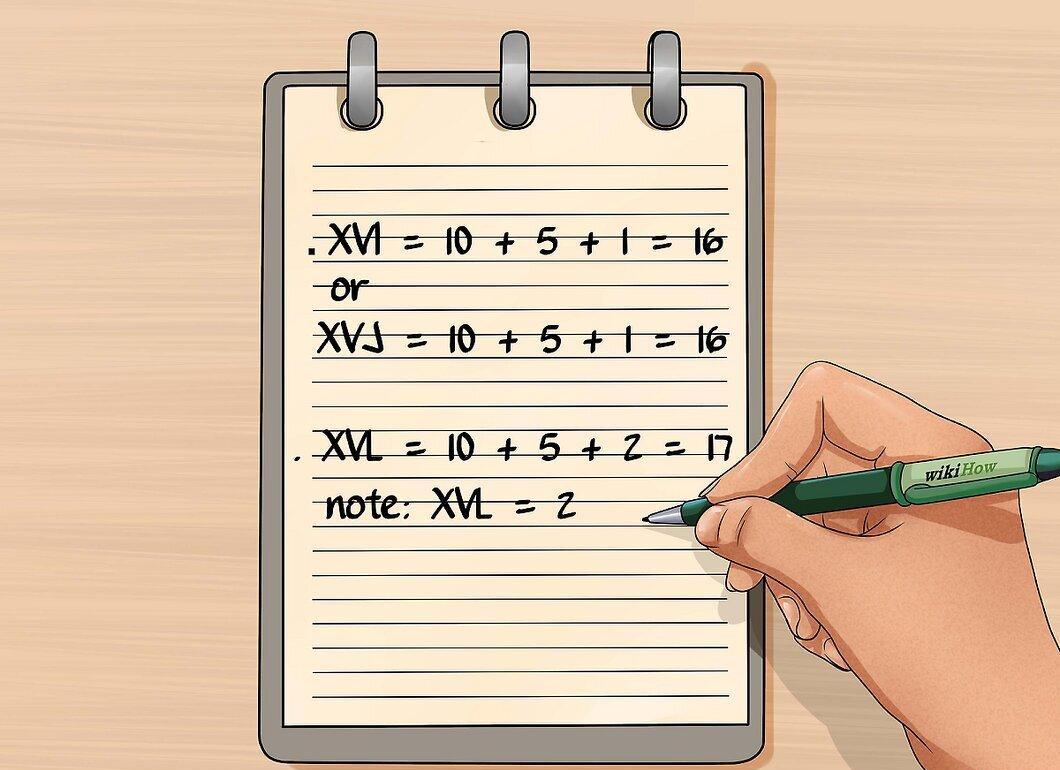
Make sure to complete all assignments. Even if the teacher assigns exercises that won’t be graded, it’s worth doing them. All assignments aim to deepen your understanding and retention of the material from the textbook.