Creating a well-structured and logically sound essay is an essential skill that everyone can benefit from. An argumentative essay should contain compelling arguments that support the main idea and persuade the reader to adopt your position.
Essay Format
Step 1: Define the Purpose of the Argumentative Essay.

When writing an argumentative essay, it's crucial to clearly understand its purpose. The main goal is to deeply analyze a specific question or topic while considering various perspectives.
- In the essay, you must clearly state your position, explaining why it's better than others, and draw well-founded conclusions based on that.
Step 2: Use the Right Writing Methodology.

Before starting to write, make sure to master the material. The success of an argumentative essay depends on how thoroughly the author analyzes all aspects of the topic, leading the reader to a logical conclusion.
- Explore different opinions on the topic being discussed to mention counterarguments in your work.
Step 3: Identify Desired Outcomes.

Remember that the main purpose of your essay (besides completing the assignment) is to convince others of your viewpoint on the topic at hand.
Choosing a Topic
Step 1: Identify a Relevant Topic.

Choose a topic that requires you to defend a specific viewpoint on a controversial issue. Topics that have no disagreements are not suitable for this format.
- For example, writing about the benefits of physical exercise is pointless, as this statement does not provoke debate.
Step 2: Find a Topic That Interests You.

Select a topic that you find engaging, as preparing and writing the essay will take a significant amount of time.
Step 3: Test Your Main Thesis.

Discuss your main thesis with a friend or colleague, preferably someone who holds an opposing viewpoint. This will help you refine your arguments and discover new points.
Step 4: Assess Your Target Audience.

When writing an argumentative essay, it's important to understand who will be reading it. If it's an academic assignment, your readers will be classmates and instructors, but the audience may be broader.
- The education level, profession, and life experiences of readers influence how they perceive viewpoints different from their own, so consider these aspects.
Step 5: Consider the Rhetorical Situation.

The rhetorical situation includes the text (your essay), the author (you), the audience, the goals, and the context of the discussion.
- Effective rhetoric includes language and style aimed at persuading the reader, so it’s important to follow rhetorical rules.
Building Your Argument
Step 1: Create an Engaging Title.

Come up with a catchy title that grabs the reader's attention and makes them want to read your essay.
- An effective title should reflect the essence of the article. In academic texts, two-part titles are often used, where the first part draws attention, while the second specifies the topic.
Step 2: Clearly Articulate Your Main Thesis.

The main thesis is a concise expression of your viewpoint, usually concluding the introduction. It prepares the reader for the main text.
- The thesis should be clear and succinct, reflecting the essence of the article and highlighting its significance. For example: "The rise in meat consumption in developed countries is one of the leading causes of environmental pollution and contributes to global warming."
Step 3: Avoid the Standard Three-Point Thesis Structure.
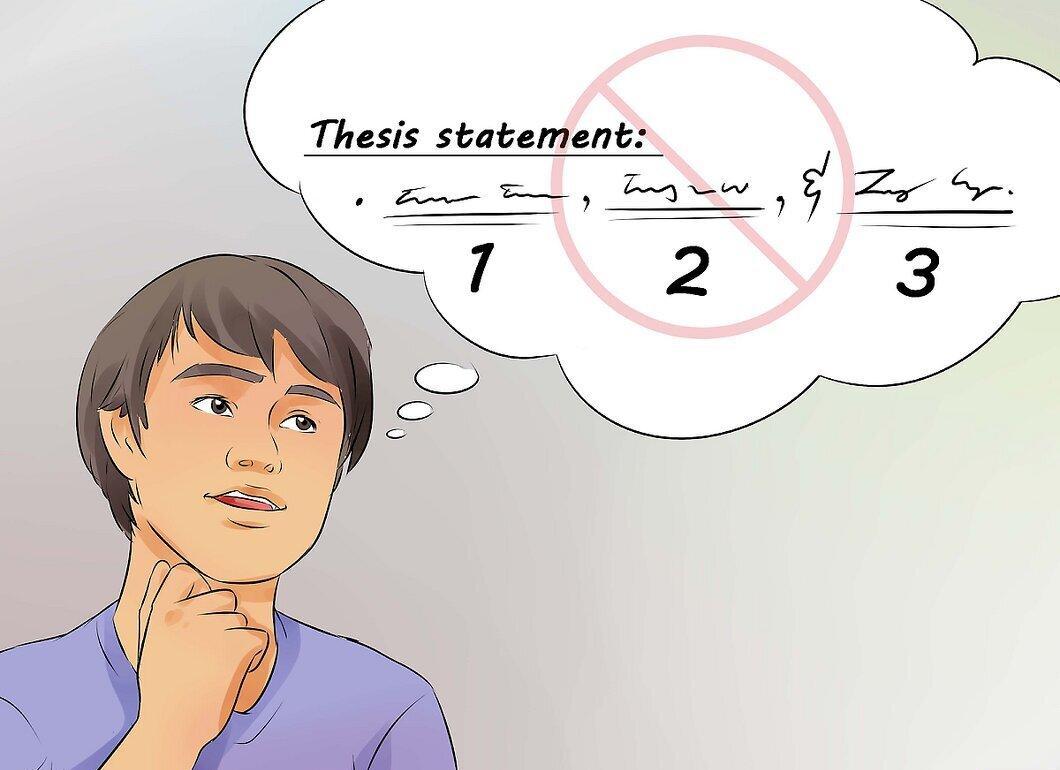
Don’t confine your article to three predetermined sections; this can hinder the free expression of ideas. By abandoning such a structure, you'll be able to develop your thoughts more fully.
Step 4: Write the Introduction.

In the introduction, briefly explain the topic and the current state of affairs, concluding with the formulation of the thesis.
Step 5: Write the Main Sections.

In these sections, present both supporting and opposing data regarding your viewpoint. Provide compelling evidence without hiding contradictory information.
- It is essential to consider all aspects of the topic being discussed. Ignoring counterarguments can appear unethical and make it difficult for the reader to understand the subject matter.
Step 6: Write the Conclusion.

In the conclusion, summarize your arguments, convincing the reader to support your viewpoint, and connect the topic of the essay with the reader's interests.
Incorporating Research Findings and Citations
Step 1: Conduct Research.

Look for books and articles on the topic in the library, as well as reliable sources online. Find materials that reflect different viewpoints to cover all aspects.
Step 2: Use Reliable Sources.

Refer to trusted sources that provide current and accurate information. Utilize both older and newer studies.
Step 3: Select Citations to Support Your Viewpoint.

Cite authoritative works to justify your position. Quote expert opinions published in academic journals.
Step 4: Cite Your Sources.

When citing other works, always provide the sources. Be mindful of citation formatting rules to avoid accusations of plagiarism.
Editing and Final Review
Step 1: View Your Work from the Outside.

After writing, take a break and return to the text with fresh eyes. This will help you identify errors that may have escaped your notice.
Step 2: Check for Grammar.

Avoid grammatical errors, as they can negatively affect the perception of your work.
Step 3: Ensure the Availability and Accuracy of Citations.

Check that all sources are correctly cited and formatted according to accepted standards. This will increase the credibility of your work.