Creating a book report can feel like a tedious task, but it's a great chance to engage deeply with the author's work. Unlike a review, a report requires a brief and accessible summary of the content. Start by choosing a book and diving into it. While reading, take detailed notes and annotations that will help you develop a clear outline for your final write-up.
How to Study the Material and Create an Outline
Step 1. Ensure You Understand the Assignment.

Make sure to familiarize yourself with the assignment details. Read it carefully and jot down any questions that arise. If needed, raise your hand in class or discuss any uncertainties with your teacher after the lesson. Confirm that you know the scope of the work, deadlines, and formatting requirements, like double-spacing.
- For example, clarify whether page numbers need to be cited in the report.
- Also, find out how much space should be allocated to the summary versus analysis. Typically, a report includes a summary and a few sentences of analysis, unlike a review or commentary.
Step 2. Read the Entire Book.
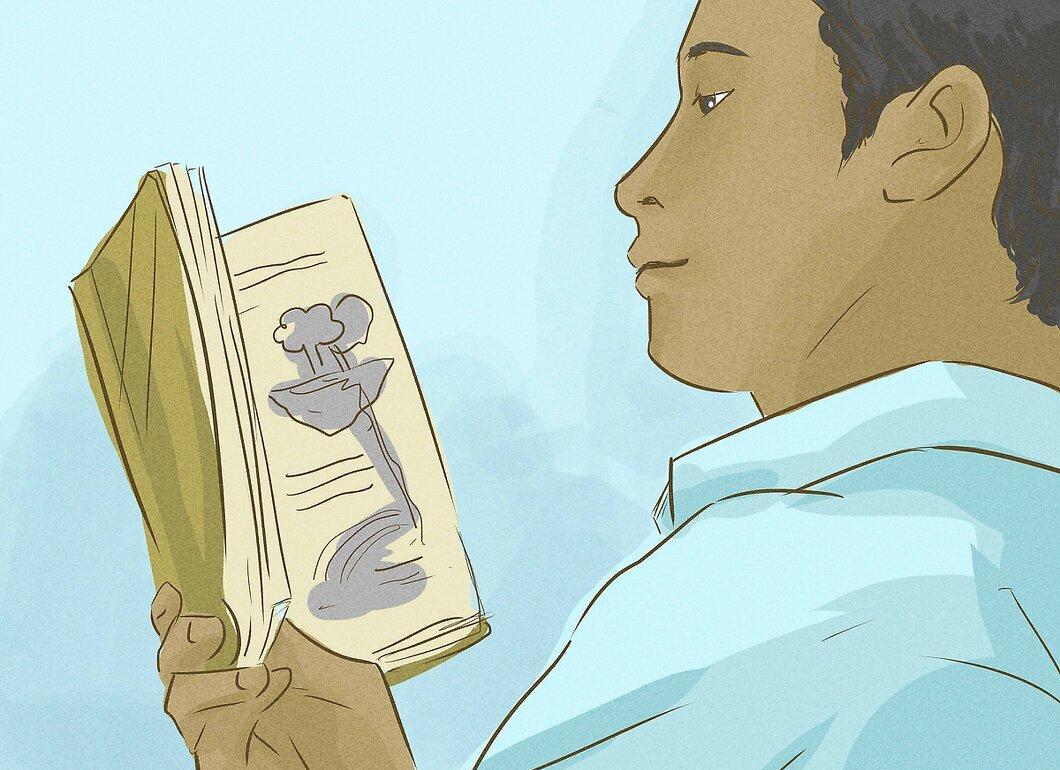
Reading the entire book is the most crucial step. Find a quiet place where you can focus solely on reading. Keep the upcoming task in mind to highlight key plot points and characters.
- Read in small chunks with breaks to maintain concentration. Adjust your pace: if you find yourself distracted after 15 minutes, read for 15 minutes with breaks. If you can read for an hour straight, do so.
- Ensure you have enough time to read the book thoroughly. Writing the report would be challenging if you just skim through the text.
- Avoid relying on summaries found online, as they may be incomplete or inaccurate.
Step 3. Take Notes While Reading.
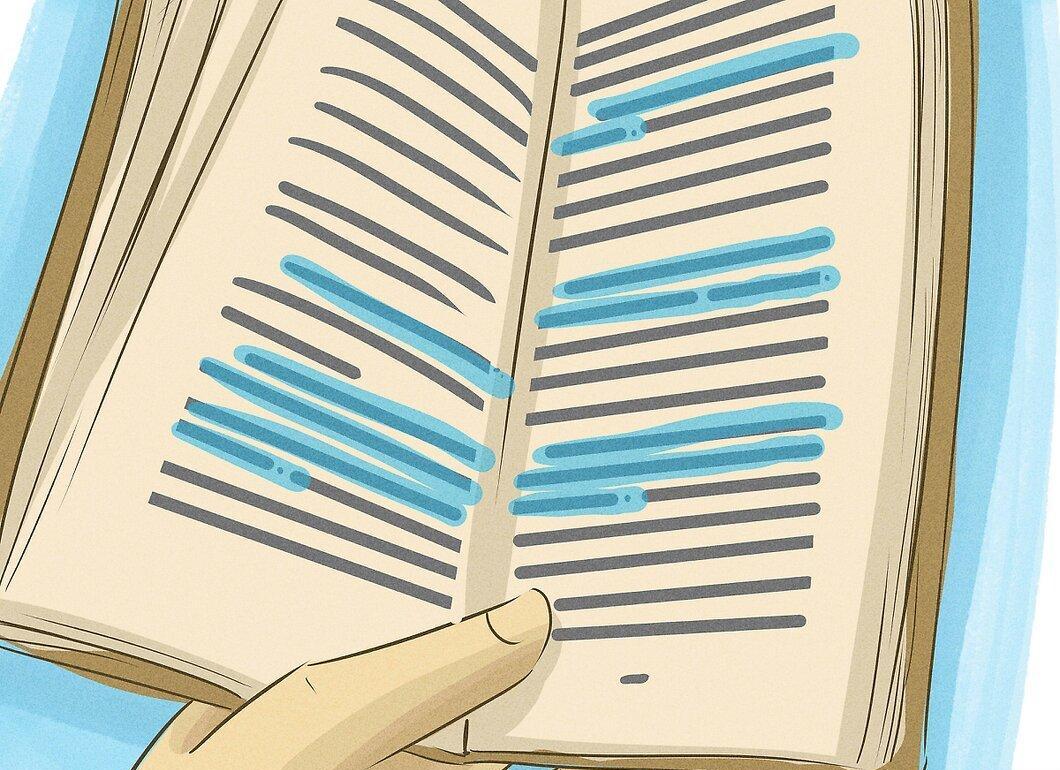
Don’t forget to take notes during your reading. Keep a pencil, highlighter, and paper handy for jotting down thoughts. If you prefer using your phone or computer, create a document for notes. Highlight interesting and complex passages, as well as important plot points and character traits. Mark any material that will be useful in your report (use brackets, make annotations, highlight quotes).
- For example, pay attention to environmental descriptions, such as "the castle appeared gloomy as it was built from black stone blocks."
Step 4. Develop an Outline.
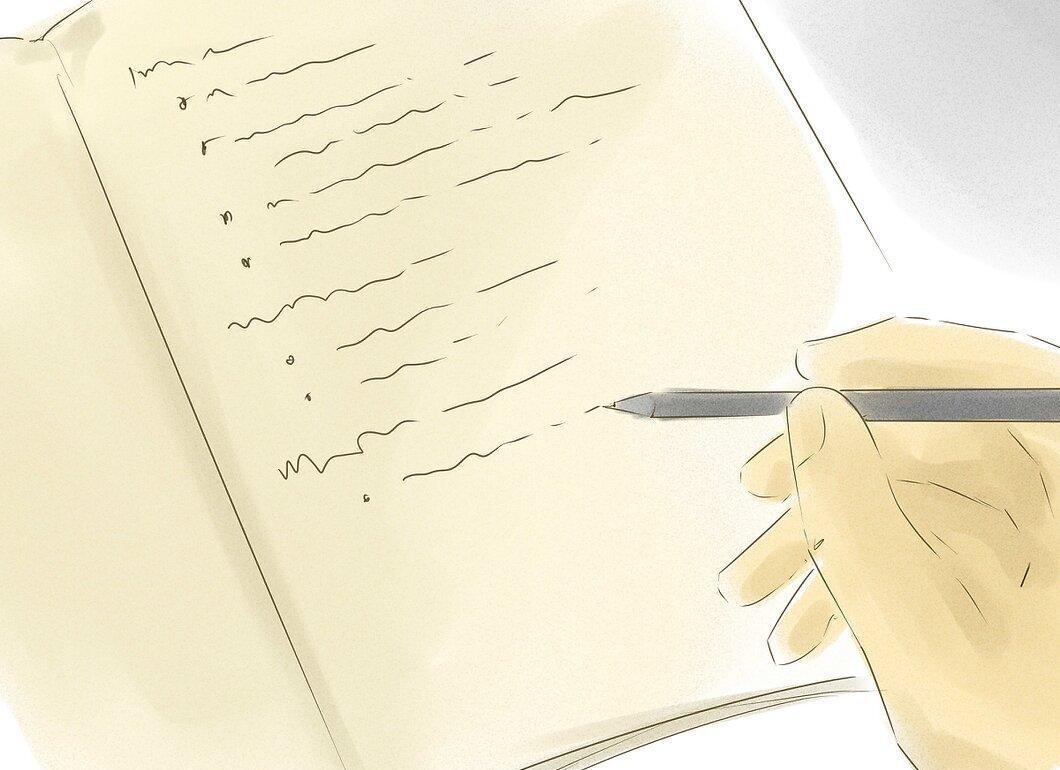
Create an outline. It should represent a paragraph-by-paragraph structure of your report. Write down the details for each paragraph and important points from the text. The writing process may lead to changes in the outline, so keep it flexible.
- After drafting your outline, review it to ensure logical flow. If paragraphs are disconnected, rearrange them, add, or remove points to achieve the necessary structure. Make sure your outline covers all key aspects of the book: plot, characters, and setting.
- Working on the outline will help you write and edit the text quickly.
- Some prefer outlining on paper, while others find it easier on a computer. Choose the method that works best for you.
Step 5. Include Examples and Quotes from the Text.

Add examples and quotes from the work. While working on your outline, aim to connect general ideas with specific details from the book. This way, your teacher will see that you didn’t just read but genuinely engaged with the material. Use a variety of examples and short quotes.
- Try not to overuse quotes. If every other sentence in your report is a quote, you should rewrite the text. It's better to use no more than one quote per paragraph. Quotes and examples should complement the main text.
Step 6. Don’t Try to Cover Every Detail.

Avoid trying to address every detail of the book. This is impossible, so focus on the key ideas and give the reader a sense of the essence of the work.
- For instance, it’s better to focus on describing the main or most frequently appearing characters.
How to Write the Main Body
Step 1. Start with an Informative Introduction.
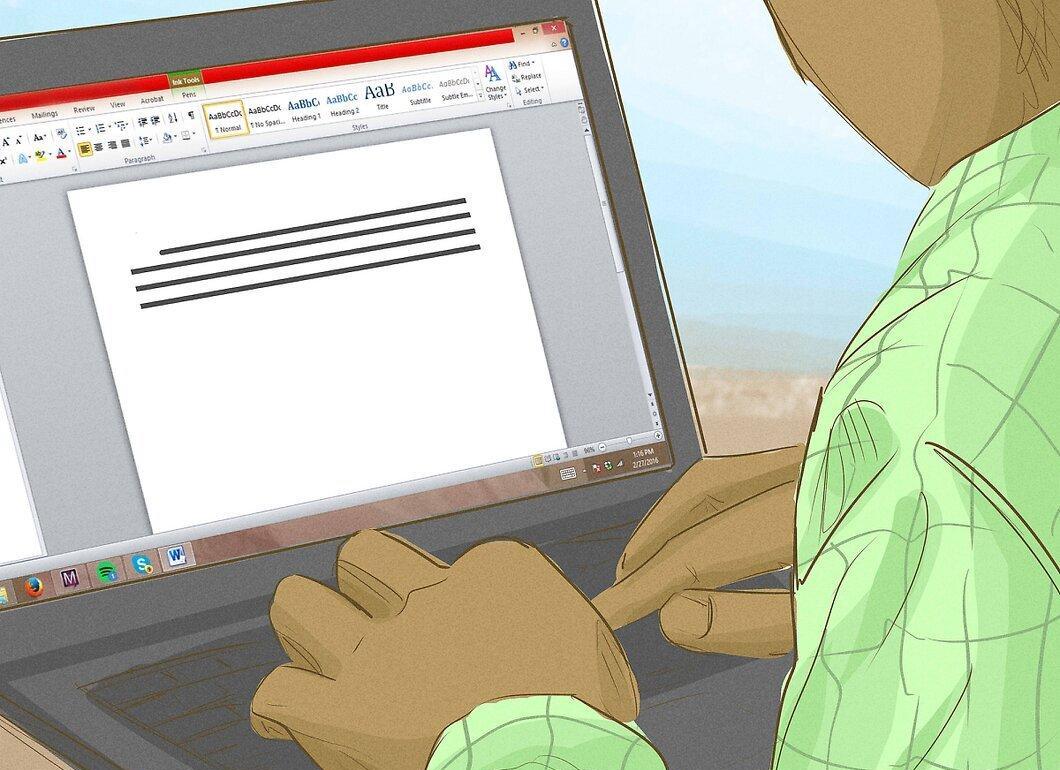
Begin with an informative introduction. In the first paragraph, state the author’s last name and the book’s title. Capture the reader’s attention by using an engaging quote. Conclude the introductory paragraph with a summary of the book's content.
- For example, you might write: "The book tells the story of the heroine's journey to Africa and the lessons she learned there."
- Avoid lengthy introductory paragraphs. A good introduction typically consists of 3-6 sentences, but can be shorter or longer in rare cases.
Step 2. Describe the Setting.

Describe the setting. This will allow you to smoothly transition to the main part of your work and create an atmosphere for the further narrative. Provide detailed descriptions of the locations present in the book so that the teacher clearly understands the context. If the events take place on a farm, mention that. If they unfold in a fictional world or the future, let that be known as well.
- Use vivid and descriptive language with plenty of details. For instance, you might write: "The farm was snugly situated at the picturesque mountain slope."
Step 3. Provide a Brief Summary of the Plot.
Offer a brief summary of the plot. At this stage, describe the events of the book, mentioning all key moments and their impact on the characters. This part of the report should resemble a detailed outline of the book.
- For example, if the main character moves to Africa, describe the events leading up to the move, the process itself, and what happened afterward.
Step 4. Describe the Main Characters.

Outline the main characters. When mentioning a character, clarify who they are and why they are important to the plot. You may dedicate an entire paragraph to describing key characters, including their appearance and actions.
- For example, you might say that the main character is "a middle-aged woman who is passionate about refined things, such as designer clothing." Then connect this to the plot summary and explain how her views changed after the journey.
- Introduce the characters typically in the same paragraph as the plot description.
Step 5. Unveil Key Themes and Ideas.

Discuss key themes and ideas in the main body of your text. While reading, pay attention to the "main ideas." In fiction, observe the actions of the main characters and look for patterns. In scholarly works, focus on the key theses and statements of the author. What is their purpose?
- For example, you might write: "The author asserts that travel opens new perspectives on the world. In this regard, key characters will find happiness and feel a connection to their homeland after traveling to distant lands."
- In fiction, the author may use the plot to express their views on moral issues or impart lessons. For instance, a book about a fictional athlete from a small town who achieves success might inspire readers to pursue their dreams.
Step 6. Evaluate the Style and Atmosphere of the Book.
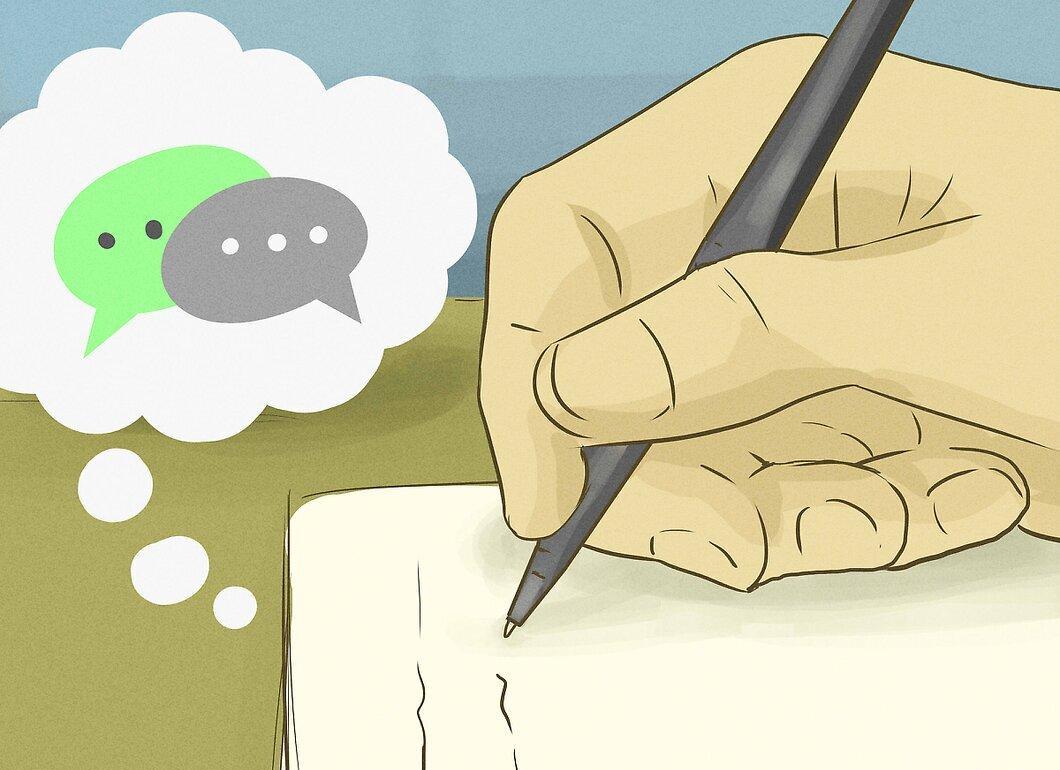
Comment on the style and atmosphere of the piece. Reread some excerpts and pay attention to language features, such as word choice. Assess whether the book is written in a formal or informal style. Does the author support certain ideas and challenge others? Recall your feelings to better convey the atmosphere of the book.
- For example, the author may use slang to create a casual style.
How to Conclude the Report
Step 1. Write a Brief Conclusion.

Wrap up the report with a concise conclusion. The final paragraph should summarize your book report. Try to encapsulate the essence of the book in a few short sentences. Also, indicate whether you would recommend the book to readers and why.
- Teachers often require the last paragraph to include the author’s last name and the book title.
- The conclusion is not the place for new ideas; a brief summary is sufficient.
Step 2. Edit Your Work.
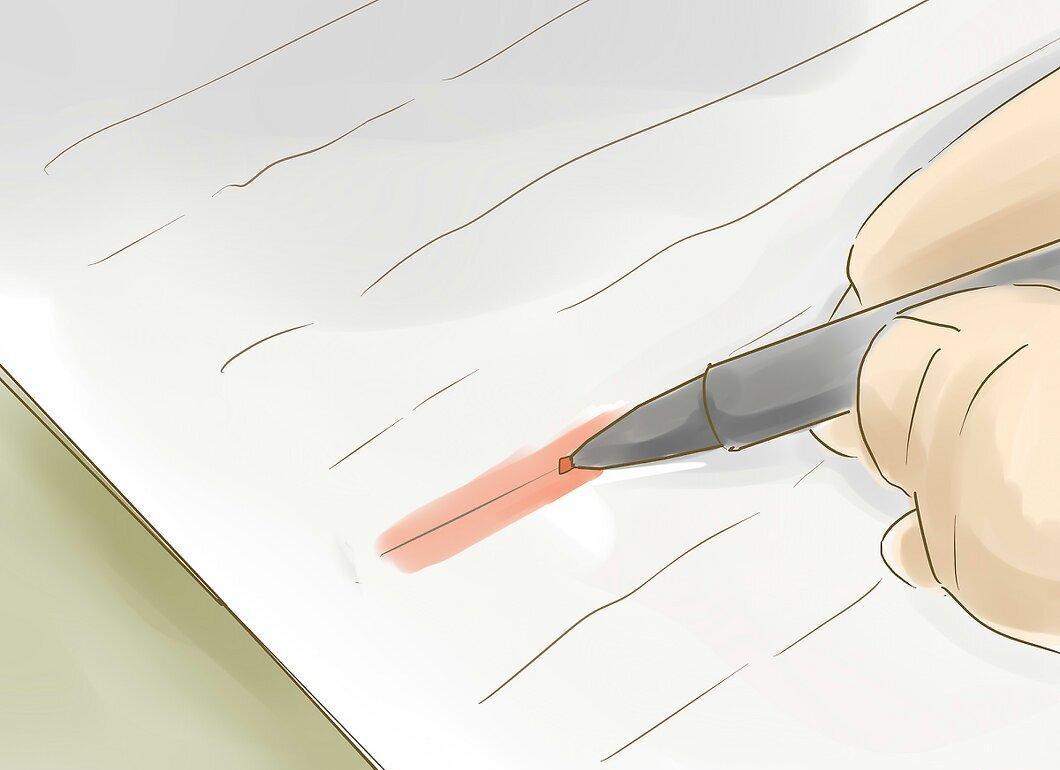
Reread your report at least twice. First, check the structure and flow of the text. On the second read, focus on minor errors and typos, such as incorrect commas and extra quotation marks. Reading aloud can help you catch awkward wording.
- Don’t submit your work until you verify the accuracy of character names and the author's last name.
- Don’t rely solely on automatic spell check.
Step 3. Show Your Report to Another Person.

Let someone else read your report. Ask a friend, family member, or classmate to review the text and provide feedback. You can also discuss your ideas in conversation for insights.
- For instance, you might say: "I would appreciate it if you could read my report and point out any mistakes you notice."
Step 4. Prepare the Final Version.
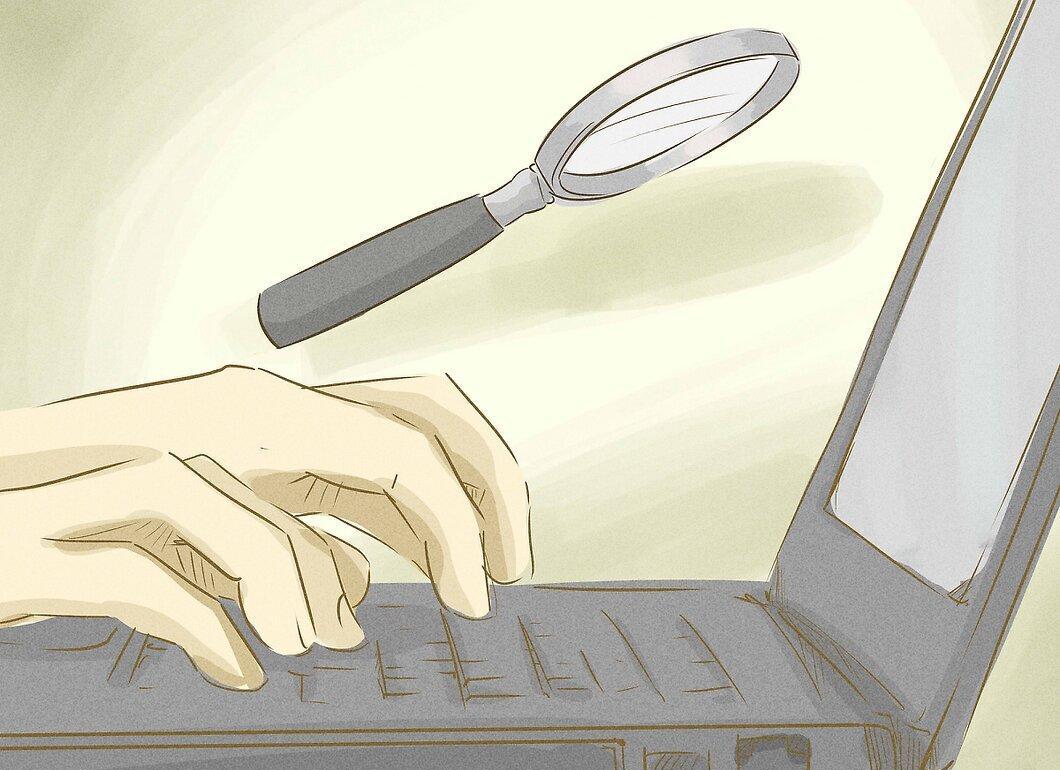
Create the final version. Incorporate all edits and type up the final text. Read it carefully to catch any typos or minor errors. Ensure that your work meets the teacher's requirements so that nothing is overlooked.