Confirmation Letter: A Step-by-Step Guide
A confirmation letter is a type of correspondence used to formalize verbal agreements, meetings, or interviews. It can also confirm bookings, respond to invitations, or acknowledge the receipt of goods and services. Let's explore how to easily and quickly write such a letter.
How to Write a Confirmation Letter
Step 1. Use an official letterhead.
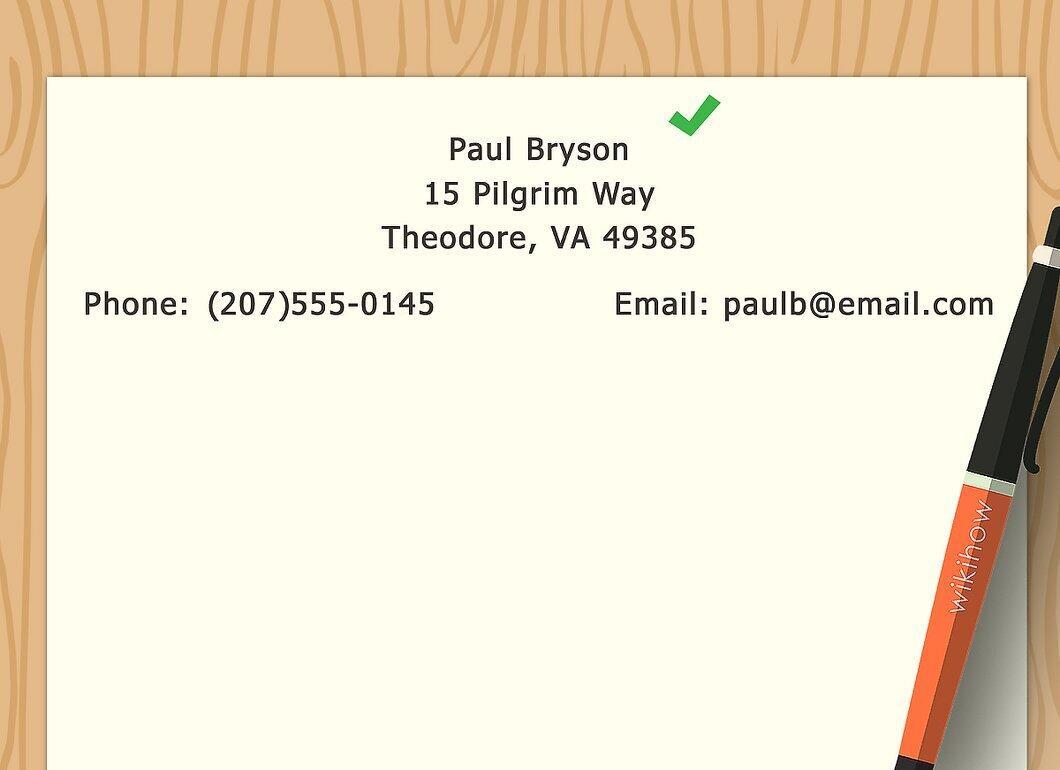
If your letter has a business purpose, be sure to use your company’s letterhead. This will make it an official document. At the beginning of the letter, include the full name and address of the recipient. Don’t forget to mention their position, department, and company address.
- For personal letters or if writing on behalf of an individual, opt for a more casual format. Place your address and date either on the left or right, skip a line, and then write the recipient’s name.
Step 2. Choose an appropriate greeting.
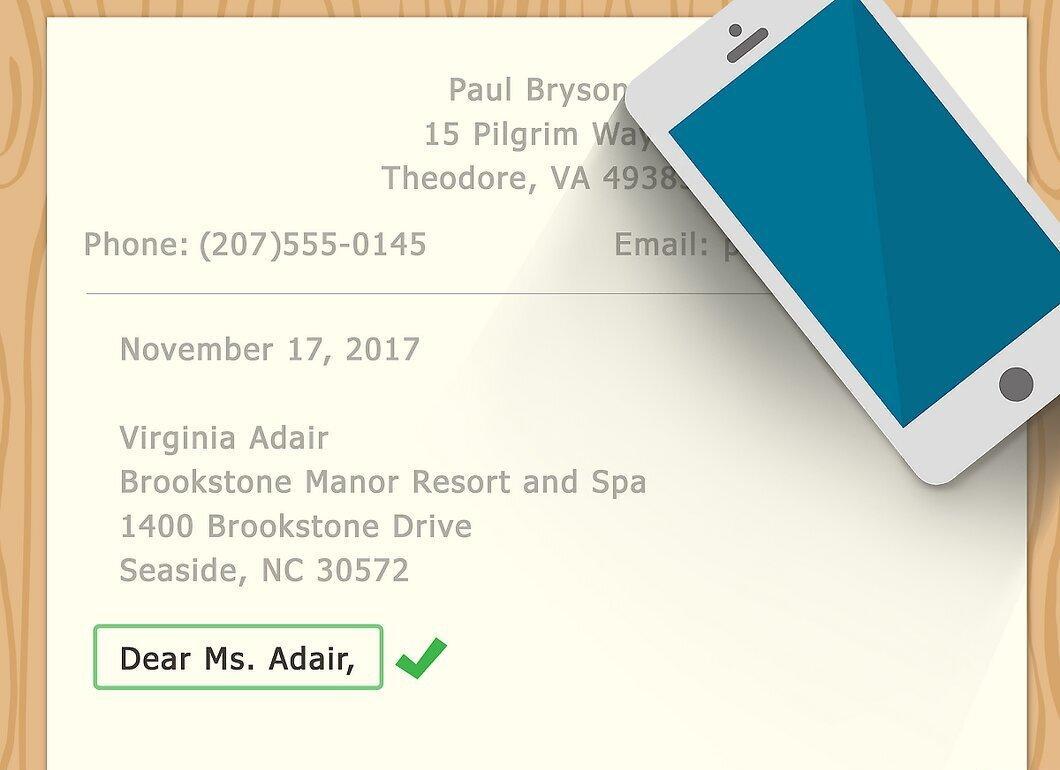
When drafting a confirmation letter, it’s important to use a correct greeting that takes into account the recipient's name. For example: “Dear Mr./Ms.” followed by their last name.
- This shows your respect for the recipient.
- In informal letters, you can address the person by their first name with “Dear” added.
Step 3. Confirm details in the first paragraph.
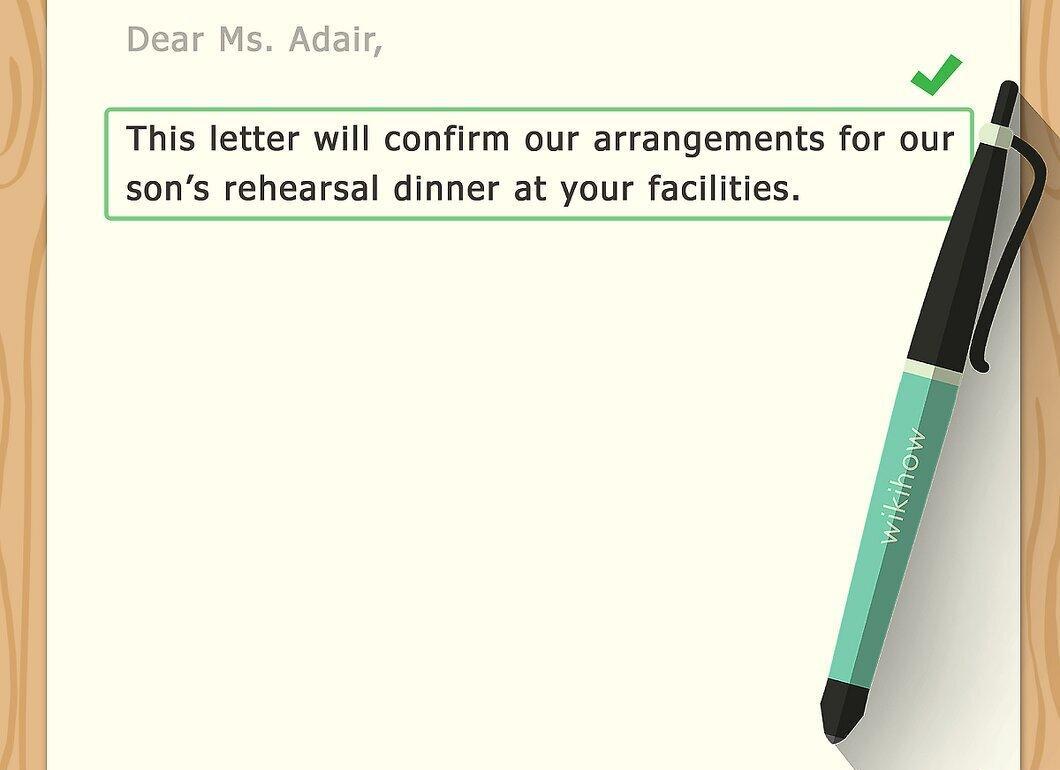
Get to the point in the first paragraph. Outline the specific details of the agreement, such as the date, time, and location. Avoid excessive chatter.
- Useful phrases to start include: “We are grateful to confirm…”, “We inform you that we have received…”, “We confirm our agreement…”.
- If you’re confirming an order, mention the order number and list the received items. Start with phrases like: “We are grateful to confirm receipt of…” or “We inform you that we have received…”.
Step 4. Clarify additional details.
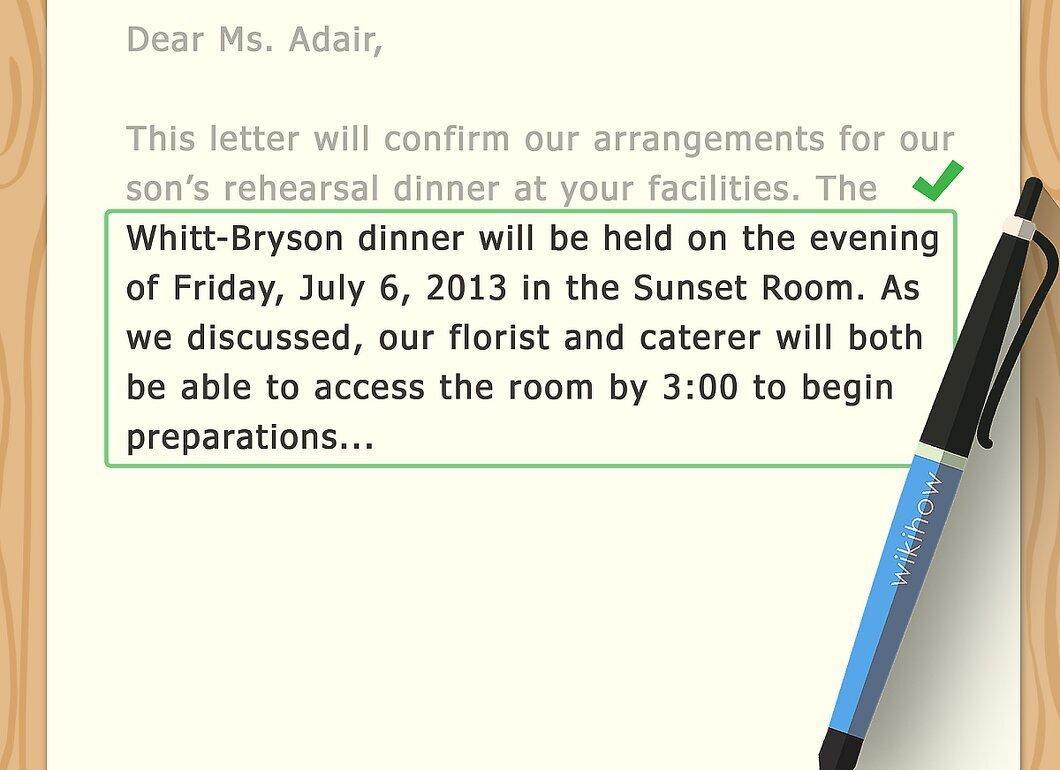
In the same paragraph or the next, include any important additional details. This may relate to payment terms, task confirmations, or other commitments.
- Use clear wording to avoid misunderstandings. Repeat the terms to confirm understanding.
- If you need someone to confirm their commitments, specify how you would like to receive the confirmation: via email, phone, or in writing.
Step 5. Specify if further actions are needed.
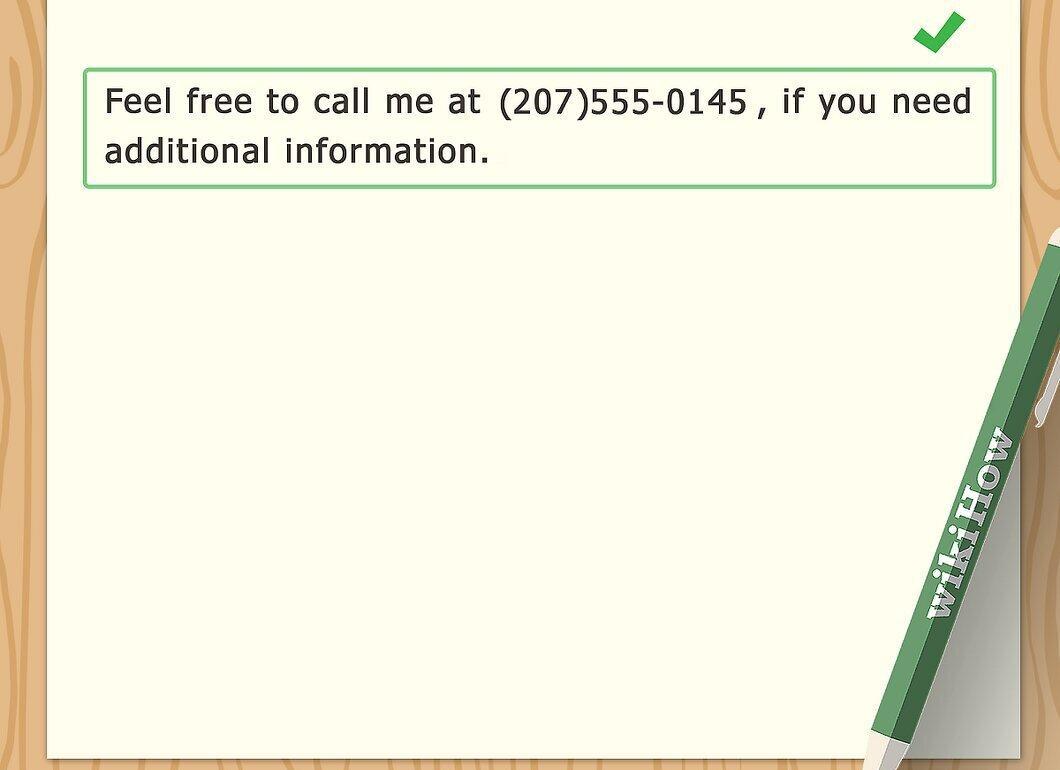
In the concluding paragraph, add phrases inviting the recipient to contact you with any questions. For example: “If you need any further information, we will be happy to provide it” or “If we can assist you, please feel free to reach out to us.”
Step 6. End the letter on a positive note.
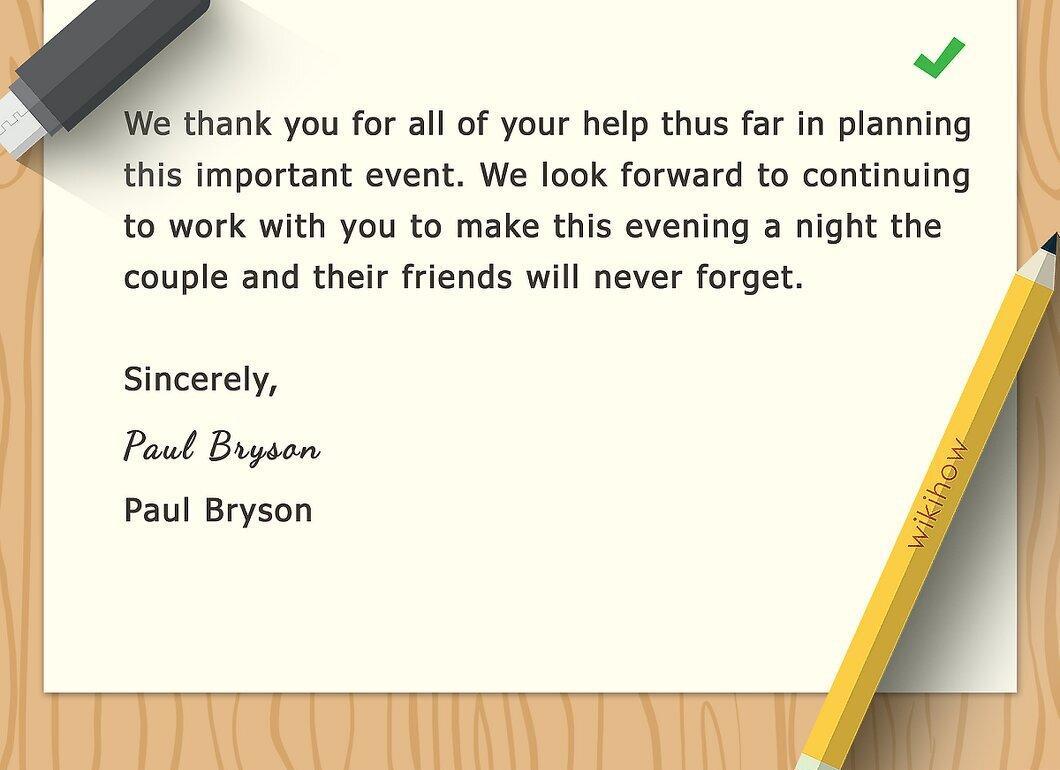
Conclude the letter with expressions of gratitude. Use phrases like “Sincerely,” “Best regards,” or “Yours truly.” Don’t forget to include your name and leave space for your signature.
Editing the Confirmation Letter
Step 1. Check the letter for errors.

Before sending, make sure to edit the letter. This is especially important for business documents. Check spelling, grammar, and punctuation.
- Error-free letters demonstrate your attention to detail and professionalism.
Step 2. Use quality paper and printer.
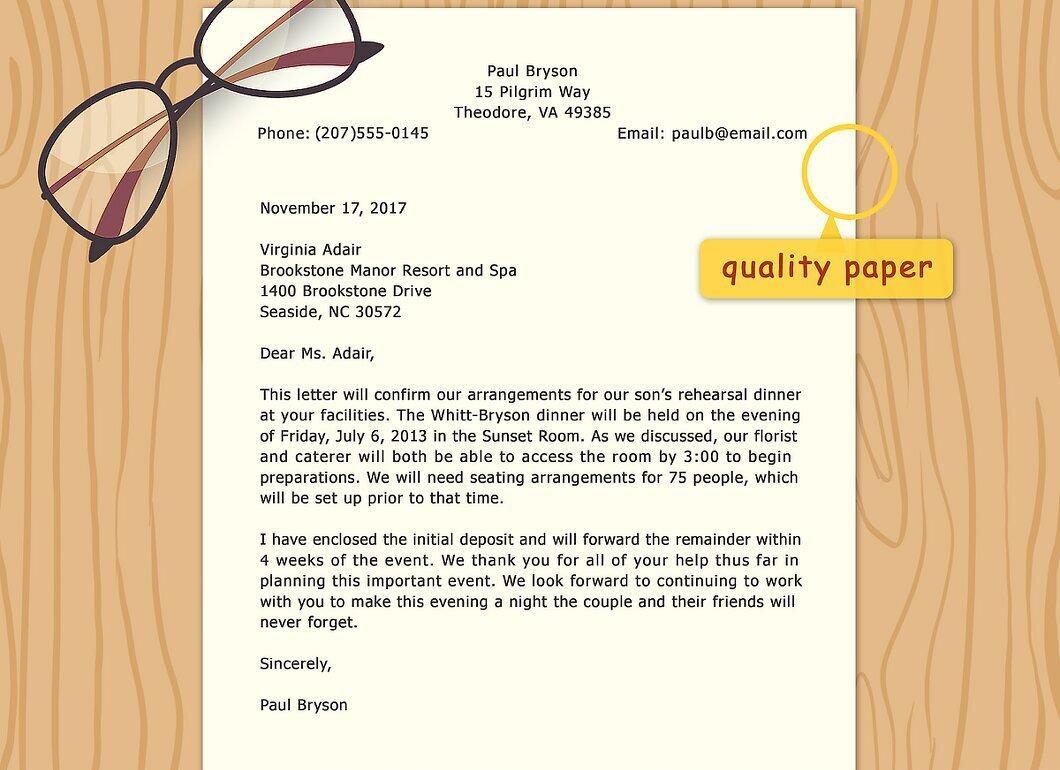
When printing business letters, choose your company letterhead or quality paper. Ensure the printer is functioning properly and does not leave smudges.
- Always print confirmation letters unless sending them via email. Do not write business letters by hand.
Step 3. Use a standard font and format.
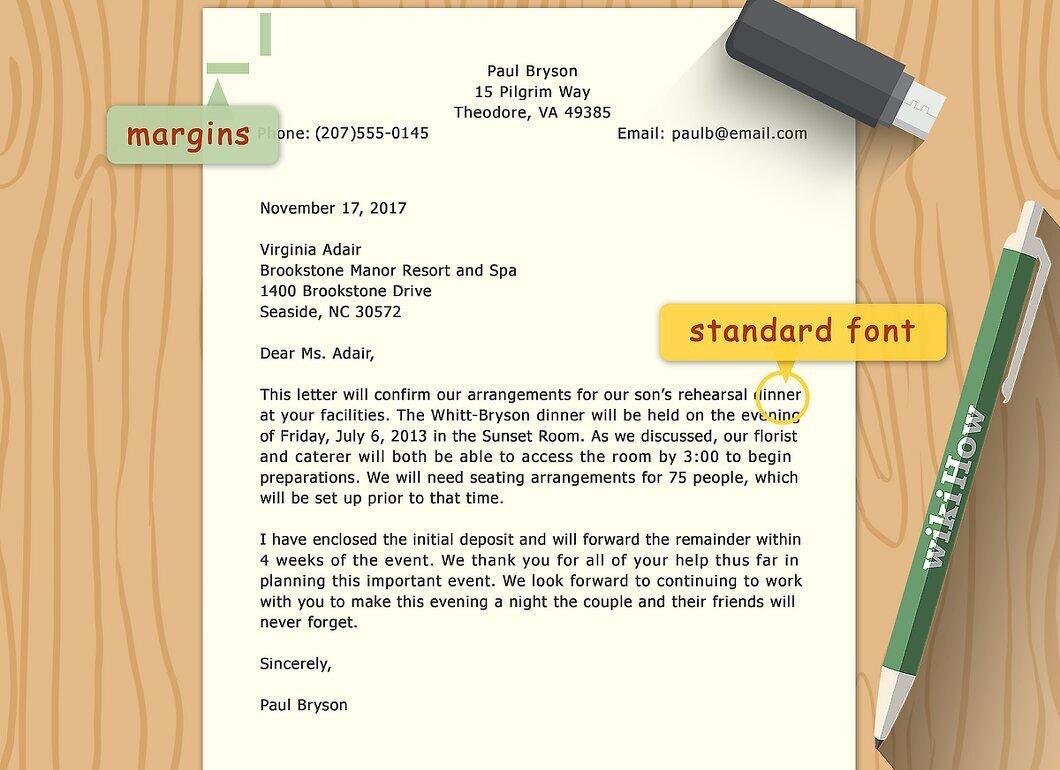
Use fonts like Times New Roman or Arial, size 12 pt. The margins should be 1 inch (2.5 cm) on each side.
- Maintain formatting: single line spacing, no indentations between paragraphs.
Step 4. Be concise and clear.
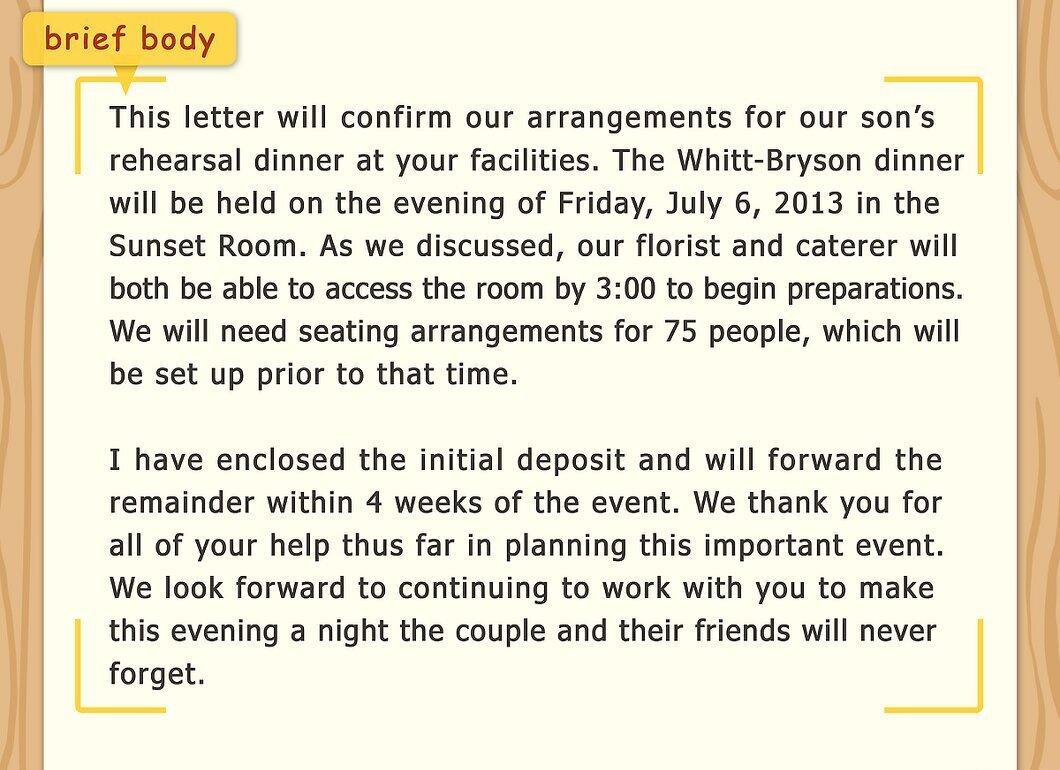
A confirmation letter should be succinct. Remove unnecessary details and focus on the essence.
Step 5. Maintain a formal style.
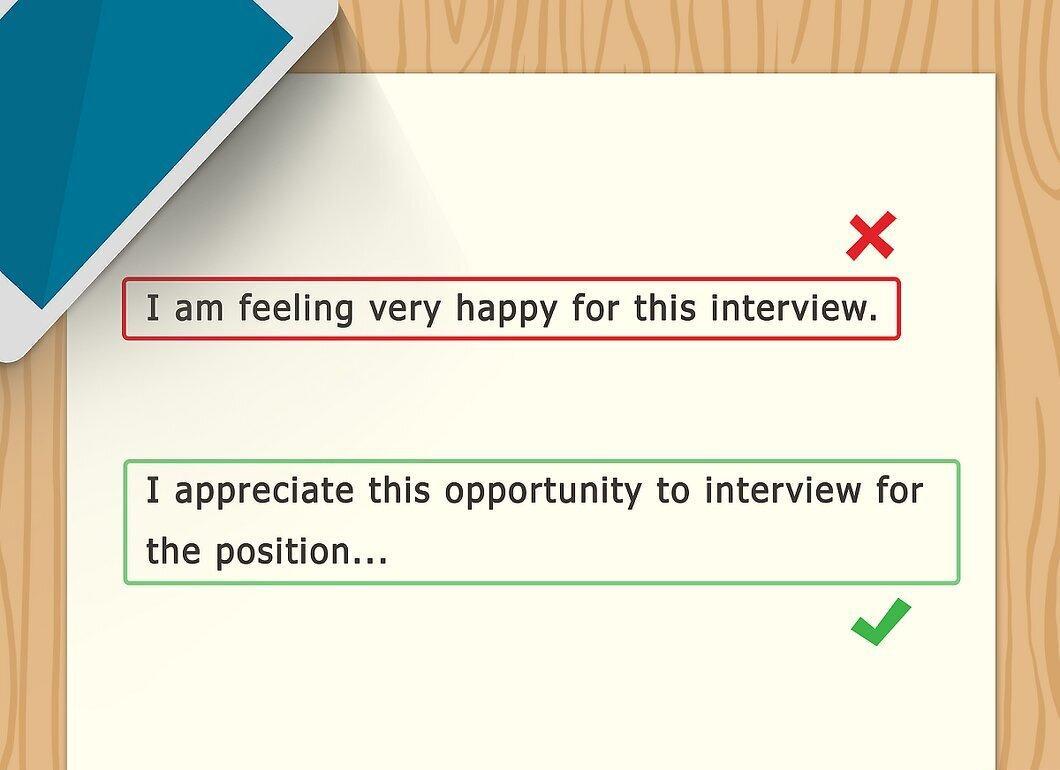
Despite being brief, the letter should be formal. This helps keep the focus on important points without being distracted by extraneous words.
- If writing a personal letter to a friend, you may use a more casual style. However, if in doubt, it’s better to stick to a formal tone.
- Even in formal letters, you can express gratitude and enthusiasm. For example, in response to an interview invitation, you could say: “Thank you for the interview invitation.”
Step 6. Know when to send a confirmation letter.
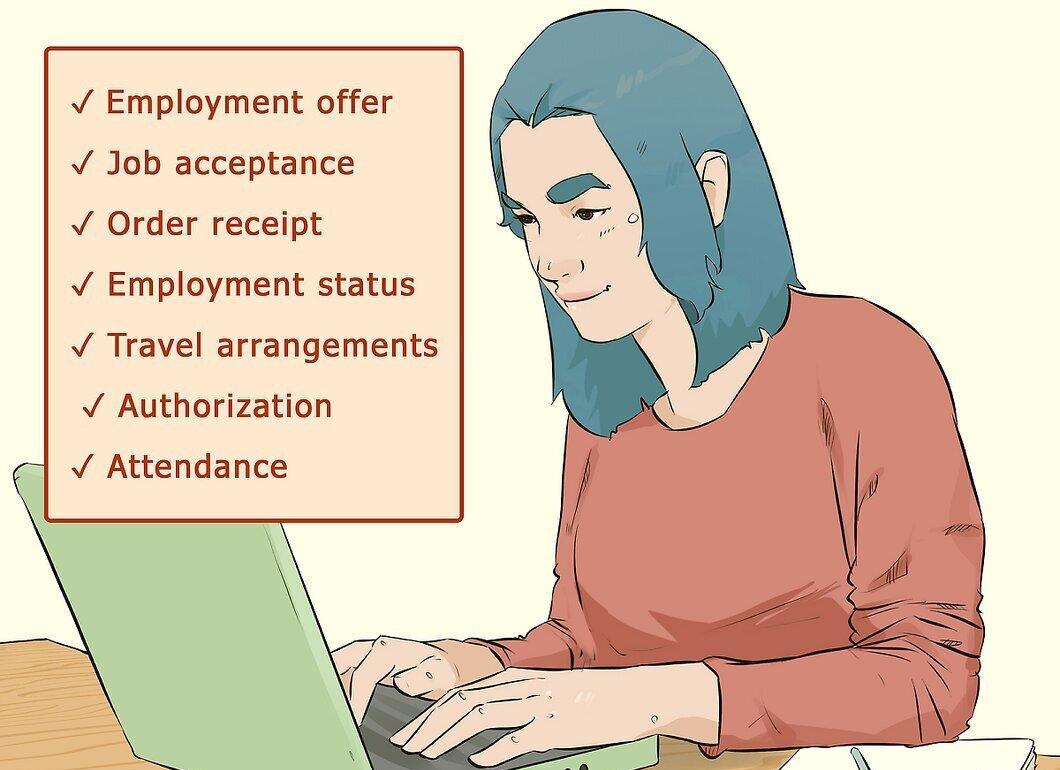
There are many situations where a confirmation letter is required. You may need to confirm meetings, interviews, or other events. Here are some examples:
- Confirmation of an appointment
- Acceptance of a job offer
- Confirmation of order receipt
- Documentation of job responsibilities
- Organizing a trip
- Power of attorney for another person
- Confirmation of attendance