
Lawyers are renowned for their logical reasoning, sound judgment, and ability to get to the heart of the matter. While thinking like a lawyer seems like a valuable skill, not everyone can afford to spend three years in law school to acquire it. This article will help you, whether you want to start a career as a lawyer or simply want to gain an edge in disputes.
Part 1
Step 1. Identify the core issue at hand and learn to do it instinctively.

Identify the core issue at hand and learn to do it instinctively. Once you hear a new question, you should practice instinctively finding the key problems and keeping them in mind. Look at things from different angles, as your perspective may differ from others.
Step 2. Analyze and pay close attention to everything you hear, read, or write.

Analyze and pay close attention to everything you hear, read, or write. This not only helps you define the problem but also aids you in building a compelling argument in disputes with others.
Step 3. Ask yourself why something is happening the way it is.

Ask yourself why something is happening the way it is. Is it in the interest of one person or for the common good? Is it meant to harm your client or someone similar? Is it fair? Can you use it against anyone?
Step 4. Look at things from the opposite side and study weak positions.
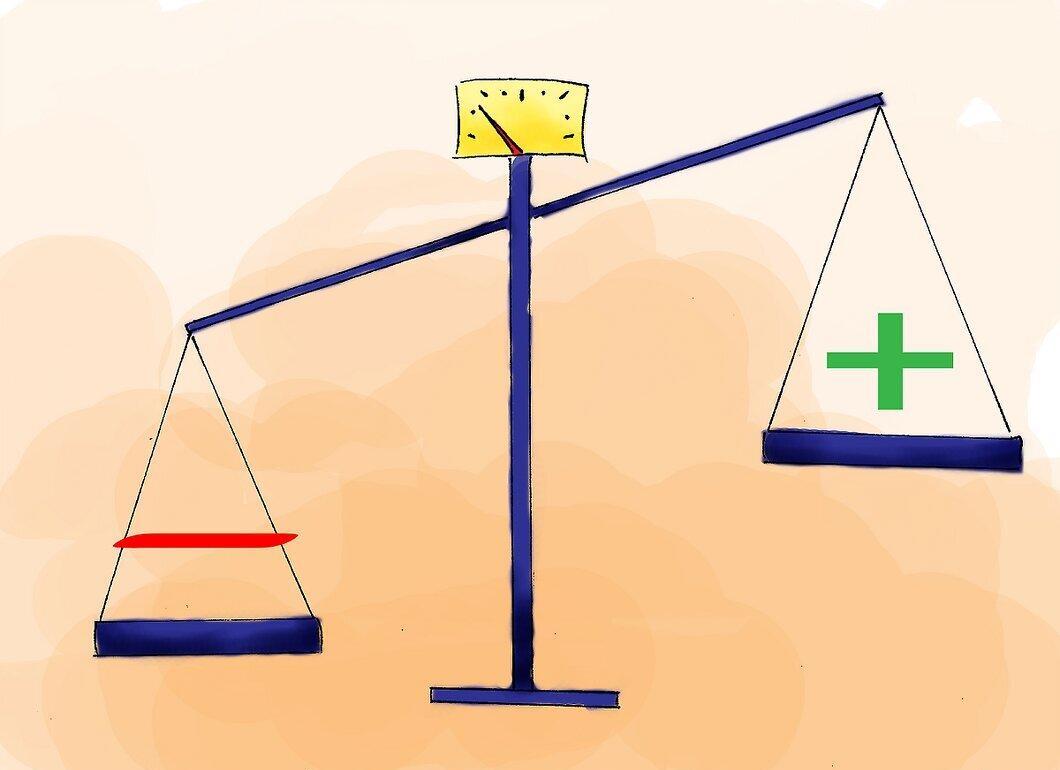
Look at things from the opposite side and study weak positions. If you were on the opposing side in a dispute, what would you do? You must always protect your interests as well as those of your client, so it’s essential to determine if you have grounds for dispute and whether it’s worth taking that position.
Step 5. View things as if you are an outsider.

View things as if you are an outsider. It doesn’t matter how you would react to the situation. You need to see things from a distance. Even if there are mitigating circumstances, do they act as a justification?
Step 6. Use evidence to support your claims.

Use evidence to support your claims. Everything you say should have corroborating grounds. Without this, you cannot prove the validity of your accusation.
Step 7. Express your thoughts concisely.

Express your thoughts concisely. Excessive talking distracts from focusing on the core of the matter.