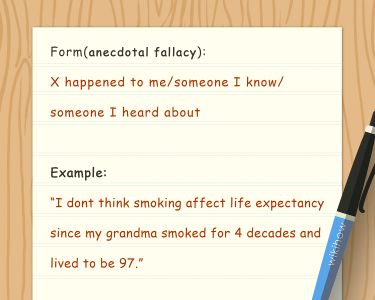
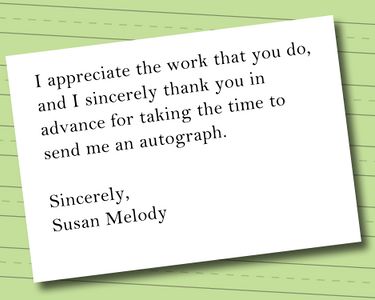
The ability to create organized notes and summaries can be a true ally in achieving your academic and professional goals. Notes serve as a foundation for completing projects, assignments, and other tasks. However, not everyone knows how to properly organize their notes. It's important to apply methods that work for both written texts and oral presentations, such as lectures, seminars, and meetings.
How to Create Concise and Clear Notes for Better Retention
Step 1. Write Important Details at the Top of the Page.

Start by writing all key details at the top of the page. Include the date, bibliographical information, and page number. These elements will help you easily locate the information later.
Step 2. Use Your Own Words.

Write down key facts and ideas in your own words. Don't try to write everything verbatim unless it's a quote or an important definition. This approach activates your mental resources, enhances understanding and retention of the material, and reduces the likelihood of plagiarism.
- Create a unique system of symbols and abbreviations for easier and faster note-taking. For example, denote "scientific method" as "SM" and "oxygen balance" as "OB".
Step 3. Replace Full Sentences with Keywords.
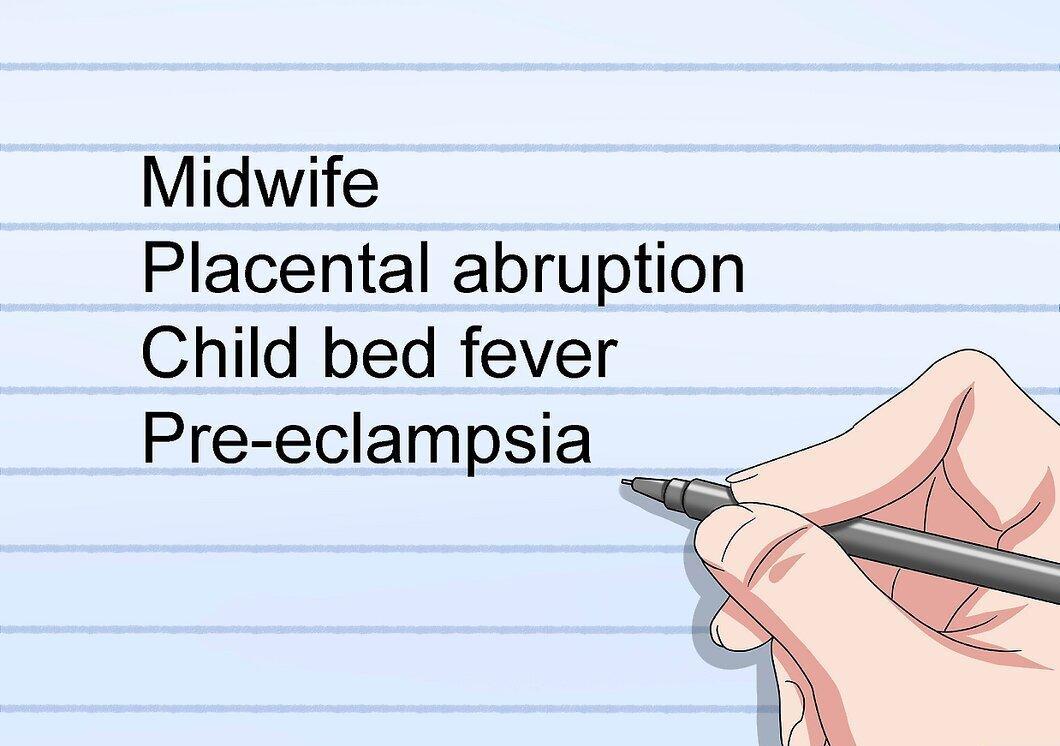
Instead of long sentences, use keywords. Analyze lectures or texts that may be difficult to grasp. Instead of reproducing full sentences, jot down keywords that convey the essence briefly and allow you to easily find the necessary information later.
- For instance, in a lecture on obstetrics, you might note terms like obstetrician, placental abruption, postpartum sepsis, and preeclampsia.
Step 4. Leave Spaces for Additions.
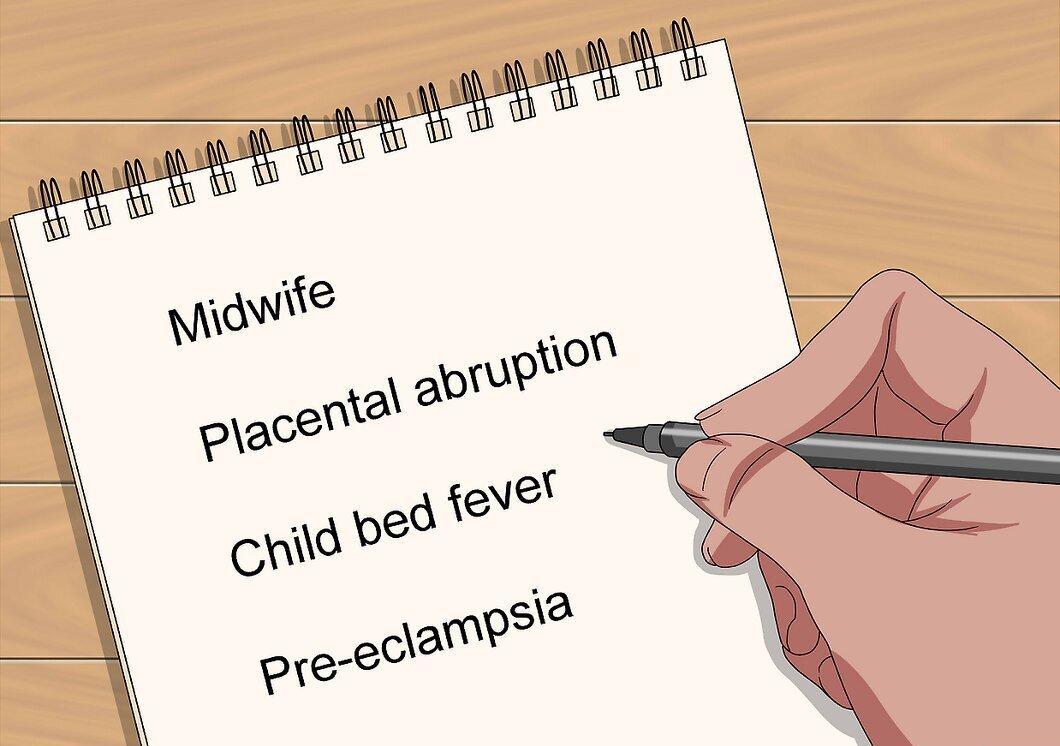
Leave gaps between your notes. When noting key ideas, make sure to leave space for additions, so you can clarify any unclear points later. This will help you quickly find important information by keywords.
Note-Taking Methods
Step 1. Write by Hand.
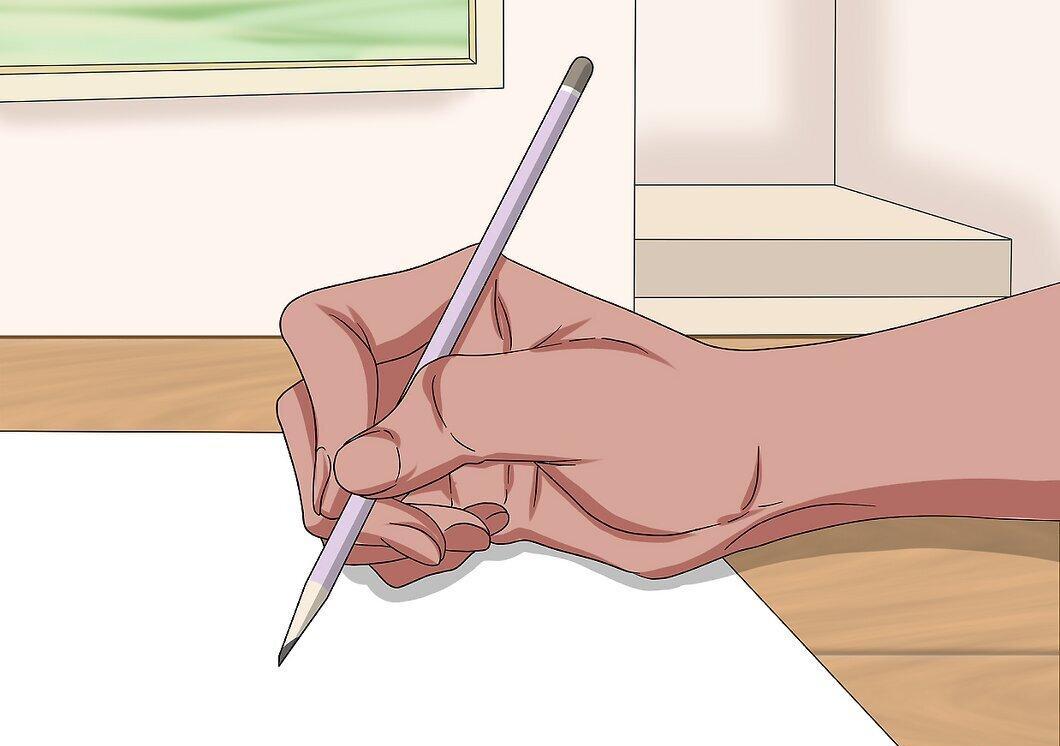
Write information by hand. Avoid the temptation to type your notes on a computer. Handwriting helps you better formulate and retain information and organize data more effectively.
- Use methods like the Cornell method, or create outlines to organize your notes.
- Utilize apps like Evernote or Microsoft OneNote for convenient note-taking.
Step 2. Apply the Cornell Method.
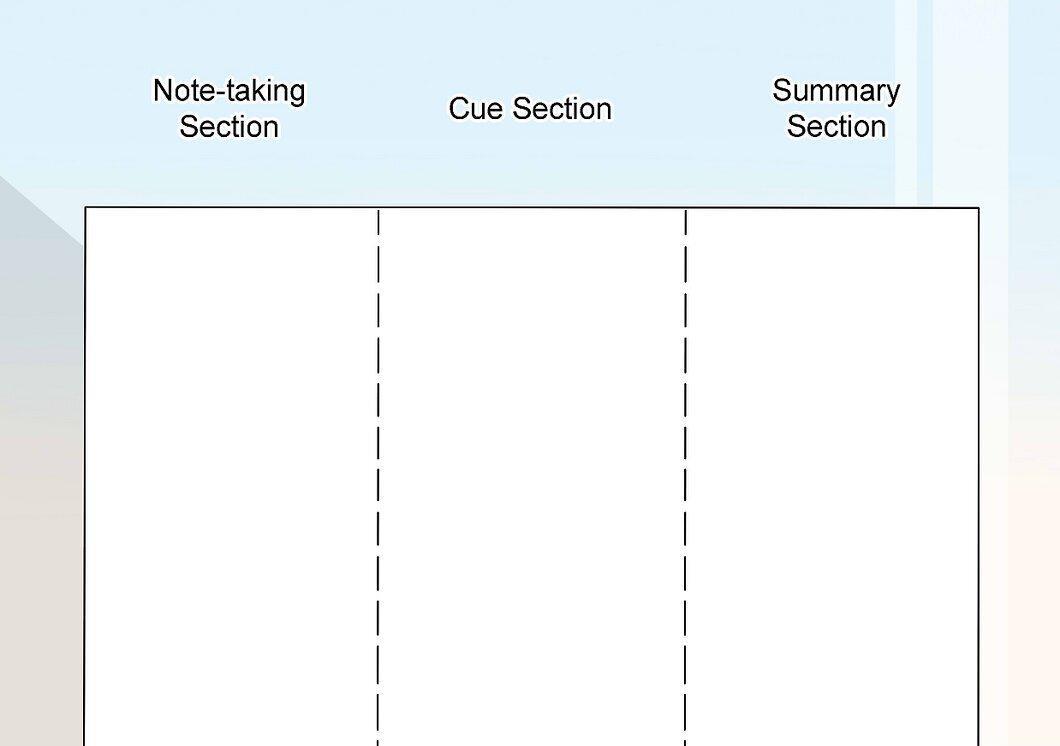
Divide the page into three sections: a small one for cues, a wide one for notes, and a bottom section for conclusions. Work with these columns:
- Notes: in the wide column, write down the main ideas of the lecture, leaving space for additions and questions.
- Cues: use the smaller column for clarifying questions and relationships.
- Conclusions: at the bottom of the page, summarize in 2-4 sentences.
Step 3. Create an Outline.
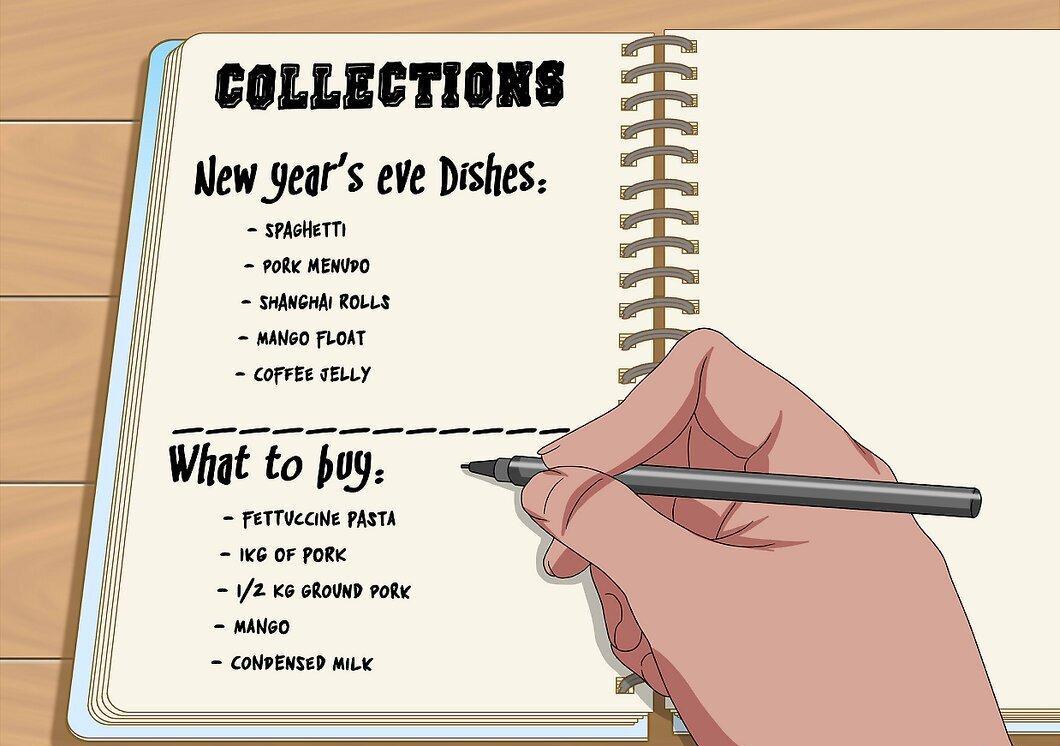
Develop an outline for your notes. Summarize the text or lecture in an outline format, writing general information on the left and adding examples with a slight indent to the right.
Step 4. Create Mind Maps.
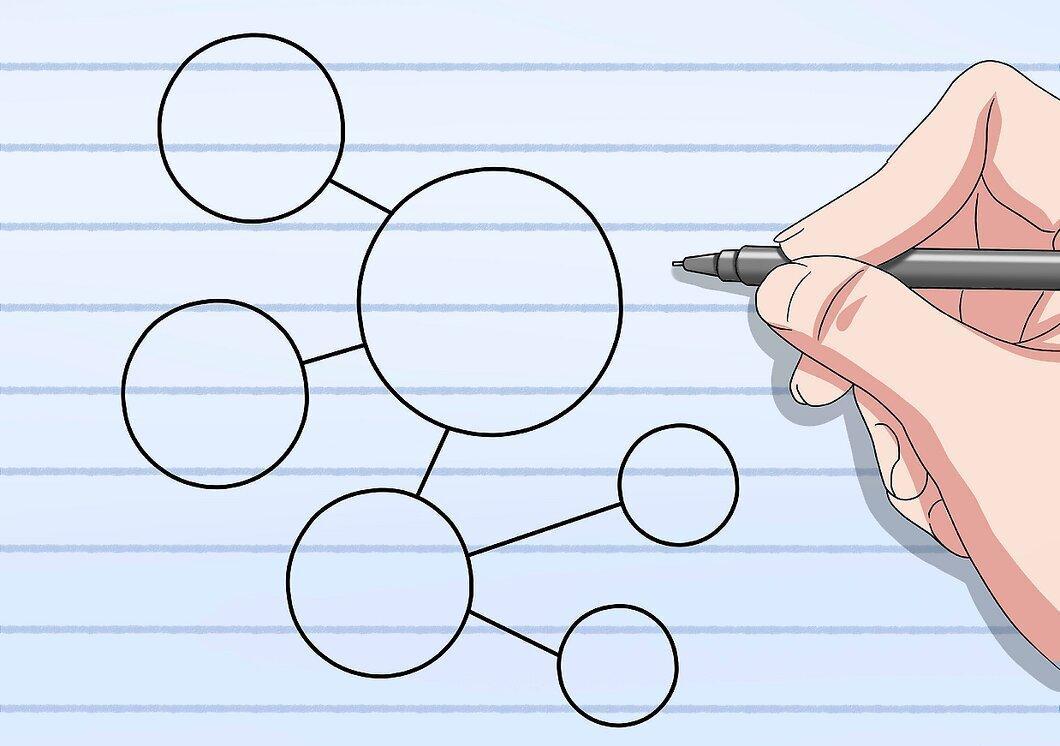
Draw a mind map by sketching circles around main themes. Use thick lines to indicate key ideas, adding a few words to summarize additional information. Under thinner lines, note less important details. This approach is especially useful for visual learners and those unfamiliar with a lecturer's specific style.
How to Listen Effectively for Accurate Note-Taking
Step 1. Arrive Early.
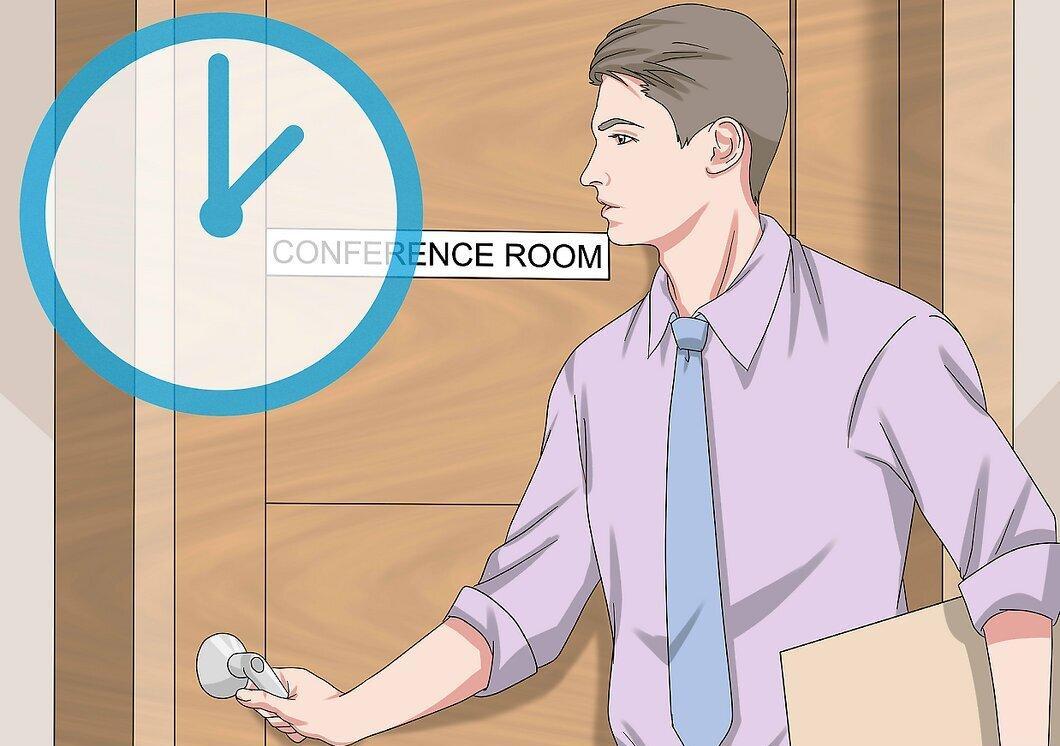
Remember to arrive at meetings and classes a few minutes early. Sit in a spot where you can hear well and avoid distractions. Arriving on time ensures you won't miss important information.
- Prepare all necessary materials in advance to avoid last-minute chaos.
Step 2. Write Down Contextual Information.

Record information that helps you understand the topic at the top of the page. Include the date, session number, and other important aspects. This will help you not miss anything crucial when the presentation begins.
- An organized approach enhances the quality of your notes.
Step 3. Familiarize Yourself with Reference Materials.

Before the event starts, review all the key terms presented on the board. Obtain your copy of any handouts. Engaging with reference materials will help you better understand the lecturer.
- At the top of the handouts, note the date and important details. Refer back to these materials when reviewing.
Step 4. Listen Attentively.
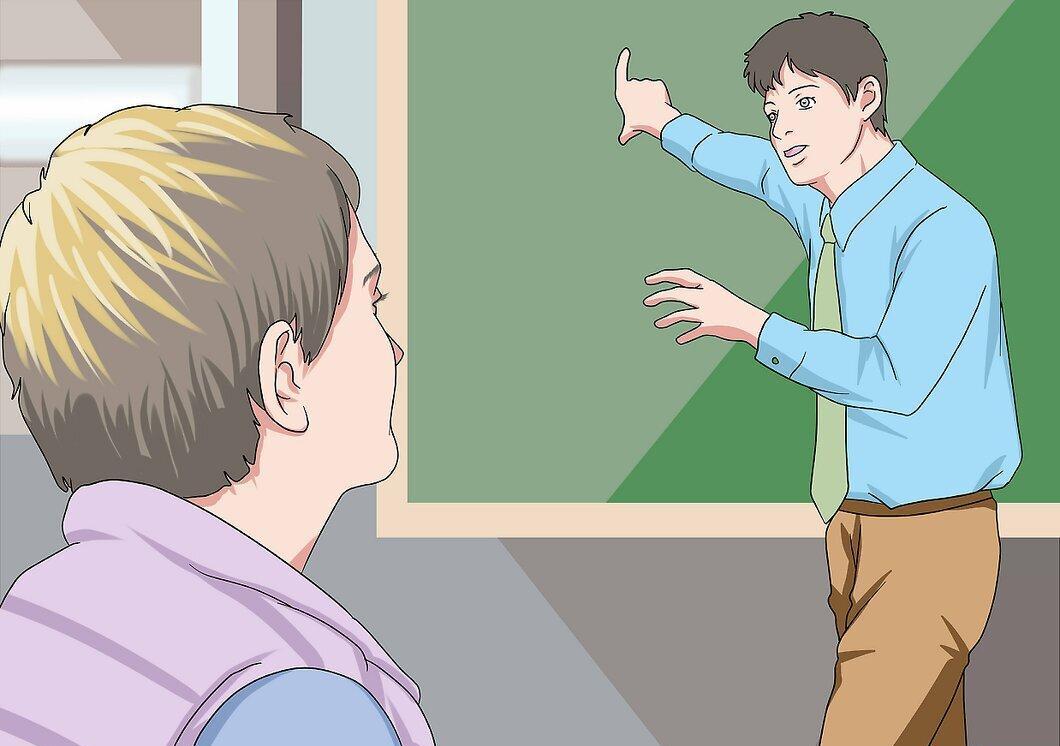
Practice active listening during lessons and meetings. Try not to get distracted by those around you or your devices. Paying attention will help you accurately record, understand, and remember the information.
Step 5. Pay Attention to Transition Words.
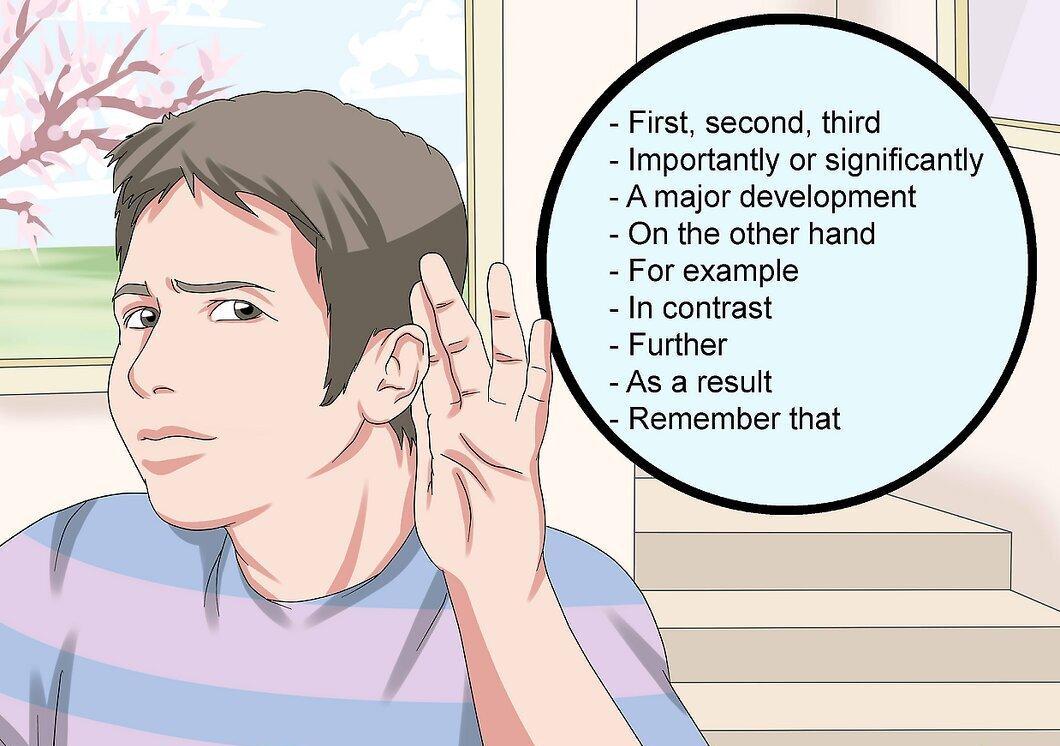
Active listeners always notice words that signal important moments. Transition words may indicate the beginning of a new idea or question. Pay attention to phrases like:
- first, second, third;
- it's important to note;
- significant event;
- on the other hand;
- for example;
- conversely;
- next;
- as a result;
- remember.
Step 6. Review Your Notes Right After the Session.

Immediately after a lecture or meeting, review your notes. Highlight points that need clarification. Reviewing your notes the same day helps keep them relevant and understandable.
- If possible, rewrite your notes, as this will help you retain the material better.
How to Read Effectively for Efficient Note-Taking
Step 1. Skim the Text First.

Before diving deep into the text, quickly skim through it. Don’t take notes right away; save that for later. Skimming helps highlight key themes and important sections of the text.
- Pay attention to the title and abstract;
- introduction and first paragraph;
- subheadings to understand the structure of the text;
- graphical materials;
- conclusions or the last paragraph.
Step 2. Define the Purpose of Your Notes.

After skimming, determine why you need the notes. Consider whether you need a general overview of the topic or specific details.
Step 3. Highlight Key Ideas.
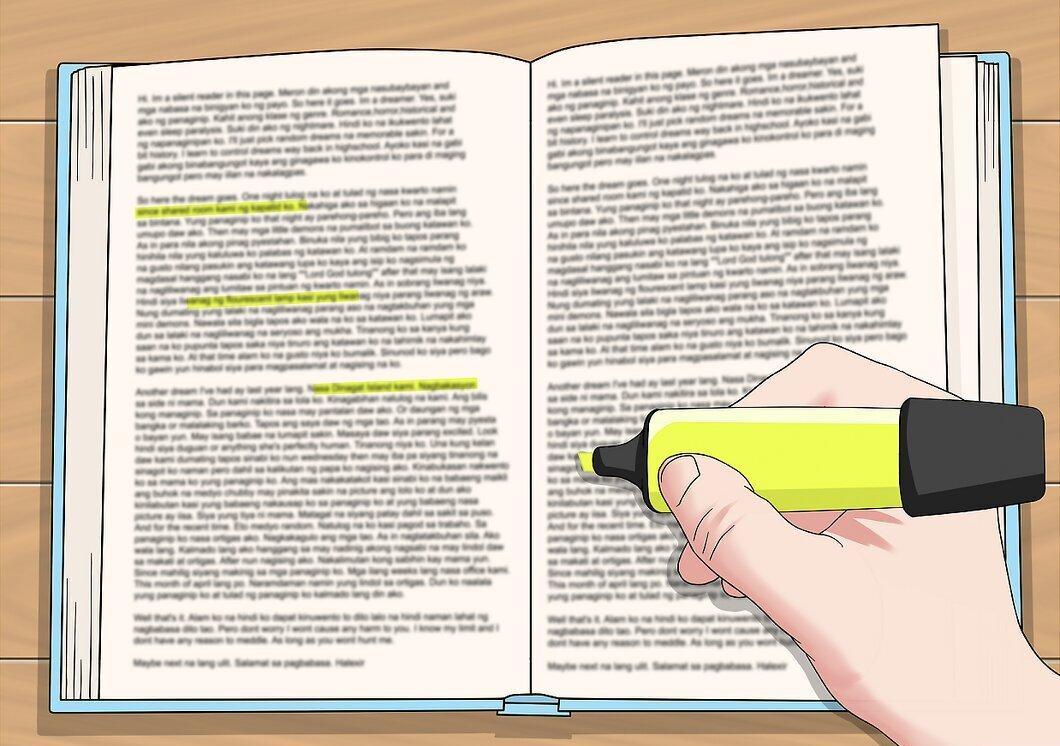
Record the main arguments and ideas the author wants to convey in short phrases or sentences. If you do this in your own words, you will better understand the text.
- You might also highlight ideas with a pen or pencil and remember to note the page number in your notes for reference.
- For example, it's better to record "the fall of the Weimar Republic" than a lengthy explanation that takes more time.
Step 4. Review Your Notes Later.

Take a break after working on your notes, then reread them. Ensure they align with your understanding of the text, and clarify any unclear points.
- Regularly review your notes to enhance your retention of the information.