Garnishing dishes can be tricky without the right experience. The best decorations often come from simple, vibrant ingredients, so you don't need to invent a new recipe just to enhance an already prepared dish. If you're looking to elevate your skills, there are plenty of creative ideas for both main courses and desserts.
Choosing Your Garnish
Step 1: Always Opt for Edible Decorations.
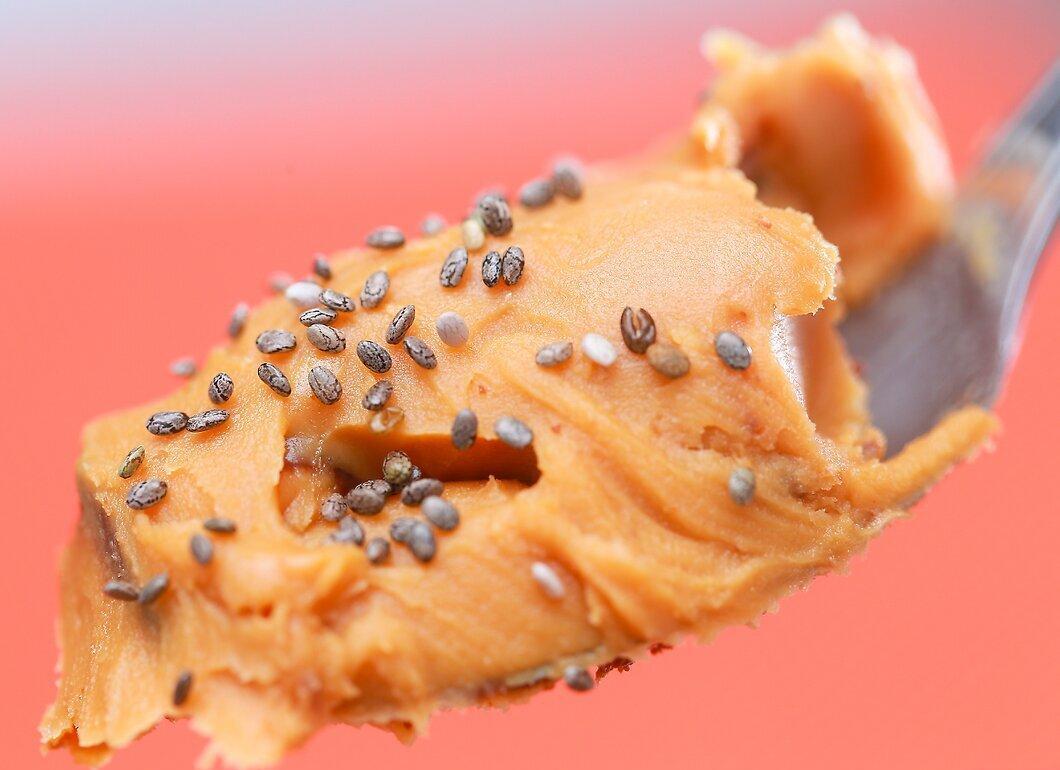
Always try to add edible decorations. Garnishing is not just about decoration; it adds new aromas and textures to the dish. By using edible garnishes, you eliminate the need to separate the edible from the inedible.
Step 2: Ensure Inedible Decorations Are Easily Removable and Distinguishable.
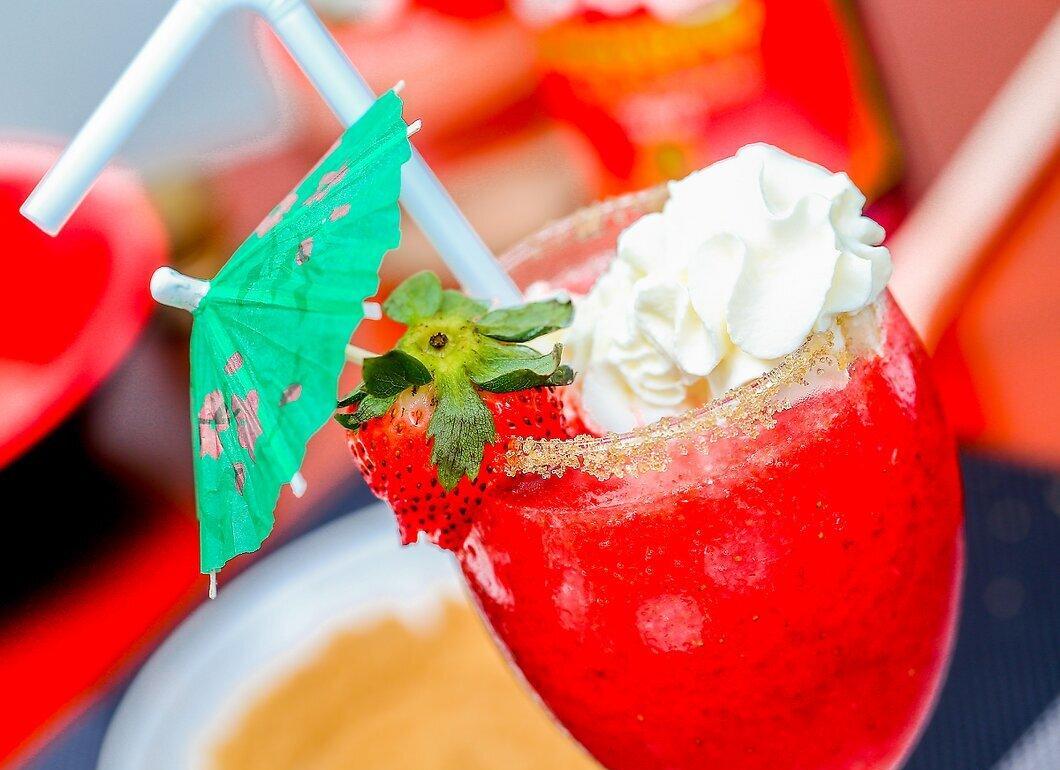
All inedible decorations should be easily removable and distinguishable. Items like cocktail umbrellas and birthday candles are common examples of inedible decorations that are hard to replace with edible ones. However, they visibly look inedible and can be easily separated from the food, minimizing the risk of accidental consumption. Ensure that other inedible decorations have similar properties.
Step 3: Bold and Subtle Flavors.
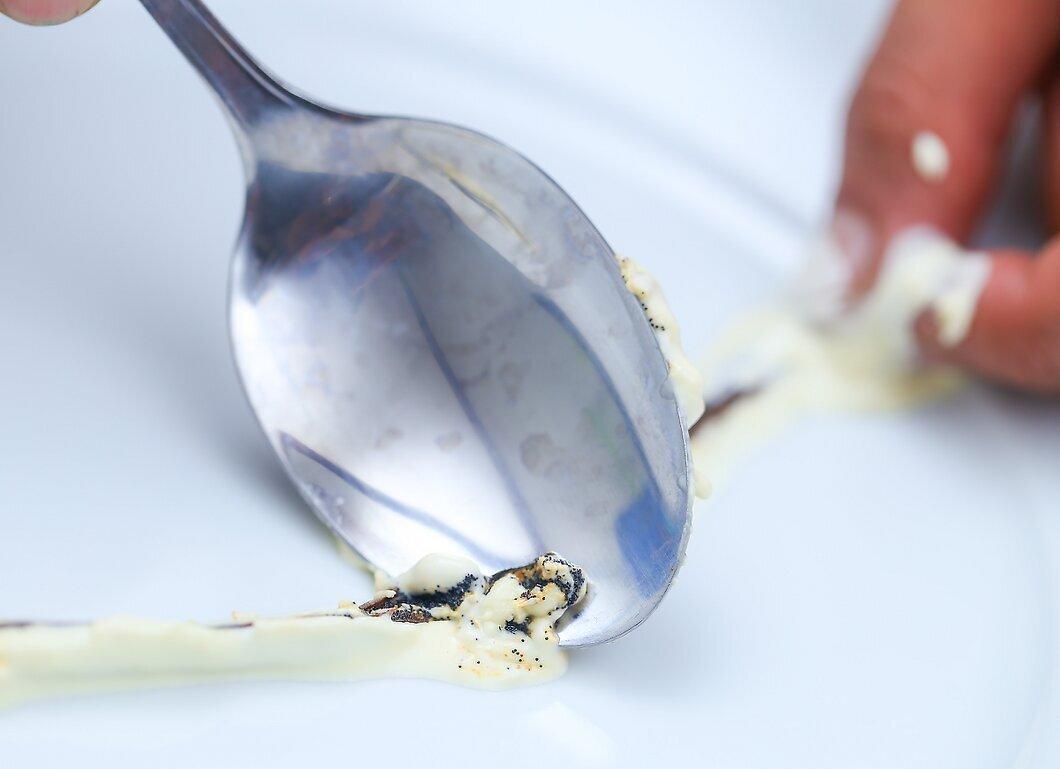
Bold and subtle flavors. Gentle dishes can be enhanced with garnishes sprinkled with herbs or spices, but not all dishes should have a strong flavor. If the dish already has a complex aroma, it's best to avoid spicy garnishes that might clash with other ingredients.
Step 4: Color and Texture.
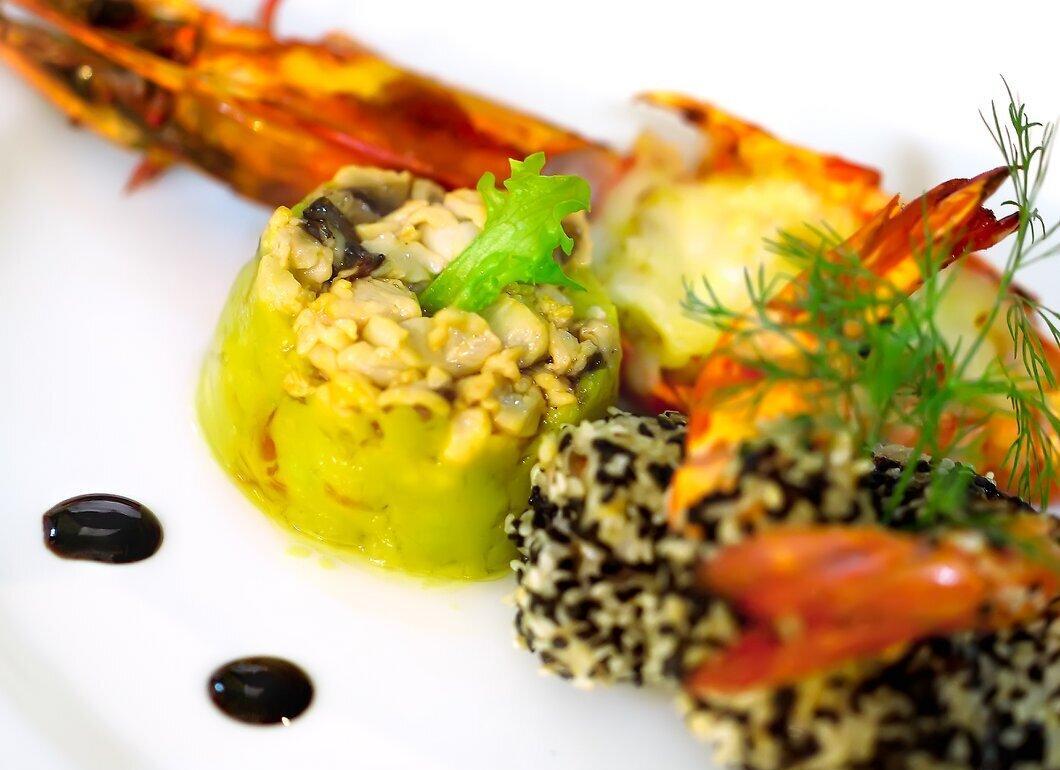
Color and texture. Choose a color that contrasts with the dish to make the garnish stand out. For example, a slice of crisp green can add variety to a delicate dish.
- Garnishes made from two ingredients can be arranged in alternating layers on the plate, creating a color contrast. For instance, slices of tomatoes and cucumbers or gelatin cubes in two different colors.
Step 5: Presentation of the Garnish on the Plate.
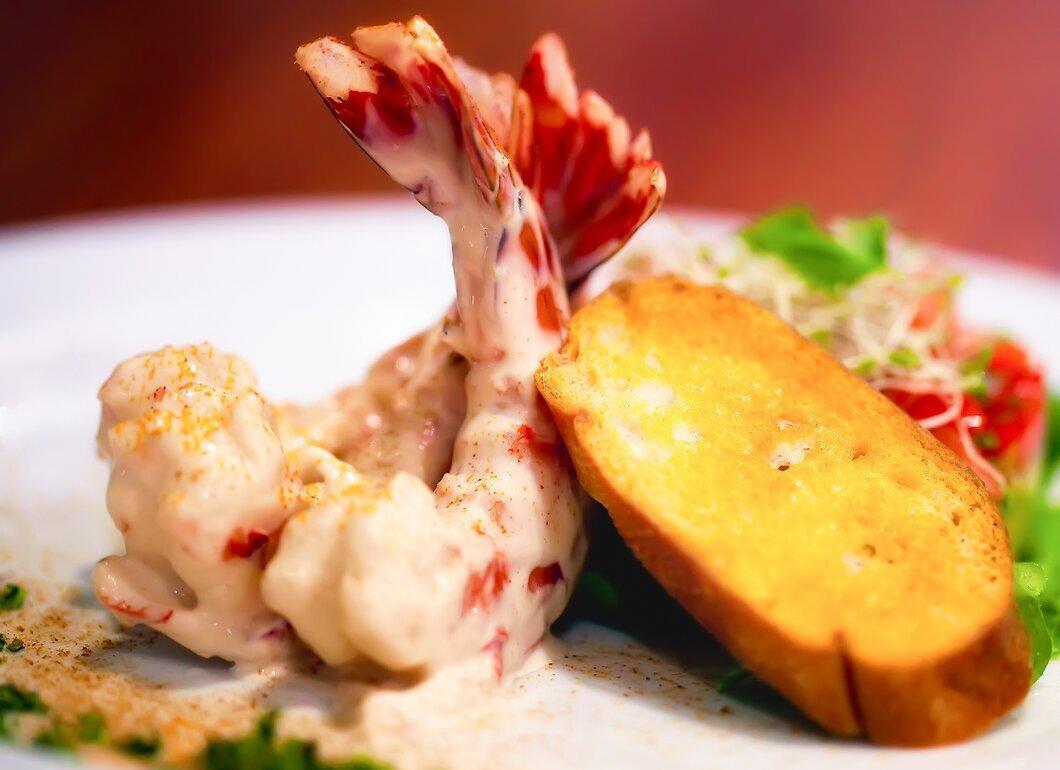
The garnish gets more attention against a contrasting background. If the dish itself consists of multiple colors, place the garnish directly on the plate. Most decorations look great on white dishes, but vibrant garnishes can also shine on dark ceramic plates.
- Remember, the garnish is meant to enhance the main dish, not overshadow it. Two or three slices spaced apart may look more appealing than a continuous row or a cluttered arrangement.[2] X Source
Step 6: Don’t Forget About Temperature.
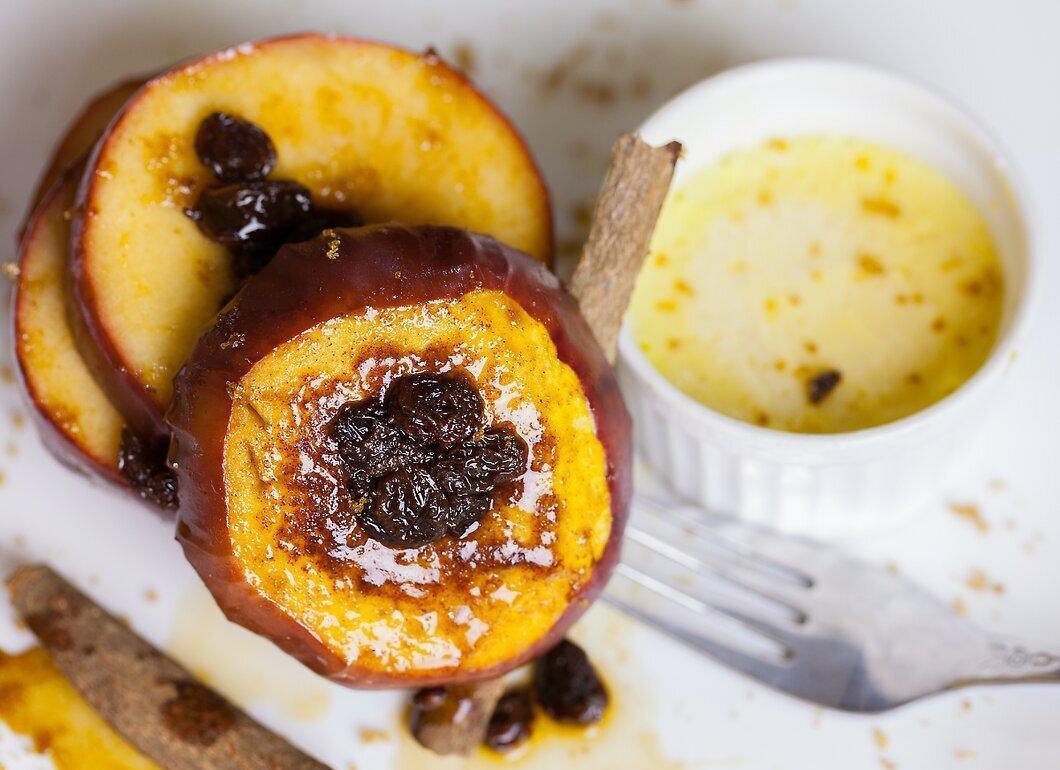
Don't forget about temperature. Frozen garnishes can melt on a hot dish. Even without the risk of losing shape, large and cold pieces of garnish don’t pair well with hot soup, and hot garnishes are not ideal for cold desserts.
Fruit Garnishes
Step 1: When to Use Fruit Garnishes?
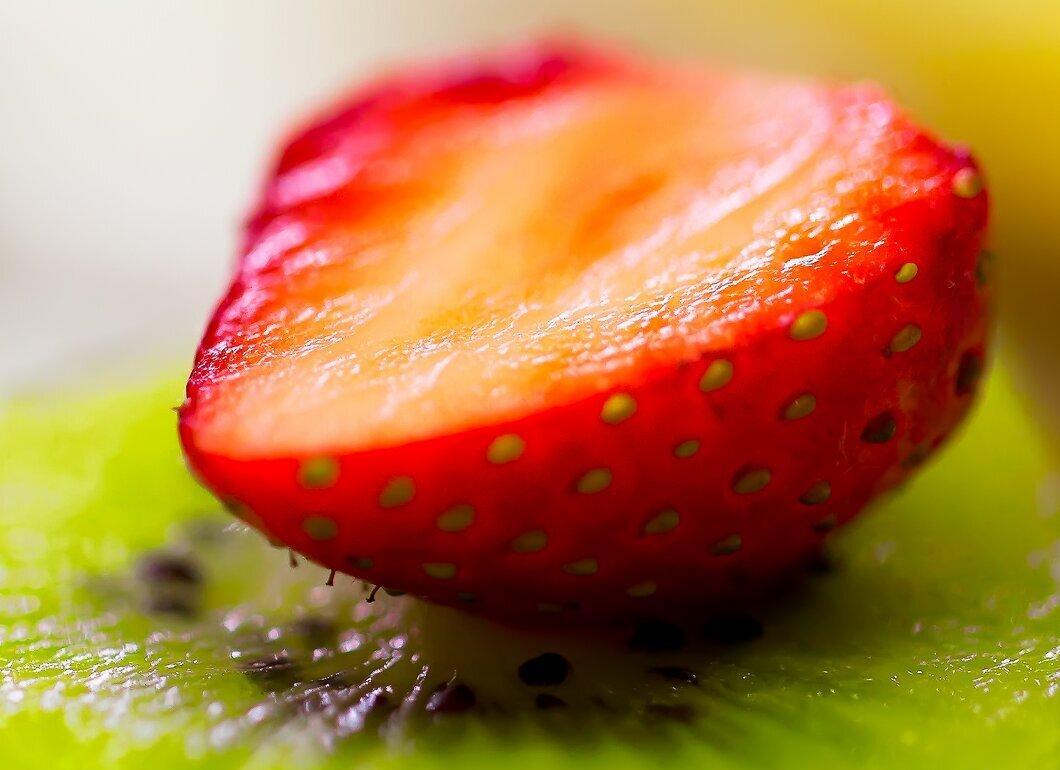
When to use fruit garnishes? Most fruits are sweet and are best suited for garnishing desserts or salads. Citrus fruits like lemons and limes add unforgettable color and aroma to dishes with fish and lightly seasoned meats, as well as to other fruits and desserts.
- Citrus fruits can be transformed into beautiful garnishes by simply slicing them into thin rounds, cones, or spirals. Tips for preparing fruit garnishes are provided below.
Step 2: Cutting into Simple Squares.
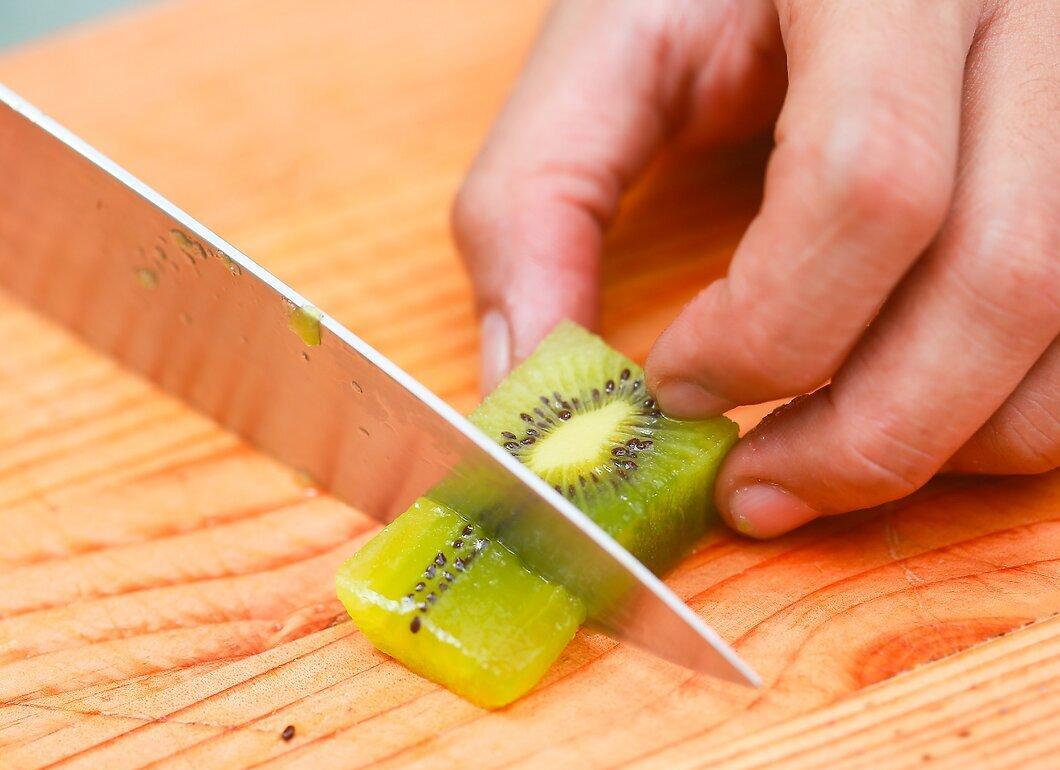
Cutting into simple squares. Choose a firm fruit with segments or an uneven interior, such as an orange or kiwi. Cut a rectangular block from the center of the fruit, then slice it into flat squares.
- Use several fruits of different colors. Some fruits like cantaloupe or mango can look simpler if cut into squares or made into balls using a special scoop.
Step 3: Create a Strawberry Fan.
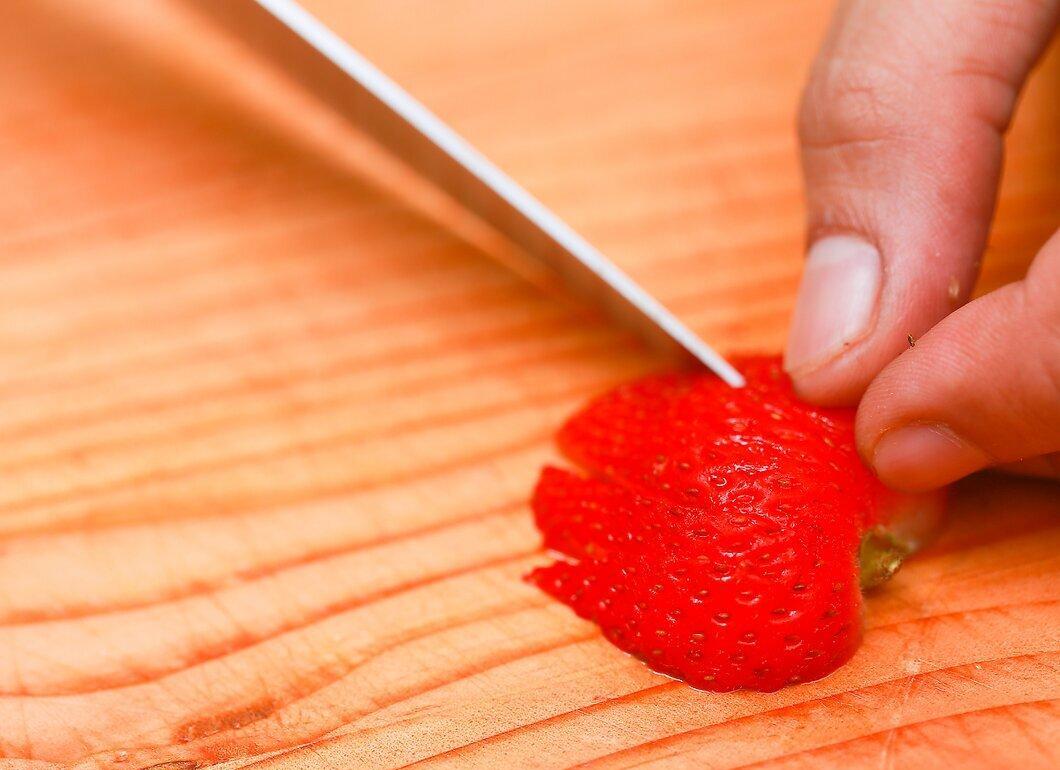
Create a strawberry fan. Wash and dry the strawberries. Use a vegetable knife to make four or five cuts from the tip, stopping just before the top. Gently spread the slices out like a fan and arrange on a plate.
Step 4: Cherry Flower.
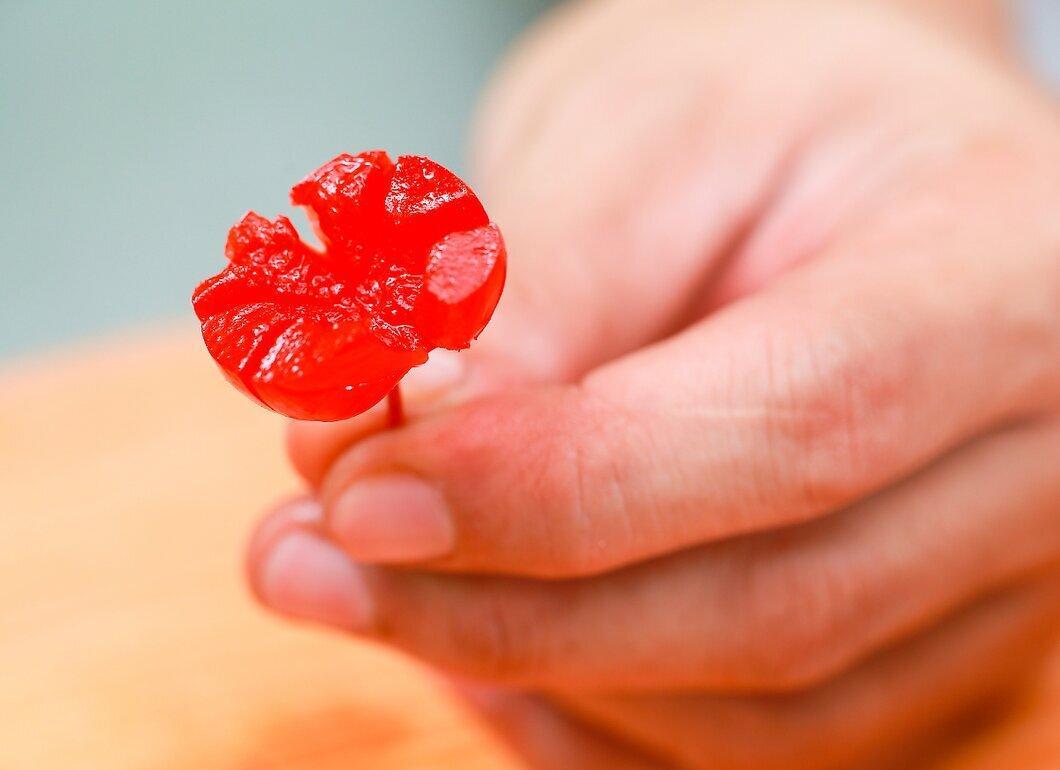
Cherry flower. Cut off the bottom third of the cherry. Flip it over and make two additional cuts, dividing the cherry into six "petals" without cutting them apart. Gently separate the petals and flatten them.
- You can also add a small candied fruit or another edible ingredient in the center, placing a couple of mint leaves underneath.
Step 5: Candied Fruit Decorations.
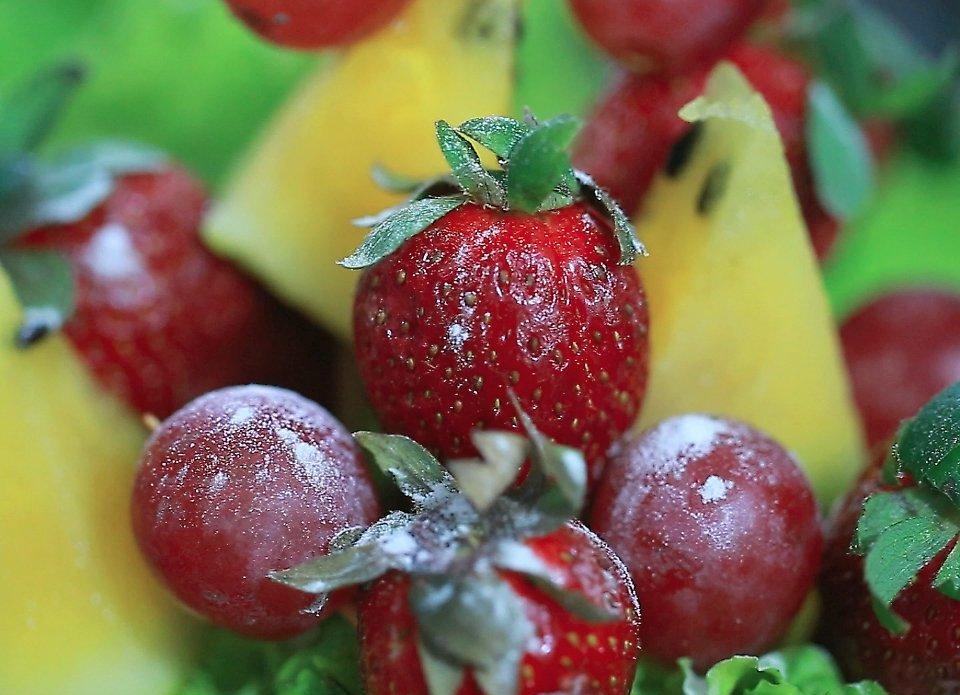
Candied fruit decorations. Wash any firm fruit and dry it with a paper towel. Separate the egg white from the yolk and beat it. Apply the egg white to the fruit in a thin, even layer, then sprinkle it with sugar.
Step 6: Apple Swan.
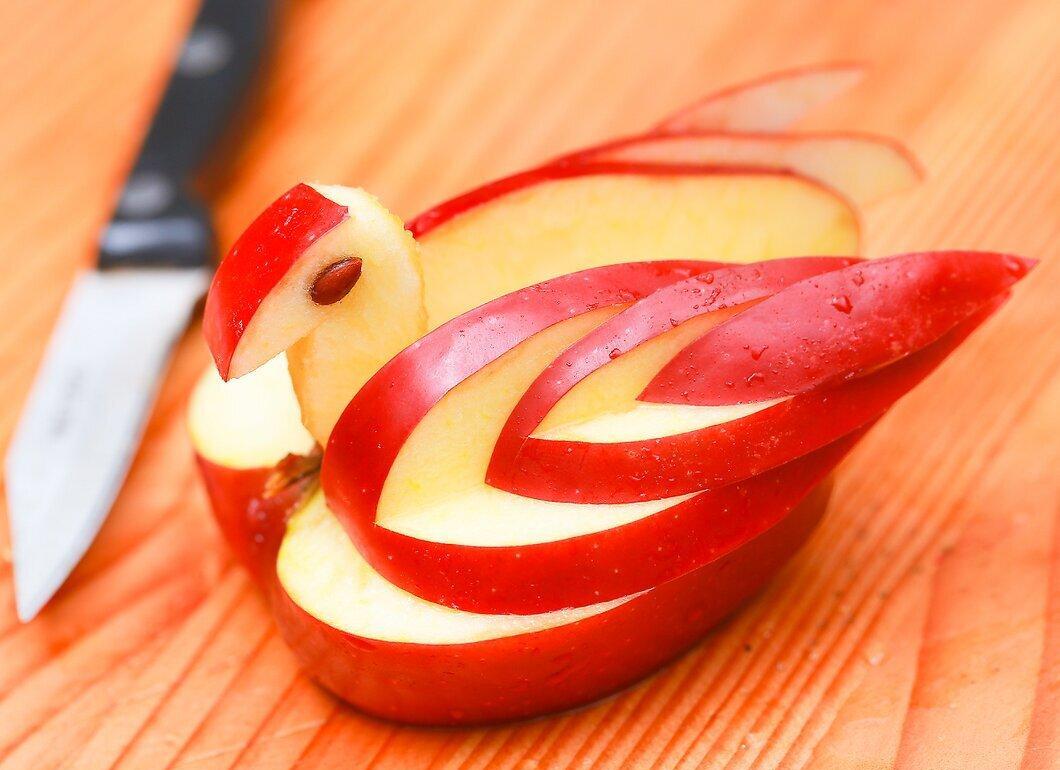
Apple swan. If you have some free time and a sharp knife, try to carve a swan from an apple. Instead of an apple, you can use a large radish or other firm, large fruits and vegetables.
- Other intricate patterns can be used as centerpieces or decorations for dishes. Just search online for information on decorative fruit and vegetable carving.
Vegetable, Flower, and Herb Garnishes
Step 1: Use These Ingredients for Savory Dishes.
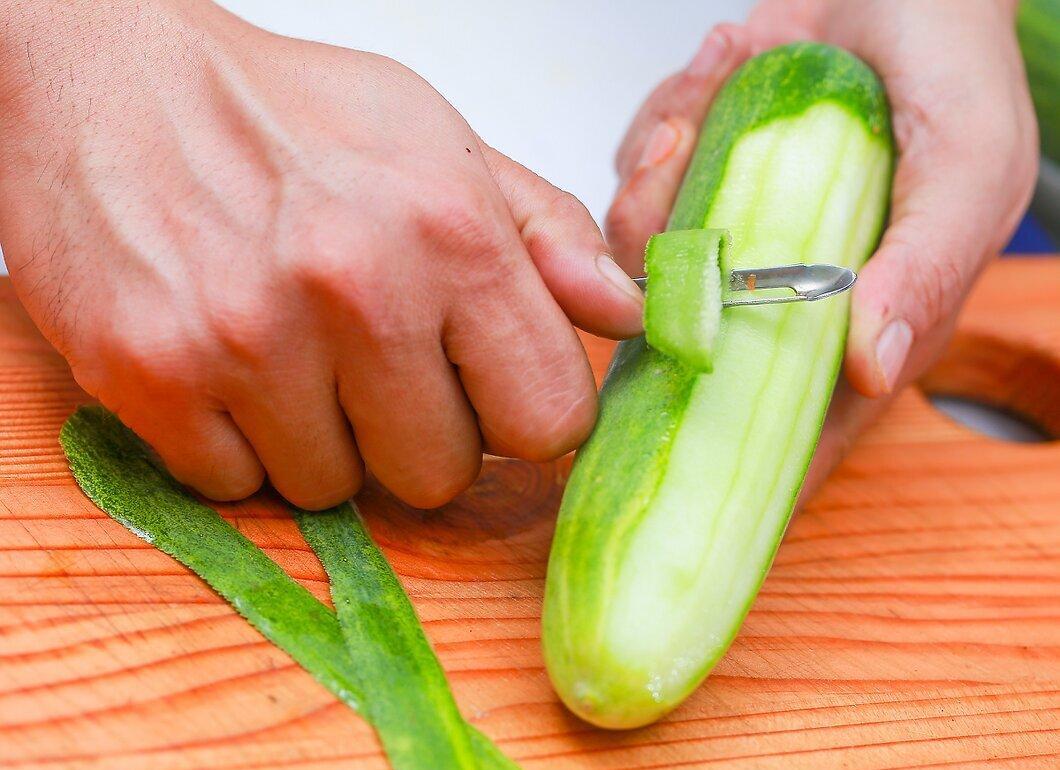
Use these ingredients for savory dishes. Vegetables and flowers make excellent garnishes for salads, meats, vegetable dishes, pasta, and rice. If you are unsure which vegetable or flower to use, go with one that is already in the dish or choose a neutral vegetable like cucumber or radish.
Step 2: Create a Flower from Carrot or Cucumber.
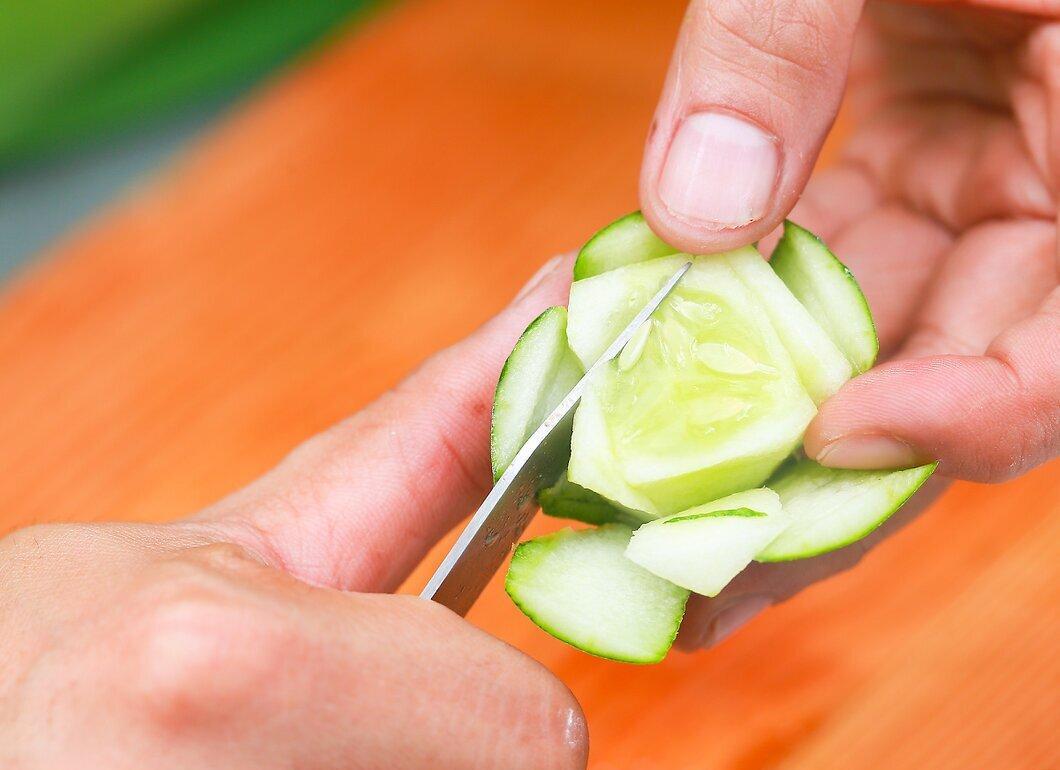
Create a flower from carrot or cucumber. Wash and peel half of the cucumber or carrot. Use a vegetable knife to make longitudinal cuts, but do not cut all the way through. Make several "petals" around the carrot or cucumber. If space allows, create a second layer of petals as well. Remove the center part and gently bend the petals outward.
Step 3: Tomato Rose.
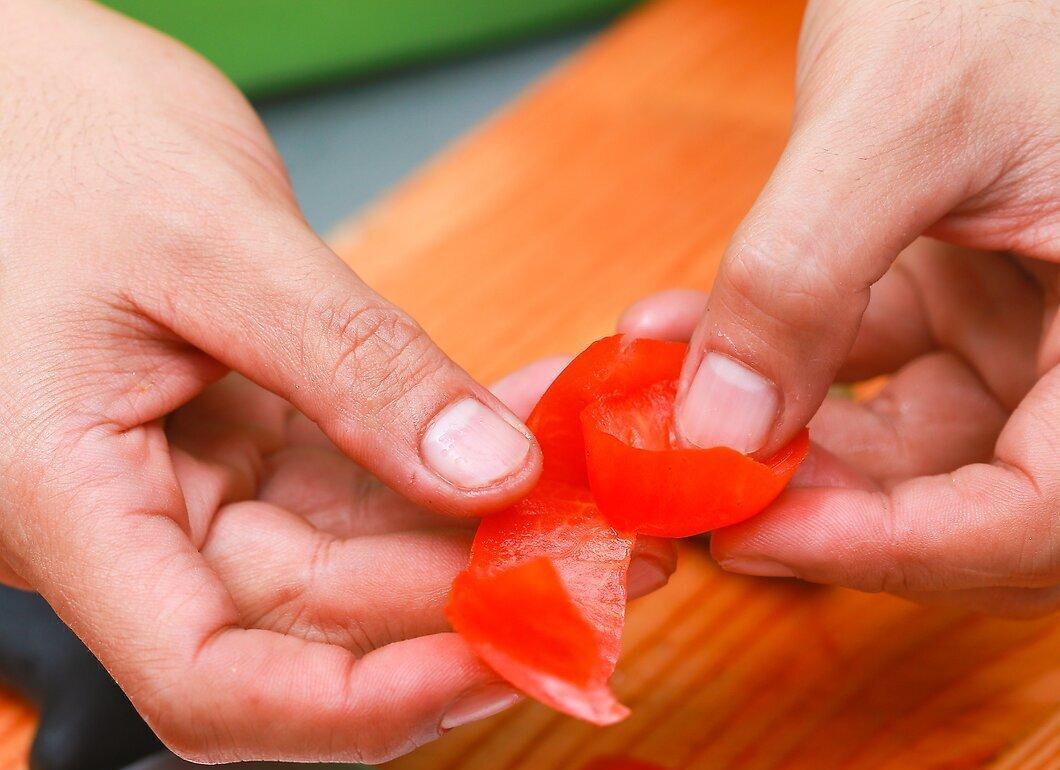
Tomato rose. Cut the skin of the tomato in one long spiral strip from one end to the other, gradually narrowing the strip. Roll the strip into a swirl, and it will take on a flower shape. You may need to pinch the narrow end between two folds of the spiral or secure it with a toothpick.
Step 4: Vegetable Link Chain.
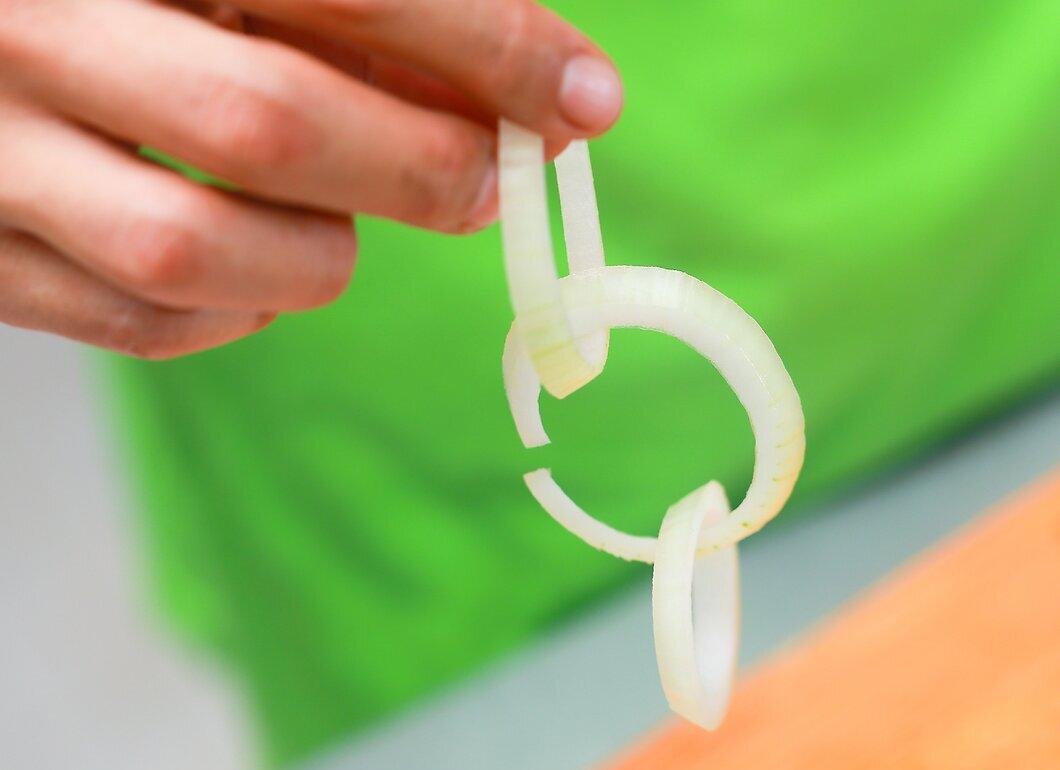
Vegetable link chain. White onions, bell peppers, and even cucumbers without seeds can be easily sliced into rings. To add variety, make a cut in each ring and create a continuous chain to decorate the dish.
Step 5: Create Onion Decorations with Food Coloring.
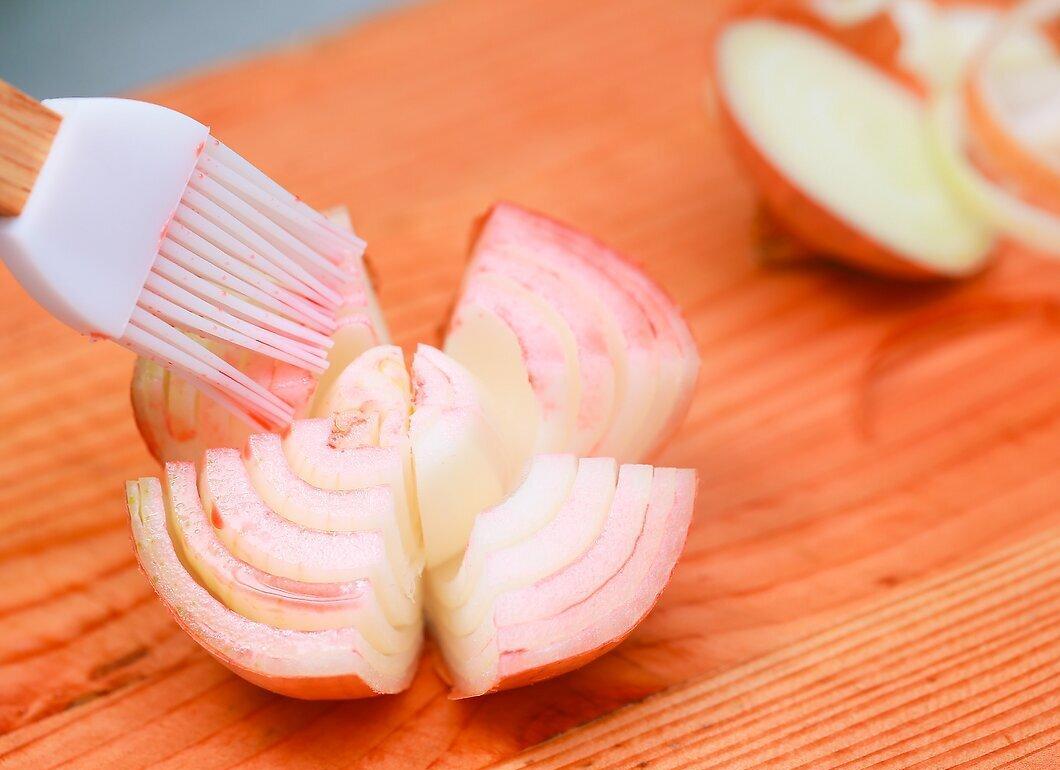
Create onion decorations with food coloring. Cut the white onion into wedges, but do not remove the core so they do not fall apart. Dip the onion in hot water to make it firm and eliminate the smell, then soak it in food coloring for 20-30 minutes to achieve a muted color.
Step 6: Edible Flowers.
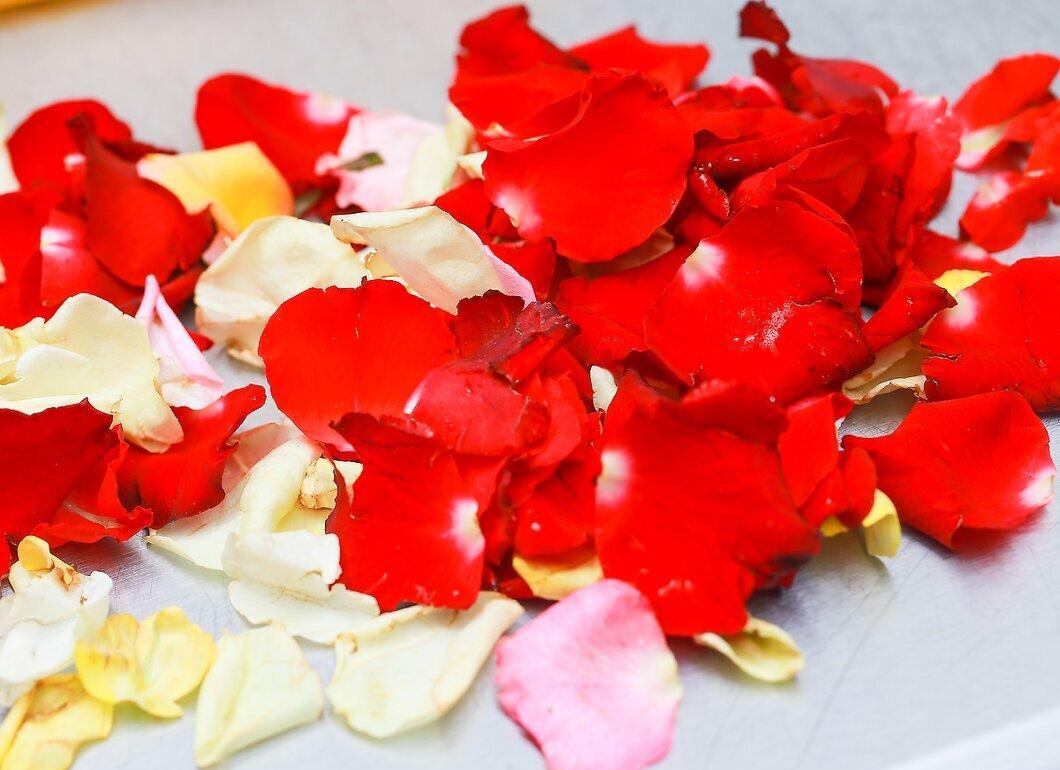
Edible flowers. Violets, roses, geraniums, marigolds, and nasturtiums are all edible flowers, but always be cautious, as some flowers can be poisonous. Never consume flowers that have grown near roads or other sources of pollution, treated with pesticides, or flowers of unknown species. Only a few flowers are edible, but even those should be used carefully to avoid food poisoning. Therefore, flower buds are one of the simplest and most vibrant decorations.
- The flavor of the flower depends on the species, season, and location where it was grown. Try a petal before garnishing the dish, even if you have eaten that flower before.
Step 7: Herbal Seasonings.
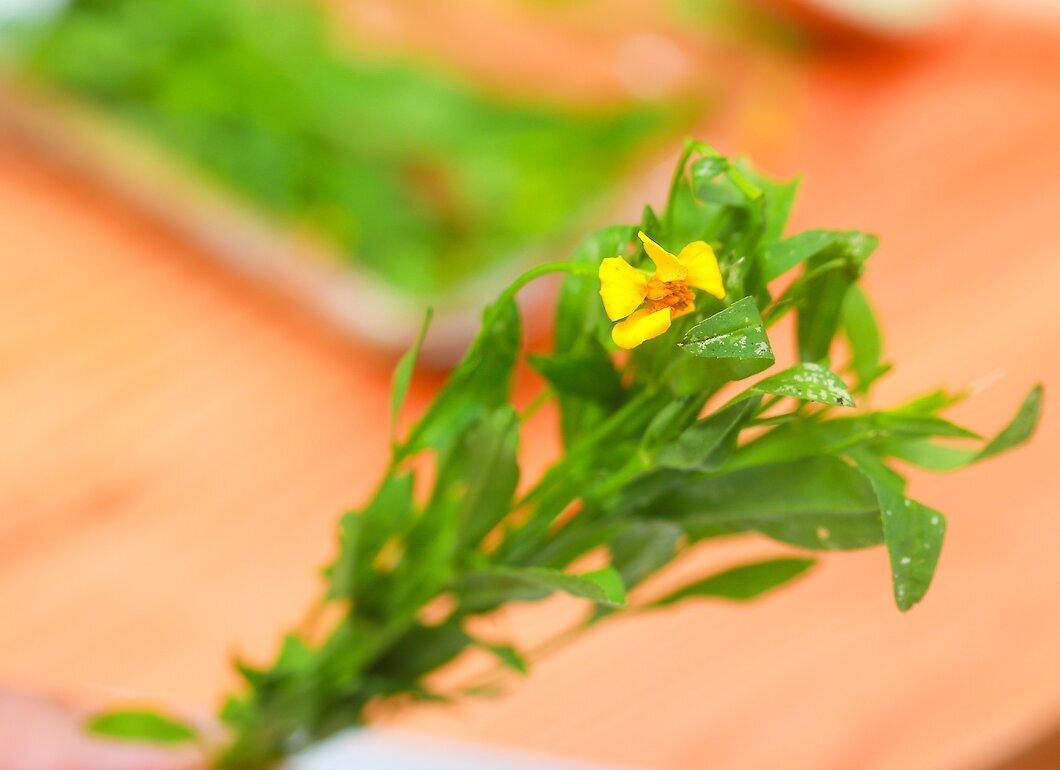
Herbal seasonings. One of the simplest and most common garnishes is sprigs of parsley. It makes a great addition to a dish with rich, meaty, or bold flavors, as parsley balances it with its light and natural taste. You can also add leaves of rosemary, mint, and other herbs, but remember to remove inedible stems first.
- Sometimes, a pinch of herbs or spices is enough to finish off a dish. Paprika, ground red pepper, and turmeric are bright enough to serve as garnishes on their own.
Dessert Decorations
Step 1: Chocolate Decorations.
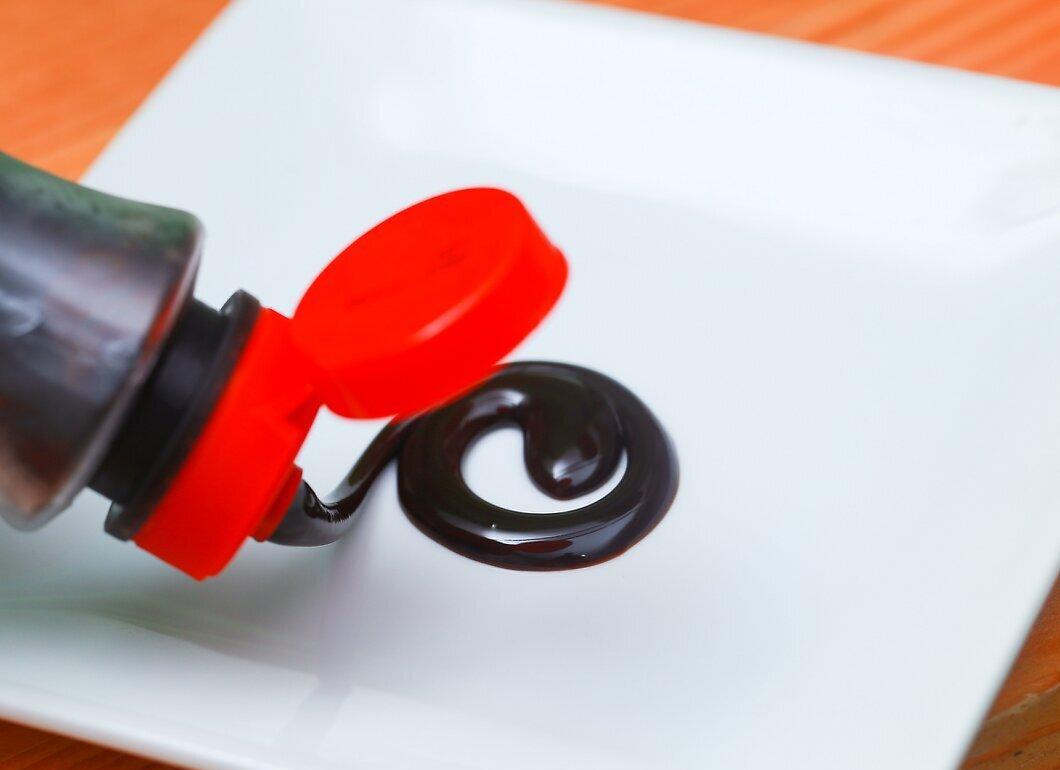
Chocolate decorations. Melted chocolate or chocolate syrup can be used to draw zigzags directly on desserts or plates. For more intricate patterns, try piping melted chocolate onto a baking sheet lined with wax paper. Carefully transfer the sheet to the refrigerator or freezer for 10 minutes or until the chocolate is set. These patterns can be vertically placed in ice cream or laid on cold desserts just before serving.
- Dark, white, and milk chocolate provide color variety.
Step 2: Dip Fruits in Chocolate.
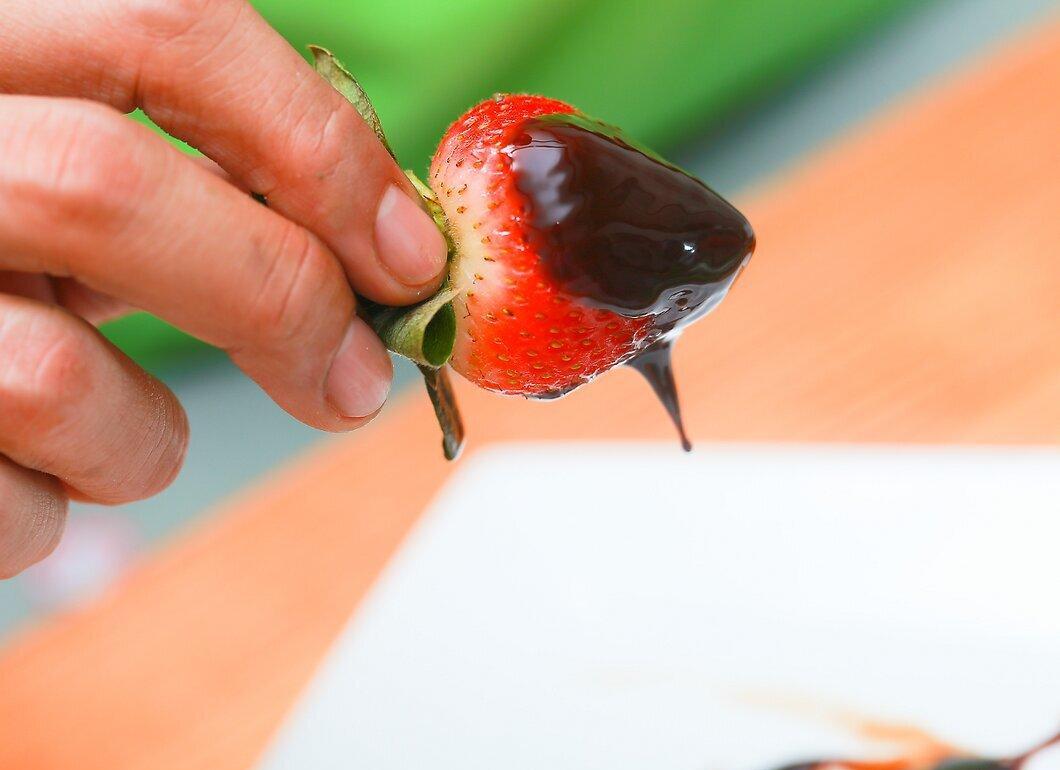
Dip fruits in chocolate. Strawberries, grapes, or diced fruits can be dipped in chocolate and then chilled until set, transforming an ordinary fruit into a delightful dessert. Skewer the fruits and arrange them in a fan shape, inserting the other end of the skewer into a halved melon with fruit salad or another dessert.
Step 3: Candied Edible Flowers.
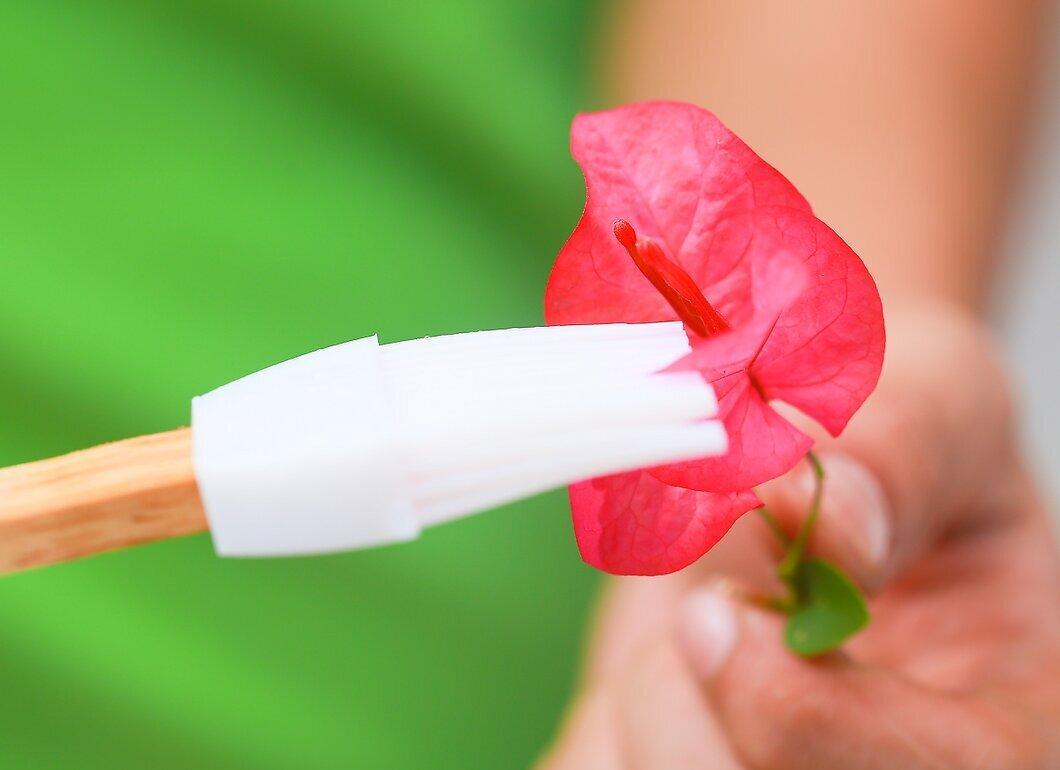
Candied edible flowers. Use edible flowers with a pleasant aroma that have been grown without pesticides. Whip the egg white and then brush it onto the flower. Sprinkle the flower with granulated sugar and use it as a garnish on rice pudding or another dessert.
Step 4: Colorful Gelatin in Various Shapes.
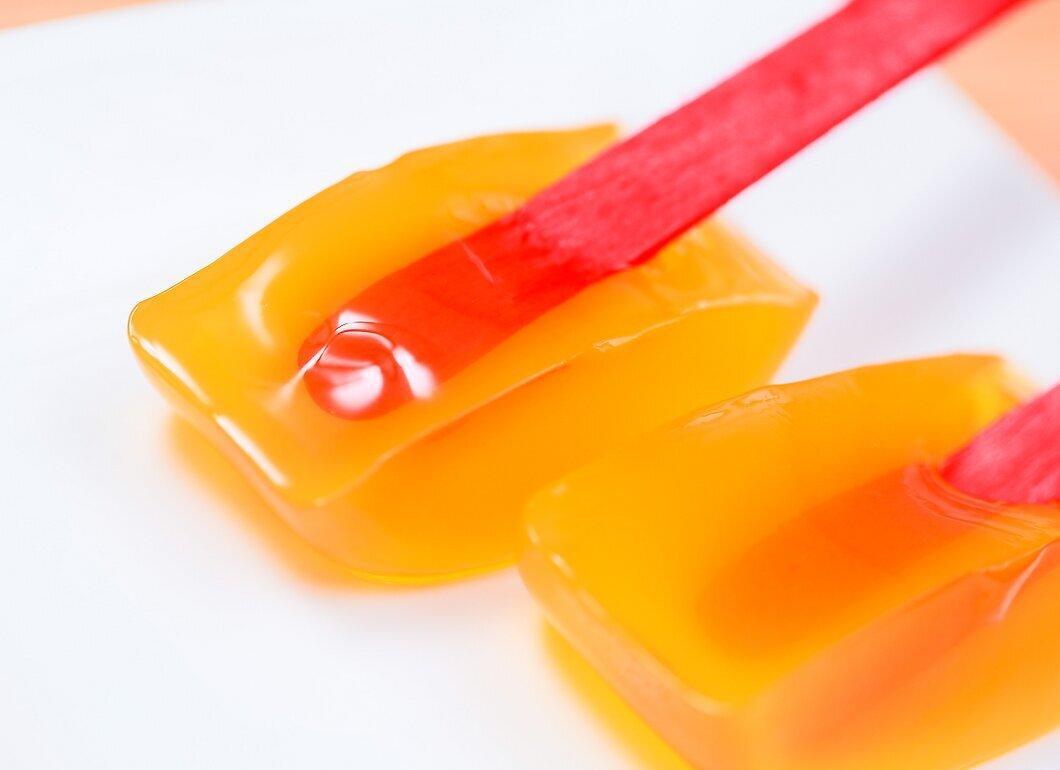
Colorful gelatin in various shapes. Any flavored liquid can be mixed with gelatin, whether it's herbal tea or fruit juice. Heat according to the instructions on the gelatin package, then pour into a mold and chill until set. If you don’t have decorative molds, you can manually cut gelatin into cubes, diamonds, and other shapes.