Reading several books at the same time might seem daunting, but it can be an incredibly rewarding and even fun experience. By switching between books, you keep them fresh in your mind and can easily compare them. If you're unsure which book to dive into, starting with several can help you narrow down your choice.
Part 1
Step 1: Find Time for Reading.
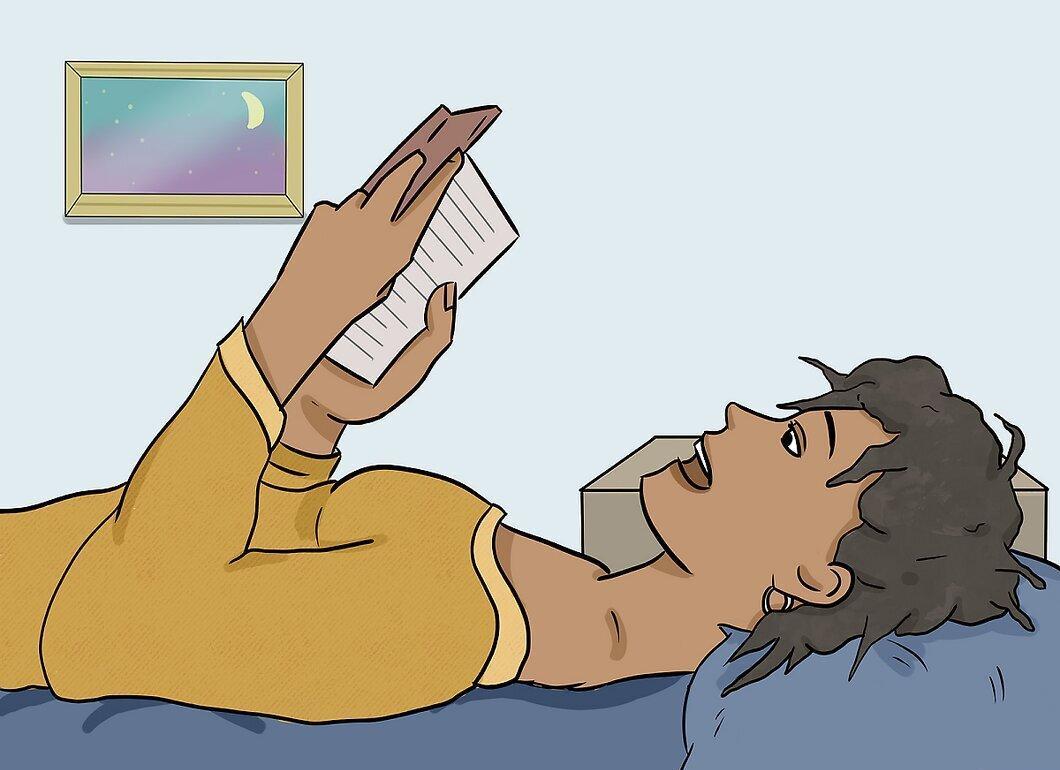
Set aside time specifically for reading. If you don't read at all, diving into multiple books at once might slow you down. Even if you only have a few minutes each day, you can easily transition between different works.
Step 2: Choose Books That Align with Your Interests and Goals.
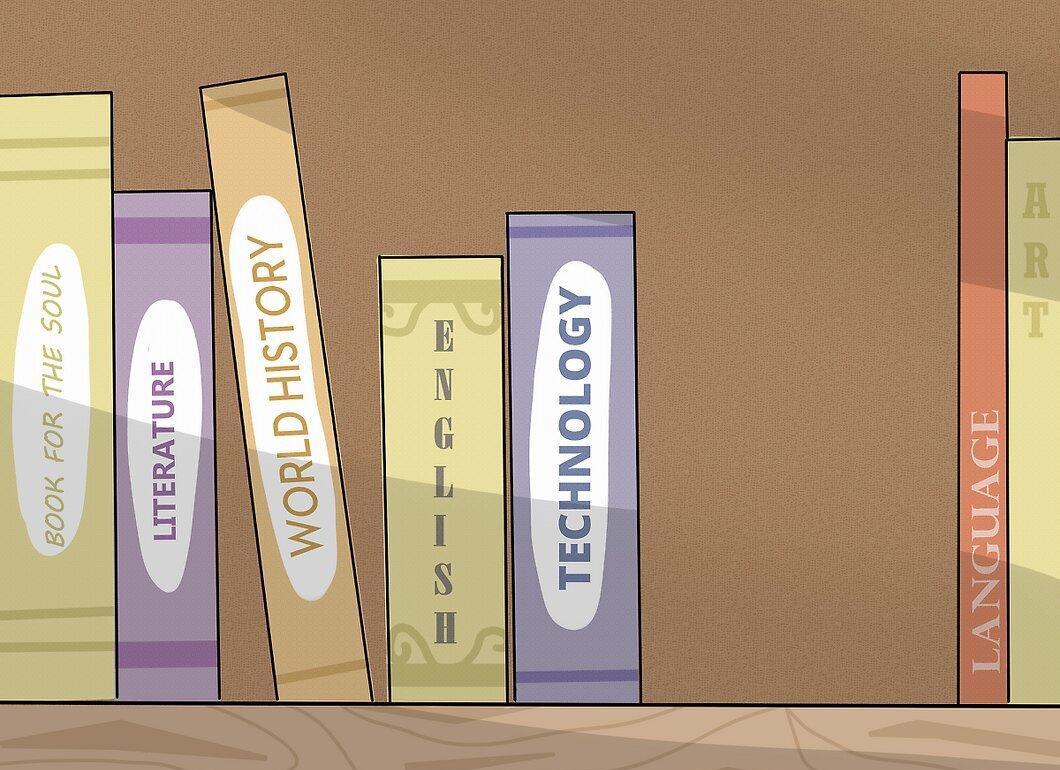
- Your books can be related or not, depending on your goals. If you're studying a specific topic, choose related books. If you're looking for entertainment, pick something that genuinely interests you.
- Select books that truly attract you. This will make it easier to return to them in the future.
Step 3: Preview Each Book.
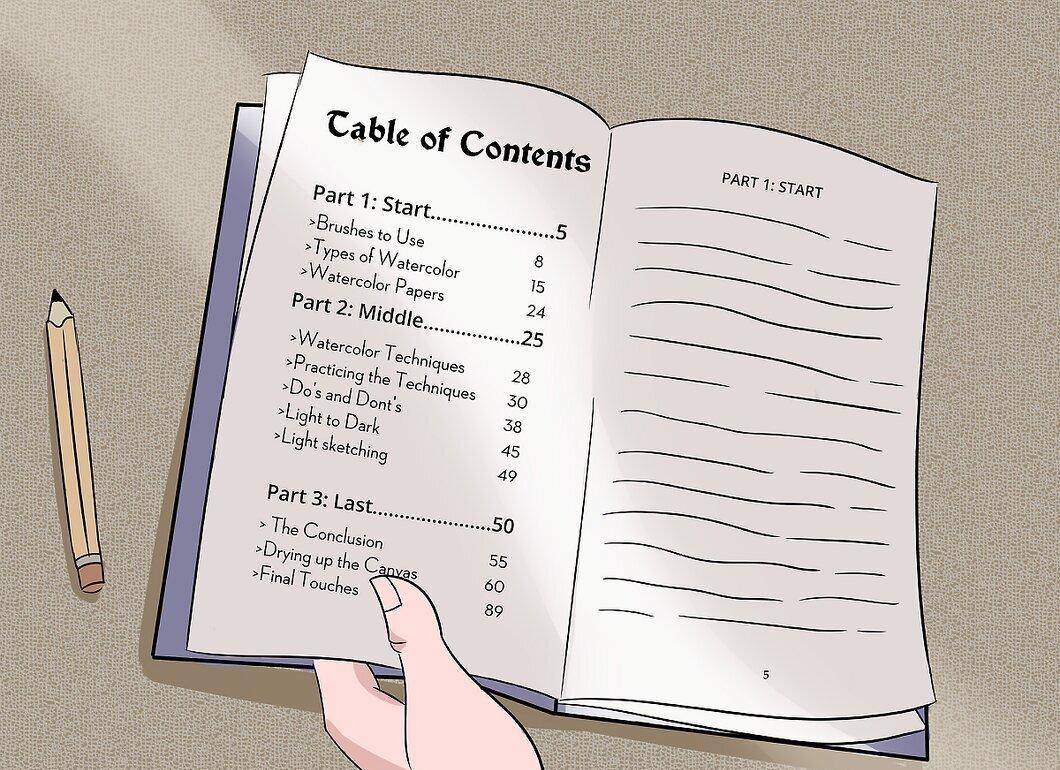
Take a look at each book. Start by reading the first chapter or the preface. Pay attention to the table of contents and summary sections to understand what the book covers.
Step 4: Start Reading Each Book When Your Mind is Fresh.
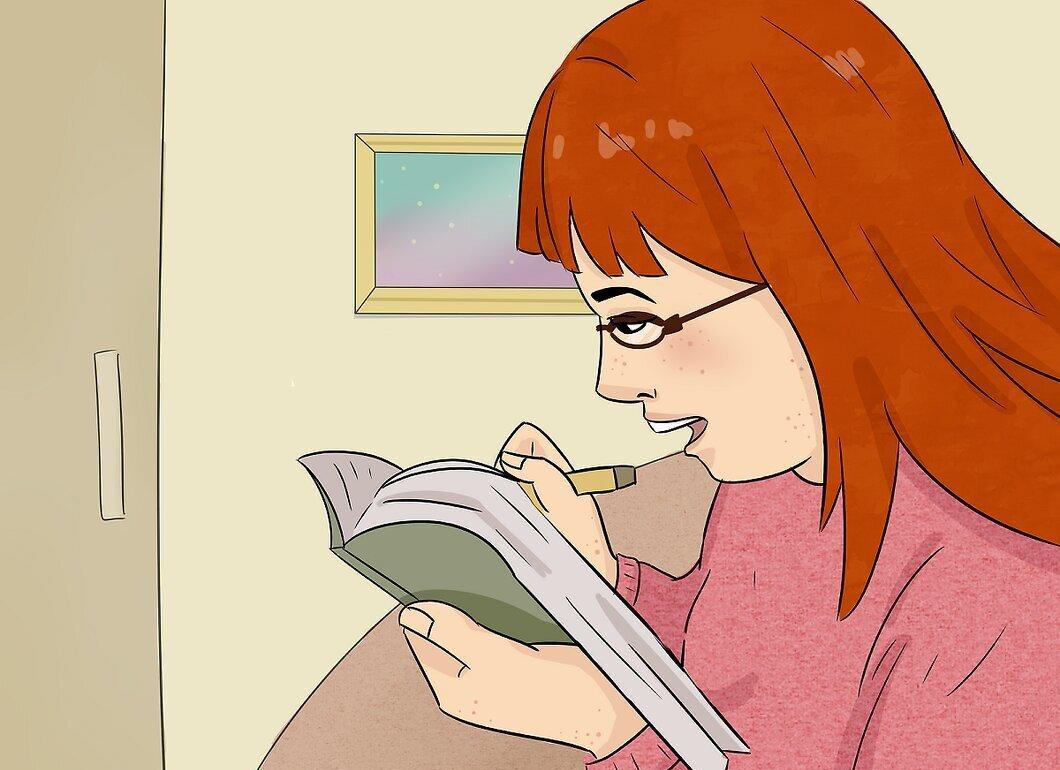
Begin reading each book when you feel motivated and engaged. Try to start on the same day you get a new book. Use your initial excitement to read as much as possible at once. Fully immerse yourself in each book one at a time. The more you read upfront, the easier it will be to continue.
- You don't have to start all books on the same day to read them simultaneously. Try the "stair-step" method, where you begin a new book before finishing the first.
Step 5: Place Books Around You.
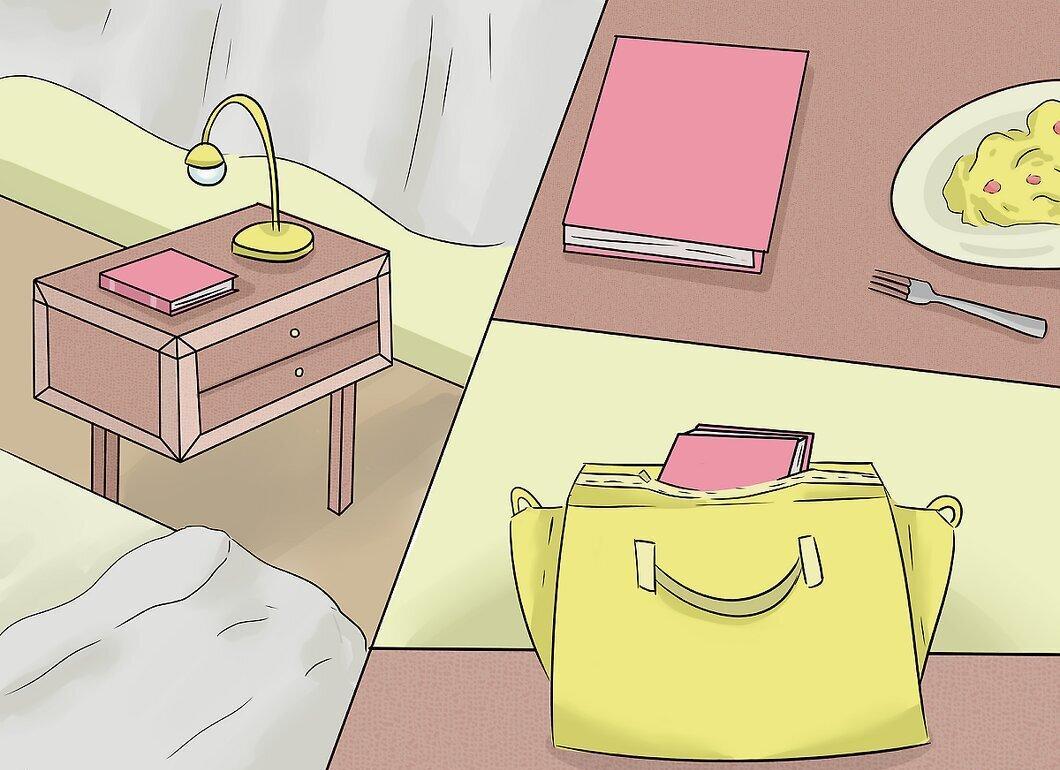
Position your books in various locations. Leave one on your nightstand, another on the dining table, and a third in your bag. Read whichever book is closest to you at the moment. Choose a book based on your mood or your current location.
- Consider placing one book in the bathroom, especially if it's a non-fiction work with short chapters, so you can read it during spare moments. You might be surprised at how often you read in the bathroom! Just remember to grab a towel to dry your hands before touching the pages.
Step 6: Alternate Between Different Types and Formats of Books.
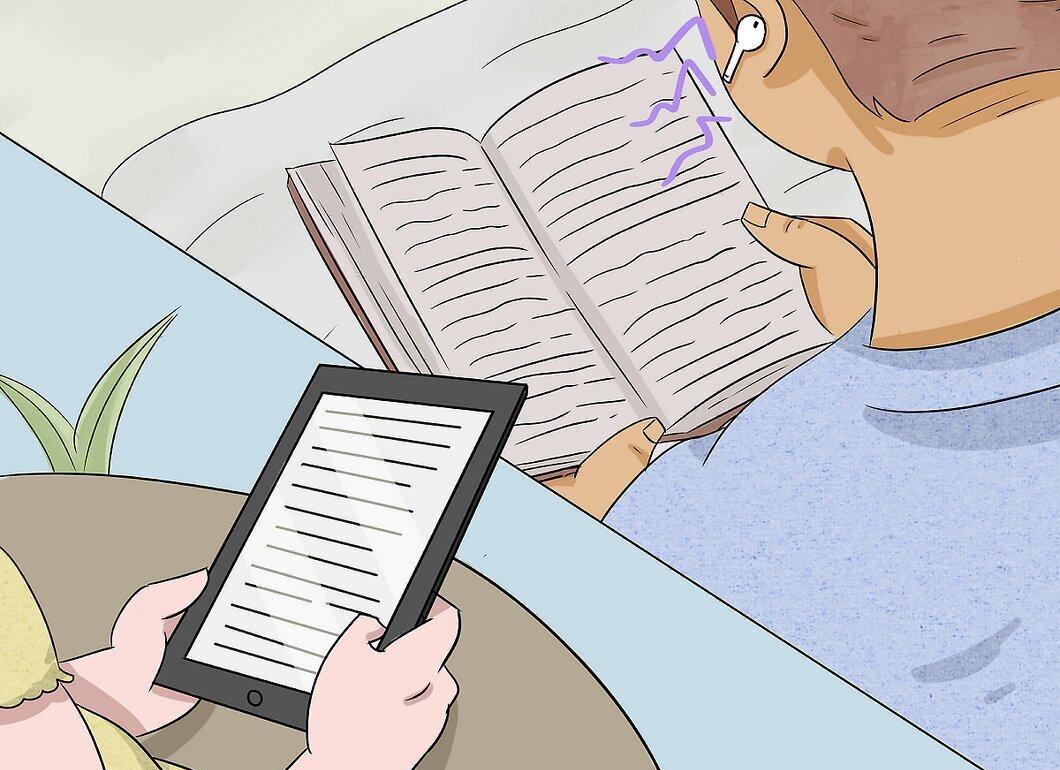
Mix different genres and formats of books. Listen to an audiobook in the car, read a paperback, or opt for an e-book. Depending on your goals, choose a variety of topics, both light and challenging, so you have options for different moments.
- Your brain can manage multiple books at once if they're in different formats. Be sure to have books for traveling, work, relaxation, and bedtime reading.
- Reading something complex before bed can be tiring, while lighter literature may be more suitable. This is a good reason to have several books on the go!
Step 7: Schedule Reading Time, Even if it's Flexible.
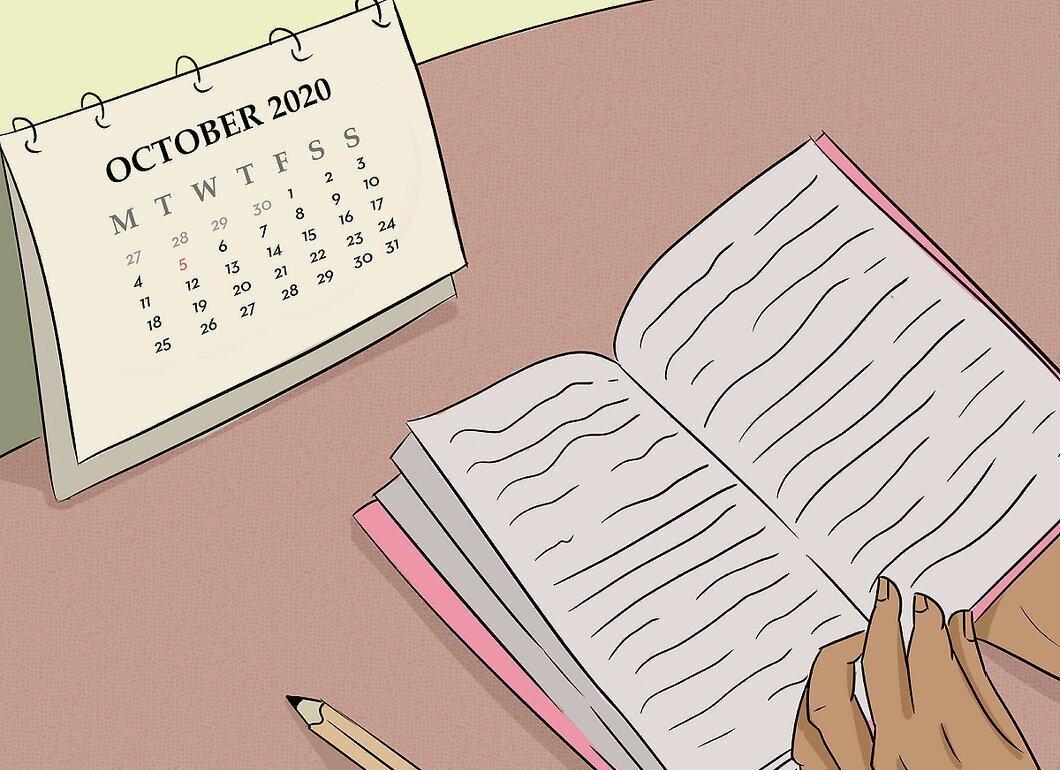
Plan your reading time, even without strict boundaries. If you have no set time limits, still keep track of when you start each book and how you're progressing. This information will help you stay focused.
Step 8: Don’t Leave Books Unattended for Too Long.
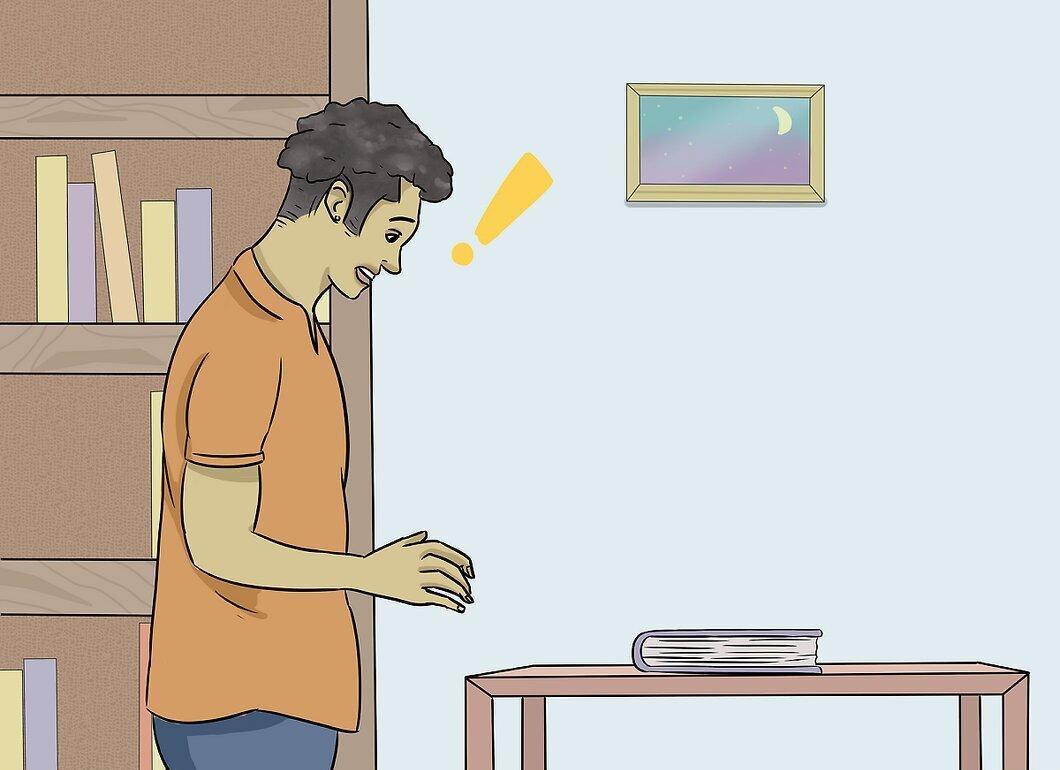
Don’t let yourself forget the plot or where you left off in a book. The books you read simultaneously should compete for your attention. If one isn't engaging you, change your approach. Read it separately or set it aside.
Step 9: Aim to Read a Whole Chapter or Section at Once.
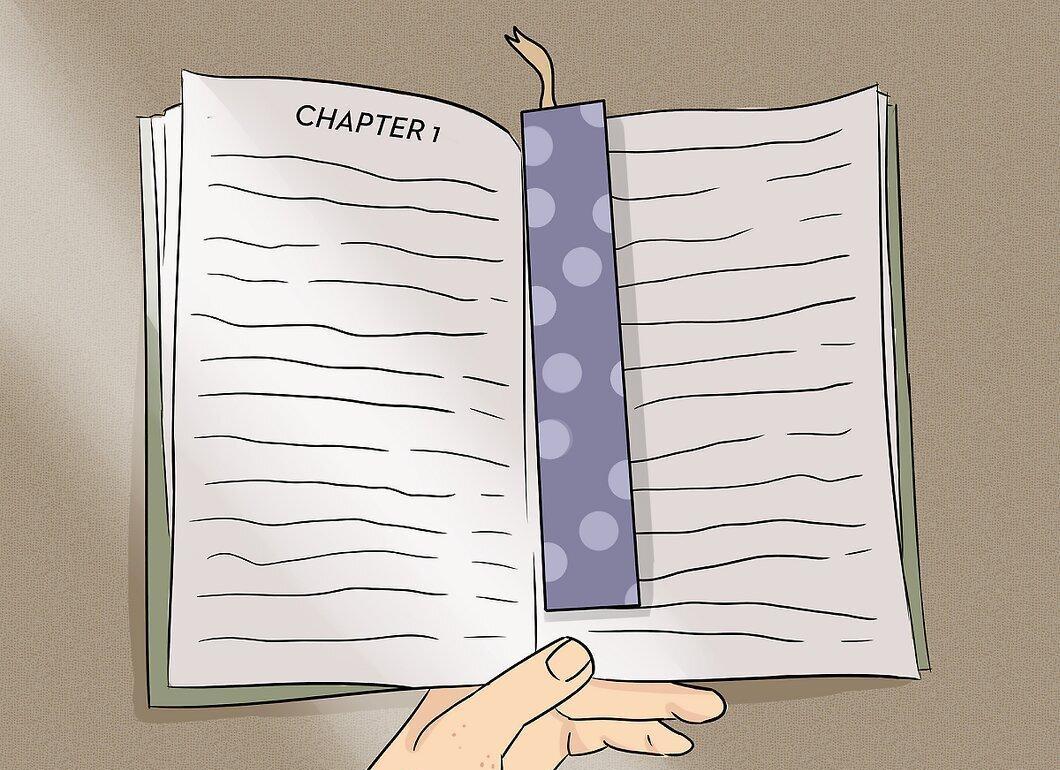
Whenever possible, try to read an entire chapter or section at once, or at least find a good stopping point. This will help maintain continuity when switching between books. Reading several short sections can help you better understand complex texts.
Step 10: Let Your Interests Lead You.
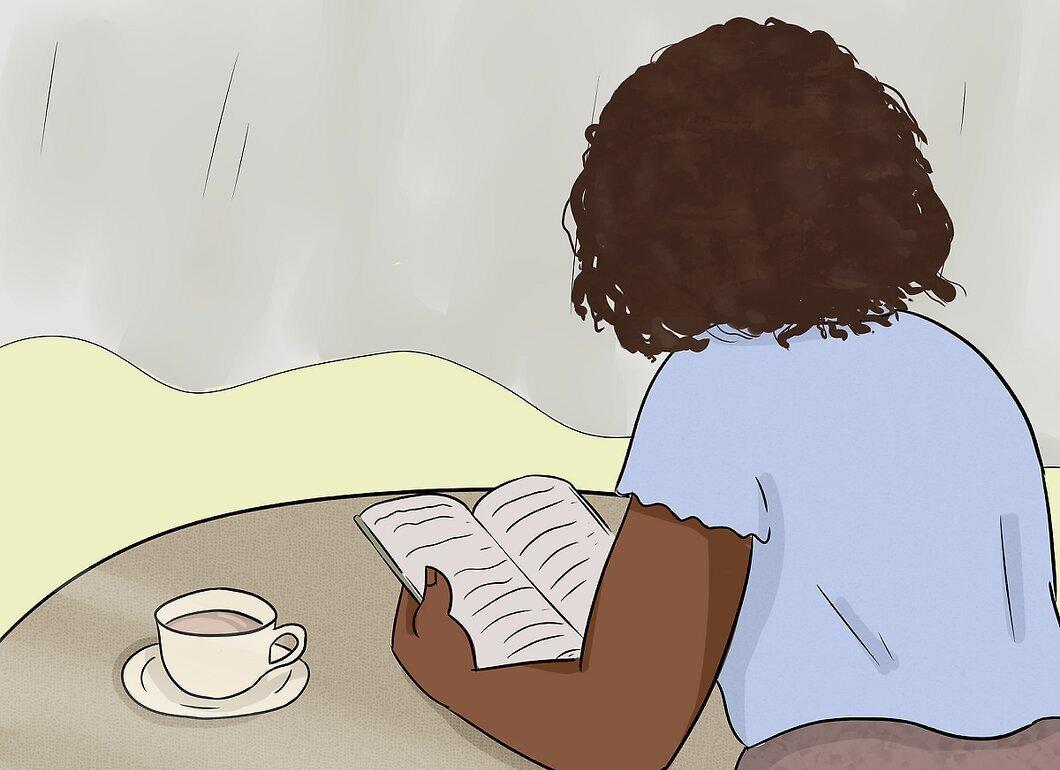
Allow your interests to guide you. If a particular book captivates you, dive into it. Choose the one that fits your mood at the moment.
Step 11: Use One Book as a Reward for Finishing Another.
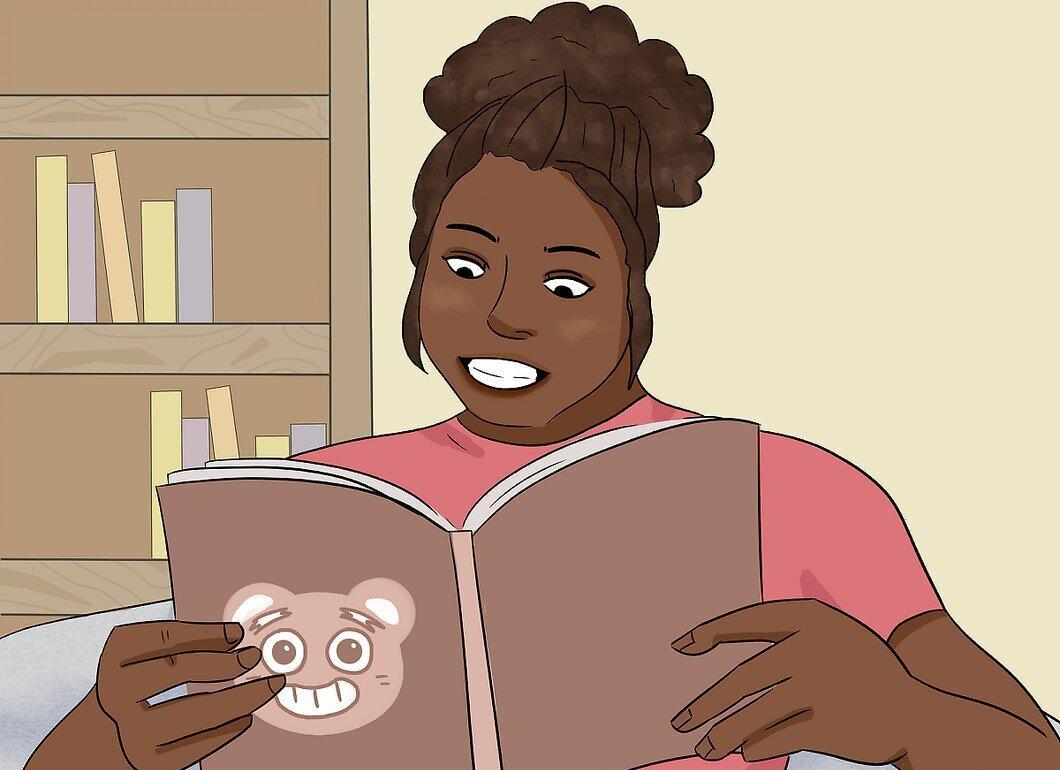
Read a challenging book, then reward yourself with something light. This will make the process more enjoyable.
Step 12: Take Notes and Highlight Important Points.
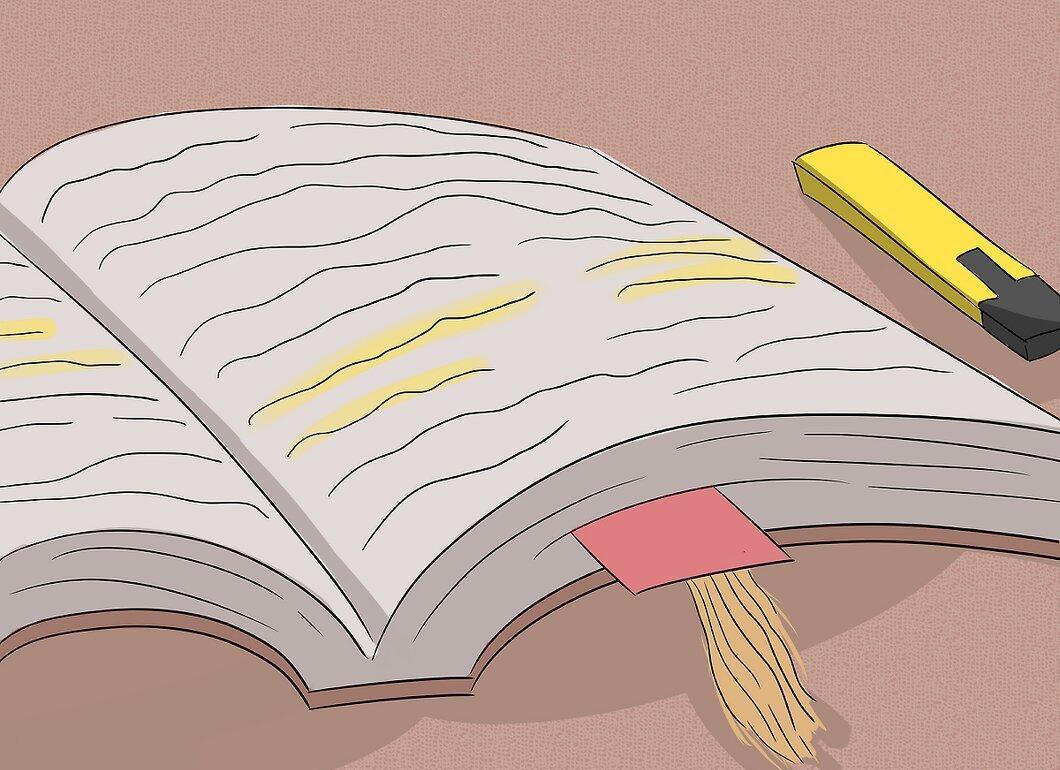
Step 13: Pay Attention to Endings.
Focus on the endings of books, giving them extra attention. Conclusions in fiction are often the most emotional, while in non-fiction they contain crucial insights. Try to read them more carefully.
Step 14: Finish Your Books.
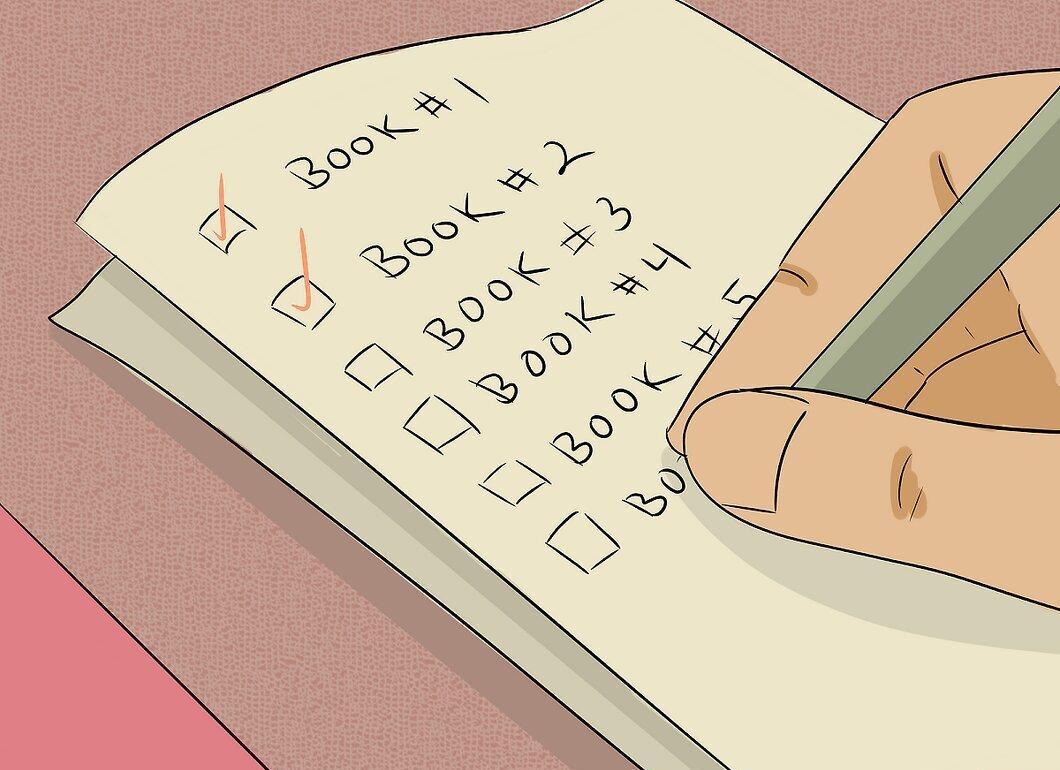
Don’t forget to complete your books. Even if you're reading multiple works at once, try to finish those that are most important to you.