If your dream is to save money for education, a future car, or a cool bike, you need to master the art of saving. The main challenge is figuring out how to do it, especially if you're still a child or a teenager. However, the more you work on your financial discipline, the easier and more effective the process will become.
Set Your Savings Goal
Step 1: Define a Specific Goal.

First, determine how much money you want to save. It's much easier to save when you have a clear idea of the amount needed. If you're unsure of the exact figure, start by setting aside about half of your income. For instance, if you earn 600 rubles, put 300 rubles into your piggy bank.
- Get a piggy bank or another safe place to store your money. Find a secure and discreet location for your savings. Avoid keeping money in your wallet, as it's too convenient and easily accessible. Once you've chosen a spot, try not to touch the money until you reach your goal.
Step 2: Create a Savings Chart.
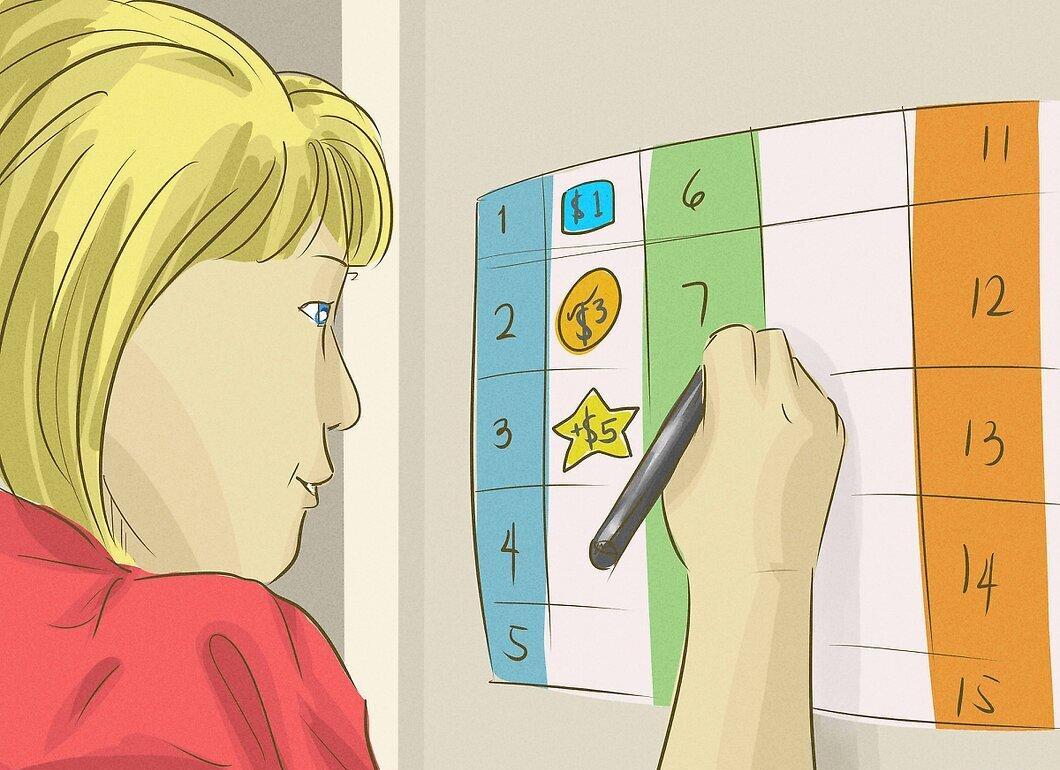
Make a chart. Once you've set your goal and amount, calculate how long it will take to save up. Then create a chart and hang it in a visible place. Divide the chart into weeks and mark your progress by adding stickers each week when you add money to your piggy bank.
- Highlighting important milestones can help maintain motivation. For example, celebrate achievements when you save 300, 600, or 900 rubles, and so on.
Step 3: Use the Jar or Envelope Method.
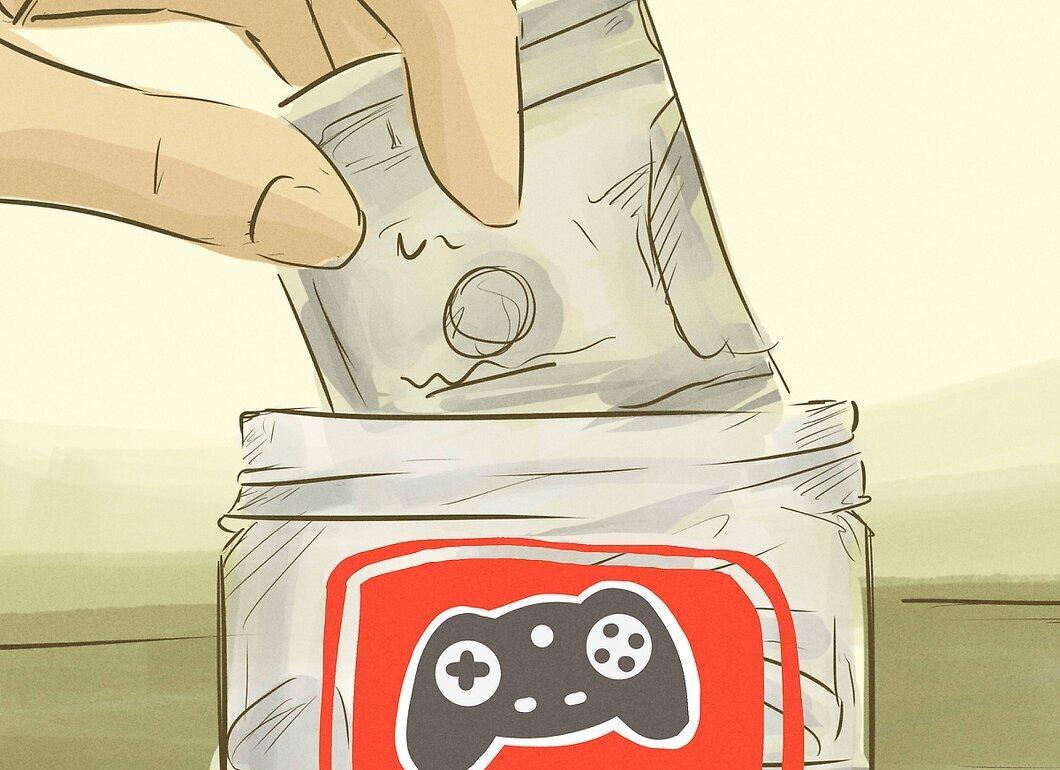
Apply the jar or envelope method for your savings. No matter which method you choose, draw on paper what you're saving for and set aside the corresponding amounts each week. You could have one envelope for small goals and another for larger ones, like a video game or a trip to Disneyland.
Step 4: Visualize Your Desires.
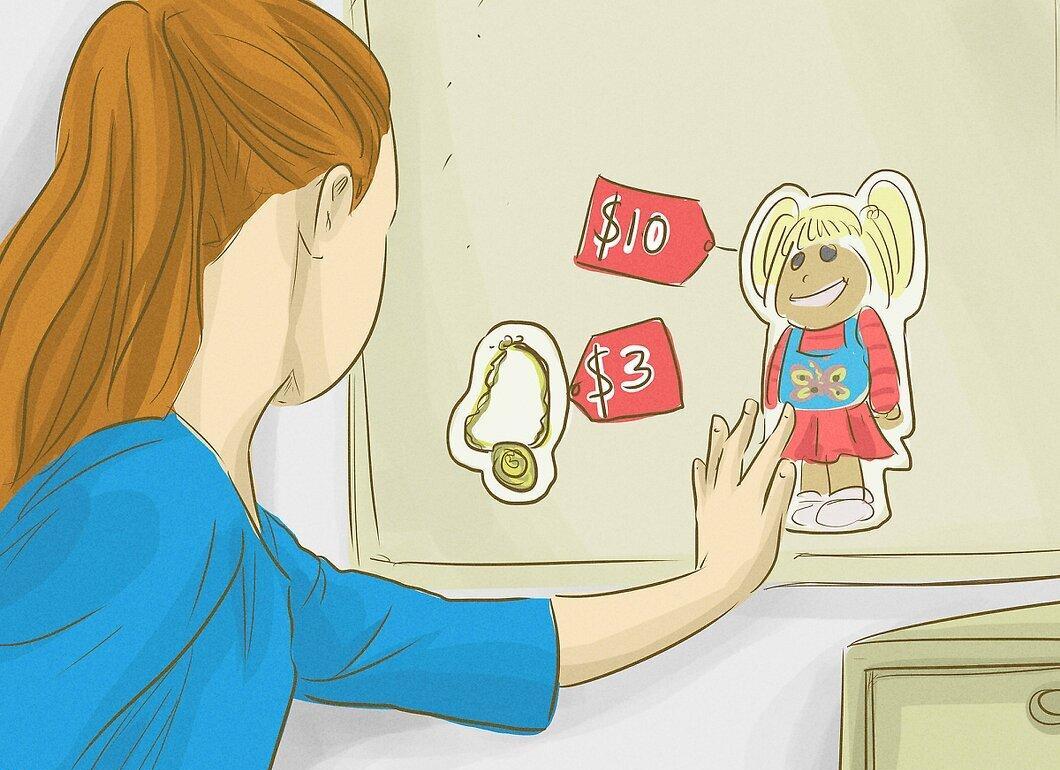
Imagine what you plan to do with your saved money. Cut out a picture of the desired item from a catalog or magazine (including the price) and hang it in your room where you can see it often. Visualization really helps to achieve your goals.
Step 5: Hide Your Money from Temptation.
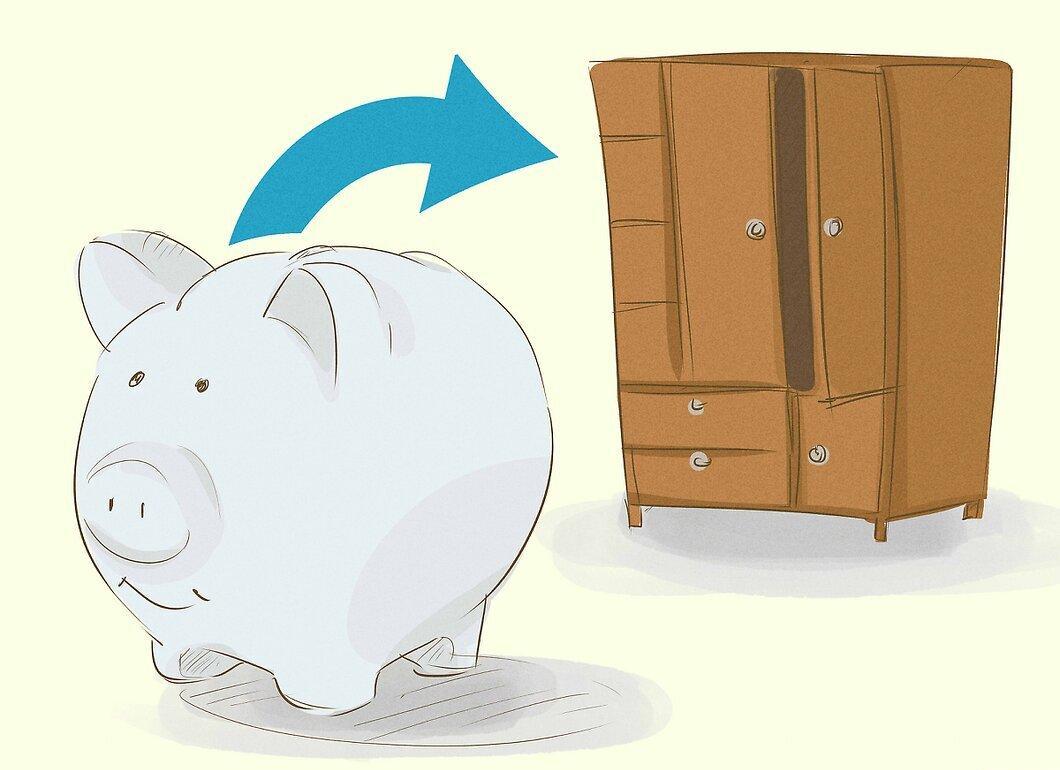
Hide your savings in a place where you won't be tempted to spend them. You might need to hide money from yourself to avoid temptation. Choose a spot where you won't forget about your savings, like in your brother’s or parents' closet, or ask someone close to you to keep your money hidden for a while.
Finding Additional Income Sources
Step 1: Remember, Every Penny Counts.
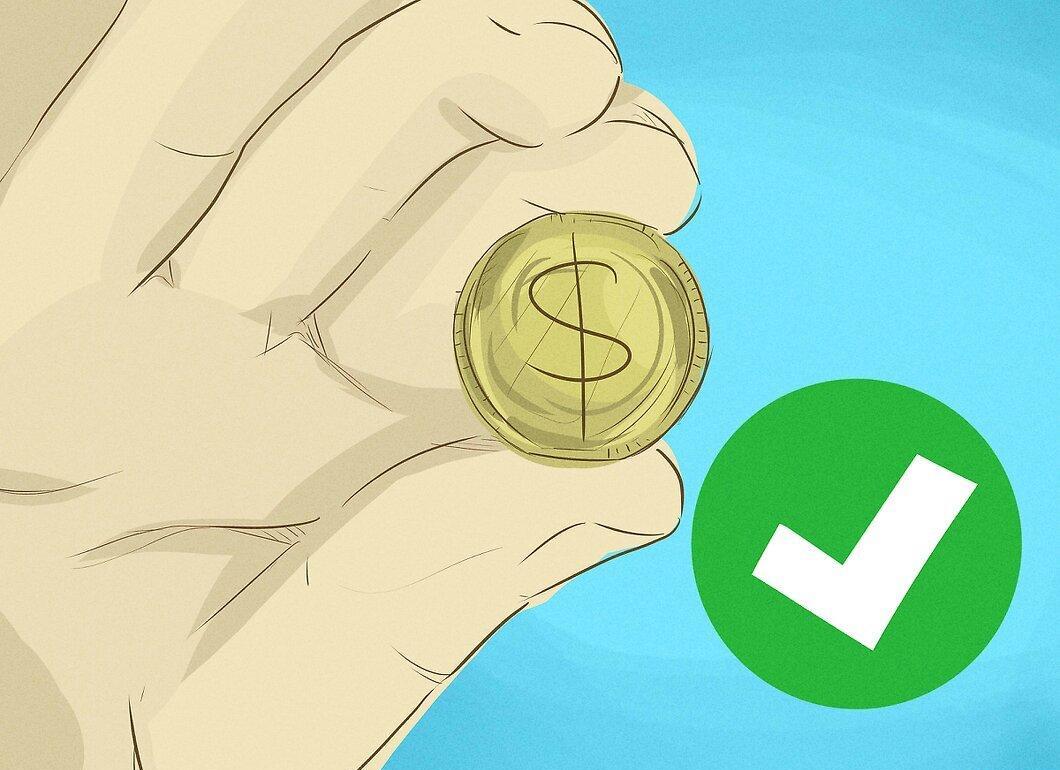
Keep in mind that every little bit matters. Pick up any coins you find, as long as they don't belong to someone else. Even if the amount seems small, it adds up over time. It’s like 100,000 people thinking their vote doesn’t count, but together, they can make a difference.
Step 2: Look for Free Activities.

Seek out free activities. Spend time with friends by going for a walk in the park or playing soccer. If you're near home, instead of buying lemonade for 50 rubles, it's better to head back home and drink water.
Step 3: Spend Money Wisely.

Spend wisely. Allocate a small portion of your weekly expenses for savings (aim for at least 5-10% if possible). You’ll be surprised at how quickly that money starts to grow. It’s better to start with a small amount than to promise yourself to save a lot and never do it.
Step 4: Avoid Food Expenses.
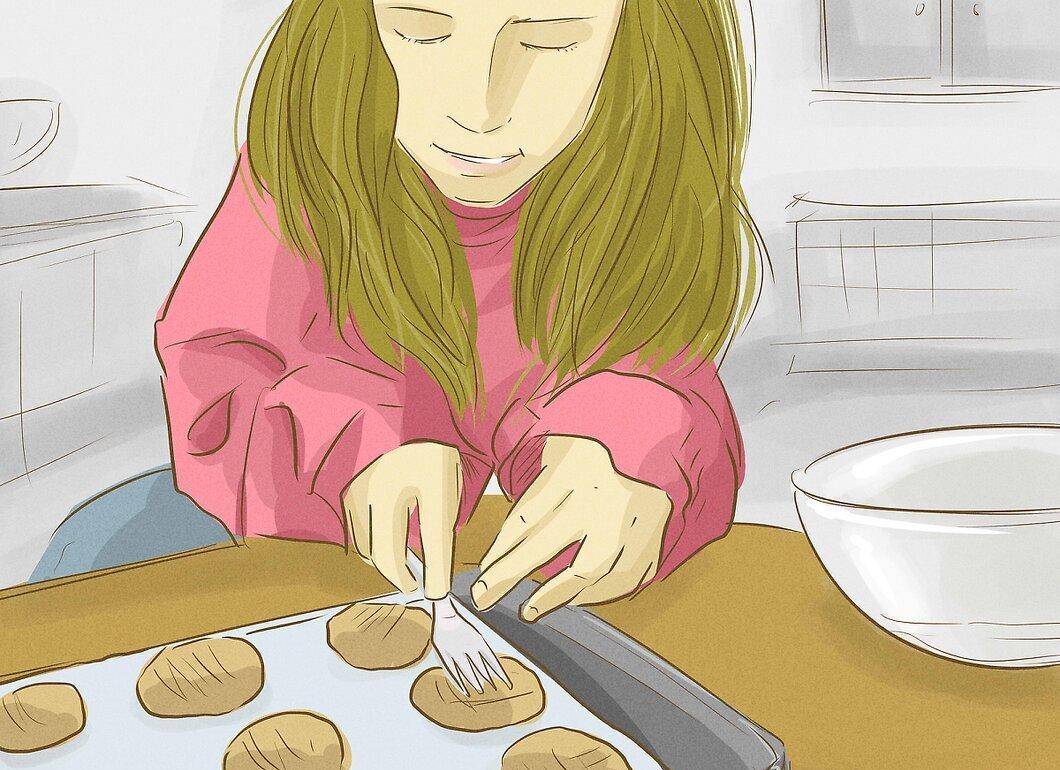
Don't spend your money on food unless necessary. The money saved on snacks can disappear quickly. Start baking and cooking treats at home—it's much more economical.
- One way to avoid unnecessary spending is to never go shopping on an empty stomach.
Step 5: Share Your Plans with Someone.

Tell someone about your saving plans. This is called "accountability." It means someone else will know about your intentions, which can help you avoid impulse spending. However, choose someone who won’t push you to spend unnecessarily.
- You can also save for something together with a friend, and whoever reaches the goal first can buy the other a movie ticket or something similar.
Increasing Income for Greater Savings
Step 1: Offer Services in Your Neighborhood.
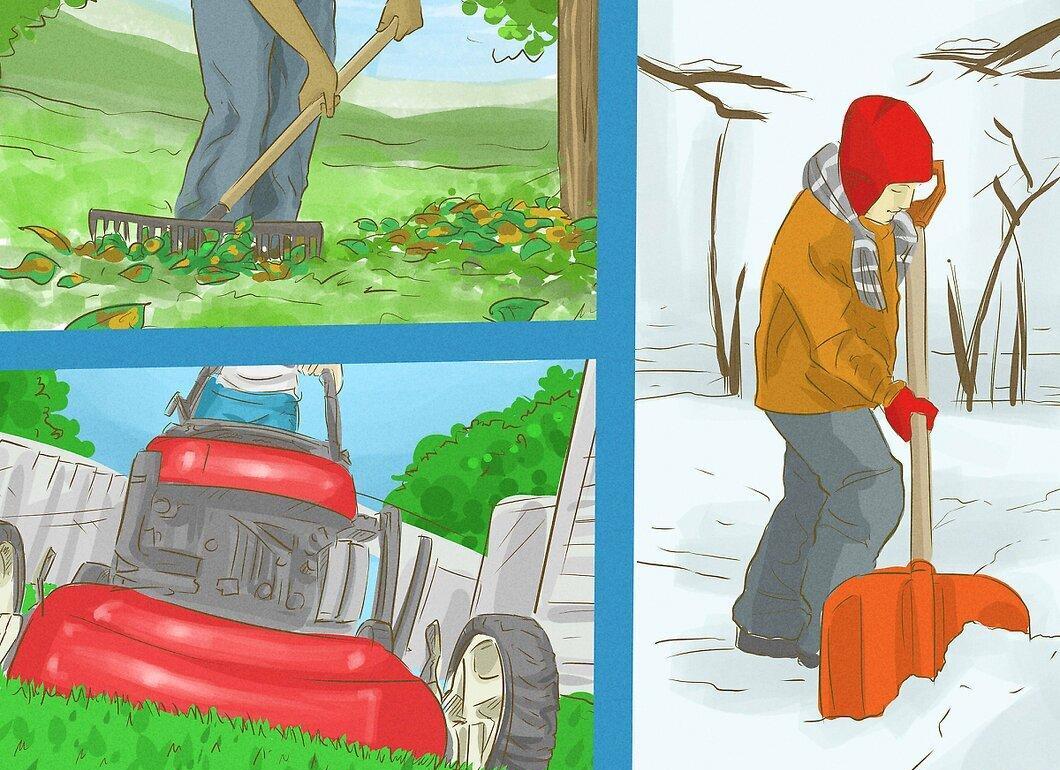
Offer to help people in your neighborhood. Ask acquaintances if they need assistance with any tasks. If someone declines, don’t be discouraged—they might not have extra money. Nevertheless, you’ll show that you’re willing to work, and someone may reach out to you for help soon. Here are some ideas of what you could do:
- Mow lawns (if you live in a house);
- Clean up yards;
- Repair clothes;
- Organize closets or attics;
- Weed gardens or pathways;
- Shovel snow off walkways.
Step 2: Offer to House Sit for a Neighbor.
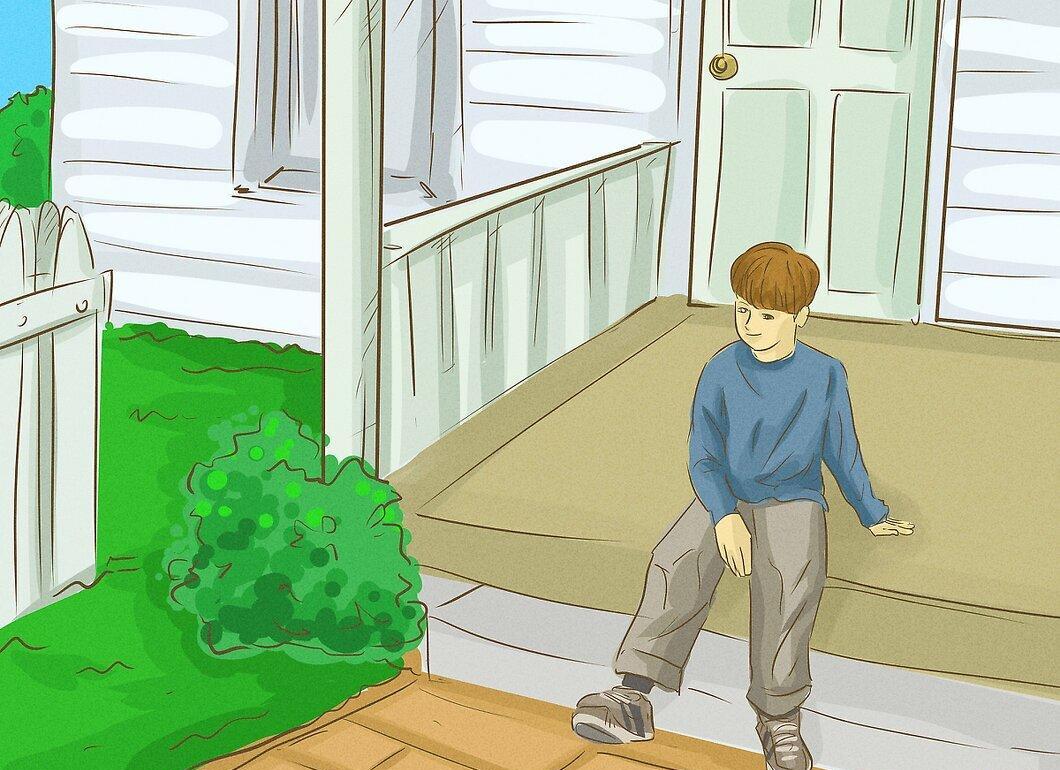
Offer to house sit for a neighbor while they're on vacation. This may include taking care of plants, pets, and mail. Most of the time, you'll need to come daily, but sometimes the owner may ask you to stay at the house during their absence.
Step 3: Find Creative Ways to Get Help from Your Parents.

Look for ways to encourage your parents to help you save. Learning to save is an important skill. If you show your parents that you can do it, even with a small amount, they may be more willing to support you. Here are some ideas to try:
- Give your parents a gift card so they can use it and give you the equivalent in cash.
- Open a savings account with parental control to earn interest on your savings.
- Be polite to your parents and ask for an increase in your allowance. Don’t be afraid—the worst that can happen is a refusal.
Step 4: Become an Entrepreneur.

Start a business. It's never too early to begin your own venture. If you have a talent (like playing guitar or dancing), offer your services for money. Or think about creating and selling products like knitted scarves. If you live in the suburbs, set up a lemonade stand or buy discounted chocolate bars to resell for a profit.
Step 5: Offer to Clean Up.
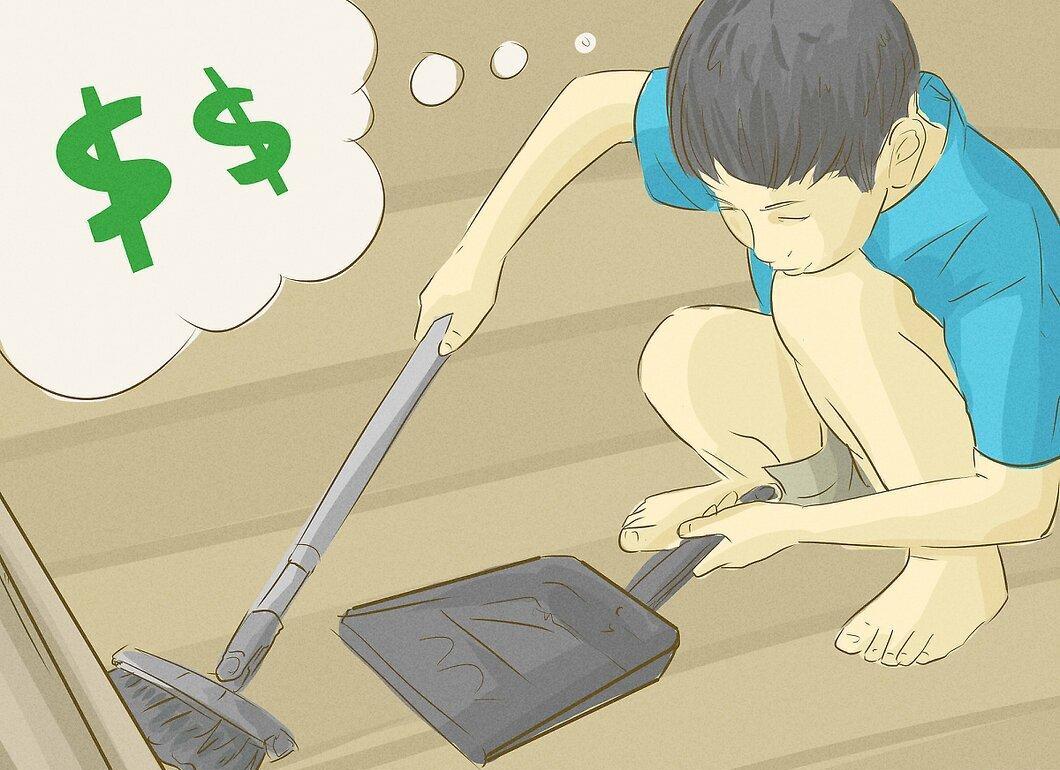
Offer to clean your brother's or sister's room for money. If they don’t have the funds, ask your parents if they're willing to pay you for it. If they’re tired of seeing the mess, they might agree to your offer.