Learn how to read textbooks faster to make the most of your study time. Utilize selective and active reading techniques. Use the questions at the end of paragraphs and sections to quickly grasp the most important ideas without reading every word. Also, use your finger as a pointer and stop silently repeating the words to yourself to increase your reading speed.
Read Selectively
Step 1: Review the Questions at the End of the Paragraph or Section.
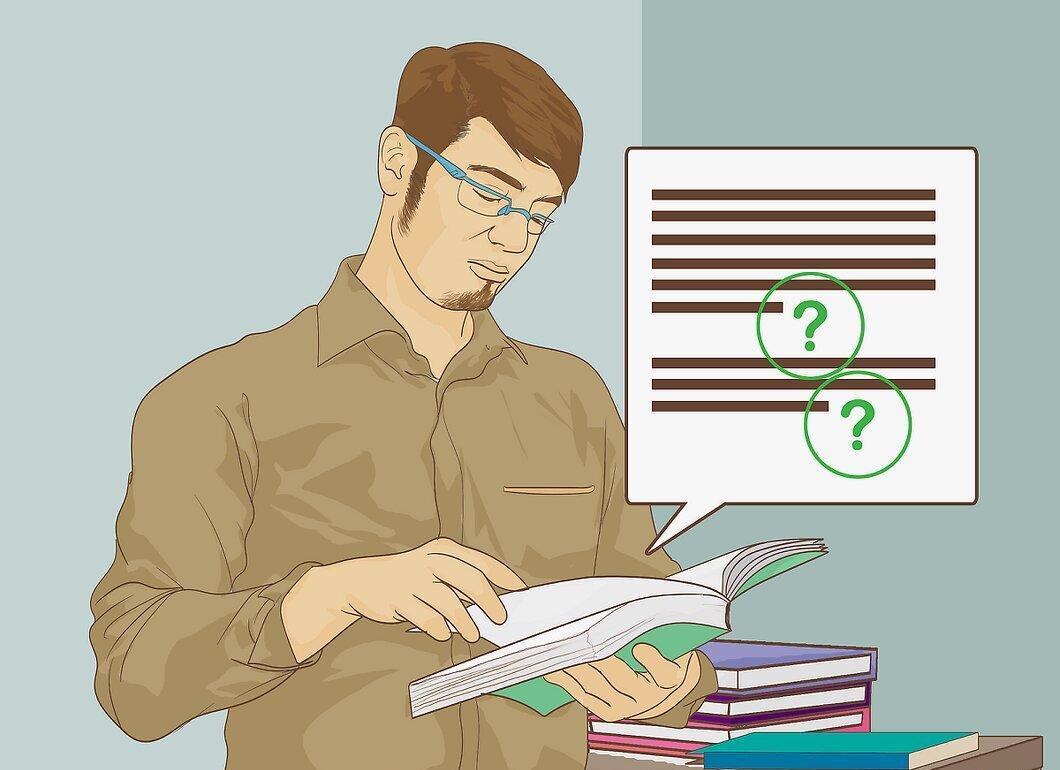
Review the questions at the end of the paragraph or section. Use these questions as prompts to focus on the important aspects of the material. Skim through several paragraphs and assess how well they answer the questions posed. Skip all non-essential text.
Step 2: Read the Introductory and Concluding Parts of the Paragraph.
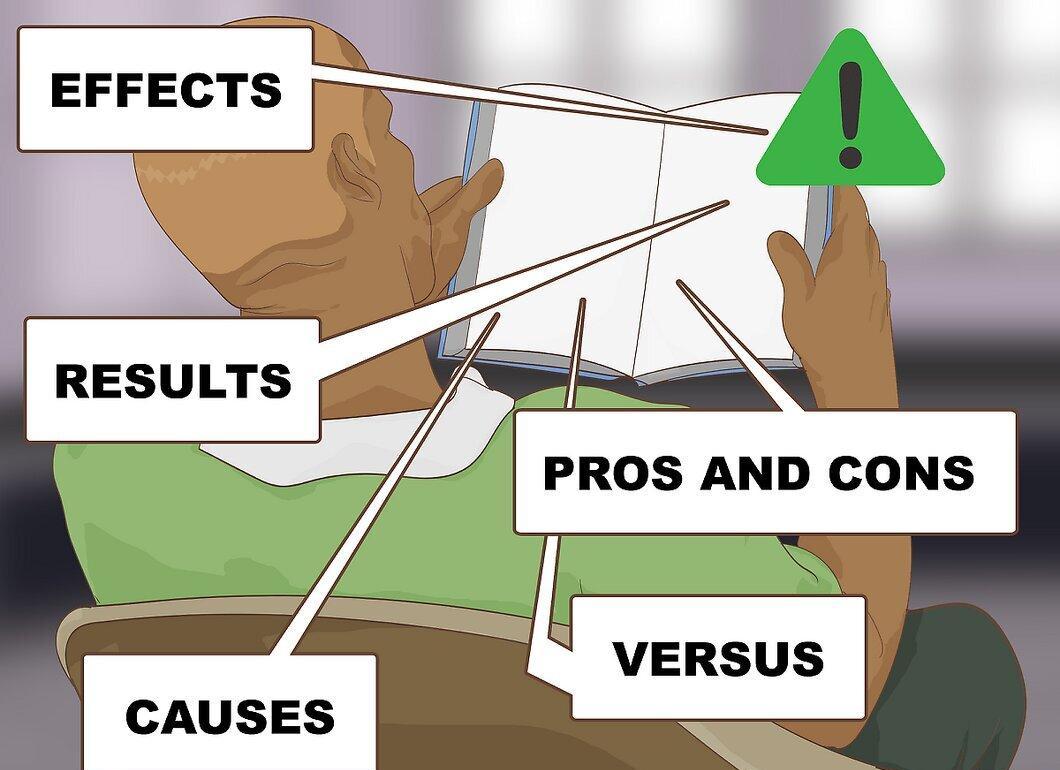
Read the introductory and concluding parts of the paragraph. Pay attention to key words: "causes", "effects", "results", "compared to", and "pros and cons". These will lead you to the thesis or main idea of the paragraph. By knowing the main ideas in advance, it will be easier to identify key points in the text for deeper study.
- Highlight such words and return to the main idea or thesis to stay on track.
Step 3: Carefully Examine the Headings and Subheadings.
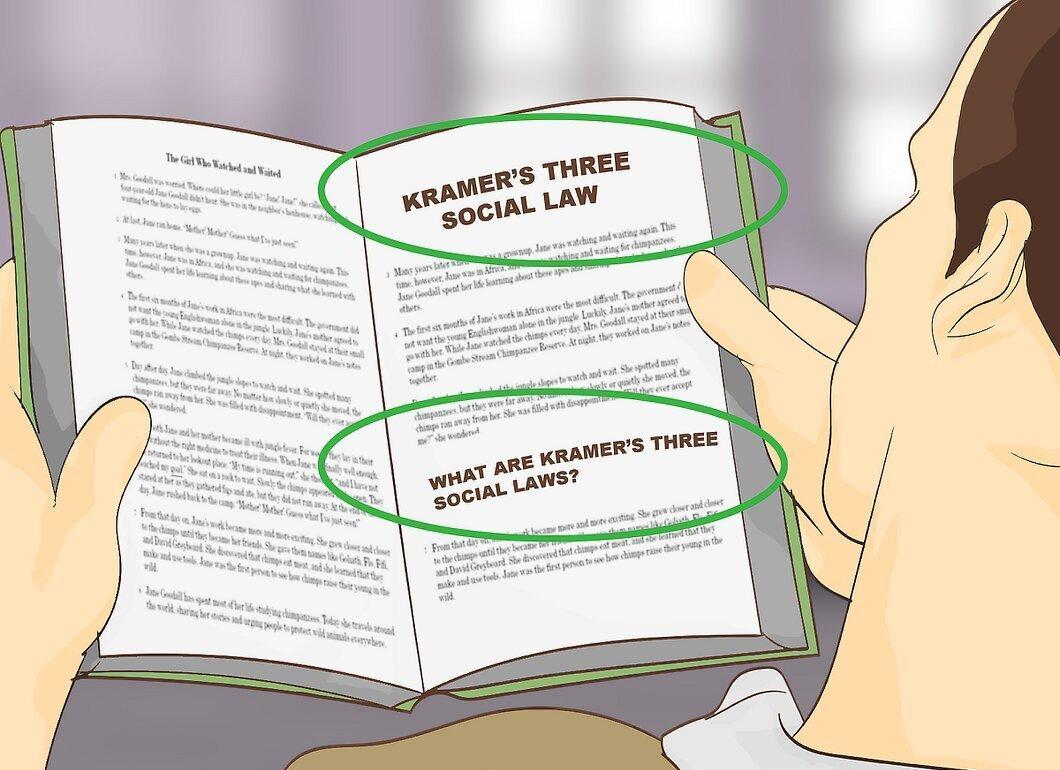
Carefully examine the headings and subheadings. Turn them into questions and focus on the important ideas presented. For example, the heading "Three Social Laws of Kramer" should be rephrased into a question: "What are the three social laws of Kramer?" Then read the information that answers this question.
- Note that headings and subheadings in bold or italics are key to the most important information.
Step 4: Read the First and Last Sentences of the Paragraph.
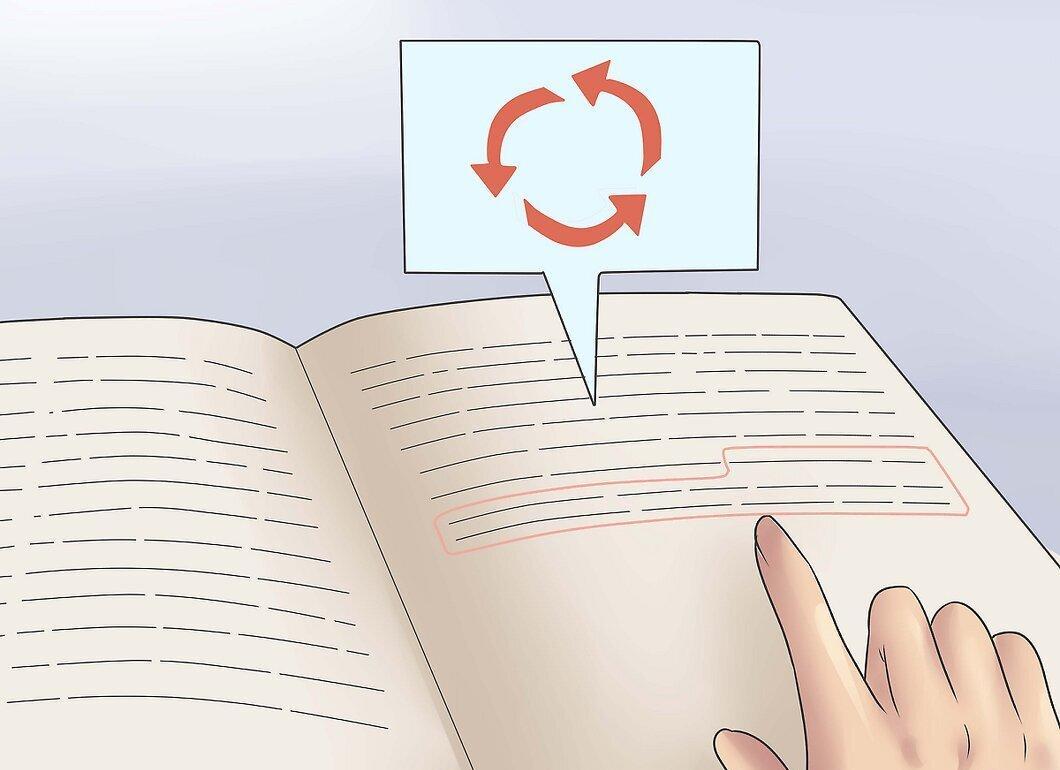
Read the first and last sentences of the paragraph. If you fully understand these two sentences, skim or skip the paragraph. If these sentences leave you with questions, then read the entire paragraph.
- Slow down on complex paragraphs and sentences to fully grasp the author's thoughts and ideas.
Step 5: Focus Only on Important Concepts and Details.
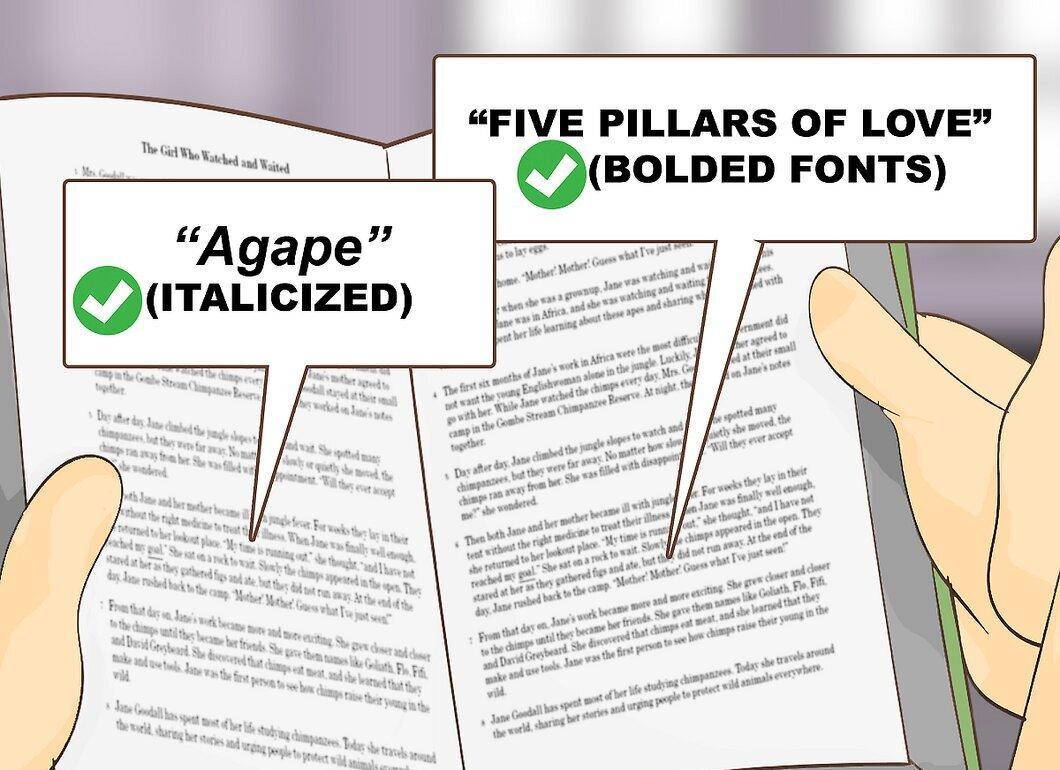
Focus only on important concepts and details. Skim through the text to spot key concepts, personalities, places, and events. These are usually highlighted in bold or italics. If you understand the concept, you can skip the contextual information and explanations.
- Read explanations and contextual information only if you do not fully grasp the idea or concept.
Step 6: Divide Paragraphs Among Classmates.

Divide paragraphs among classmates. Suggest this idea to your classmates and split the text among two or three people. Each student takes responsibility for their part of the text. Make sure you can agree and divide the sections among yourselves.
- For example, develop a plan where each group member reads and creates a detailed outline of their corresponding section. Set clear deadlines (like the end of the week).
Read Actively
Step 1: Define Your Purpose.

Define your purpose. Before reading, ask yourself questions like "What is the main idea the author is trying to convey?", "What is important to focus on from the teacher's perspective?", and "What do I already know and what do I still need to learn about this topic?".
- Such questions will help you focus on the important and relevant information that expands your knowledge while filtering out non-essential and already known information.
Step 2: Take Margin Notes.

Take margin notes. Highlight important points, write questions and comments in the margins of the textbook or notebook (if it’s not your personal book). This will allow you to engage actively with the material and better retain information, so you won't have to reread the text.
- Use diagrams, tables, and graphs to organize the material.
- Pay attention to unfamiliar terms and look up their definitions.
Step 3: Summarize the Text in Your Own Words.

Summarize the text in your own words. Write down the main ideas on a piece of paper. Include examples that clarify the essence of the ideas. If you cannot summarize the main points, you may need to reread key paragraphs.
- The length of the summary should not exceed one page.
Step 4: Create a Conducive Working Environment.
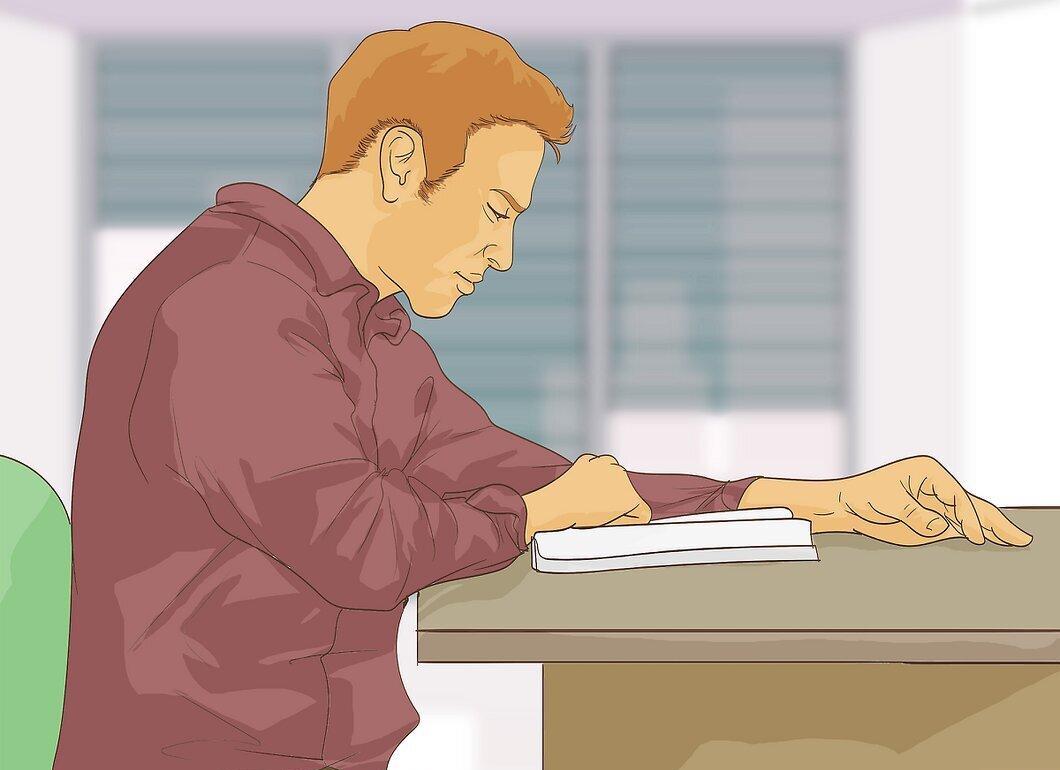
Create a conducive working environment. Read at home in a quiet space like your bedroom or go to the library. Turn off anything that might distract you: phone, computer, TV, and internet. Read the textbook and take notes by hand, and make sure your phone is turned off or set to silent.
- Work in a room with good lighting and a comfortable but not overly cozy level of comfort.
- If you read at home, inform your family or roommates that you need to study. Ask them not to make noise or distract you without a good reason.
Increase Your Reading Speed
Step 1: Set Time Limits.
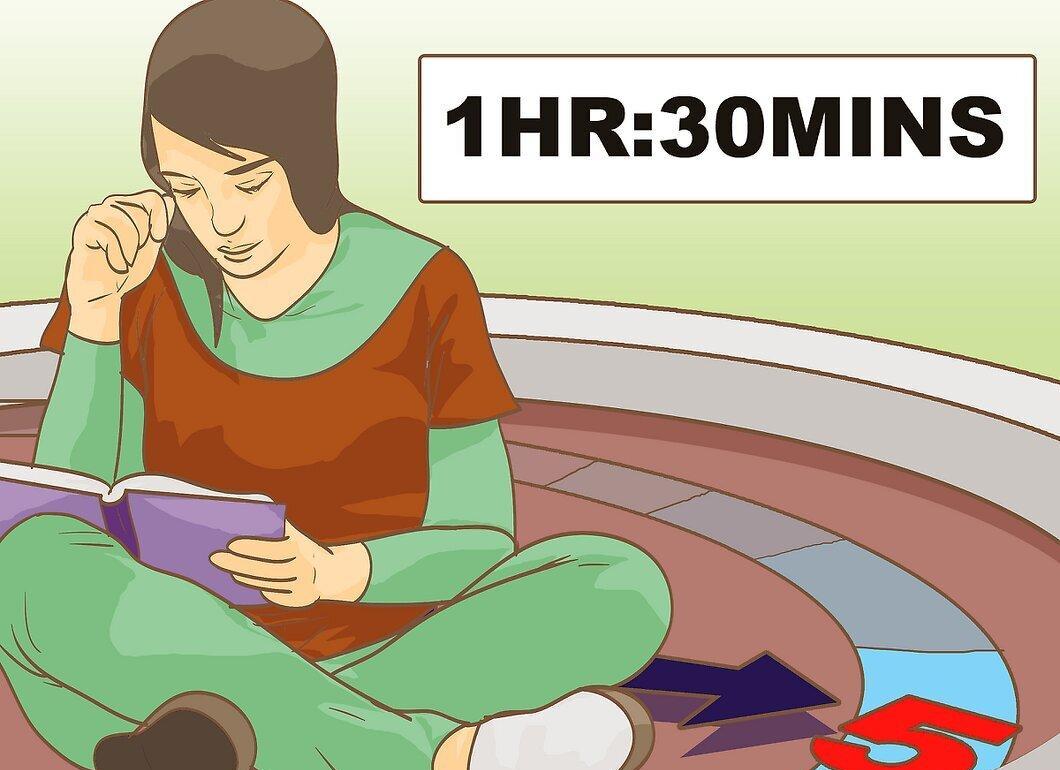
Set time limits. Tell yourself, "I will read this section in an hour and a half." This approach helps maintain focus. If you find you're reading for too long, just capture the main ideas and move on.
- Highlight particularly challenging paragraphs and return to them later.
Step 2: Use a Pointer to Focus on the Material.

Use a pointer to focus on the material. Place your finger, pencil, or card under the first word of the sentence and move it as you read. This will help you concentrate on the words instead of the images or other information on the page.
- Additionally, the pointer helps control your reading speed. The faster you move your finger, the faster you read the text (and vice versa).
Step 3: Stop Silently Repeating Words to Yourself.

Stop silently repeating words to yourself. Avoid moving your lips as you read the text to yourself. There’s nothing wrong with this, but it slows down your reading speed. While working with the text, you can chew gum or listen to music. Challenge yourself to read even faster to avoid whispering the words.
- There are special programs that can help you eliminate whispering repetition.
Step 4: Monitor Your Reading Speed.
Monitor your reading speed. Reading faster means controlling your reading speed, not just reading very quickly. In other words, you should slow down when encountering unfamiliar or challenging words and concepts. Understand such information before increasing your speed again.