Mastering the Claw Machine: Winning Secrets
The claw machine is a popular game where you control a mechanical claw, trying to grab a prize from a glass box. At first glance, this might seem like an easy task, yet many people rarely win. However, luck can be on your side if you show patience and know how to act.
The Psychology of the Machines
Step 1. Understand how the claws work.
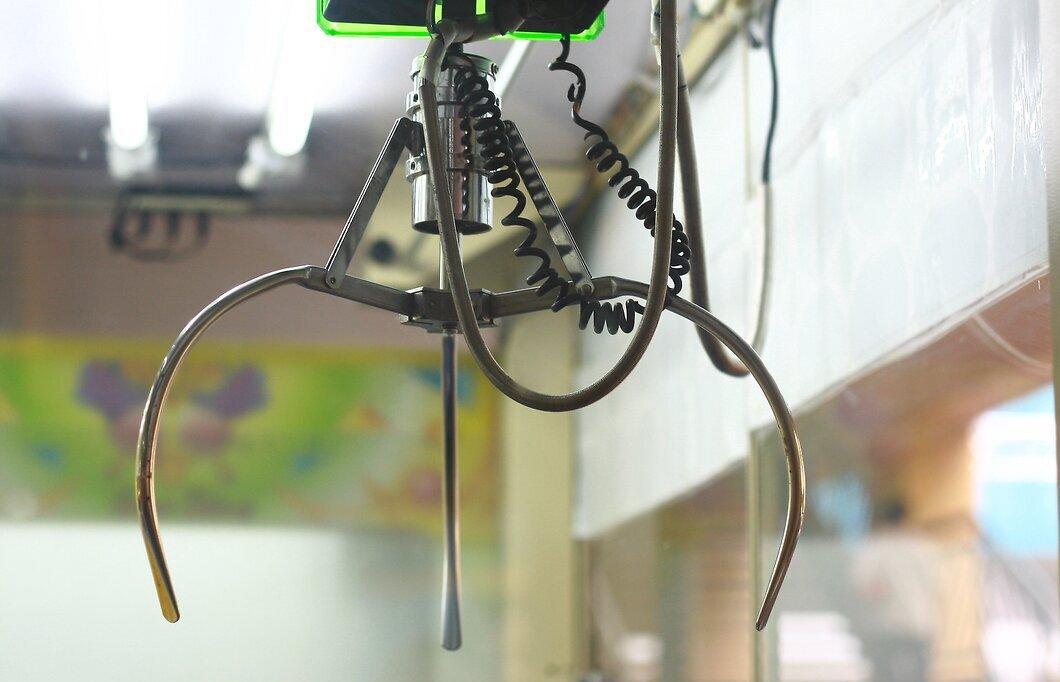
It's important to understand how the claws are programmed to grip. Most machines have a setting that the operator can adjust, which controls the grip strength of the claws after a certain number of attempts with a degree of randomness. This means that the claws stay “loose” most of the time but will grip every X attempts (on average, not necessarily every N-th attempt), so the chance of winning only appears every X tries.
- Some machines have a tricky setting: they initially grip the claw with full strength and then “loosen the grip,” creating the illusion that the toy was caught but slipped away. This makes the game feel like a gambling machine rather than a skill-based competition!
Step 2. Pay attention to older machines.
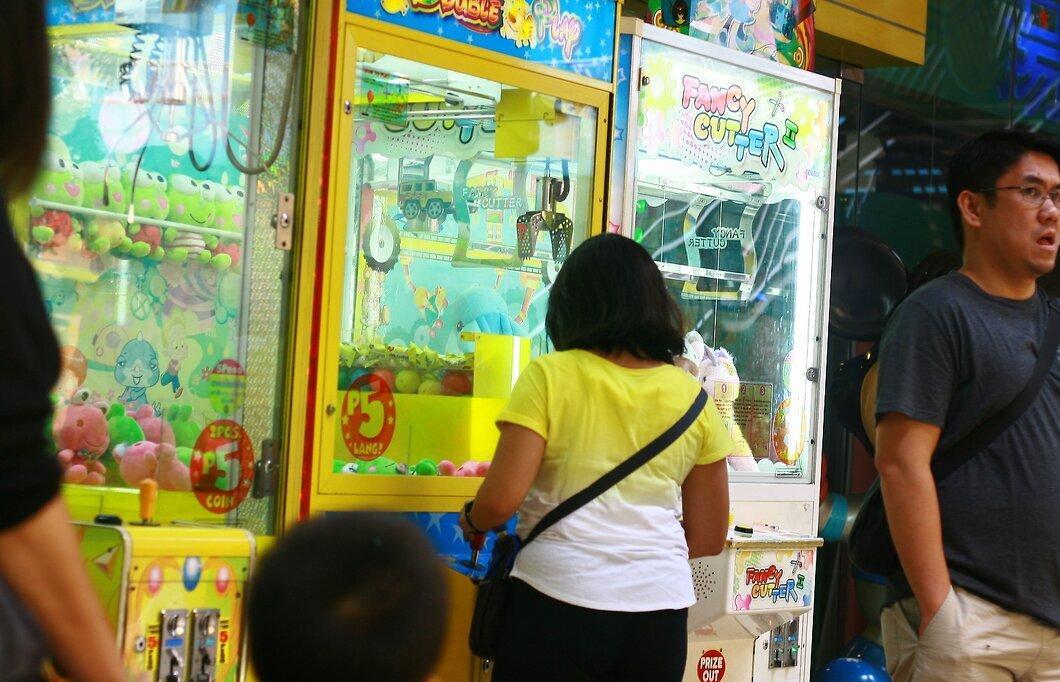
Examine the features of older machines. Some of them have a fixed grip strength for each attempt. This happens because the grip strength is adjusted with a screwdriver, requiring the machine to be opened. In such cases, the player's skill becomes crucial.
How to Use Your Skills to Win
Step 1. Choose the right machine.
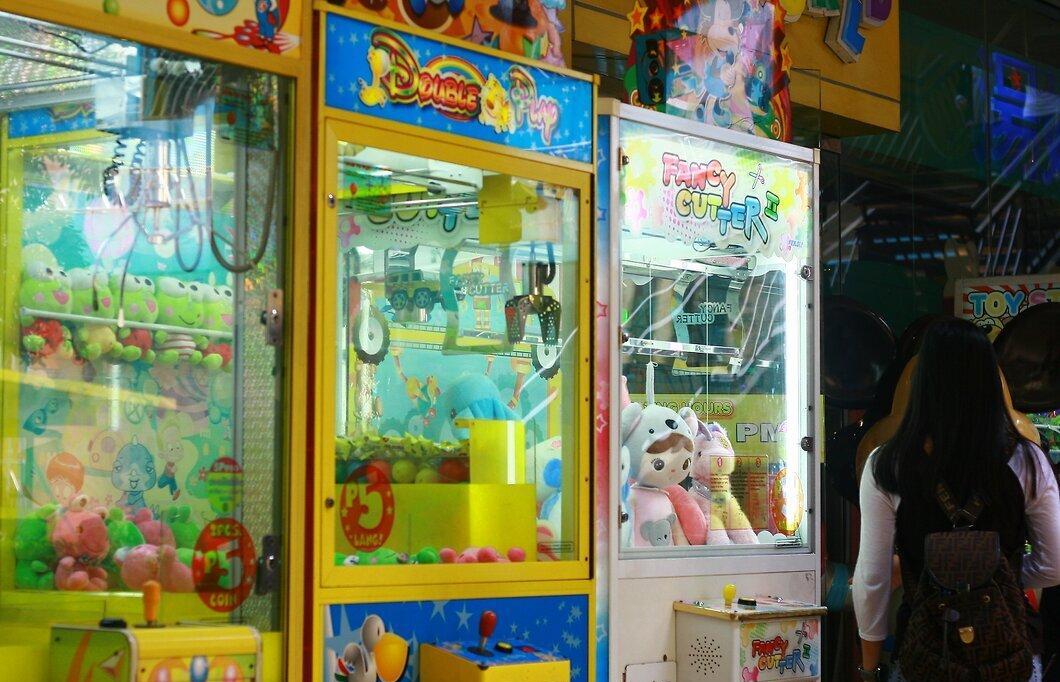
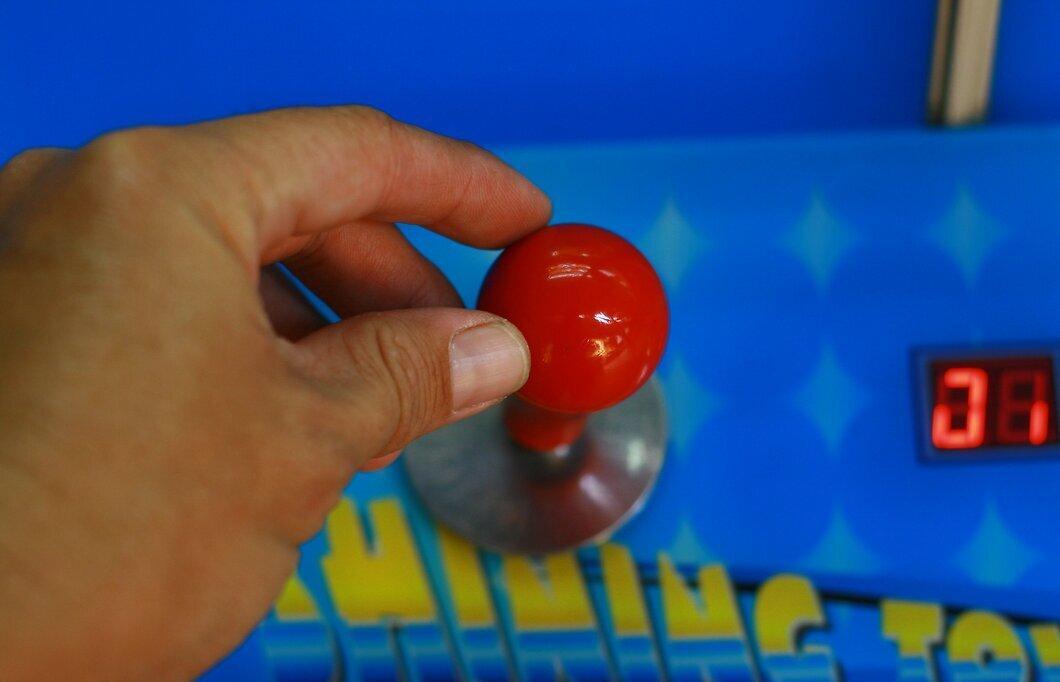
Avoid machines that only have “right” and “forward” buttons. If you press and release them, the claws will drop without giving you time to adjust. Look for machines with a joystick and a “drop” button.
Step 2. Identify your target toy.
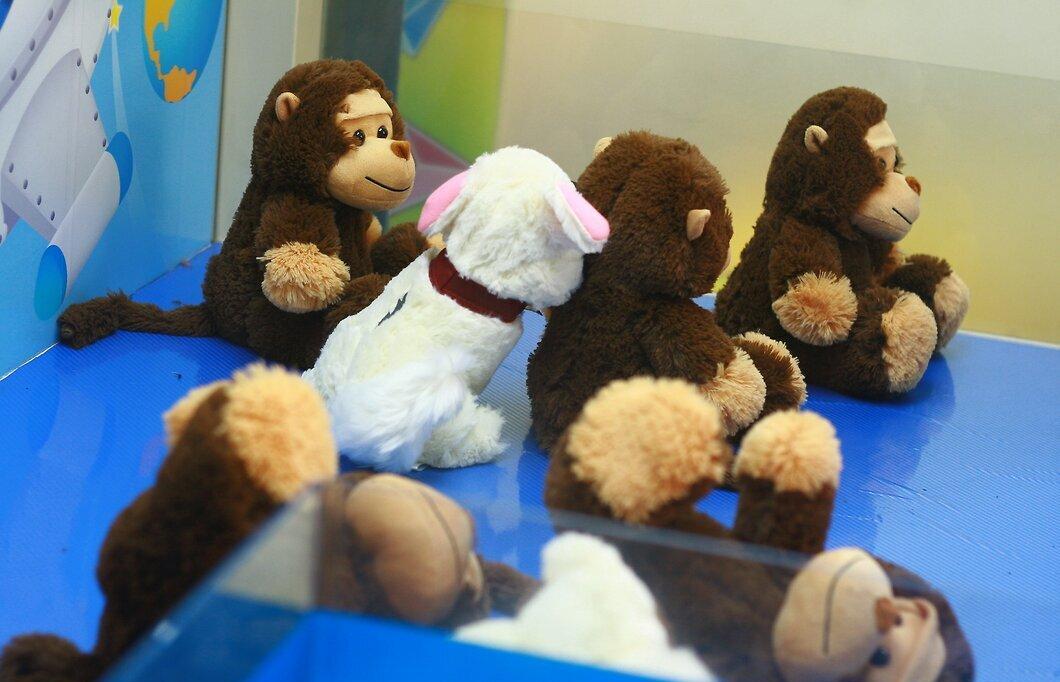
When choosing the toy you want to go for, forget about what you actually like if it's buried under others. Here are some tips to increase your chances of success:
- Focus on toys that are on top of the pile. If it has an arm or tail caught under other toys, you won't be able to grab it, so avoid such options. The claws can lift a toy, but they can't free it.
- Consider the shape of the toy. Avoid round items that the claws may slip off. It's better to choose toys with protrusions that help the claws grip better, like dolls with long tails.
- Pay attention to the length of the grip — toys that are too close to the glass are inaccessible.
Step 3. Position the claws over the chosen toy.
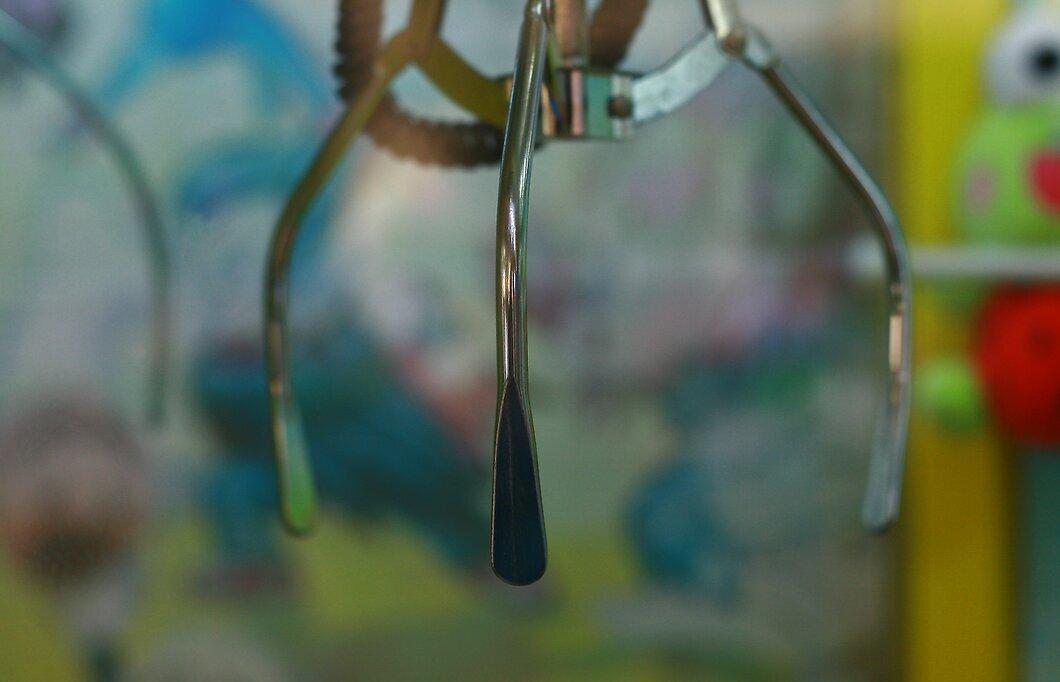
Stand in front of the machine in a way that allows you to move left and right comfortably, but remember that it’s better to stand to the side for moving forward and backward. Mirrors in most machines can distort depth perception.
Step 4. Release the claws when confident in the grip.
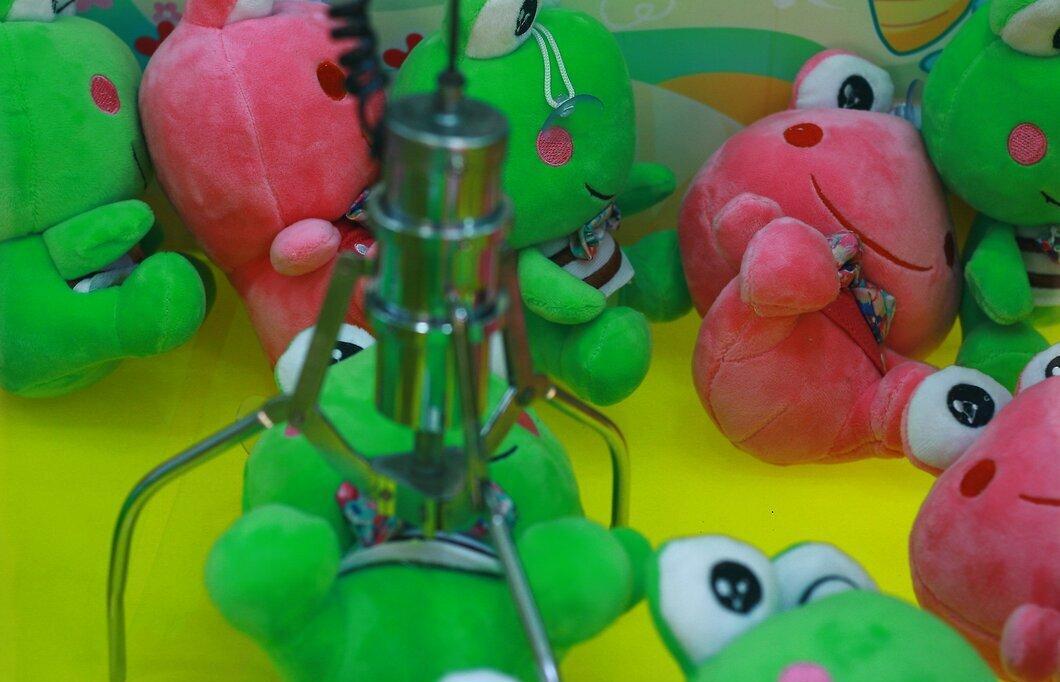
Step 5. Focus entirely on the claws.
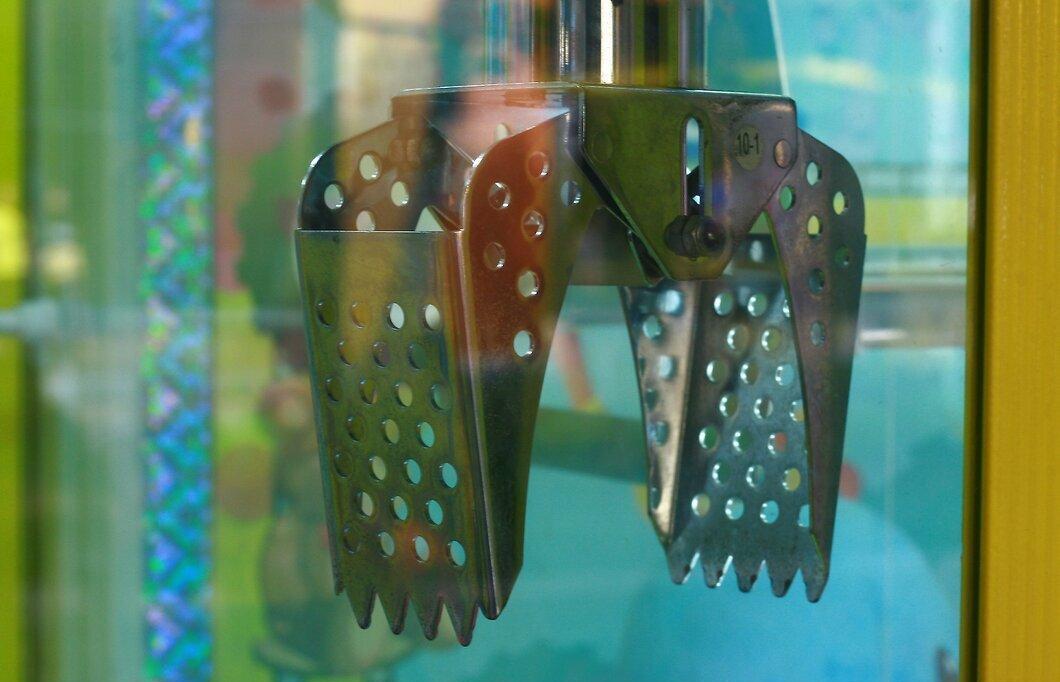
Concentrate on the movements of the claws. Some of them may sway sideways or rotate, changing the grip position.
Step 6. Adjust your actions based on the outcome.
If the toy wasn’t caught, it’s worth adapting your strategy.
- If the claws didn’t grip or couldn’t lift the toy, stop immediately — the machine may be malfunctioning or set for unfair play.
- If the toy was caught but then fell, give it another try.
- If you missed, readjust and take into account any swaying or rotation.
Step 7. If unsuccessful, try again.
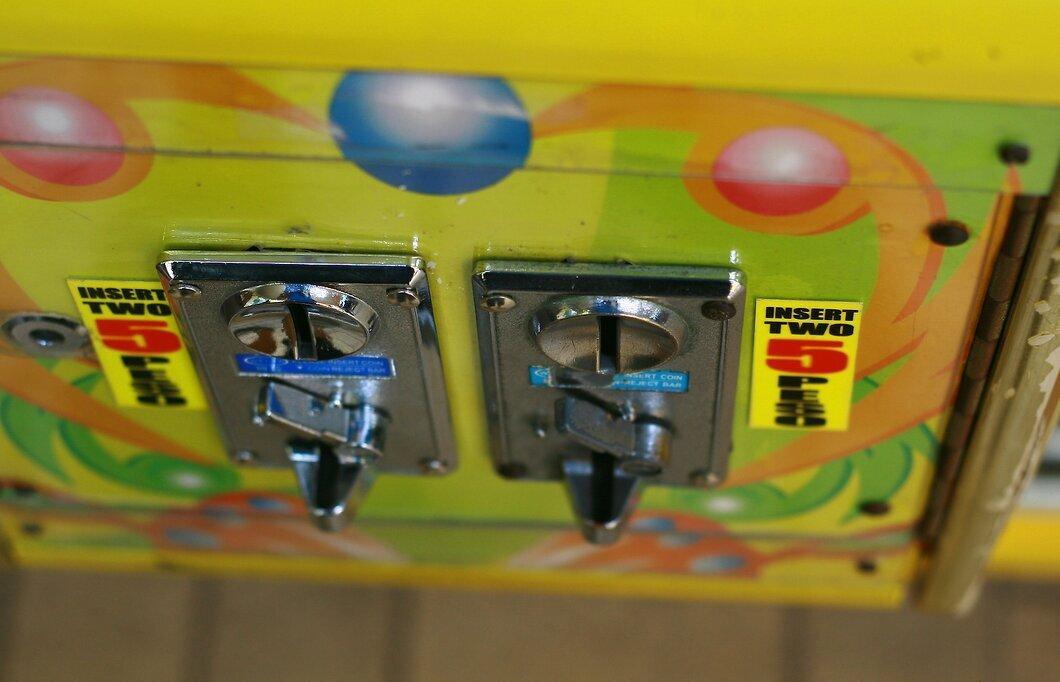
If victory eludes you, don’t hesitate to try again. But remember when to stop. If you really liked the toy, you might be able to buy it for $5-10 at a store. If you spent two dollars, consider whether your spending is justified and if the machine is working properly. If you simply enjoy the process and the thrill of winning, think about downloading a game app and playing online without significant costs.