Meditation is an excellent way to train your brain. It helps improve attention and exam results while also reducing stress and anxiety in daily life. Anyone can practice meditation, and it doesn't require adopting any religion. This practice is available to anyone interested and offers numerous health benefits, including improved concentration and cognitive functions.
How to Get Started with Meditation?
Step 1. Find the Right Place.
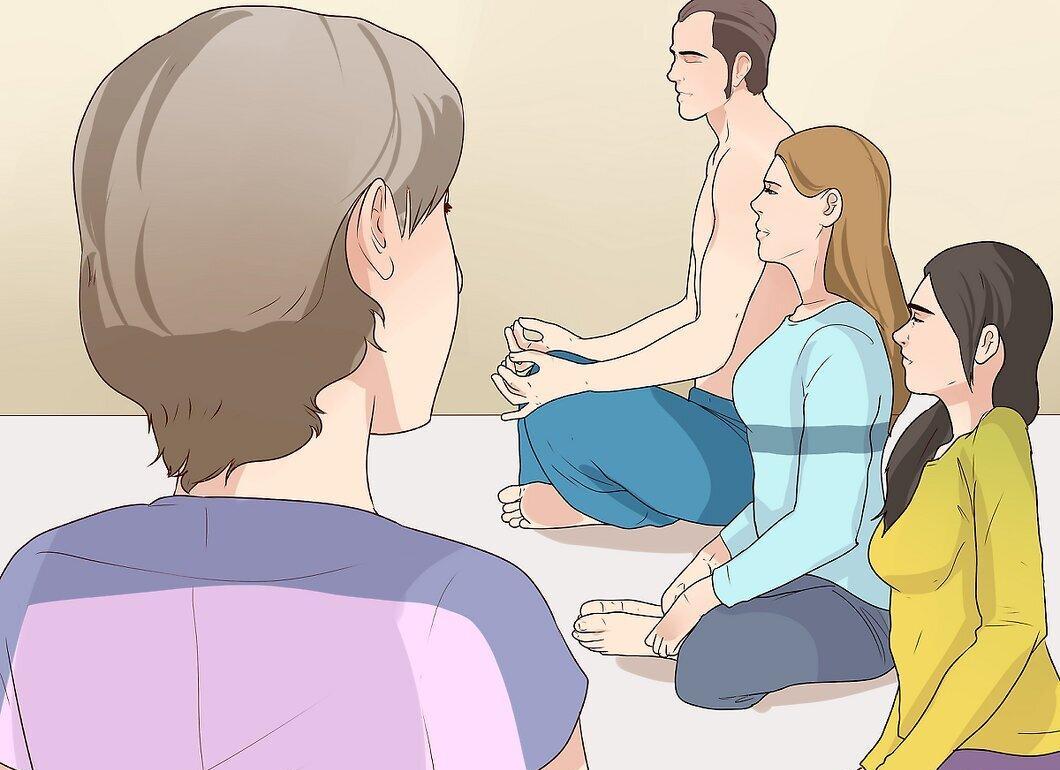
Choose a comfortable spot for meditation. This could be a quiet room or even a park where you can relax and focus. Try to find a place with minimal distractions. You can meditate in your bedroom, living room, or outdoors in a park.
- You could also visit a meditation center if one is available in your city. There, you can practice both with others and on your own. Many centers offer classes and events where you can learn meditation.
- If you want to meditate with others, join a group or create your own.
- Experienced practitioners can meditate in various places, including airports and hospitals. However, it's best to start in a quiet and peaceful location.
Step 2. Do Some Stretching.
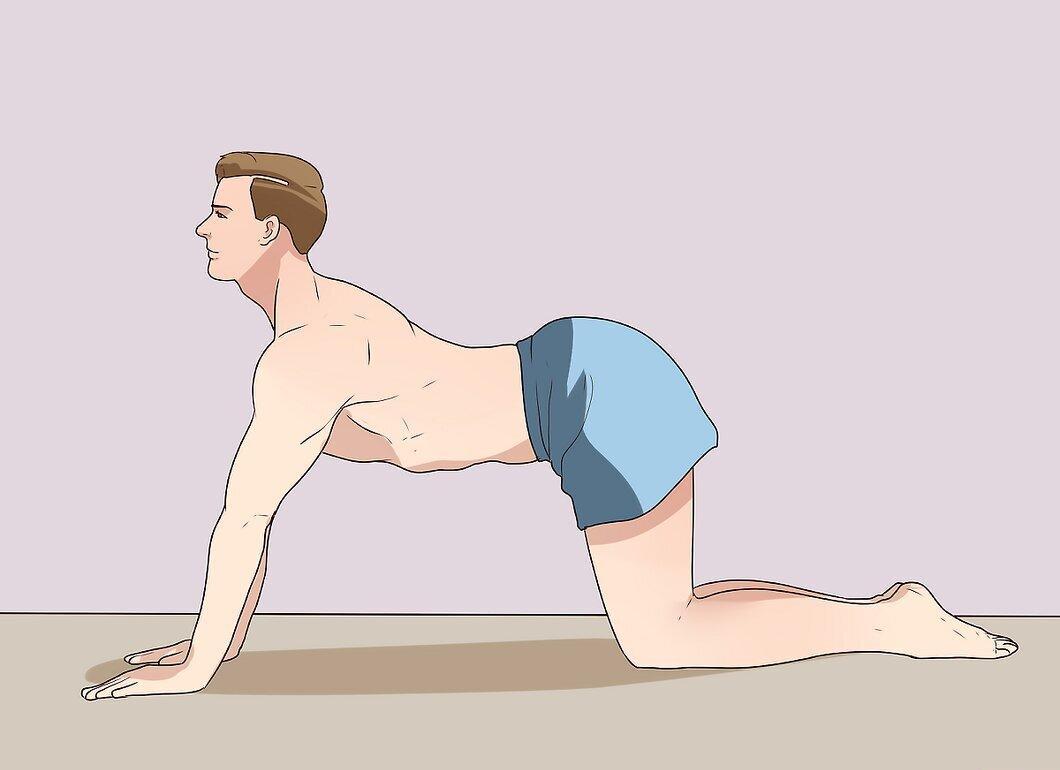
Before meditating, do a few stretching exercises to help you relax. Try the following poses:
- Cow Pose: Get on all fours with knees at hip level and hands under shoulders. Inhale, arch your back, dropping your belly to the floor and lifting your chest up.
- Cat Pose: From the cow position, exhale, dropping your head and arching your back upwards.
- Shoulder Stretch: Raise your arms out to the sides at a 90-degree angle, rotating them so your palms face up, then backward.
- Shoulder Shrugs: Inhale and raise your shoulders up, hold for a second, then exhale and lower them. Repeat three times.
Step 3. Set a Time for Meditation.
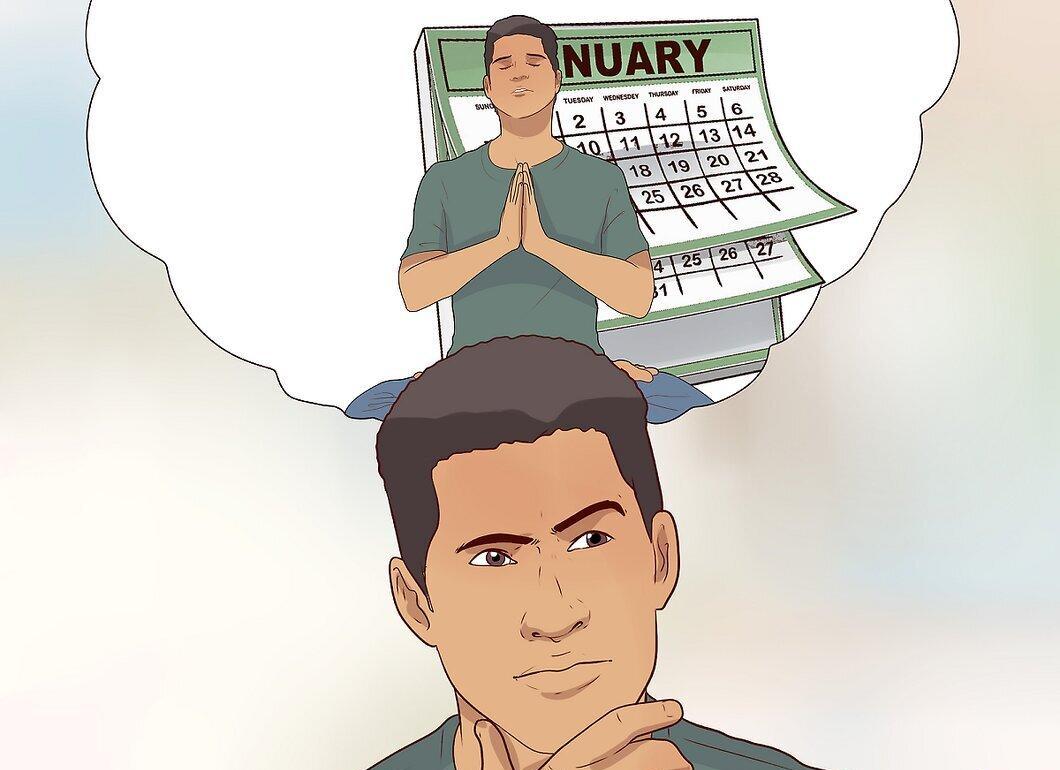
Before you start meditating, decide how much time you want to dedicate to this practice. Try starting with five minutes to see how it feels. If you enjoy it, gradually increase the time to 10-15 minutes.
- Even short meditation sessions can provide significant benefits. Gradually increase your meditation time, starting with five minutes a day.
Step 4. Set a Timer or Use an App.
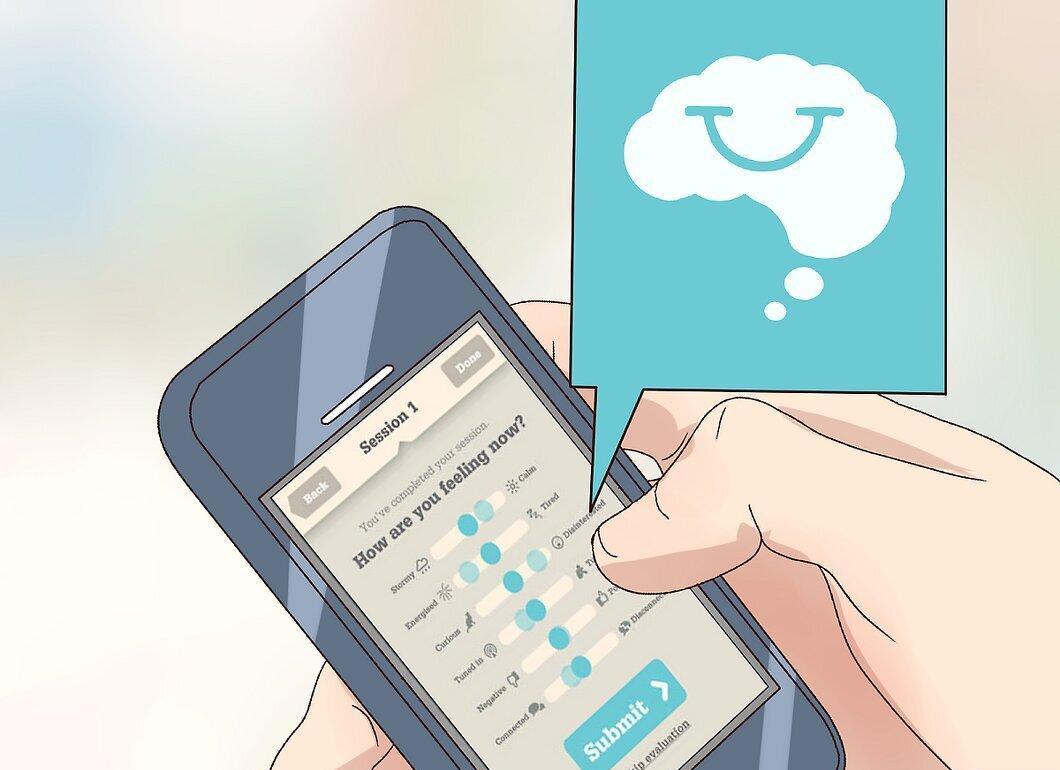
Set a timer on your phone or use a meditation app. Choose a sound to signal the end of your meditation—this could be a bell or soothing music.
- If you're using a timer, just set it for the duration you plan to meditate.
- Many apps offer a selection of relaxing sounds for the beginning and end of your meditation session. Find the right app by searching for "meditation" in your app store.
Step 5. Find a Comfortable Meditation Position.
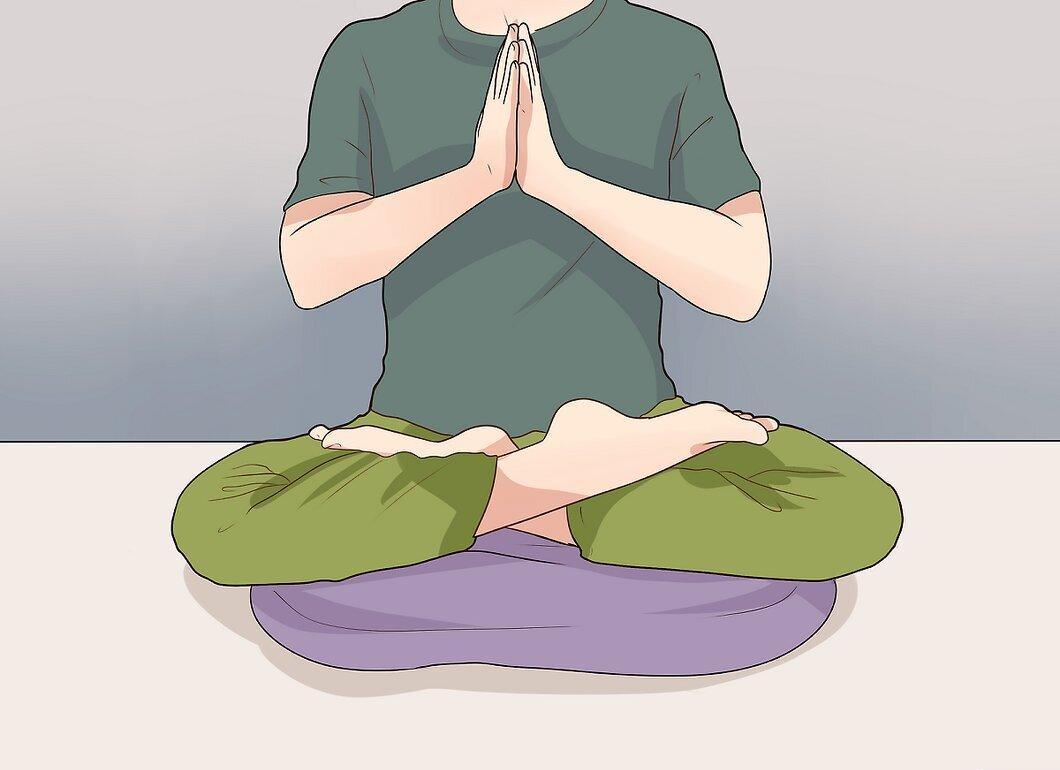
Sit in a comfortable position. You can use a regular chair with your feet on the floor or sit on a cushion with your legs crossed. The main goal is to keep your back straight and your body relaxed. If you're uncomfortable, feel free to change your position.
- If you're a beginner, it's easiest to start sitting on a chair. Find a comfortable seat so you won't fall asleep, but also won’t feel uncomfortable.
- You can also try sitting on a cushion with your legs crossed, but you don't have to assume the lotus position.
Step 6. Try Yoga Poses.
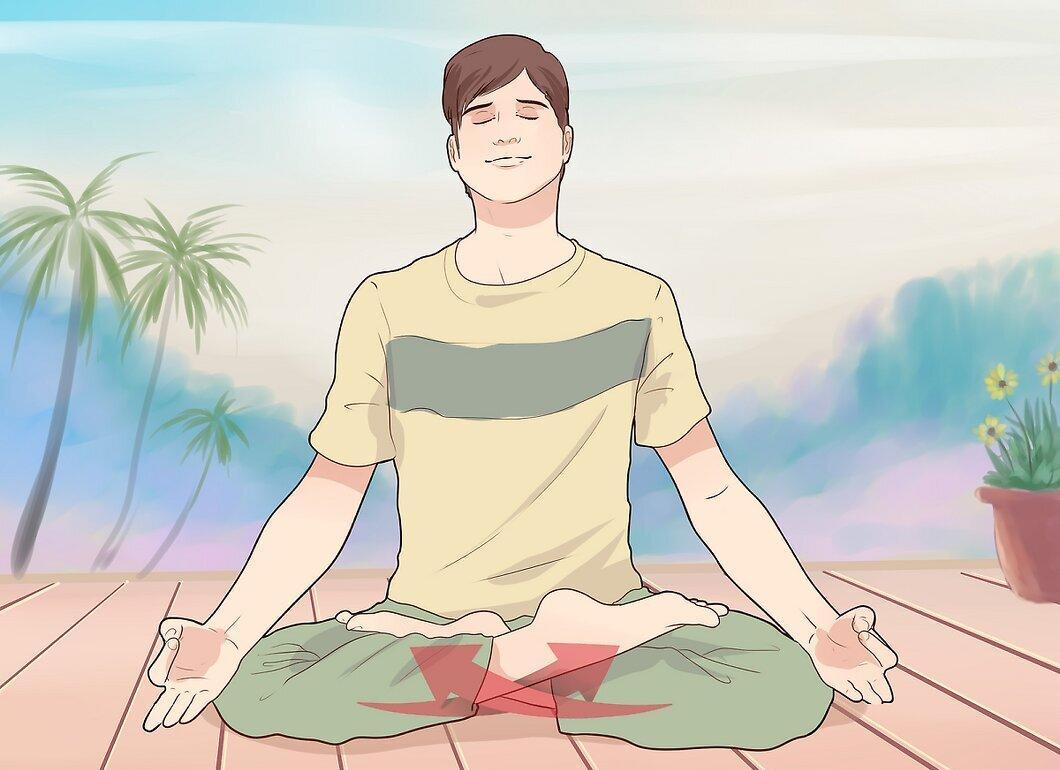
If you're familiar with yoga, try the half-lotus or full-lotus pose. These poses are often used in meditation. However, if you haven't tried them yet, start with a simple seat on a chair or cushion.
- Be cautious with poses if you have knee or back issues. It's better to avoid them in that case.
How to Meditate Properly?
Step 1. Sit Comfortably and Straighten Your Back.
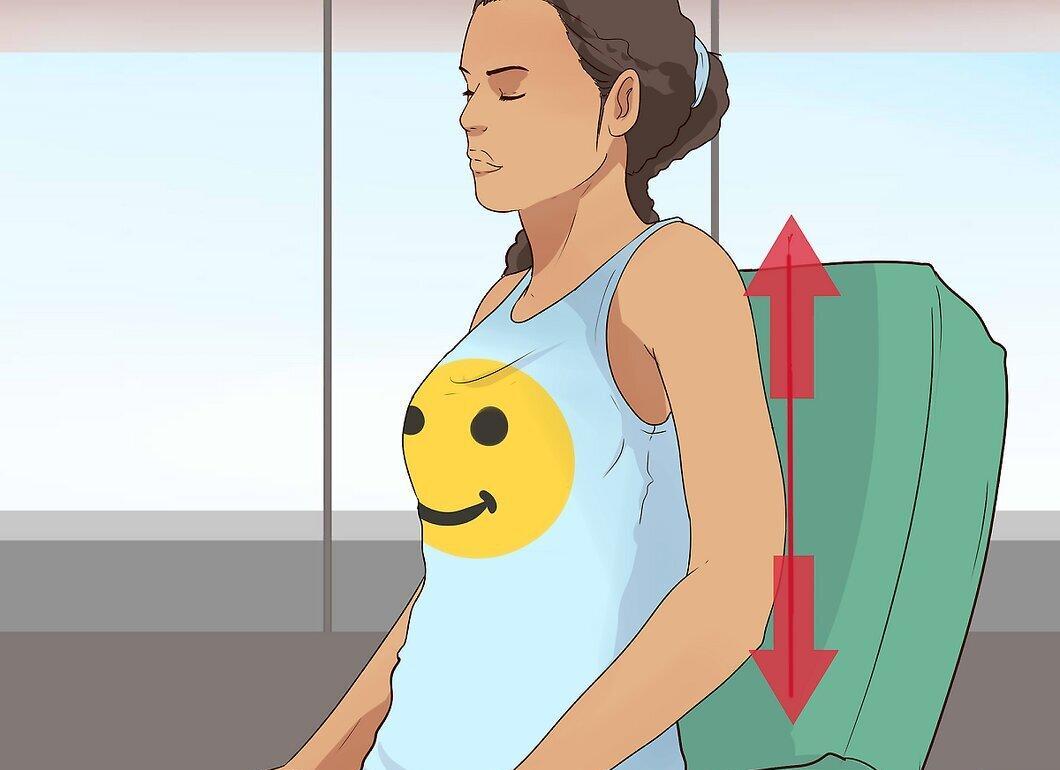
Sit in your chosen position and straighten your back. Your lower back should curve slightly inward, and your upper back should arch outward. Keep your chest open and your head straight. Relax your body but maintain good posture.
- Relax your shoulders and arms. If you feel tension, lift your shoulders, drop them, and return to meditation.
Step 2. Press Your Tongue to the Roof of Your Mouth.
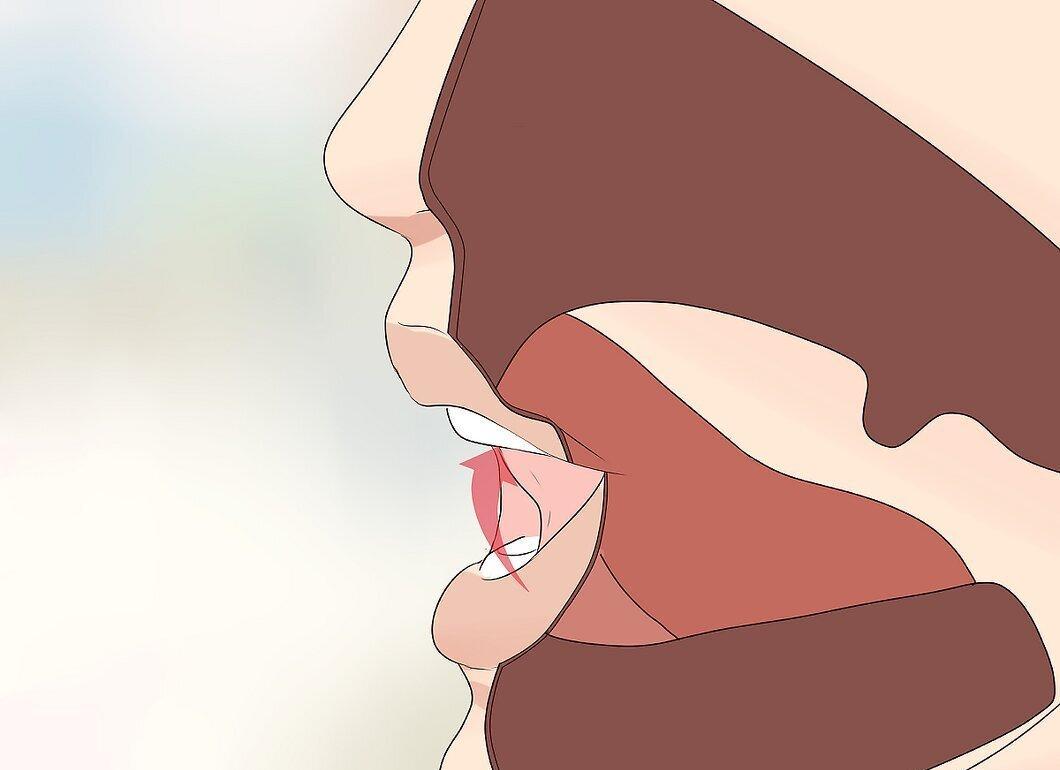
Press your tongue against the roof of your mouth to avoid dryness during meditation.
Step 3. Focus on a Point in Front of You.
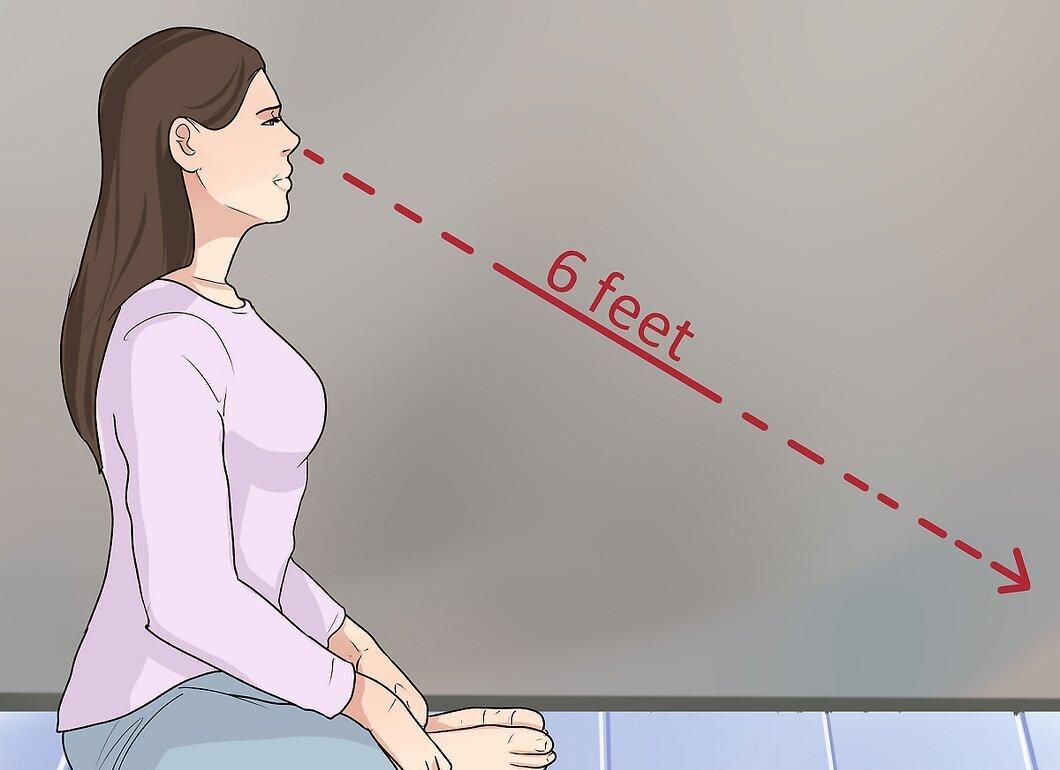
Gently close your eyes and focus on a point one to two meters in front of you. Your gaze should be directed downwards at a 45-degree angle.
- Ensure there are no distractions around you. If something interferes with your focus, find a quieter place.
Step 4. Pay Attention to Your Breathing.
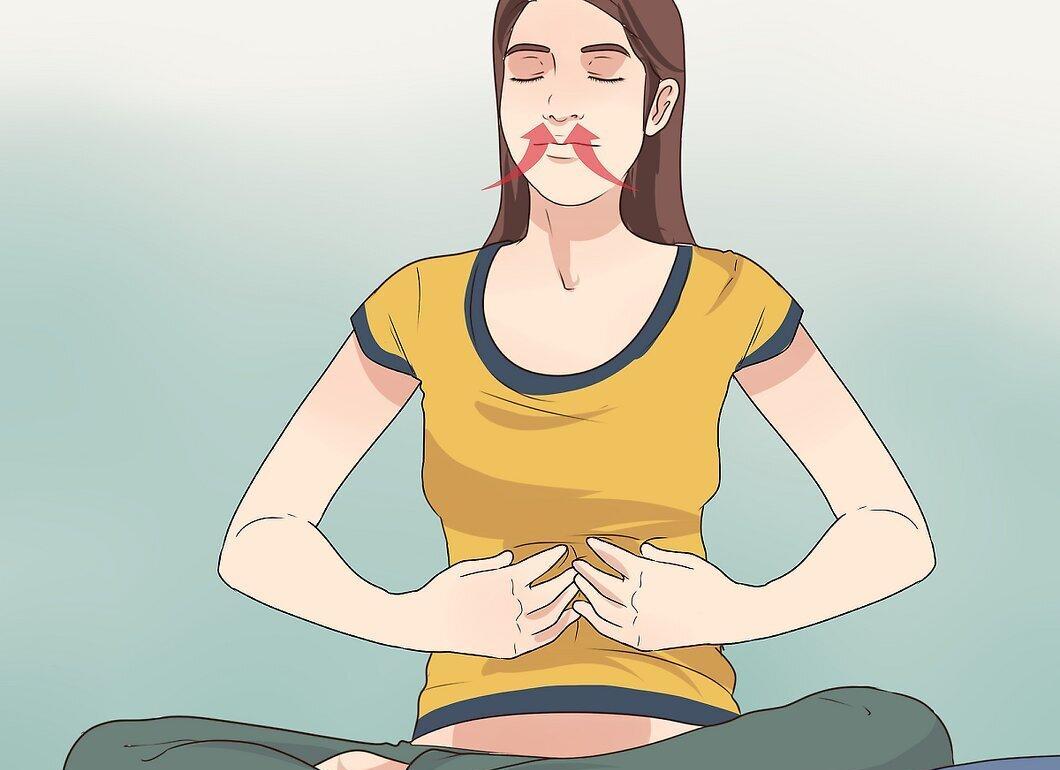
Concentrate on your breathing. Feel the air entering and leaving your body.
- Some traditions recommend breathing through the nose, but do what feels comfortable for you.
Step 5. Observe Your Thoughts.

If your mind begins to wander, simply label your thoughts as "buses." You can choose to hop on this "bus" or let it pass by.
Step 6. Return to Your Breath.
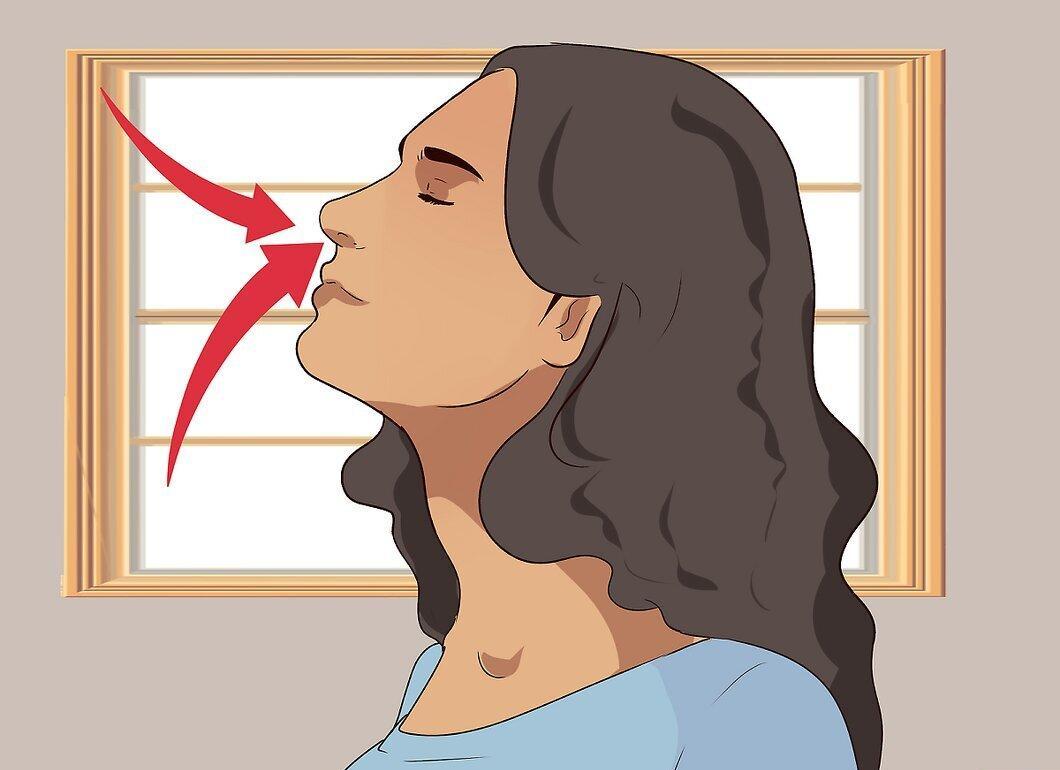
As thoughts come and go, bring your focus back to your breathing. Allow them to pass by without dwelling on them.
How to Incorporate Meditation into Daily Life?
Step 1. Increase Awareness.

Try to make mindfulness a part of your life. Use the DNSO skills (breathing, observing, listening, and defining) to enhance your quality of life:
- Breathing: Deep and slow breathing helps you relax.
- Observing: Learn to notice your thoughts and feelings.
- Listening to Yourself: Pay attention to your wants and needs.
- Defining Goals: Regular meditation practice helps you make better decisions.
Step 2. Try the 7/11 Breathing Exercise.
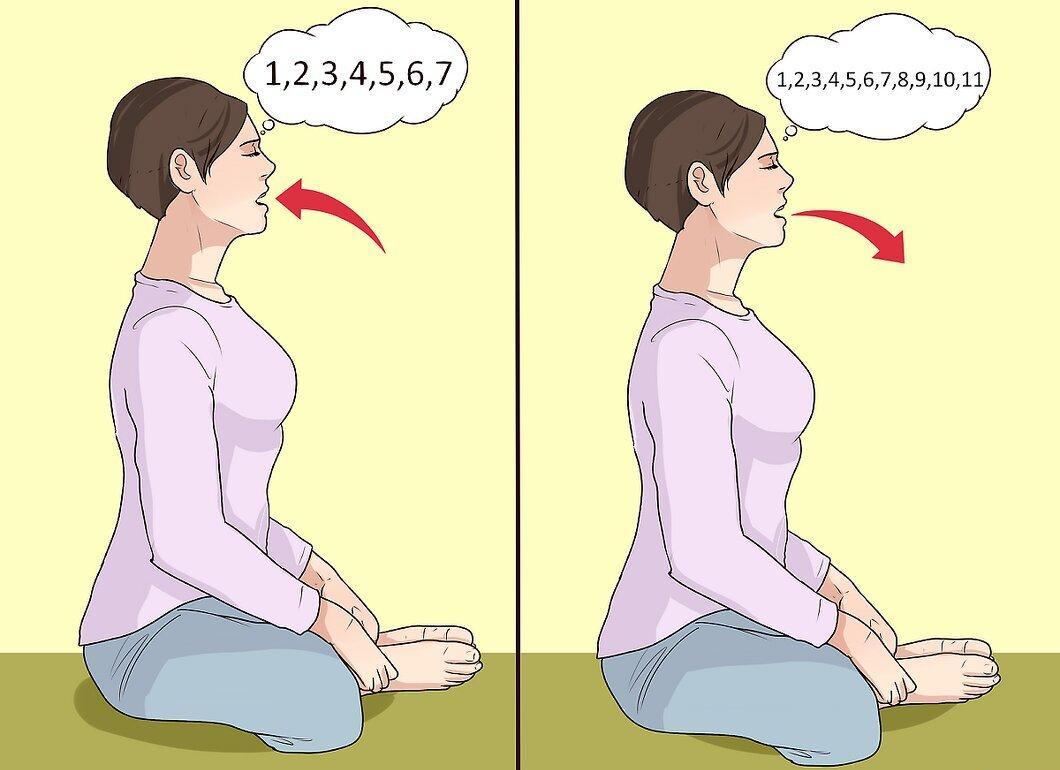
If you're feeling stressed, use the 7/11 breathing exercise. Inhale for a count of 7 and exhale for a count of 11. This takes just a minute but can help you relax.
Step 3. Practice Walking Meditation.

Start with deep breathing and focus on your body's movements. If your thoughts begin to wander, label them as "buses" and return to the sensation of your body.
- Practice walking meditation in a familiar place to help you concentrate.
Step 4. Meditate on the Subway.
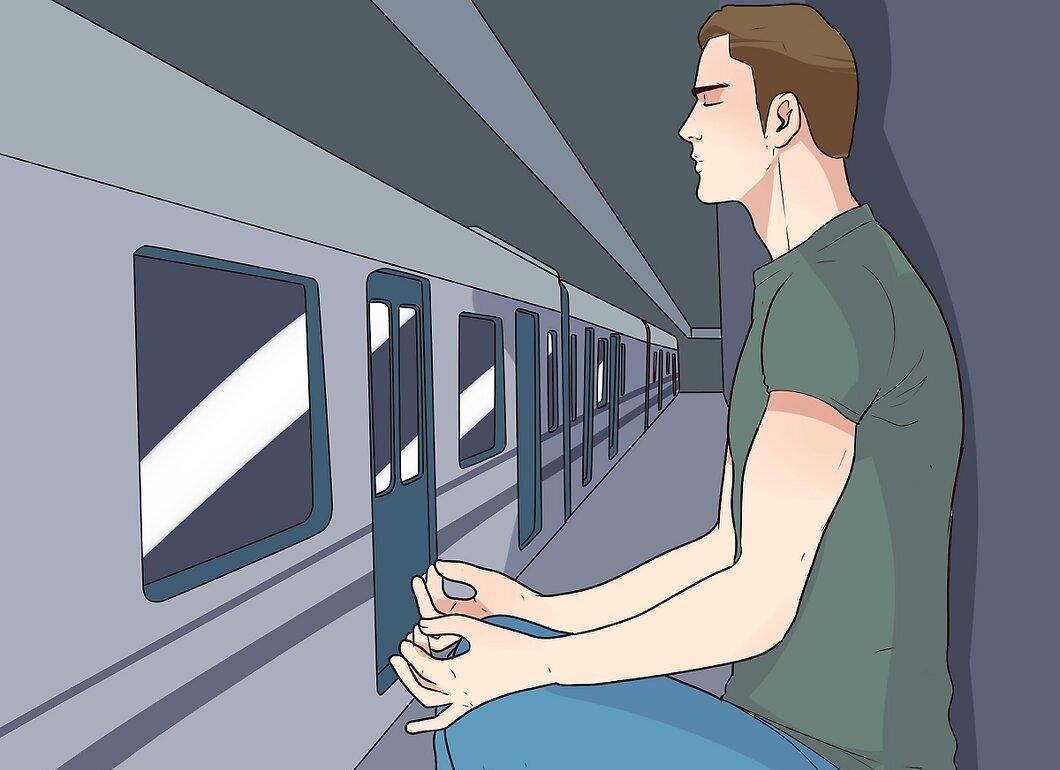
If you take the subway, try meditating there. Set a timer so you don't miss your stop, and focus on your breathing.
Step 5. Meditate Before Bed.
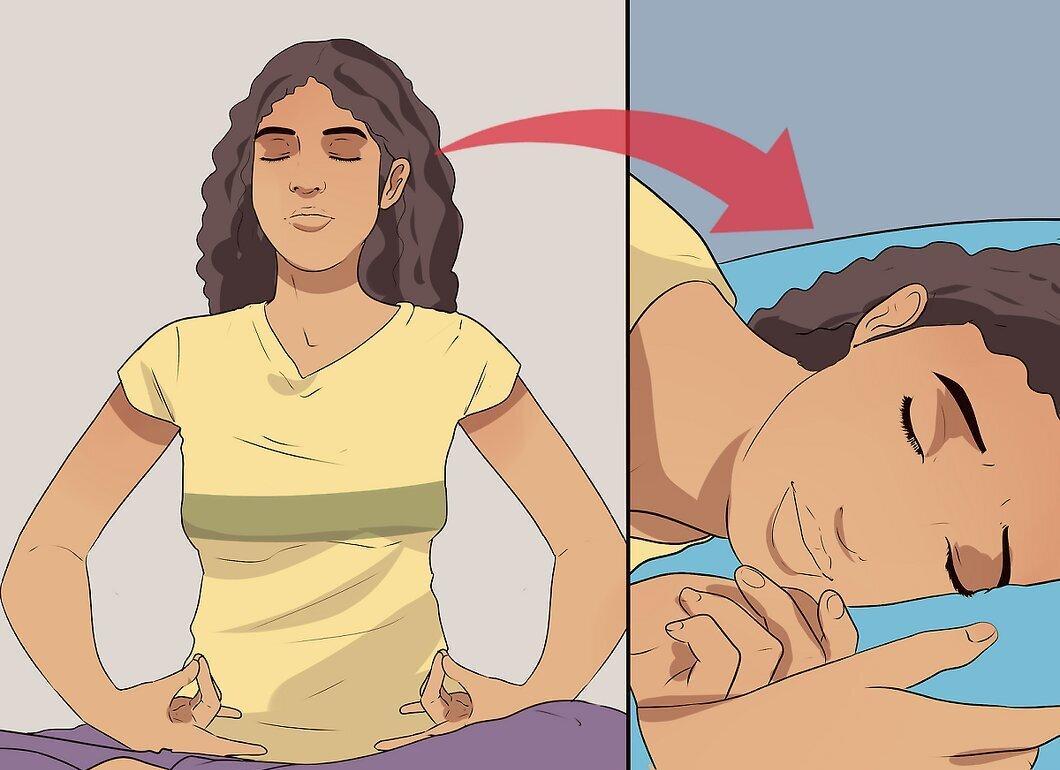
If you don't have time to meditate during the day, try doing it before bed. This will help reduce stress and promote relaxation.