
In emergencies, finding money can be tough. Many people lose their jobs, and few have savings set aside for a rainy day. Fortunately, there are several quick ways to gather the needed funds.
Side Jobs in Your Neighborhood
Step 1. Start Advertising Your Services.
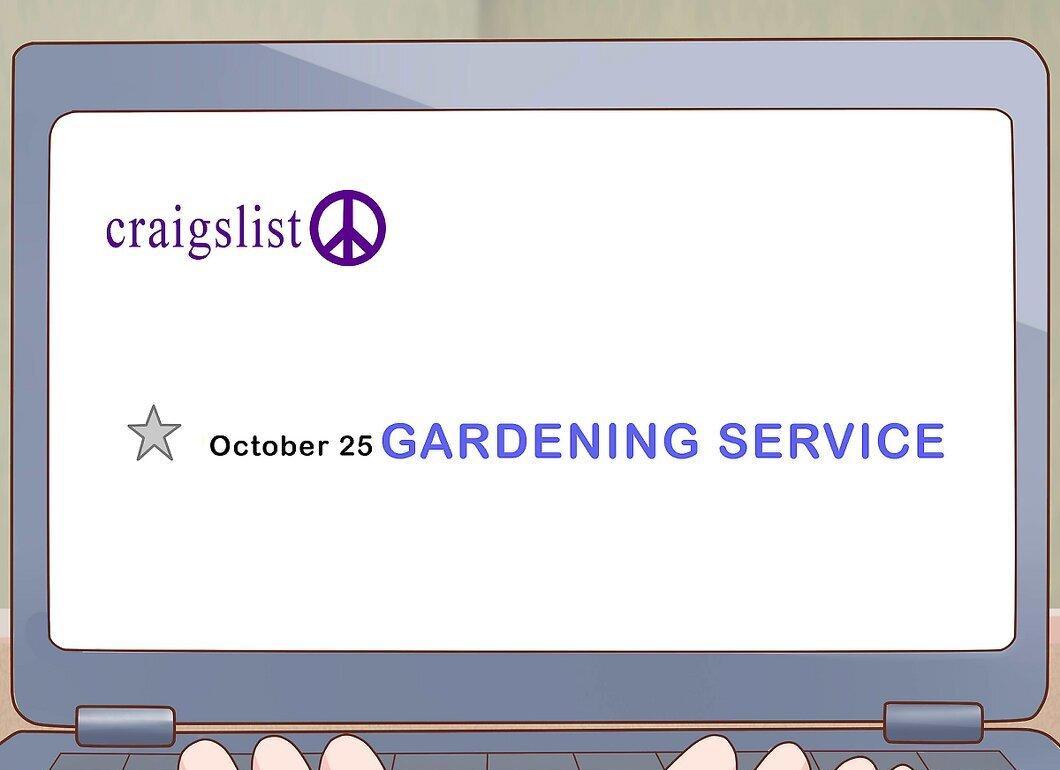
Begin by advertising your services. Create a website or promote your services on classified ad sites.
- Specify what services you can provide (home repairs, plumbing, electrical work, gardening, cleaning), how much they cost, and your availability.
- Include multiple contact methods. Listing both a phone number and an email can increase your chances of getting hired.
Step 2. Find Clients.

Find clients. Start by talking to friends and neighbors.
- Let them know you need money and are willing to do home and garden work.
- Ask them to recommend you to their friends and neighbors.
- It's quite possible that your friends and neighbors will become your first clients. Ask them to share their experience with others.
Step 3. Set Reasonable Rates for Your Services.

Establish reasonable rates for your services. The main reason someone might choose you over a professional is that your services should be cheaper.
- Ask for a small amount that will suffice for you.
- To determine how much to charge, base your fees on hourly work. Round the time to the nearest half-hour. If you worked for 6 hours and 33 minutes, charge for 6 hours and 30 minutes. This makes it easier for everyone.
Step 4. Act Like a Professional.

Conduct yourself like a professional. Dress neatly and smile at clients. Offer a handshake when you meet someone. Look them in the eye.
- Write down the specific services you offer, regardless of your field.
- Be ready to work on weekends and evenings.
- Return missed calls and agree to jobs as quickly as possible.
Step 5. Bring Your Tools.
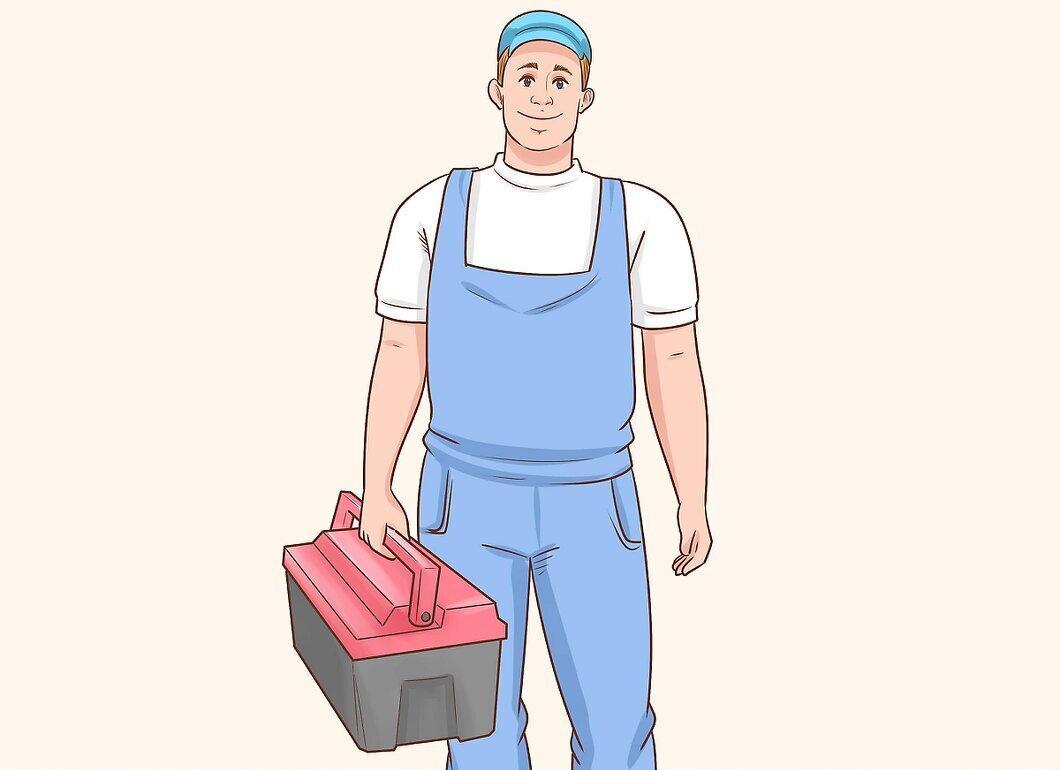
Bring your tools with you. If you have special tools (like those for home repairs or trimming grass and bushes), carry them along.
- Heavy items like ladders or lawnmowers can stay at home, but make sure to mention that you have them.
- Don't take on jobs that require tools you don't have.
Temporary Work
Step 1. Think About What You Can Do.

Consider your skills. You’ll find temporary work faster if you have certain abilities.
- Tasks related to accounting are often temporary and short-term. If you have experience as an accountant, you can find good temporary work.
- Some businesses and HR departments often seek temporary staff when there’s a lot of paperwork.
- If you have technical skills, you might be temporarily hired by certain companies or website owners.
Step 2. Check Job Listings.

Look for temporary job listings. Some newspapers and websites have sections for seasonal and temporary jobs. Browse listings from all sources and consider what you could do.
- Try working as a person carrying advertising on the street. Many companies hire such workers. You’ll need to stand and walk on the street while wearing company gear. Many companies pay cash at the end of the day.
- Help organize events. Look for job listings for workers who set up and take down booths and stands at street fairs and similar events. Typically, work begins early in the morning, and workers are paid in the evening. Be prepared for everything from construction to working at the booth.
Step 3. Participate in Studies and Surveys.

Take part in studies and surveys. This isn’t the best way to earn quick cash, but if you only need a small amount, it can work for you. Look online for paid surveys.
- Before responding to an ad, ensure you meet the requirements. For example, if you don’t smoke, you likely won’t qualify for a smoking-related survey.
- To speed up the process, apply in person. Surveys are often one-time events that come up sporadically. Studies generally last longer, but you might receive payment before the study ends.
Step 4. Apply to a Temp Agency.
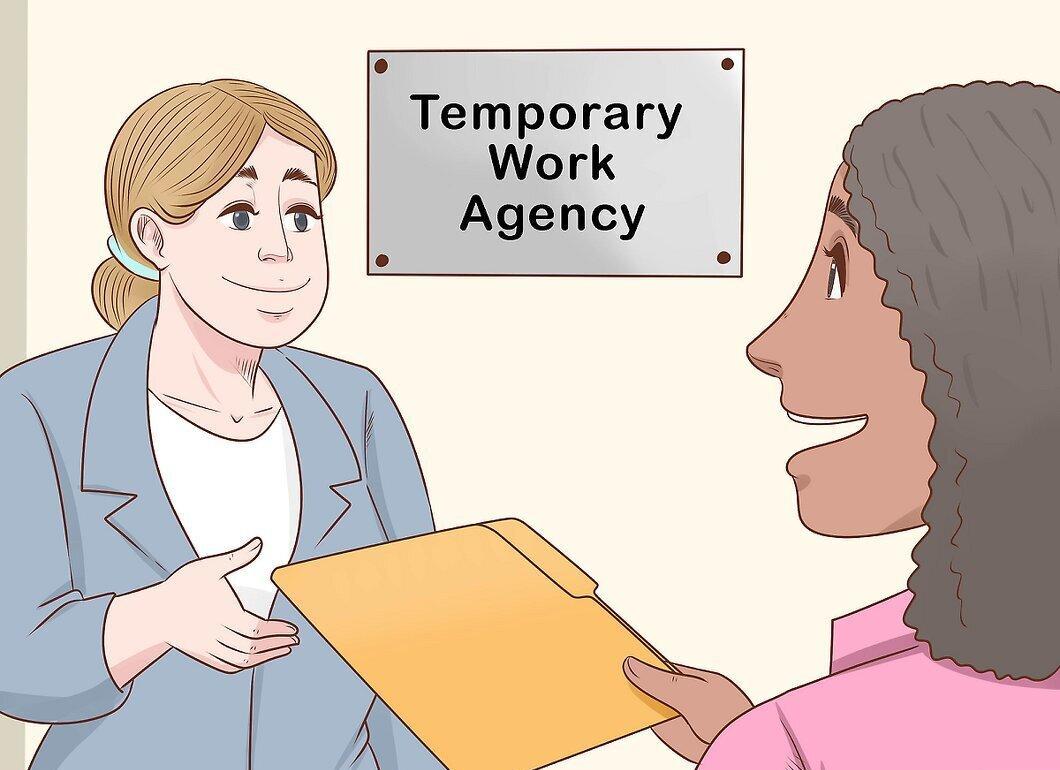
Apply to a temp agency. These agencies find jobs for thousands of people. If you have specific skills or experience in the needed field, your chances of success are higher. Here are some tips for working with an agency.
- Visit the agency. Tell them you want to work and follow their instructions. You’ll need to fill out an application and undergo an interview where they will ask about your work experience and qualifications.
- Bring your resume. This will help agency staff understand what jobs you qualify for.
- Dress in business attire. This matches the office atmosphere and shows that you are a serious candidate.
- Get to know the agent. They will be searching for work for you daily. Try to build rapport with them—it can increase your chances of success.
- Accept any work they offer you. The agency can’t perform miracles and won’t always have a job for everyone who applies. If your agent finds work and offers it to you, accept it.
- Sometimes, companies regularly hire temporary workers, so be responsible with your duties.
Selling and Reselling
Step 1. Consider Selling Your Car.
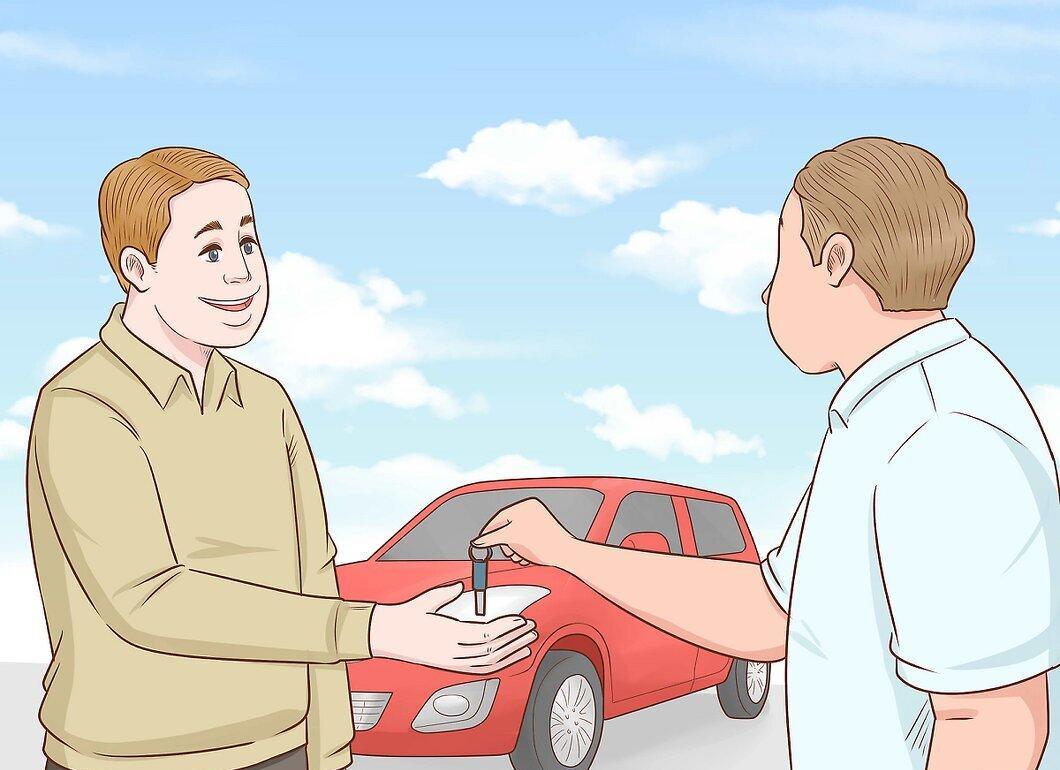
Think about selling your car. This may not suit everyone, but if you can manage without a car in your daily life, selling it can quickly provide you with the needed cash. Here are some tips to help you:
- Gather all car information. Find all documents related to the car, repair receipts, and service records. Know what features your car has (CD player, power seats, etc.).
- Maintenance receipts will show buyers that the car has been well cared for, allowing you to sell it for a higher price.
- Set a price. To determine a fair price, look at ads for similar cars.
- Place an ad in a newspaper or online. Include the model, year, features, condition (and if repairs are needed, be honest about it), price, and payment terms. Add photos and your contact information (provide multiple ways to reach you).
Step 2. Hold a Garage Sale.
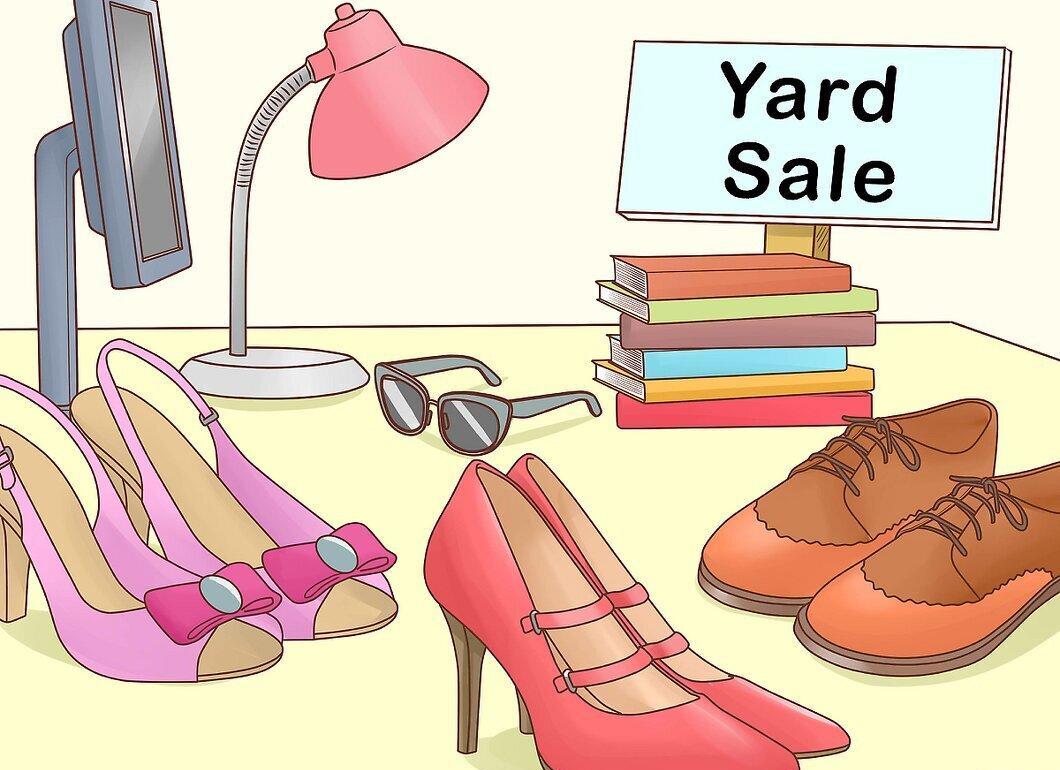
Organize a garage sale. You can place an ad in the newspaper or online. Sort and display all the items you wish to sell.
- This is suitable for those who have never sold items out of necessity and have a lot of things. Many buyers appreciate a wide selection.
- You can slightly inflate prices, but be prepared to negotiate. Generally, used items sell for half or a third of their original price if they are in good condition.
- Aim for round numbers to make it easier to give change.
- To earn more, sell larger items like furniture or unused sports equipment. These can yield a substantial amount of money.
- If you live in a house, hold a yard sale. You could even team up with neighbors to attract more people.
Step 3. Sell Items Online.
Sell items online. Typically, there are websites in any region where you can post ads for used items.
- Try posting an ad on avito.ru in the appropriate section. If possible, include photos. People often scroll past ads without pictures.
- If you don’t want to negotiate, state in your ad that you’re firm on the price. If you are willing to lower the price, mention that in the ad.
- In some regions, you can also sell on eBay, but there are fees involved.
- If you decide to sell something there at a fixed price, you will incur a commission for each sale, but you can set your own final price.
- If you choose to sell an item at auction, you will need to set the auction duration. Most items sell on Sunday evenings.
Step 4. Pawn Your Items.
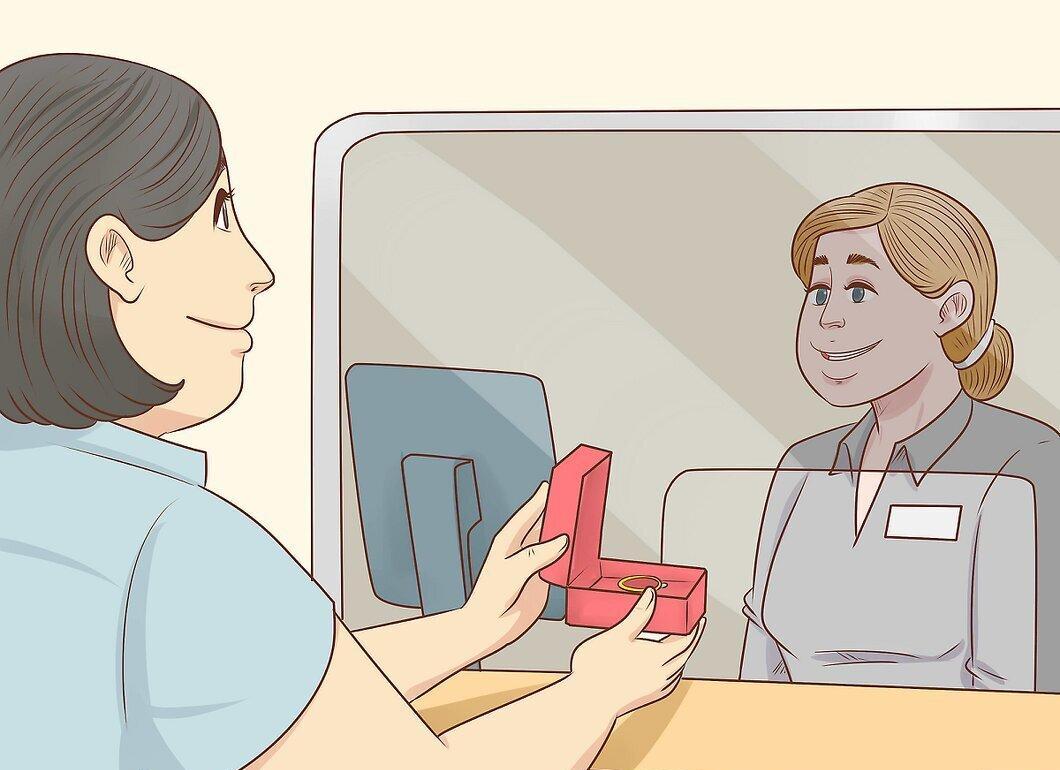
Pawn your items. Pawn shop employees are often willing to pay cash for almost anything of value that can be sold. They will offer very low prices, and there’s no room for negotiation.
- Bring your items to the pawn shop. Typically, pawn shops close early for safety, so try to arrive before 4 PM.
- Decide whether you want to accept their offer. Be prepared for them to offer you 10 times less than the actual value of your bicycle or any item. Only go to a pawn shop as a last resort when you urgently need money and have no other options and cannot sell your items for more.
Step 5. Sell Your Items to Collectors.

Sell your items to collectors. They buy anything with cultural value, from commemorative plates to video games and old toys. If you research this niche, you can make good money by buying items in one place and selling them to collectors at a higher price.
- Specialize in one type of item. You can sell retro toys or antique dishes. Start by figuring out what you have and build from there.
- Know your item. Understand what condition an item should be in and how much it’s worth. Be aware of which items are common and which are rare. Rare items are worth more.
- Visit inexpensive places. Look for valuable items at flea markets and garage sales.
- Use the internet. Specialized websites can help you find valuable items for sale in your city.
- Sell items online. Typically, you can fetch a higher price than through regular sales, allowing you to expand your customer base.
- Connect with dealers and members of collector clubs. These individuals can significantly help promote your collectible items and link you to marketplaces for selling them.
Unconventional Ways
Step 1. Perform on the Street.

Perform on the street. If you have a talent and instruments, start performing on the streets of your city. If you find a good spot, a street musician can earn decent money in just 1-2 hours. Here are some tips for those who want to try this:
- Get permission. In some areas, you need a special permit for this.
- Choose a good location. Avoid places where other street musicians are performing. It’s better to start in busy and safe areas in the city center.
- Take your repertoire seriously. Performing during holidays is ideal. You can play jazz and popular music.
- Be polite to your audience. Be friendly and approachable to everyone around. Smile and nod when you make eye contact with someone.
Step 2. Collect Scrap Metal.
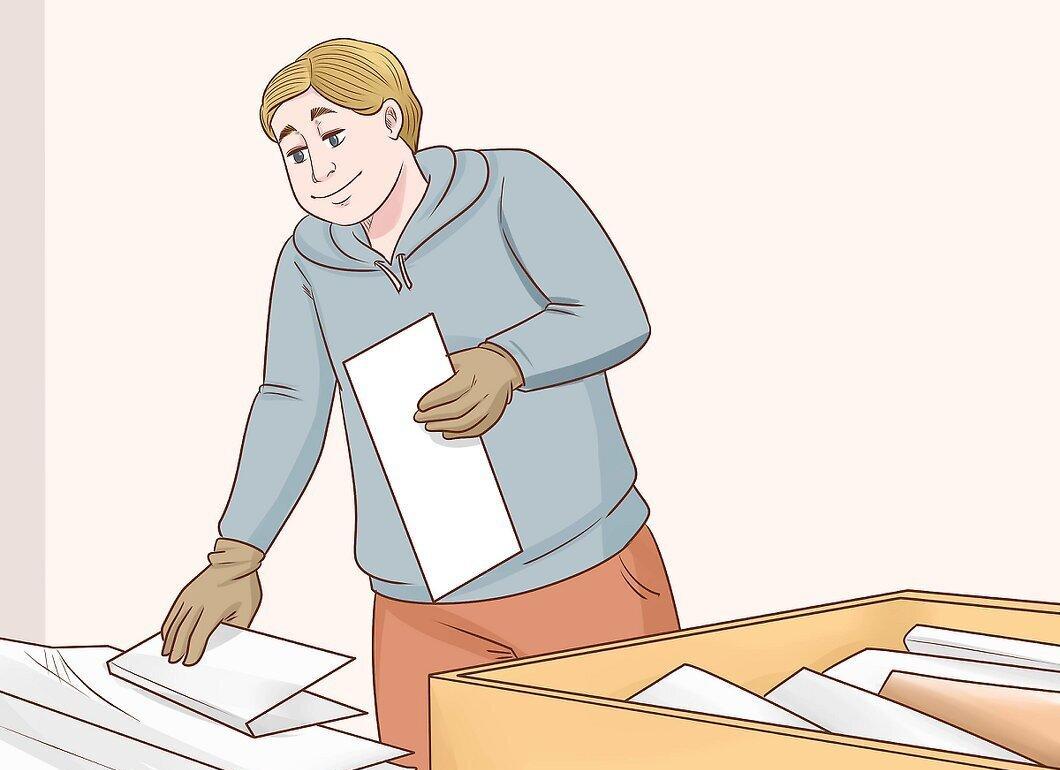
Collect scrap metal. Iron, steel, and especially copper can be sold by weight. To earn a decent amount of money, you'll need to bring a fair amount of metal, so a spacious vehicle or trailer is necessary.
- Explore abandoned places and buildings for pipes and metal fixtures. Trash bins near IT offices might contain wires and other metal elements.
- Be very careful while collecting scrap metal. Wear thick gloves, take a helper with you, and avoid going "hunting" at night.
- Don’t steal or remove metal from anything still in use.
- Check trash bins in your neighborhood early in the morning before the garbage truck arrives. You may often find something useful for scrap.
Step 3. Search for Valuable Minerals.
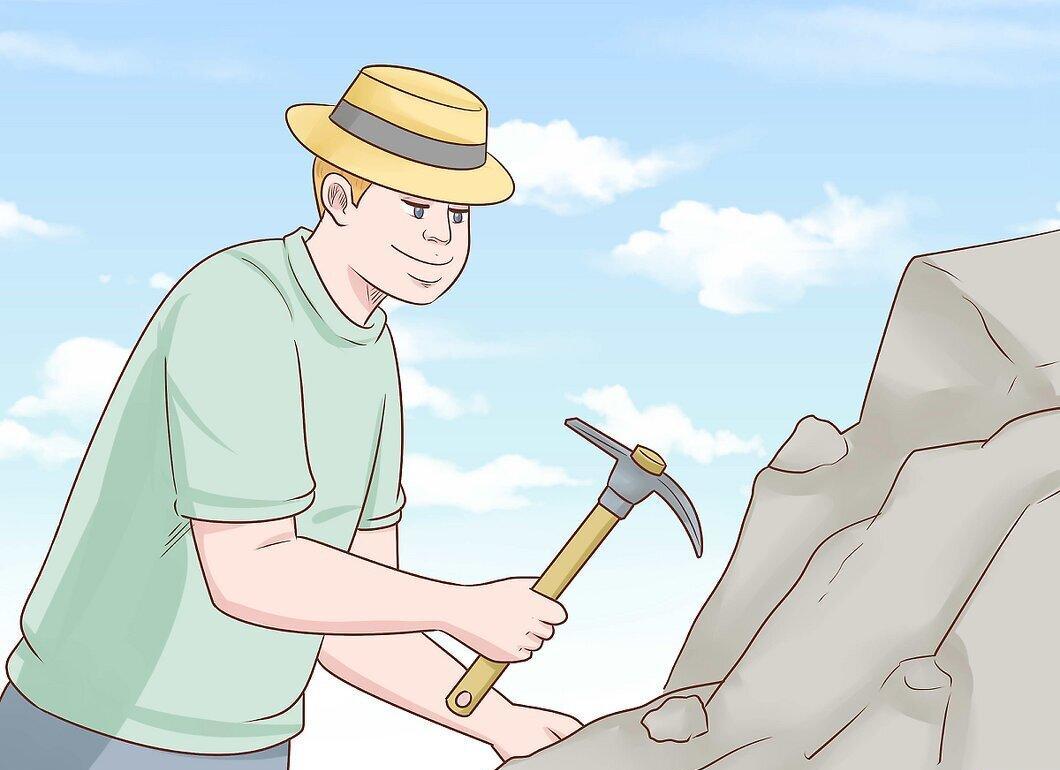
Search for valuable minerals. You can read specialized guides detailing where valuable ores might be found. Fossils, geodes, and semi-precious stones are often found in specific areas. But remember, finding something worthwhile can take a lot of time, which you may not have.
- Learn to identify the value of minerals. If you’re looking for semi-precious stones, remember that color and size can significantly affect their worth.
- Bring a shovel or pickaxe, gloves, a hat, and a bucket. Often, you’ll need to dig to find valuable minerals. Ensure that this is allowed in the area where you plan to do it. Guides usually indicate where special permissions are not required.
- Don’t search on private property or areas where industrial mining is happening.
- Sell your finds to specialized stores. You likely won’t get much money, but selling unprocessed stones online can be even more challenging.
Step 4. Sell Plastic Bottles.
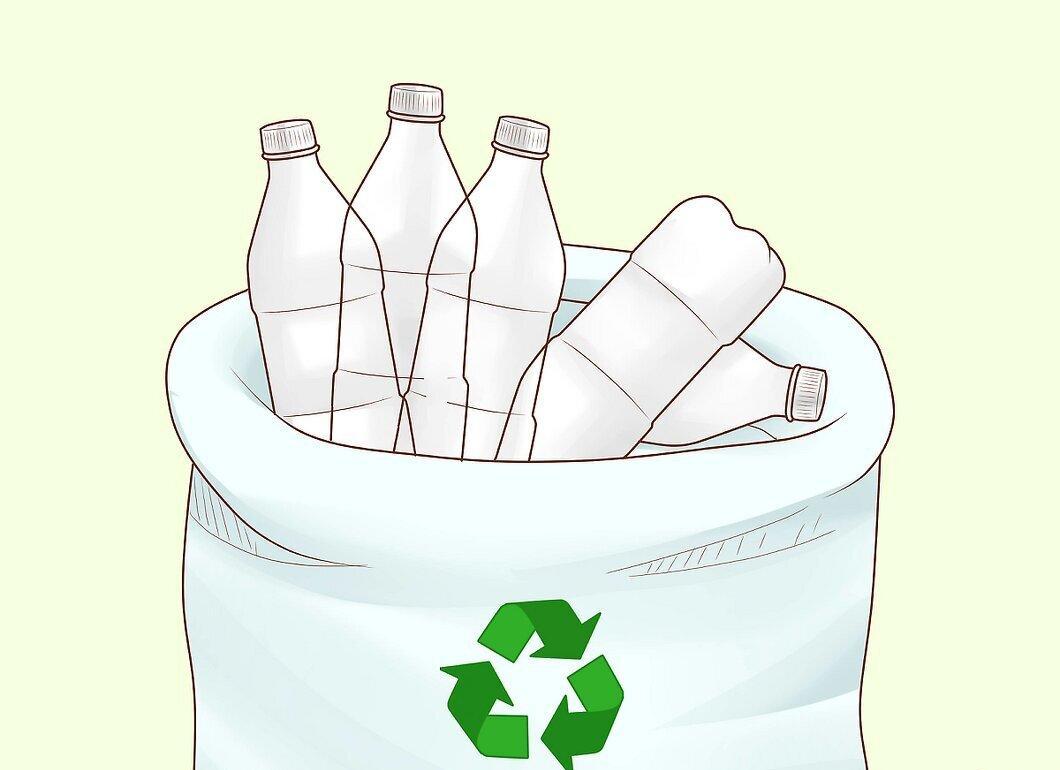
Collect and sell plastic bottles. You can gather plastic bottles and turn them in for cash.
- You’ll need to collect a significant amount of bottles to make any money, so be prepared to work hard.
- You’ll also need to find a buyer yourself. Look online for organizations that collect plastic for recycling.
Step 5. Sell Your Hair.
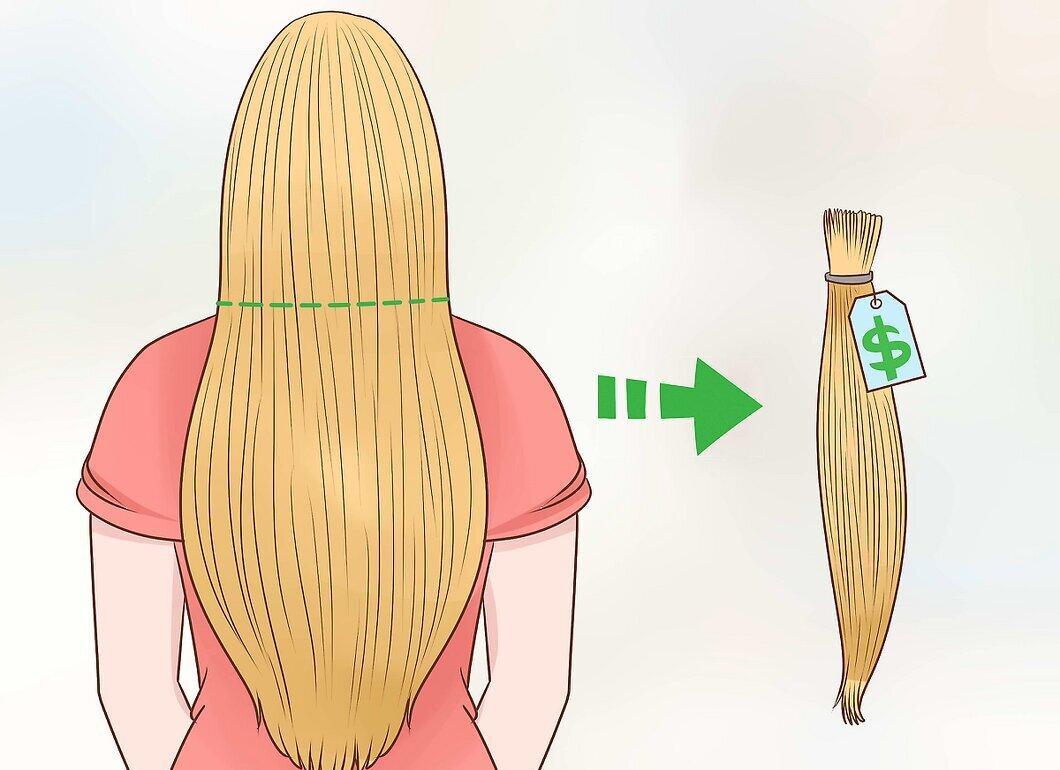
Sell your hair. It may be hard to believe, but hair is in demand. If you have natural (uncolored and uncurled) hair, you can fetch a good price for it.
- The condition of your hair reflects your lifestyle, so if you eat well and don’t smoke, you may be able to sell your hair for more.
- There are online calculators that help estimate the value of hair.