
Understanding effective learning methods can help you make the most of your study time. To set yourself up for success, it’s important to prepare a clear plan that includes all the necessary resources for your studies. Cultivate a positive mindset and choose a quiet place to avoid distractions during your study sessions. Then, move on to more productive strategies, such as self-assessment, rewriting notes, and taking regular breaks.
Set Yourself Up for Success
Step 1. Explore Available Resources.
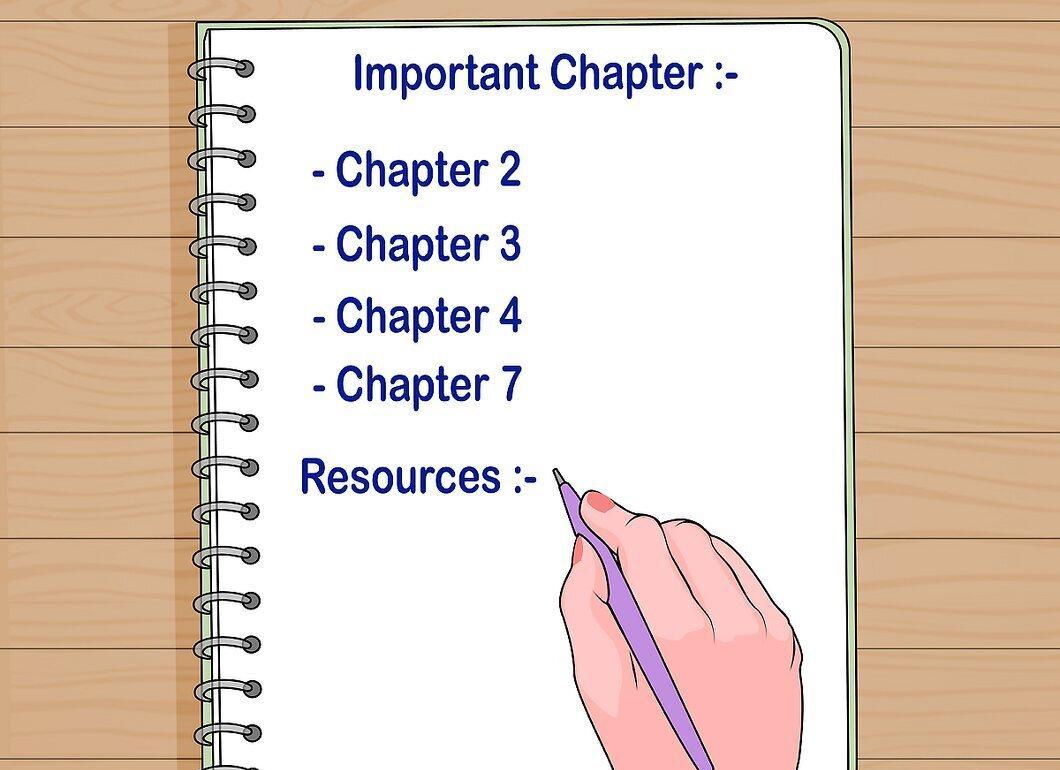
Explore all resources. Sit down and make a list of topics you think will be on the exam or quiz. Then, write down all the resources available to you that can assist in your preparation, such as practice tests or study groups.
Step 2. Develop a Study Schedule.
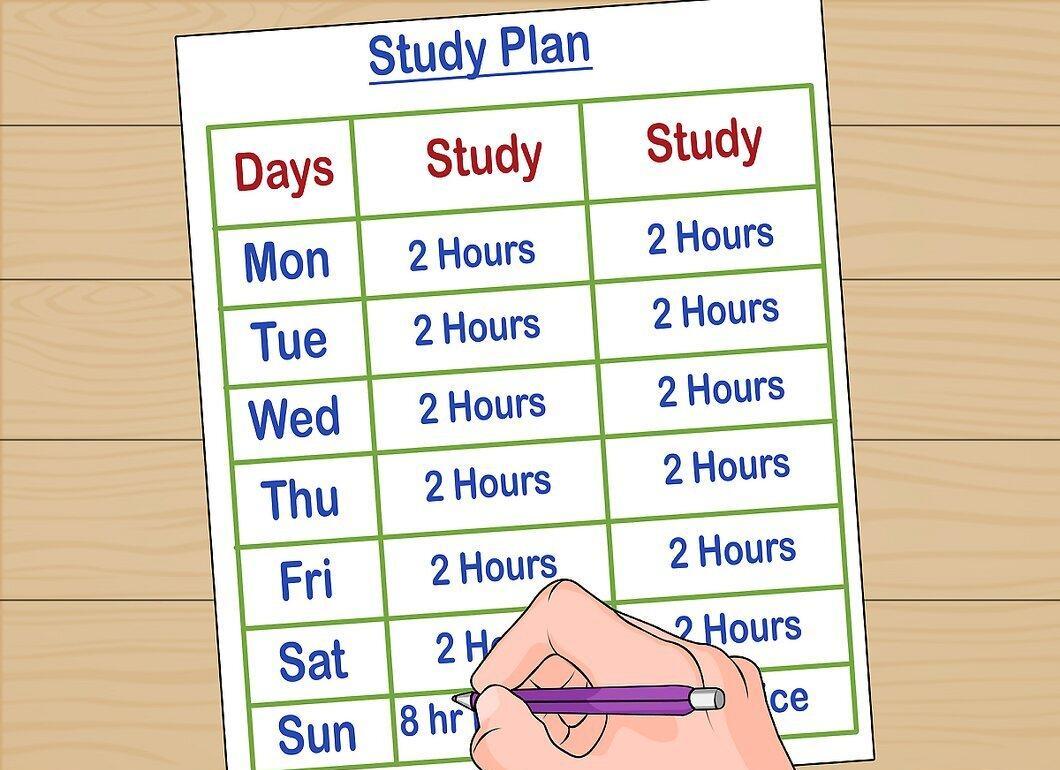
Develop a study schedule. Once you identify which topics need to be studied and how to utilize the available resources, create a timetable for your study sessions. Set aside specific times for studying and stick to your plan.
- Give yourself more time than you think you need.
Step 3. Maintain a Positive Mindset

Maintain a positive mindset. It’s important to keep positive thoughts during your studies. If your emotions interfere, it can decrease your productivity. Strive to think optimistically and avoid comparing yourself to others.
- Before starting your study session, tell yourself something inspiring, such as: "I will ace this exam!"
- If negative thoughts arise, like "I will fail the exam," replace them with positive affirmations such as: "I will master the material and pass the exam successfully!"
Step 4. Find a Quiet Place Free from Distractions.

Find a quiet place with minimal distractions. The environment in which you study significantly affects your productivity. If you are distracted by the TV, internet, or neighbors, it becomes much harder to focus.
- Try to find a spot in the library — choose a secluded corner and study there.
- After lunch, you might visit a quiet café for studying.
- Study when your neighbors are at work or in class, giving you the chance to be alone at home.
Use Effective Methods
Step 1. Study in Intervals.

Study in intervals. Long study sessions without breaks do not promote effective information retention. To enhance productivity, take regular breaks. Try studying for 30 minutes, then resting for 5-10 minutes.
Step 2. Test Your Knowledge.

Test your knowledge. Use flashcards and practice tests for better material retention. Practice exams help reinforce information much more effectively than simple repetition. Create flashcards with text and images for self-testing. You can also arrange a mock test or ask a teacher to conduct one for you.
Step 3. Engage All Your Senses.

Engage all your senses. Many people memorize information better when multiple senses are involved. One way to do this is by reading your notes aloud as you rewrite them. This method activates several senses simultaneously and aids in better retention.
Step 4. Use Mnemonic Techniques.

Use mnemonic techniques for memorization. Try remembering information through songs, acronyms, or mnemonic devices to make the memorization process easier.
Take Notes
Step 1. Rewrite Your Notes.

Rewrite your notes. Rewriting notes helps you review information you are already familiar with. This repetition method promotes better retention of the material from your notes. Try summarizing all the key points from your notes before the exam.
Step 2. Explain Others’ Notes in Your Own Words.

Explain others’ notes in your own words. It’s fine to rewrite someone else's notes, but it’s important to express their ideas in a way that makes sense to you. Articulating the material in your own words will help you better remember the key points.
Step 3. Highlight Key Information.

Highlight key information that needs to be memorized. Creating a personal summary based on study materials is an active approach to learning the topics. Take your lectures and try to create a brief overview of the information you have retained. You can also include data from textbooks in your summary.