
Secrets of Successful Studying: How to Excel in Your Education
Successful students understand how to concentrate on their studies when needed while also taking breaks when necessary. They manage their time wisely, adhere to a schedule, and spend ample time in classrooms. Throughout their studies, they not only gain knowledge but also enjoy the learning process and achieve excellent results.
How to Become a Successful Student
Step 1. Make Your Studies a Priority.

Your education should be a top priority. Successful students realize that to succeed, they must place their studies first. Of course, it's important to find time for socializing with friends and family, as well as for extracurricular activities, but your studies should not suffer. If an important exam is approaching and you're not adequately prepared, consider whether it's worth skipping a party two days before. If you're struggling with a subject, it might be better to hold off on watching the latest episode of your favorite show. This doesn't mean you should completely forgo entertainment, but recognizing the priority of your studies will help you make better choices.
- Additionally, don't forget the importance of being there for loved ones. If a friend or relative is facing serious issues, it's important to be supportive, even if your studies require your attention.
Step 2. Be Punctual.

Punctuality is a vital quality. Try to cultivate the habit of managing your time so that you arrive at classes a bit early. This will give you the opportunity to prepare and focus on the upcoming lesson. Moreover, punctuality will help you earn the respect and favor of your teachers. Whether you’re heading to a test or meeting a friend for study sessions, aim to arrive on time if you want to be a successful student.
- As a wise person once said, “To arrive is to have accomplished half the task.” If you cannot commit to arriving on time, you will find it challenging to grasp the material.
Step 3. Work Honestly.
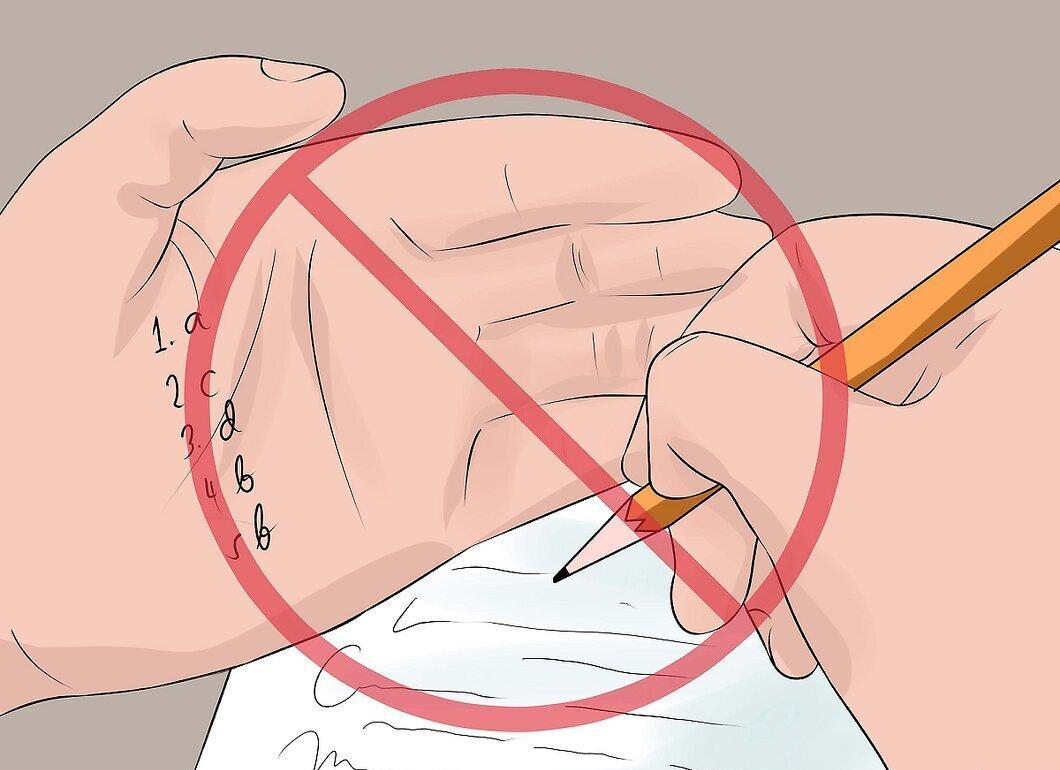
Honesty in your studies is fundamental. You should complete assignments on your own and avoid plagiarism and cheating. This approach will not lead to good outcomes, and short-term “successes” may turn into serious problems later on. It’s better to fail an exam you weren't prepared for than to get caught cheating. Even if you aren’t caught, you risk developing bad habits by taking shortcuts in your studies.
- Don’t let others influence you. In some educational institutions, cheating may be seen as the norm, and you might feel tempted to follow the crowd. However, this approach can significantly harm your learning and development.
Step 4. Focus on the Task.

Concentration is key to success. Successful students know how to stay focused on the task at hand. If you need to study a chapter from your history textbook in an hour, do it without distractions. If you need a break, take 10 minutes, but try to avoid long breaks, especially when time is tight for studying. You can train your ability to concentrate for longer periods by gradually increasing your focus time from 15 to 20, 30 minutes, and so on.
- Keep in mind that most people can’t focus on one task for more than 60-90 minutes. Short breaks of 10-15 minutes can help recharge your energy and return to studying with renewed vigor.
Step 5. Don't Compare Yourself to Others.

Avoid comparing yourself to others. Successful students achieve results on their own terms. They are not concerned with how their classmates or friends are performing; what matters most is reaching their own goals. If you fixate on the successes of others, it may lead to dissatisfaction with yourself or a competitive mindset that distracts from what’s important. Focus on your efforts and do your best to achieve your own goals.
- If you have a friend who constantly wants to compare grades, don’t let that person interfere with your focus, and if discussing your successes makes you uncomfortable, communicate that openly.
Step 6. Progress Gradually Towards Your Goals.
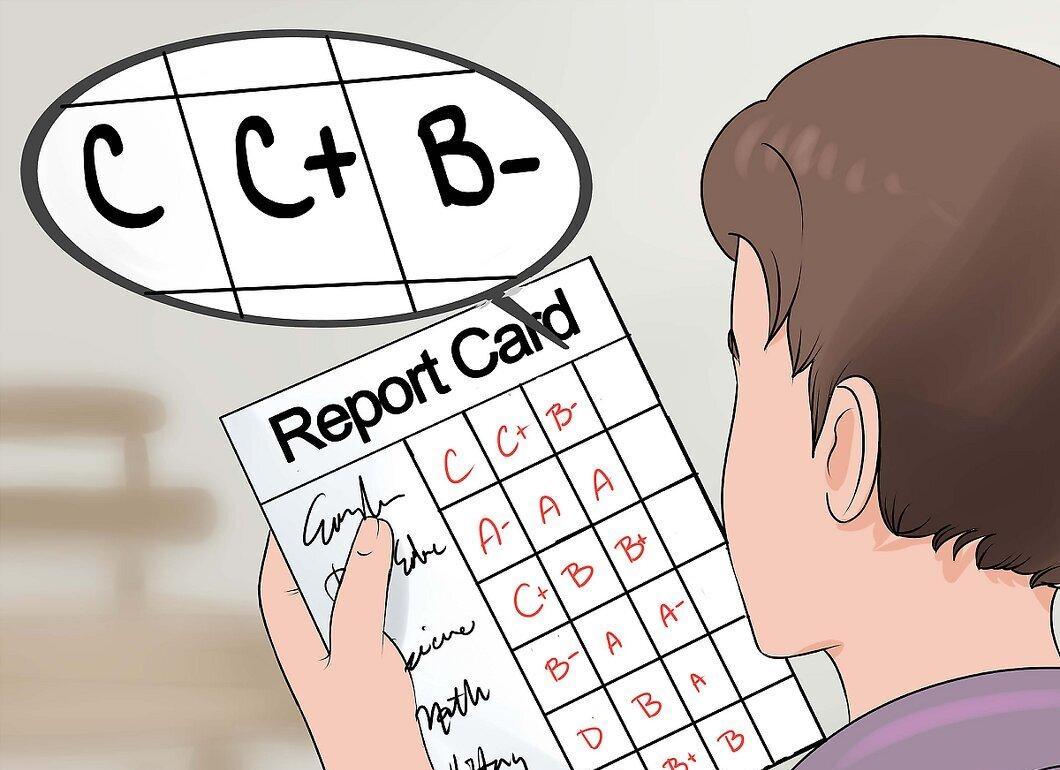
Move towards your goals step by step. If you aim to become a successful student, don’t set overly ambitious goals right away, like aiming for straight A's if you currently have average grades. Start by achieving a “B,” then aim for an “A-,” and so on, to avoid disappointment. Successful students understand that progress takes time, focusing on small details rather than rushing to achieve the final result.
- Appreciate every small step on the path to excellence. Don’t give up if you didn’t achieve the top score you were hoping for.
Step 7. Show Interest in the Material.

Show genuine interest in the subjects. Successful students not only strive for high grades but also genuinely engage with the material. If you find the information fascinating, it will help you not only learn better but also achieve higher scores. Of course, not every topic can be exciting, but try to find something intriguing in every subject. This will make the learning process more enjoyable.
- If something truly captivates you, don't hesitate to dive deeper into it. For instance, if you enjoyed the novel “The Sun Also Rises,” try reading more works by Ernest Hemingway.
Excelling in Classes
Step 1. Focus on the Lessons.

Focusing on lessons is a crucial aspect of success. You don’t have to love every subject, but you need to be interested enough to listen to the teacher rather than getting distracted by texting friends. It’s important to grasp the key points the teacher wants to convey.
- To avoid distractions, try to look at the teacher.
- If something is unclear, don’t hesitate to ask questions. If you don’t understand the material, it will be difficult to concentrate.
Step 2. Take Notes on Important Points.

Taking notes is an important part of successful learning. Notes will help refresh your memory after class and keep you focused on what’s happening in the classroom. Some students use different colored markers for their notes, which aids better retention. Note-taking helps you feel accountable and improves your attention to the material.
Step 3. Ask Questions to the Teacher.

If you want to get the most out of a lesson, don’t hesitate to ask your teacher questions when necessary. Avoid distracting the class, and ask questions only when it’s relevant and something is unclear. This will help you engage more actively in discussions and better absorb the material.
- At the end of each class, review your notes and prepare questions for the next time if anything remains unclear.
- Some teachers prefer questions to be asked at the end of the lesson. Respect this rule.
Step 4. Participate in Discussions.

Active participation in classes is an important element of success. Try not only to ask questions but also to answer them, engage in group activities, and offer help to the teacher. Participation helps build good relationships with instructors, which can positively influence your learning experience.
- You don’t have to raise your hand for every question, but if you have an opinion, feel free to share it.
- Participating in group assignments is also important. Successful students work effectively both independently and as part of a team.
Step 5. Avoid Distractions During Class.
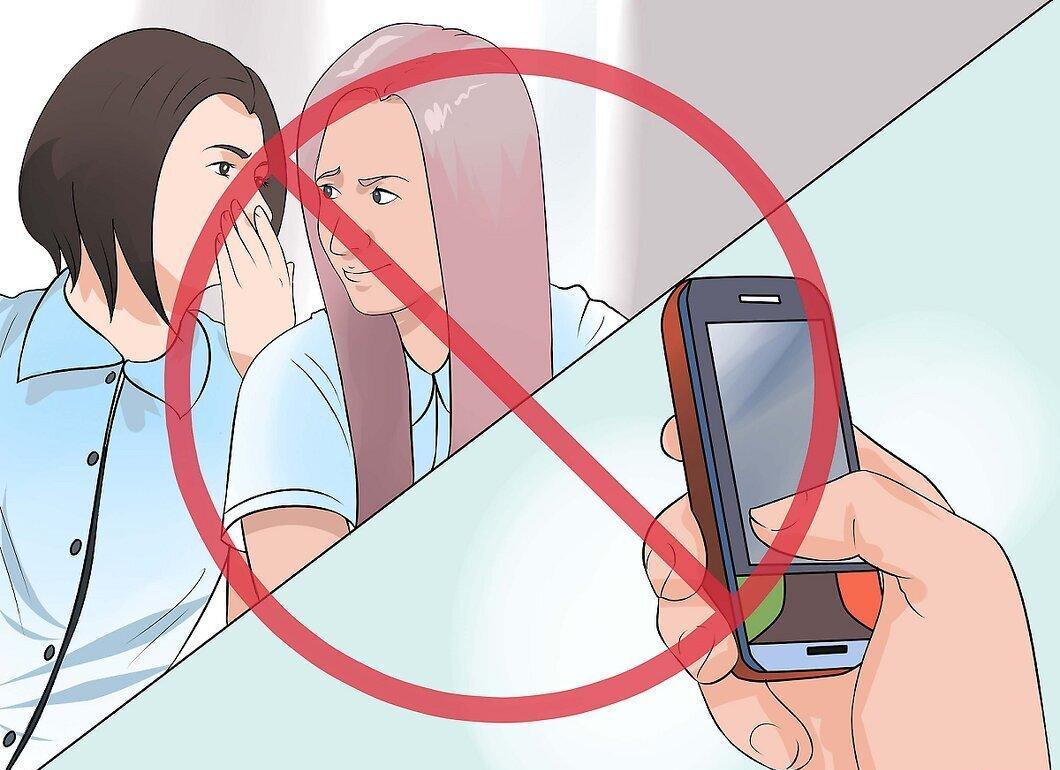
If you want to get the most out of your education, try to minimize distractions. Don’t sit next to chatty friends and put aside food, magazines, and mobile phones. You can chat with friends or relax after classes, but not at the expense of your studies.
- Don’t let your thoughts wander to other subjects during class. Stay focused on the current lesson and save other thoughts for later.
Step 6. Build Relationships with Teachers.

Establish good relationships with teachers. This can help you achieve success in your studies. You don’t have to become their favorite, but it's important to create mutual understanding, which will come in handy when you need help. Be mindful of your behavior and attend classes to maximize your learning experience.
- Don’t worry if someone thinks you’re trying to win over the teachers. You just want to be a good student.
- If teachers are favorable towards you, they will be more willing to help and pay more attention if something goes wrong.
Step 7. Sit Closer to the Teacher.

If possible, sit closer to the teacher. This will help you concentrate and avoid distractions when the teacher is nearby. Additionally, you'll be able to establish a closer connection with them, especially in large classrooms where teachers pay attention to those sitting in the front.
- Don’t worry about being called a teacher’s pet. You’re simply doing everything you can for your education.
How to Study Successfully
Step 1. Develop a Study Session Plan.

Create a clear plan for each study session. This will ensure your focus and help you achieve your goals. Break your time into 15-30 minute segments and make a list of necessary materials—whether it's flashcards, notes, or quizzes. This will help avoid fatigue and ensure productivity.
- Making a list and marking off completed tasks will give you motivation. You’ll be able to see your progress toward your goals.
Step 2. Include Study Sessions in Your Schedule.

Make sure to include study sessions in your weekly schedule. It’s important to allocate time for studying every week, including weekends. Don’t fill your calendar with cultural events, or you won’t have time for studying.
- If you’ve scheduled study time, don’t plan other activities during that time. You might create a monthly schedule to evenly distribute material before exams.
Step 3. Find a Suitable Learning Method.

Identify the learning method that works best for you. Different people absorb information differently, and not all methods will be effective for everyone. Understanding your memory type will help you tailor your study approach to your needs. Below are the main types:
- Visual learners: learn better through images, graphics, and charts. Use colored markers and create diagrams.
- Auditory learners: absorb information better through listening. Record lectures and listen to them, read aloud, or engage in discussions.
- Kinesthetic learners: learn by doing. Try writing down words or studying while moving.
Step 4. Don’t Forget to Take Breaks.

Taking breaks is essential for success. No one can study non-stop for eight hours. Breaks are necessary for your brain to rest and recharge. It’s recommended to take breaks every 60-90 minutes.
- Successful students understand when they need a break and are not afraid to take one. Remember, resting is not laziness; it’s an opportunity to boost productivity.
Step 5. Eliminate Distractions.

Try to avoid distractions while studying. Don’t engage with unproductive friends, turn off your phone, and use the internet only for academic purposes. While it’s hard to completely avoid temptations, try to minimize them before studying to maintain focus.
- You can disconnect from the internet if it’s not needed, and even turn off your phone. If something is bothering you, take time to address it, then return to studying.
Step 6. Create a Comfortable Study Environment.
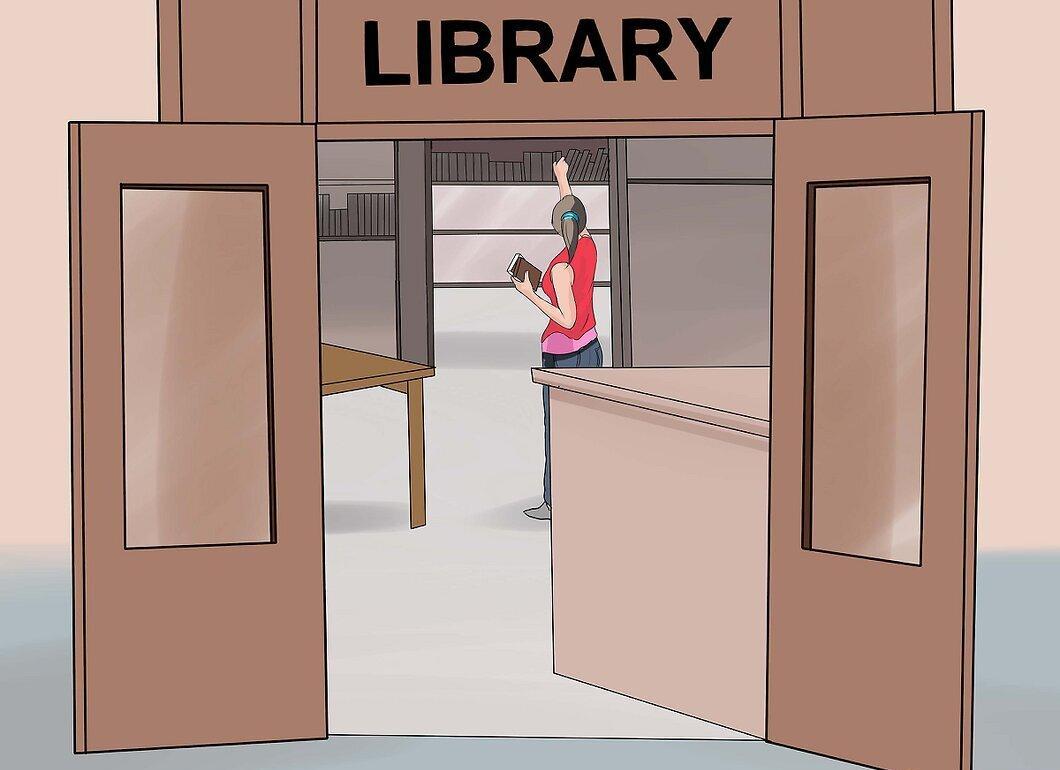
Creating a conducive study environment is an important step toward success. Everyone is unique: some prefer the silence of their room, while others enjoy the buzz of a café. Experiment with different locations to find what suits you best.
- If you’re uncomfortable in a noisy café, try studying in the quiet of your room or outdoors.
Step 7. Utilize Available Resources.
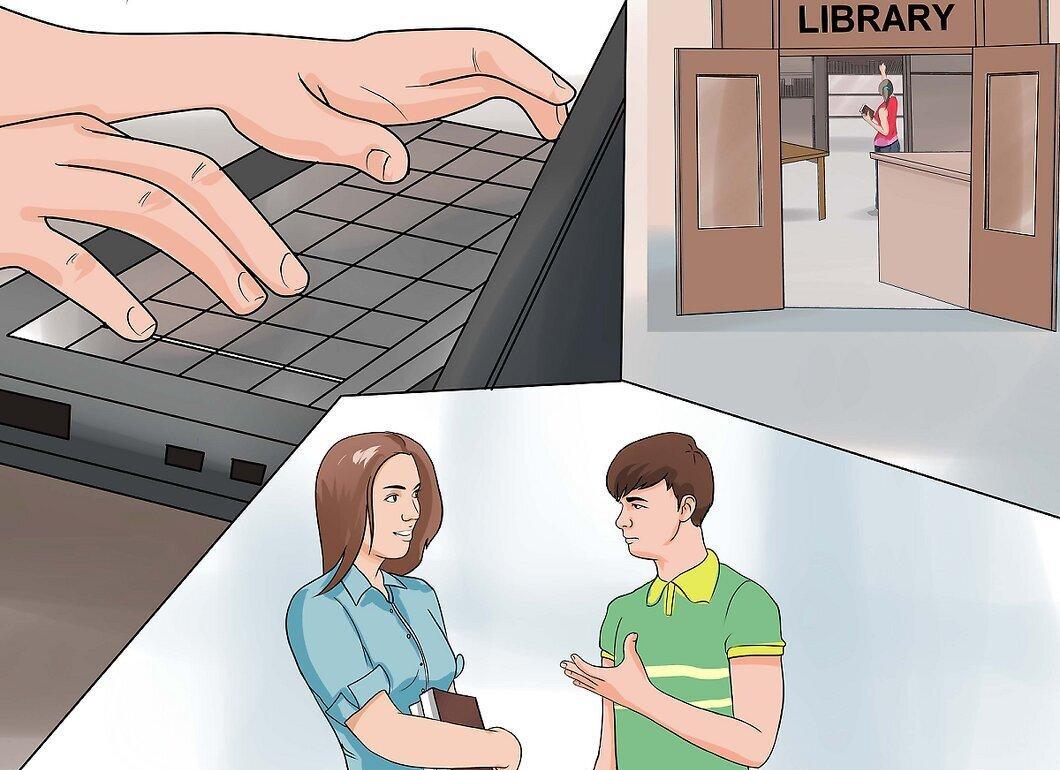
Don’t forget to take advantage of all available resources. Seek help from teachers, librarians, and friends. Use the library and online resources to deepen your knowledge, and solve additional problems from textbooks for better understanding of the material.
- Successful students are creative and seek information when they can’t find it in their study materials.
Step 8. Find a Study Buddy or Group.

Studying with a friend or in a group can significantly boost your motivation. Working with others not only makes you feel less alone in your studies, but you can also learn something new by explaining the material to others. Even if group study isn’t your thing, it’s worth trying.
- If you’re not very social, start by studying with a friend and then invite others.
- Ensure that your group is organized and focused to avoid distractions.
Step 9. Don’t Forget About Leisure Activities.

Don’t overlook the importance of leisure activities. While it may seem inappropriate in the context of successful studying, it’s actually very important. Breaks for sports, socializing with friends, or watching movies can help you recharge and contribute to your success in studies.
- Leisure activities won’t hinder your studies; on the contrary, they will help you learn better. Spending time with friends can help you relax after setbacks and recharge for new achievements.