Anyone can create a book if they have an inspiring idea, whether for pleasure or publication. Often, the hardest part is taking the first step, so it's essential to organize your workspace, set a schedule, and find motivation for daily writing.
How to Stay Focused and Productive
Step 1. Define Your Reasons for Writing a Book.
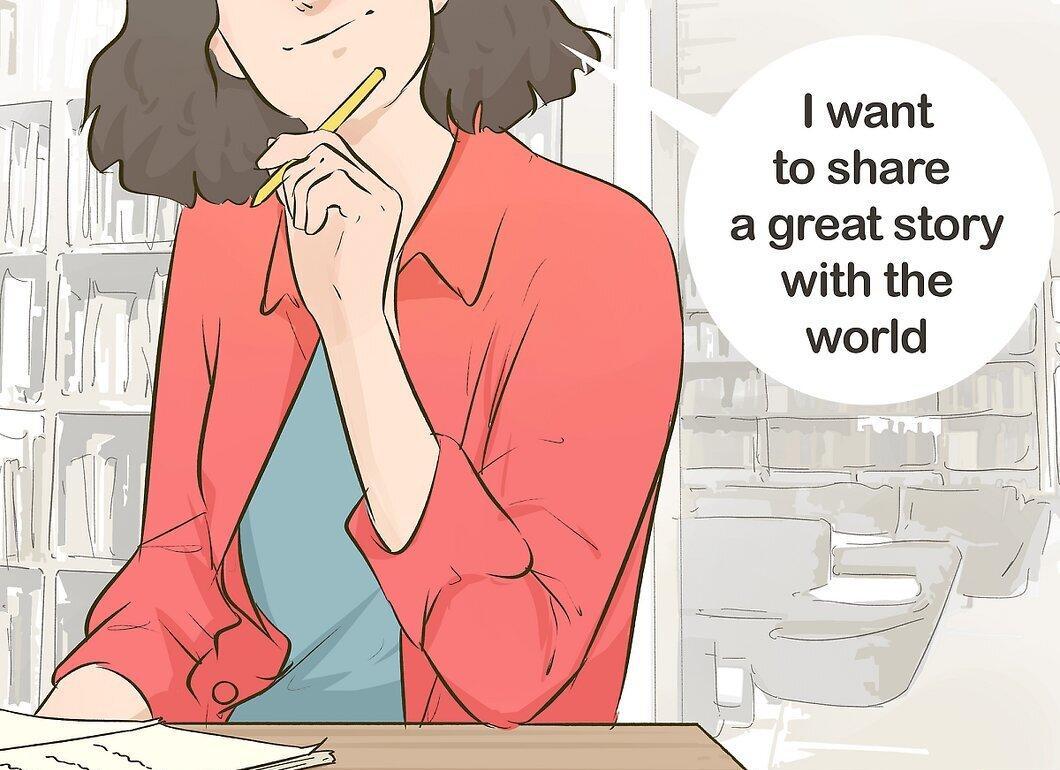
Prioritize and determine why you want to write a book. Before you start, it’s crucial to understand what drives you to take this step. Are you seeking fame and fortune? Is it important for your career growth? Or do you simply want to share an engaging story?
- Writing a book can be both a job and a passion, so it's vital to understand your motivation.
- Use your goals as a source of inspiration. Don’t expect your first novel to make you the next J.K. Rowling.
Step 2. Create a Comfortable Workspace

Ensure you have a comfortable place to work. Every author has their own idea of comfort. Some prefer the silence of a home office, while others enjoy writing in the bustling atmosphere of a café. It’s important that your workspace minimizes distractions and provides access to necessary materials.
- While you can change locations, it’s best to choose one place where you’ll work solely on your book.
- All necessary tools and reference materials should be within reach to avoid distractions.
- Don’t forget about comfort—an ergonomic chair will help you avoid back pain!
Step 3. Incorporate Writing into Your Daily Routine
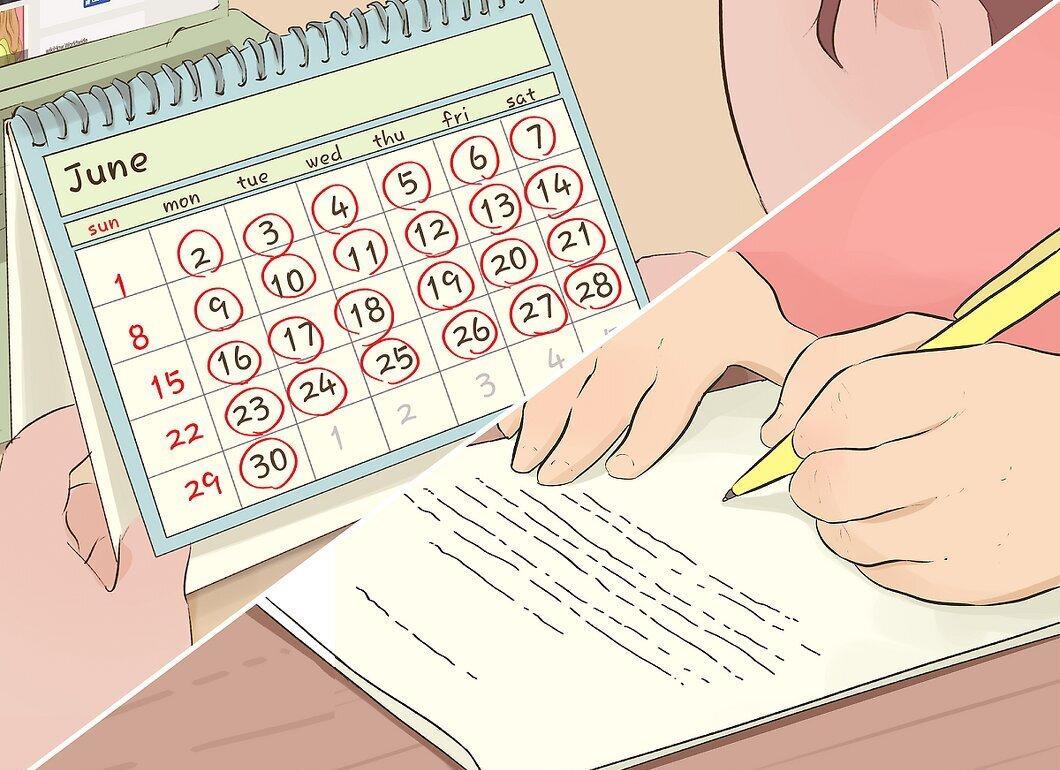
Include the writing process in your daily schedule. It’s easy to claim you’ll write only when inspired, but that may lead you to never finish your book. It’s better to set aside dedicated time exclusively for writing.
- Aim to write for at least 30 minutes to 2 hours a minimum of 5 times a week, ideally every day.
- Find times when you’re most productive, such as from 10:30 to 11:45.
- Sometimes you’ll need to sacrifice other tasks to make time for writing, but it’s worth it.
Step 4. Set Short-Term and Long-Term Goals
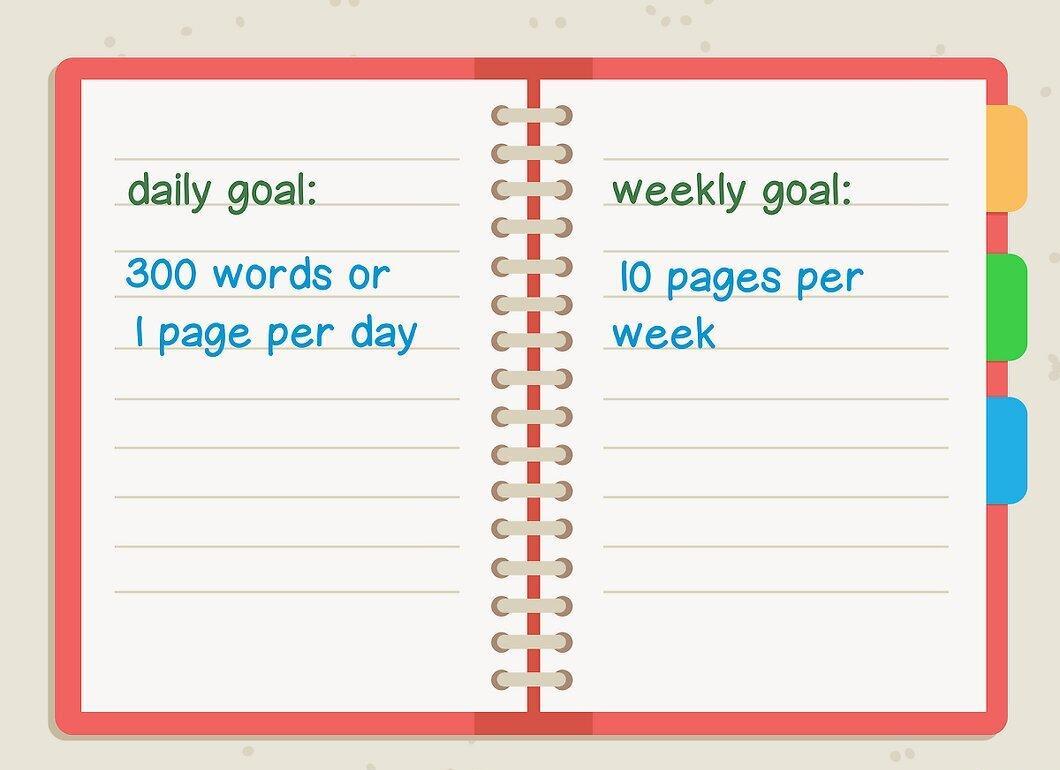
Set daily and weekly goals for yourself. Instead of hoping to write ten pages at random moments of inspiration, aim to write at least one page every day. Consider your pace and set realistic deadlines that you won’t change later.
- For example, if you have a year to finish a 100,000-word draft, that’s about 300 words (one page) a day.
- If you’re working on a 350-page dissertation, you’ll also need to write about one page a day.
Step 5. Write Without Editing

Focus on writing without getting distracted by editing. Right now, it’s important just to write, and save the editing for later. Follow the principle of “write fast, edit slow.”
- Editing takes almost as much time as writing the draft, so don’t worry about corrections right now. Just write the text that you can edit later.
- If you find it hard to resist editing, set aside the last 15 minutes of your writing time to review what you’ve written for the day.
Step 6. Gather Feedback Early On

Don’t wait until your draft is finished to show your book to readers. Let trusted individuals read individual chapters and ask for their overall opinions on the accessibility and quality of the text, without focusing on minor details.
- You may need to collaborate with an editor or colleagues to share excerpts. You can also choose a close person as your first reader.
- Before publication, the text will undergo many edits—don’t be discouraged, this is part of creating the best version of your book!
How to Create an Engaging Plot
Step 1. Start with an Exciting Idea.
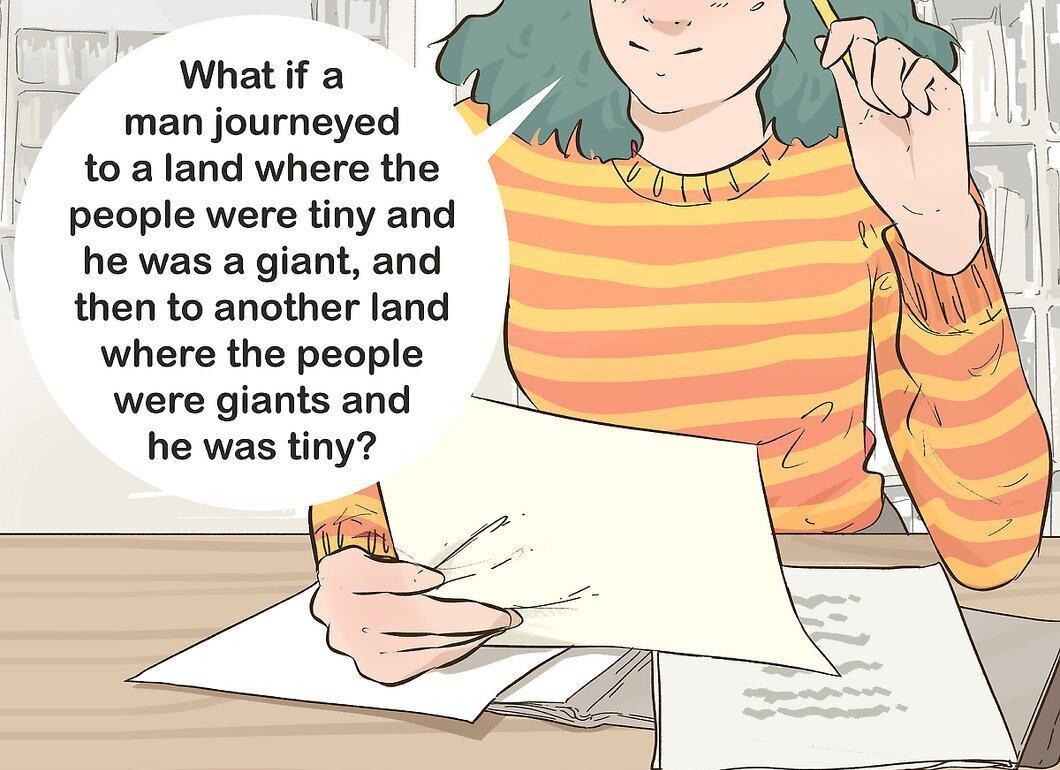
Begin with a big, interesting idea. This is a key element in writing a good book. You need a core thought that will keep you focused throughout the writing and editing process, as well as attract readers.
- Focus on the main idea first; you can refine the details later.
- Write down themes, plots, or ideas that inspire you, and choose the most intriguing ones.
- For example, “What if the hero finds themselves in a world where everyone is a dwarf, and they become a giant, only to then get transported to another world where everything switches again?”
Step 2. Research the Main Idea for Better Understanding
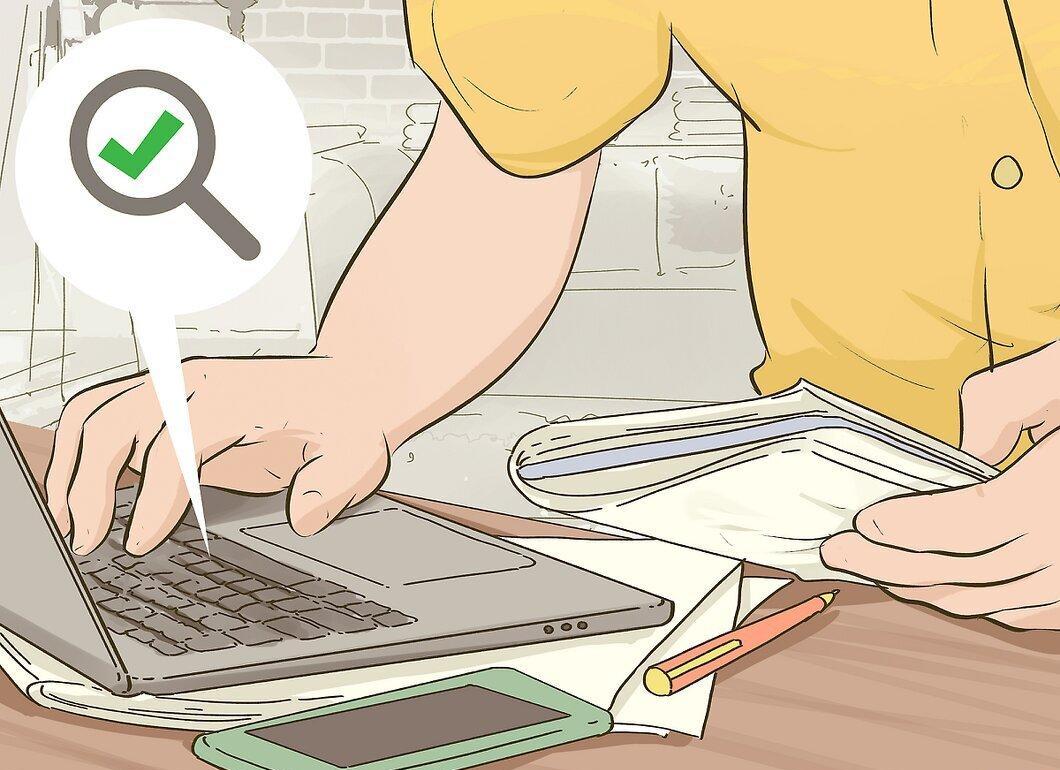
Explore the main idea to deepen your knowledge. If you’re writing a non-fiction book, be sure to immerse yourself in the topic to create quality content. Even fiction is often based on real events.
- For example, science fiction adventures in space will be more convincing if some technologies are based on real scientific achievements.
- For writing a crime drama, it’s crucial to study the principles of crime investigation.
Step 3. Break Down the Large Idea into Smaller Parts
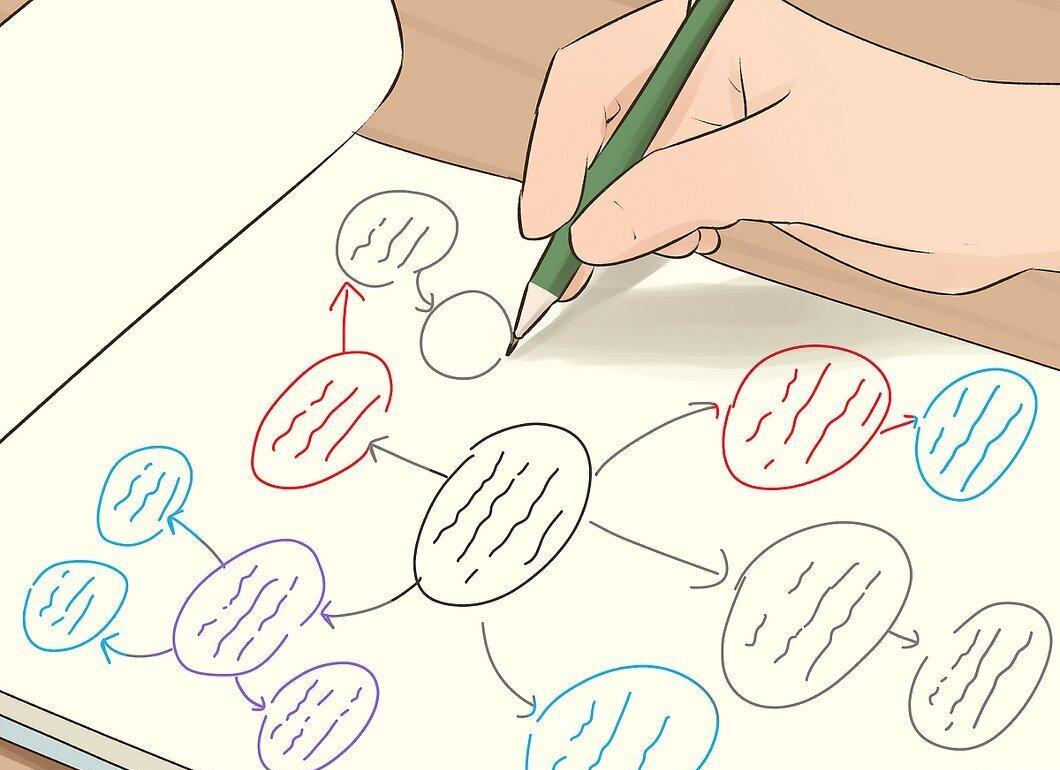
Scale down the large idea into smaller, manageable parts. If you think about writing a book on World War II every day, you might feel overwhelmed. It’s better to break your big idea into smaller elements that can be tackled.
- Instead of thinking, “I have to write about World War II,” tell yourself, “Today I’ll focus on the Siege of Leningrad.”
- These “manageable parts” could be chapters of your book but don’t have to be limited to that.
Step 4. Create a Memorable Character
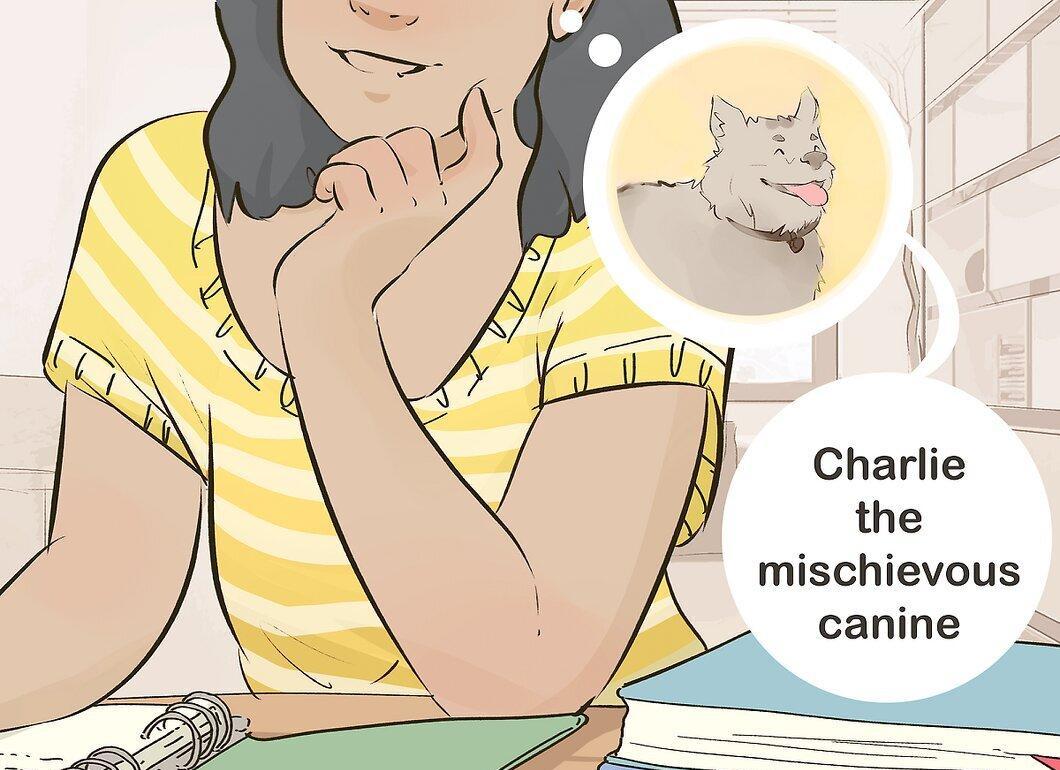
Create at least one vivid character. This is another piece of advice that’s easier said than done. Aim to develop multi-dimensional and believable characters rather than flat “heroes” and “villains.” Readers should empathize with your characters and see reflections of themselves in them.
- Recall your favorite literary heroes and jot down their qualities, then try to create a unique character based on them.
- If you're writing a non-fiction book, study the personal traits and depth of real people to bring them to life in the eyes of readers.
Step 5. Highlight Conflicts and Tension
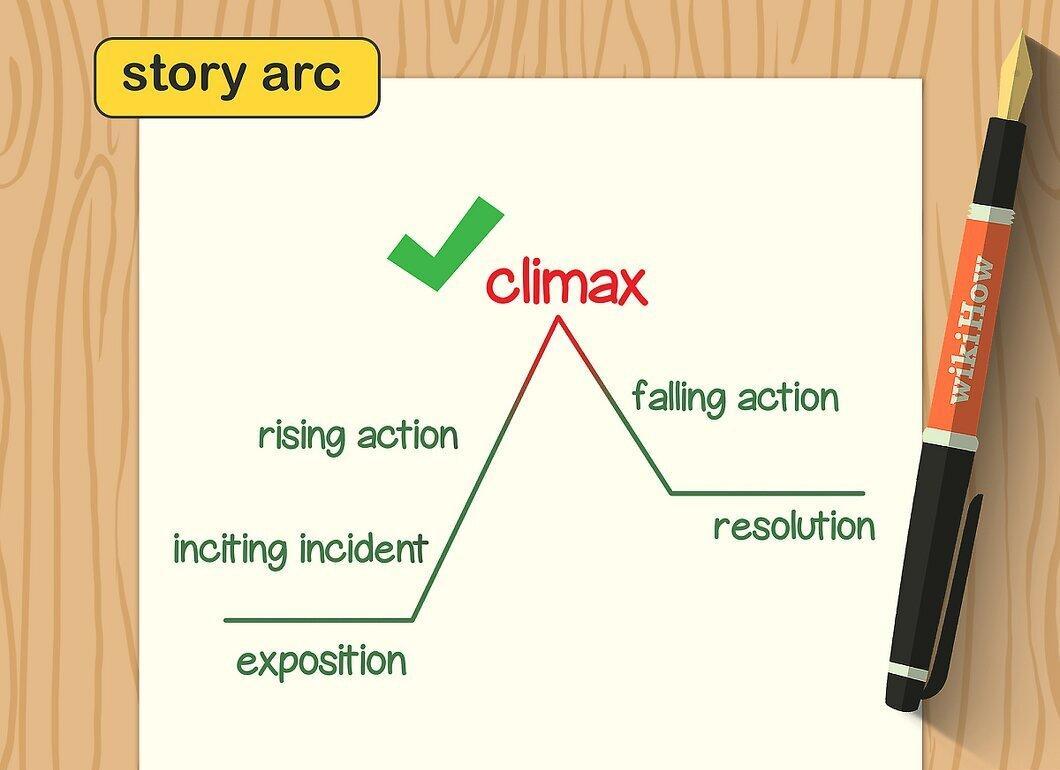
Reflect conflicts and tension in your work. Don’t be afraid to showcase the challenges your characters face, their triumphs, and failures. Conflicts can be both external (e.g., an antagonist) and internal (personal struggles).
- The key is to ensure that readers don’t want to put the book down!
- Don’t forget about conflicts in non-fiction works—they help tie the text to reality.
Step 6. Every Detail Should Support the Plot
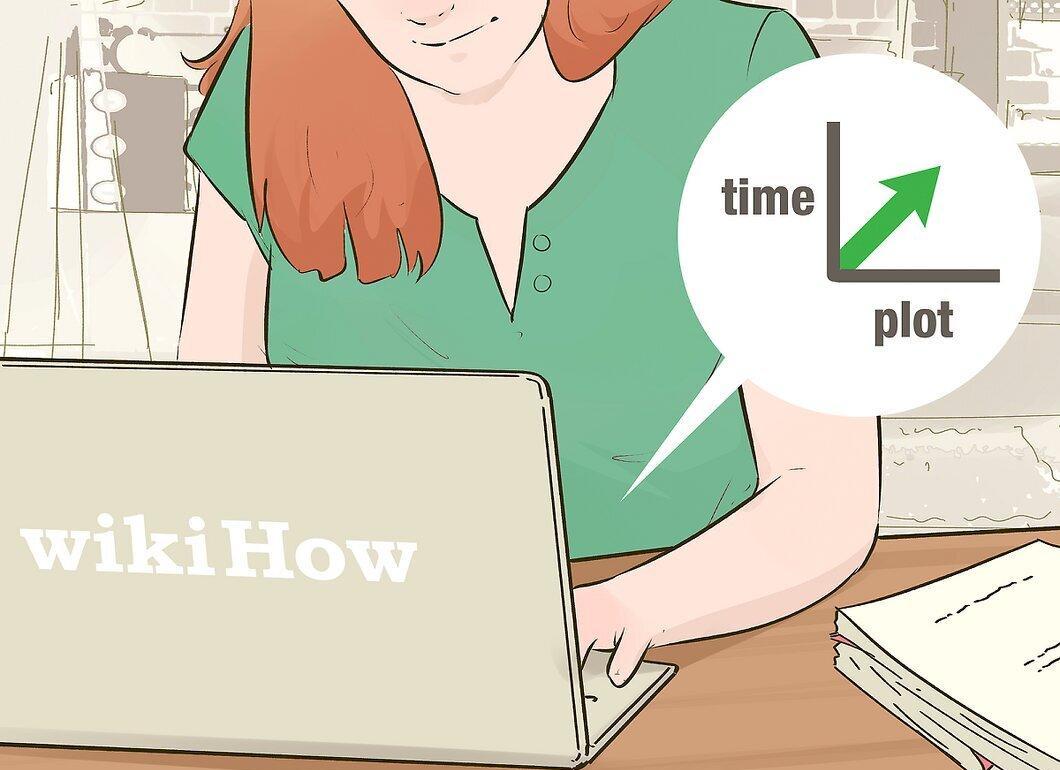
Make sure every detail contributes to the development of the plot. This is important both during writing and the editing process. Ensure that each chapter, page, and even every word serves the overall idea.
- Your goal is to keep the reader engaged until the very last page. Make them eager to read every line!
- This doesn’t mean you can’t use long sentences or descriptions, as long as they support the main idea.
How to Publish Your Book
Step 1. Revise Your Book, But Don’t Make Excuses for Delaying It

Continuously polish your book, but don’t allow yourself to postpone submitting the finished project. It’s crucial to set a goal to publish your book and not use “it’s not ready yet” as an excuse. Every good book needs editing, but at some point, you must boldly send it out into the world.
- Publishing can invoke fear of losing control over the text, but remember, your book deserves to be read!
- Set a deadline for yourself: “I plan to send the book to a publisher by January 15!”
Step 2. Hire a Literary Agent for Traditional Publishing

If you want traditional publishing, find a literary agent. While you can approach publishers directly, working with an agent increases your chances of success. They have the experience and connections to help you find the right publisher.
- Research potential agents to select the most suitable one. If you know authors who are already published, you can ask them for recommendations.
- Typically, you’ll need to provide a sample or the full manuscript, after which the agent will decide if they’re willing to work with you. Be sure to follow submission guidelines.
Step 3. Explore Self-Publishing Options
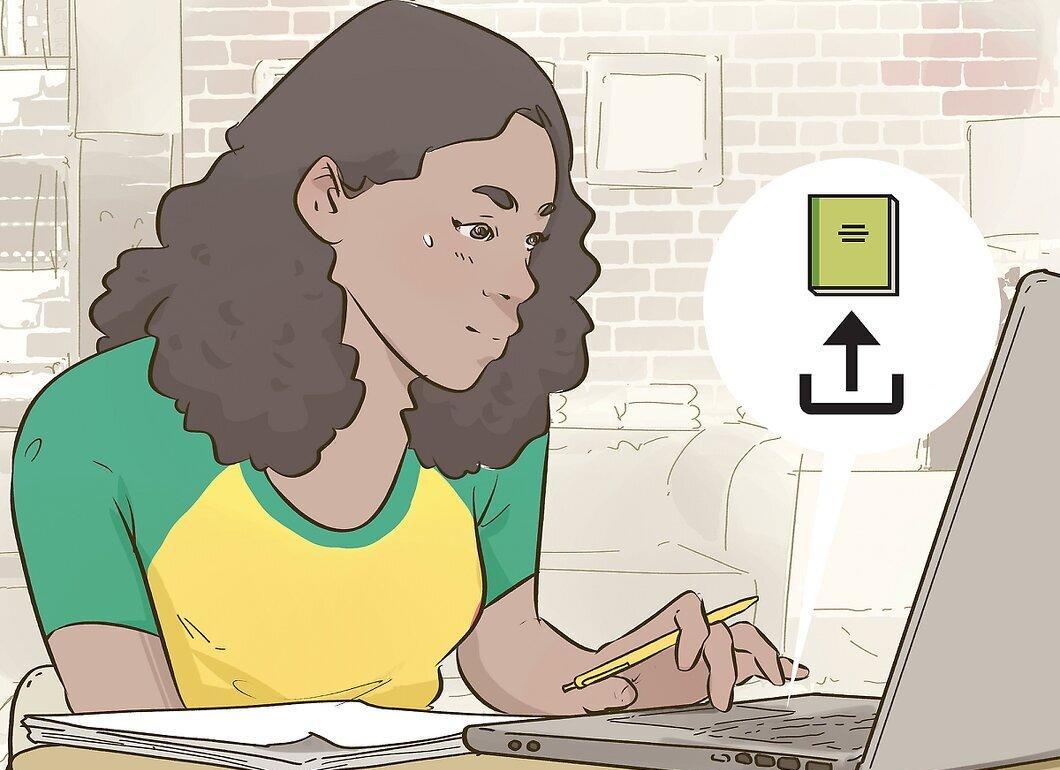
If traditional publishing isn’t for you, consider self-publishing options. If your book targets a niche audience, finding a publisher may be challenging. Fortunately, there are many ways to self-publish today.
- You can self-publish, saving money but requiring a lot of time since you’ll have to handle everything—from copyright to cover design.
- You can also work with companies that publish books at the author’s expense, but often these costs exceed sales revenue.
- Self-publishing an e-book can be a good option—costs are minimal, and the book will be available to a broad audience. Explore various options to choose the right path for your book.