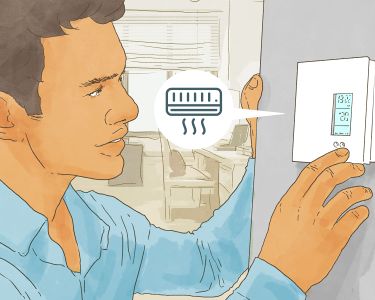
Student life can be challenging, especially when it comes to finances. Tuition fees, rent, and daily expenses require careful budget planning. By changing a few habits, you can save a significant amount of money.
Cut Unnecessary Expenses
Step 1: Reduce Café Visits.
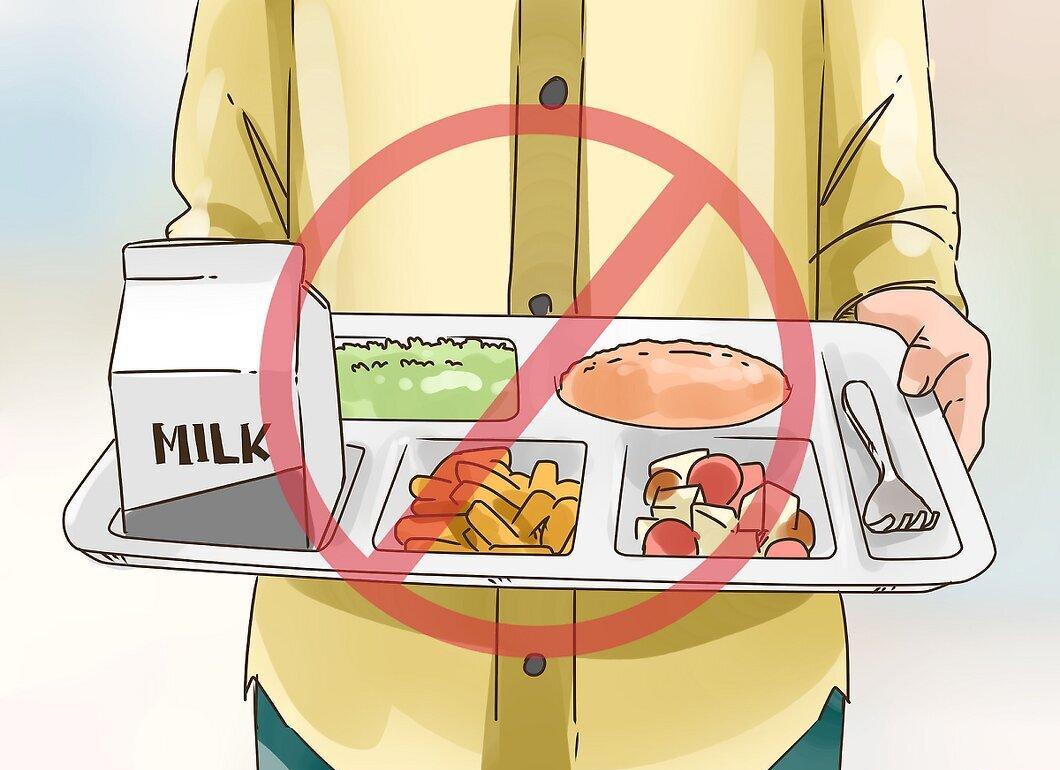
Try to visit restaurants less frequently. Eating out is much more expensive than cooking at home, even at cheaper places.
- Limit café visits to special occasions like birthdays or anniversaries.
- If you're on a tight budget, fast food can be a temporary solution — it's not the healthiest option, but it's filling and affordable.[2] Source
Step 2: Use Electricity Wisely.
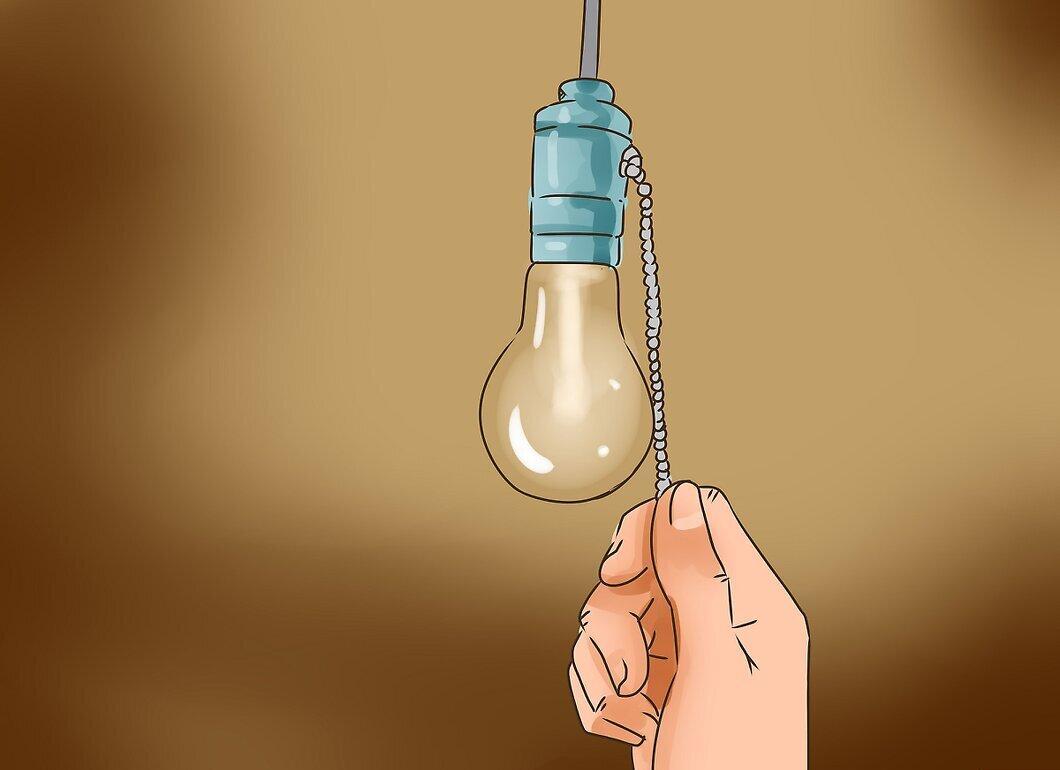
Turn off lights and unplug devices when they're not in use. This will help reduce your electricity bills.
- Before leaving home, check all rooms and turn off the lights. Unplug low-power devices like chargers and coffee makers.
Step 3: Utilize Free Software.

Look for free software options. Many applications that students need have free online versions. Before making a purchase, check if there's a free alternative available.
- Open Office is a great free alternative to Microsoft Office, and Office Online is also available.
- ClamWin is a reliable free antivirus.[5] Source
- Torrents allow you to download movies, shows, and applications for free.[6] Source
- For audio recording, try Audacity, and for PDF management, use PDFCreator, a free version of Adobe Acrobat.[7] Source
- Instead of paid accounting software, consider TurboCASH 5 or GnuCash.[8] Source
Step 4: Use Messaging Apps for Communication.

Cut communication costs by using video chats and messaging apps. This will significantly lower your phone bills.
- Apps like Skype, CamFrog, and Facetime offer video calls and text messaging.
- Consider web clients like Skype Web and Google Hangouts for video chat communication.
- Video calls add a personal touch, allowing you to see emotions and gestures.
Step 5: Avoid ATMs with Fees.
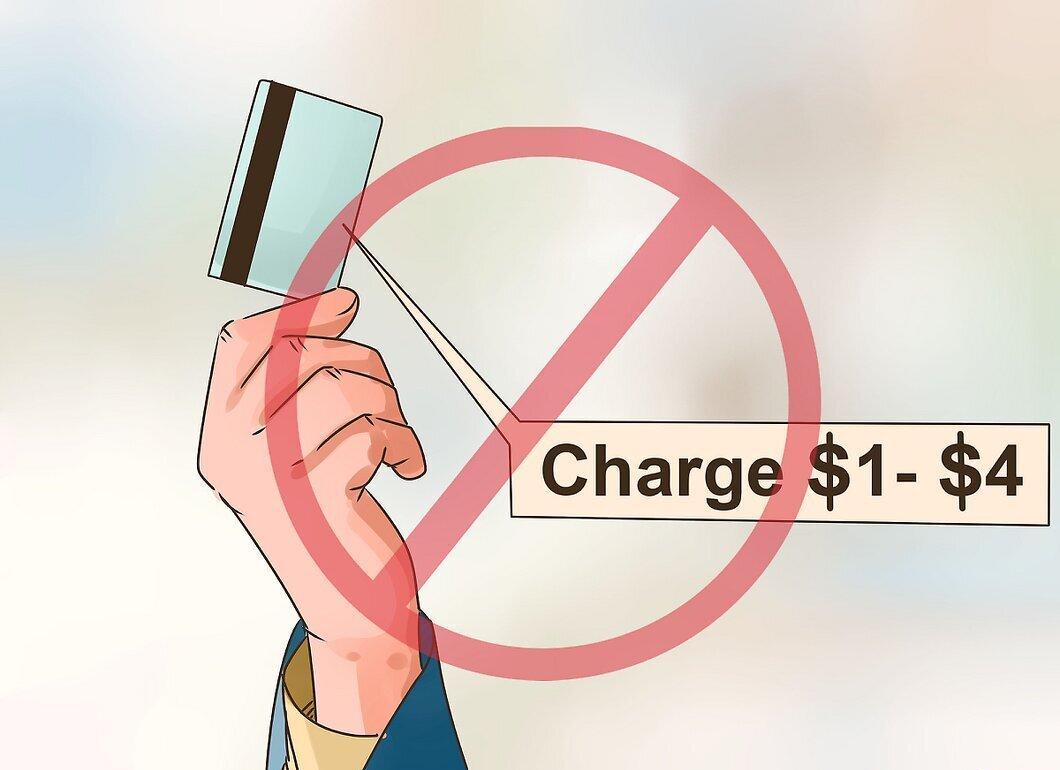
Don't withdraw cash from ATMs that charge fees. Often, ATMs from other banks impose additional charges for withdrawals. Plan ahead to avoid unnecessary costs.
Step 6: Skip the Gym Membership.
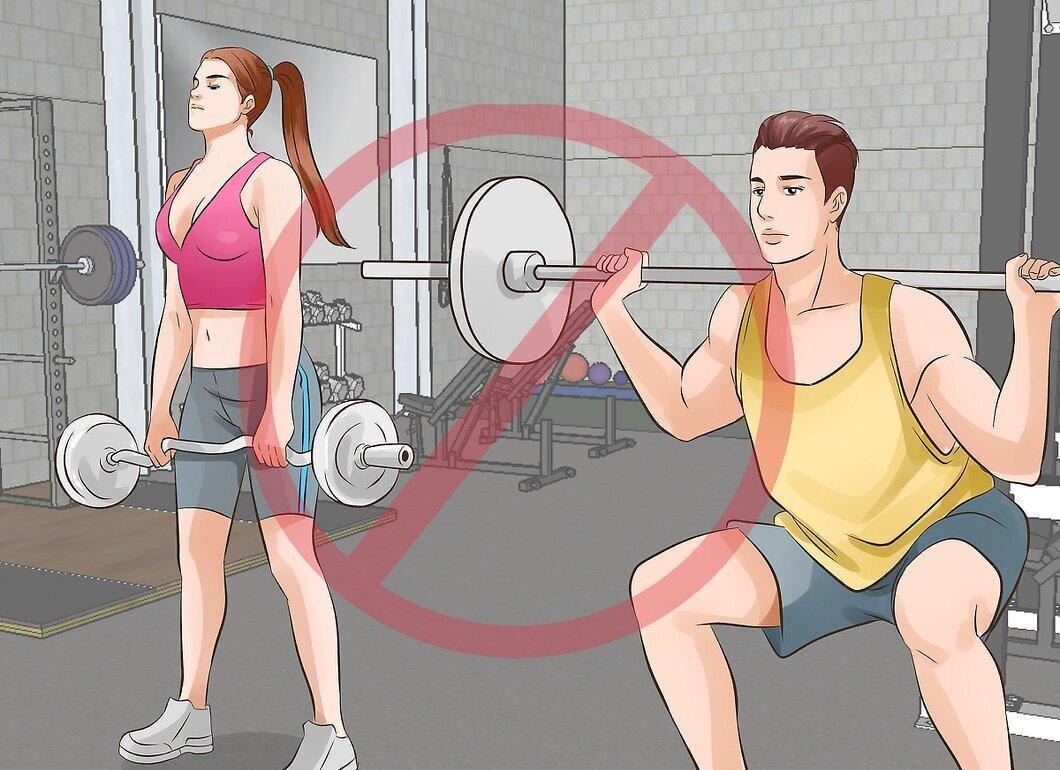
Staying active is important, but you don't need a gym membership. Exercise outside: go for a run, ride a bike, or swim. Invite friends to join you.
- Some fitness centers allow you to work in exchange for free classes. Check if this is available in your area.
- For home workouts, use YouTube videos for yoga or fitness routines.
Step 7: Disconnect Your TV.
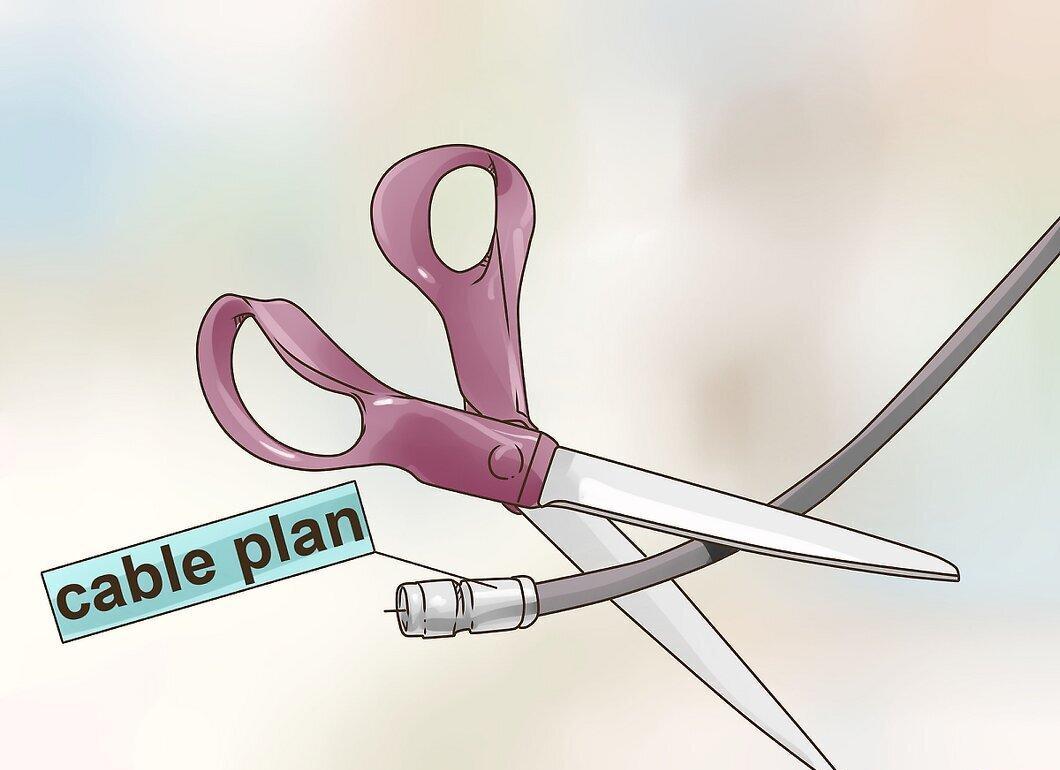
If you're paying for a TV package, consider disconnecting it. The money saved can be better invested in savings.
- Services like Netflix or IVI offer a wide range of movies and series at lower prices.
- Instead of watching TV, engage in reading. Library cards are often available for free.
Step 8: Optimize Your Phone Plan.
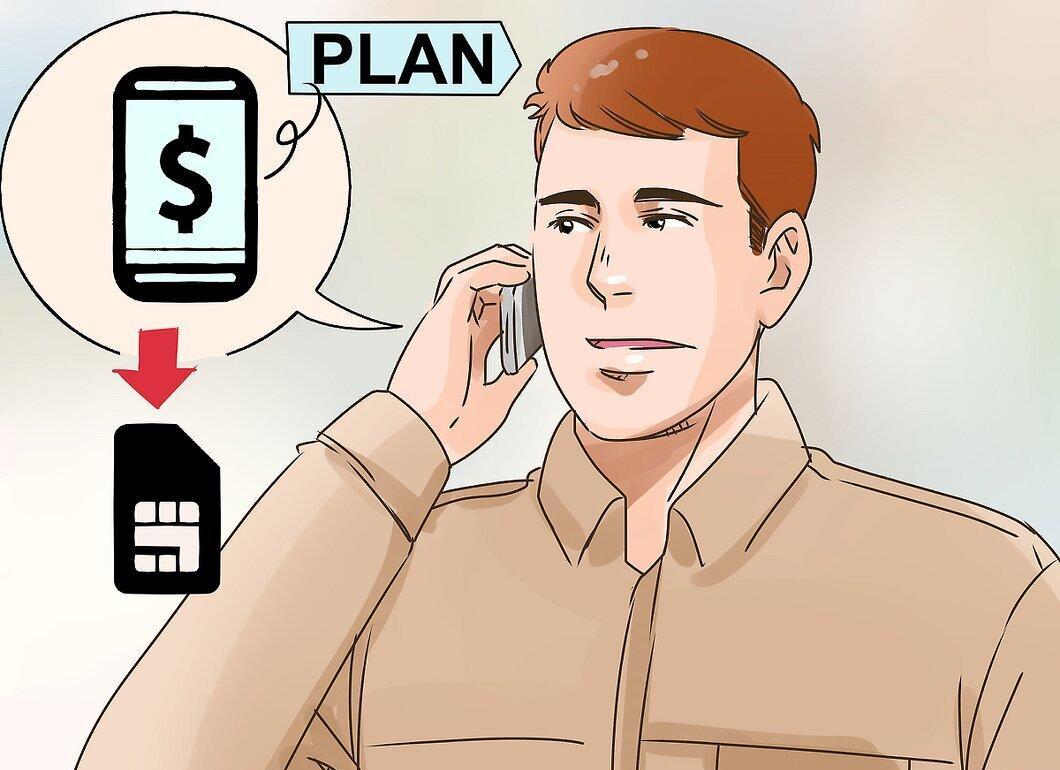
Review your mobile plan. Often, they include unnecessary services that you can opt out of.
- Learn about the most economical plans.[11] Source
- Check if your provider offers family plans that might be cheaper. Your parents might be able to help with the costs.
Step 9: Avoid Impulse Purchases.
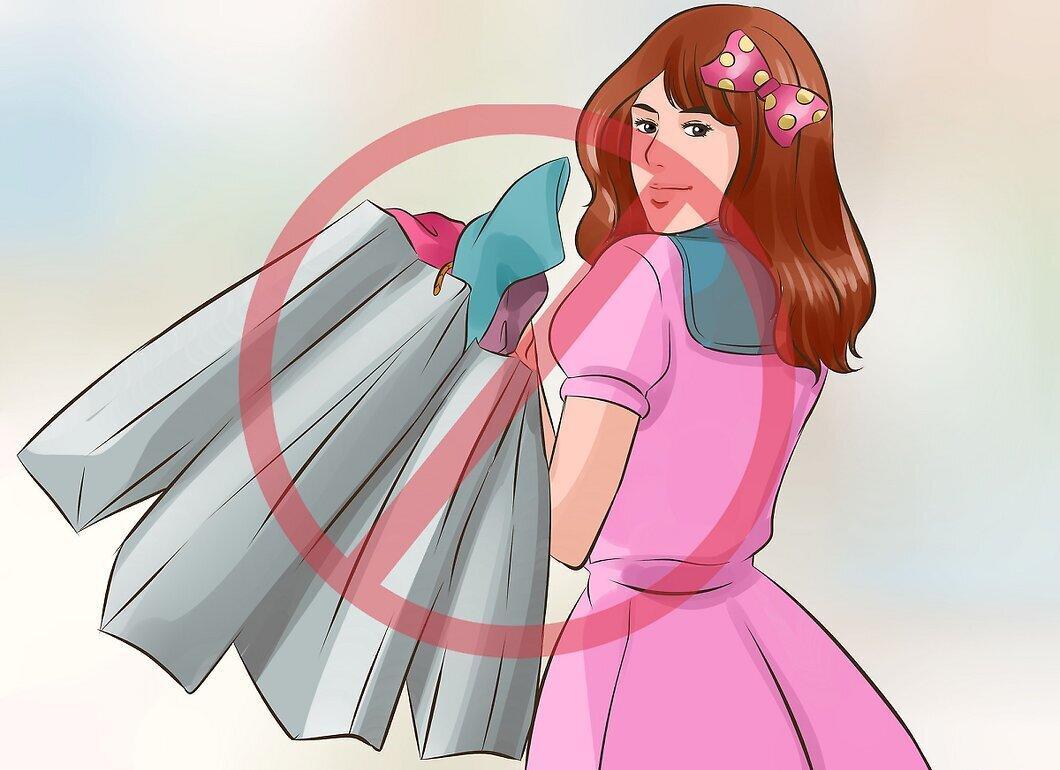
Keep your financial habits in check by avoiding spontaneous purchases. While shopping, you may be tempted to buy unnecessary items. If you don't control your spending, saving will be difficult.
- Before buying something, think about how many days you would need to work to pay for it.
- If you like something, give yourself time: wait an hour, a day, or a week before making a decision.[12] Source
- Don't buy items that can't be returned.
- Leave your card and large amounts of cash at home to avoid temptation.
- Don't purchase things just because they're on sale — they may turn out to be unnecessary.
Change Your Habits
Step 1: Cook at Home.
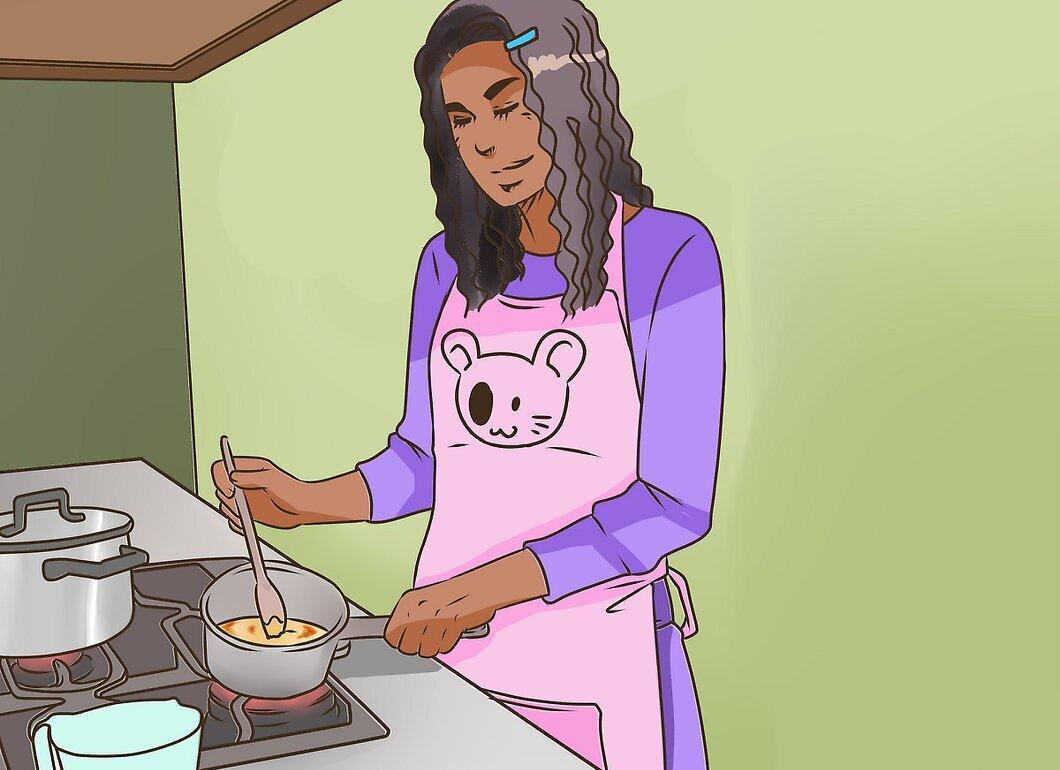
Cooking meals at home can save you money. It's not only cheaper but also healthier and provides quality time with loved ones.
- For breakfast, prepare simple dishes like pancakes, omelets, or porridge.[13] Source
- Lunch can include soups, salads, and roasted chicken.[14] Source
- Dinner can consist of baked vegetables or meat, or vegetarian dishes.[15] Source
- There are plenty of easy recipes online that are particularly handy for students.
Step 2: Don’t Shop on an Empty Stomach.
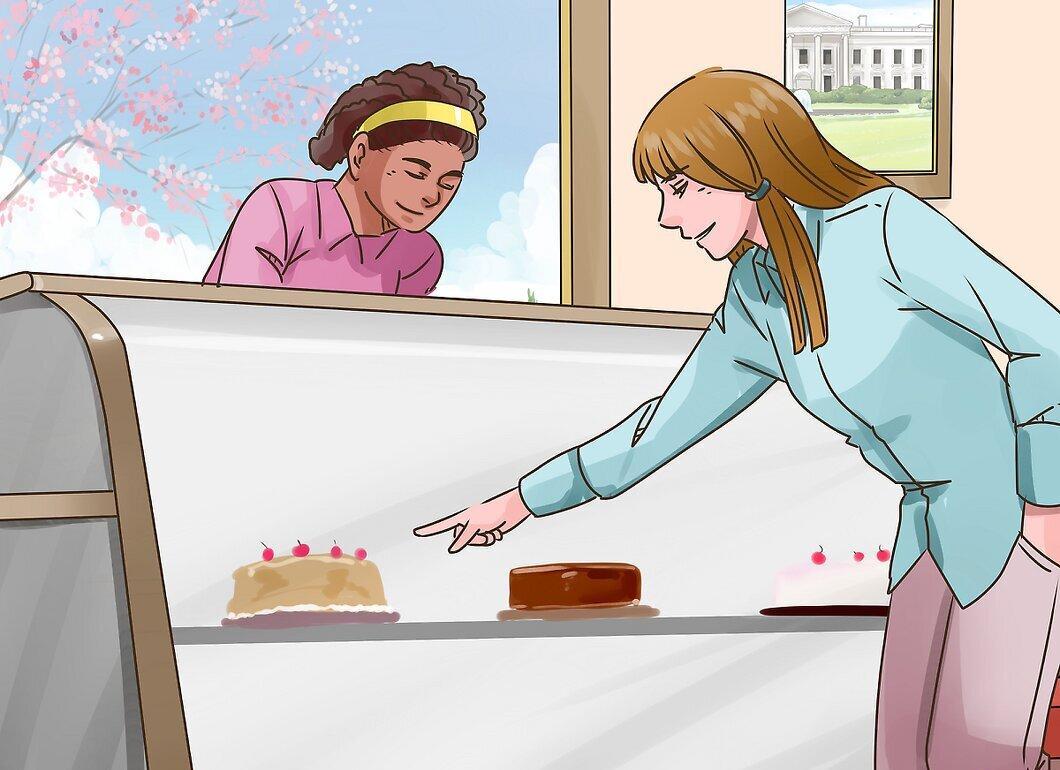
Hunger can lead you to buy more than necessary. Stick to the rule of snacking before hitting the grocery store.
Step 3: Attend Events with Free Food.
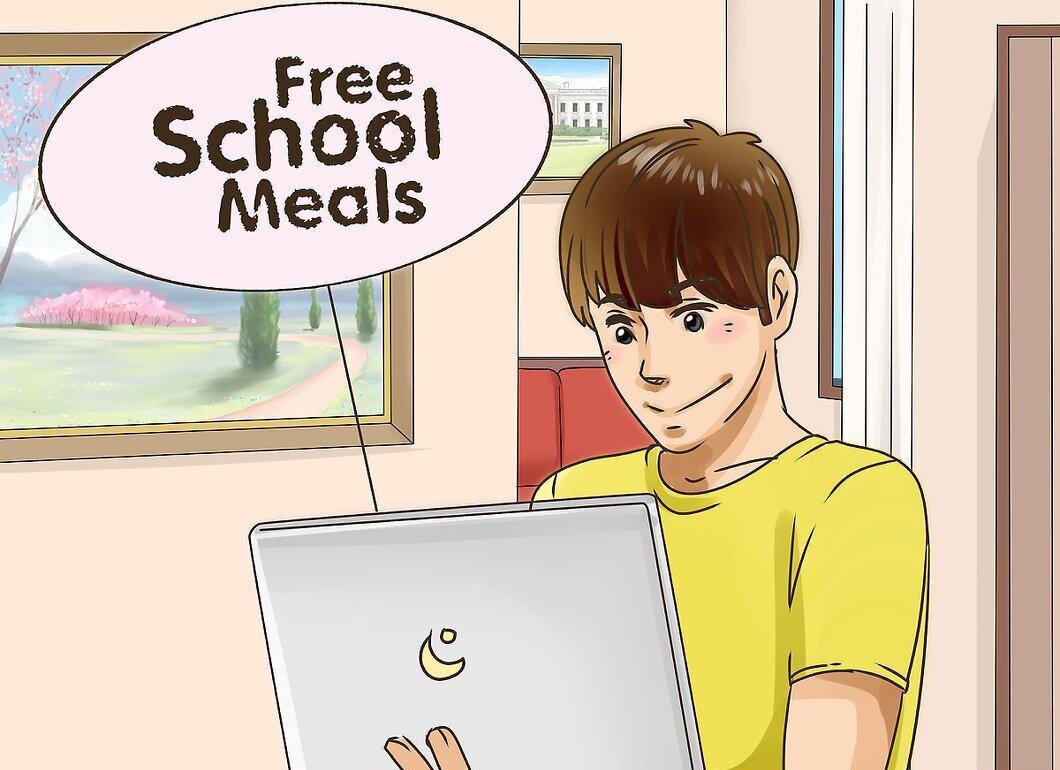
Keep an eye out for events where you can eat for free. It's a great way to save.
- Look for information about events online.
- Don't hesitate to take extra food if it's allowed.
Step 4: Drink at Home.

If you drink, it's better to do so at home to save money. Have a few drinks at home before heading out to a bar.
- Alcohol prices at stores are significantly lower than at bars.
- If you go to a bar, watch for specials and limit your spending.[16] Source
- Completely cutting out alcohol can also help you save and improve your health.[17] Source
Step 5: Spend More Time at Home.

Students often spend money on entertainment outside the home. Try to spend your free time at home.
- Engage in hobbies, read books, or tidy up your living space.
- Organize lunches with friends to strengthen your bonds.
- Look for free events and spend your time productively.
Step 6: Ride a Bike.

Biking is a great way to save on transport and maintain your health.
- Maintaining a bike is cheaper than a car.[19] Source
Step 7: Use Public Transport.
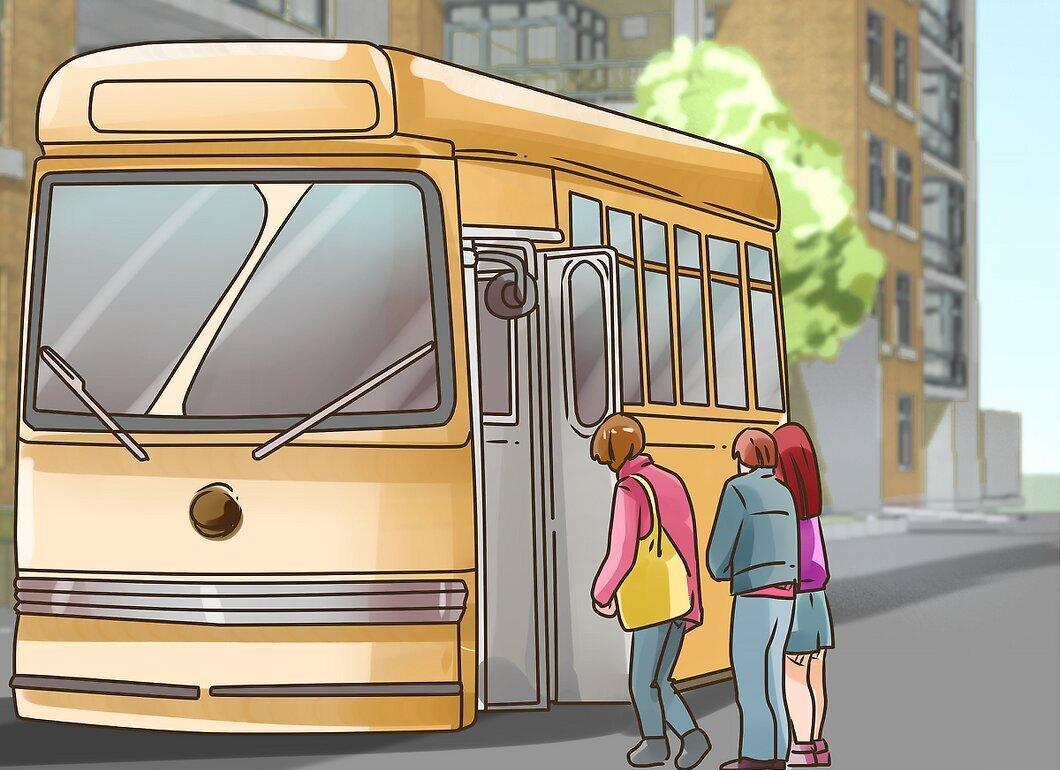
Public transport is a cost-effective solution for getting around the city. It helps you save on fuel.
- If you use transport often, consider getting a pass.
Step 8: Save on Fuel.
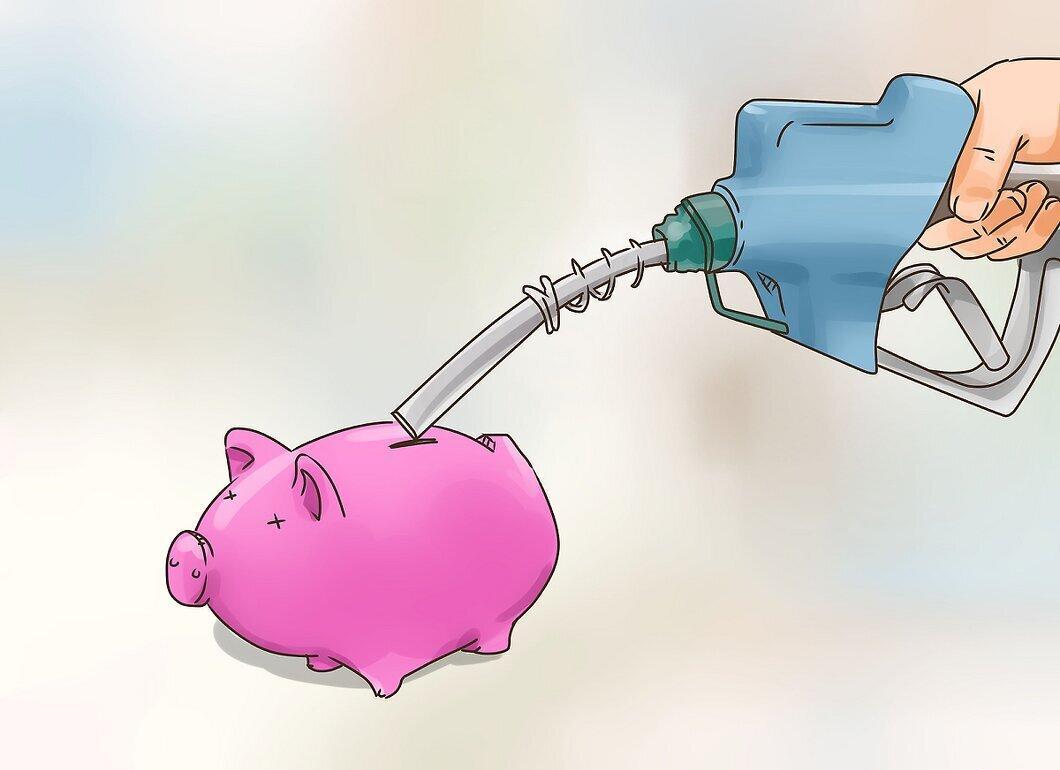
If you have a car, choose the right octane fuel and keep an eye on tire pressure.
Spend Money Wisely
Step 1: Buy Textbooks Online.

Online stores offer competitive prices on textbooks. This can lead to significant savings.
- Major platforms have both new and used books available.[22] Source
Step 2: Look for Clothes in Thrift Stores.
Thrift stores offer clothing at affordable prices. This is a great way to save.
- Take your time and carefully browse the selection.
- Bring friends along to make the process more fun.
Step 3: Buy Groceries at Discount Supermarkets.
Compare prices at different stores and choose the more budget-friendly options. This helps save on daily expenses.
Step 4: Buy in Bulk.

Buying groceries in bulk is often more cost-effective. If there are wholesale stores in your area, take advantage of them.
- If there aren't any, team up with friends for group purchases.
Step 5: Choose Frozen Foods.
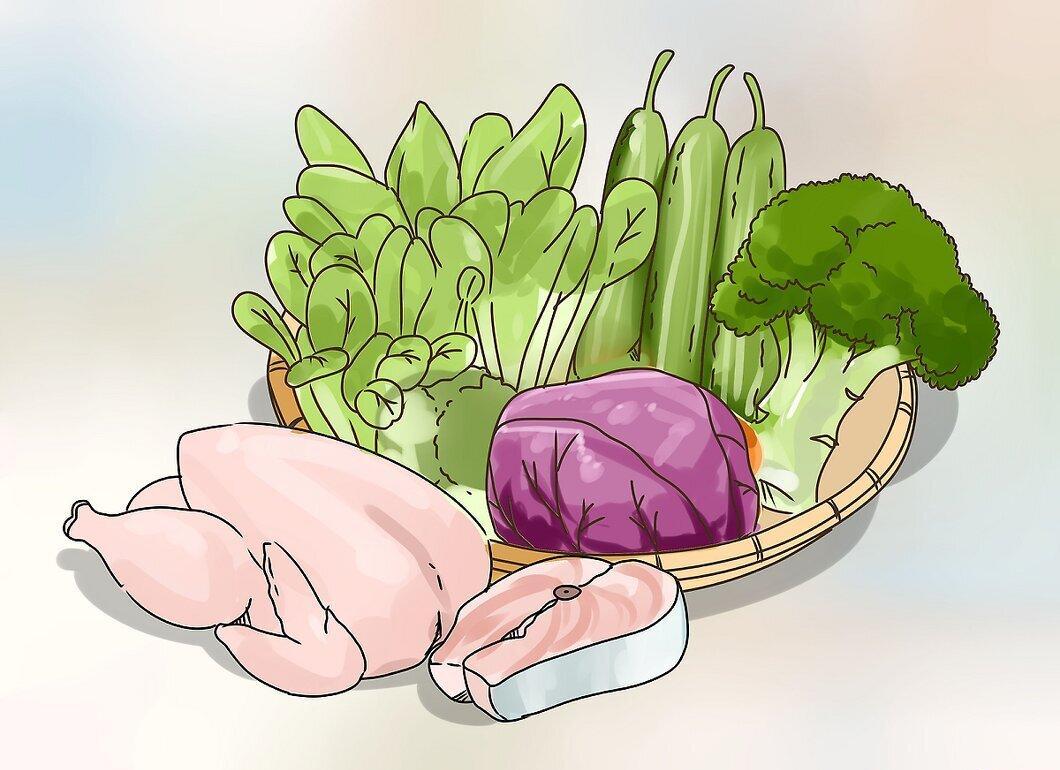
Frozen foods maintain their quality for a long time and help save money. Research shows these products can be more economical.[24] Source
Step 6: Opt for Cheaper Brand Alternatives.
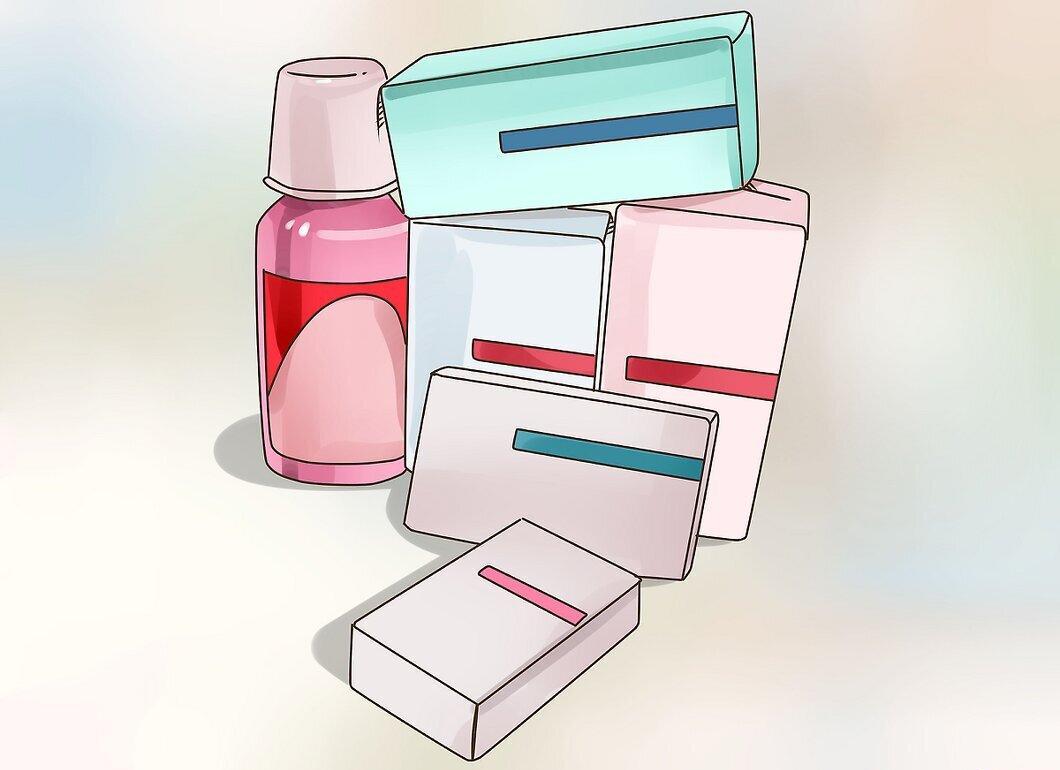
Look for cheaper alternatives to well-known brands. This applies to both food products and medications.
- Often, alternatives are available that match the quality of the originals.[26] Source
Step 7: Share Housing with Roommates.
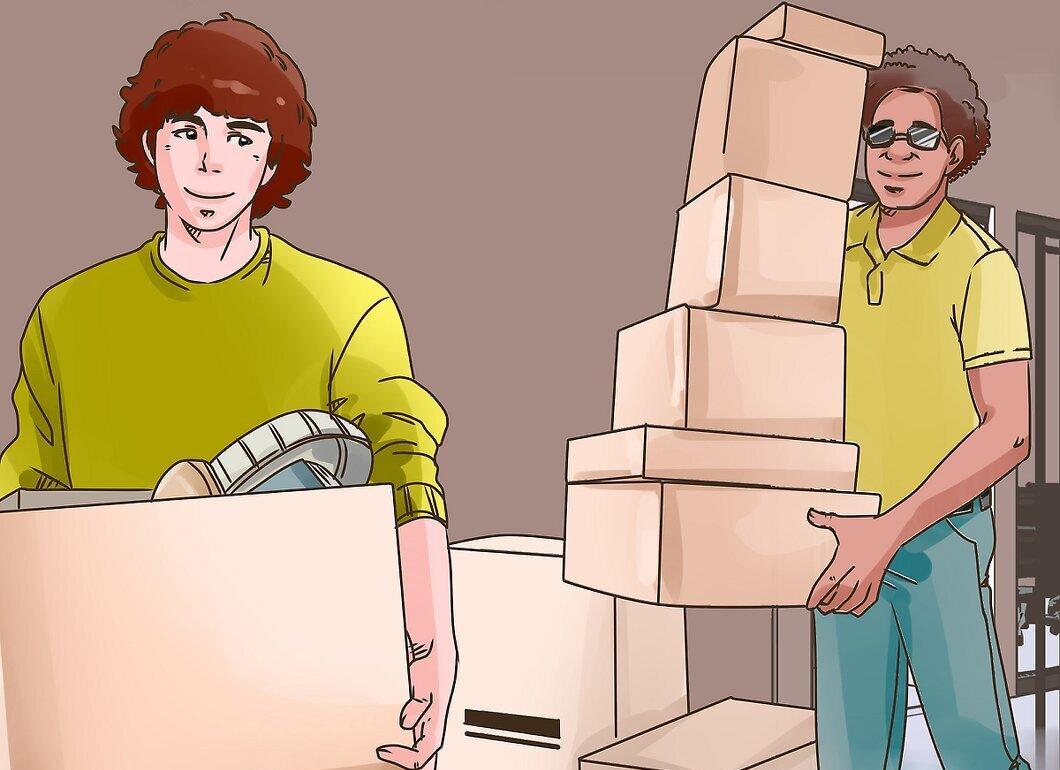
Sharing rent with others can significantly reduce your expenses. Choose reliable roommates.
Step 8: Use Student Discounts.
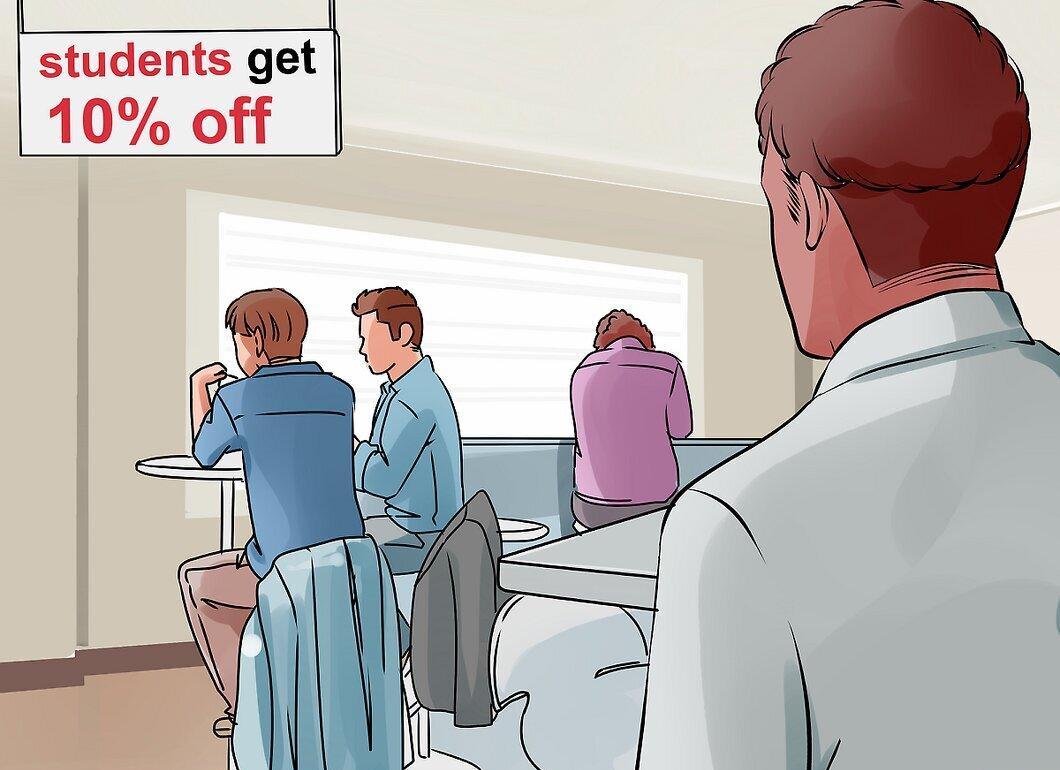
Many establishments offer discounts for students. Make sure to take advantage of this opportunity.
Step 9: Plan Trips in Advance.

Plan your trips ahead of time to save on ticket prices. Compare prices for different destinations.
Be Self-Sufficient
Step 1: Grow Your Own Food.
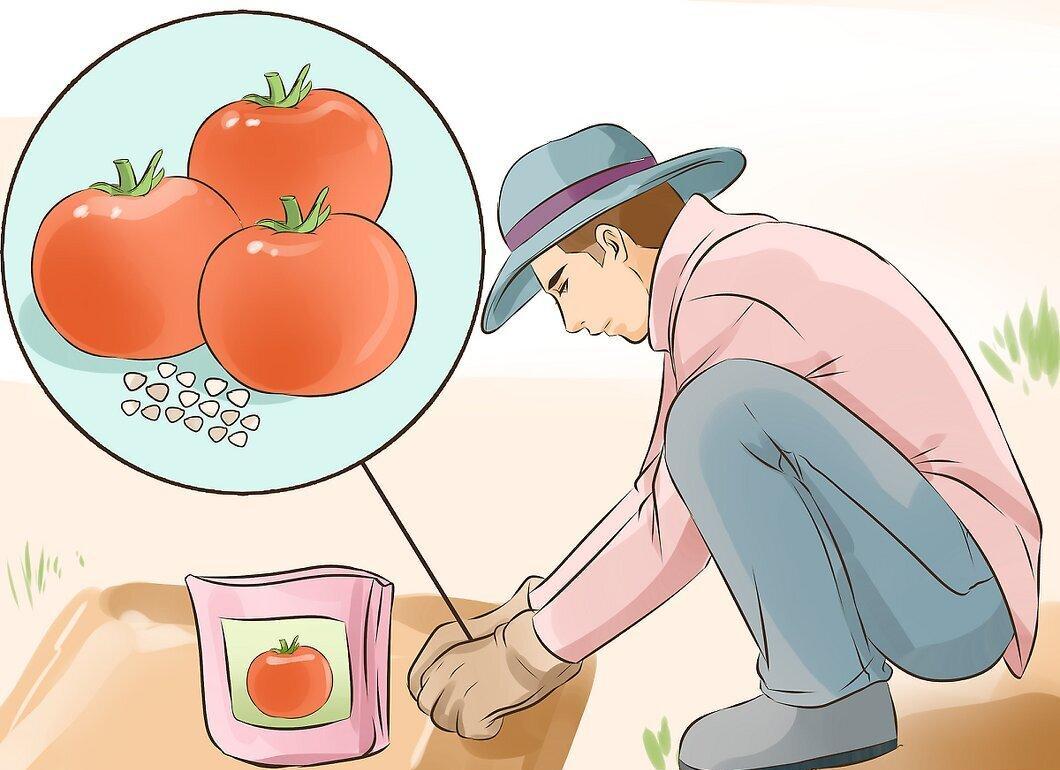
Growing your own food is a great way to save money. It not only saves cash but also guarantees quality.
Step 2: Sell Unwanted Items.
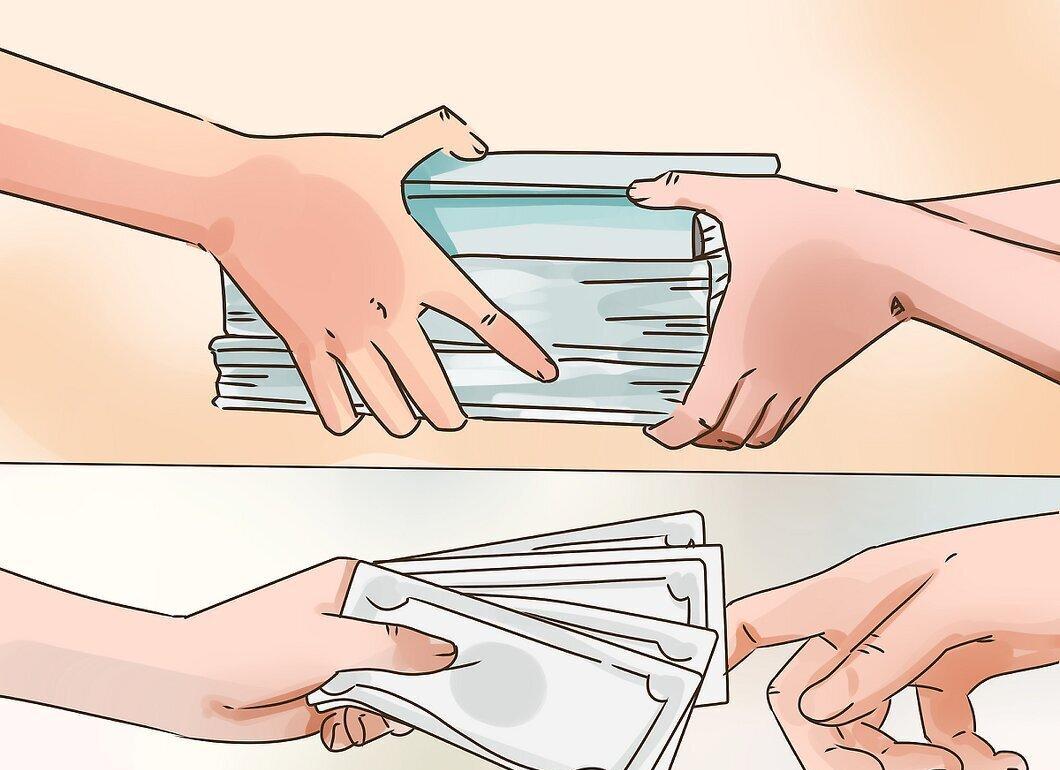
If you have old textbooks or clothes, sell them. This can provide you with extra income.
Step 3: Find a Part-Time Job.
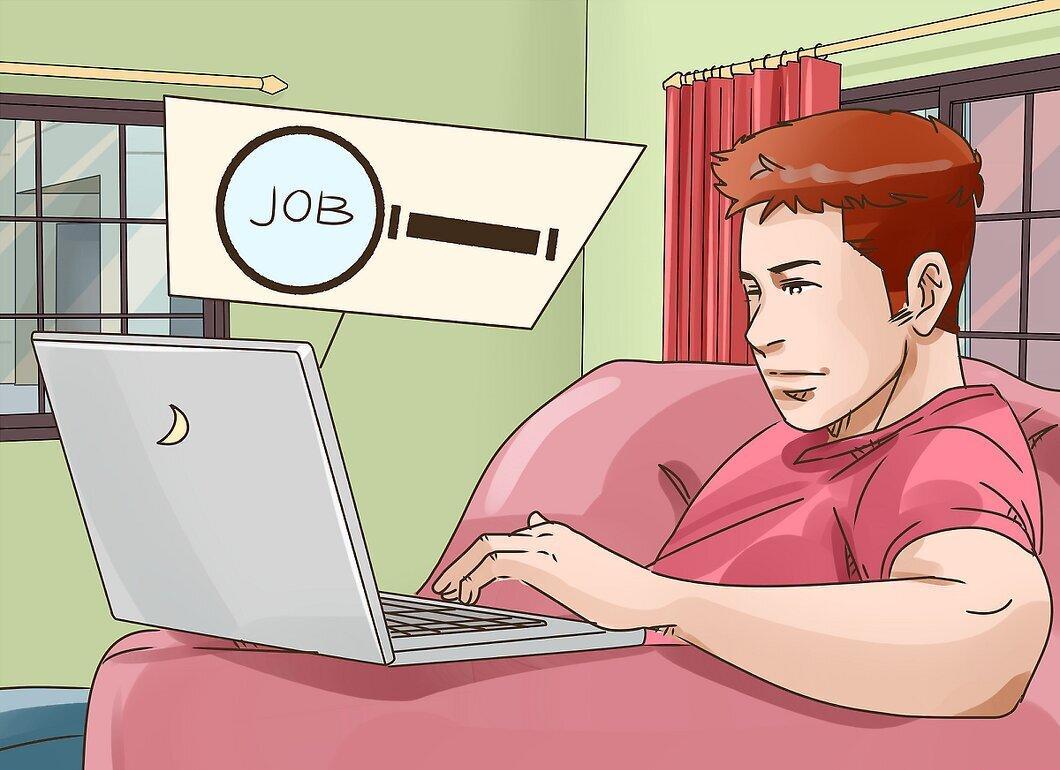
Working while studying can help you earn money and gain experience. Think about what interests you.
Step 4: Look for Temporary Work.
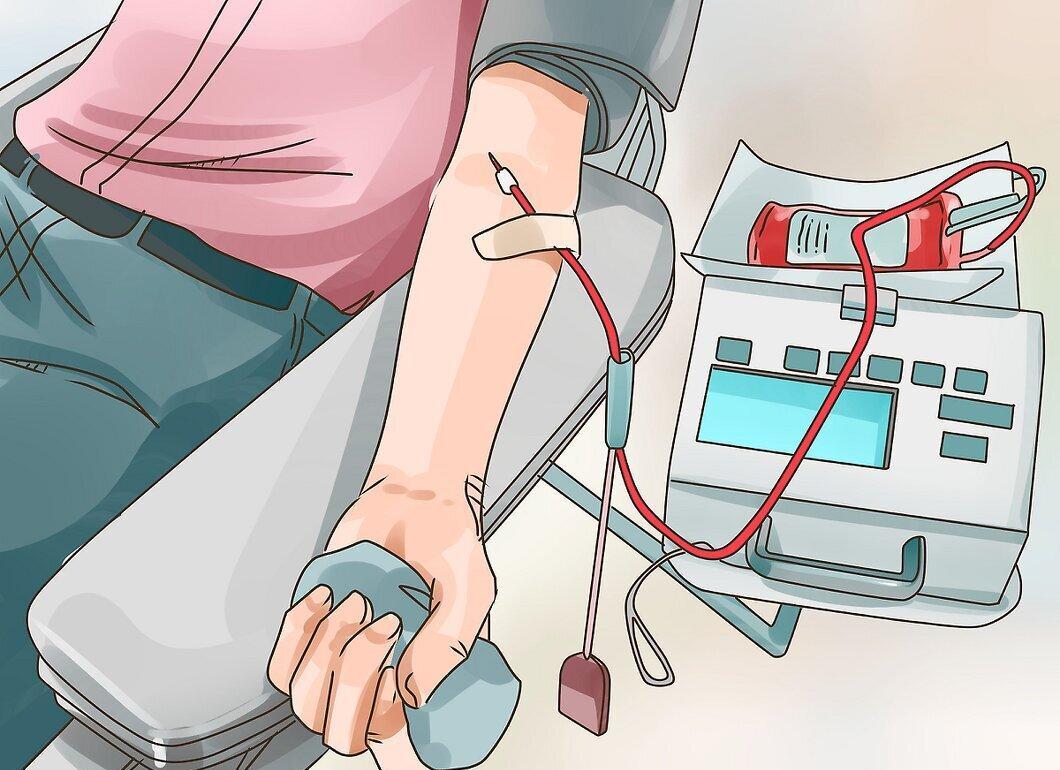
Temporary jobs can also be a good source of income. Check out offers on specialized websites.
Step 5: Exchange Services with Others.

Exchanging skills and services can be beneficial. Find people with whom you can share useful knowledge.
Manage Your Finances
Step 1: Open Bank Accounts.
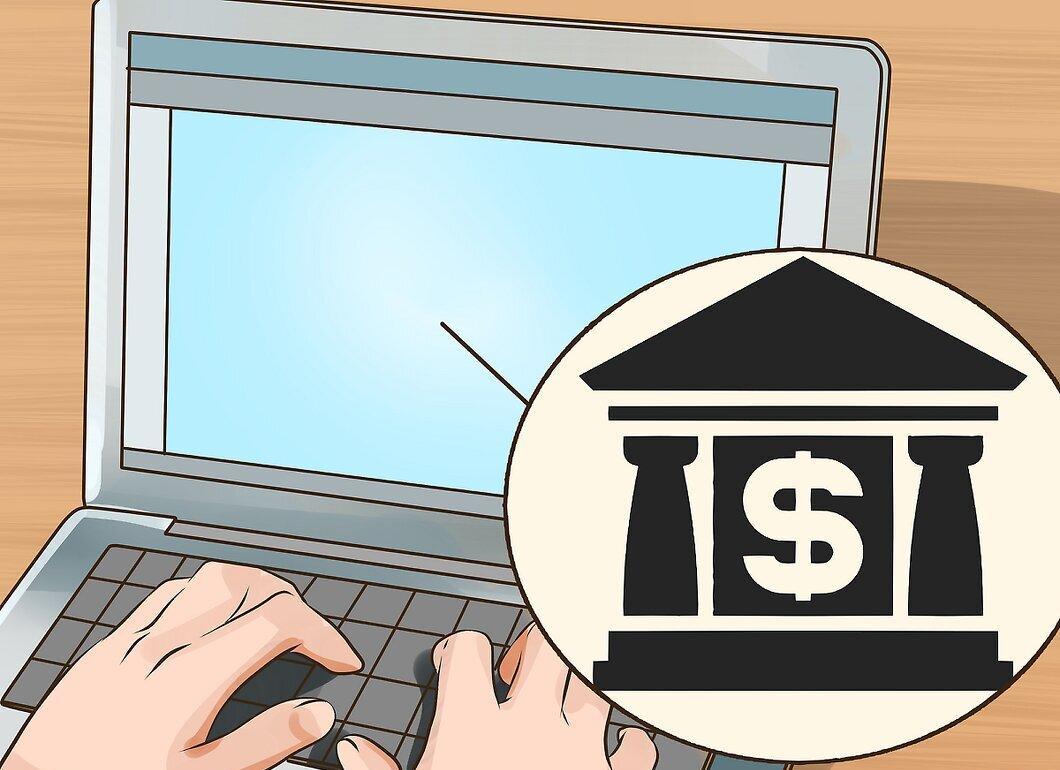
If you don't have bank accounts yet, make sure to open a checking and a savings account. Explore offerings from various banks.
Step 2: Pay Yourself First.
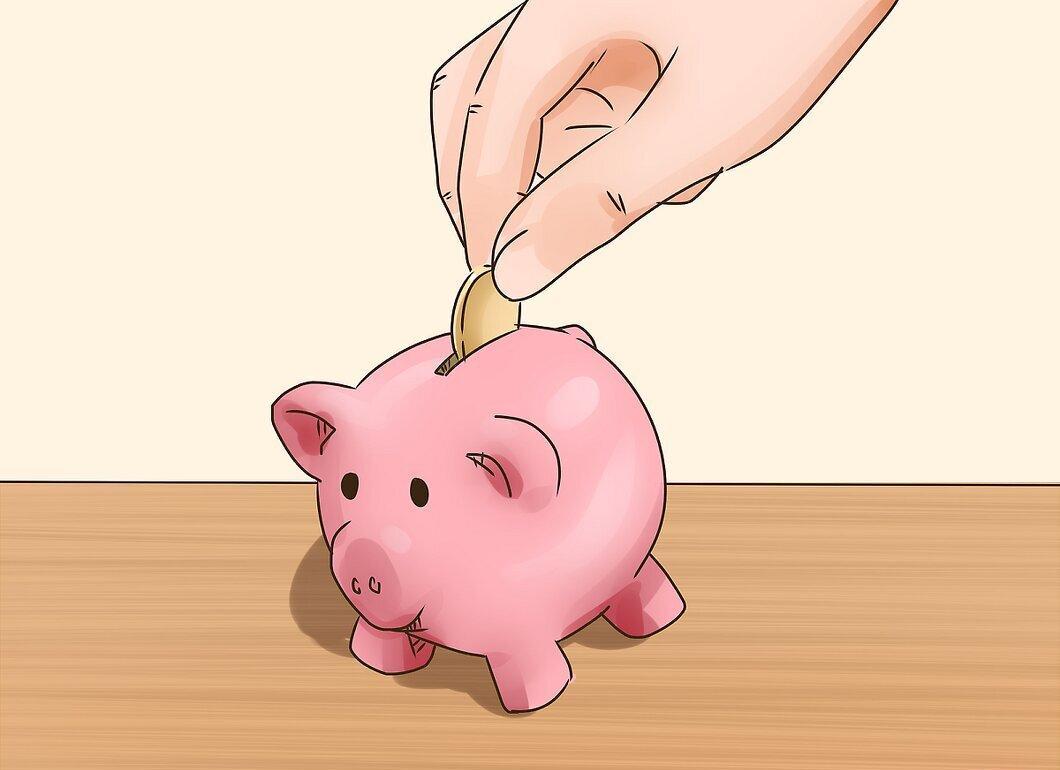
When you receive money, set aside a portion for your savings account. This will help you build up funds.
Step 3: Create a Budget.
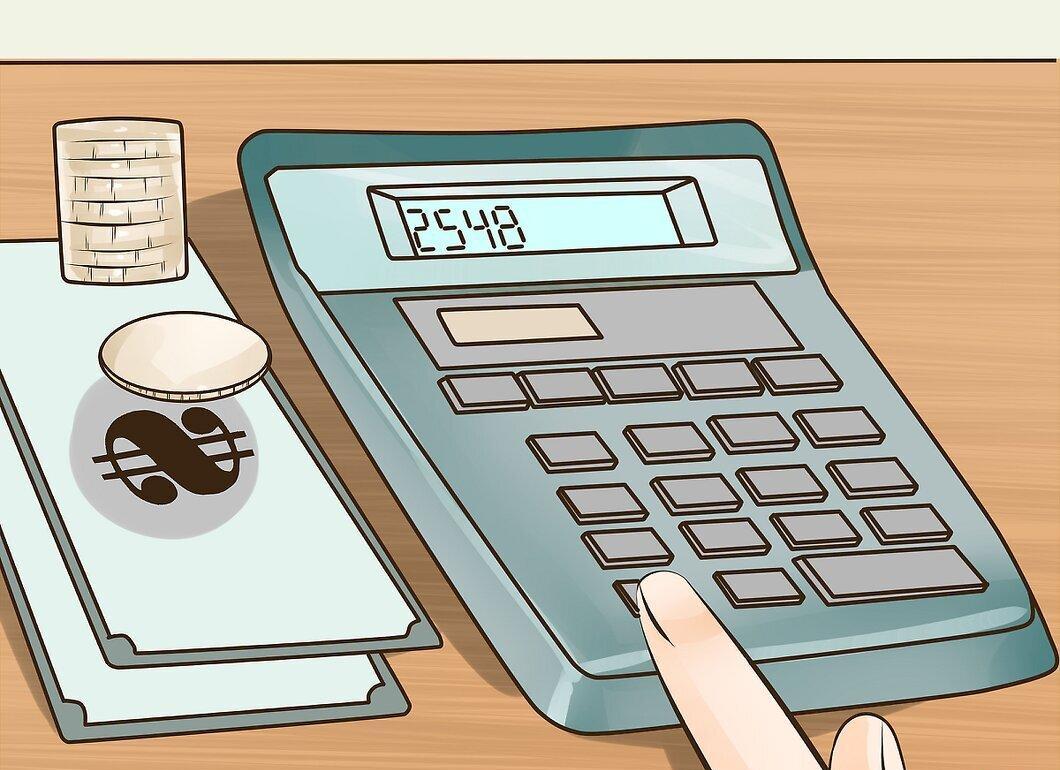
Draw up a budget that accounts for all your income and expenses. Identify areas where you can cut back.
Step 4: Differentiate Between Needs and Wants.
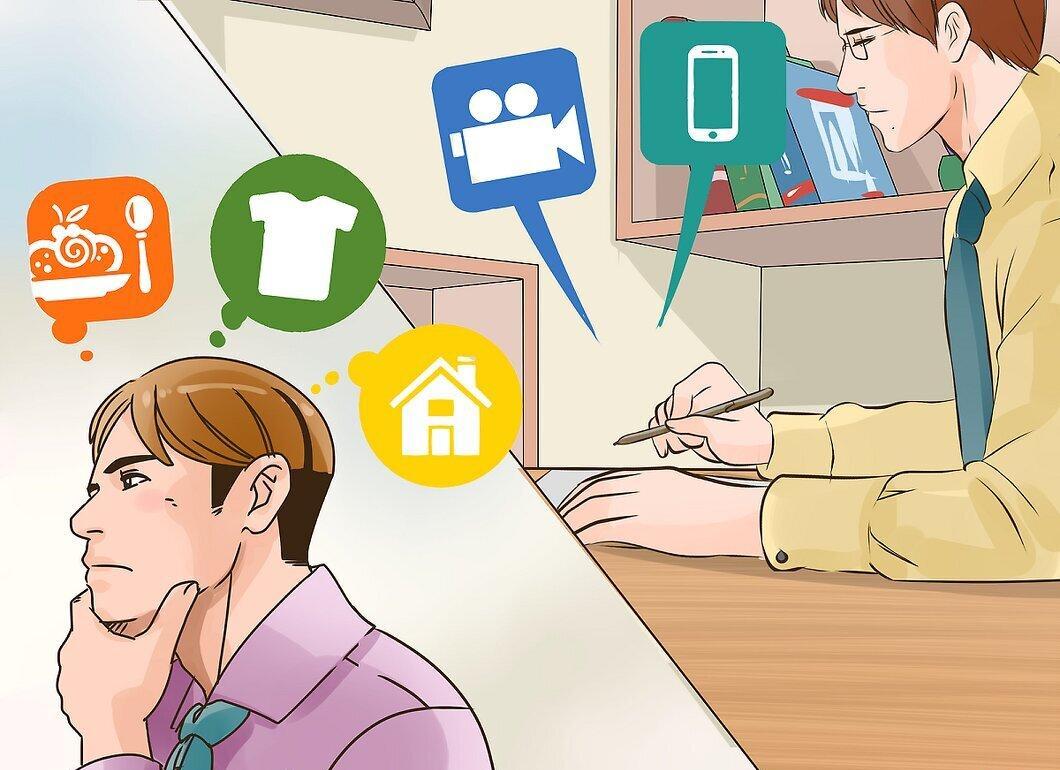
Make lists of necessary and desired items. This will help you better control your spending.
Step 5: Use Credit Cards Cautiously.
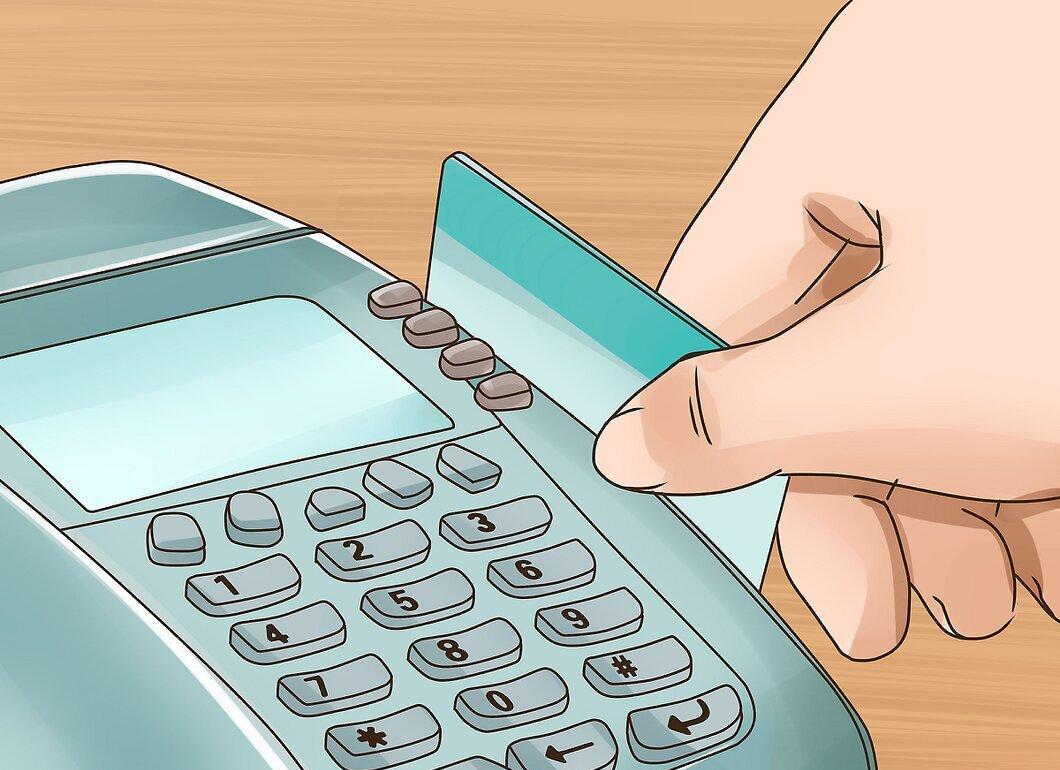
Only use credit cards if you are sure you can pay off the balance. This will help you avoid debt.
Step 6: Consult Financial Experts.
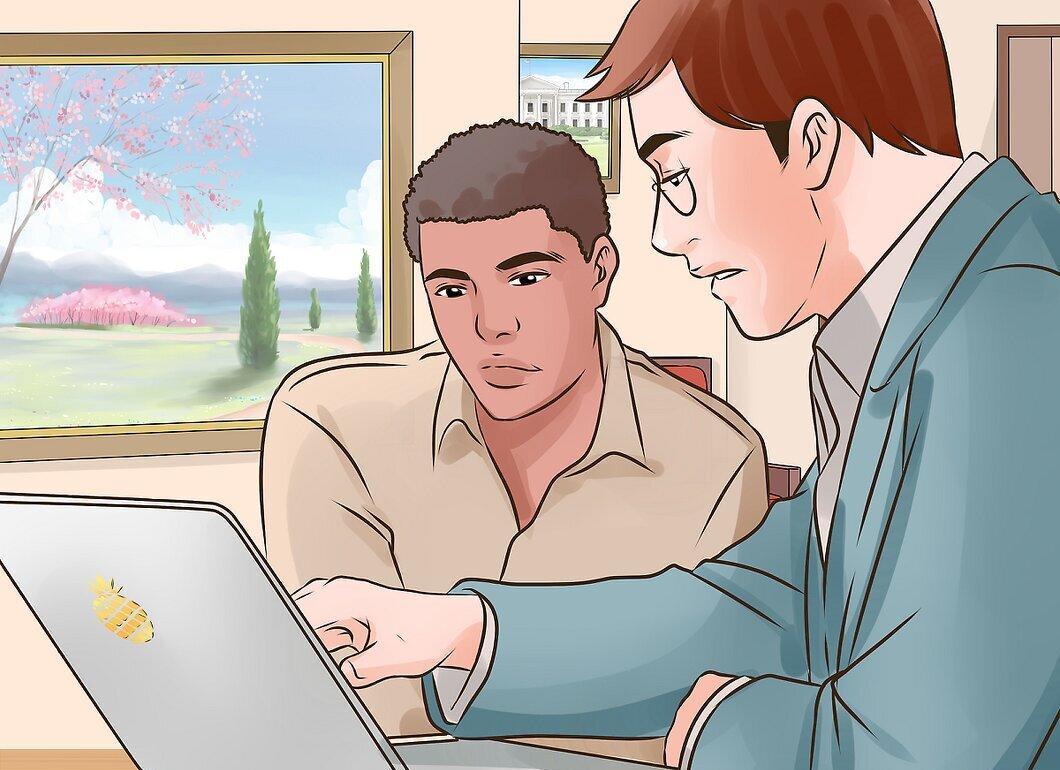
Consulting a financial advisor can provide you with valuable insights into managing your budget and savings.