Smart Tips for Cleaning Antique Coins
If you're passionate about numismatics or just starting your coin collection, it's essential to know how to clean them properly. By removing dirt and corrosion from an old coin, you can better see the details on its obverse and reverse. However, improper cleaning can cause serious damage to the surface, significantly reducing its value. In many cases, it's best to leave coins in their natural state. If you decide to clean them, use only a mild soapy solution.
Caring for Valuable Coins
Step 1. Keep the coin in its original condition.
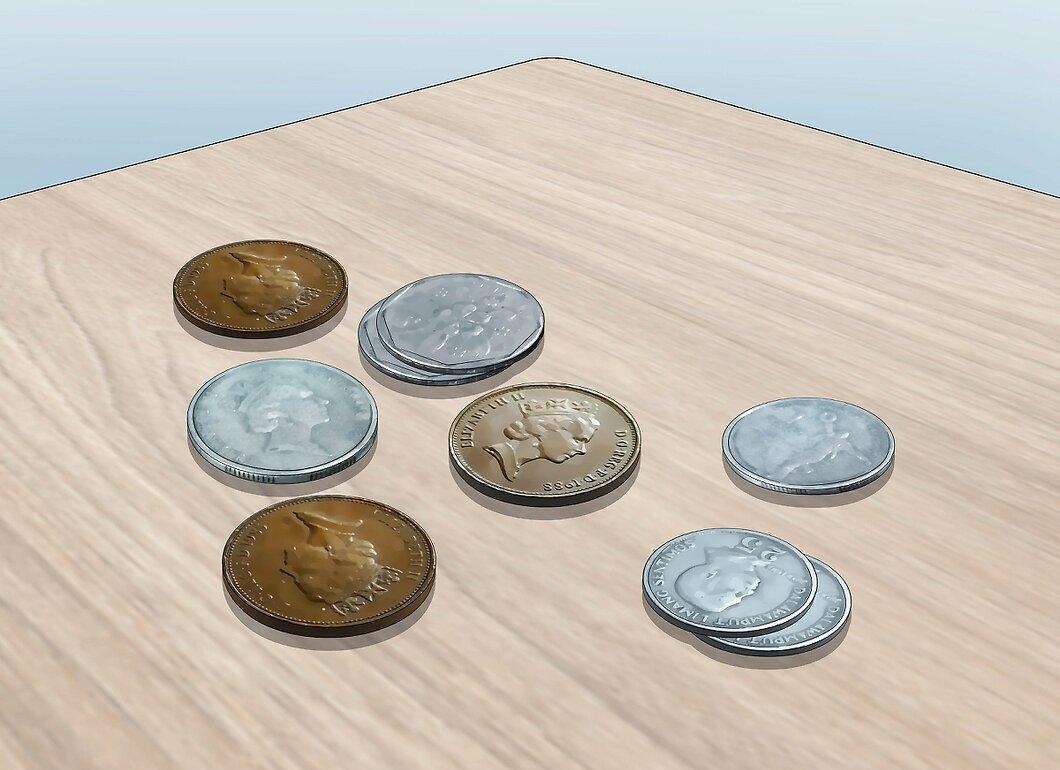
Sometimes the best way to preserve a coin is not to attempt to clean it. If the coin is in decent condition and has only minor dirt, it will be more valuable to collectors than if it has been cleaned.
- Most cleaning methods lead to a decrease in coin value, especially if the obverse or reverse is damaged during the process.
Step 2. Consult a specialist.
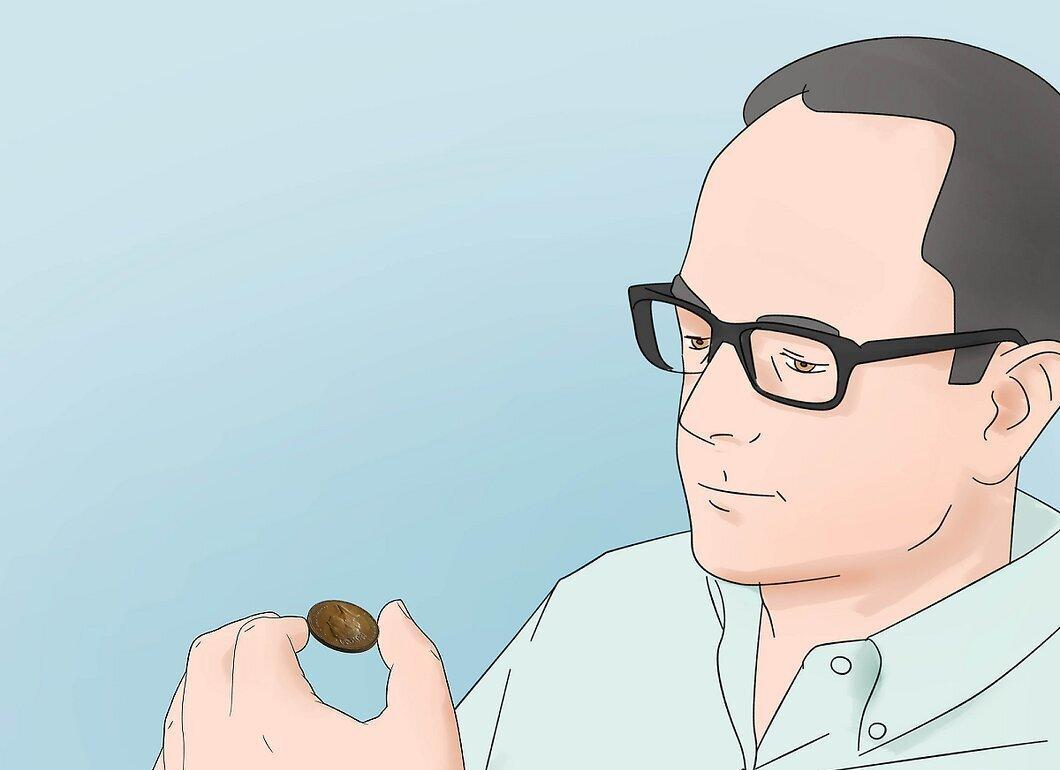
If you're not an expert in numismatics and want to know the value of your coins, take them for appraisal. A professional numismatist can help determine their value and advise whether they should be cleaned. If your coins are rare or valuable, you're likely to be advised to leave them as they are.
- A numismatist can also appraise your entire collection. The higher the coin's value, the less likely it is that it should be cleaned.
Step 3. Clean only the dirtiest or least valuable coins.
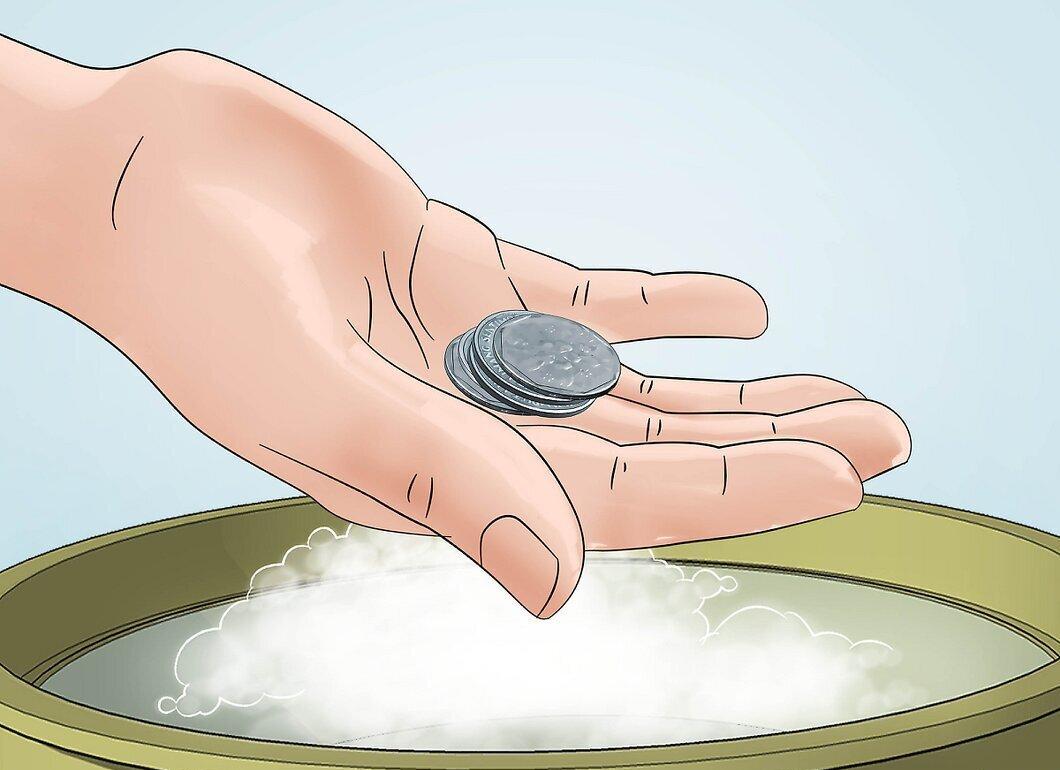
If your coins are not particularly valuable or you're not planning to trade them, you might be interested in cleaning them for aesthetic reasons. The decision to clean very dirty coins is yours. If the coin has lost its color and the design is no longer visible, you might try cleaning it.
- If you're unsure about a coin's value or whether it needs cleaning, it's better to consult an expert. Improper cleaning can lead to a significant loss of value.
Gentle Coin Cleaning Methods
Step 1. Avoid abrasive materials or acids.
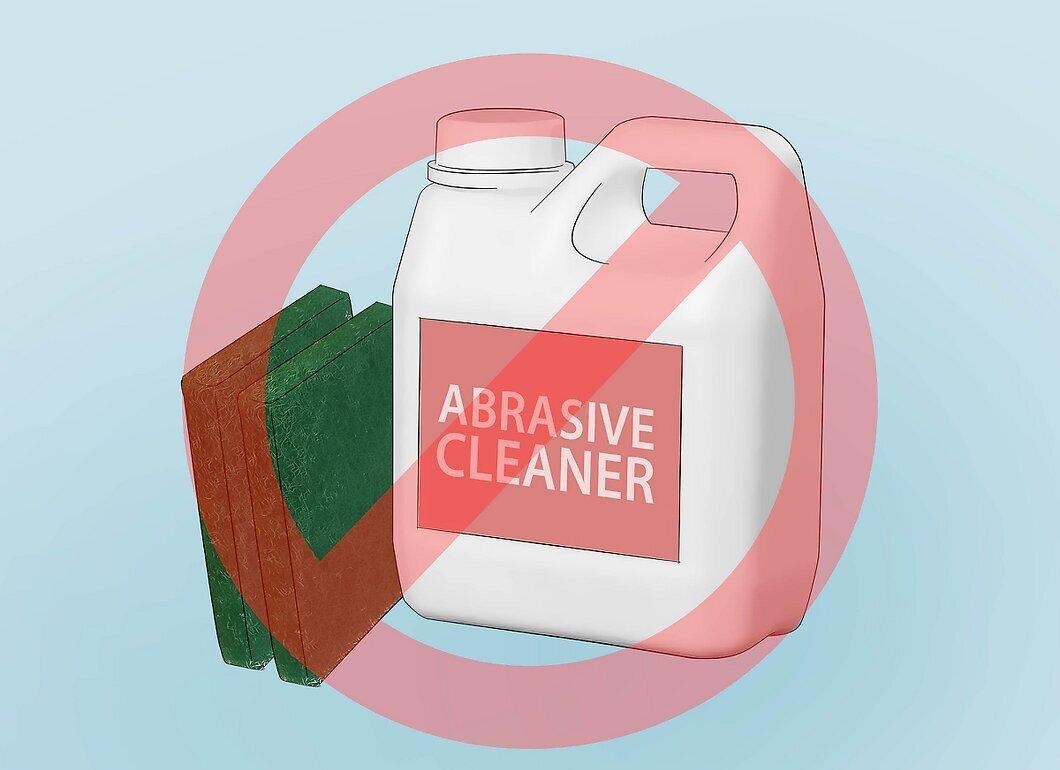
Avoid cleaning coins with abrasive substances or acids. Despite claims, these methods are unsuitable for antique coins. Acidic substances destroy the top layer, and although the coin may appear clean, its value will diminish.
- Do not scrape or rub the coin, as this can cause serious damage. Using metal scrubbers or brushes is also risky and may ruin the surface.
Step 2. Rinse coins with clean water.
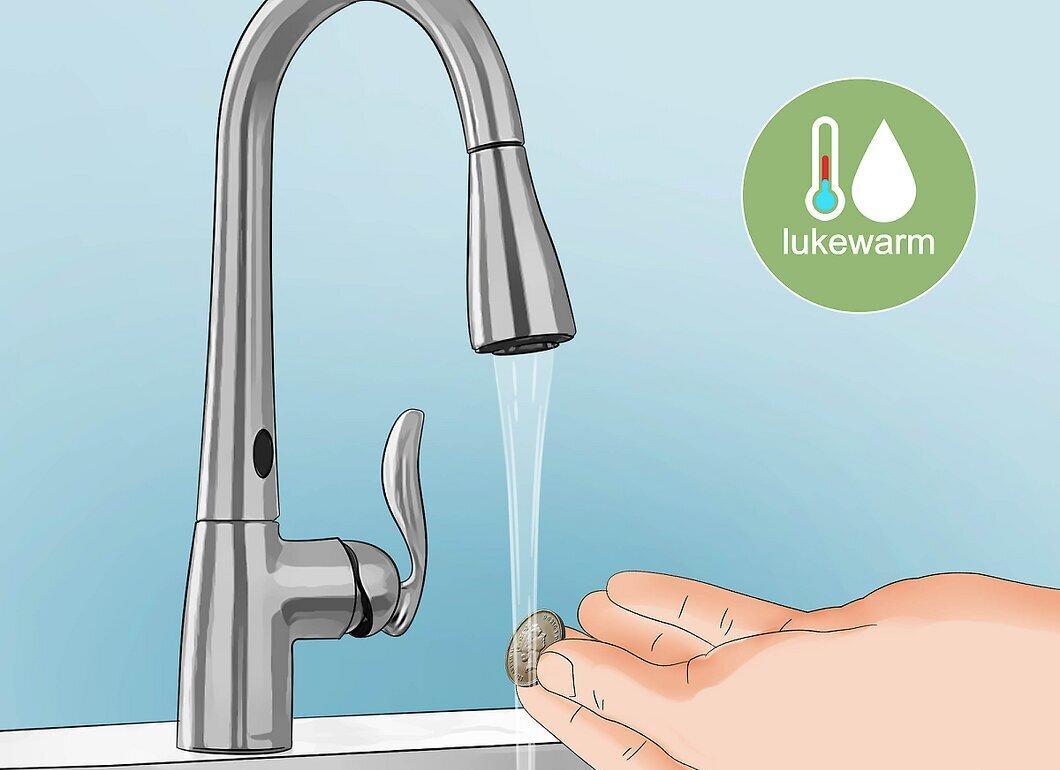
To gently clean antique coins, simply rinse them with clean water. Hold the coin by its edges and gently rinse each side under warm distilled water. After that, pat the coin dry with a soft towel. This method will help remove dirt without leaving scratches.
- If you use tap water, remember that chlorine can discolor coins. It's better to use bottled distilled water or filtered water.
Step 3. Use a mild soapy solution for washing.
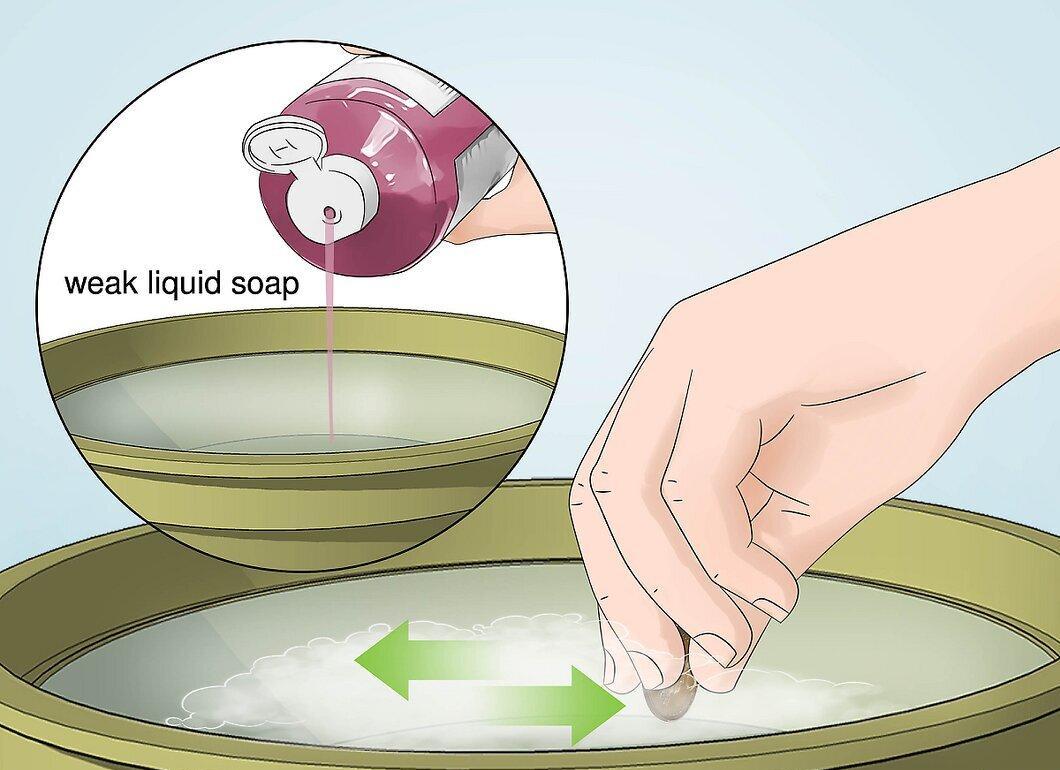
If water alone doesn't remove the dirt, resort to a mild soapy solution. Add a little liquid soap to warm distilled water and gently place the coin in the solution. Then rinse it in distilled water and dry it with a clean cloth.
- Avoid using dish soap, as it can be too harsh. Opt for a gentle liquid hand soap instead.
Specifics of Cleaning Different Types of Antique Coins
Step 1. Use ketchup for copper coins.
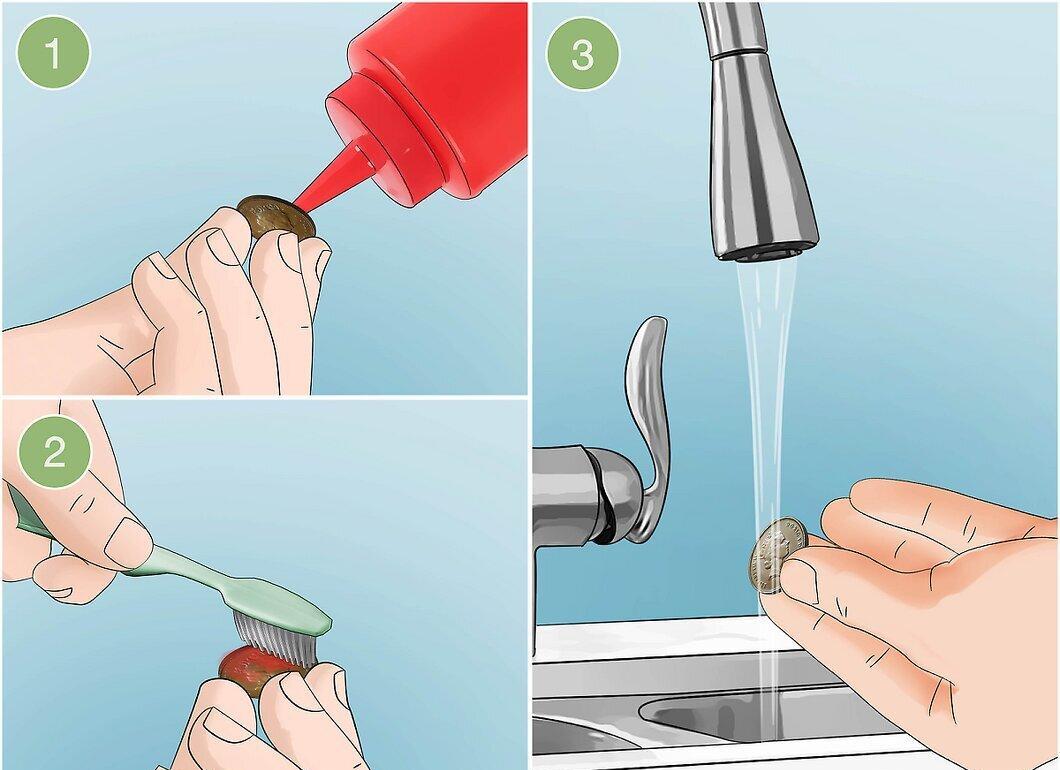
Ketchup works well for cleaning old copper coins. Apply a bit of ketchup to the obverse and reverse of the coin, and then gently scrub it with a soft toothbrush. The ketchup's ingredients, which include salt and vinegar, will help remove oxidation. After that, rinse the coin in distilled water and carefully dry it.
- This method is ideal for clean copper coins, such as pennies minted before 1982. After this date, zinc is added to small copper coins, making ketchup ineffective.
- Remember that ketchup contains acid, which can affect the coin's value.
Step 2. Clean silver coins with baking soda.
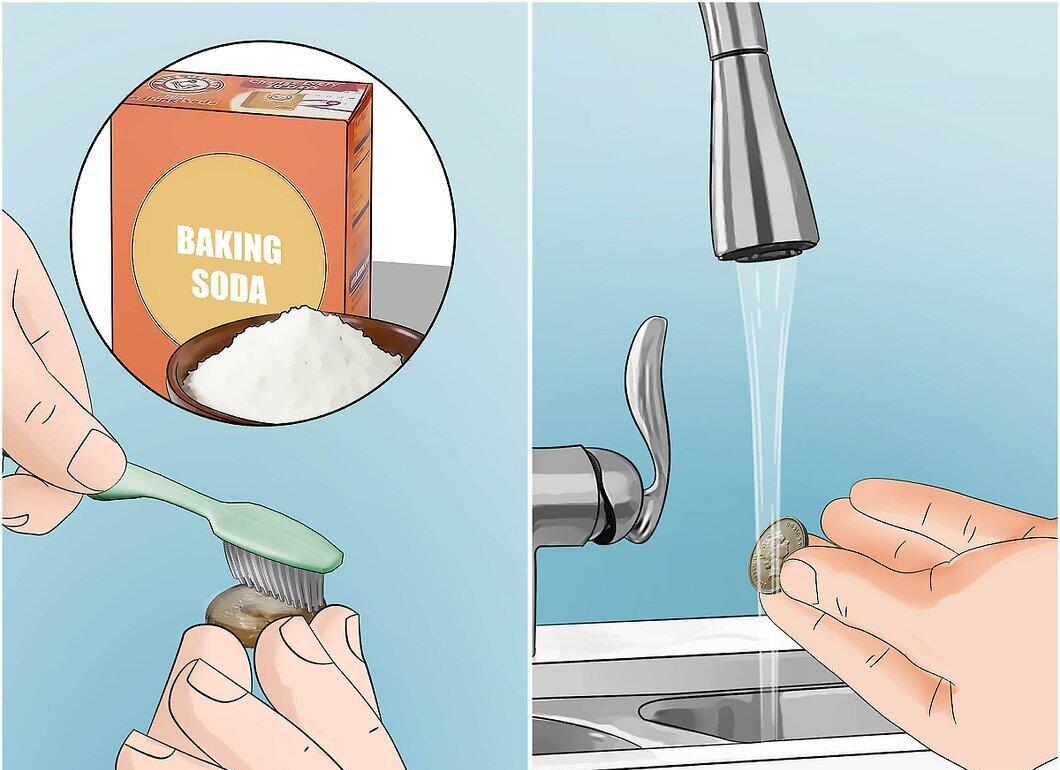
For silver coins, use baking soda. Rinse the coin in distilled water, then gently apply a bit of baking soda to its surface and lightly scrub. Baking soda will help remove black spots. After cleaning, rinse the coin in distilled water and dry it.
- This method is most effective for old silver coins but may not work well for newer ones with significantly lower silver content.
Step 3. Use vinegar for cleaning.
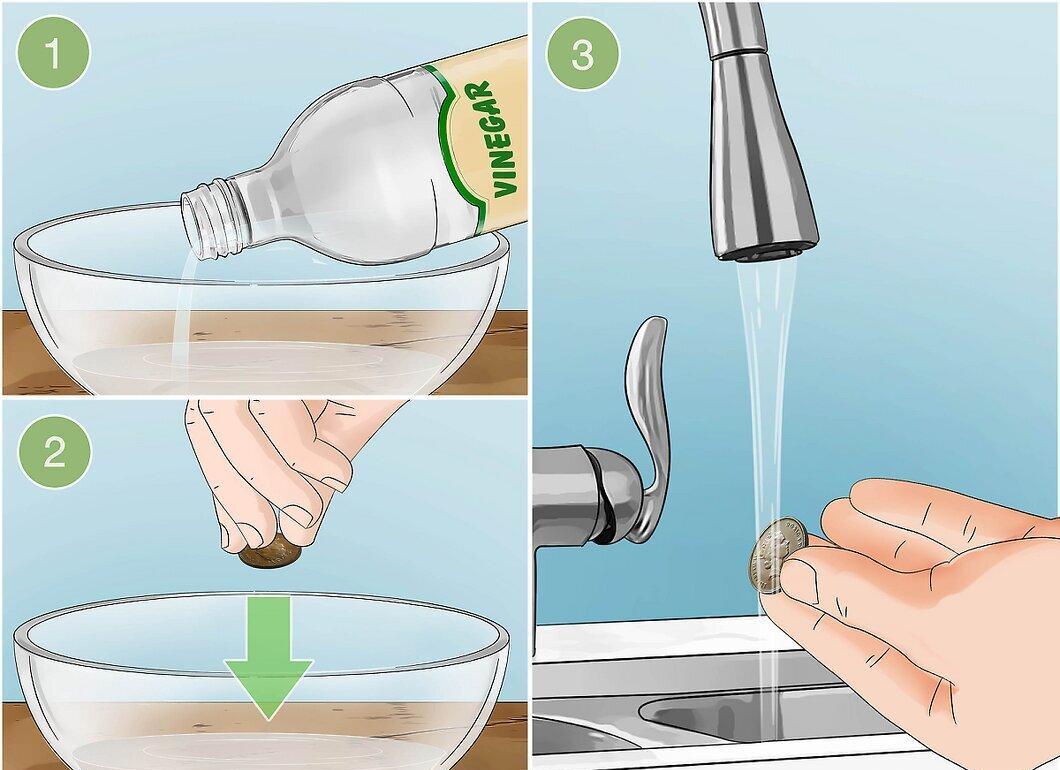
Vinegar can help clean antique coins. Pour vinegar into a small bowl and gently place the coin at the bottom. Soak for a few minutes, then remove it and rinse in distilled water.
- If dirt remains, lightly scrub the coin with a toothbrush, being careful not to damage the surface. If the results are unsatisfactory after a few minutes, leave the coin in the vinegar for a few hours or overnight for tougher grime.