The world of cheese is vast, with countless varieties offering different flavors, textures, and aromas. Each type of cheese comes with its own recommendations for consumption, allowing you to savor its unique taste. In this article, you'll learn how to enjoy cheese properly and enhance your tasting experience. We’ll also provide tips on pairing cheese with wine and food, as well as etiquette recommendations for both formal and informal settings.
Key Rules
Step 1. Serve Cheese at Room Temperature.
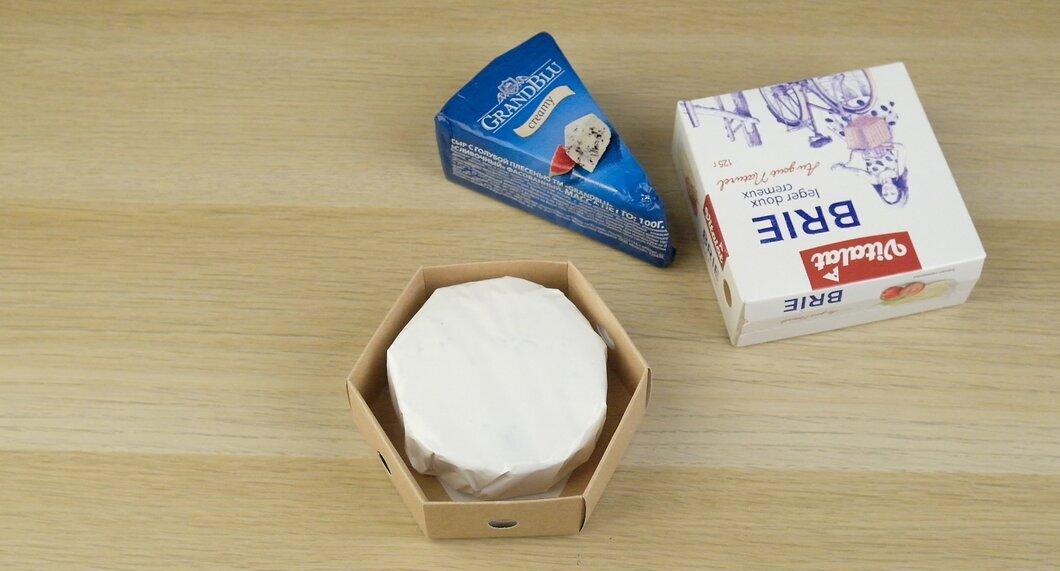
Serve cheese at room temperature. This will help to bring out its flavor and texture. Take it out of the refrigerator about an hour before serving, but keep it wrapped to prevent it from drying out. Remember that in warmer climates, cheese will reach room temperature faster. Don’t wait for it to melt and ooze.
- Hard cheeses (like cheddar) should be taken out an hour to an hour and a half before serving.
- Soft creamy cheeses like brie should be taken out two to three hours before eating.
- Fresh cheeses (like cottage cheese) can be taken out 30 minutes before serving.
Step 2. Cut the Rind Off Hard Cheeses.
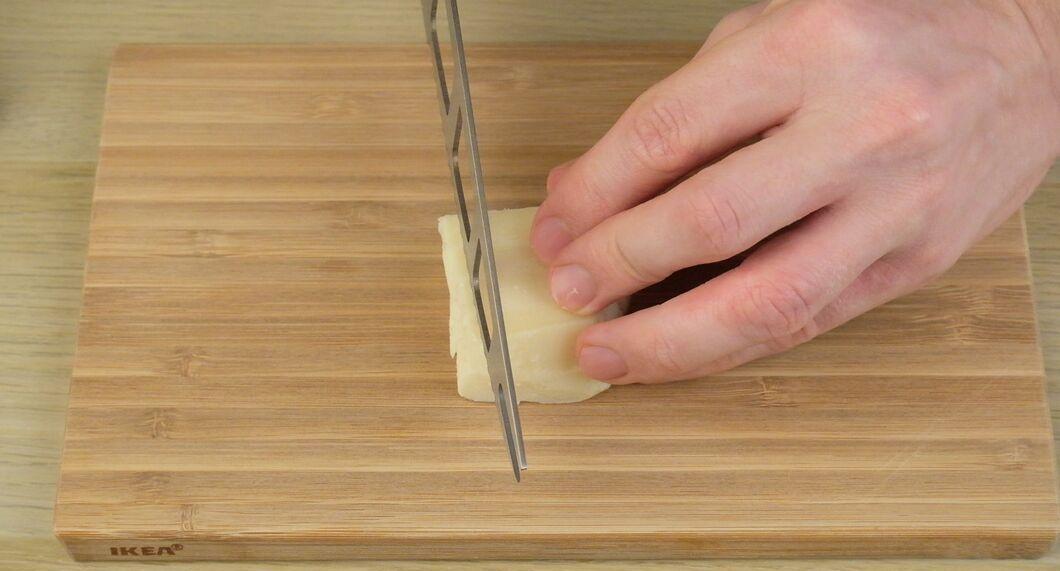
Cut the rind off hard cheeses. The rind is usually tough and may contain wax. Remove the rind for cheeses like cheddar, Gruyère, and Romano.
Step 3. Don’t Hesitate to Eat the Rind of Soft Cheeses.
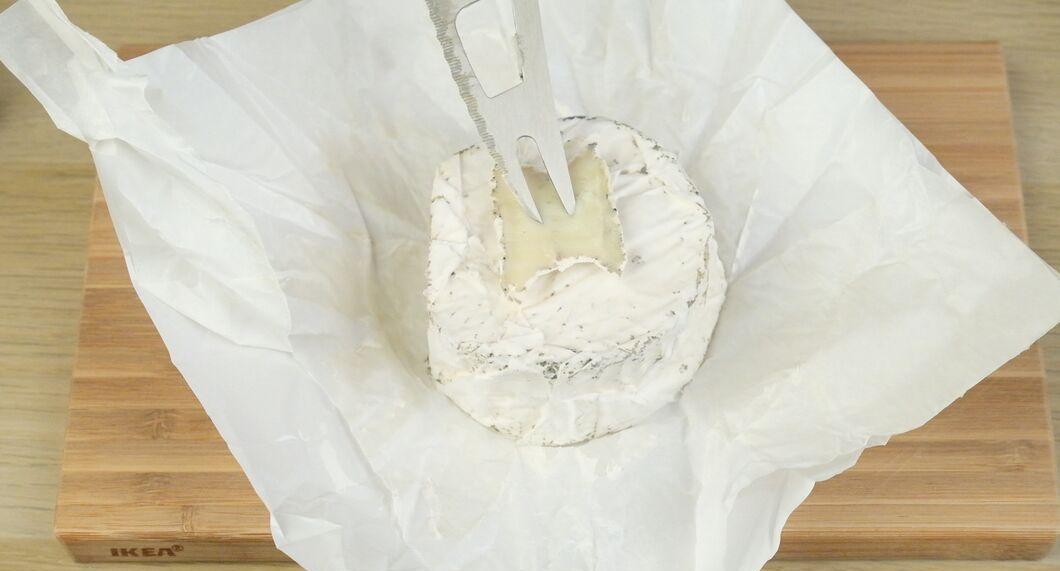
Don’t hesitate to eat the rind of soft cheeses. The rind is typically soft and white. For cheeses like Camembert and Brie, the rind is meant to be eaten.
Step 4. Smell the Cheese Before Eating.
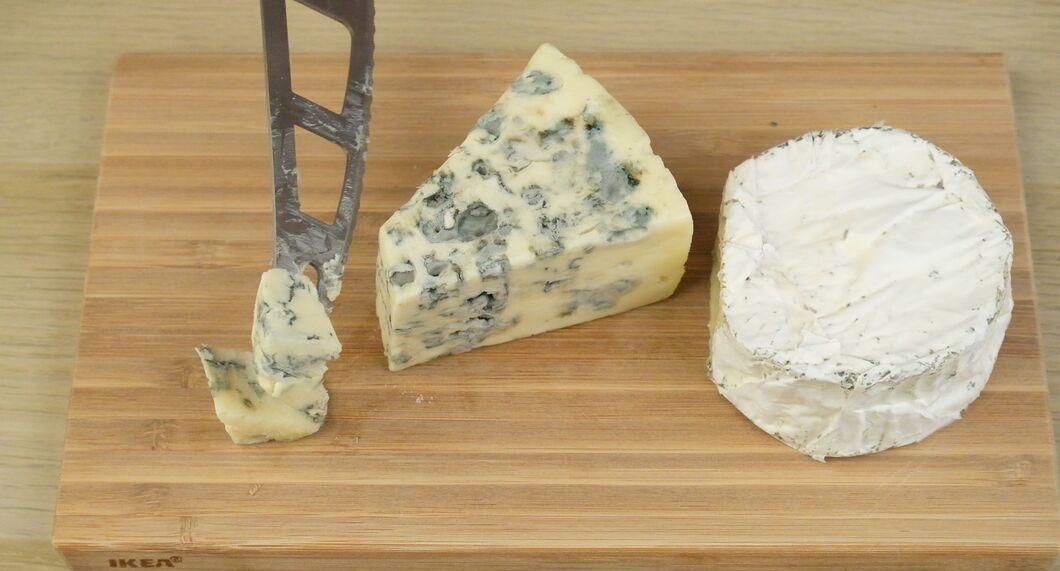
Before eating, discreetly smell the cheese. Don’t make it obvious. The aroma is an integral part of the cheese experience and can enhance its flavor.
Step 5. Enjoy Cheese with a Small Amount of Bread or Crackers.
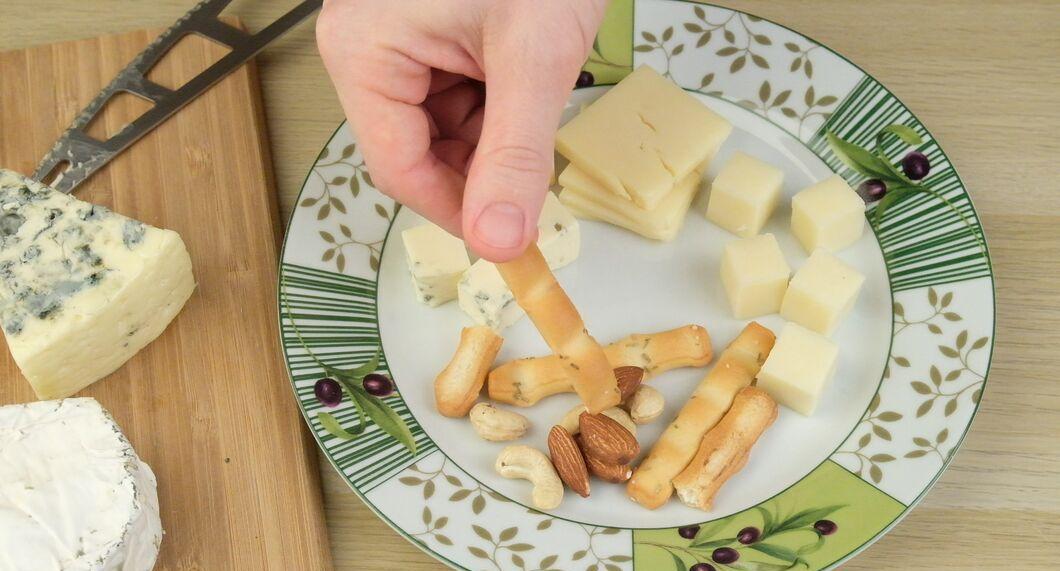
Enjoy cheese with a small amount of bread or crackers. This should not distract from the cheese's flavor. Bread and crackers can overpower the unique taste of the cheese, so if you want to appreciate all the nuances, eat the cheese on its own.
Step 6. When Sampling Different Cheeses, Start with the Softest.
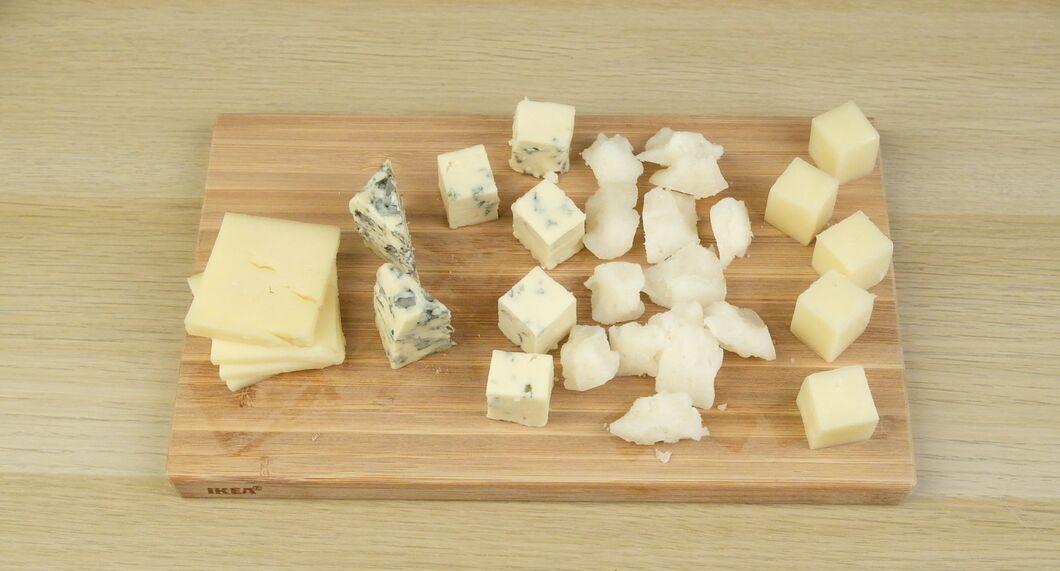
When sampling different cheeses, start with the softest and finish with the hardest. Soft cheeses are generally younger than hard cheeses. If you’re unsure which cheeses are young or aged, ask your host.
- Starting with a hard cheese can overwhelm your palate, making it difficult to appreciate the subtleties of the softer cheese that follows.
- Use different knives for different types of cheese to prevent flavor mixing.
Pairing Cheese with Wine
Step 1. Know How to Pair Cheese and Wine.
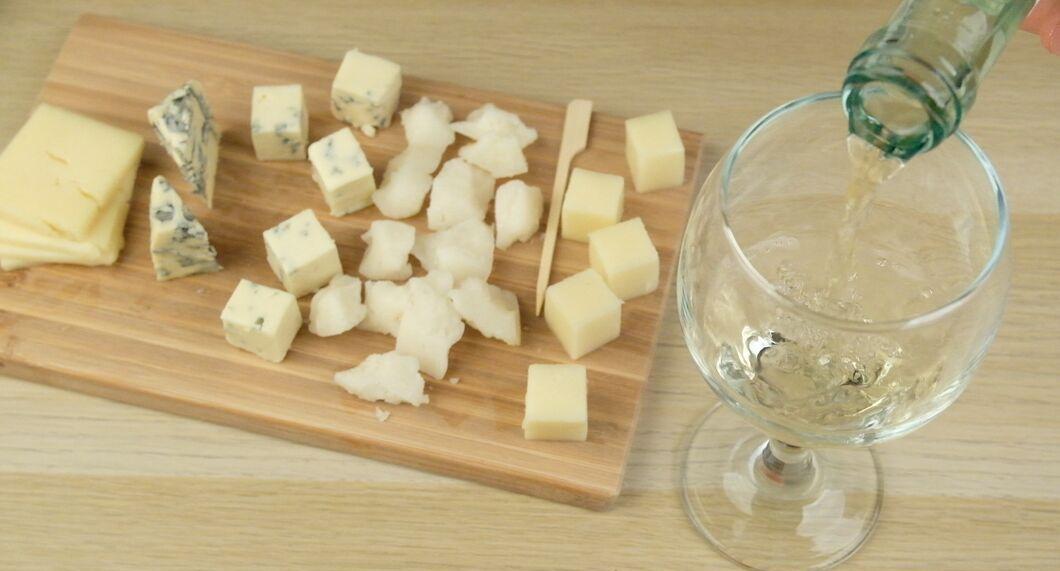
Understand how to pair cheese with wine. Wine pairs beautifully with cheese and can enhance its flavor. However, there are specific recommendations for pairings. In this section, we’ll explore the best wine and cheese combinations.
Step 2. Pair Soft and Fresh Cheeses with White Wine.
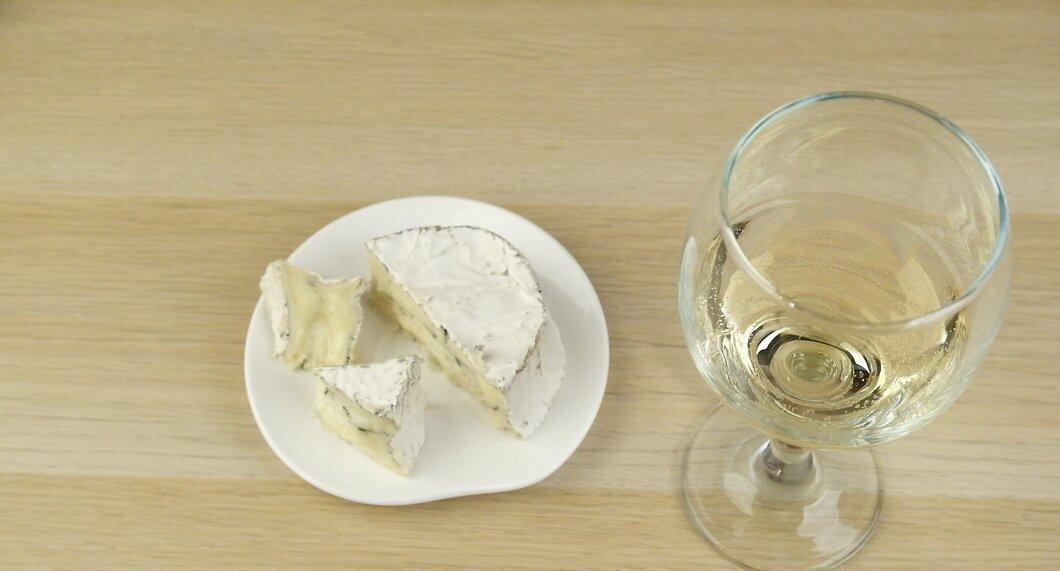
Pair soft and fresh cheeses with white wine. Soft cheeses pair well with dry aperitifs, dry rosé wines, sparkling wines, and light red wines with low tannins. Avoid red wines high in tannins, such as Bordeaux, Bordeaux blends, Cabernet Sauvignon, and Malbec.
- Examples of fresh soft cheeses include Brie, Brillat-Savarin, Boucheron, Burrata, Camembert, Chèvre, Crottin, Feta, Halloumi, Mozzarella, and Ricotta.
- Wines that pair well with soft cheeses include Albariño, Beaujolais, Cava, Chablis, unoaked Chardonnay, Champagne, Chenin Blanc, Fino Sherry, Gewürztraminer, Grüner Veltliner, Lambrusco, Muscat, Pinot Grigio, Pinot Gris, Provence Rosé, and Riesling (dry to sweet).
Step 3. Pair Semi-Hard Cheeses with Medium-Bodied Wines.
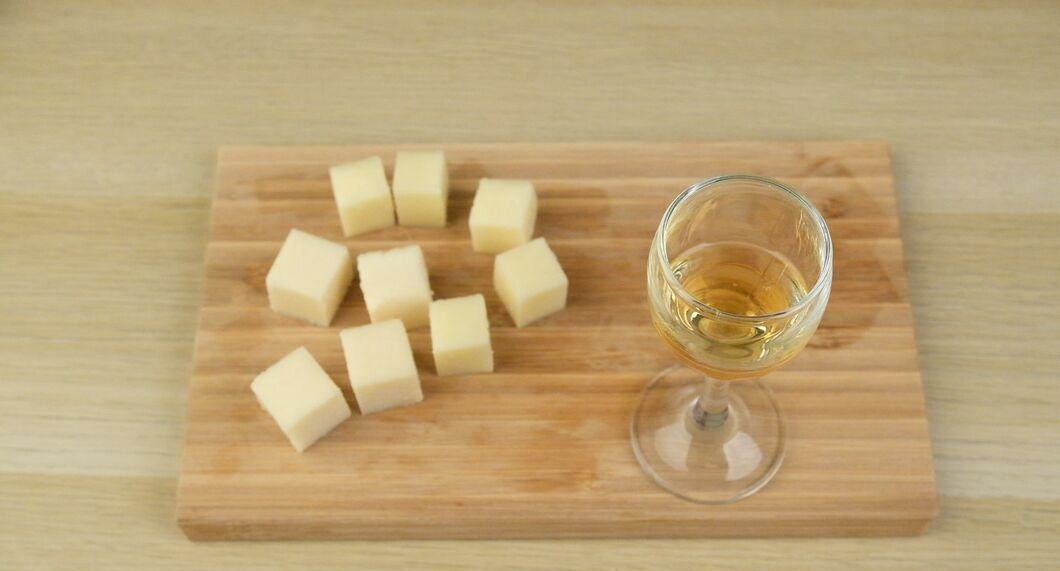
Pair semi-hard cheeses with medium-bodied wines. They can also be enjoyed with fruity red wines and vintage sparkling wines. Light aperitif wines with varying acidity, fruity notes, and tannins are also appropriate.
- Examples of semi-hard cheeses include Edam, Emmental, Gruyère, Havarti, Jarlsberg, Manchego, Monterey Jack, Tom de Alsace, and young Cheddar.
- Wines that pair well with these cheeses include Amontillado Sherry, Barbera, Beaujolais, Champagne, Chardonnay, Dolcetto, Gewürztraminer, Merlot, Pinot Blanc, Pinot Noir, red Burgundy, Riesling (dry), young Tawny Port, white Bordeaux, white Burgundy, white Rhône blends, Viognier, vintage Port, and Zinfandel.
Step 4. Pair Aged Hard Cheeses with Full-Bodied White Wines.
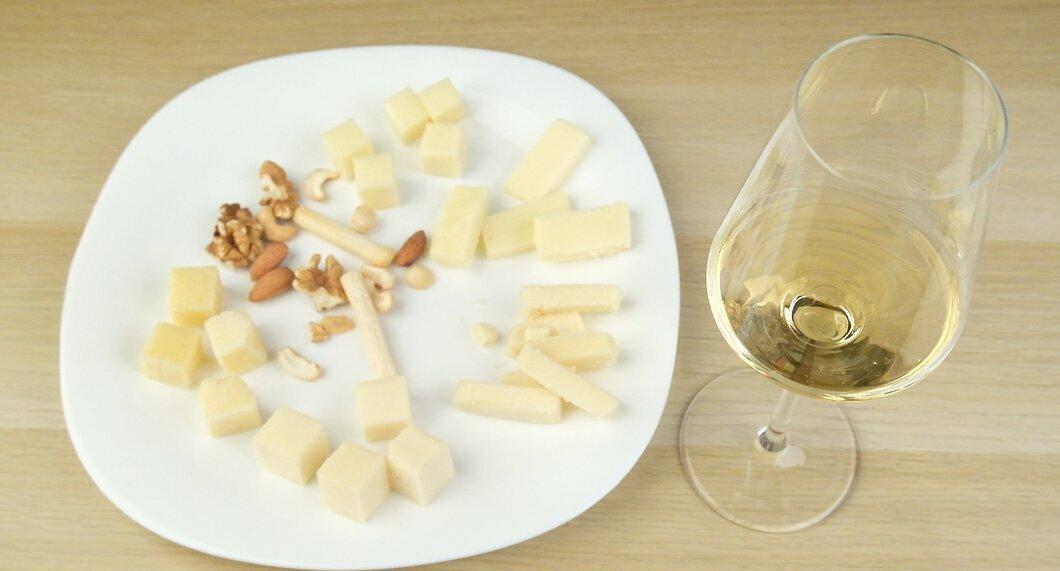
Pair aged hard cheeses with full-bodied white wines. Red wines with high tannins and oxidative wines are also suitable. These wines reveal the rich (often nutty) aroma of the cheese.
- Some examples of aged hard cheeses include aged Cheddar, Asiago, Cheshire, Comté, aged Gouda, aged Gruyère, Manchego, Parmigiano-Reggiano, and Pecorino.
- Wines that pair well with these cheeses include aged Burgundy or Bordeaux, Barbaresco, Barolo, Cabernet Sauvignon, red California blends, Madeira, Nebbiolo, Oloroso Sherry, Petit Syrah, red Burgundy, red Bordeaux, red Port, red Rhône blends, Sauternes, sweet Riesling, Tawny Port, white Rhône blends, Viognier, Vin Jaune, and vintage Champagne.
Step 5. Pair Salty Blue Cheeses with Sweet Wines.
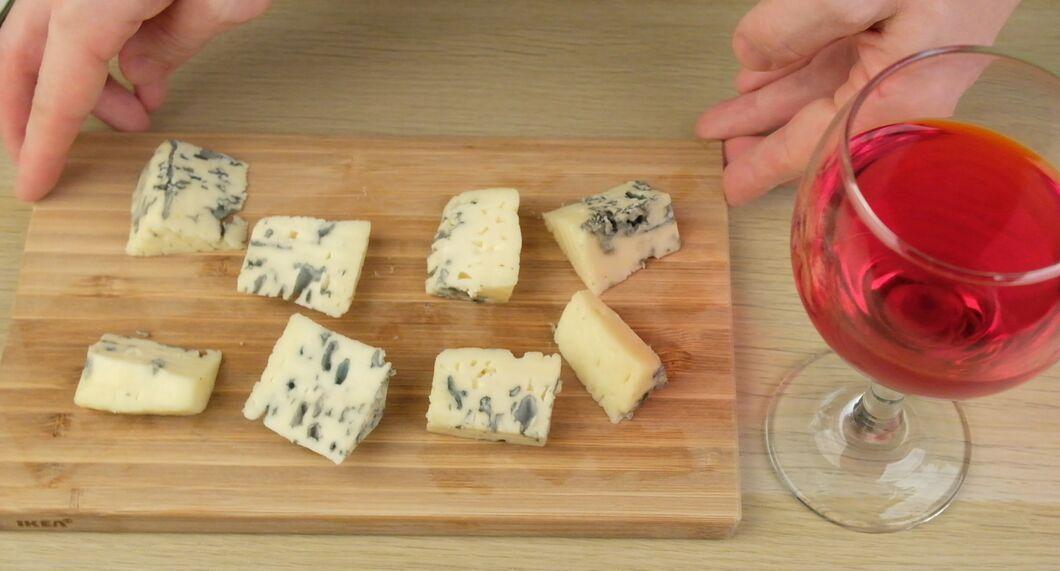
Pair salty blue cheeses with sweet wines. This creates a contrast that enhances the aromas of both the wine and the cheese. Blue cheese is easily recognizable by its blue veins and salty taste.
- Examples of blue cheeses include Bleu d'Auvergne, Cambozola, Gorgonzola, Roquefort, and Stilton.
- Pair blue cheese with Banyuls, Oloroso Sherry, red Port, Recioto, Sauternes, Tawny Port, and Tokaji.
Step 6. Pair Strongly Smelling Cheeses with Light-Bodied Wines.
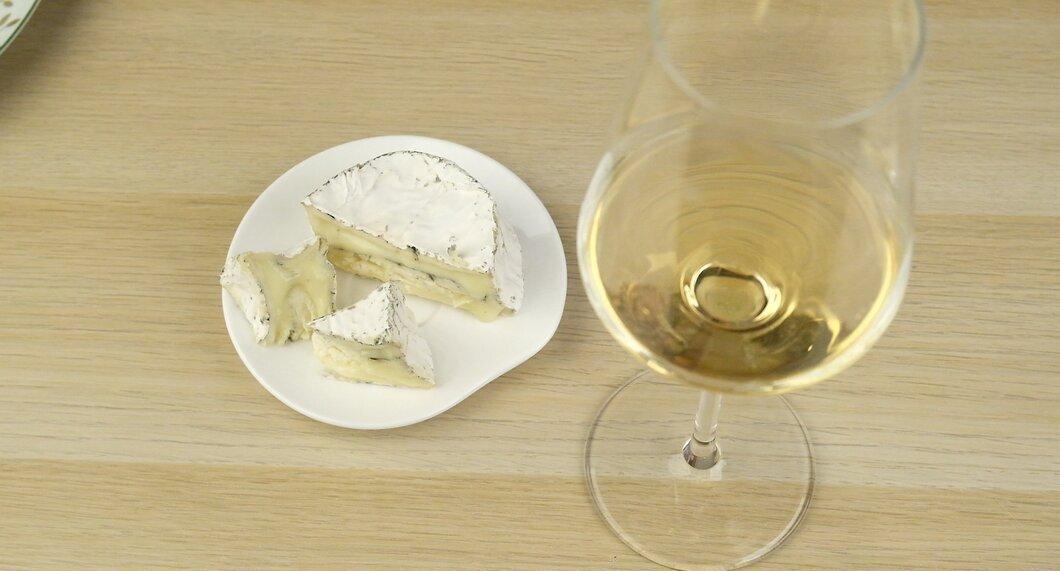
Pair strongly smelling cheeses with light-bodied wines. Since cheeses like Époisses, Morbier, and Taleggio have strong aromas, a fragrant wine should balance them out. Try opening a bottle of any of the following wines with such cheeses: Gewürztraminer, Pinot Noir, Riesling, red Burgundy, and Sauternes.
Step 7. Choose the Right Wine for a Cheese Plate.
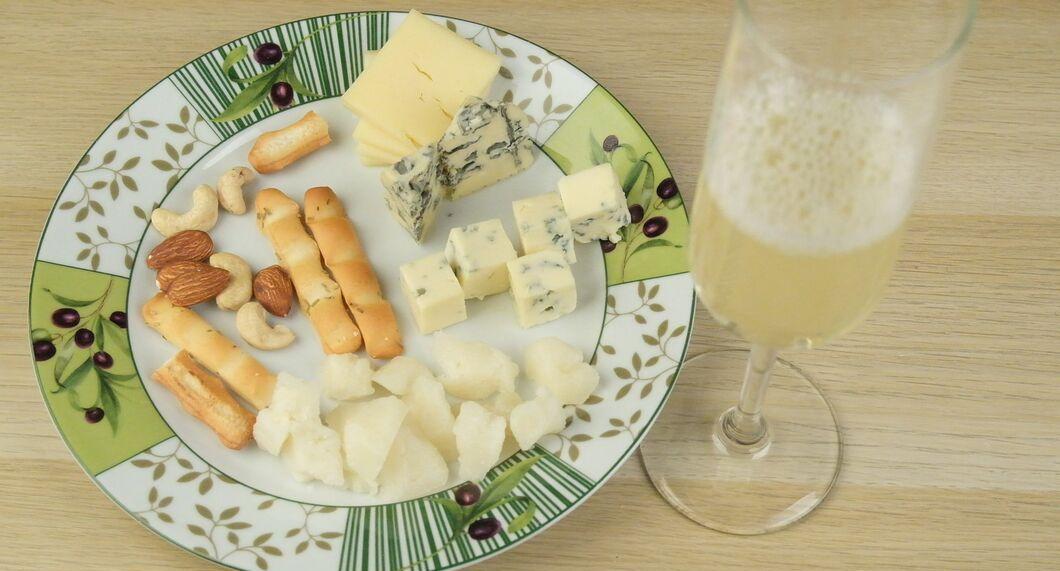
Know what wine to choose when faced with a cheese platter. If there are many types of cheese on the plate, it can be challenging to select a wine that pairs well with all of them. Any of the following wines would be a safe choice. These wines pair well with most types of cheese:
- Alsatian Gewürztraminer
- Champagne
- Riesling, especially dry
- Sparkling wines, from dry to sweet
How to Pair Cheese with Other Foods
Step 1. Add Some Fruits, But Avoid Citrus.
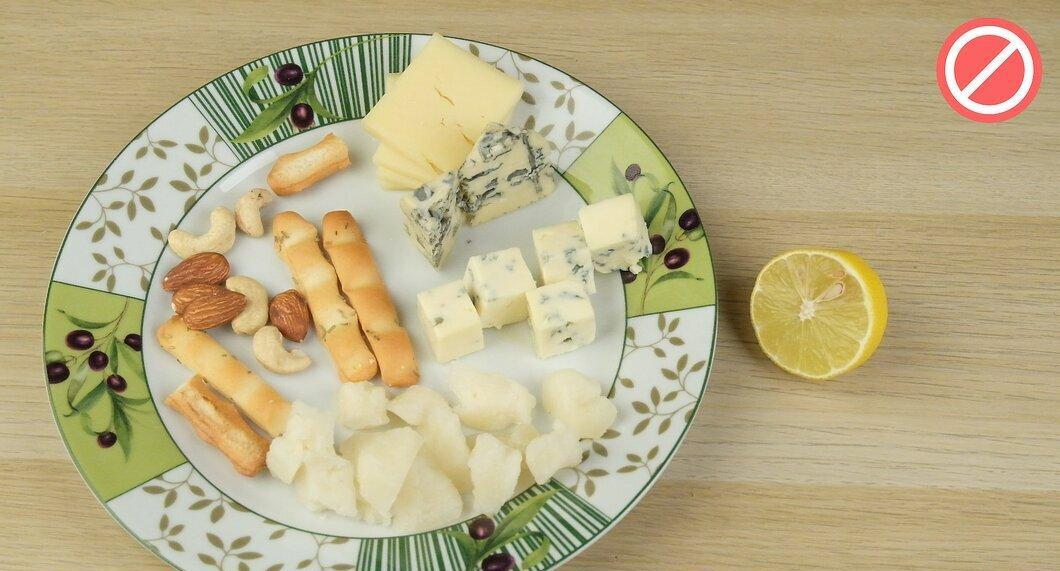
Add some fruits, but avoid citrus. Most types of cheese pair well with sweet foods, including fruits. The next time, try serving cheese with several types of fruits.
- Hard cheeses pair well with dried fruits like apricots, cherries, and figs.
- Try adding fresh fruits like apples, dates, figs, apricots, and plums.
Step 2. Include Some Nuts.
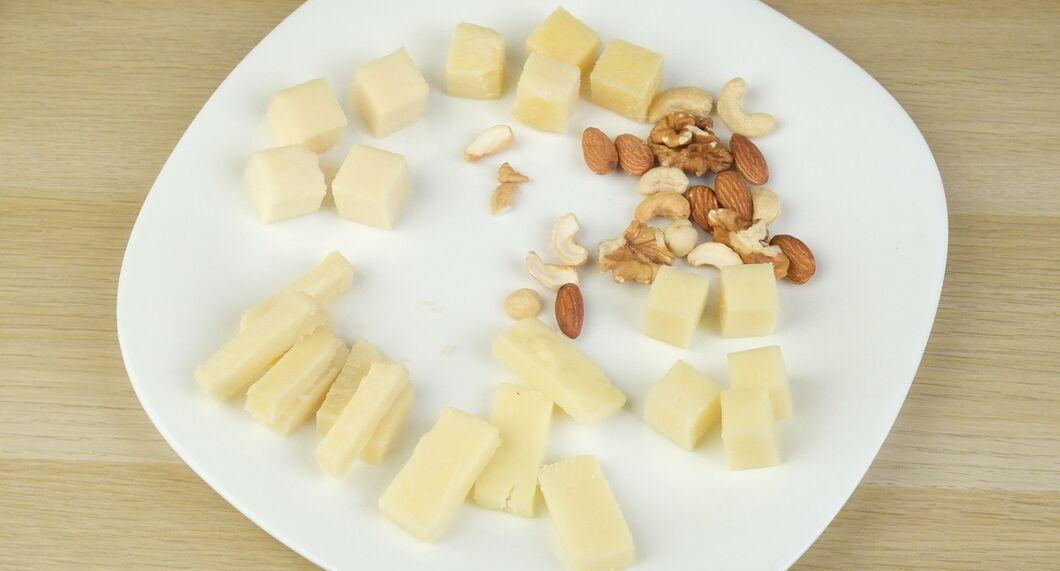
Include some nuts. Nuts enhance the sweet notes of cheese. Almost any nuts can be paired with cheese, but almonds, hazelnuts, and roasted pecans are the most common.
Step 3. Try Serving or Eating Several Types of Cheese.
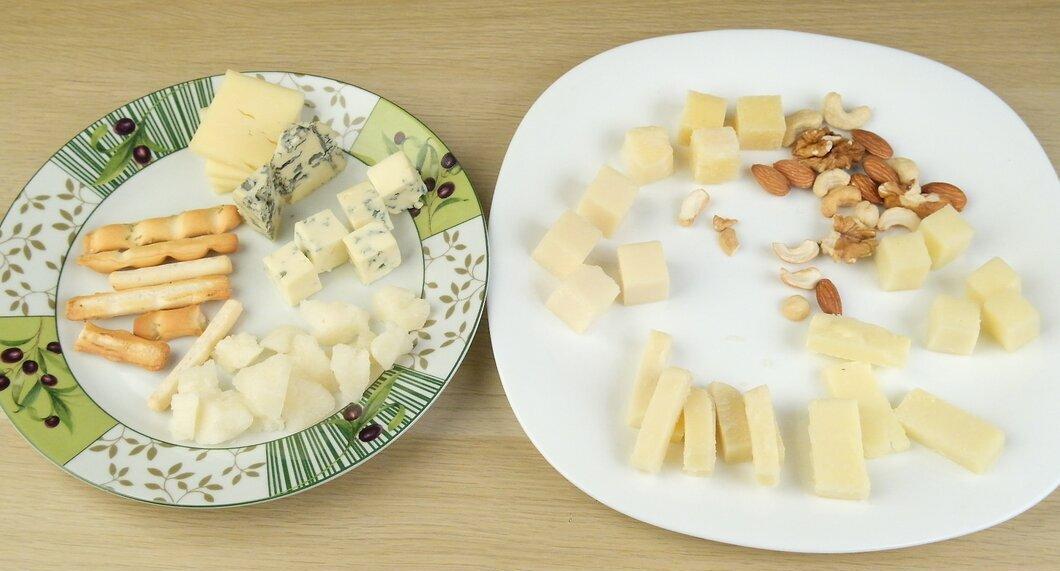
Try serving or eating several types of cheese. Cheese doesn’t have to be paired only with fruits, nuts, or wine. You can mix different types of cheese together. Next time, try serving 3-5 different types of cheese with varying flavors and textures. Remember to start with the softest cheeses and gradually move to the harder and aged ones. You might try the following combination:
- A soft creamy cheese (like Brie).
- A cheese with a unique texture and nutty flavor (Comté).
- A dry and hard aged goat cheese.
Step 4. Try Baking Brie with Honey.
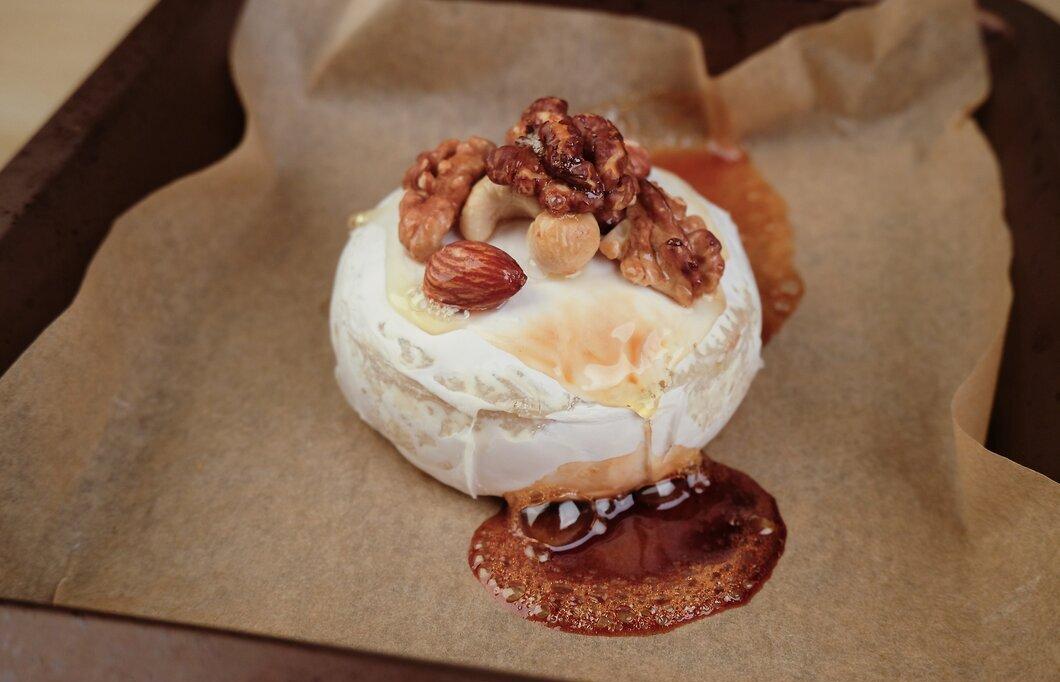
Try baking Brie with honey. Preheat your oven to 175 degrees Celsius. Line a baking sheet with parchment paper. Place the Brie on the sheet and drizzle a small amount of honey over it. Optionally, you can add dried cranberries, figs, rosemary, thyme, walnuts, or pecans. Bake the cheese until it begins to melt. Then serve it with crackers.
- If you have a triangular slice, bake it for 5-7 minutes.
- If it’s a round wheel of cheese, bake it for 8-10 minutes.
Step 5. Try Adding Grated or Sliced Cheese to Dishes.
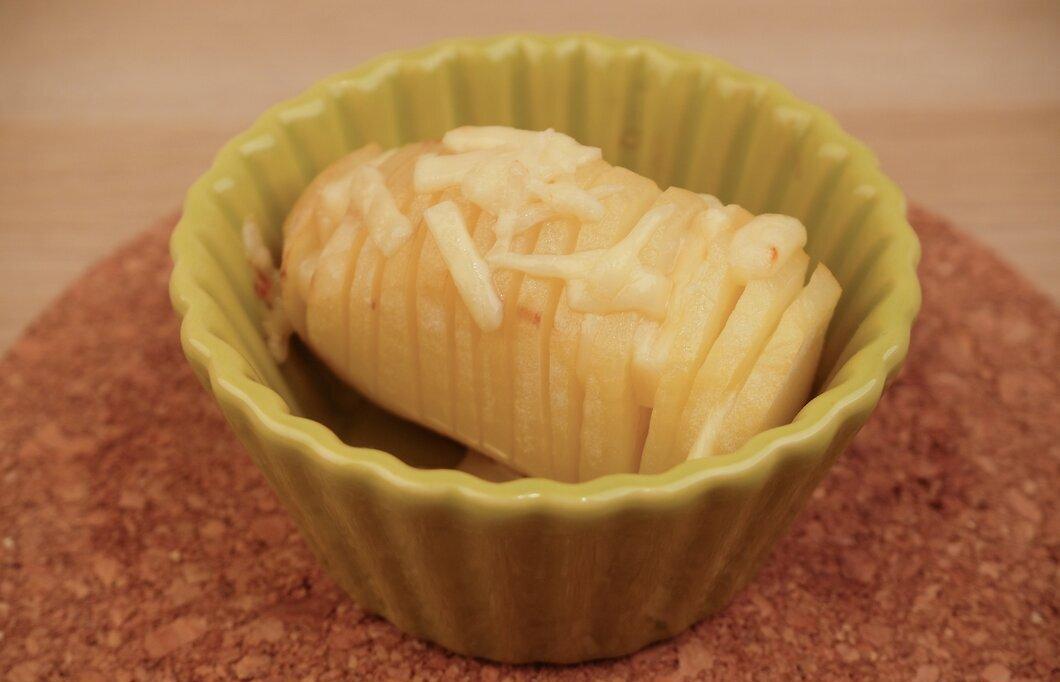
Try adding grated or sliced cheese to dishes. This will change the texture of the dishes and make their flavor more interesting. You might add cheese to:
- Omelets and scrambled eggs.
- Baked potatoes and mashed potatoes.
- French fries (cheddar with bacon bits).
- Tortillas (Mexican cheese with sour cream and salsa).
- Salads (Caesar salad often includes Parmesan).
How to Eat Cheese in Formal and Informal Settings
Step 1. Consider the Nature of the Event and the Texture of the Cheese.
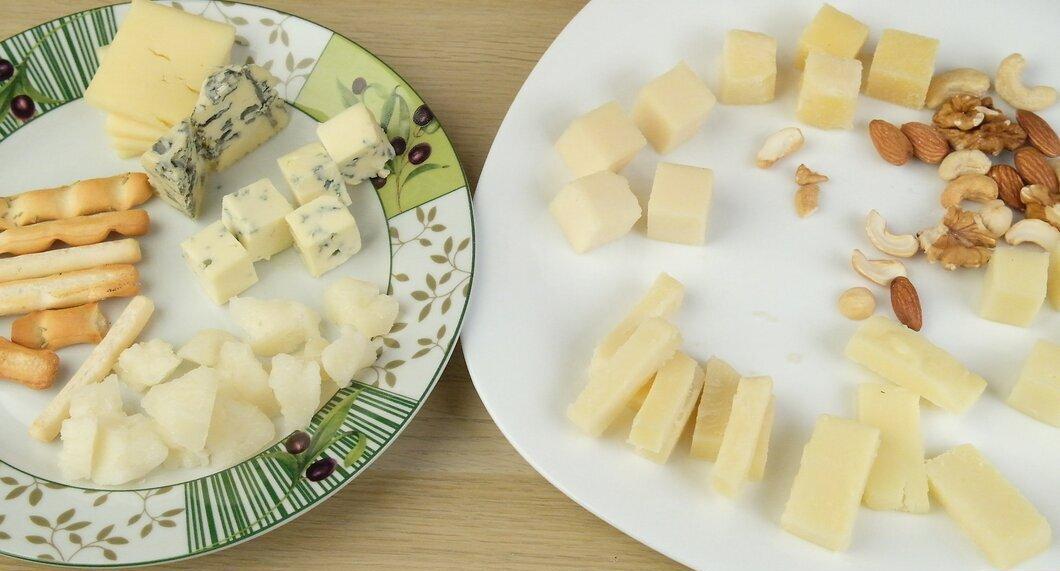
Consider the nature of the event and the texture of the cheese. Etiquette will vary depending on whether it’s a formal event or not. How cheese is served will also influence the expected behavior. This section will guide you on how to avoid mishaps.
Step 2. Know How to Behave at Formal Events.
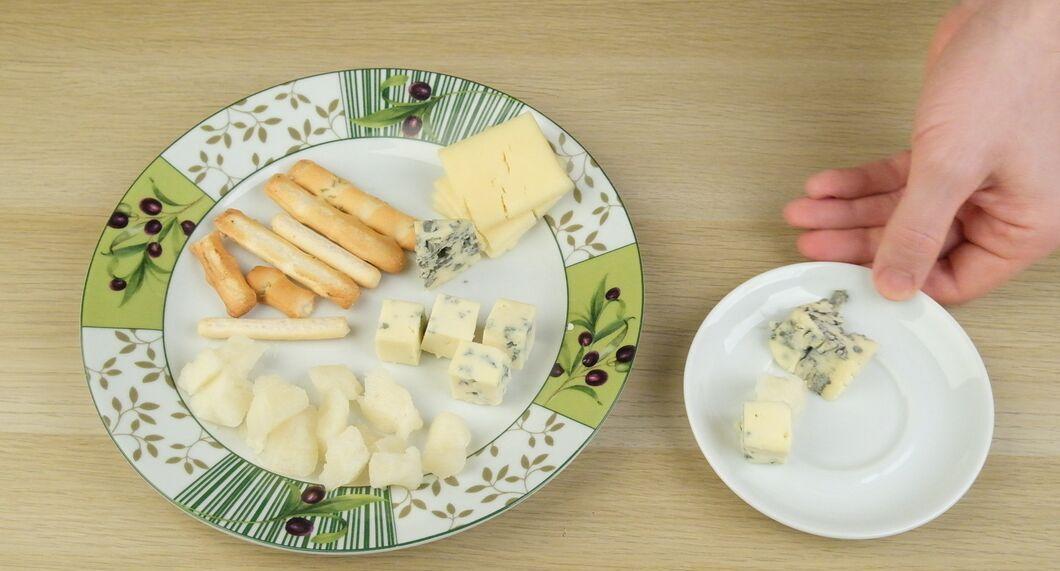
Know how to behave at formal events. Typically, at such events, guests are offered small plates for a reason. If you want to try the cheese, take a small plate. First, you’ll need to place cheese onto it.
Step 3. Spread Soft Cheese on Bread or Breadsticks with a Knife.
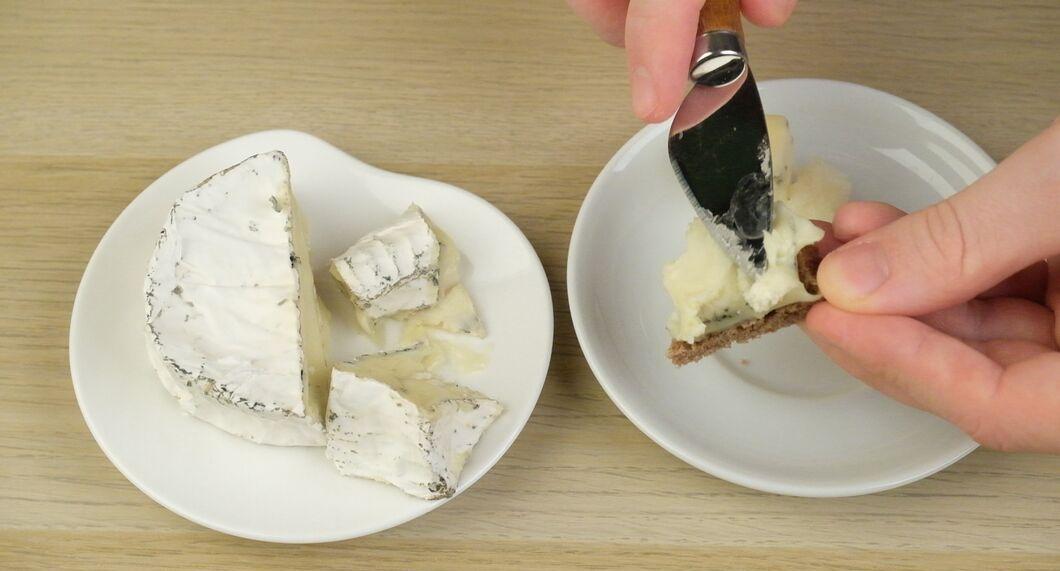
Spread soft cheese on bread or breadsticks with a knife. Eat the bread with your hands, but try to avoid touching the cheese. This is very important.
Step 4. Use a Toothpick to Transfer Cheese from the Plate to Your Plate.
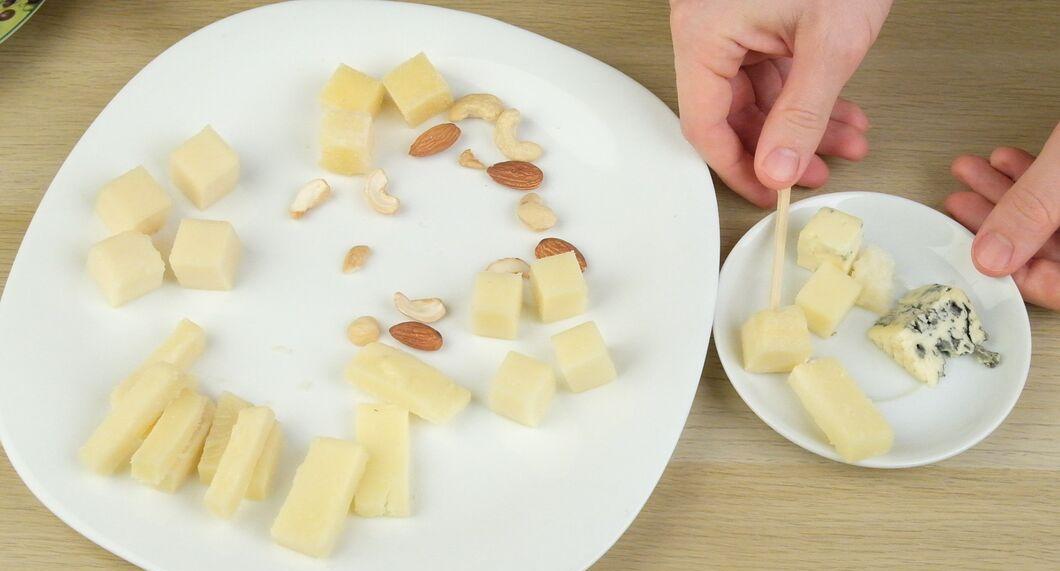
Use a toothpick to transfer cheese from the serving plate to your plate. You can eat the cheese with a fork or place it on the bread and eat with your hands. This is also a very important aspect of etiquette.
- If there are crackers or fruits near the cheese, spear them with the toothpick and place them on your plate.
Step 5. Eat Cheese with a Fork if Served with a Dish (e.g., Pie).
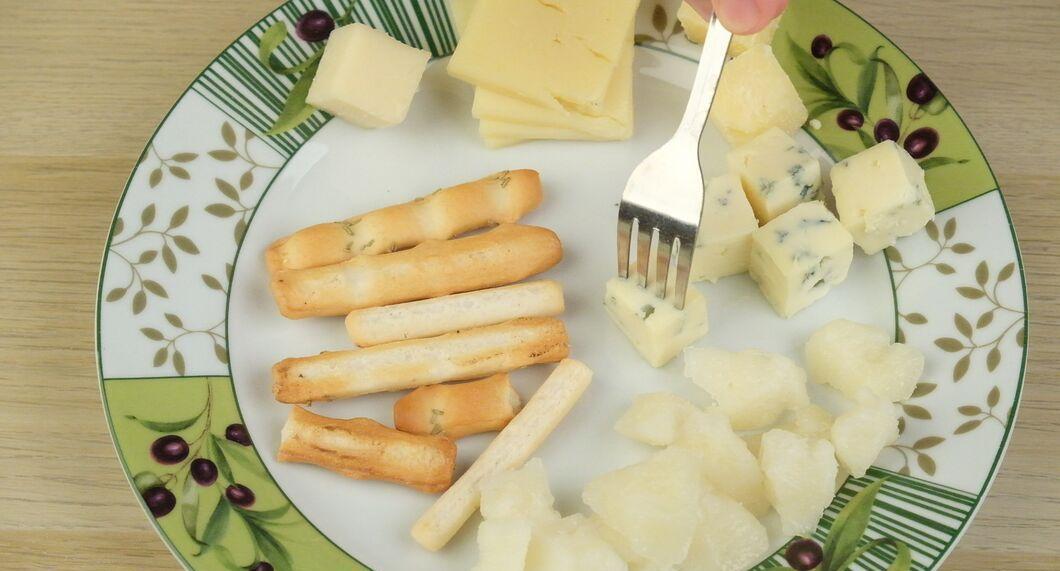
If cheese is served with a dish (like pie), eat it with a fork. At informal events, cheese might be on a plate next to the main dish. In that case, eat it with a fork, not with your hands.
Step 6. Eat Cheese with Your Hands Only at Informal Events.
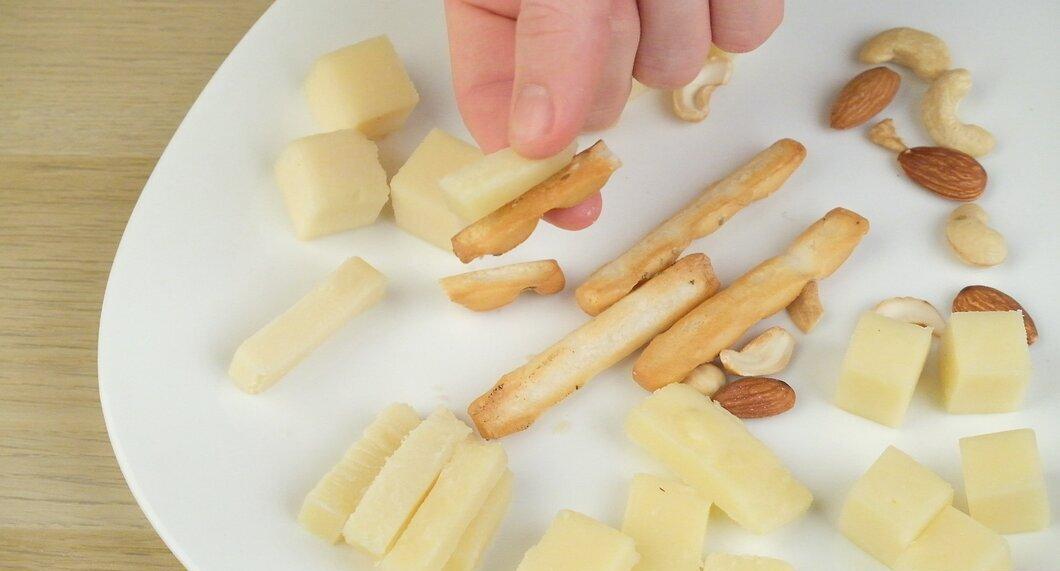
Eat cheese with your hands only at informal events. If the cheese is cubed and on a toothpick, eat it with your hands. If the cheese is sliced, transfer it with a toothpick onto a cracker and eat it with your hands.