You don’t need to be a sommelier to impress your guests with the art of wine service. Whether you’re planning a wine night with friends or want to leave a lasting impression at an event, follow our straightforward guidelines to look like a true expert in the world of wine. Remember, sparkling, white, and red wines require different temperatures and approaches to achieve their best flavor. The right choice of glasses is also important, and of course, don’t forget the corkscrew!
How to Chill Wine
Step 1. Chill red wines to 12–21 °C.
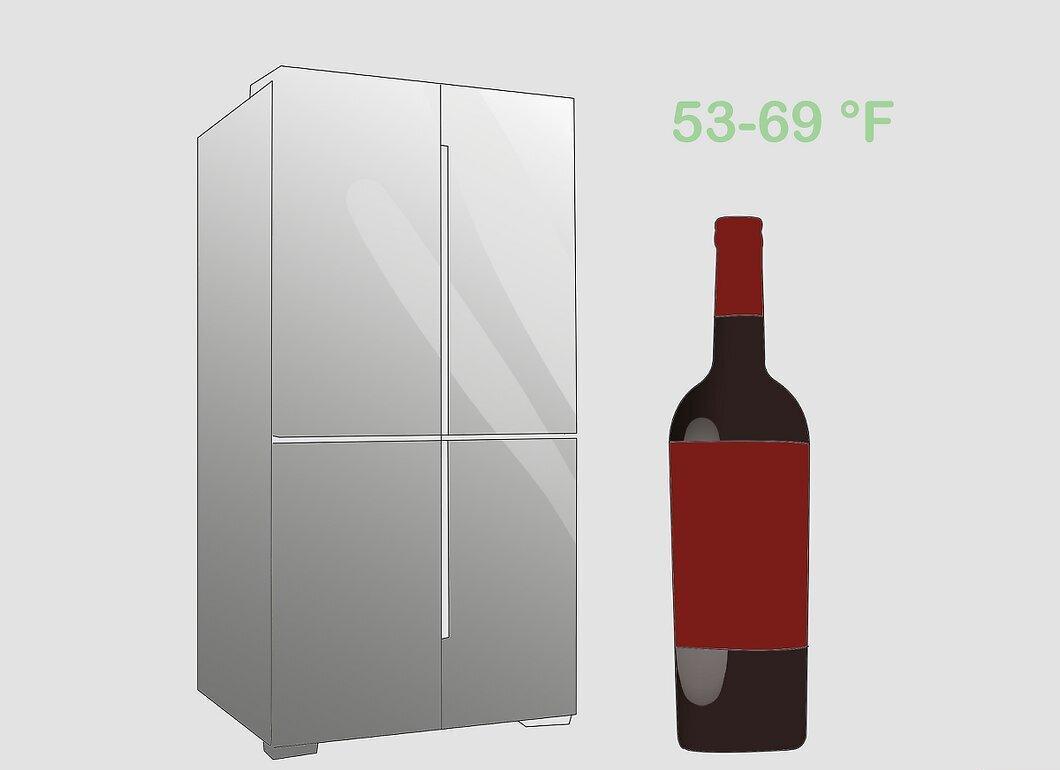
Red wines should be chilled to a temperature of 12–21 °C. It’s best to serve them slightly below room temperature. Full-bodied reds like Cabernet Sauvignon and Shiraz don’t require as much chilling as lighter varieties, such as Pinot Noir and Zinfandel. This temperature helps to reveal the flavors of richer reds more gently.
- If you don’t have a wine cooler, simply place the wine in the regular fridge for 30 minutes before serving. For full-bodied reds like Merlot and Rioja, 15–20 minutes in the fridge will suffice, as their flavors are better expressed at a slightly higher temperature.
- If using a regular fridge, set it to 1 or 2 to avoid over-chilling the wine. Don’t forget to return the fridge to its standard setting after chilling.[2] X Source
Step 2. Serve white wine at 7–14°C.
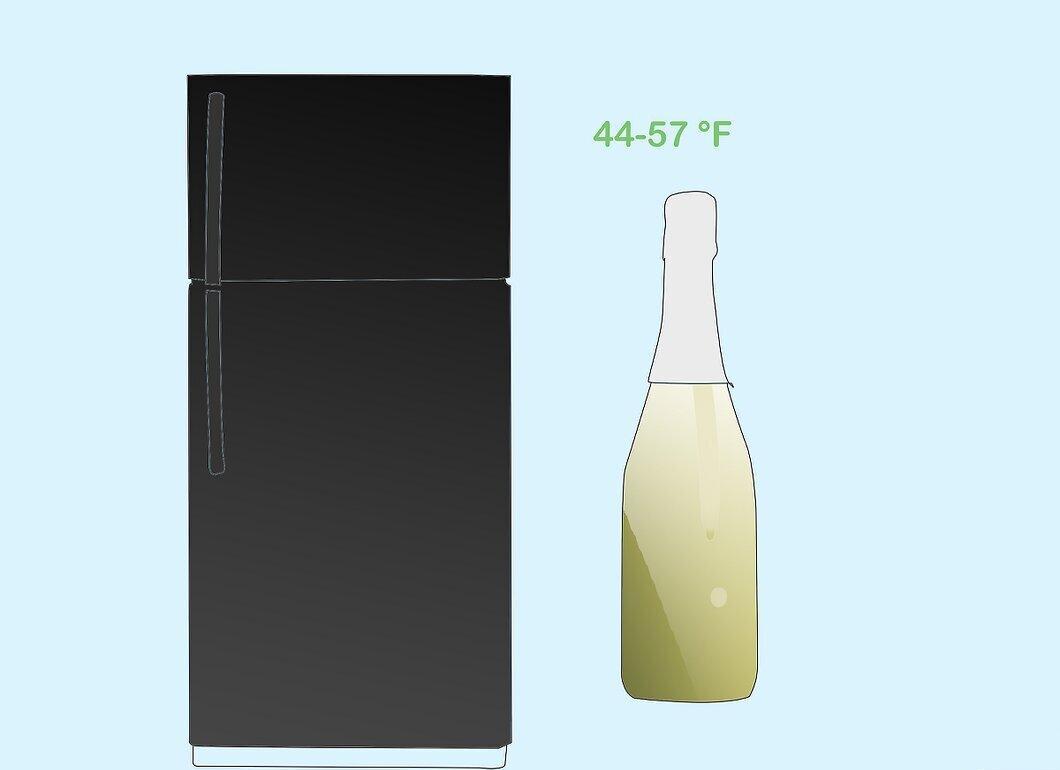
White wine is best chilled to 7–14°C. Light and refreshing white varieties, like Chablis or Grenache Blanc, should be chilled to 10°C or lower, while oaked whites are better served slightly warmer. If you don’t have specialized equipment, place the wine in the refrigerator for a few hours before serving.
- When chilling, set the temperature dial in the fridge to 1 or 2; otherwise, the wine may get too cold.[4] X Source
Step 3. Chill sparkling wine in the freezer.
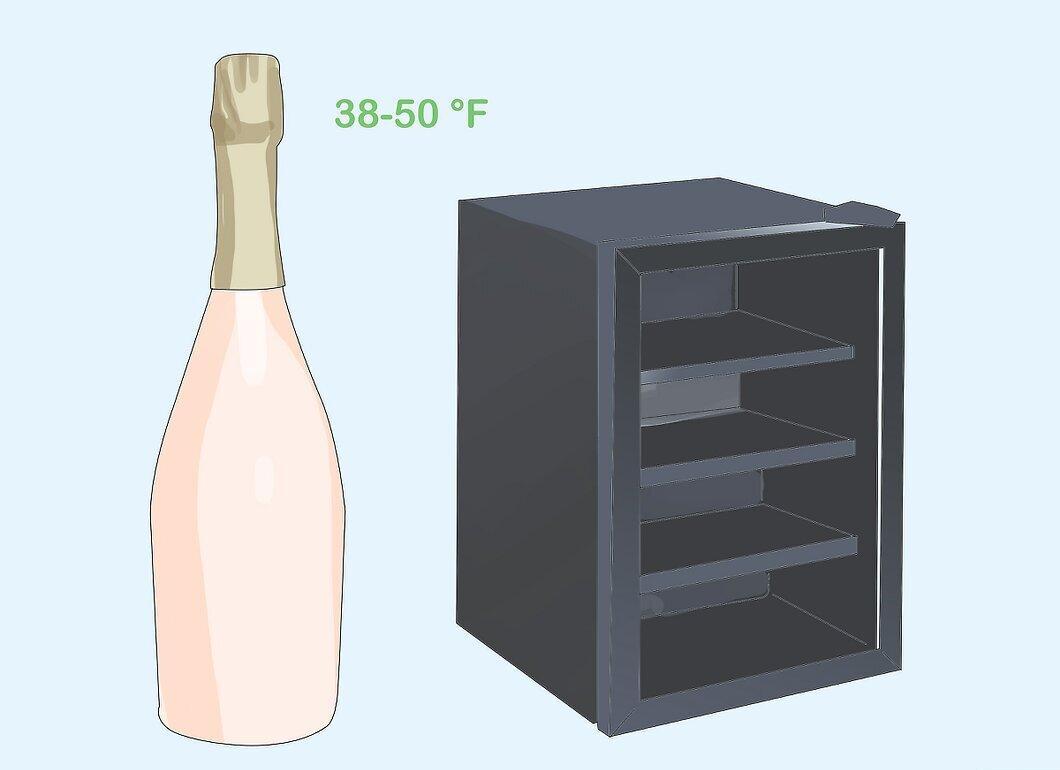
Sparkling wine is best chilled in the freezer. Place the bottle in the freezer one hour before serving to cool the drink to 5–10°C. Expensive sparkling wines should be served at a temperature of 10–13°C. Like with white wine, chill sparkling drinks one to two hours before serving.
How to Choose Glasses
Step 1. Serve white wine in glasses with a small bowl.
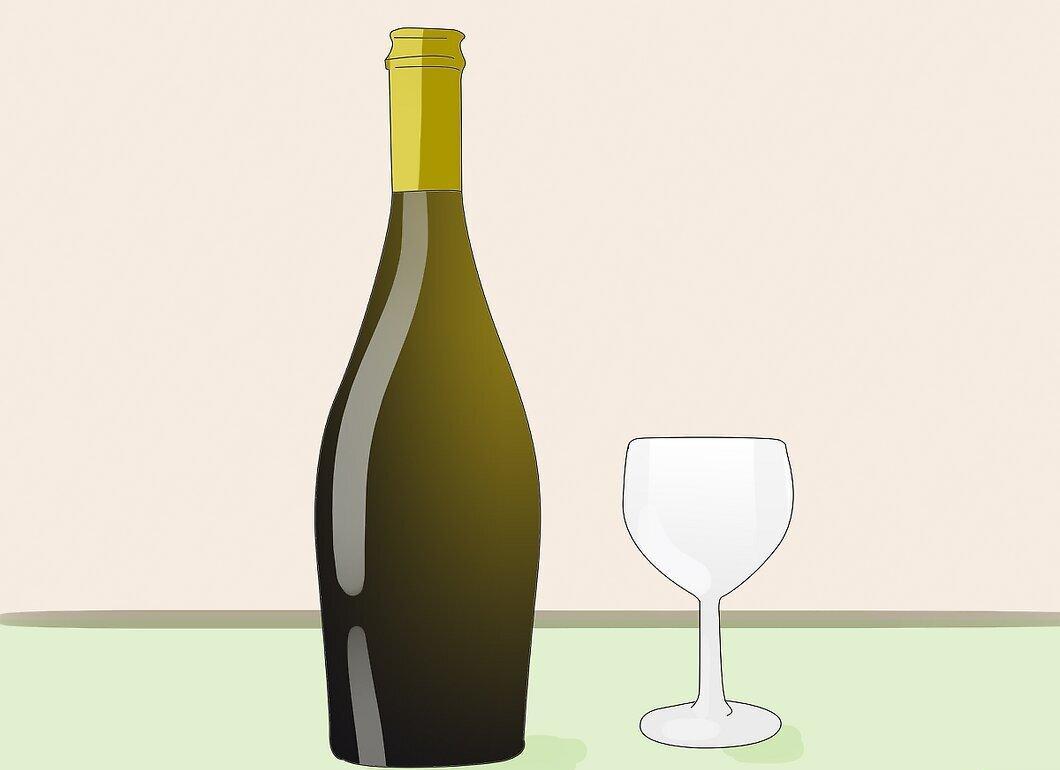
For white wines, use glasses with a small bowl. The bowl is the part of the glass that holds the wine. Light white wines, such as Moscato and Soave, are served in glasses with a narrow and tall bowl, while fuller-bodied varieties, like Viognier, are better served in glasses with a lower, rounder bowl.
Step 2. Serve red wine in glasses with a large bowl.
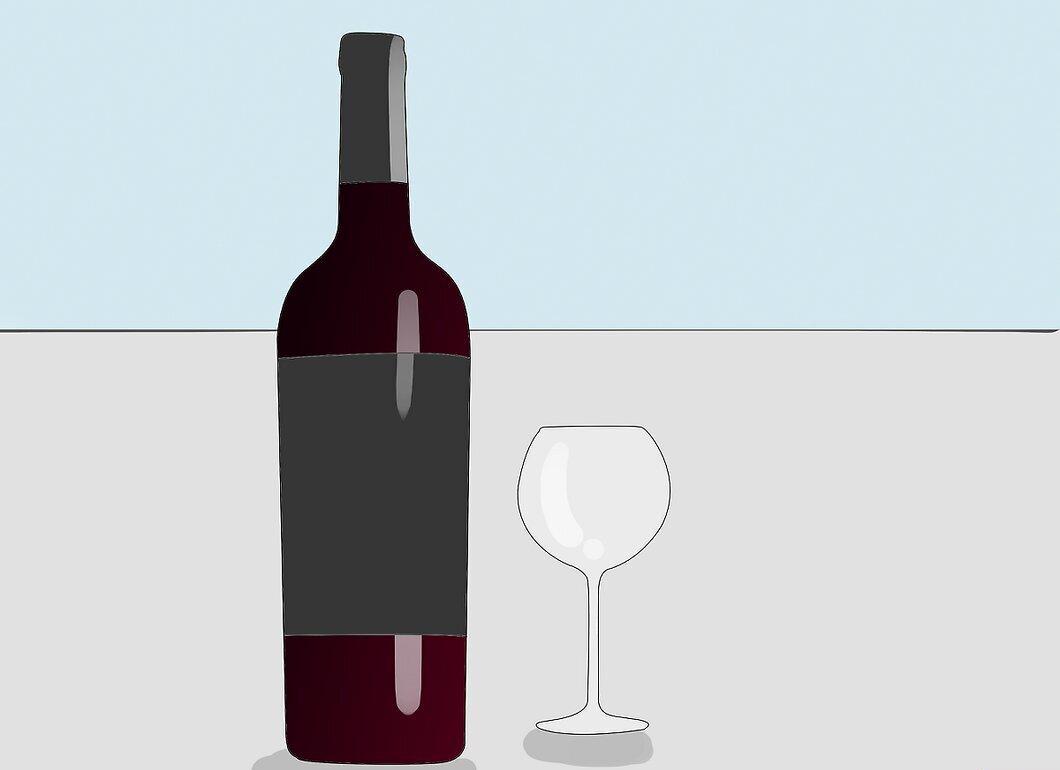
Red wine is best served in glasses with a wide bowl. The wide rim of the bowl allows the flavors of the drink to open up better. Full-bodied reds, like Cabernet Sauvignon, are served in tall glasses with a large bowl, while lighter varieties, like Pinot Noir and Gamay, are served in shorter glasses with a rounded bowl.
Step 3. Serve sparkling wine in tall, narrow glasses.
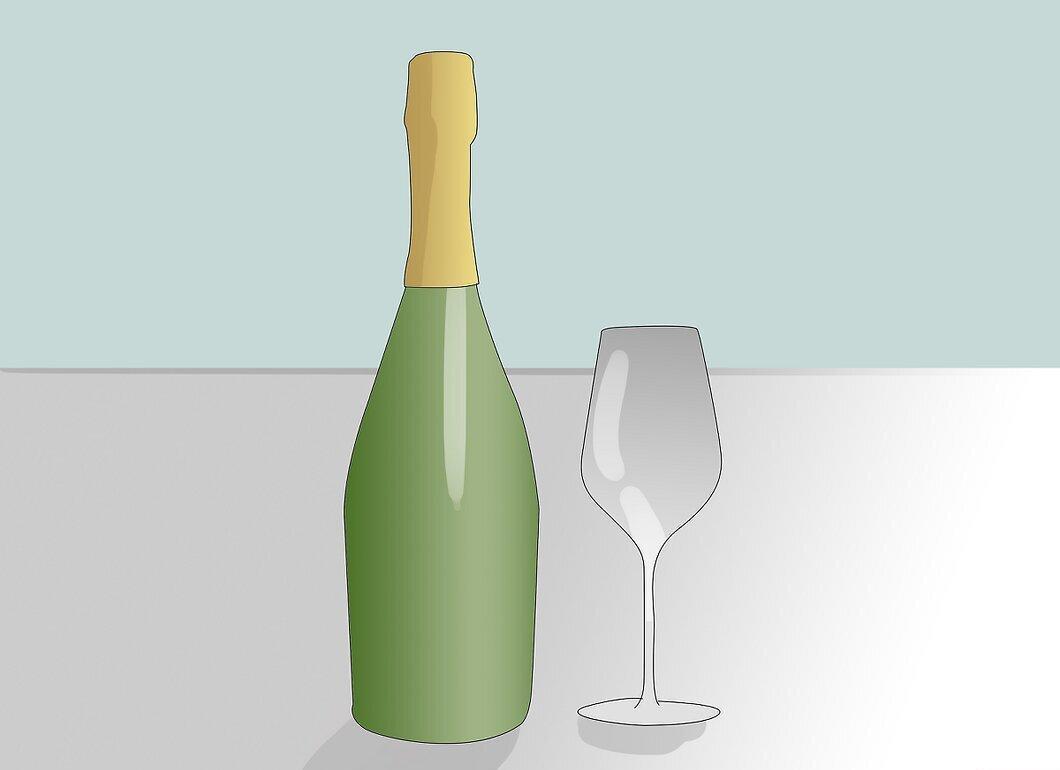
Sparkling wine should be served in tall, narrow glasses. These glasses have a narrow bowl and a small rim and are typically thinner and taper towards the base compared to white wine glasses.
How to Open Wine
Step 1. Cut the foil from the bottle neck with a knife.
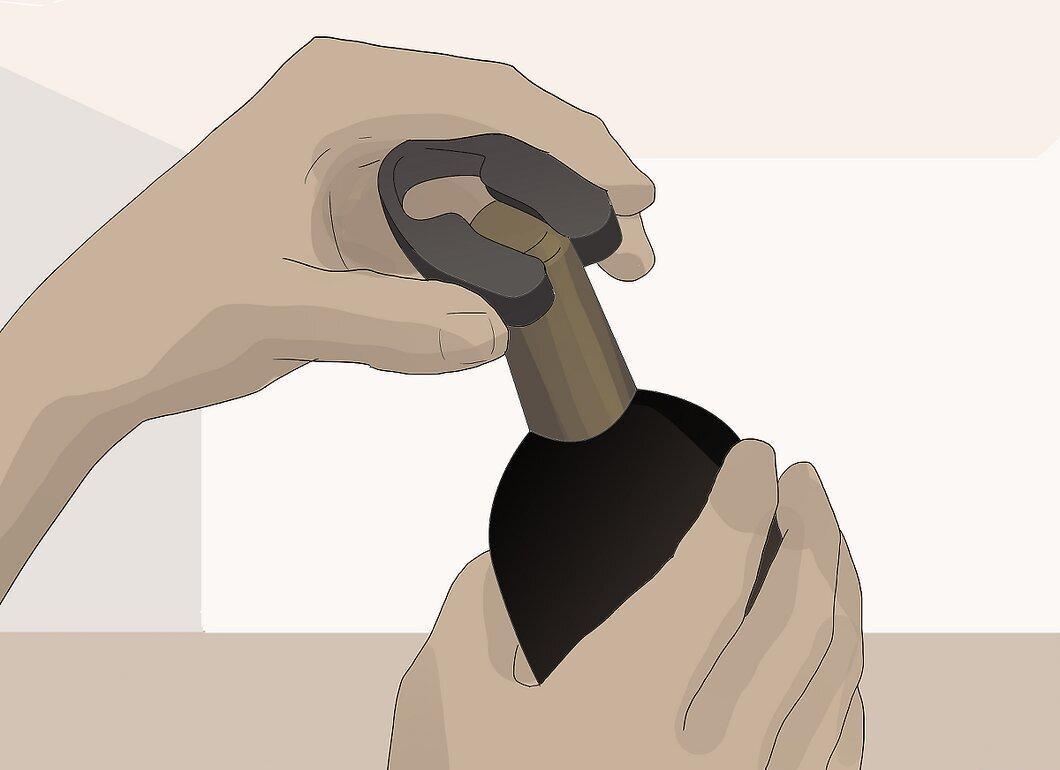
Use a foil cutter to carefully cut the foil from the neck of the bottle. The neck is the raised part above the wine bottle's cork. Place the foil cutter above the neck and gently squeeze to remove the foil covering the cork.
- A foil cutter can be found in online shops or in wine stores near you.
Step 2. Uncork the wine with a corkscrew.
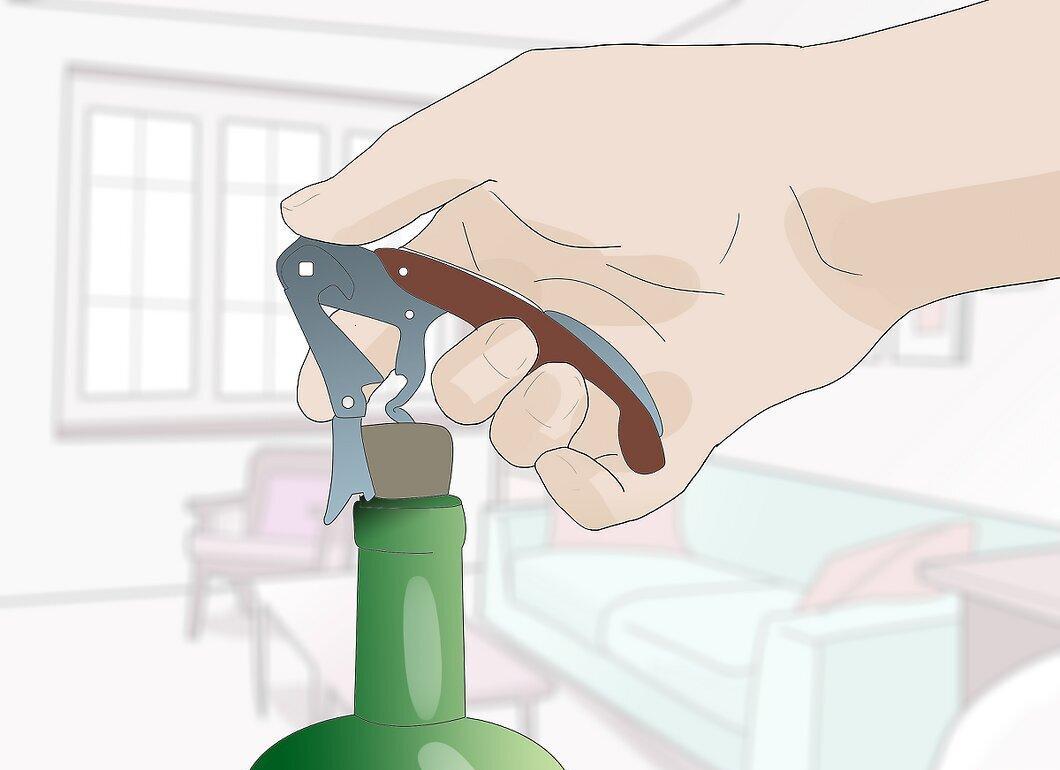
Using a corkscrew, gently uncork the wine. Position the spiral of the corkscrew slightly off-center from the cork. Apply pressure and twist the corkscrew until only one twist of the spiral remains above the cork. Then gently lower the corkscrew handle to extract the cork from the bottle. Repeat this process for any bottles you need to open.
Step 3. Insert the cork back into opened bottles to keep the wine fresh.
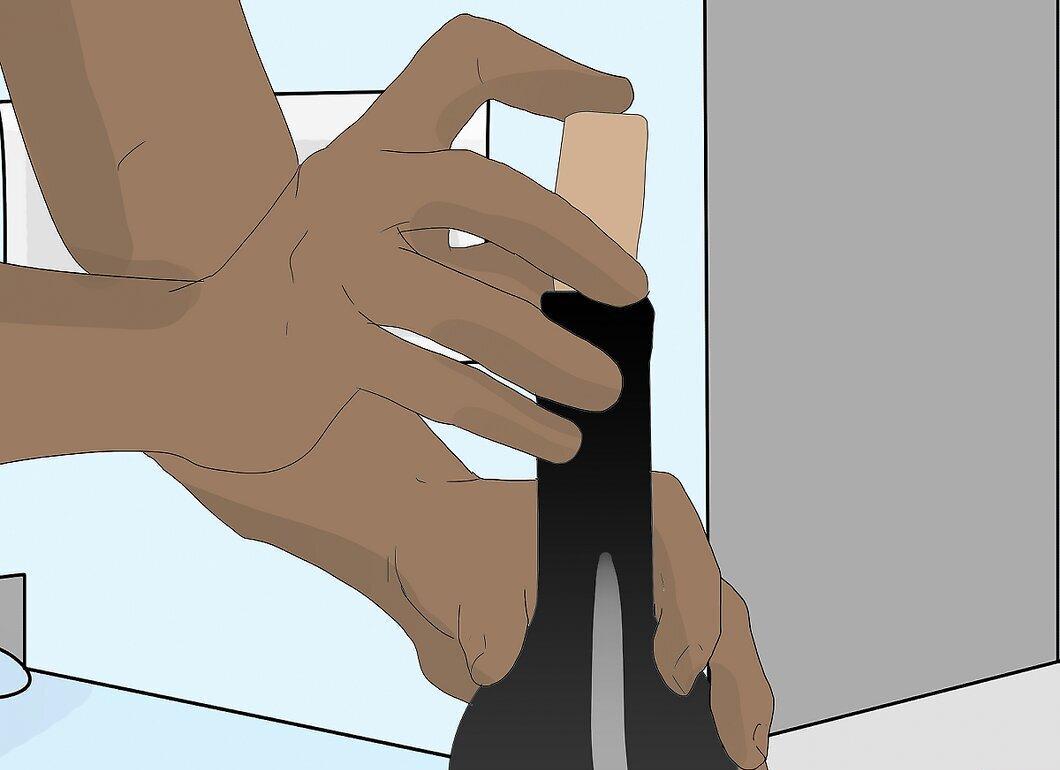
To keep the wine fresh, insert the cork back into the opened bottle with the same side down. Pour the wine into glasses and, if you don’t plan to drink the whole bottle at once, refrigerate it. A low temperature slows down the spoilage of opened wine.
Step 4. Decant wines aged 5 years or more.
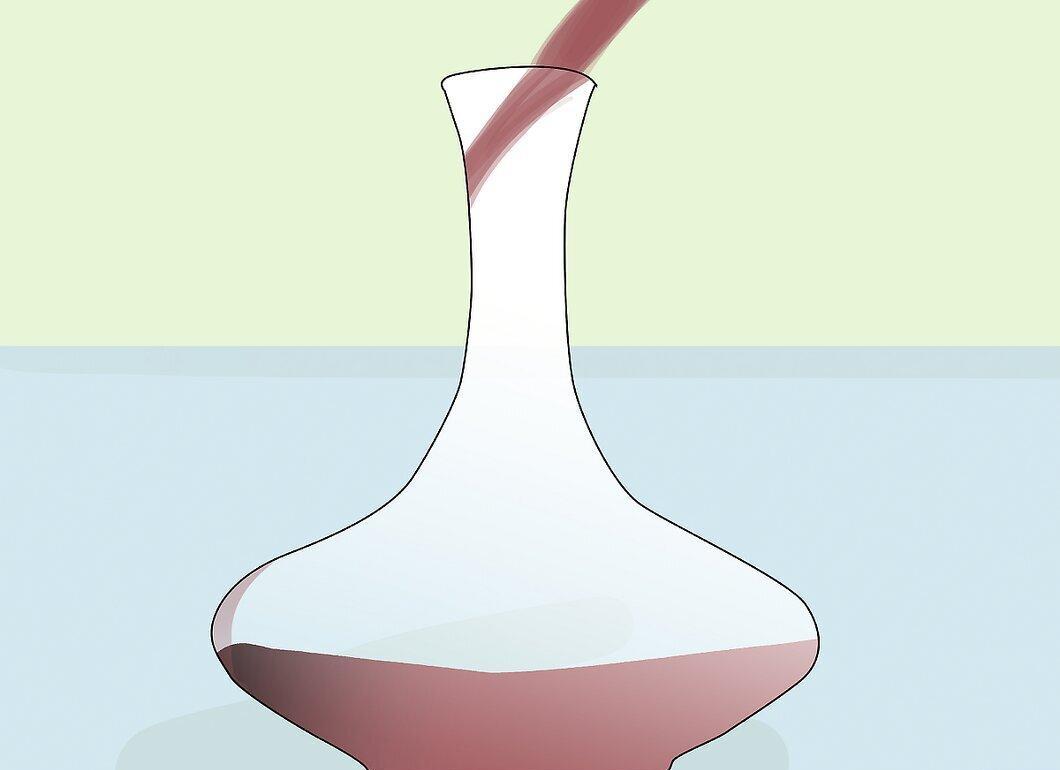
For wines older than 5 years, it’s recommended to decant them. During this time, sediment forms in red wines, so decanting helps to remove it. Carefully open the bottle and slowly pour the wine into a decanter, being careful not to pour the sediment when there’s a little wine left in the bottle.
- Use the decanter to serve wine to your guests. When the decanter is empty, refill it from another bottle.
How to Pour Wine
Step 1. Serve white wine first, then red and dessert wines.
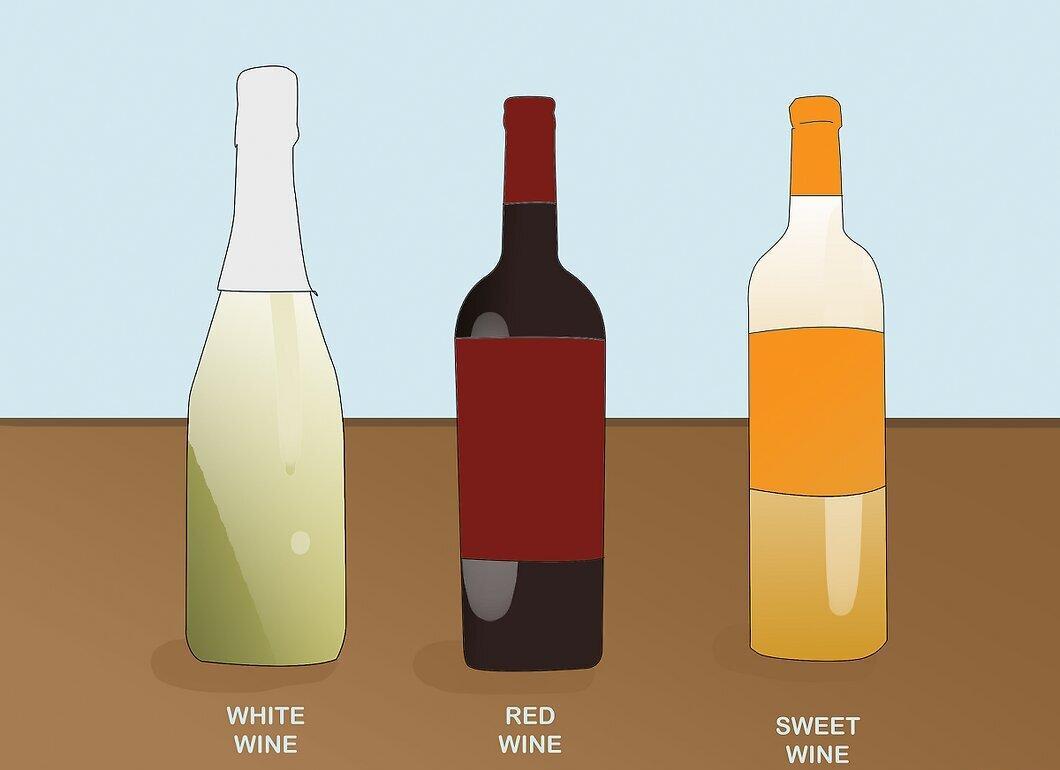
Start by serving white wines, then move on to reds and dessert wines. First, serve light whites, such as Pinot Grigio and Asti, followed by fuller-bodied varieties like Chardonnay and Viognier. Next, serve red wines: start with lighter options like Lambrusco, then move to richer ones like Barolo. Dessert wines, such as Sauternes and Port, should be served last.
Step 2. Hold the wine bottle with the label facing the guests.
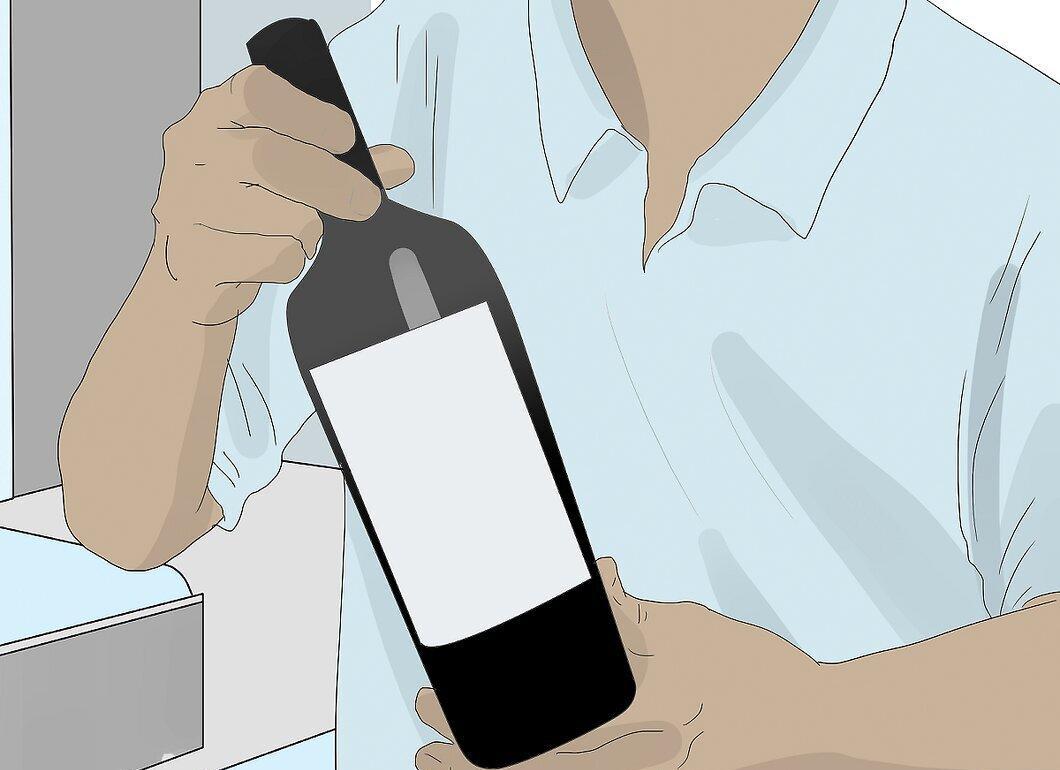
Hold the bottle so that the label is visible to your guests. This is a polite gesture that allows people to see which wine you are serving.
Step 3. Hold the bottle by its body with your dominant hand.
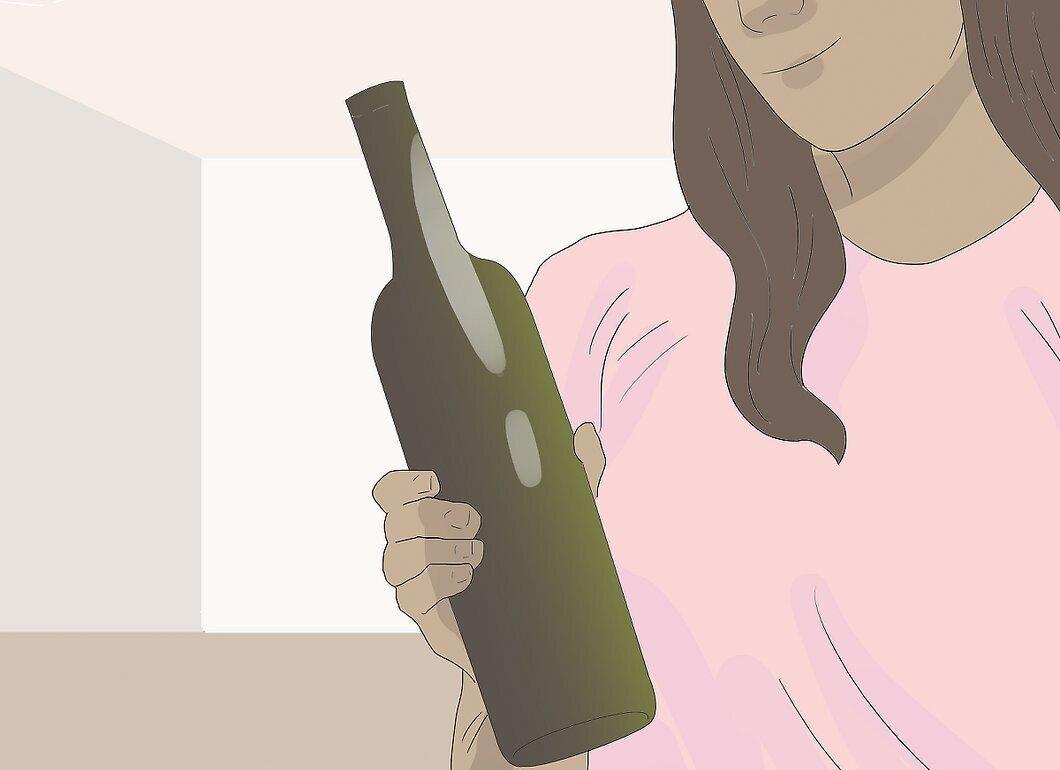
Make sure to hold the bottle by its body with your dominant hand, gripping it firmly with your fingers. It’s best to place the glass on a flat surface in front of you.
Step 4. Tilt the bottle horizontally to pour the wine.
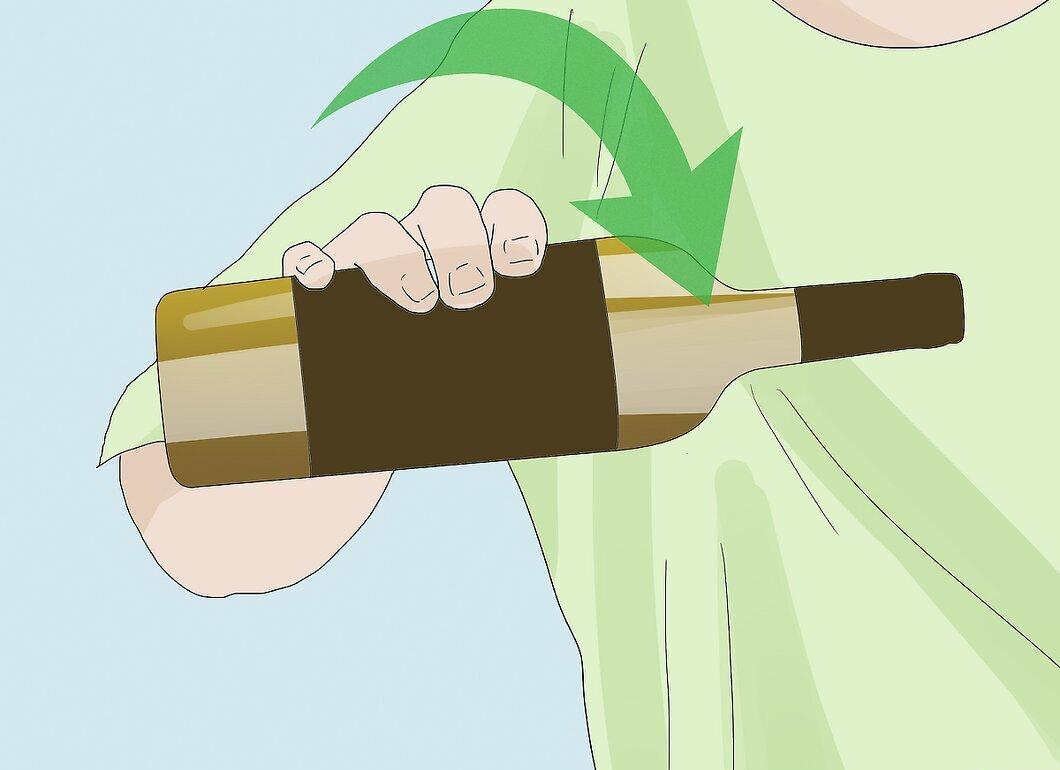
Tilt the bottle so that the neck is about 2.5 centimeters above the rim of the glass. Avoid touching the glass with the neck and keep the entire bottle parallel to the surface on which the glass sits.
Step 5. Pour the wine with a swift and confident motion.
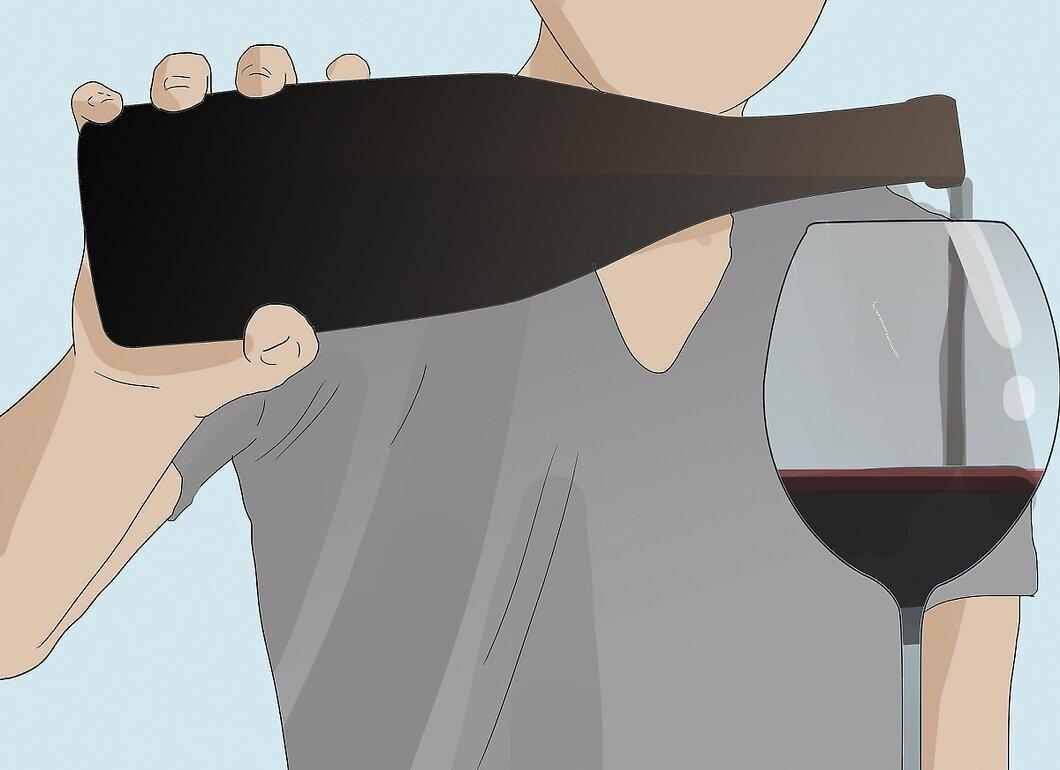
Pour the wine confidently and quickly. Avoid hesitating or pouring too slowly, or the wine may dribble down the back of the bottle. Try not to tilt the bottle excessively to avoid spilling the wine.
Step 6. Pour 150–180 milliliters of wine into the glass.
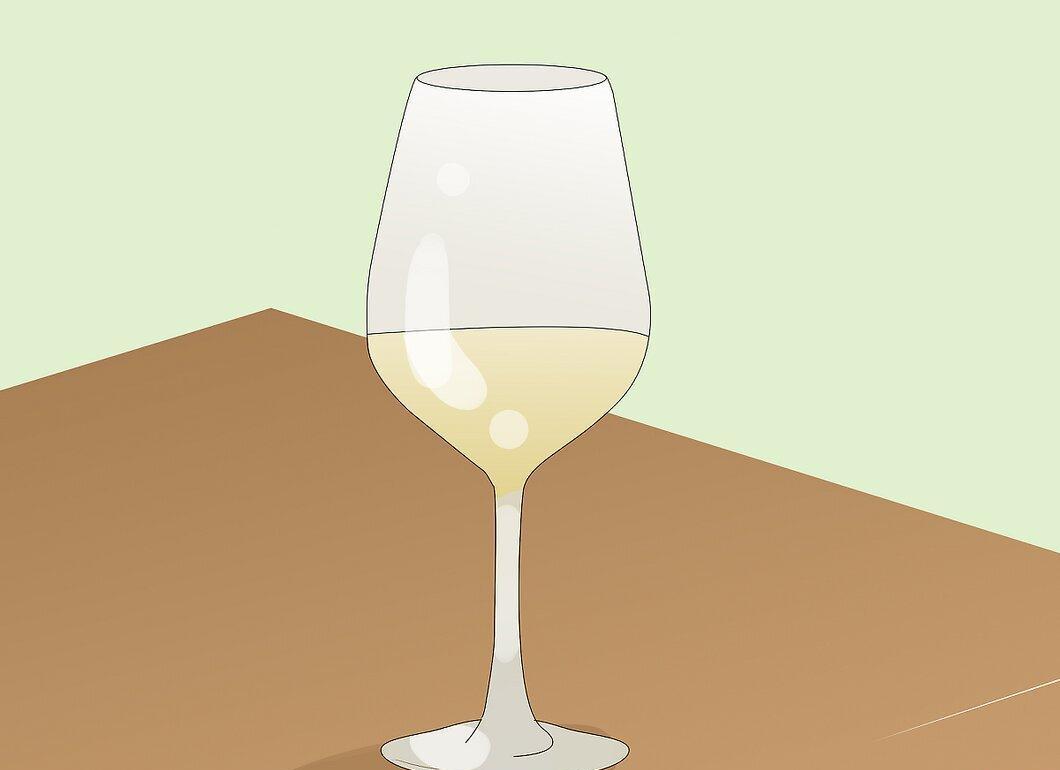
Pour 150–180 milliliters of wine into the glass. Don’t fill the glass to the brim, except in the case of sparkling wines where the foam rises. Pay close attention to the level to stop pouring at the right time.
- If you’re unsure how 150–180 milliliters looks, practice with a measuring cup before your guests arrive. Remember what this volume looks like in different glasses.
Step 7. Return the bottle to a vertical position.
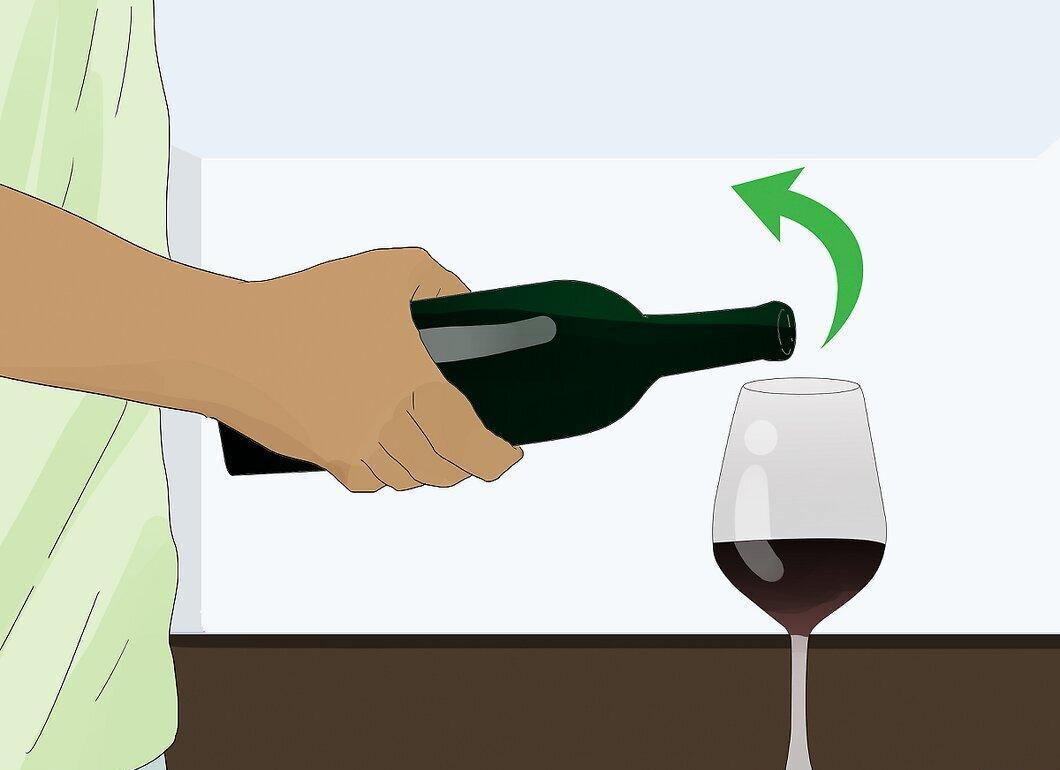
Carefully return the bottle to a vertical position. Move quickly and confidently to avoid spilling wine past the glass.
- In your other hand, hold a napkin to wipe away any potential drips on the bottle.
Step 8. Chat with guests and refill glasses as needed.
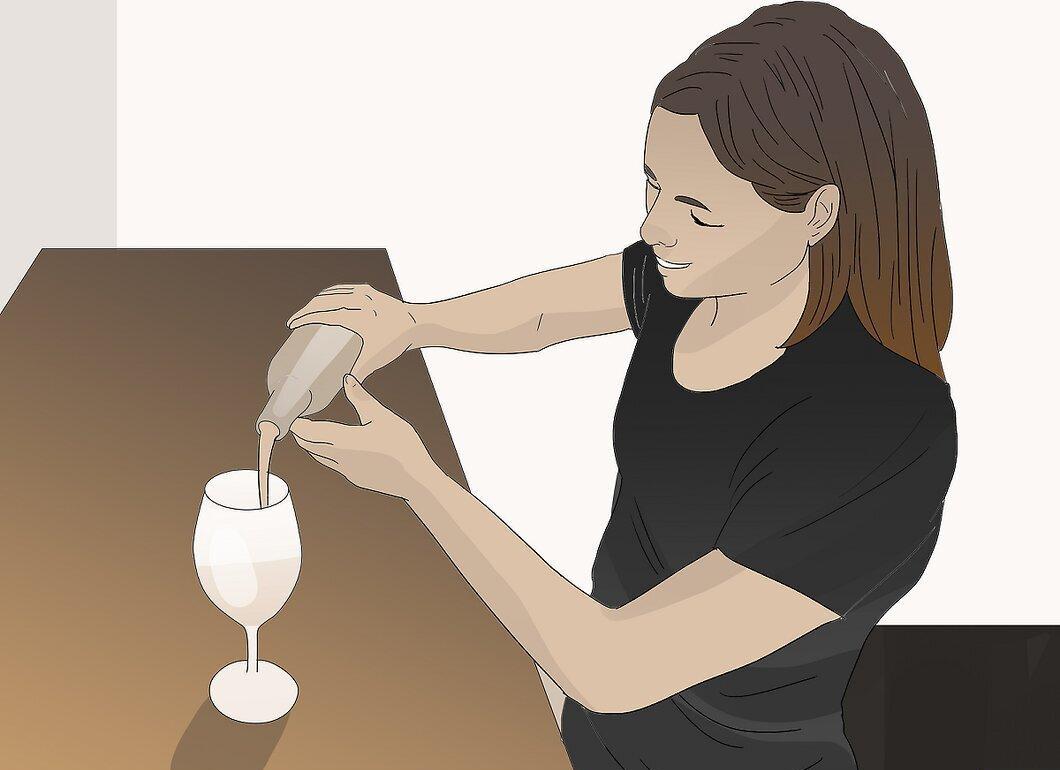
Remember to engage with your guests and refill their glasses as needed. If someone’s glass is nearly empty, offer to pour them more. Share details about the wines you’re serving, including the name, age, and place of production.
EXPERT TIP
Samuel Bogue
Sommelier and Wine Consultant
Samuel Bogue is the wine director for the Ne Timeas restaurant group in San Francisco, California. Certified as a sommelier in 2013, he is a Zagat “30 Under 30” award winner and a wine consultant for some of the best restaurants in the San Francisco Bay Area.
Expert Tip: “Follow the old saying: ‘What grows together goes together.’ Before serving wine, learn about its origin and the traditional dishes from that region—perhaps it’s meat.