
A culinary critic is not just someone tasting dishes; they are a master at describing flavors, textures, aromas, and the presentation of food. It’s essential to not only evaluate the food but also consider the atmosphere, staff attentiveness, service speed, and overall impression of the establishment. A well-crafted culinary review allows readers to feel like they are in the critic's shoes and decide whether to visit that restaurant.
How to Write a Review
Step 1. Research the Establishment.

Before diving into tasting, spend some time learning about the restaurant's history. Knowing these details will make your review more unique. For instance, if the chef trained in France or worked at renowned establishments, this could intrigue your readers.
- Be sure to visit the restaurant's website. Find out who owns it and who the chef is to understand their qualifications and style.
Step 2. Start with an Engaging Detail.

Set the tone for your article with a captivating opening sentence. It should grab the readers' attention and encourage them to keep reading. Your goal is not just to convey whether to visit the restaurant but also to pique the reader's interest. Try using these techniques:
- Promise an exciting story or an unexpected discovery: "It took me a while, but I found the best paella in the world!" Just make sure to deliver on that promise!
- Mention an intriguing detail: "Chef Zinovyeva has only been in the profession for two years but has already created the best new spot in our city."
- Describe a unique aspect of the setting, such as a stunning view or an unusual aroma wafting from the kitchen.
Step 3. Describe 3–5 Dishes, Not the Entire Menu.

Focus on 3–5 dishes rather than trying to cover the entire menu. Readers won't be interested in a long list, so emphasize the dishes that made the strongest impression on you (whether positive or negative). Don’t just settle for a simple "good" or "bad". Explain why you feel that way and share the nuances of each dish's flavor. Be sure to consider the following aspects when describing:
- Presentation: How does the dish look on the plate? What feelings does it evoke? Do you feel excitement or nostalgia?
- Taste: This is the most crucial aspect. Use vivid metaphors and comparisons to convey your experience. Indicate the aromas and spices you could identify.
- Texture: How does the food feel in your mouth? Does it melt or require chewing? Is it a tender filling or a crispy crust? How do these textures complement each other?
Step 4. Use Vivid and Expressive Adjectives.

Remember that you are describing not only the food but also the overall impression of the restaurant. Use poetic expressions and colorful adjectives to help the reader vividly imagine the atmosphere of the place. Write in a way that makes every detail stand out.
- Consider the ambiance, location, and interior. The more details, the better.
Step 5. Evaluate the Goals and Concept of the Restaurant.

Describe the goals and concept of the establishment, not just your personal preferences. A good review helps readers determine if the restaurant is a fit for them. For example, if a retro American-style restaurant emphasizes hamburgers, that isn’t a flaw. Objectivity is key to a successful review.
- What’s the atmosphere like in relation to the restaurant's theme? Is it successfully conveyed?
- How well does the menu match your preferences? If you don’t like seafood but the restaurant specializes in it, it’s worth mentioning.
Step 6. Point Out Pros and Cons.

Don’t shy away from mentioning both the positive and negative aspects. If the establishment didn’t become your favorite, your review shouldn’t be one-sided. Readers need a complete picture to make a decision.
- "The waitstaff were very polite, but the main course was served cold."
- "The chef created an amazing menu, but the restaurant only has ten tables."
Step 7. Offer Recommendations.

Ultimately, readers want to hear your verdict. Recommend specific dishes and indicate who might enjoy this restaurant—whether it’s for a romantic date or a friendly gathering. Your review should be not only interesting but also useful.
- If the establishment didn’t meet expectations, don’t hesitate to leave negative feedback, but it’s advisable to make a return visit first.
Step 8. Include Important Details at the Beginning or End.

Don’t forget to mention important details at the beginning or end of your review: the average check, reservation specifics, and address. Some critics prefer to highlight such information in a separate paragraph at the end, while others prefer to include it right at the beginning.
How to Notice Important Details
Step 1. Don’t Mention Your Role as a Critic.

Don’t tell the staff that you are a culinary critic. This will allow you to receive the same service as regular guests. Your evaluation will be more objective. Just take a seat and behave like any other customer.
- If your name is well-known, book a table under a different name.
- Don’t forget to bring a notebook or voice recorder for notes.
Step 2. Assess the Level of Organization.

Find out if you need to make a reservation in advance and what the parking situation is like. These facts are important for potential visitors.
Step 3. Evaluate the Atmosphere and First Impressions.
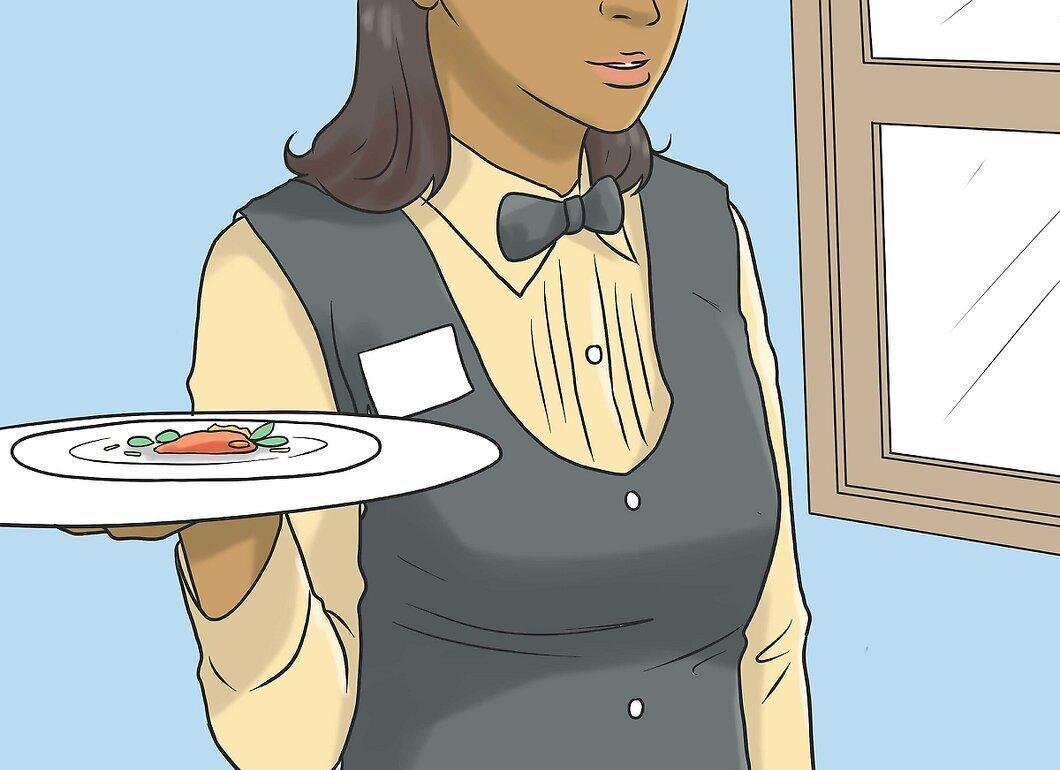
Share your feelings about how you were greeted. What’s the overall impression of the ambiance? Is there a dress code evident in the establishment? Approach your evaluation creatively, considering not just the menu but all aspects of perception.
Step 4. Assess the Service Level.

Specify how the service went. Don’t just say it was good. Describe how the waitstaff interacted with you and how attentive they were to your requests.
Step 5. Order Dishes from Different Menu Sections.
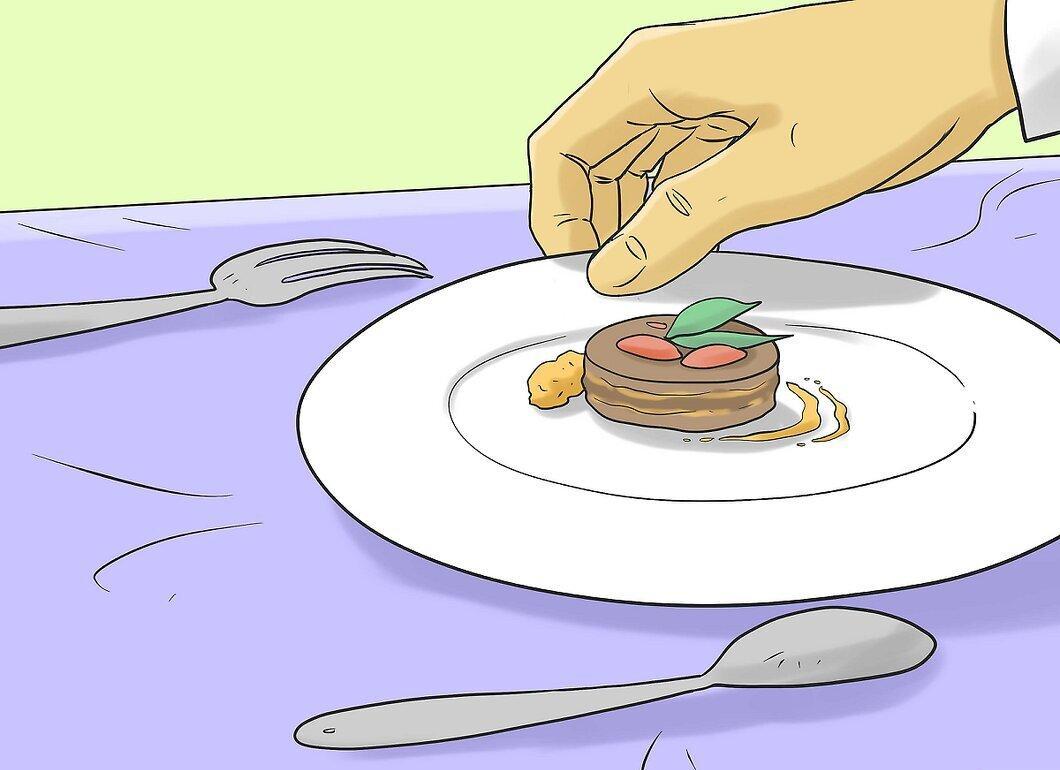
Try to sample dishes from various categories on the menu. Order drinks, appetizers, a main course, and dessert to get a complete picture of the cuisine. If possible, come with company to cover more different dishes.
How to Properly Evaluate a Dish
Step 1. Pay Attention to Presentation.
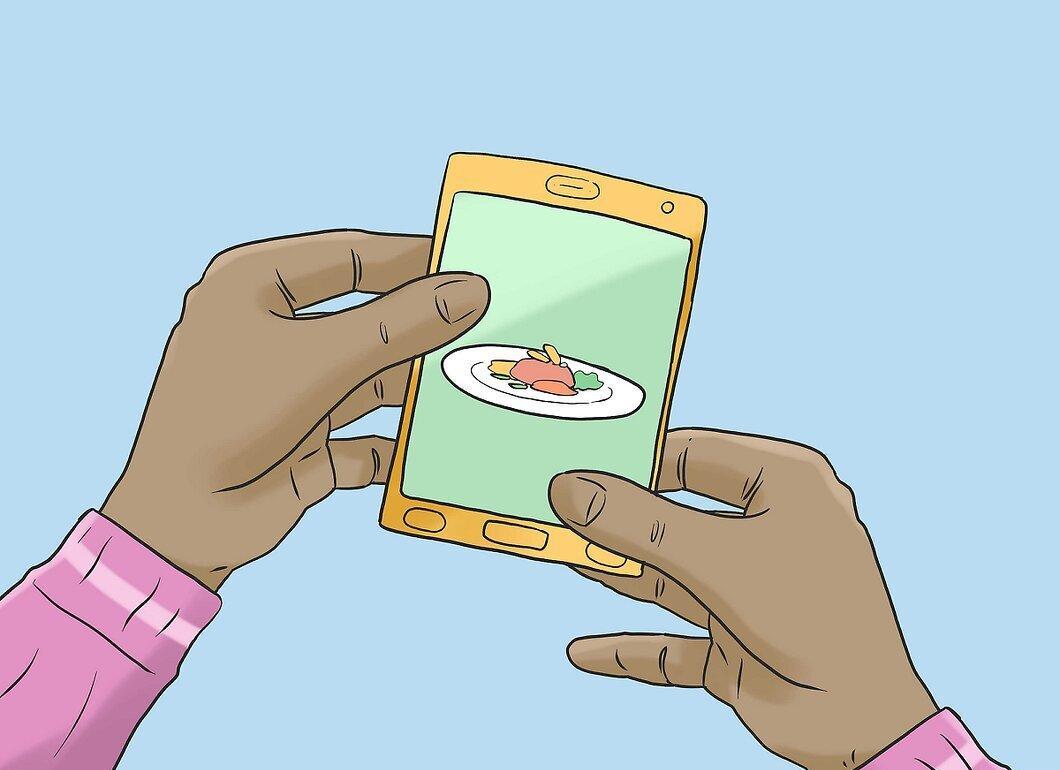
When your food is served, evaluate its appearance. Does it look appealing or, conversely, unkempt? Share your impressions not only about the taste.
Step 2. Evaluate Initial Taste Sensations.

Gradually sample each dish and jot down your thoughts. Don’t rush to conclusions and enjoy the process.
Step 3. Note Details of First Impressions.

Use specific words and adjectives for your descriptions. For example, instead of saying "I like rosemary," say "the aroma of rosemary beautifully complements the crispy crust of the tender potato."
Step 4. Evaluate Every Aspect of the Dish.
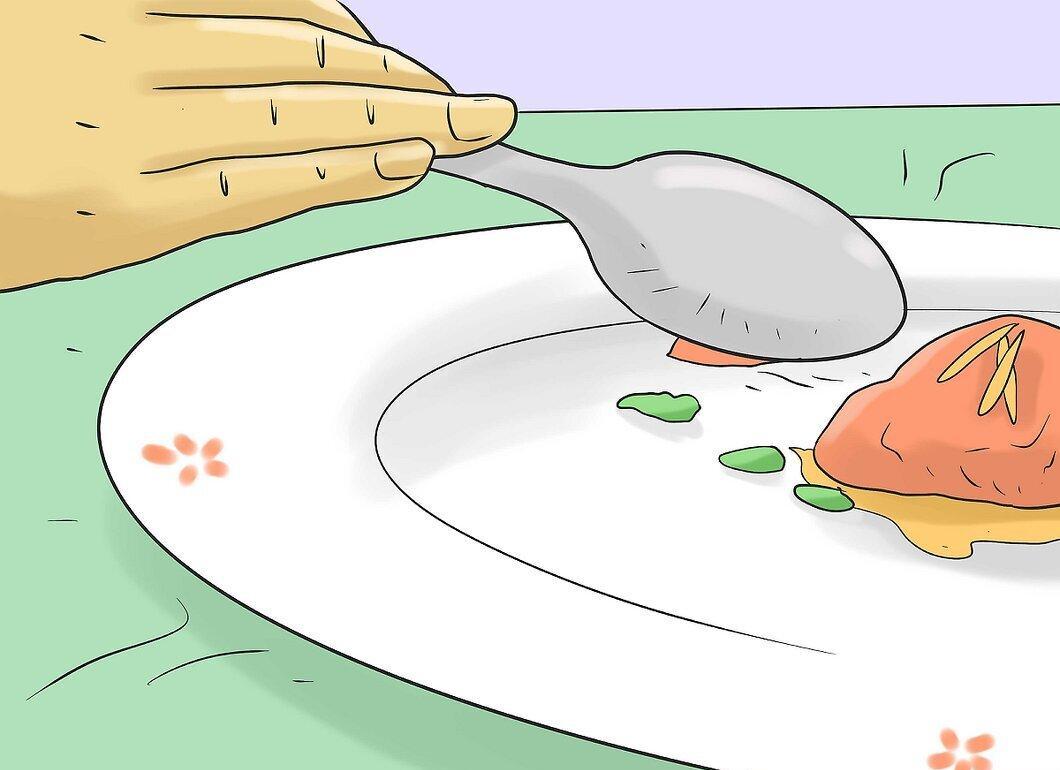
Conduct a thorough assessment of all components of the dish. Pay attention to texture, spices, and the overall impression of the flavor combinations.
Step 5. Try All Dishes at the Table.

If you came with friends, taste their orders and take notes. This will help you get a complete understanding of the restaurant's menu.
Step 6. Take Notes During the Meal.
Record important points so you don’t forget details. A good review is always based on facts, not just personal impressions.
Step 7. Ask Questions.

If you have questions about the recipe or ingredients, don’t hesitate to ask the waitstaff. Professional staff will gladly share information about the dishes.