The Ultimate Guide to Potato Storage: From Veggies to Seedlings
Potatoes are a versatile vegetable that always comes in handy. With the right conditions, they can be stored for months. If you notice signs of rot or sprouting on your tubers, it’s a sign of improper storage. We’ve compiled some useful tips to help you cut down on grocery expenses and minimize waste, keeping your potatoes in good condition for a long time. These recommendations are suitable for both gardeners and those who buy potatoes at the store.
Part 1
Step 1. Extend the Shelf Life of Potatoes.
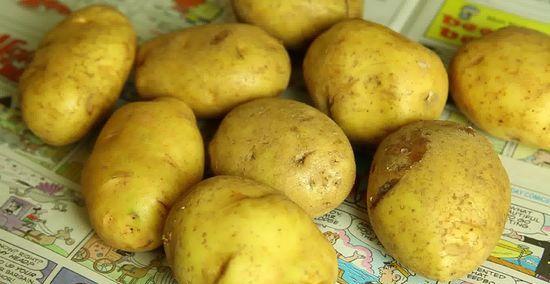
To prolong the shelf life of potatoes, place them on newspapers in a cool, dark corner. After a couple of weeks, the skin will thicken and dry out, significantly increasing their longevity. Remove any large dirt but do not wash the potatoes before storage—excess moisture can lead to rot.
Step 2. Sort Your Potatoes.
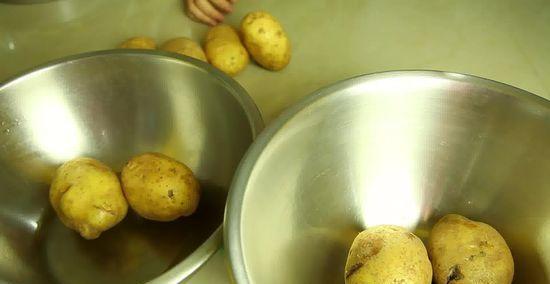
Don’t forget to sort your potatoes. Make sure to remove all damaged tubers. These should be used as soon as possible, as they cannot be stored.
Step 3. Place Potatoes in a Basket or Ventilated Box.
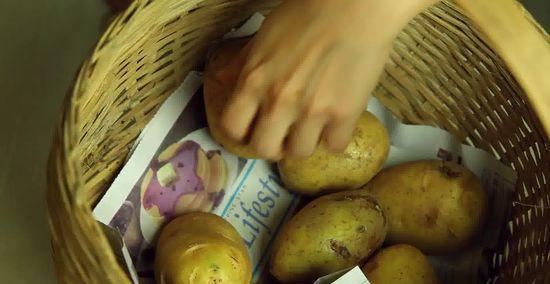
Store your potatoes in a basket or a well-ventilated box. Layer newspaper sheets between the potatoes, and cover them with more newspaper on top. This helps protect the potatoes from light, which can cause them to turn green and become inedible. Too much light can also encourage sprouting.
Step 4. Store Potatoes at the Optimal Temperature.
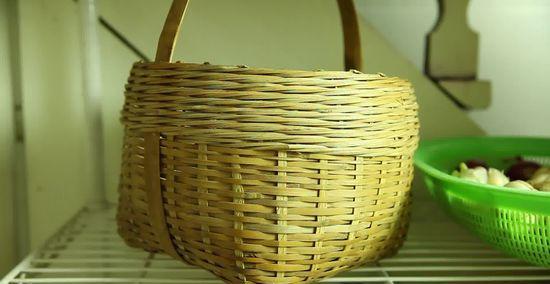
Ensure that potatoes are stored at the right temperature. The ideal range for long-term storage is between 2 and 4 degrees Celsius. Dark and cool spaces, like basements or cellars, are perfect for this purpose. The temperature in a refrigerator might be too low.
Step 5. Check Your Potatoes Regularly.
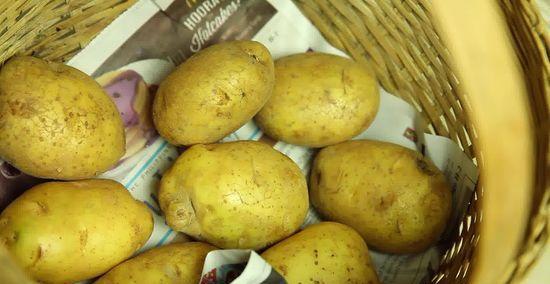
Don’t forget to check your potatoes periodically—do this every few weeks. This will help you identify tubers that are beginning to spoil. One rotten potato can infect the others, so it’s crucial to remove any spoiled potatoes as quickly as possible to prevent the spread of infection.
Step 6. Use Remaining Potatoes in Spring for Planting.
If you have leftover potatoes by spring, use them for planting. It’s a great way to recycle remnants and grow a new harvest!