Bananas are not only delicious but also a nutritious fruit worth including in your diet. They are rich in vitamins, minerals, and soluble fiber, and contain protease inhibitors that help the body fight harmful microorganisms. Studies show that regular consumption of bananas can improve heart health, strengthen bones, normalize blood pressure, enhance vision, digestion, and kidney health. Let’s explore how to store bananas properly at home.
How to Store Bananas for Optimal Ripening
Step 1. Choose Bananas Based on Ripeness.
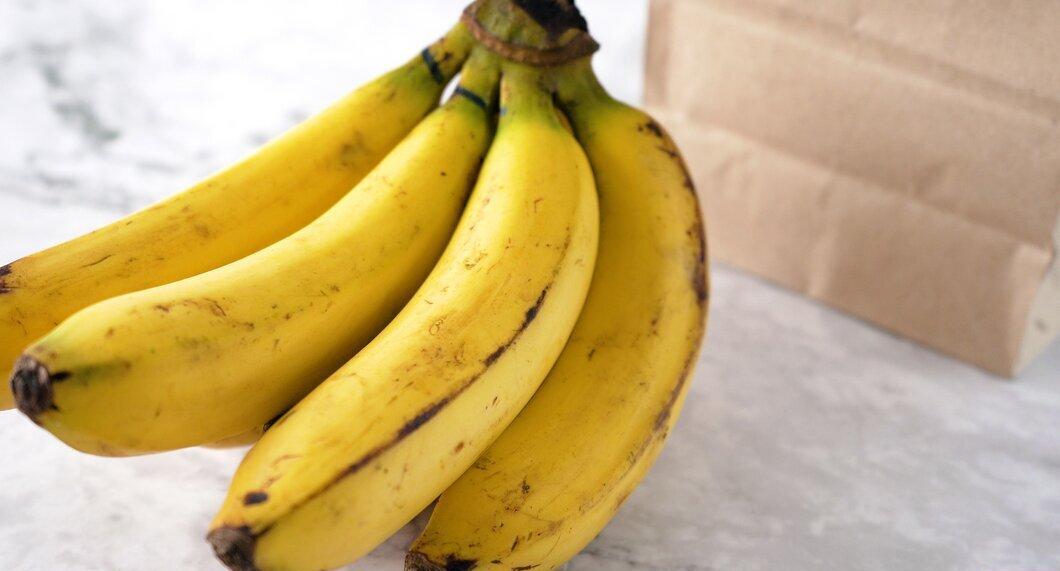
When buying bananas, pay attention to their ripeness, as it is crucial depending on how soon you plan to eat them. If you want to treat guests tomorrow or your kids will eat them quickly, choose ripe bananas. If you’re shopping for several days ahead, opt for underripe green fruit. Here are some tips for selecting:
- Green bananas are fruits that have not yet ripened. They store well and do not require freezing. Look for firm bananas without dark spots or damage on the peel.
- Ripe bananas are usually yellow but can also be found in brown or red varieties.
- Bananas with brown spots on the peel are the sweetest. The more spots, the riper the fruit. If there are many black spots on the peel, it indicates that the banana is overripe.
- Avoid bananas with a grayish tint on the peel, as this indicates they have been stored in the refrigerator, which hinders proper ripening.
Step 2. Remove Plastic Packaging Immediately After Purchase.
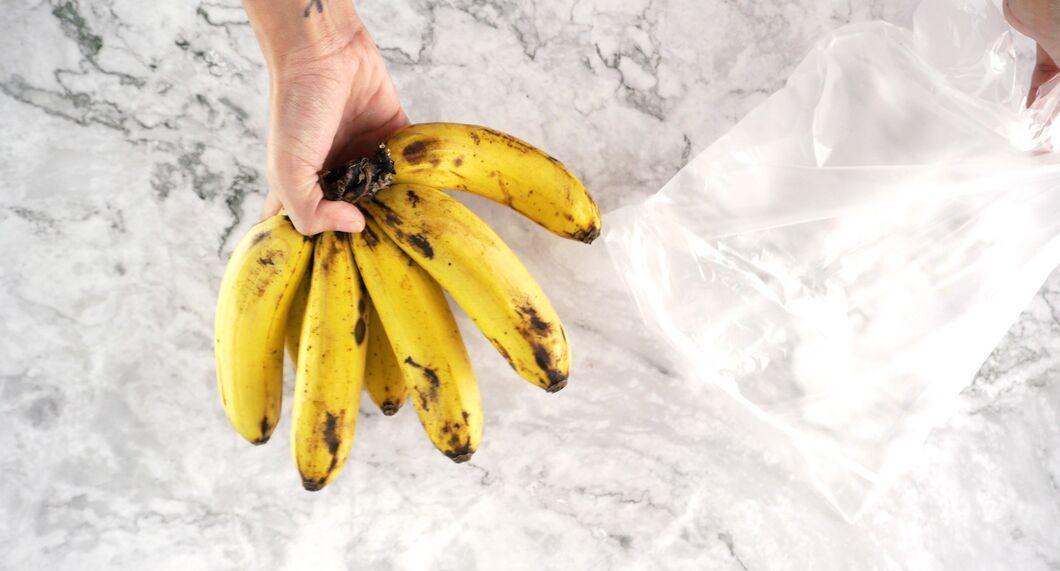
Do not store bananas in plastic bags. As soon as you bring them home, take them out of the packaging. Bags retain moisture, which can lead to rotting.
Step 3. Store Green Bananas at Room Temperature.
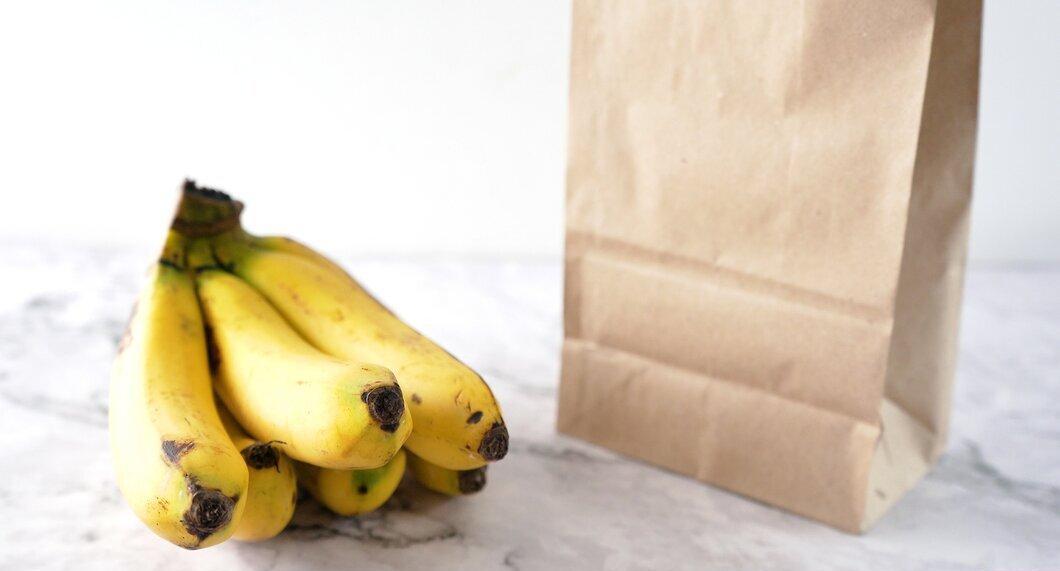
Green bananas should be kept at room temperature. If you place them in the refrigerator or freezer, they will not ripen properly, even if you later return them to warmth.
- To speed up ripening, place green bananas in a brown paper bag. Add an apple or a tomato to the bag to enhance the process.
- Place them in a bowl with other ripe fruits, such as already ripe bananas, to also accelerate ripening.
Step 4. Let Green Bananas Ripen Over Several Days.
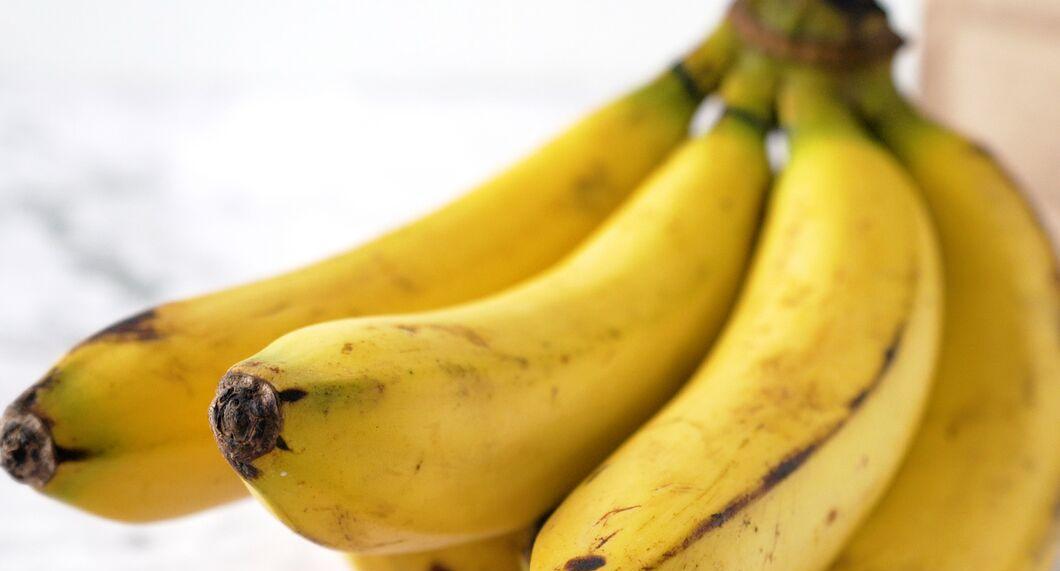
Green bananas should ripen in the open air at room temperature for several days. Remember, the warmer the room, the faster they will ripen, but avoid direct sunlight.
Step 5. Use a Banana Stand.
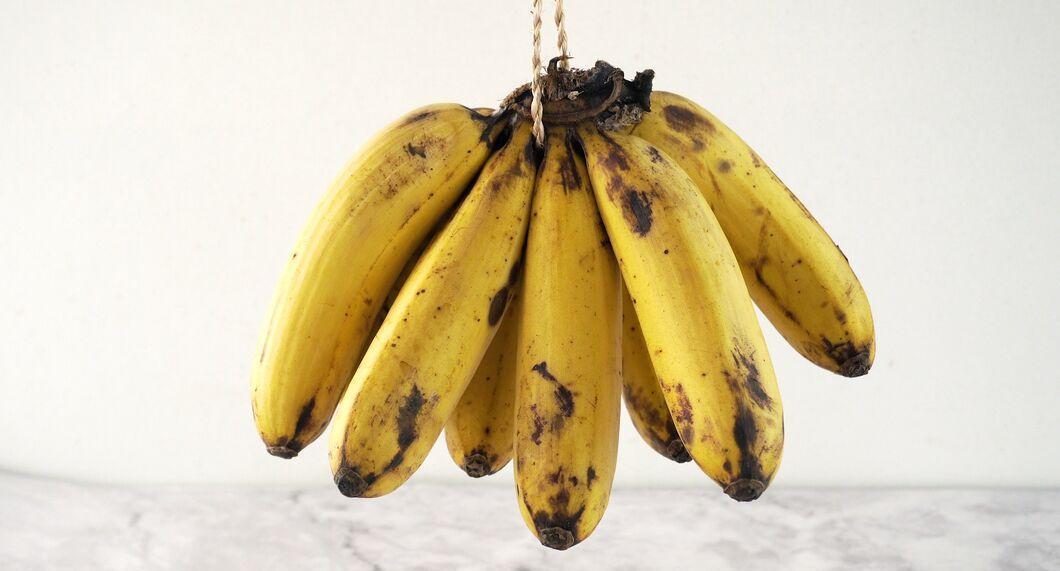
If you love bananas, it’s worth investing in a banana stand. This helps prevent bruising on the fruit.
Step 6. Keep Ripe Bananas at Room Temperature.
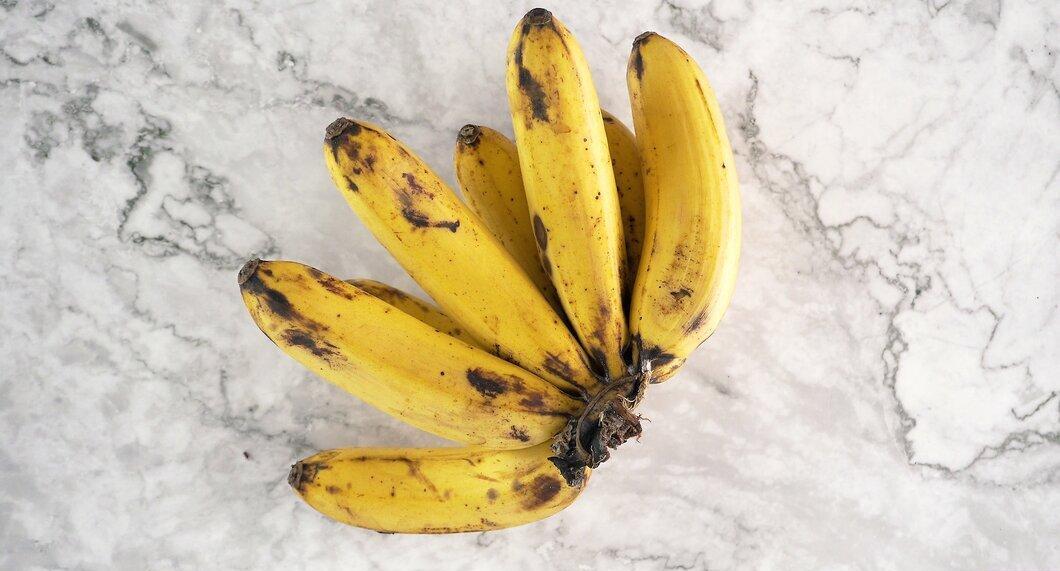
If you plan to eat ripe bananas in the next few days, leave them at room temperature. Once the peel develops spots, move them to the refrigerator to prevent overripening.
Step 7. How to Keep Sliced Bananas Fresh.
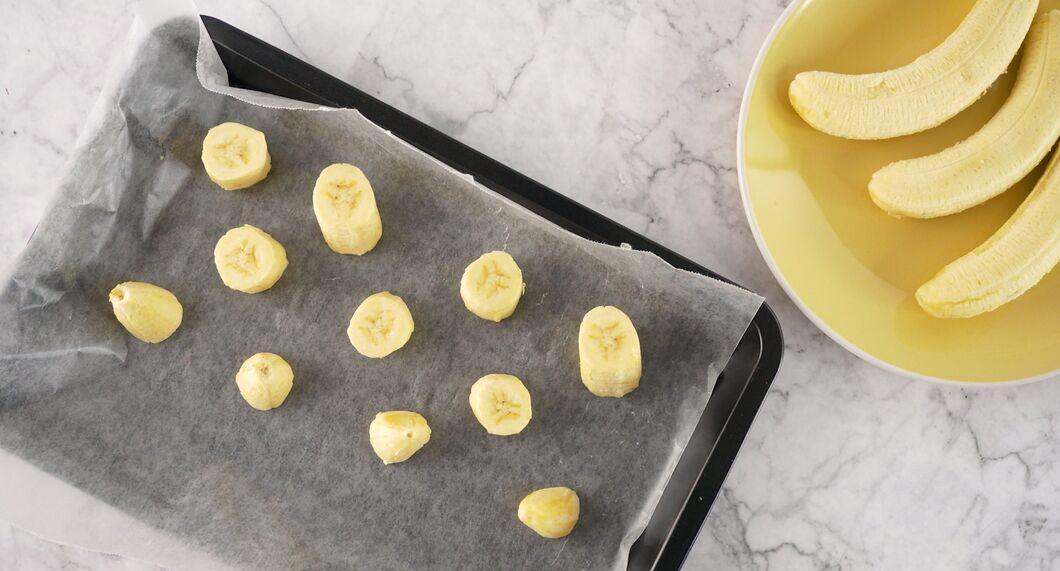
If you’ve sliced bananas for a salad or storage, sprinkle them with lemon or pineapple juice, or vinegar, to keep them fresh longer.
How to Store Ripe Bananas
Step 1. Separate Bananas from Each Other.
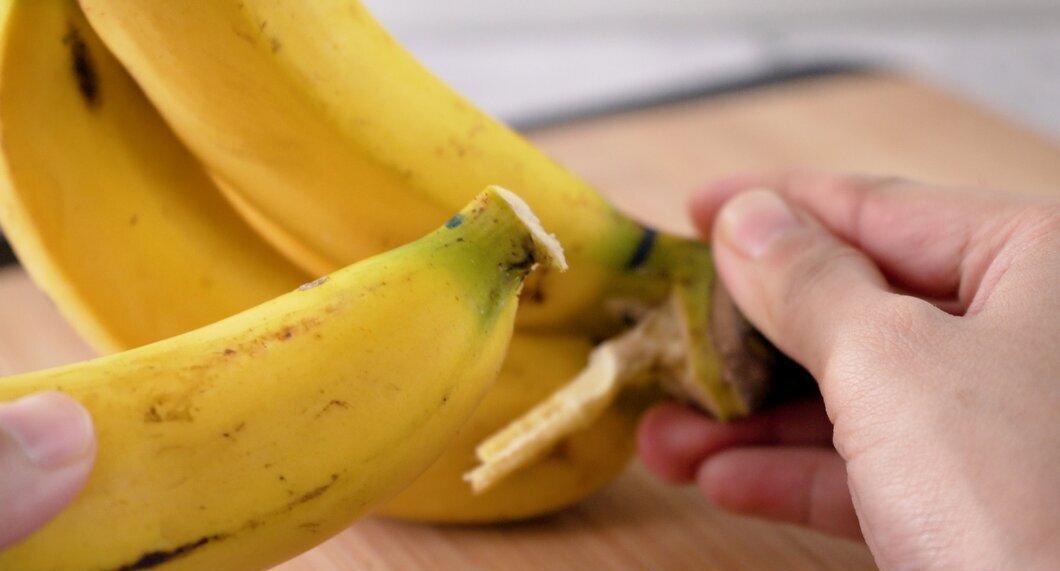
If the bananas are already ripe, separate them from each other. This will help maintain their freshness for a longer period.
Step 2. Store Ripe Bananas Next to Unripe Ones.
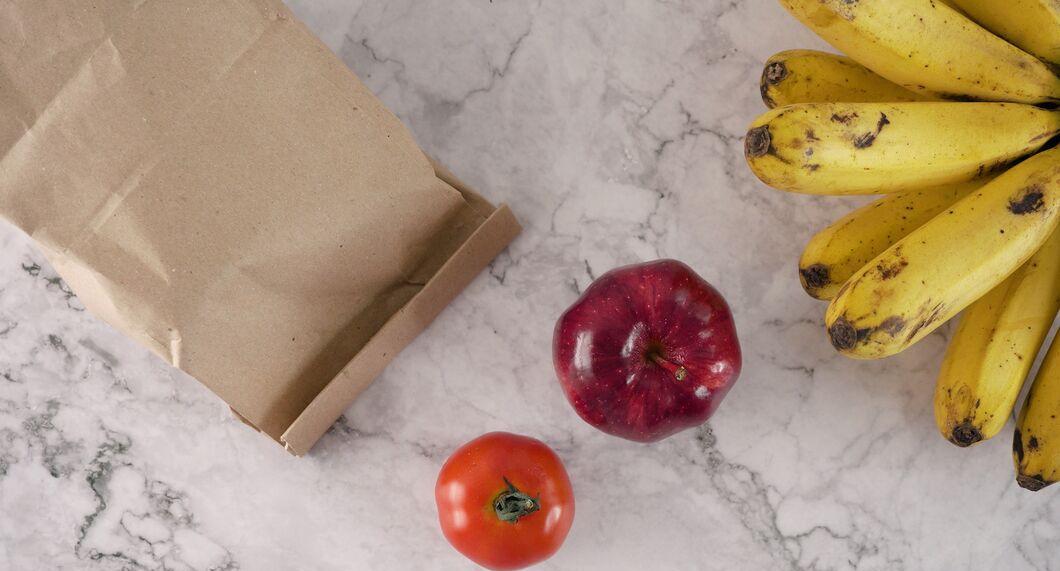
Place an unripe pear or avocado next to the ripe bananas. This will slow down the ripening process of the bananas, while the pear will ripen faster—a real find!
Step 3. Wrap the Stems of the Bananas.
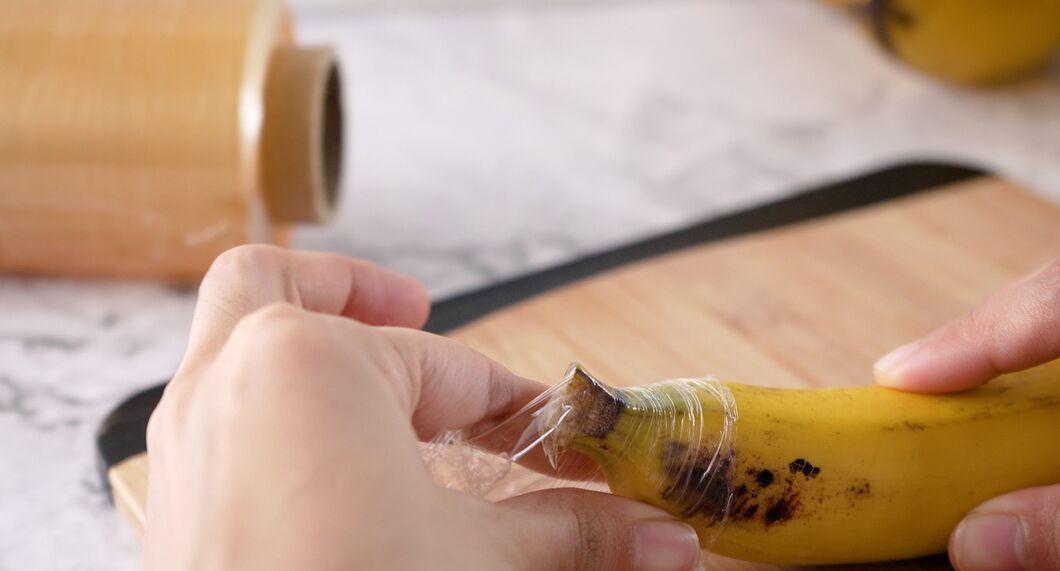
Wrap the stems of the bananas in cling film. This will help prevent the release of ethylene, which speeds up ripening. If you wish, you can also wrap the stems with tape for added security. Each time you separate a banana from the bunch, carefully repeat this process, or wrap each banana individually if you’re a true fan of these fruits!
Step 4. Store Ripe Bananas in the Refrigerator.
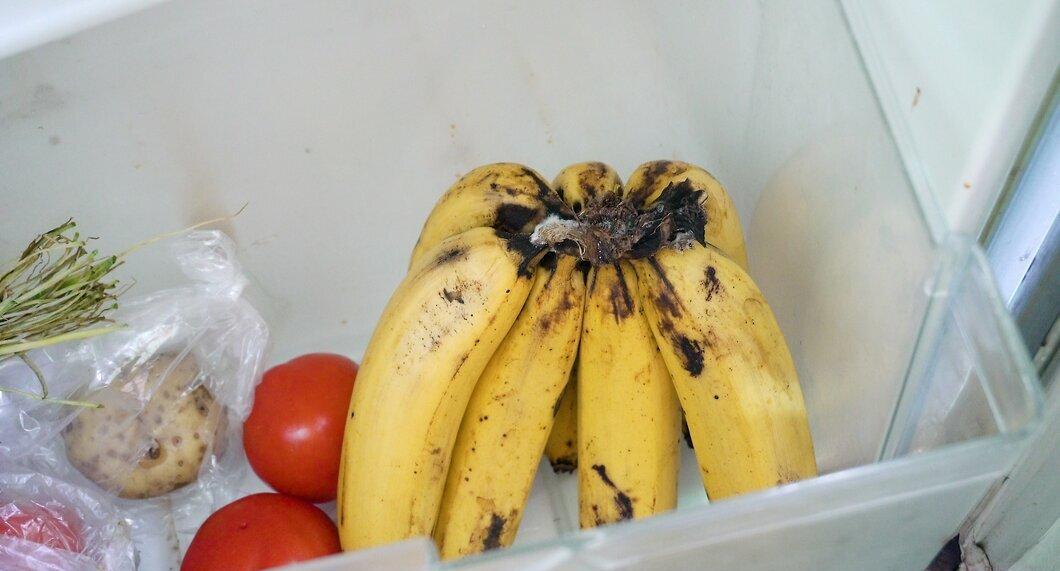
Once the bananas reach full ripeness, you can place them in the refrigerator. This will significantly slow down their further ripening, although the peel will darken. However, the fruit will remain fresh for another 1-2 weeks. Dole assures that ripe bananas retain their flavor even as the peel darkens.
Step 5. Peel Bananas Before Freezing.
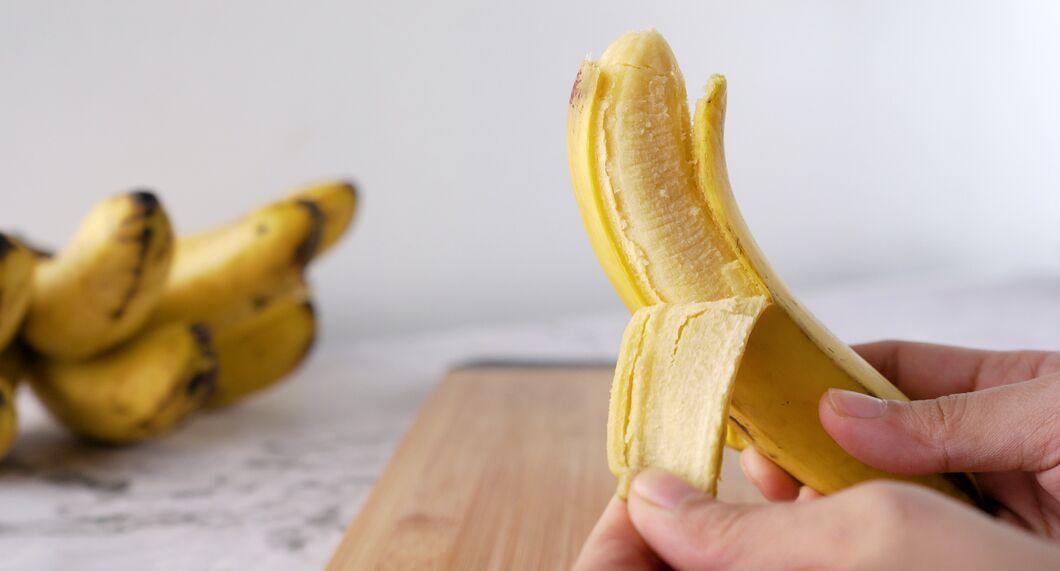
Before freezing, be sure to peel the bananas. Place them in a zip-lock bag or container and store them in the freezer. Frozen bananas with the peel on are difficult to peel, and after thawing, they turn to mush. Frozen bananas are perfect for making smoothies.
Step 6. Freeze Bananas for Long-Term Storage.
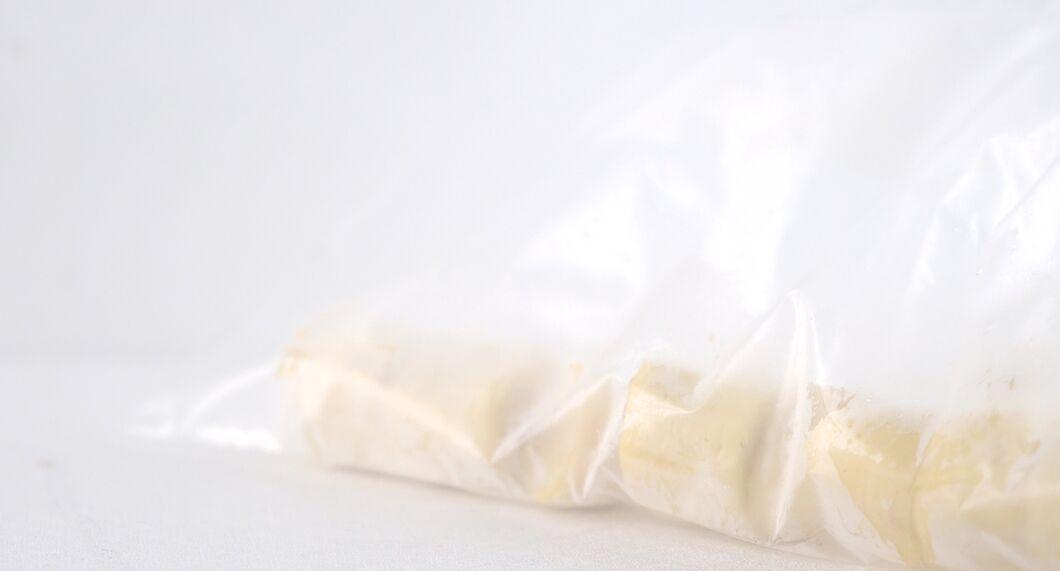
Freeze bananas for up to several months. They’re great for making pies, sauces, and cocktails. To prevent browning, spray them with lemon juice.
- You can slice bananas or puree them.
- Divide them into portions for easier use in recipes.
- Store the portions in freezer bags or plastic containers.
Step 7. Make Banana Bread.
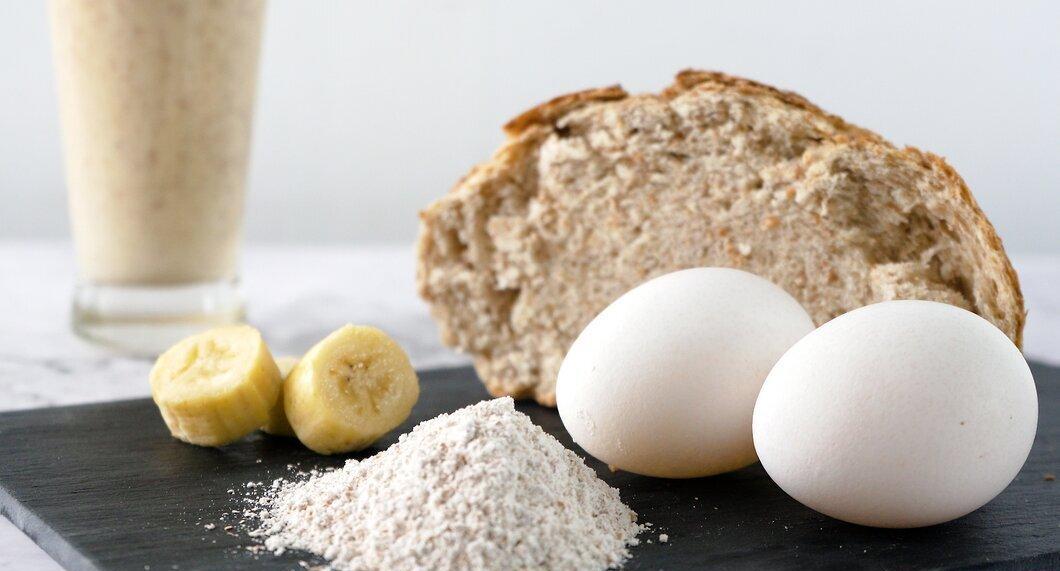
If your bananas have become too ripe for eating, don’t despair! Use them to make banana bread. Don’t throw away those fruits! You’ll only need bananas, nuts, flour, eggs, butter, and cinnamon.