Whether you're a dedicated cigar aficionado or just starting to explore the world of cigars, understanding how to properly store them is crucial. Proper storage ensures your cigars remain fresh and flavorful. Once you learn the principles of cigar storage, you'll be able to keep your cigars in optimal condition for long periods of time.
Short-Term Cigar Storage
Step 1. Quickly Assess the Climate.
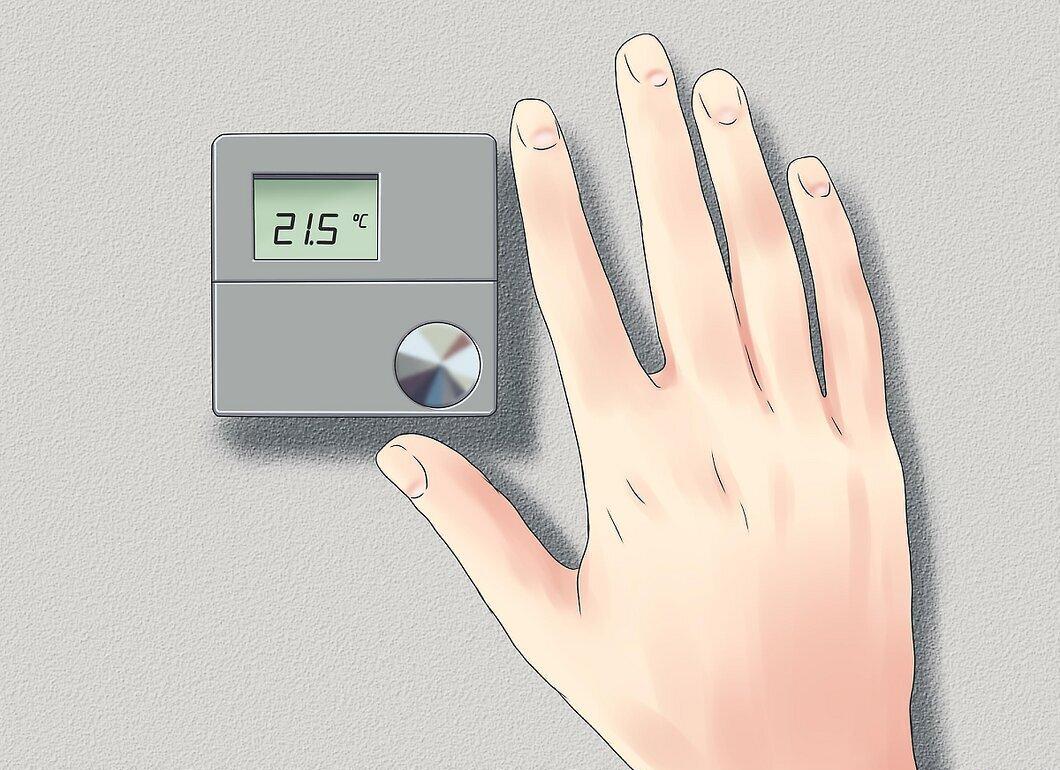
Quickly assess the climate. A good cigar, like a living organism, breathes: it needs to be kept in a stable controlled climate; otherwise, it can dry out within hours. If you've picked up a good cigar but don't plan to smoke it that day, you need to take certain precautions to ensure it stays fresh until you're ready to light up.
- However, if you’re in Arizona or Alaska, due to the dryness, you may need to address storage issues if you plan to keep cigars for more than 24 hours.[1] X Source
- Tobacco for quality cigars is grown in tropical climates with humidity levels between 65% and 72%. Cigars are made from whole rolled tobacco leaves, and their structure needs to remain oily and moist. Cigars stored outside optimal temperature and humidity can dry out, crack, or mold.
- If you're a serious cigar enthusiast and want to store them in bulk for an extended period, you’ll need to invest in a humidor. Move on to the next step.
Step 2. Store a Small Number of Cigars in an Open Plastic Bag Until You Want to Smoke.
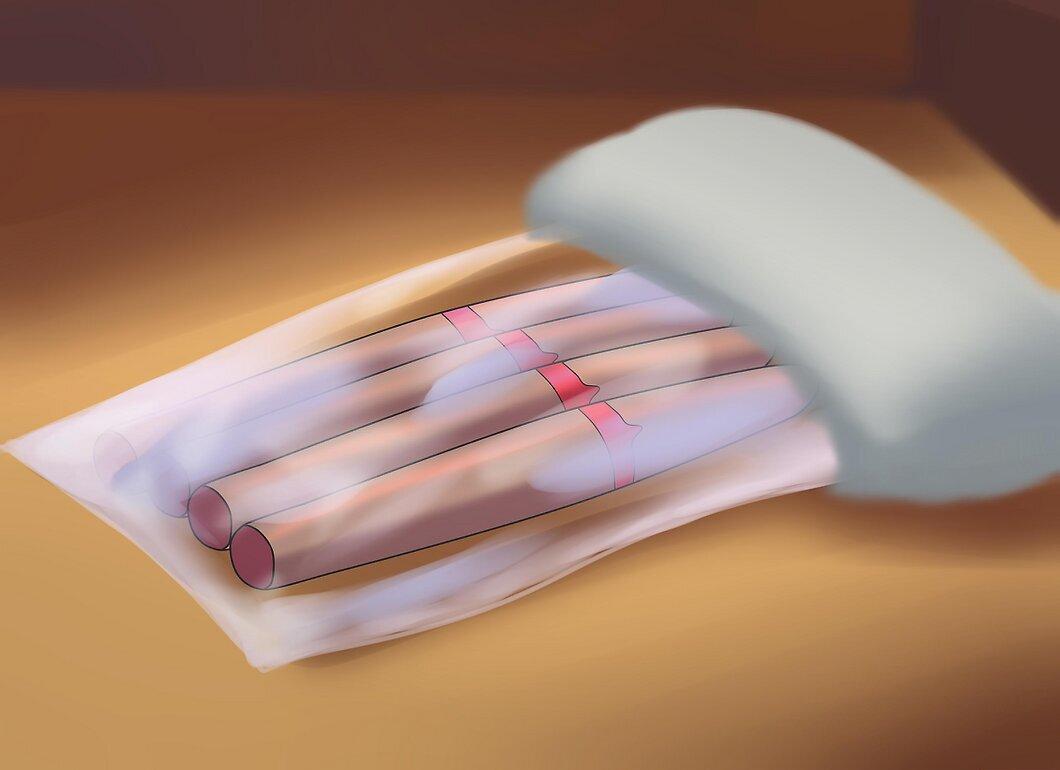
Store a small number of cigars in an open plastic bag until you want to smoke. If you have a cigar or two but can't smoke them at the moment, the best option is to keep them in an open zip-lock bag with a slightly damp paper towel placed inside the bag’s opening. Place the bag in a dark place at around 21 degrees Celsius (70 degrees Fahrenheit).
- Humidor bags are commonly sold at many cigar retail outlets. In these bags, cigars can stay fresh for several weeks. A good cigar shop will often ask how long you plan to store the cigars and might offer you one of these bags. Ask and engage; it’s worth it—you'll learn a lot.
- The towel should be clean and only slightly damp, preferably using distilled water. Check the bag after a few hours to ensure that moisture isn't accumulating inside. If it is, open the bag wider and pull the towel back a bit. Excess moisture can cause the cigars to mold.
- As an alternative, you can use a plastic cup to store them, covering it with a slightly damp, almost dry towel while maintaining the necessary temperature.
Step 3. Keep Cigars Wrapped in Cellophane or a Case While Transporting.
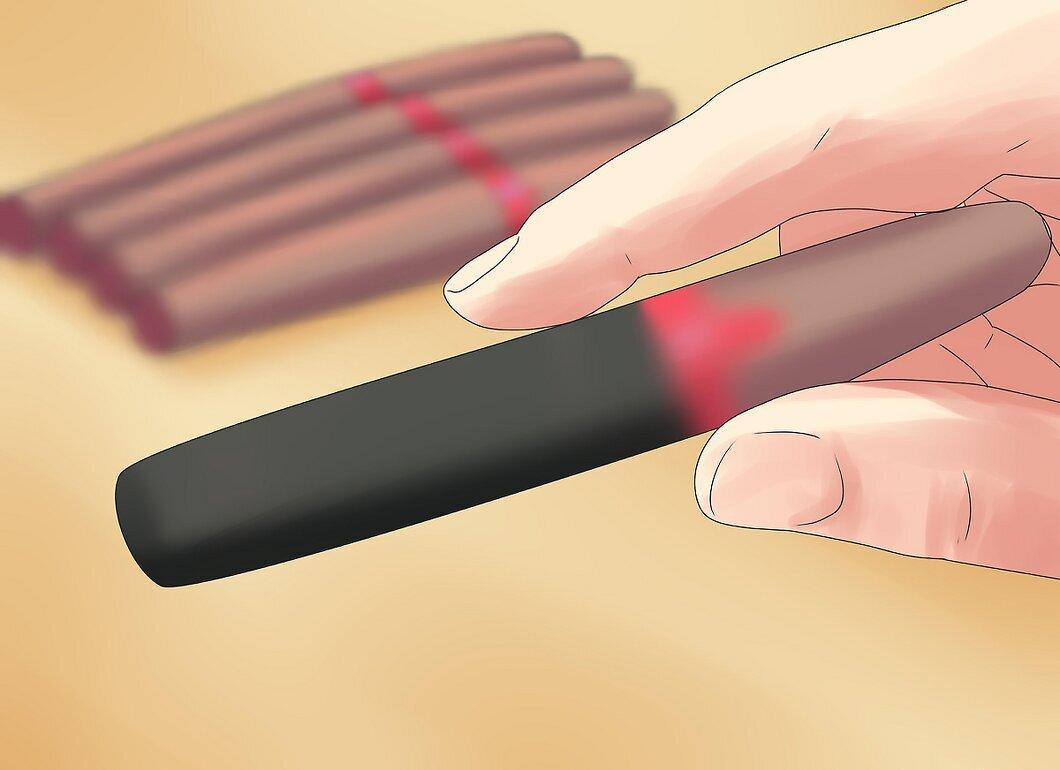
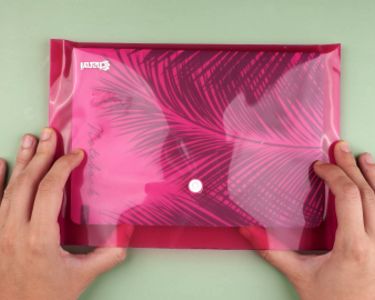
Keep cigars wrapped in cellophane or in a case while transporting. If you received a cigar in cellophane or a cedar box or other type of case, this is great for preserving its outer layer until you start smoking it. Cellophane allows airflow to the cigar, while other types of cases provide protection during transport.
- Opinions among cigar enthusiasts vary on whether to remove cigars from their cases for long-term storage or to leave them packaged. For short-term storage, it doesn't matter. All cigar smokers agree on one thing: if you've had cigars for more than one or two days, you should either smoke them or put them in a humidor.
Step 4. Do Not Keep Them in the Refrigerator.
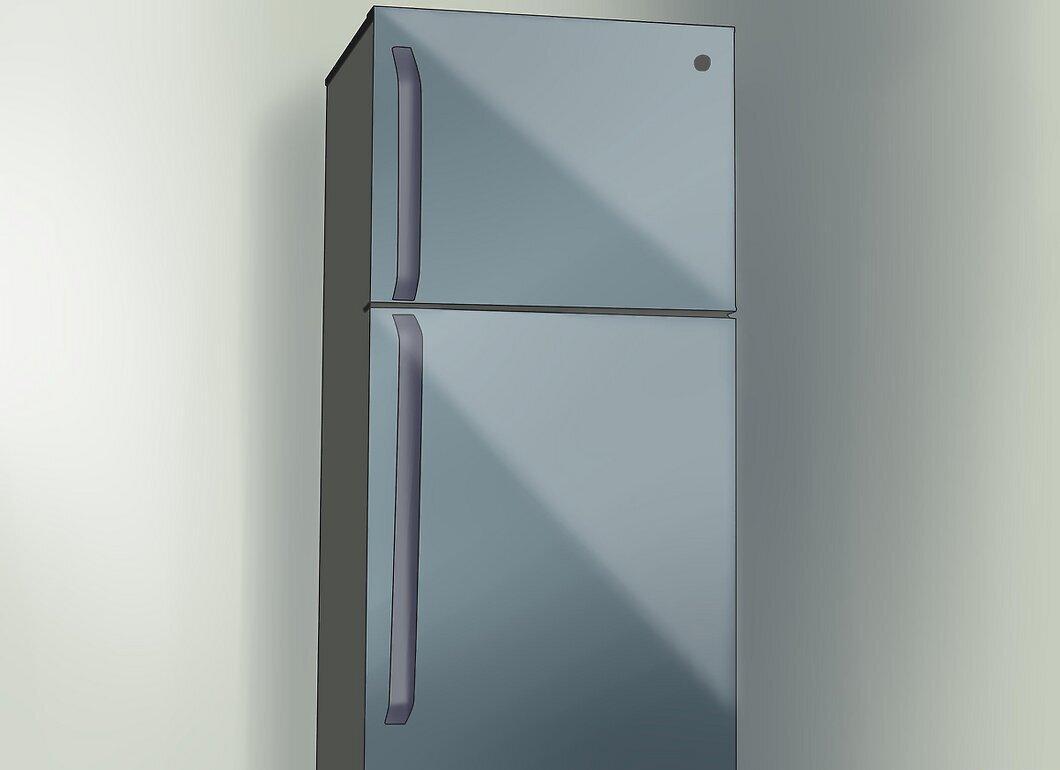
Do not keep them in the refrigerator. There’s a common misconception that freezing or cooling cigars is an effective way to keep them fresh. There’s no greater myth than this, especially if you want a cigar that tastes like everything else in your fridge. Even if a cigar overheats or is too damp or too dry, never keep it in the refrigerator.
- Storing cigars in a closed space is not ideal, as they need to breathe. Don’t put cigars in a plastic container with an airtight lid or in the fridge unless you want to ruin them. Cigars stored in a plastic box with a damp towel are likely to become overly moist and may even develop mold over time.
- If you absolutely have nowhere to store cigars in 70/70 conditions, keep them in a relatively cool place in your home during the summer if you live in a warm climate, or place them in the kitchen (the warmest room in the house) during winter in a cooler climate. To maintain the necessary humidity level, occasionally mist them with water from a humidifier. This isn’t the ideal solution, but it can help you keep good cigars in a pinch. It’s better to just smoke them.
Step 5. Ask for a Box at the Cigar Shop.
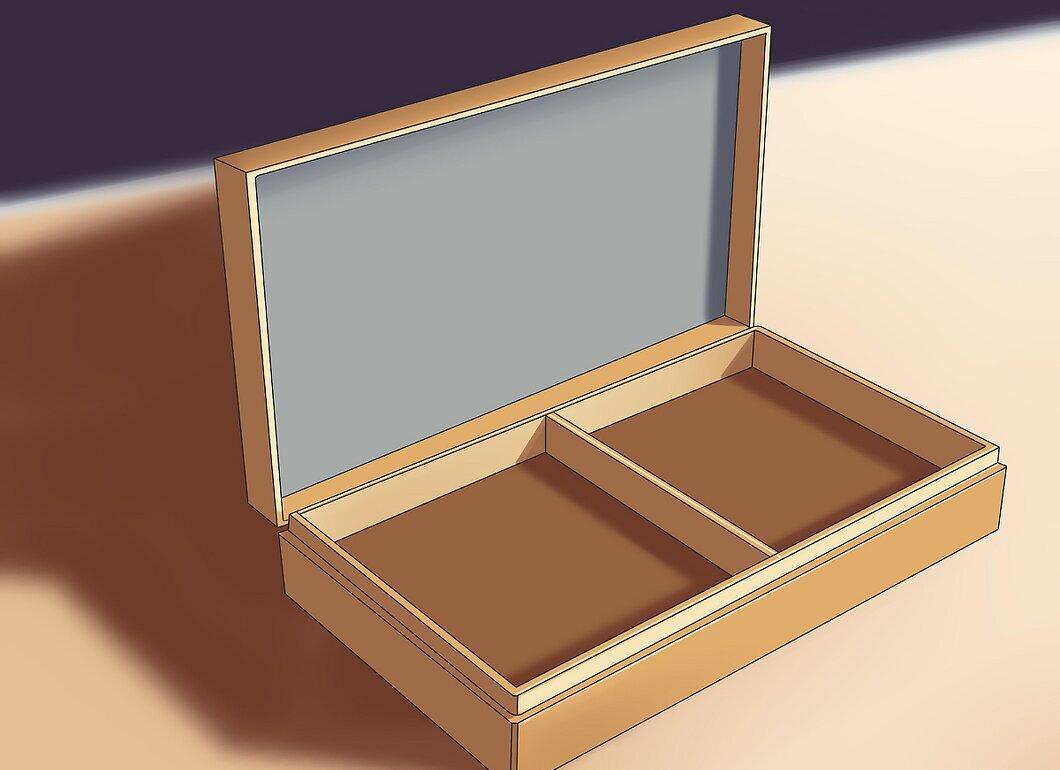
Ask for a box at the cigar shop. If you're purchasing cigars and don’t plan to use them soon, and you know you have no place to store them, consult the shopkeeper and ask if they have any old cigar boxes, preferably cedar ones, for a fee or for free. Sometimes they might just give them to you. Placing a cigar box in a cool room will create good conditions for storage.
Choosing a Humidor
Step 1. Decide on Your Budget.

Decide on your budget. Humidors come in various sizes, styles, and price ranges. You don’t need to rob a bank to buy a quality humidor that will keep your cigars fresh. Research options within your price range online or at a cigar store.
- Be prepared to get a beautiful glass cabinet that can control temperature for less than $60 or $70.
- Typically, the largest difference in cost is determined by the quality of the temperature and humidity control components. The best option would be to buy a humidor of the minimally appropriate size with the highest-quality components.
- Using good quality cedar boxes is the best and most reliable way to store cigars. However, if you're not a fan of premium cigars, you can make a humidor yourself from available materials. Move on to the next step if you want to create your own humidor.
Step 2. Determine the Number of Cigars You Likely Will Have.
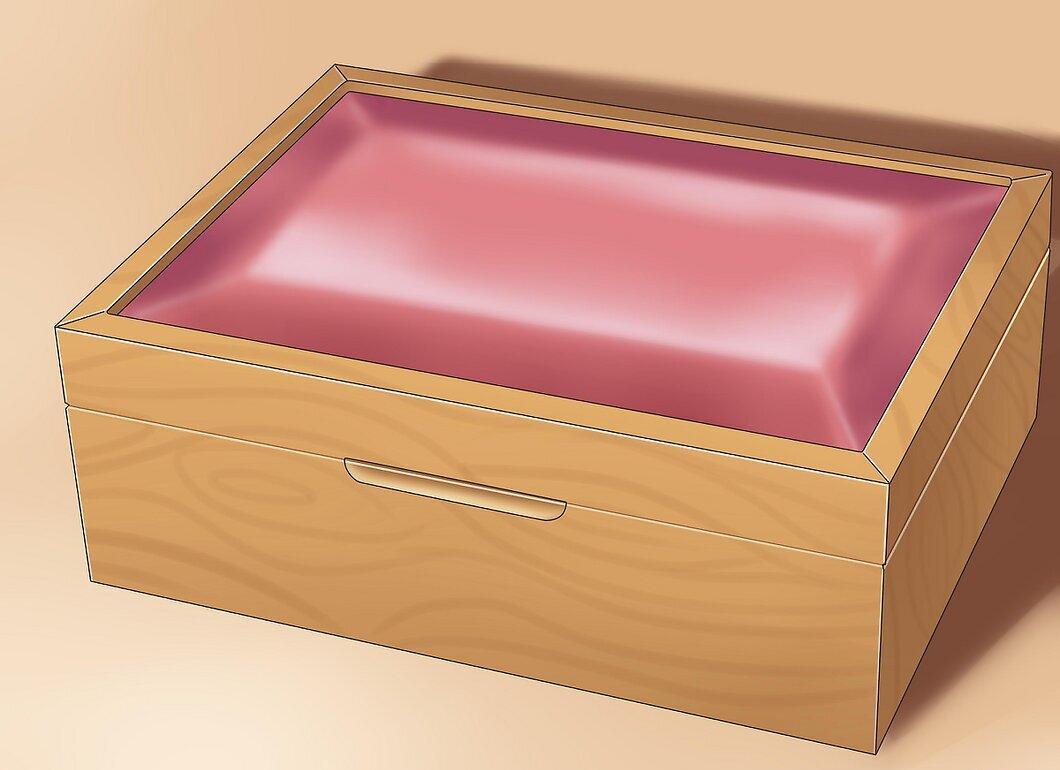
Determine the number of cigars you likely will have. It makes no sense to buy a seven-tier box designed to hold a couple of hundred cigars if you plan to smoke one now and another later. Try to figure out how many cigars you plan to keep on hand regularly and purchase a suitable humidor of the smallest size.
- Desktop humidors hold about 25 cigars, while larger cases can hold over 150. Multi-drawer humidors can provide organizational solutions that allow you to store multiple boxes with hundreds of different types of cigars in different sections of the humidor. These are the most expensive options, costing several hundred dollars.
- Travel humidors are small, durable plastic cases that can hold 10 to 15 cigars at once. If you’re going on the road, and your collection consists of a few cigars, or if you simply prefer a smaller, more durable option, a travel humidor can be a cheap alternative to more expensive desktop models.
Step 3. Ensure the Humidor is Lined with Cedar When You Buy It.
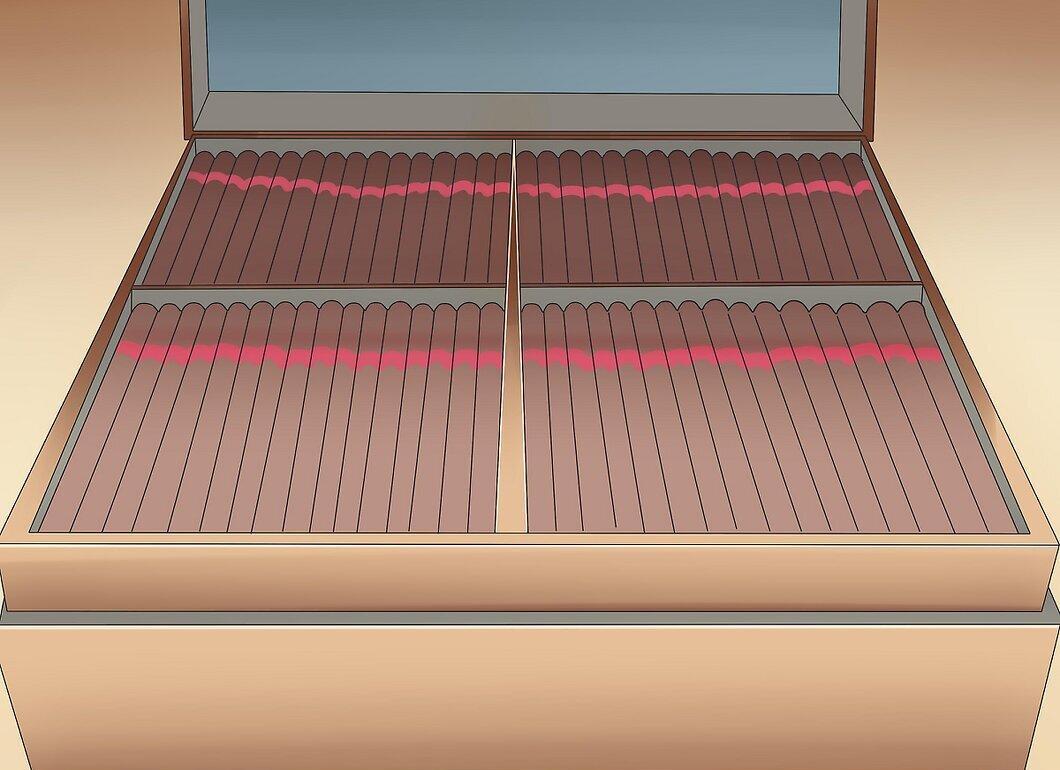
Ensure the humidor is lined with cedar when you buy it. It is very important that your purchased humidor has a cedar lining, which helps regulate humidity and air ventilation within the humidor. Plastic or metal humidors, even with properly selected humidifiers, can't maintain optimal temperatures like a cedar humidor can. Such a box looks beautiful, has a wonderful smell, and maintains the right temperature and humidity.
Step 4. Choose a Humidifier for the Humidor.
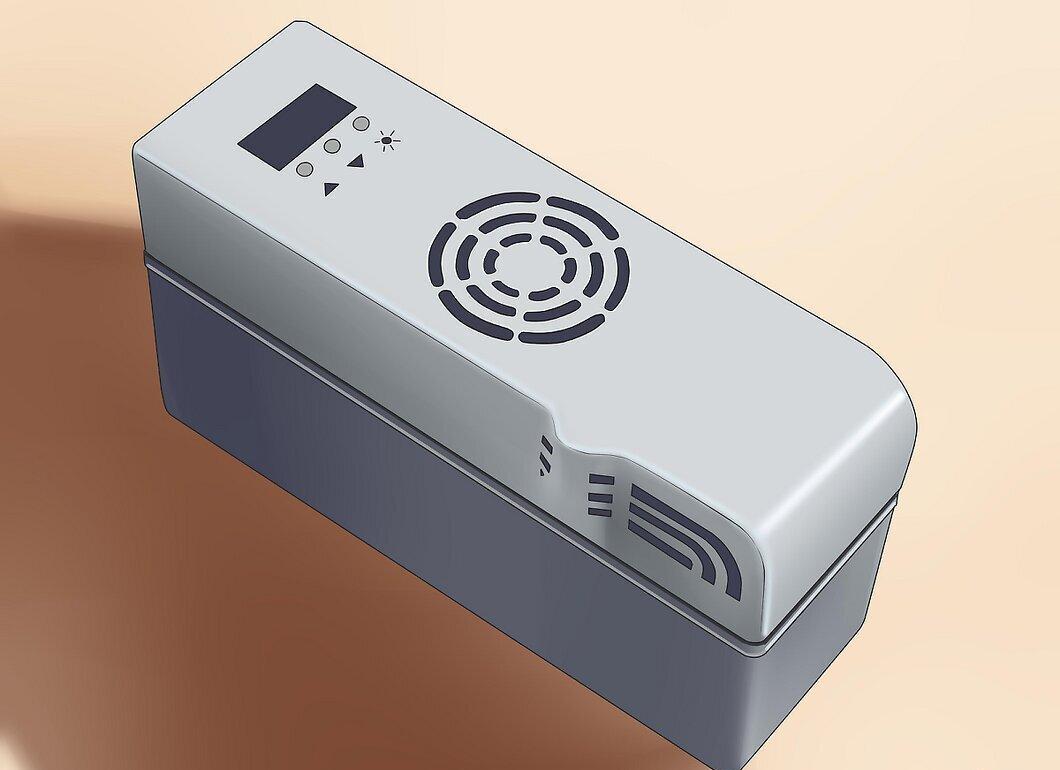
Choose a humidifier for the humidor. In most cases, humidors come equipped with humidifiers, but knowing the differences between types and methods of humidification will help you make a more informed choice.
- Sponge humidifiers are the most common and cheapest. They usually attach to the inner lid of the humidor and are moistened with propylene glycol, often referred to as "PG," which regulates humidity in the box. [2] X Source This liquid is typically sold at cigar shops and costs $6 to $10 per liter. Xikar and Cigar Mechanic are popular brands of humidifier liquids.
- Humidor beads are made of humidity-sensitive silica gel; they are very durable, easy to use, and can be periodically refreshed to maintain the required humidity. A pack of beads for a humidor costs $18 to $20, but you likely won’t need to replace them—just refresh them. To use, soak them in distilled water and periodically mist them with this water to maintain humidity.
- Digital humidifiers are quite expensive, but they are the most effective. You can set an electric humidifier to the required specifications, set it, and forget it.
Step 5. Buy a Hygrometer and Calibrate It.
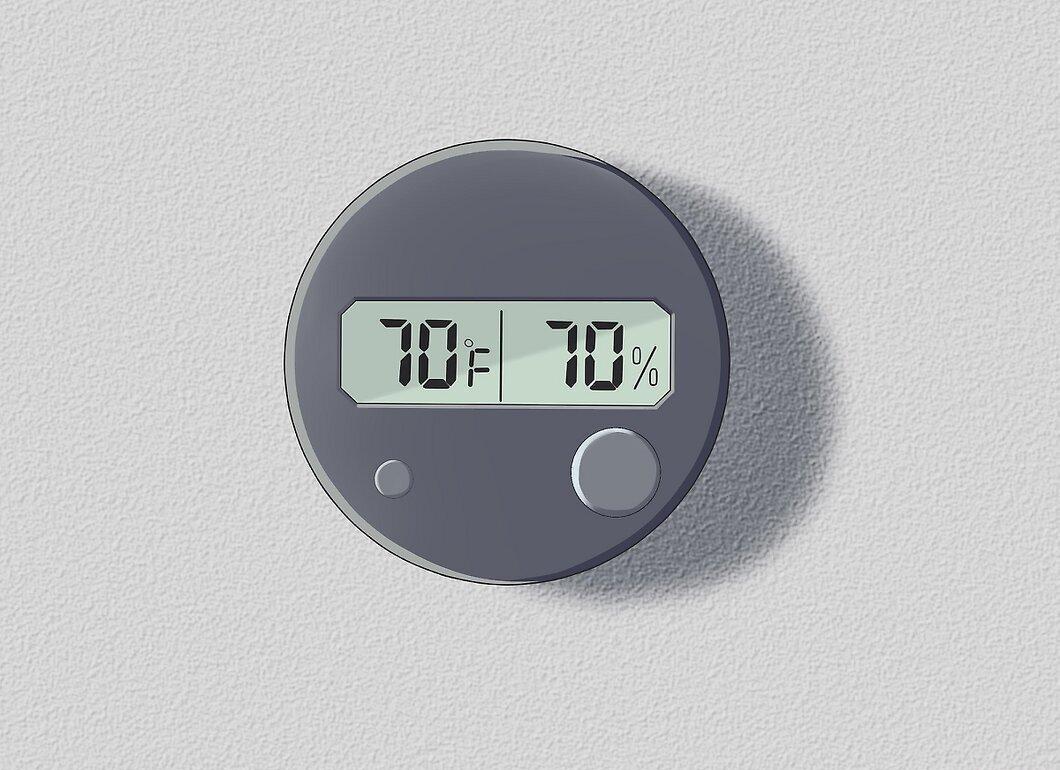
Buy a hygrometer and calibrate it. Hygrometers are used to measure the humidity level in humidors. They are available in both analog and digital versions and can be placed inside or outside the humidor. Some humidors come with hygrometers in the form of clocks that are conveniently mounted on the front exterior of the humidor. Digital hygrometers require no setup, while analog hygrometers must be calibrated before use to ensure they show accurate readings.
- To calibrate a hygrometer, place it in a plastic bag with a cap full of salt. Close the bag and leave it for 6-12 hours. When you take the hygrometer out of the bag, it should read 75% humidity. If it doesn’t, use a screwdriver to adjust the calibration screw on the back of the hygrometer to set it to 75%, and the device is ready for use.
Step 6. Acclimatize the Humidor to Create the Necessary Microclimate.
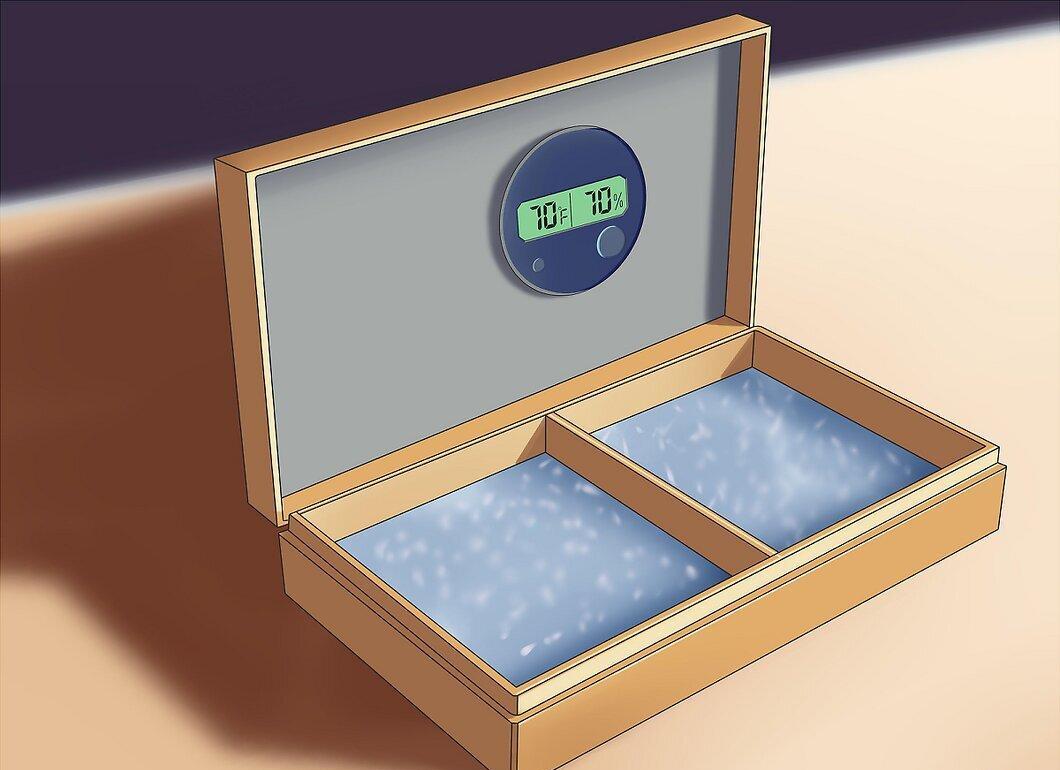
Acclimatize the humidor to create the necessary microclimate. Before loading your humidor with cigars, you need to spend about 7 days humidifying it to create the optimal microclimate. This is a straightforward process but vital for preparing the humidor and ensuring the best conditions for storing your cigars.
- To acclimatize the humidor, fill your chosen humidifier, either soaking the sponge or moistening the beads or setting the digital humidifier, and place it inside the humidor.
- Pour about a cup of distilled water into a clean bowl and place it in the humidor, then gently wipe the walls of the humidor with a slightly damp towel. Don’t rub; just dab gently.
- Close the humidor and let it rest for about seven days, monitoring the temperature and humidity level. At the end of the week, you can remove the bowl of water, and the humidor will be ready for loading cigars.
Making a Humidor at Home
Step 1. Find an Appropriate Container.
Find an appropriate container. Homemade humidors can be made from plastic boxes, old ammunition storage cases, or cigar boxes. While these setups won't keep cigars fresh for long periods like a humidor, they will be quite effective for medium-term storage. This is a good choice if you plan to keep cigars for more than a week but don’t want to buy a humidor.
- Once you’ve chosen a container, wash it with warm water and antibacterial soap, then allow it to dry completely. The container should be large enough for all the cigars to lay flat inside.
- Ensure that the container closes completely with minimal air circulation. This will help preserve the aroma of your cigars and prevent smell mingling. If the container is airtight, you must give the cigars access to fresh air at least every two weeks.
Step 2. Humidify the Container.

Humidify the container. Just like with a store-bought humidor, you need to find a way to maintain the humidity level in your homemade version at around 70%. Place a jar of Xicar humidifying gel or beads, previously soaked in distilled water (with the water drained), in the container.
- As a last resort, you could place a slightly damp small household sponge in the corner at the bottom of the container. This will guarantee that the necessary humidity is maintained in the closed container. Make sure to close the lid tightly on the container with the cigars.
- Ask at your local cigar shop if they have cedar dividers from old cigar boxes and if they could share them with you. You can use them to create sleeves for individual cigars or line the walls of your homemade humidor. This will help regulate humidity.
Step 3. Store the Container in a Cool, Dark Place.
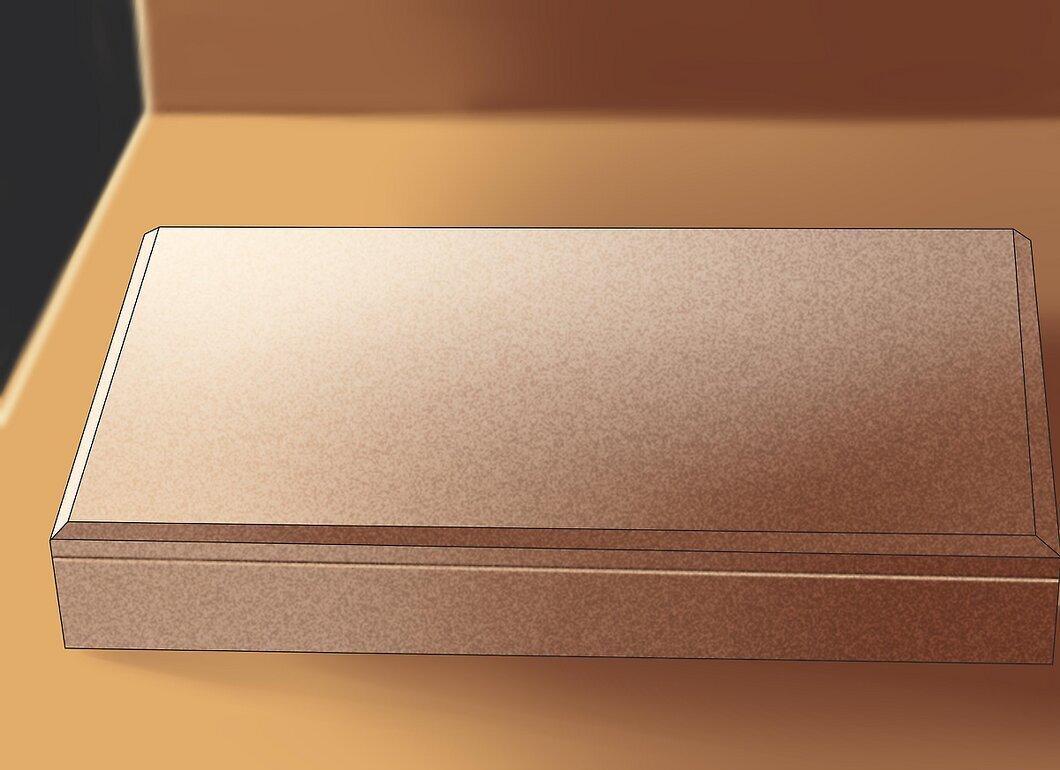
Store the container in a cool, dark place. Monitor the temperature in the storage area to keep it around 70 degrees Fahrenheit (21 degrees Celsius). Keep a thermometer nearby to check the temperature, and smoke the cigars as soon as you have the chance.
- Periodically check the cigars to ensure they are not suffering from excessive humidity and becoming too damp or wet. Watch for any signs of mold or moisture droplets inside the humidor. If that happens, remove the humidifier or ventilate the humidor.
Storing Cigars in a Humidor Long-Term
Step 1. Store the Humidor at the Right Temperature.
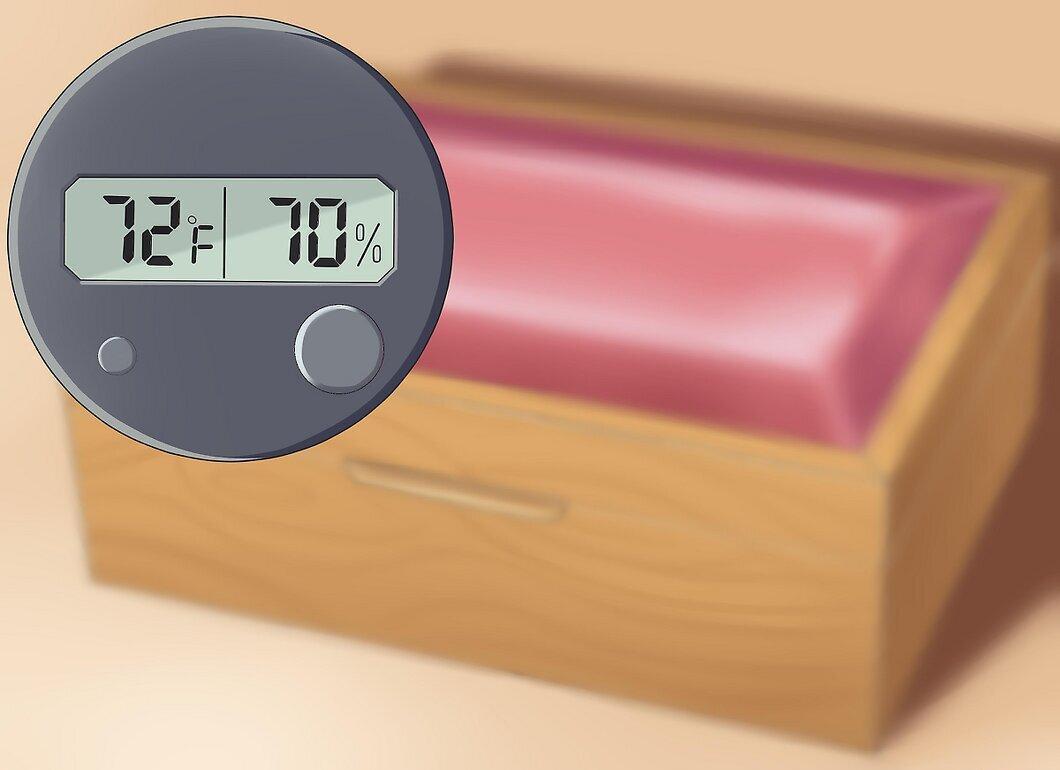
Store the humidor at the right temperature. The humidor can only control humidity levels, so you need to monitor the surrounding temperature. Humidors should always be kept in environments with temperatures between 20-22 degrees Celsius (68-72 degrees Fahrenheit).
Step 2. Keep Similar Cigars Together.
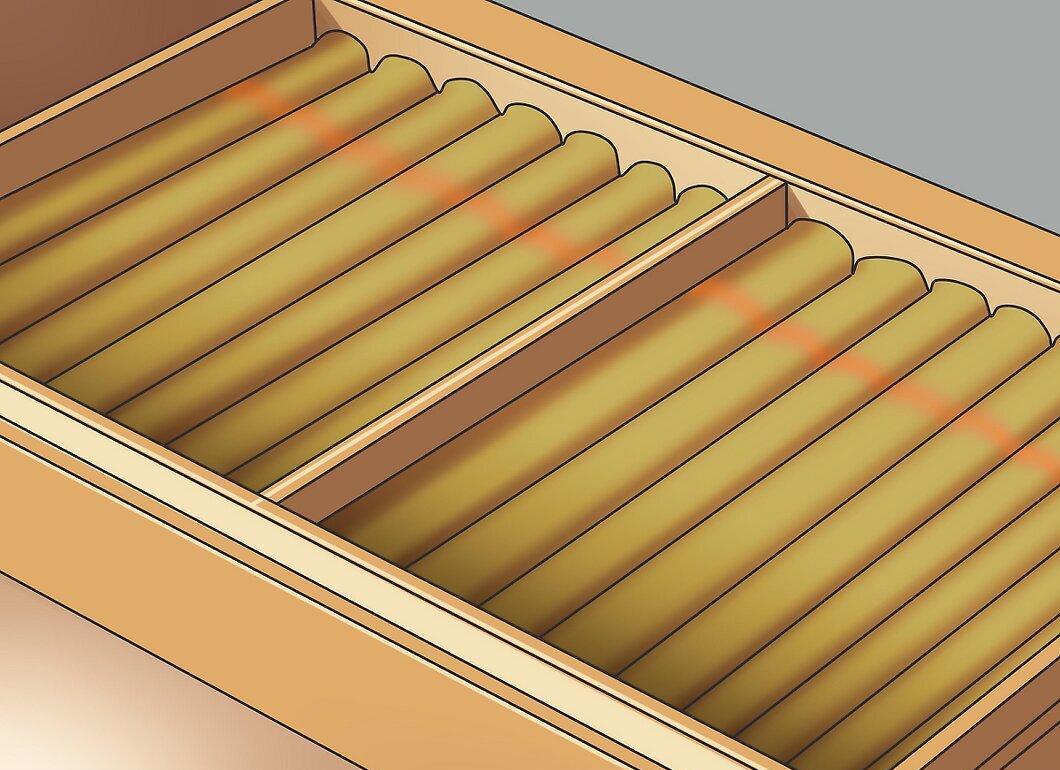
Keep similar cigars together. There’s no consensus and a heightened interest among connoisseurs of large collections on how to store cigars of different varieties together. If you have 15 Maduros and a host of other varied cigars of different strengths and flavors, can they safely coexist for long periods? Yes and no. Keep natural-flavored cigars near other natural-flavored ones, and flavored cigars together with flavored ones.
- Sometimes mixing the flavors of one cigar with another is acceptable, but this is not possible with all cigars. A good rule of thumb is definitely to separate (remember those cedar dividers in the cigar shop?) any flavored cigars you may have from natural tobacco cigars. For example, a cognac-flavored cigar, when stored in the same space with a natural tobacco cigar, may impart its flavor to it. However, generally speaking, natural cigars can coexist regardless of strength.
- If you need to store different cigars in the same box in the humidor or in a humidor without compartments, it’s recommended to keep them in cedar sleeves or homemade pouches from old cedar from the cigar shop.
Step 3. Consider the Aging Characteristics of “Naked” Cigars.
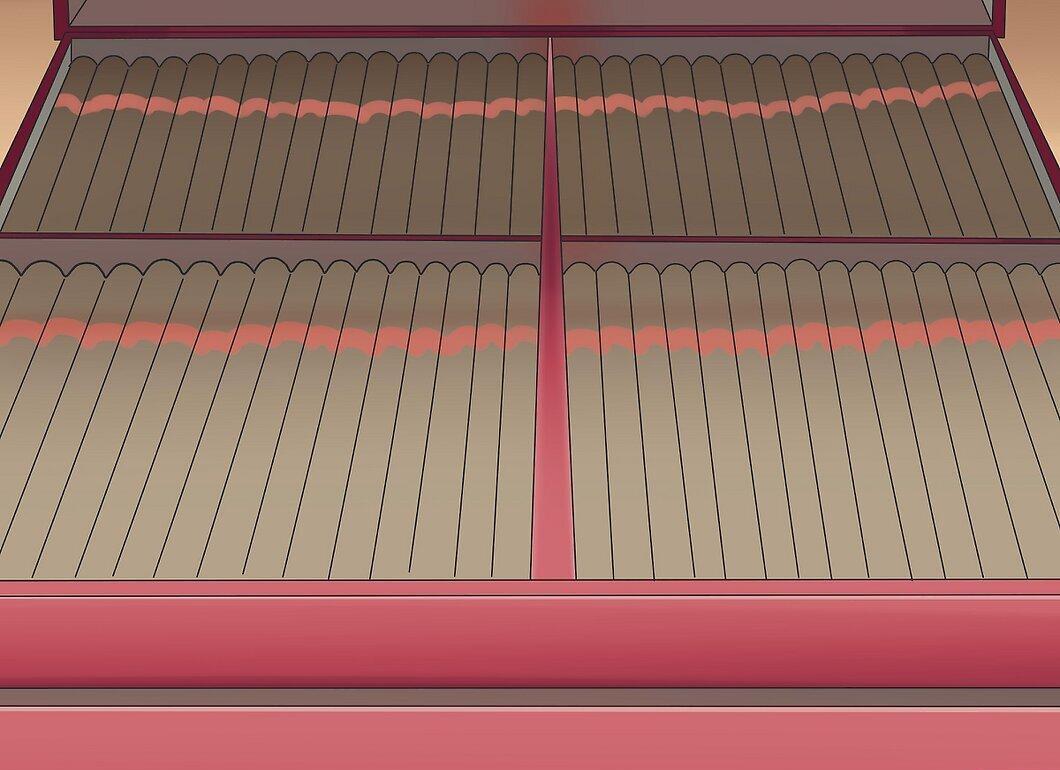
Consider the aging characteristics of “naked” cigars. Another contentious issue for the cigar collector community is whether to keep cigars in their cellophane wrappers or “naked,” without packaging. If you have a quality humidor capable of effectively keeping your cigars in excellent condition over long periods, it’s recommended to remove the cellophane, although much of this is dependent on your preferences.
- If you plan to smoke a cigar within a month, it’s best to leave it in the cellophane wrapper during that time, and longer if you wish. Most often, cigars are left in the containers and wraps they arrive in, especially in cedar packaging.
Step 4. Rotate Cigars You Plan to Store for More Than a Month.
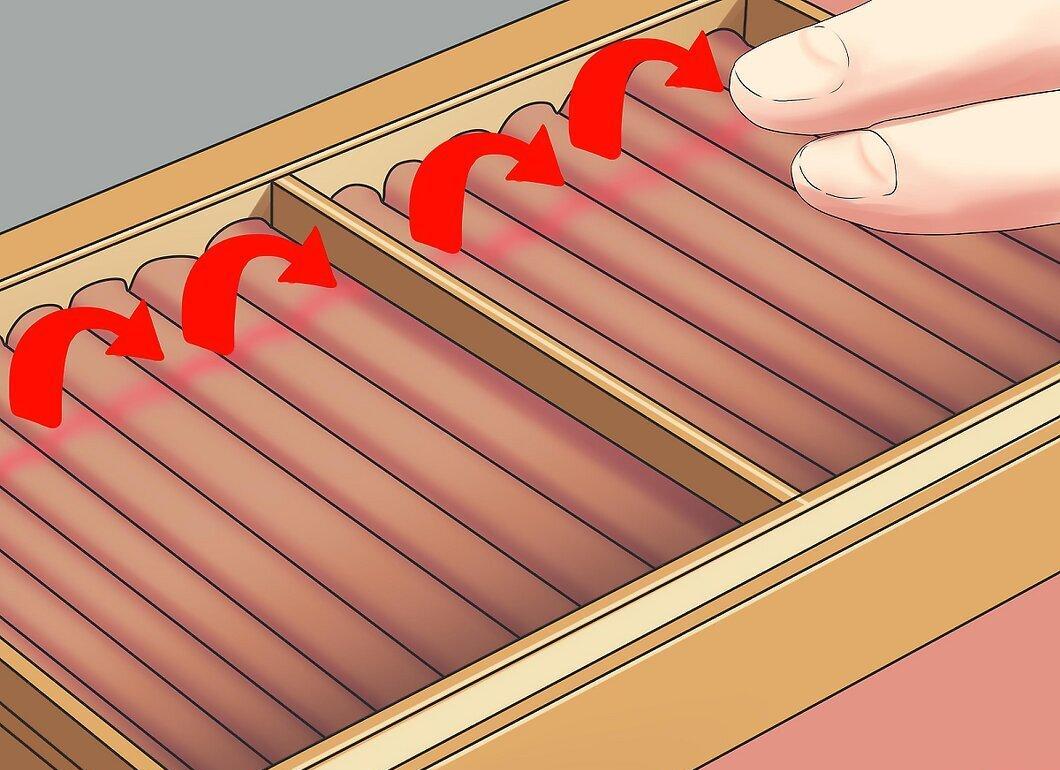
Rotate cigars you plan to store for more than a month. To prevent the air in the humidor from becoming stale, a good practice is to move the cigars at least once a month. If you're a regular smoker and frequently move cigars in and out, you don’t need to stick to a rotating schedule. But if you're a collector of exquisite cigars that are stored for a long time, it’s better to periodically change their positions.
- In general, cigars should be stored on a flat surface to promote air circulation. Don’t store cigars on top of one another. Store cigars in the humidor with the most available space.
Step 5. Maintain the Humidifier According to Climate.

Maintain the humidifier according to climate. It’s good practice to check the hygrometer at least once a week to ensure that the humidity level remains stable and to change the liquid in the humidifier every couple of months, depending on the climate you live in.
- A good idea is to calibrate the hygrometer every six months by taking it out of the humidor and placing it in a bag of salt for testing to ensure it gives accurate readings. Most storage mishaps occur due to faulty hygrometers.