Eclipses: A Marvel of the Universe
Eclipses are truly extraordinary phenomena, with many astronomy enthusiasts dedicating considerable time and resources to witness them across various corners of our planet. In simple terms, an eclipse occurs when one celestial body obstructs another. While most of us have heard about solar eclipses, both solar and lunar eclipses are of great interest to astronomers. No description or photograph can convey the full beauty of this event, and the best way to experience it is by seeing it with your own eyes.
How to Observe a Solar Eclipse
Step 1. Learn About Solar Eclipses.
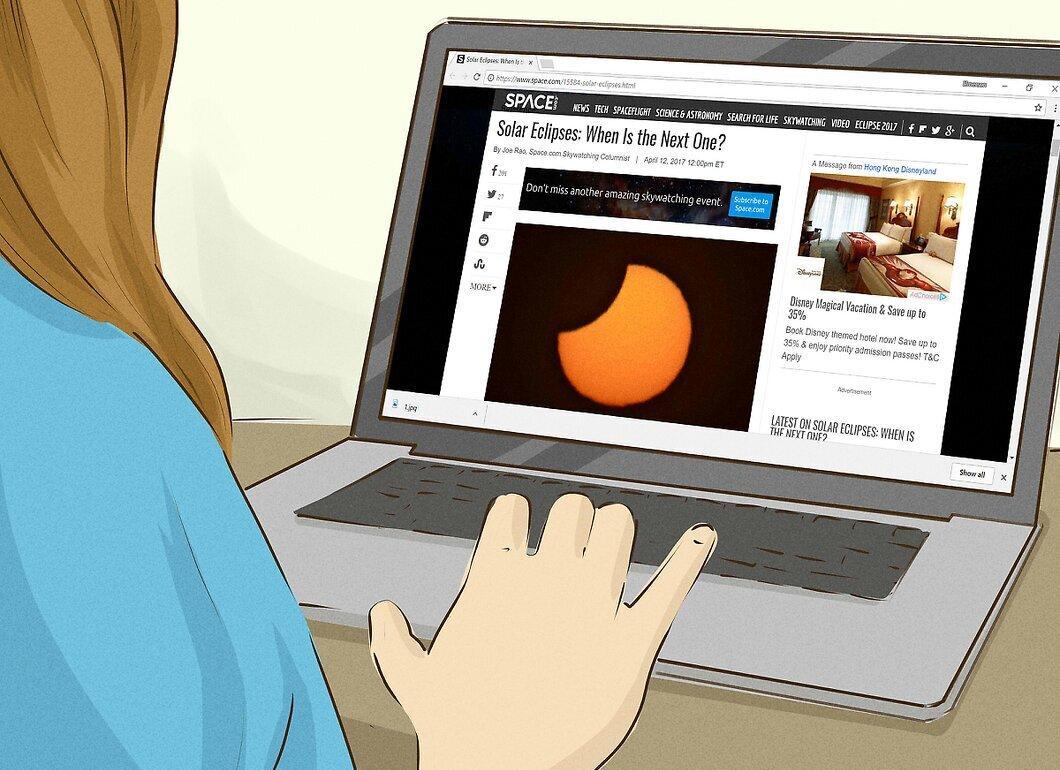
Start by familiarizing yourself with solar eclipses. A solar eclipse occurs when the Moon is positioned between the Sun and the Earth, blocking sunlight. These eclipses can be total or partial, depending on whether you are in the path of the Moon's full shadow or outside of it.
- A total solar eclipse can last anywhere from a few seconds to seven and a half minutes, during which the Moon's shadow moves across the Earth's surface. Outside the totality zone, a partial eclipse is observed, where the Moon only obscures part of the Sun's light.
- Total solar eclipses are possible due to a unique arrangement: the Sun is 400 times farther from Earth than the Moon, yet it is also 400 times larger, making their angular sizes in the sky nearly identical.
Step 2. Avoid Unsafe Viewing Methods for Solar Eclipses.
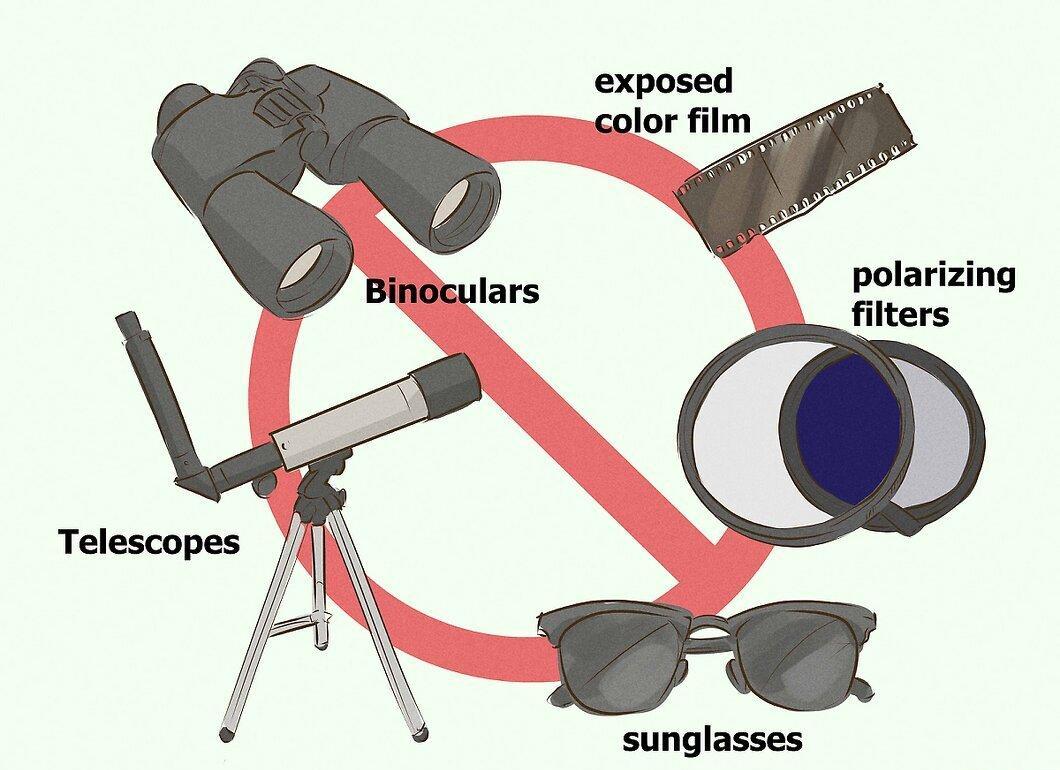
It's crucial to remember that unsuitable methods for observing a solar eclipse should never be used. Do not look at the eclipse through binoculars, telescopes, regular glasses—including sunglasses, smoked glass, or polarizing filters—as they do not provide adequate eye protection.
- While these items may reduce visible light intensity, they still allow invisible rays that can damage your vision, such as ultraviolet and infrared light.
Step 3. Create a Simple Eclipse Projector.
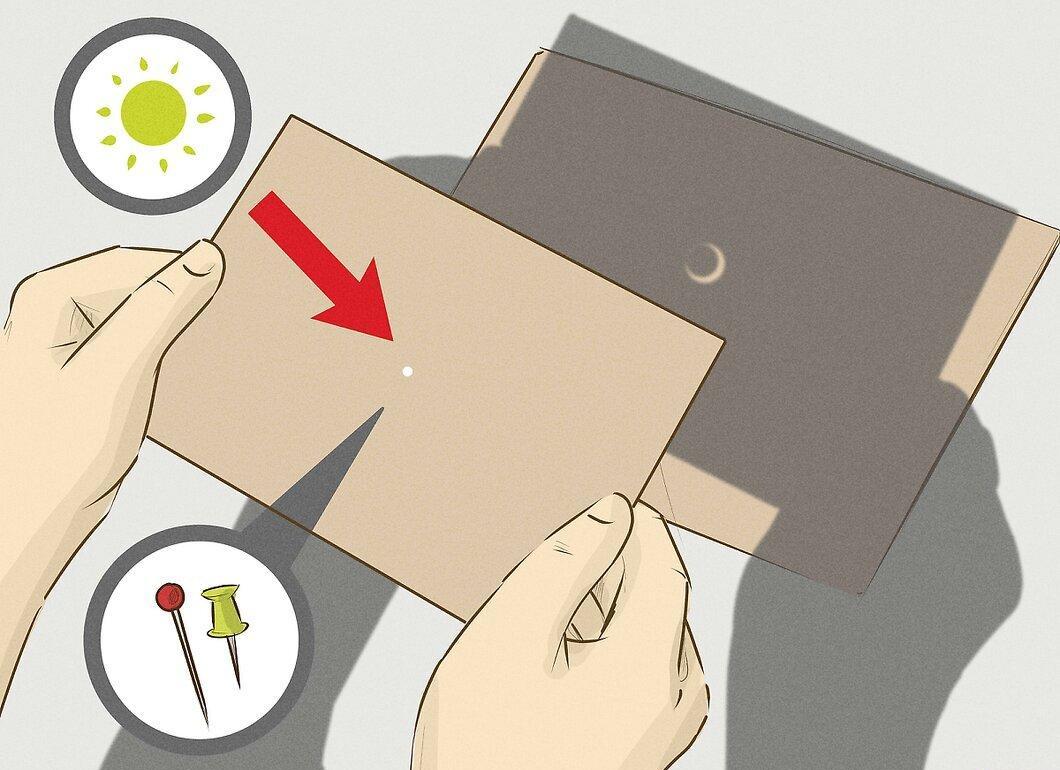
Make a simple projector for observing the eclipse. This device is easy to create on your own and costs only the price of a sheet of cardstock. Despite the small image size, the process of making and observing with such a projector will be engaging for children and teenagers.
- Take a sheet of cardstock or heavy paper and poke a small hole in the center using a pin. Place a second sheet of paper on the ground—this will serve as the projection screen for the eclipse.
- Stand with your back to the Sun, holding the sheet with the hole about one meter off the ground. Ensure that your head does not block the hole, and angle the sheet so that its surface faces the Sun while you look at the screen.
- With proper positioning, a circle will appear on the screen. The edges may be slightly blurry, so adjust the position for better focus.
- As the eclipse begins, the circle will appear like a crescent (during a partial eclipse), and during a total eclipse, it will first become a crescent and then transform into a thin circle.
- You can also create a pinhole camera for observing the eclipse.
Step 4. Use Solar Filters.
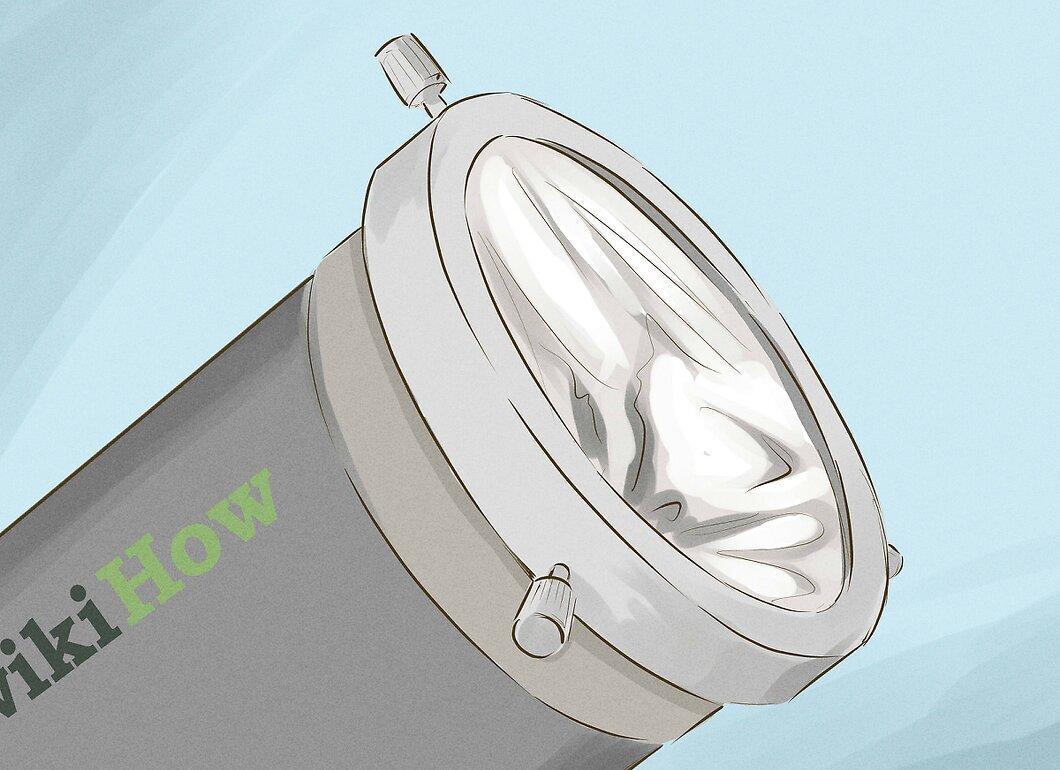
Use a solar filter if you plan to look directly at the Sun. Place the filter between your eye and the Sun. Although it is possible to temporarily go without protection during a total solar eclipse, only an experienced observer can determine when this time occurs.
- As most eclipses are partial, and many observers are beginners, always use a solar filter; even if 99.9% of the Sun is obscured, a brief glance at the remaining part without protection can result in eye damage. Solar filters are easy to find for various types of equipment (cameras, binoculars, telescopes).
- When selecting a solar filter for a telescope or binoculars, make sure it is designed specifically for your model. An incorrect filter can severely damage your eyesight.
Step 5. Observe the Eclipse via Projection.
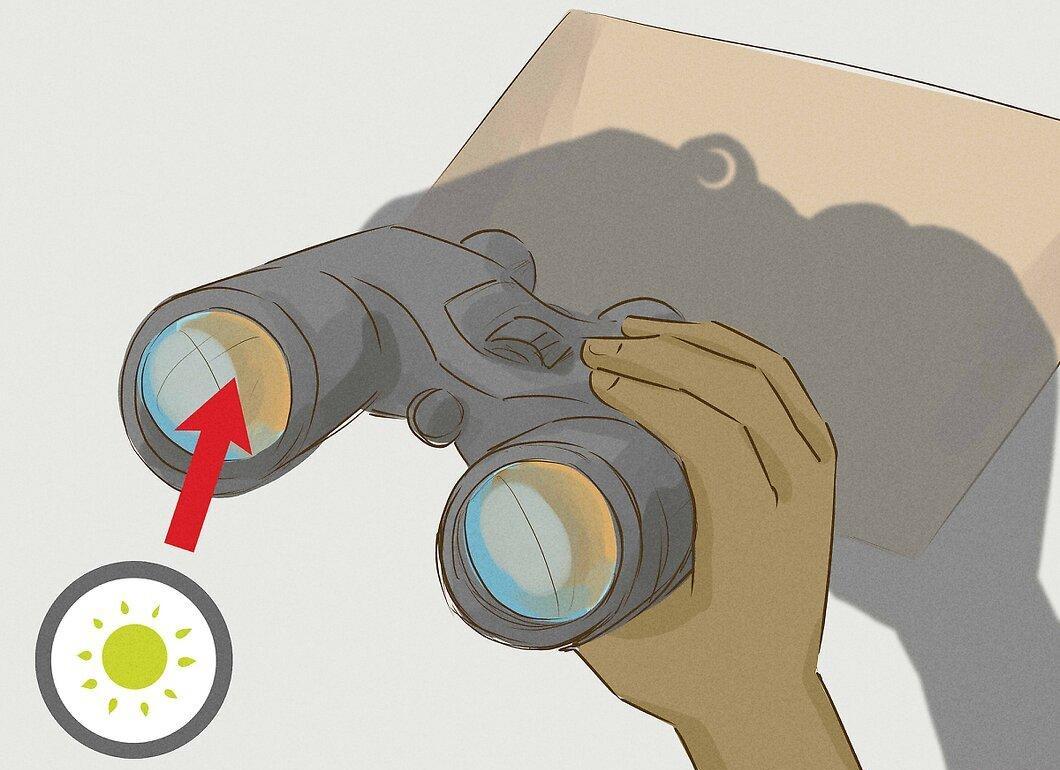
Use indirect observation methods by projecting the image. A safe way is to make a projection through binoculars or a telescope, but remember: never look directly through the binoculars or telescope!
- Cover one of the front lenses of the binoculars with a cap or a piece of cardboard.
- Turn your back to the Sun, holding the binoculars in one hand and pointing it toward the eclipse so that light hits the open lens. Move the binoculars to get a clear image of its shadow on the ground or on a wall.
- Project the image onto a screen, wall, or a large white sheet of paper that you can hold with one hand. The optimal distance from the eyepiece to the screen is about 30 centimeters; move the binoculars until the image appears on the paper.
- Once you master this method, you can secure the binoculars on a tripod or simply place them on a table to improve image quality.
- If using binoculars to observe the Sun outside of an eclipse, do not aim it at the Sun for more than one minute to avoid overheating. Allow it to cool down before pointing it back at the Sun.
Step 6. Use Welding Glasses.
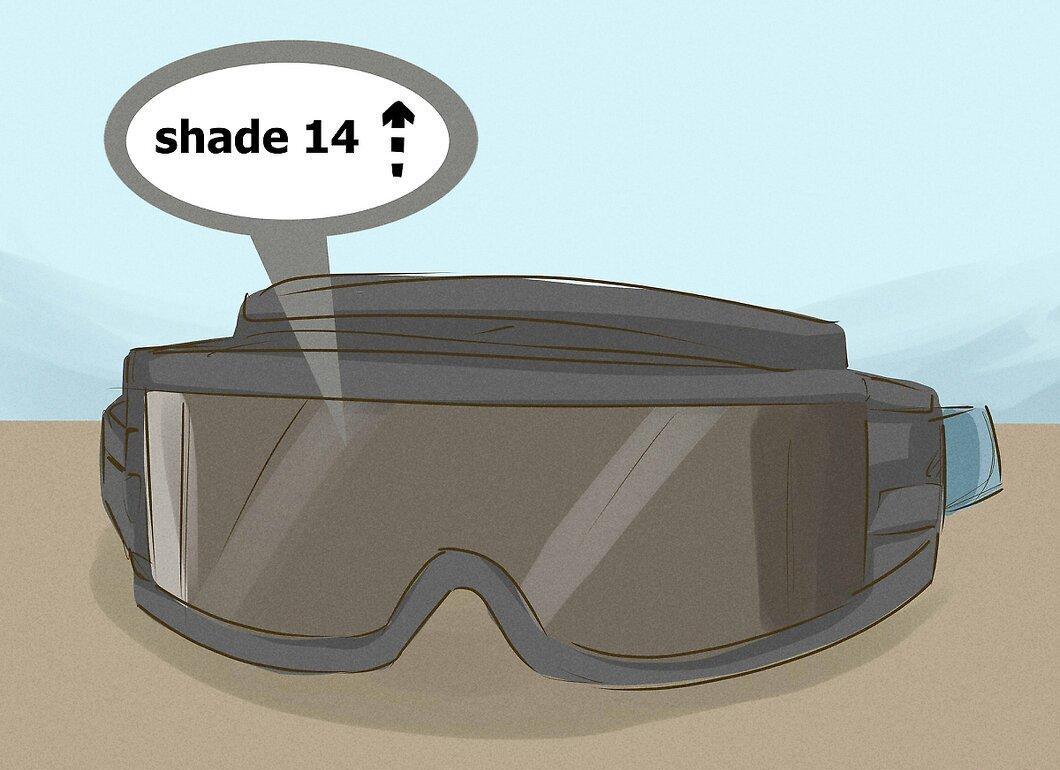
Welding glasses can serve as good protection. Shade number 14 is the most accessible option for observing the Sun. Darker glass can also be used, but it must completely cover your eyes throughout the observation.
- This filter can also be used when observing through binoculars—just place it in front of the lenses. Ensure that the filter covers all lenses; if it only covers one, cap the other with a cover.
Step 7. Use Built-in Filters.
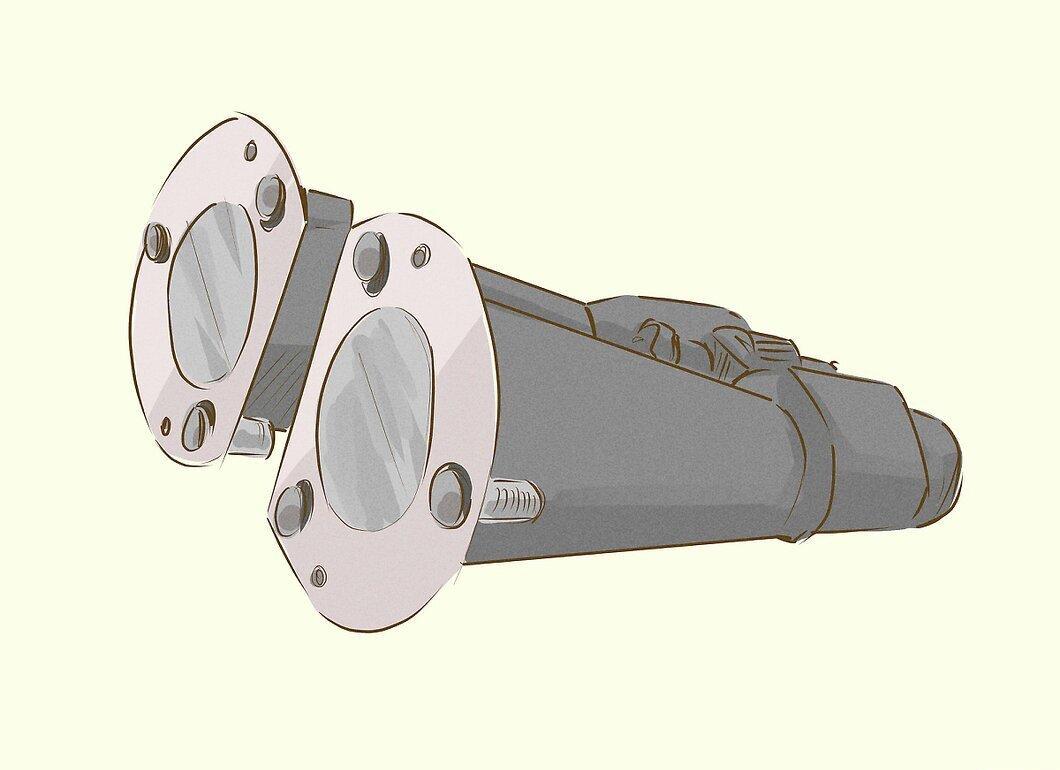
Some telescopes and binoculars come with special built-in solar filters. While some may be expensive, you can also find affordable options that provide eye protection and allow you to observe the Sun and eclipses safely. When selecting and installing solar filters, consider the following important points:
- Ensure that the filter is specifically designed for solar observation, as regular photographic films do not protect against harmful rays.
- The filter must precisely match the type and brand of your optical device. Always purchase filters from reputable sellers; if in doubt, do not use the filter. If necessary, consult experts at your local planetarium or astronomy club.
- Before installation, check for any damage to the filter's surface. Mylar easily scratches and tears; if it is damaged, do not use it.
- Ensure that the filter is securely attached; if in doubt, additionally secure it with tape to prevent it from shifting.
- Do not use filters that attach from the eyepiece side, as focused sunlight can cause their damage or destruction. Only use filters that attach to the front of the telescope.
How to Observe a Lunar Eclipse
Step 1. Learn About Lunar Eclipses.
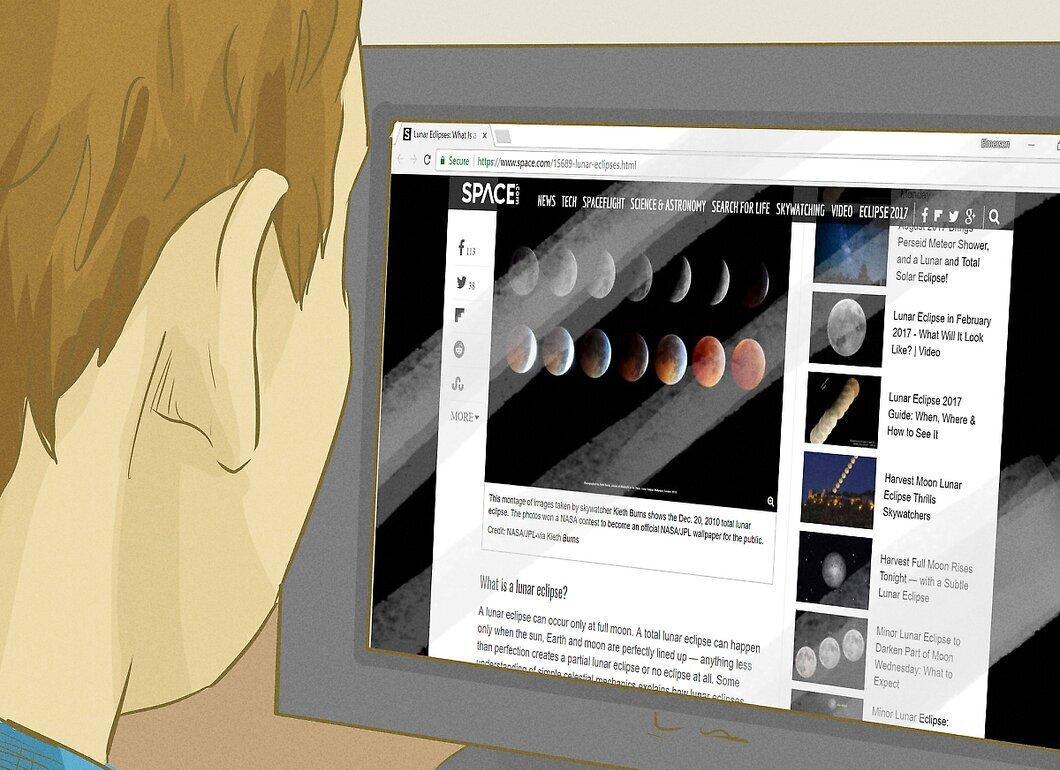
Learn more about lunar eclipses. They occur less frequently than total solar eclipses. Lunar eclipses happen approximately twice a year, while total ones occur on average once every 2-3 years. A lunar eclipse happens only during a full moon when the Moon crosses Earth's orbit and enters the Earth's shadow, taking on a copper or dull red color (the so-called "blood moon").
- A total lunar eclipse can last up to one hour and forty minutes; considering the time of the partial eclipse, it can last up to six hours.
- Like solar eclipses, lunar eclipses can be total or partial, depending on the positioning of the Earth, Sun, and Moon.
Step 2. Be Prepared to Wake Up in the Middle of the Night.
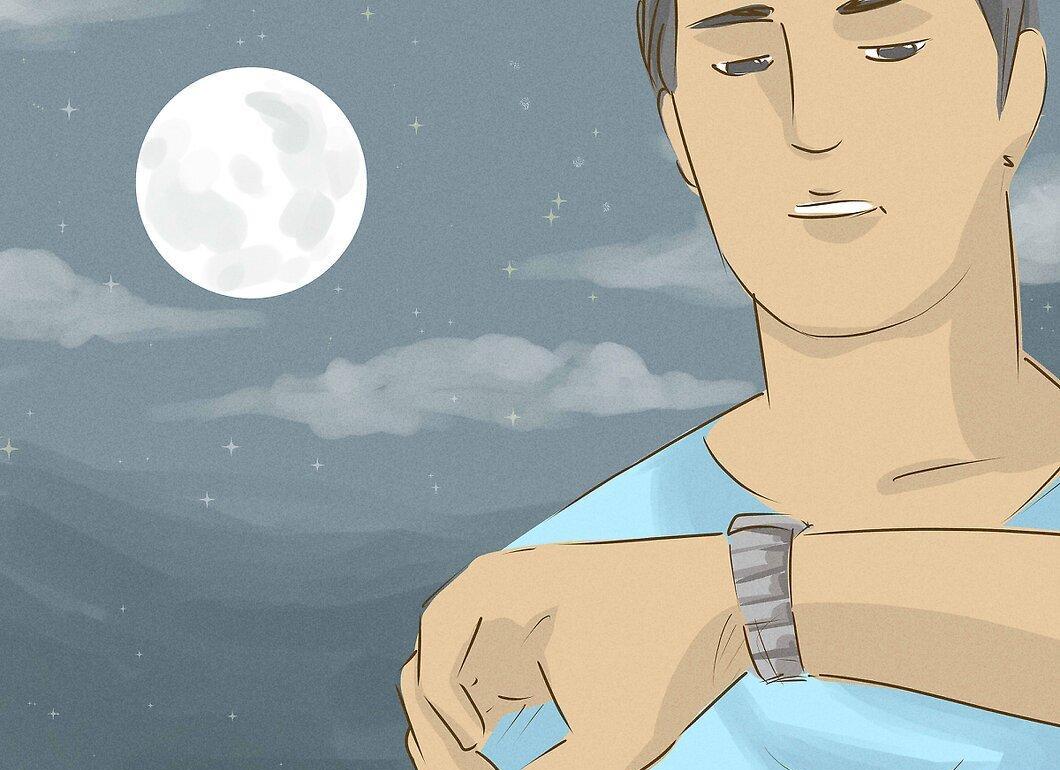
Get ready for nighttime observations. Lunar eclipses only occur during a full moon when the Moon passes through Earth's shadow. They typically happen late at night and can last several hours as the Moon moves through the shadow. To enjoy this spectacle, you will need to wake up in the middle of the night.
- For the best viewing experience, it is preferable to have a clear, cloudless sky.
Step 3. Observe with the Naked Eye or Optics.
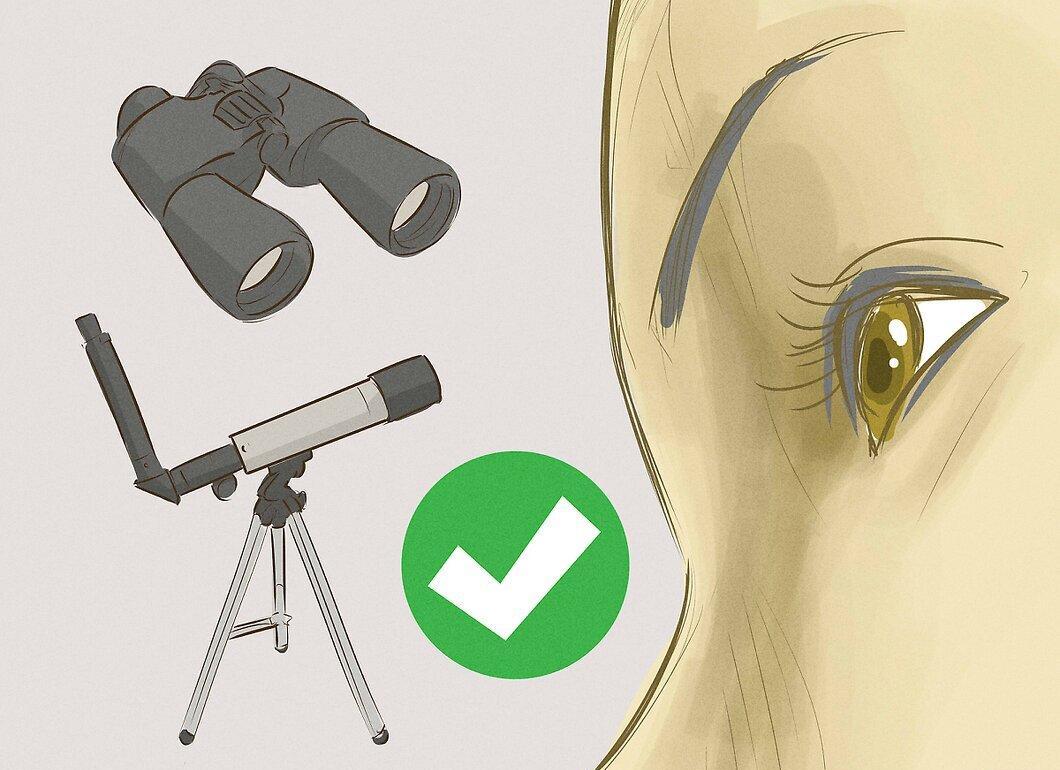
You can observe a lunar eclipse with either the naked eye or optical instruments. This phenomenon is completely safe to observe without any filters since you are not looking at the Sun but at its light reflecting off the Moon. As there is no risk of eye damage from sunlight, you won't need special equipment.
- For a better experience, you may use binoculars or a telescope.
- If you want to capture the eclipse in photos, check out the article "How to Photograph the Moon," which goes into detail on this topic.
Step 4. Dress for the Weather.
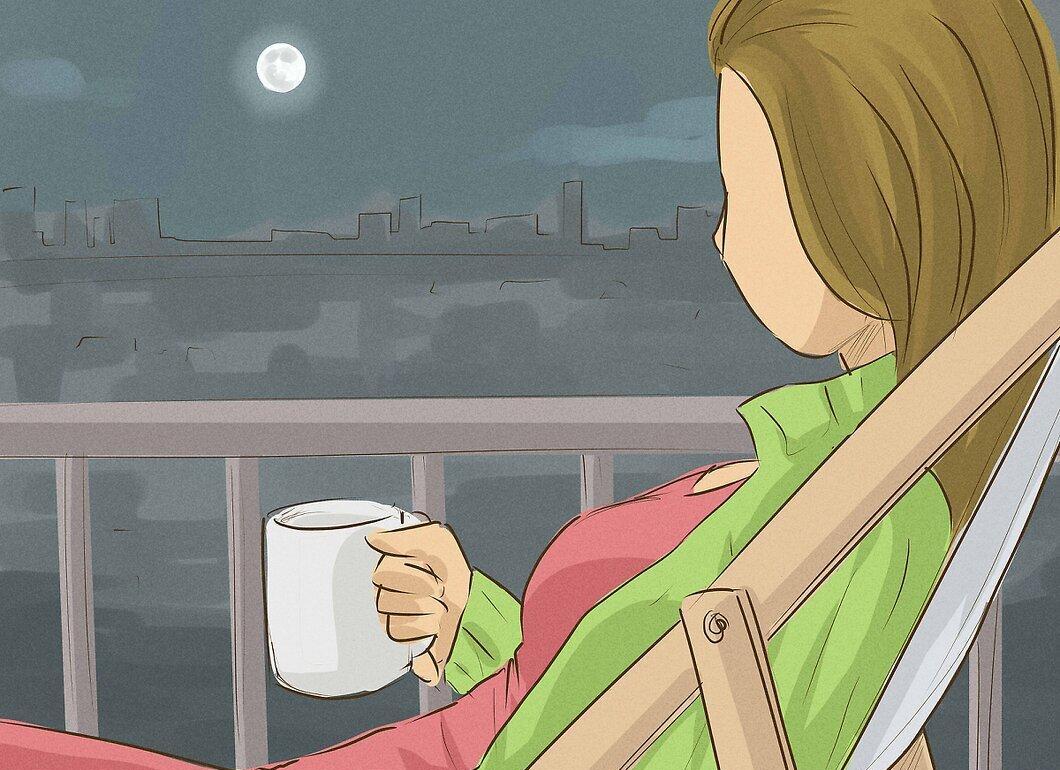
Don’t forget to dress warmly. Since you will spend part of the night outdoors, it may be colder than during the day. Prepare by dressing warmly and bringing a thermos with a hot drink. It’s also helpful to bring something comfortable to sit on, as the eclipse may last over an hour.
Preparing for Eclipse Viewing
Step 1. Know the Time and Location of Eclipses.
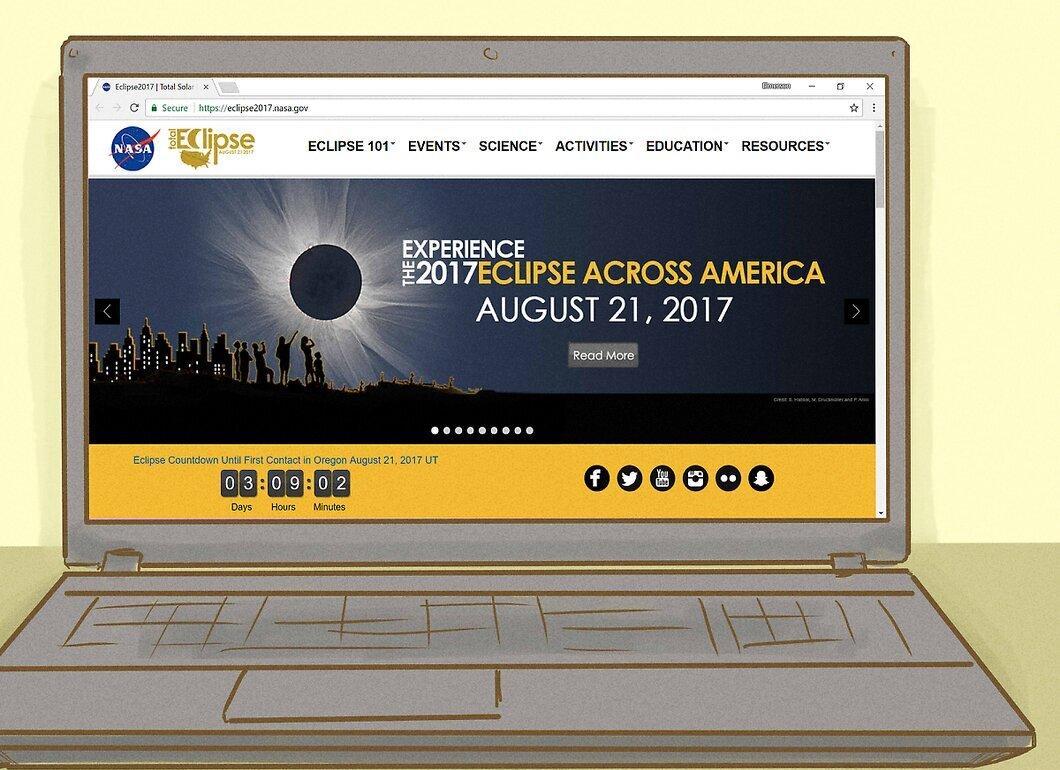
Find out where and when eclipses will be visible. You can't observe eclipses without being aware of their timing and locations! One of the best ways is to follow news from reliable astronomical websites. Books and magazines on astronomy are also useful. Information about eclipses can be found on the following resources:
- NASA's eclipse website, where you'll find information about solar and lunar eclipses, as well as maps for viewing eclipses up to 2020 and for 2021-2040.
- Some of your favorite science websites and blogs may also regularly update information about upcoming eclipses.
Step 2. Check the Weather Forecast.
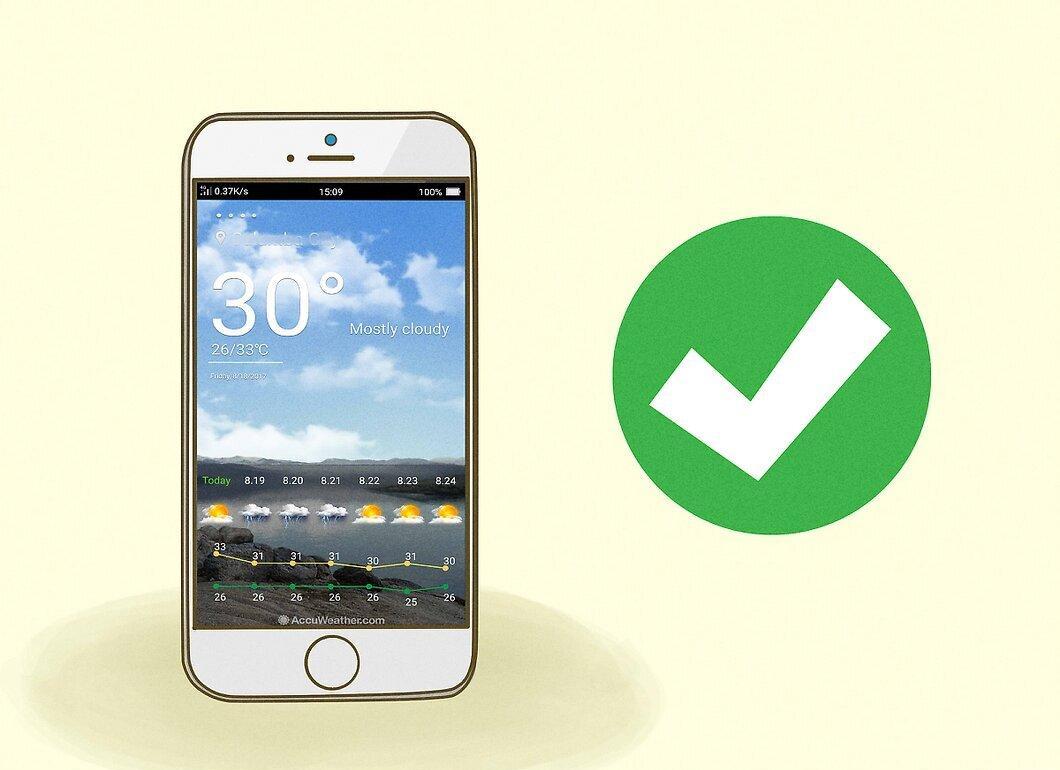
Check the weather forecast for the time of the eclipse. Cloudy weather or rain can hinder observation. If clear weather is expected, you're in luck! Dress accordingly. If you plan to observe a lunar eclipse in winter, make sure to bundle up to avoid getting cold.
Step 3. Visit the Viewing Location in Advance.
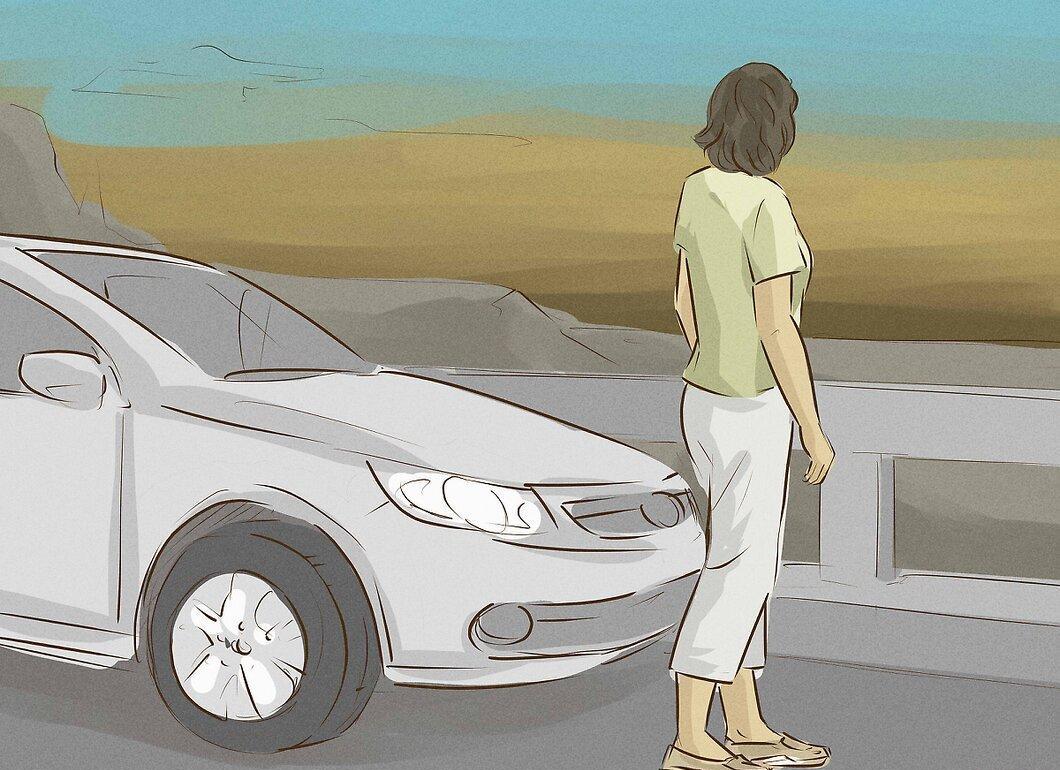
Do a preliminary visit to the location where you plan to observe the eclipse. If you're going to a new place, familiarize yourself with its features: what the area looks like, how crowded it is, where to park, etc. When choosing a viewing spot, consider the following:
- Visibility. Choose a location with a good view of the horizon to catch the approaching shadows.
- Amenities. Are there restrooms, cafes, shelters, and other facilities?
- Accessibility. Is it easy to get to the location, find parking, and walk around?
- Popularity. If the spot is popular with tourists, it may be worth looking for a lesser-known place with fewer people. If friends have a house or property in a good observing location, don’t hesitate to ask them about a visit.