Fabric painting is a wonderful way to breathe new life into old, plain t-shirts, dull upholstery, and other textile items. Once you master the technique, you can create unique fashion pieces or decorate your home by translating your ideas onto fabric. Let's break down how to design a pattern, transfer it onto the fabric, and paint it, following the steps below.
Preparing the Fabric
Step 1. Choose Your Fabric.
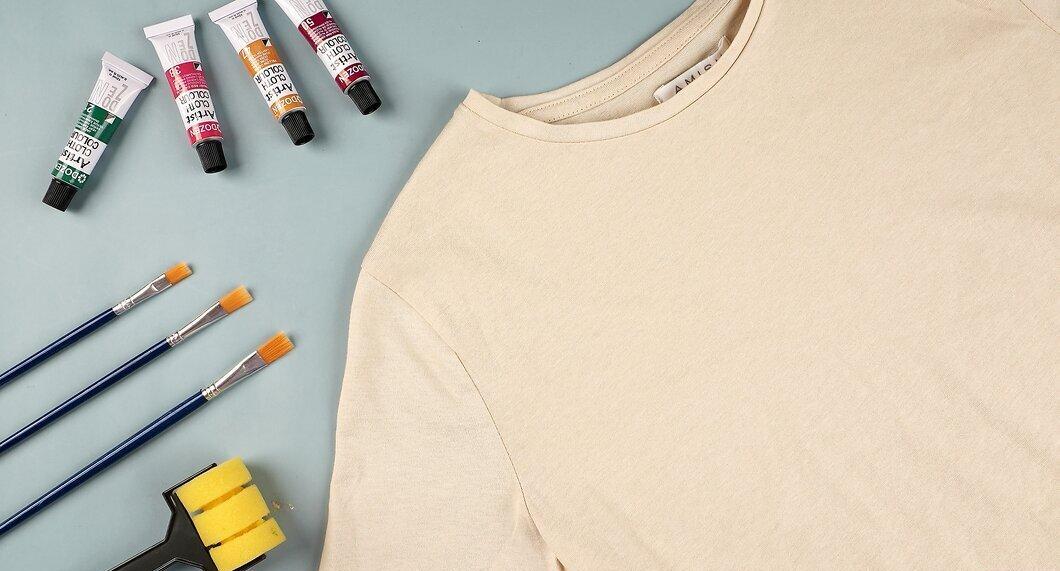
Start by selecting your fabric. Natural and easily washable materials or their blends, such as 50/50 cotton and polyester, are best.
Step 2. Wash the Fabric to Prevent Shrinking.
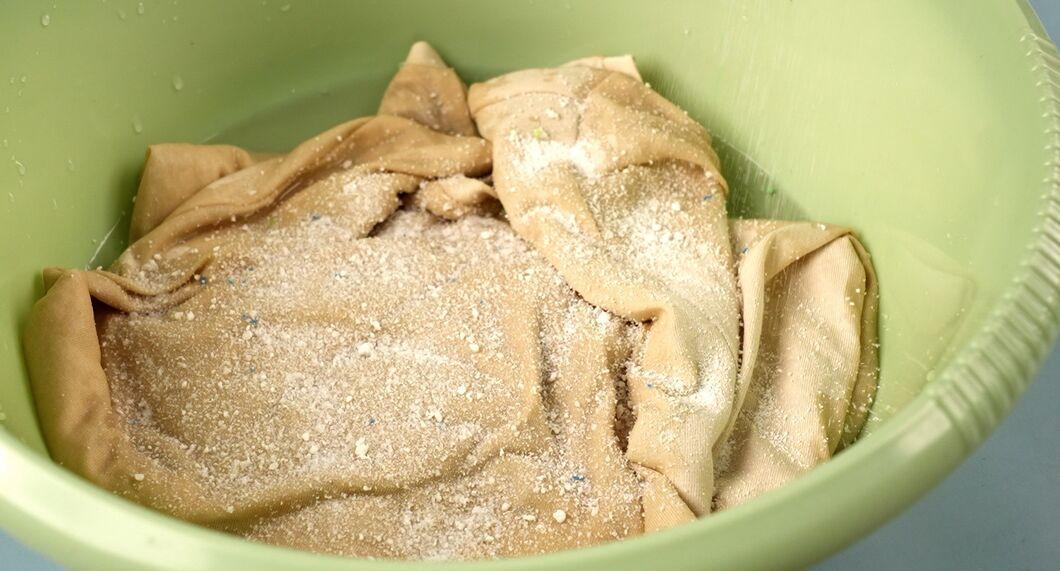
Make sure to wash the fabric to prevent it from shrinking after painting. Use regular laundry detergent and avoid fabric softener during drying.
Step 3. Set Up a Barrier Between Fabric Layers.
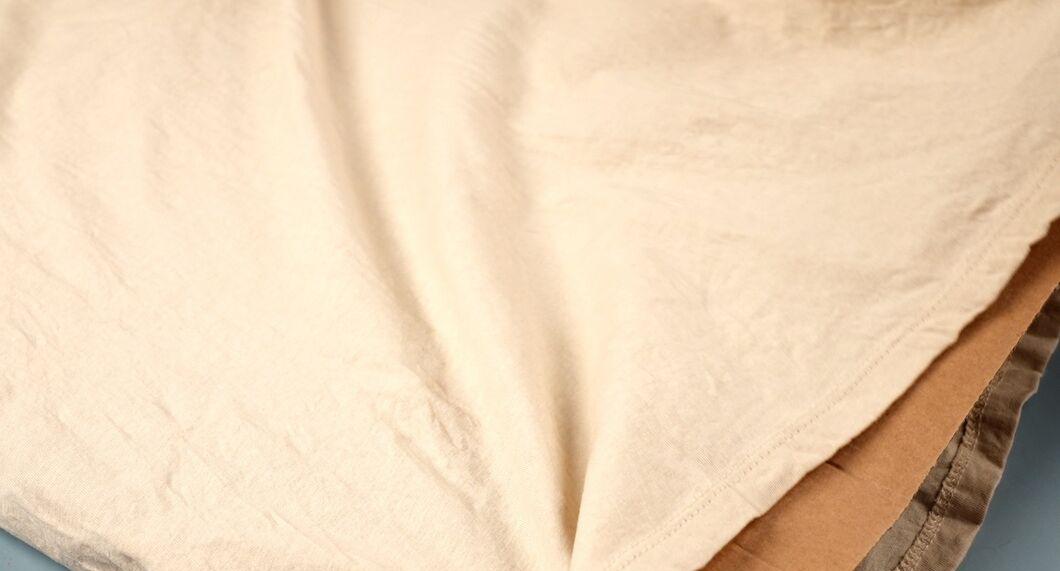
Always place a barrier between the front and back sides of the fabric. This can be a large board, soft cardboard, or wax paper, to prevent paint from bleeding through.
Step 4. Secure the Fabric with Pins.
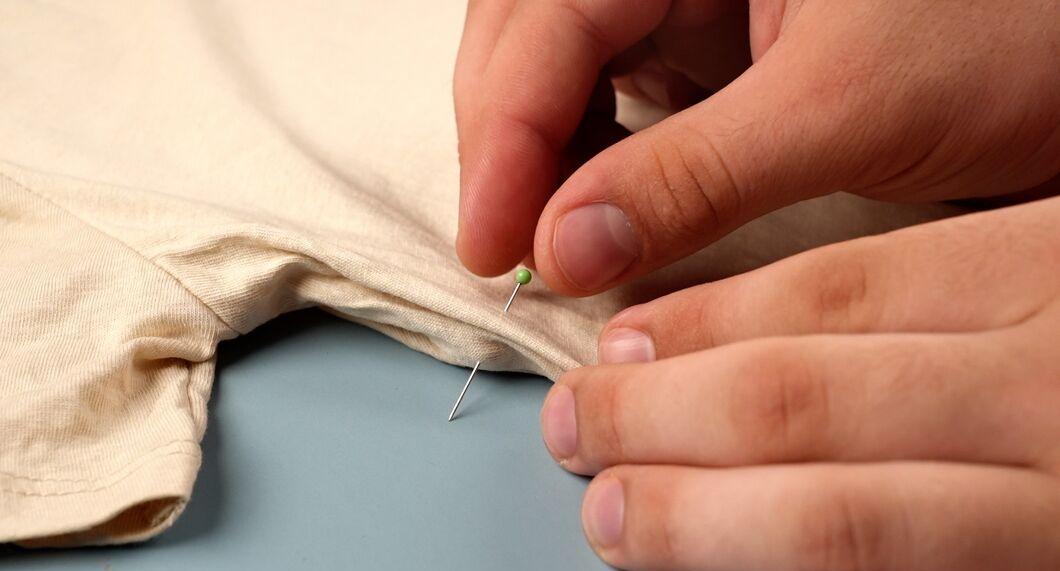
Pin the fabric in place using pins. Insert one pin at each corner to prevent shifting and bunching of the fabric.
Choosing Materials
Step 1. Select Paint for Precise Lines.
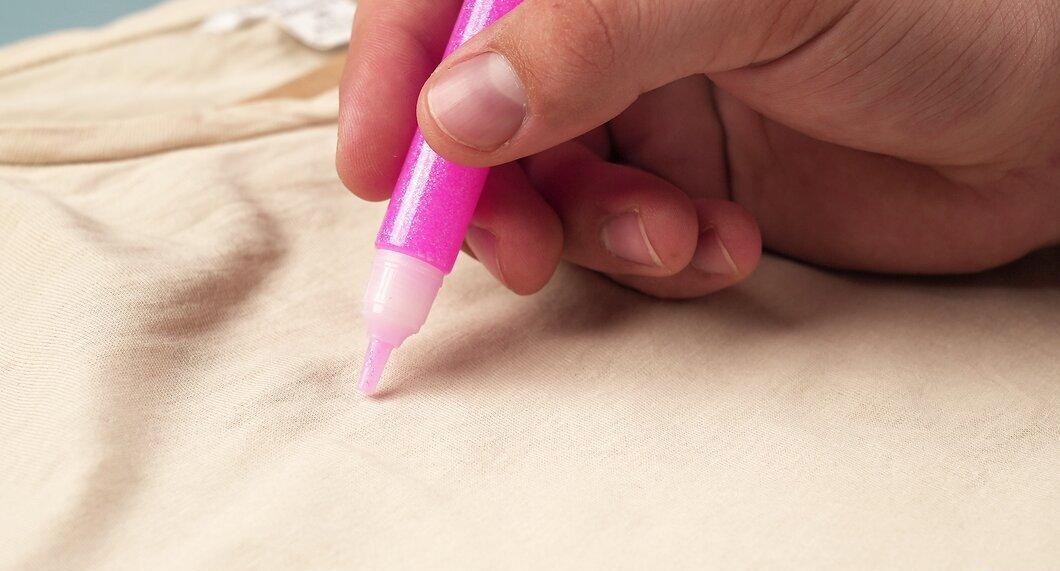
Choose fabric paint in a bottle, which allows you to create precise lines. Hold the bottle just like a pencil and gently squeeze to release the paint. Ensure the tip of the bottle touches the fabric to avoid smudging.
Step 2. Use Brush Paint.
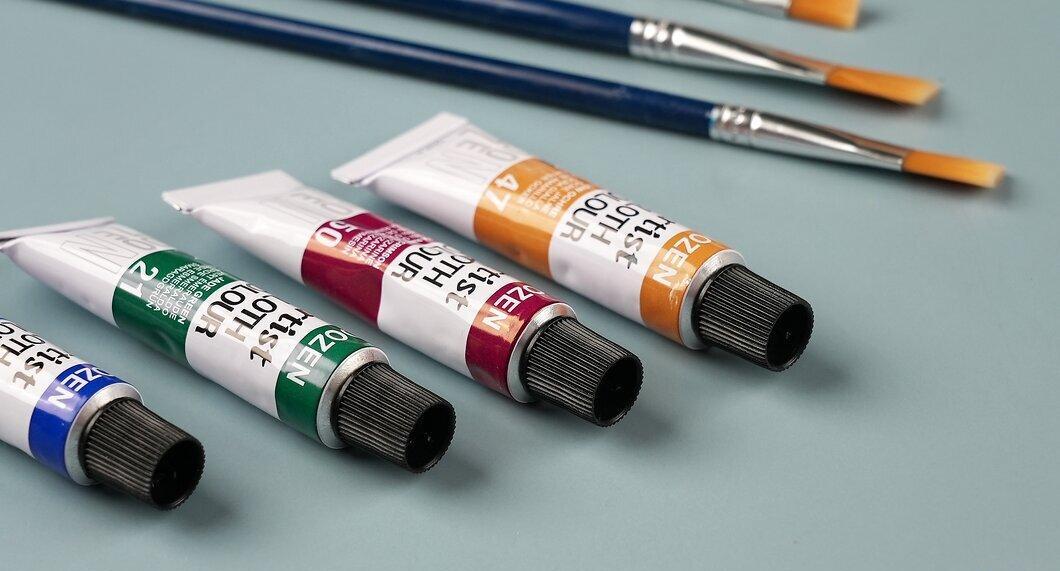
Alternatively, you can buy fabric paint that is easy to apply with brushes. This type of paint allows for color mixing before applying it to the fabric.
Step 3. Choose Brushes Based on Desired Effects.
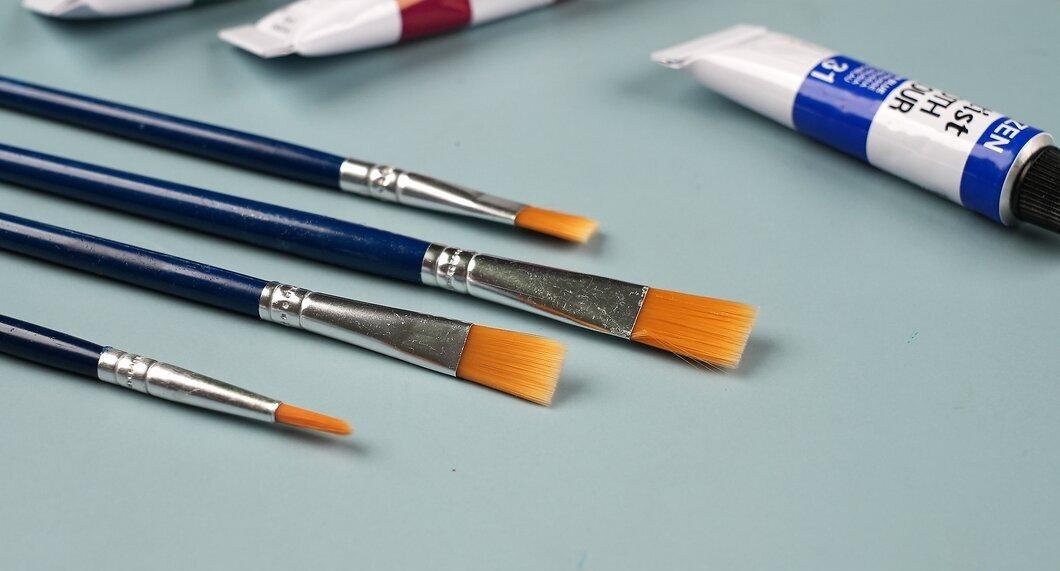
- Shade Brushes have a fine edge and allow for smooth lines and filling large areas.
- Liner Brushes with long or short tapered bristles are perfect for long strokes.
- Detail Brushes with fine bristles are great for color blending and creating short, sharp strokes.
The Process of Fabric Painting
Step 1. Create a Sketch on Paper.
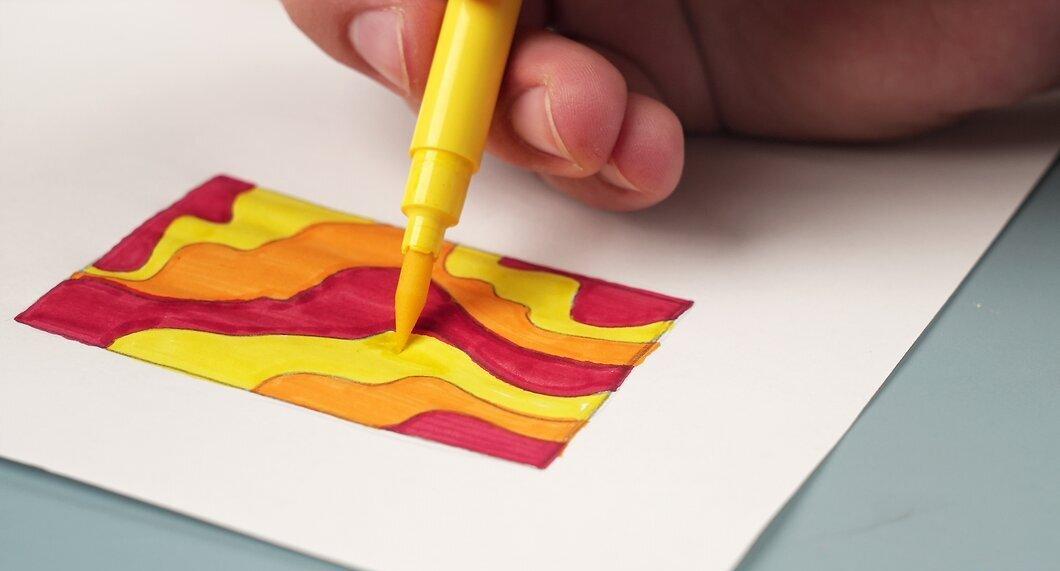
First, draw your intended design with a pencil on paper. This is a great opportunity to experiment with different color combinations before transferring them to the fabric.
Step 2. Transfer the Design onto the Fabric.
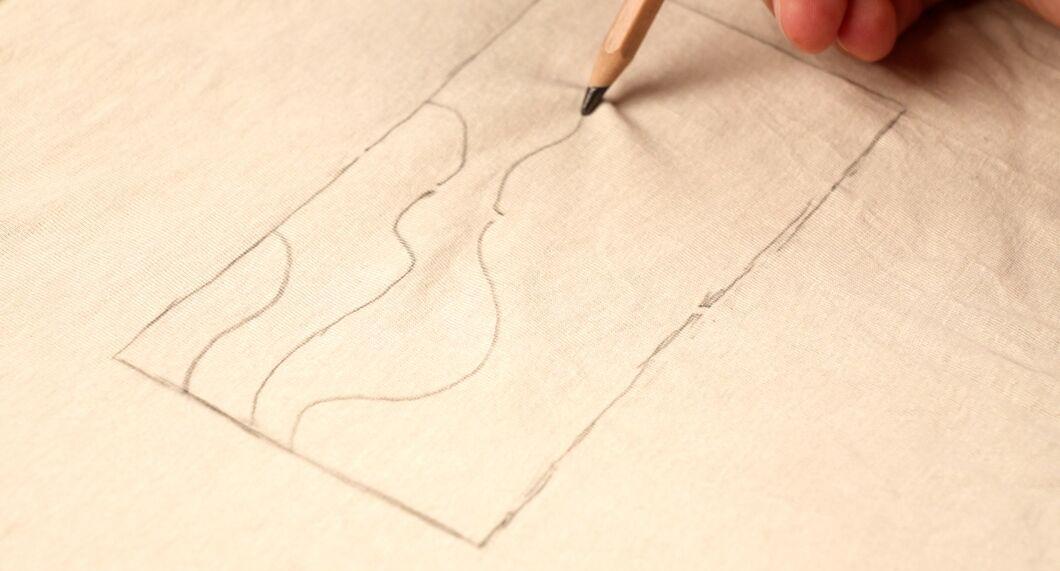
Using a pencil or disappearing ink pen, transfer the design onto the fabric. For dark fabrics, it’s better to use a white pencil.
- If you want to follow a template, cut out a stencil and trace it onto the fabric. Secure the stencil with painter's tape to keep it in place.
- If you're confident, you can draw directly onto the fabric.
Step 3. Paint the Design.
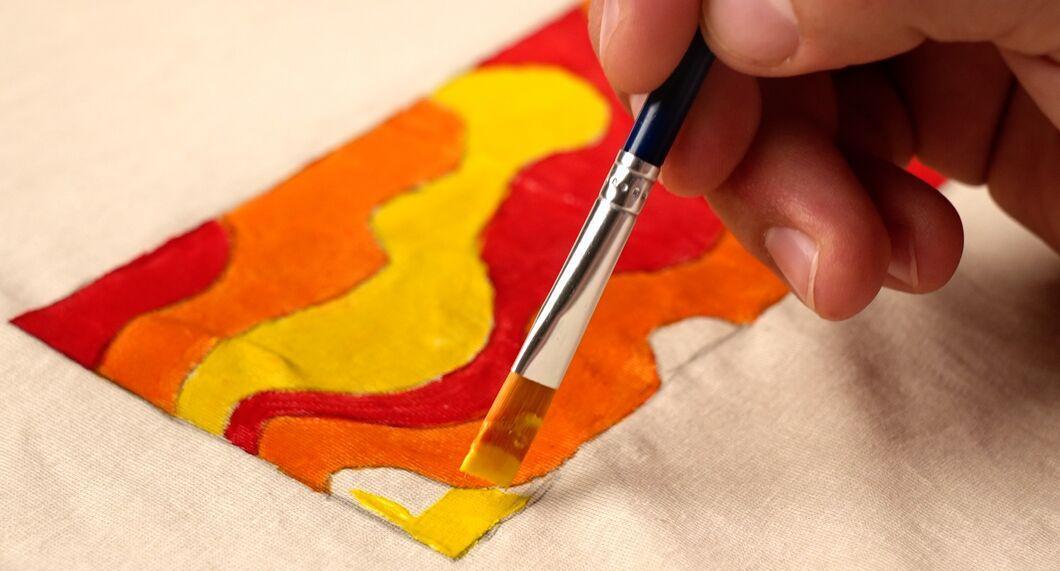
Take your chosen tool and fill in the outlined design. Don’t forget to cover the outlines so they aren’t visible.
Step 4. Create a Watercolor Effect.
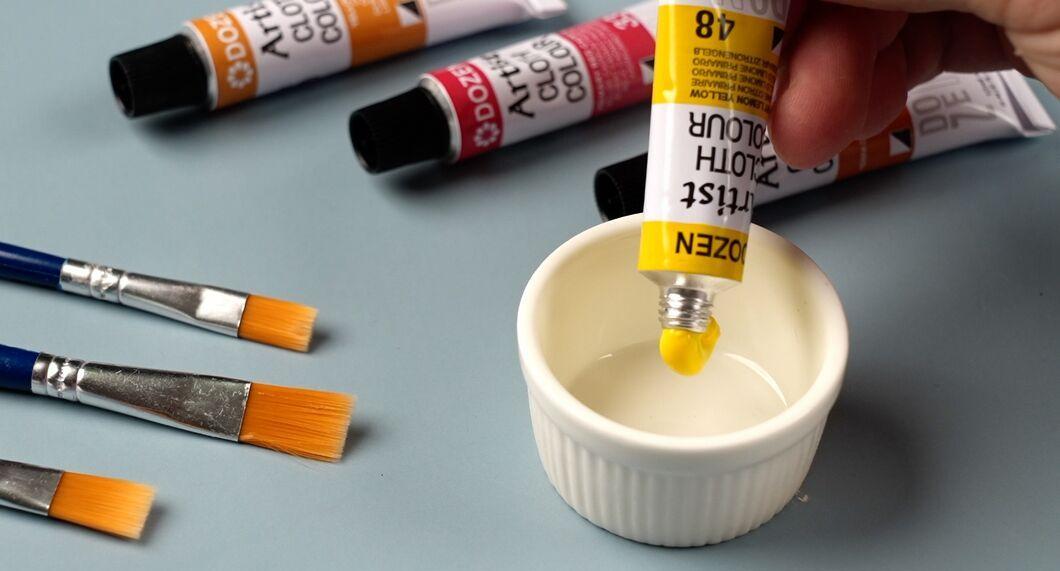
Mix the paint with water until you reach an ink-like consistency. Use a fine brush to apply horizontal strokes.
- Lightly mist the fabric with water from a spray bottle after finishing your painting to allow the strokes to bleed a bit as they transition between colors.
- If the paint starts to bleed too much, use a hairdryer to dry part of it and stop the process.
Step 5. Use Spray Paint for Stencils.
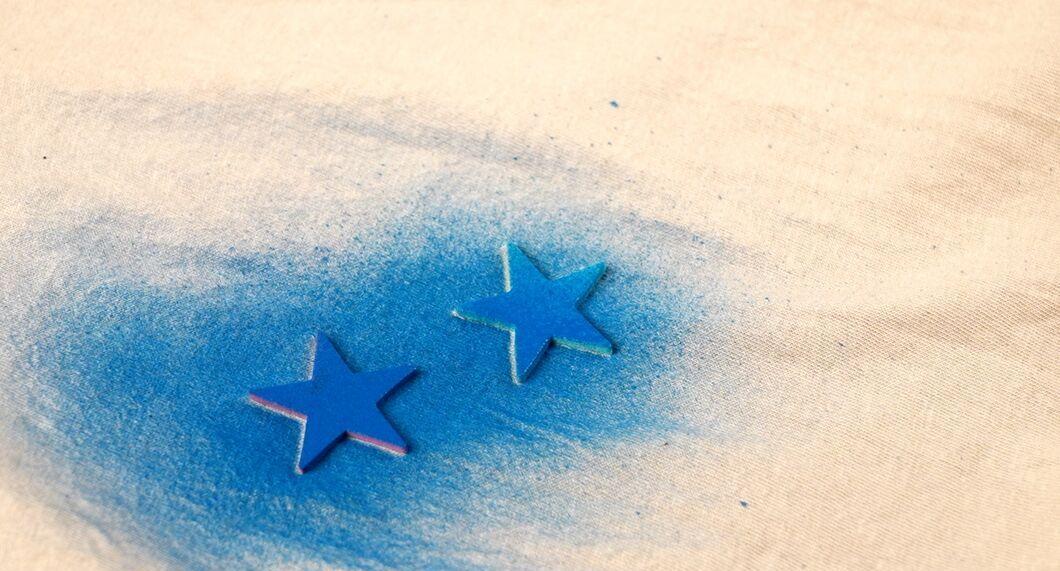
For painting stencils, use fabric spray paint. It dries faster than other types of paint and allows for easy filling of intricate stencils.
Step 6. Create Texture with a Scrubbing Brush.
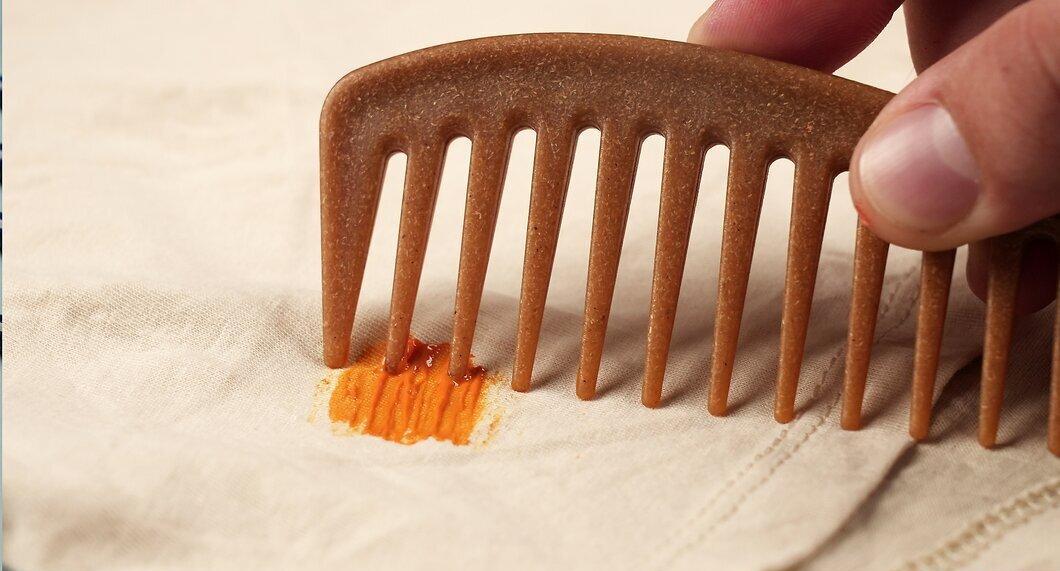
To add texture, use a scrubbing brush. Apply paint in small patches to create a sense of depth. Be careful not to mix incompatible colors.
Step 7. Let the Paint Dry.
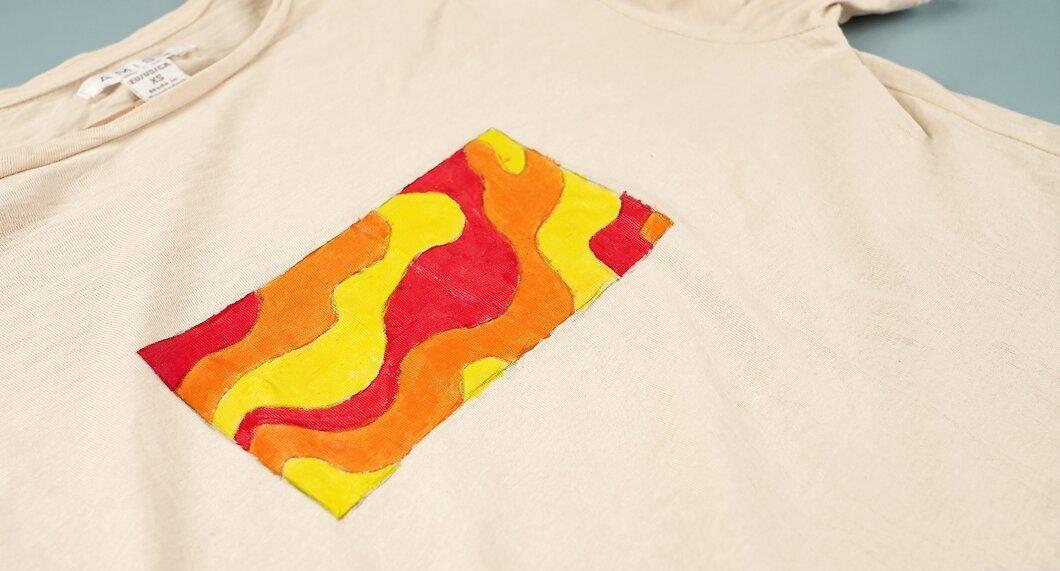
After finishing the painting, allow the paint to dry for 24 hours and do not wash the fabric for 72 hours after painting.
Adding Embellishments
Step 1. Decorate with Rhinestones.
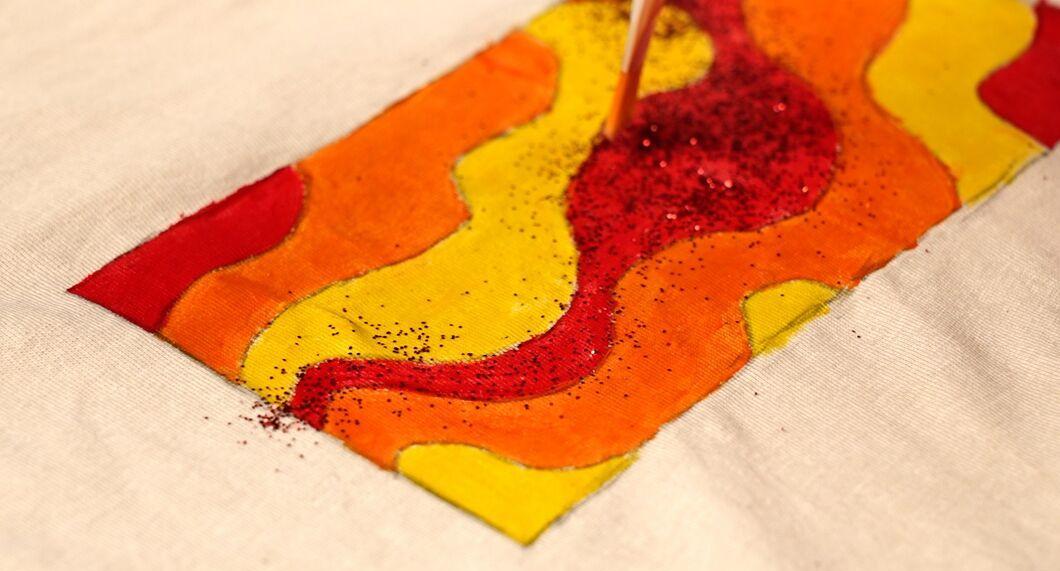
Let your fabric shine with rhinestones. Simply sprinkle the rhinestones onto wet paint and wait for it to dry completely.
Step 2. Attach 3D Elements like Buttons and Gems.
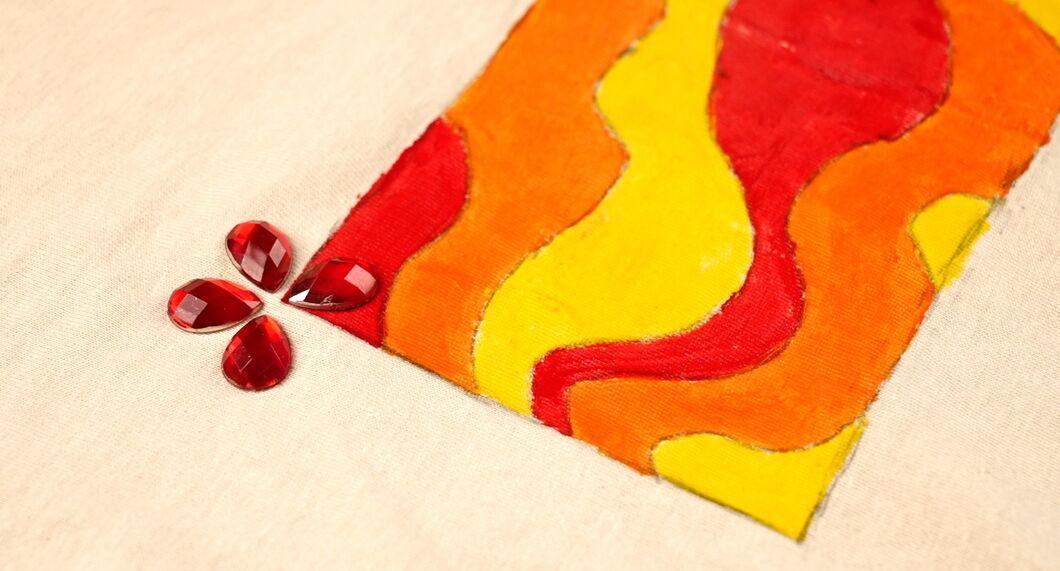
Add dimensional embellishments like buttons and gems. Apply a dot of fabric paint that matches the color of the embellishment. If the paint doesn’t hold, use fabric glue.
Step 3. Create a Sponge Pattern.
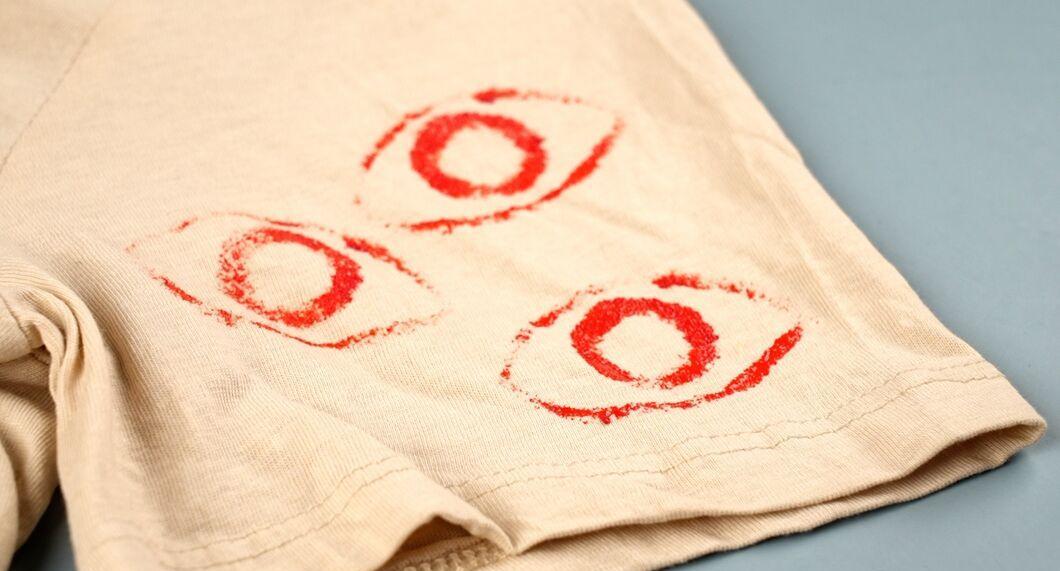
Cut a pattern from a sponge and lightly dab the soft side into fabric paint. Press gently for a clear result.