Bitcoin: How to Start Using It
Bitcoin is the world's first digital currency that eliminates intermediaries from transactions. By avoiding banks and traditional payment systems, Bitcoin has become part of a decentralized global market accessible to anyone with internet access. In this article, we will explain how to start using Bitcoin easily.
Part 1
Step 1. Get Your First Bitcoins Using One of the Following Methods:
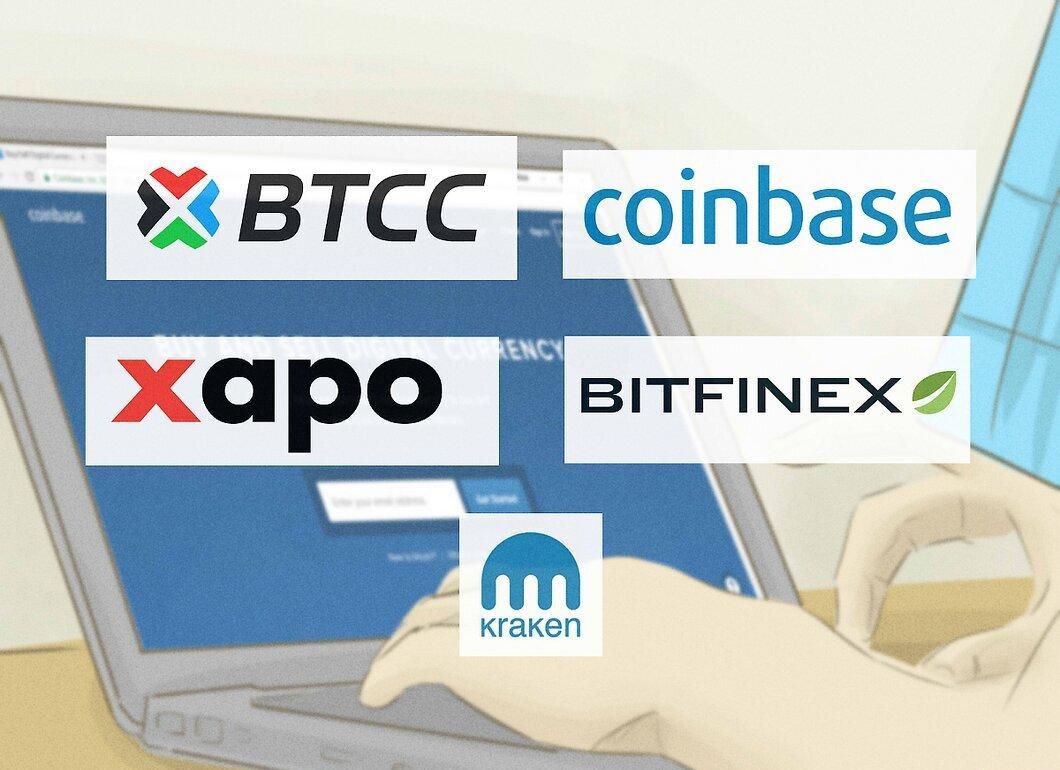
You can obtain your first bitcoins through:
-
Bitcoin ATM. There are machines in various cities where you can exchange cash for bitcoins. The fees typically range from 5% to 8% per transaction. A list of available ATMs can be found on CoinATMradar.com.
-
Peer-to-peer transaction. You can exchange cash for bitcoins with someone in your vicinity. Be cautious and only trade small amounts until you are sure of the partner's reliability. To find local Bitcoin sellers, use the LocalBitcoins platform.
-
Earning Bitcoin. Some companies offer payment in bitcoins for work completed.
-
Small online purchase. If you want to buy less than $2,000 worth of bitcoins, use combined e-wallets or merchants. Examples include Coinbase and Xapo, which allow you to purchase small amounts of bitcoins with around a 1% fee and store them on their servers.
-
Large purchase on an exchange. If your purchase exceeds $2,000, it’s advisable to take advantage of lower fees on exchanges that operate on a market basis, where prices fluctuate throughout the day. To create an account, you will need to provide your real identity and contact information.
- Euro to Bitcoin — Kraken
- Chinese Yuan to Bitcoin - BTCC, Huobi, or OKCoin
Step 2. Create Your First Bitcoin Wallet.
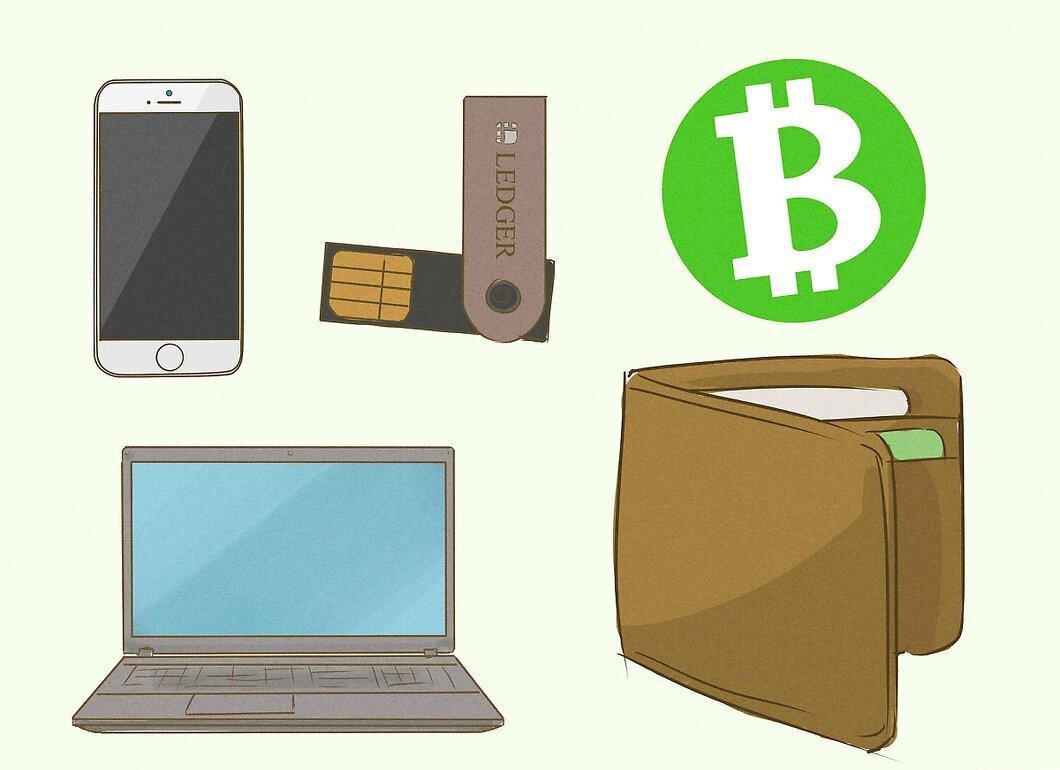
Creating a Bitcoin wallet is an important step. If you're uncertain about your technical skills, you can leave your bitcoins on the platform where you bought them, which many Bitcoin owners do. However, the beauty of Bitcoin is that you don’t need third parties to manage your funds. Storing your bitcoins in a personal wallet is much safer than leaving them on an exchange, which could be targeted by hackers. Here are a few types of wallets you might consider:
- Web wallets. These are simple and convenient solutions for storing bitcoins.
- Mobile wallets. These wallets can be used on mobile devices and are always at hand. Here are some popular mobile wallets:
- Airbitz
- Mycelium
- BitPay
- Blockchain.info
- Trezor
- Ledger
- If you're proficient in English, you can learn how to create and use paper Bitcoin wallets by following this link.
- Armory
- Multibit
Step 3. Create a Public Bitcoin Address.
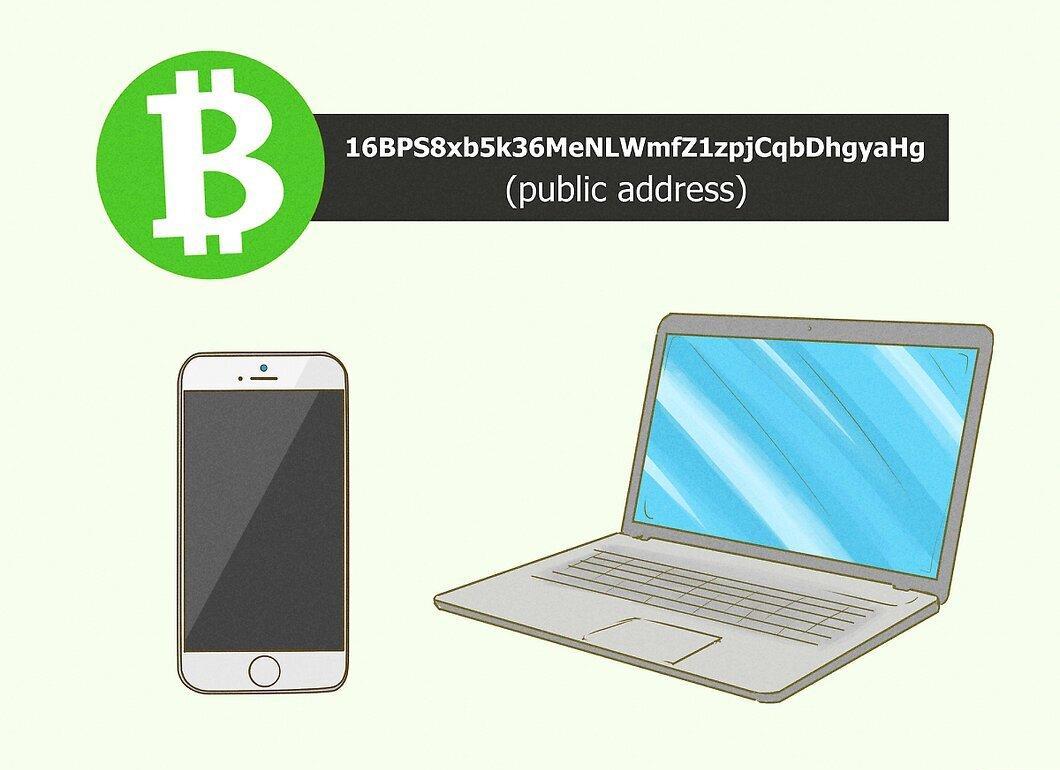
Using your wallet, create a public address for Bitcoin. This address will resemble an email address and can be shared with those who want to send you bitcoins.
- The public address will be a long string of random letters and numbers, for example: 16BPS8xb5k36MeNLWmfZ1zpjCqbDhgyaHg.
Step 4. Transfer a Small Amount of Bitcoins to Your Created Address.
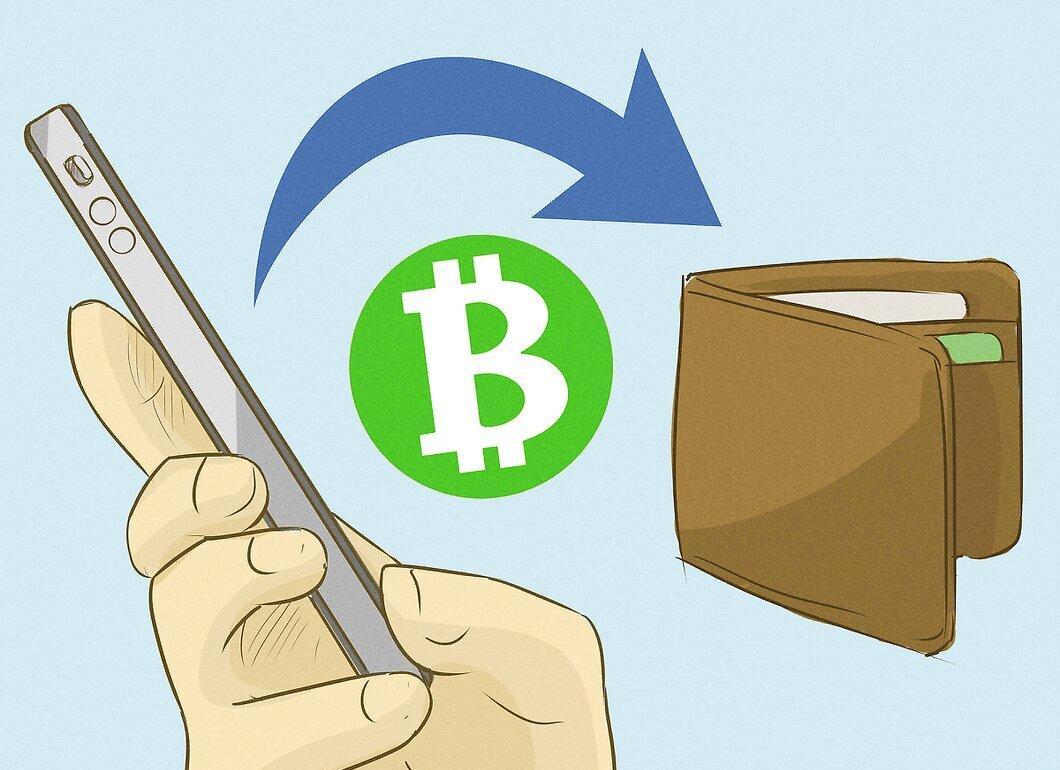
Use the