Starting your own farming business is no easy task. There are many aspects to consider: location, methods, crop selection, and the scale of your operation. It’s essential to plan everything in detail, and while we will provide useful tips in this article, much depends on your decisions.
Part 1
Step 1. Create a Plan.

Begin by developing a business plan. Before making any investments in your farm, ensure you have a clear understanding of your strengths and weaknesses, opportunities, and threats (SWOT analysis). Write down where you currently stand, where you want to go, and how you plan to get there. It’s also important to outline your personal and financial goals, as well as your market ambitions.
- Before moving forward, thoroughly assess the farm you plan to acquire or inherit. Evaluate the land's condition, identify its shortcomings, and explore opportunities for improvement. Create a map of the current state of the farm and, if desired, sketch how you would like it to look in ten years.
Step 2. Assess the Land and Climate.

The land is the foundation of everything you will grow and how you will do it.
- Pay attention to the terrain features and the overall condition of the property.
- Study the soil or take a sample to determine if it is suitable for growing crops or raising livestock.
- Consider the local vegetation, especially grasses, if your goal is livestock breeding.
- Talk to other farmers to learn which crops they grow, when they plant and harvest. If the land is intended for grazing, analyze the forage plants alongside the soil test.
- Consult local authorities and review reports on the climate conditions in the area where you plan to farm if you are unfamiliar with the region.
Step 3. Financial Investments.
If the farm you wish to purchase lacks necessary structures, you will need to plan and build them to realize your ideas. Some buildings may require significant repairs, while others might be too old and unfit for use.
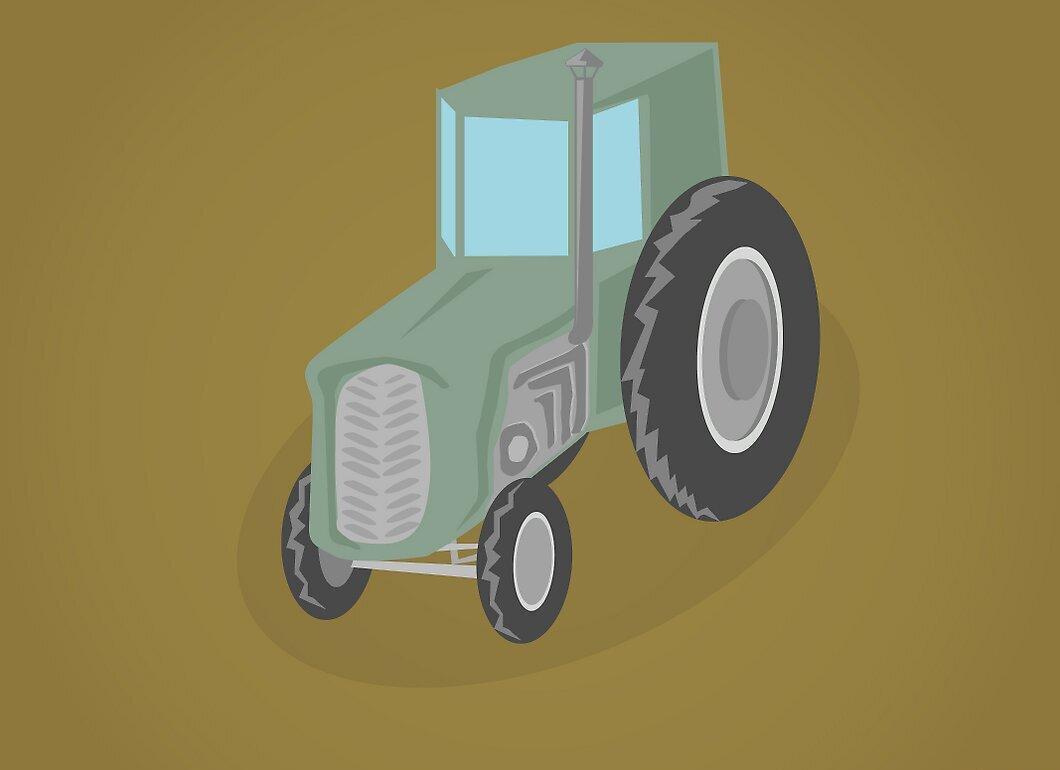
- If your plan involves agriculture, ensure you have all the necessary tools for planting and harvesting. For example, a tractor is essential equipment.
- If you intend to continue livestock breeding, pay attention to the condition of buildings, fences, and water sources. You may need to upgrade fences and create a more natural environment for the animals.
Step 4. Completing the Initial Phase.

You need to understand which crops are best to plant, as well as which fertilizers, herbicides, and pesticides to use. Be prepared to adapt quickly and learn through experience. Now is the time to purchase livestock. Start with breeding stock, as this will form the foundation of your business.
- Be responsible in your choice of animals. If you are buying a herd for breeding, having one healthy male for several females is optimal. For example, one bull can serve up to 50 cows. If you are starting with a small number of cows, don’t buy a bull for one cow—better to get 2-3 cows.
- Be ready for surprises. Regularly review your business plan and make adjustments as necessary: new ideas and challenges can arise at any moment.