Water covers 70% of our planet's surface, but only 1% of that resource is available for use. As one of the most important components of life on Earth, using water wisely is a crucial step for all of us. Saving water is easy, and it starts at home. Here are some practical tips to reduce water consumption during various activities, from laundry to watering plants.
How to Save Water in the Bathroom
Step 1. Check for Leaks in Faucets and Pipes
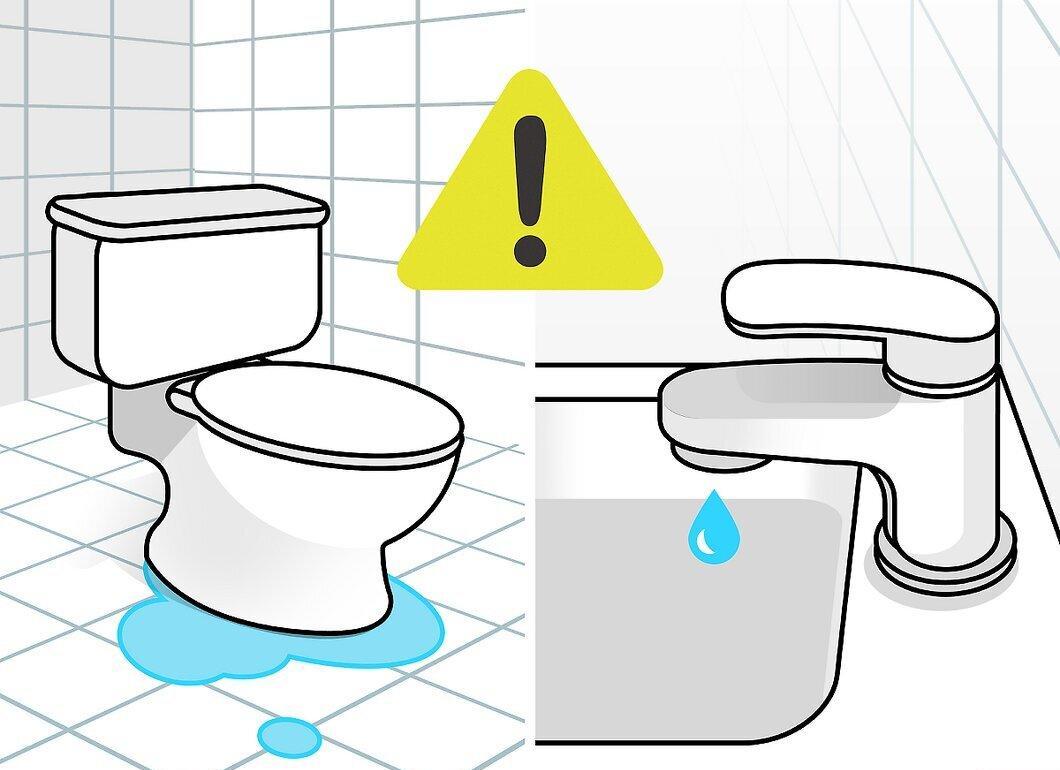
Check for leaks in faucets, toilets, and pipes. Hidden leaks can lead to the loss of over 10 cubic meters of water per year. Make sure your plumbing system is functioning correctly, paying particular attention to toilets and faucets.
- If you find a leak, identify the source and fix it. If the problem is serious, you may need help from a plumber, whose fees will depend on your living conditions.
- To check for a leak in the toilet tank, add food coloring and wait 10-15 minutes. If the color seeps into the toilet bowl, the tank is leaking.
Step 2. Turn Off the Water While Brushing Teeth and Shaving
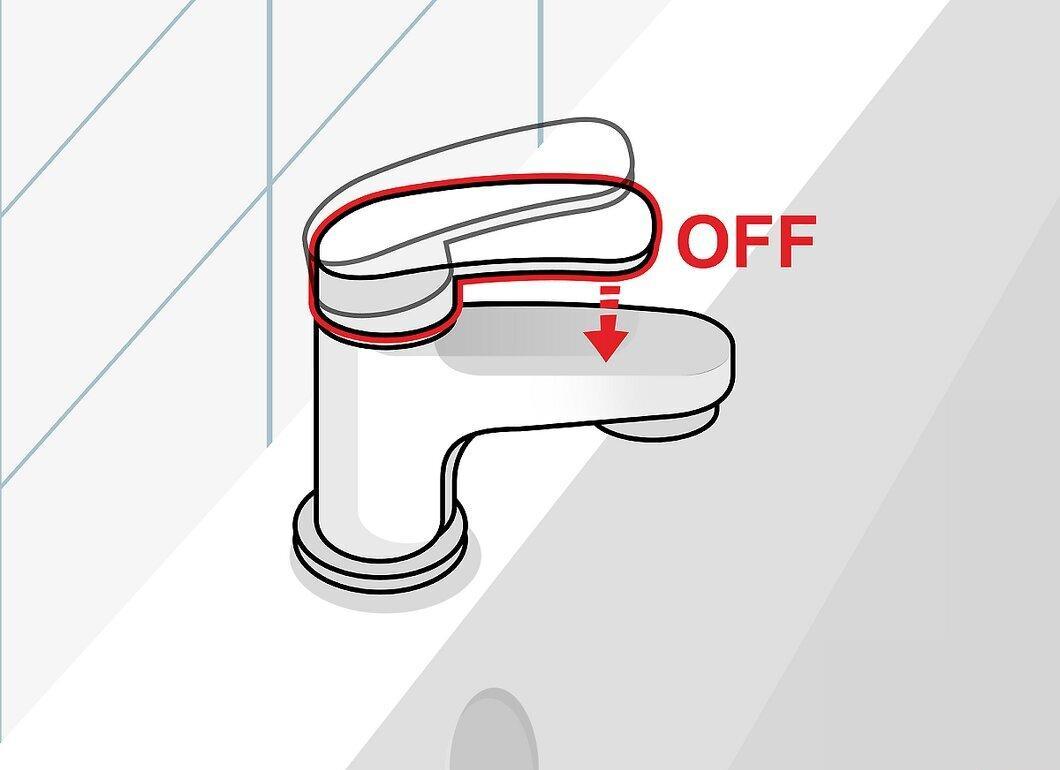
Don't forget to turn off the water when brushing your teeth or shaving. Avoid letting the water run unnecessarily. While shaving, turn off the water until you're finished.
- If you're shaving in the shower, turn off the shower while you're not using the water.
Step 3. Install Water-Saving Showerheads
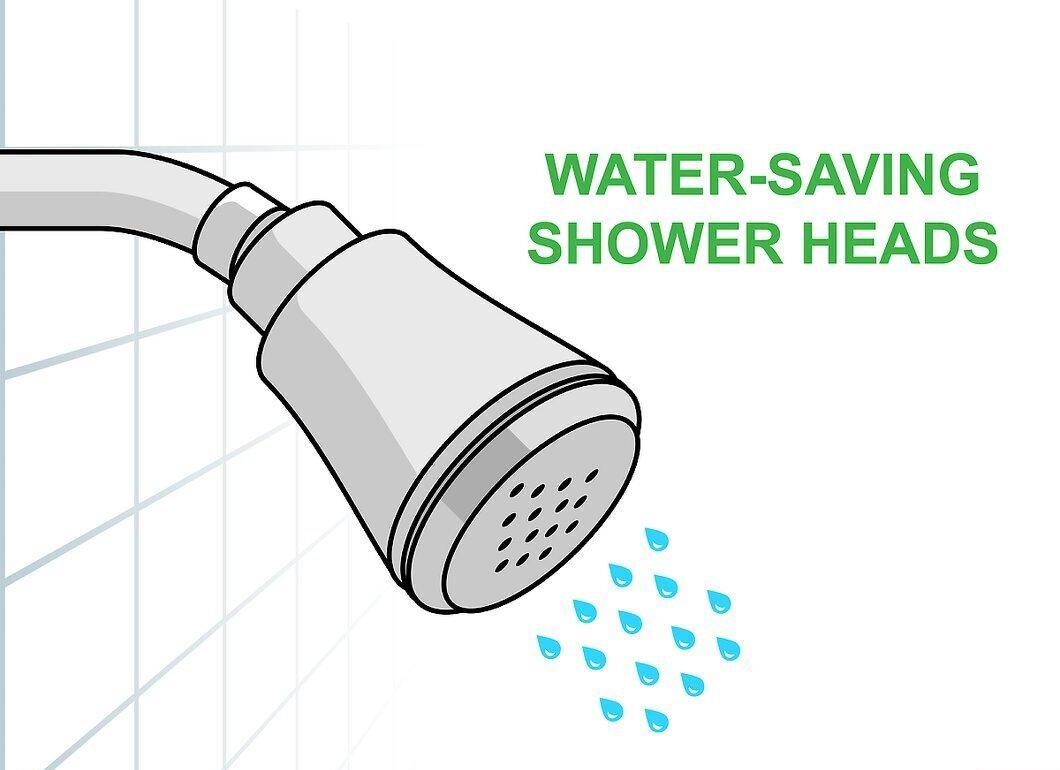
Install special showerheads that save water. Standard showerheads can use up to 10-20 liters of water per minute, while water-efficient ones use half that amount while maintaining comfort.
- Depending on the quality, these showerheads can cost anywhere from a few hundred to several thousand rubles. You can also install a separate faucet for the shower to temporarily turn off the water while lathering.
Step 4. Install Aerators on Faucets
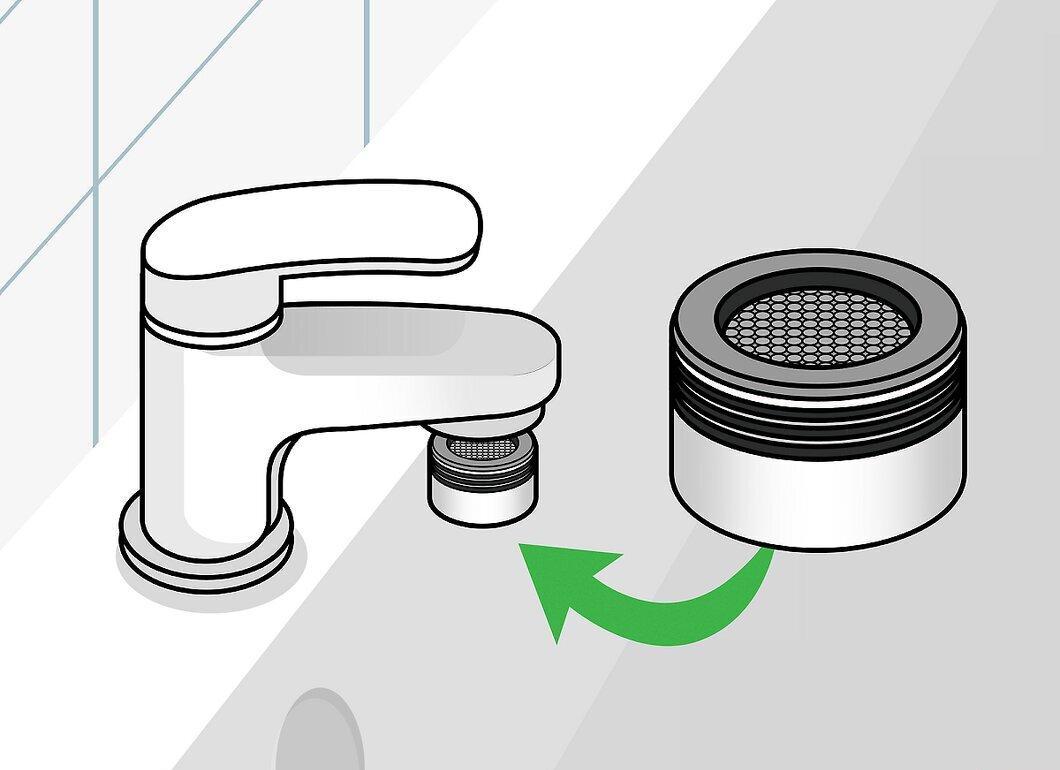
Aerators help reduce water flow while enriching it with oxygen. Installing an aerator is simple—just screw it onto the faucet; prices start at just a few rubles.
Step 5. Shorten Your Shower Time
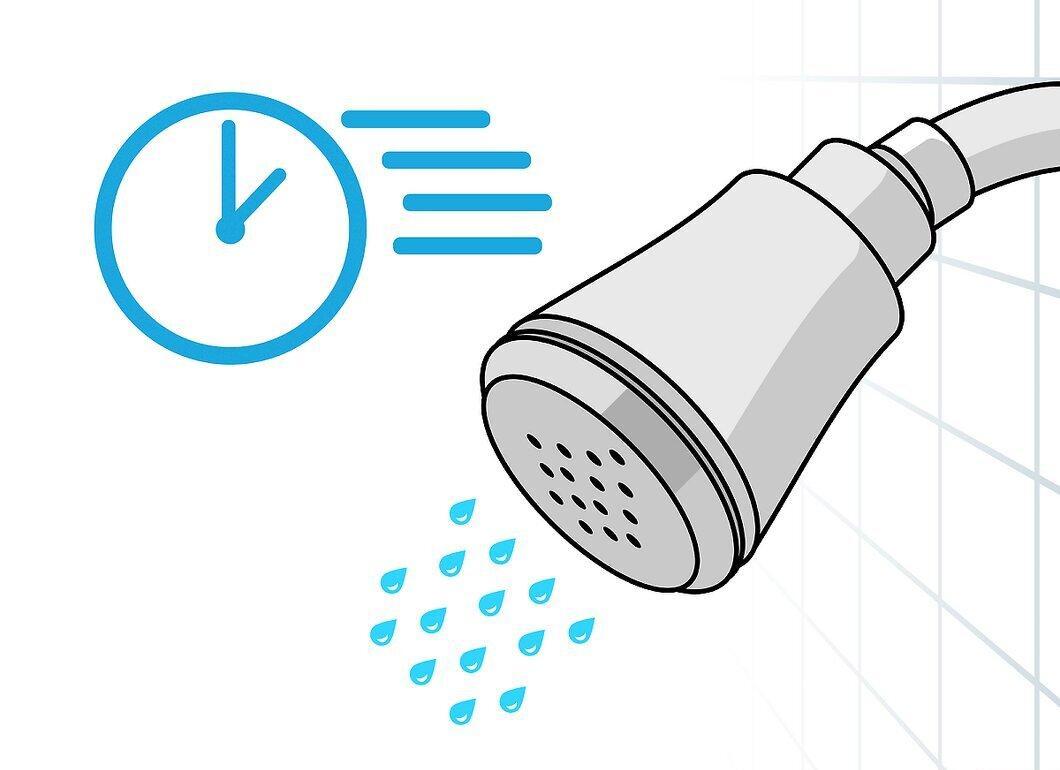
Use a timer to shorten your shower time. Reducing your shower by just 2 minutes can save up to 40 liters of water.
- Typically, a shower uses about one-third of the water that would be used for a bath, so swapping a bath for a shower is a smart choice.
Step 6. Install a Water-Efficient Toilet Tank
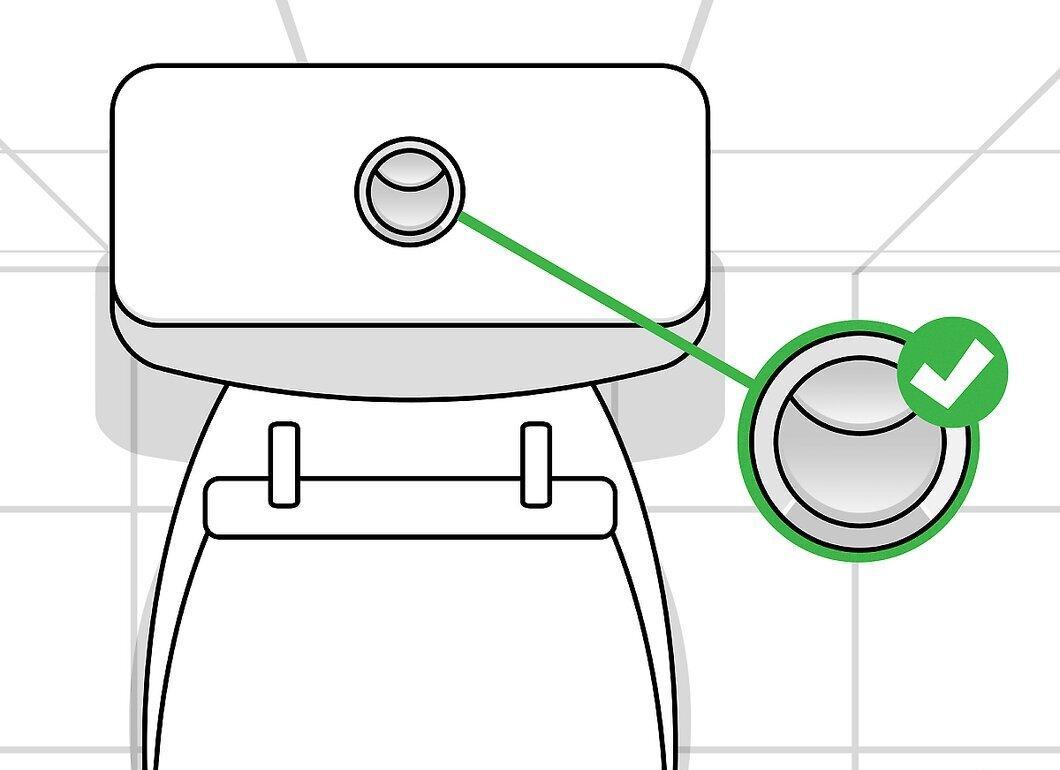
Water-efficient toilet tanks use no more than 6 liters per flush, while standard ones can use up to 24 liters. Dual-flush tanks allow you to use less water for liquid waste.
- You can install a dual-flush mechanism on your toilet to reduce water usage. Ensure that your toilet flushes effectively with a smaller volume of water.
Step 7. Don't Use the Toilet as a Trash Can
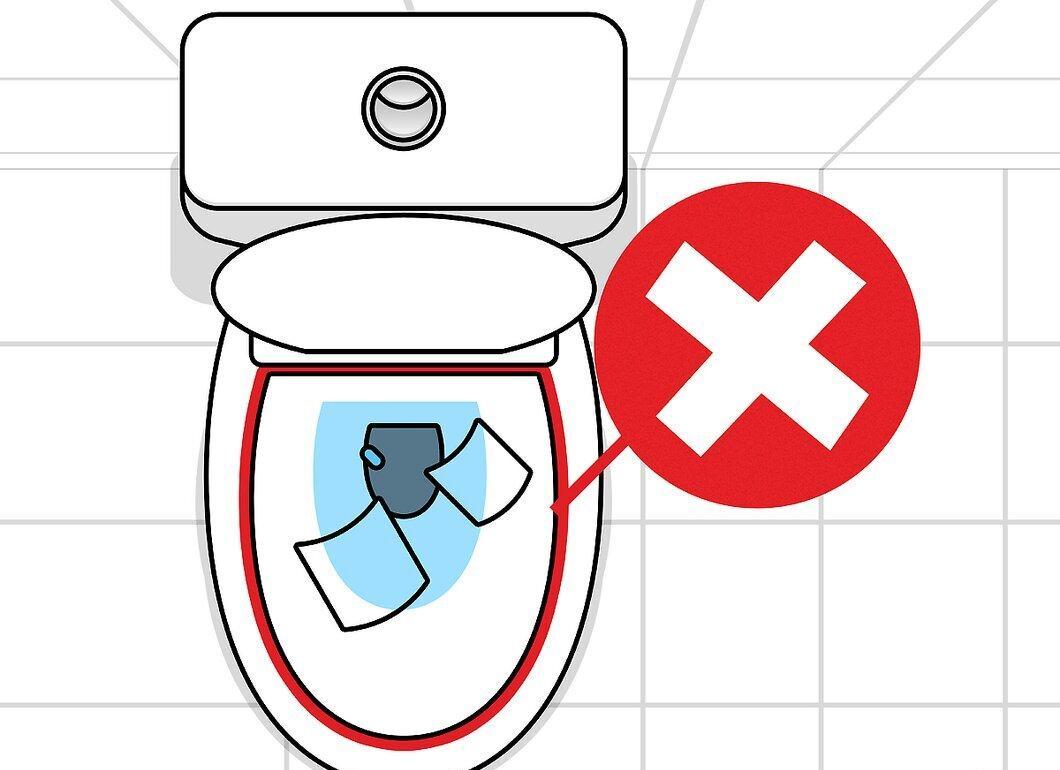
Don't throw trash in the toilet; it can lead to clogs and increase water usage for flushing. Use a trash can for napkins and other waste.
How to Save Water While Doing Laundry
Step 1. Replace Your Old Washing Machine
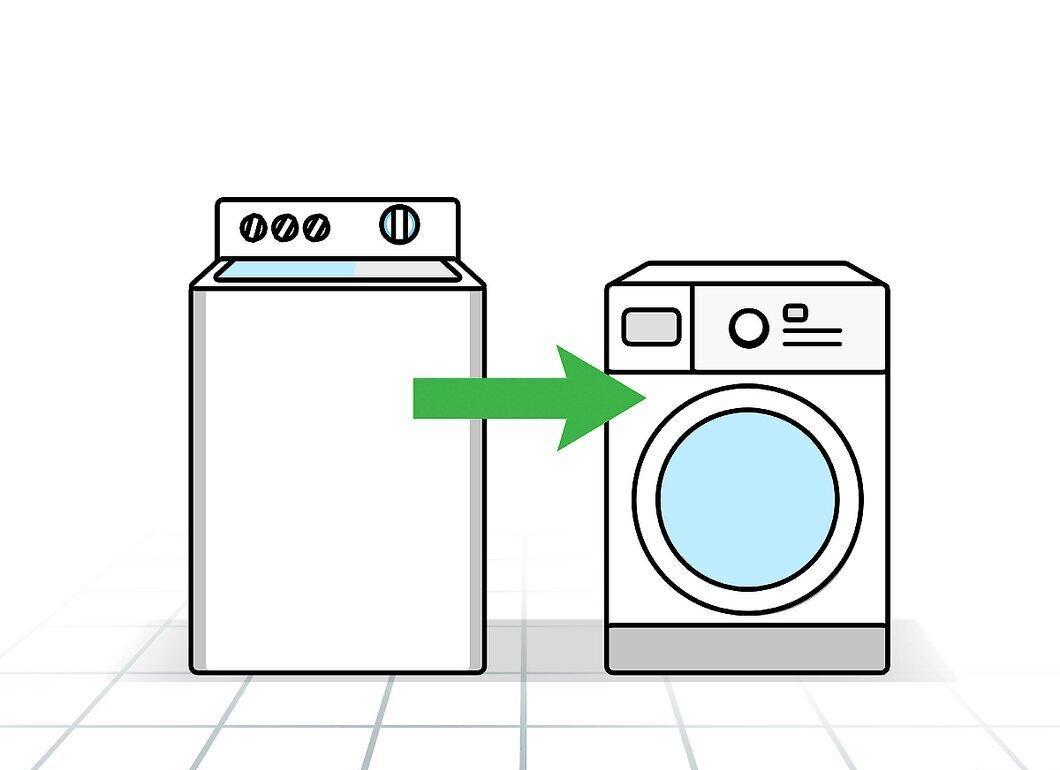
Old washing machines can use up to 170 liters of water per wash. Modern models can cut that usage in half while providing better washing quality.
- Front-loading washing machines tend to be more water and energy-efficient.
Step 2. Wash Full Loads
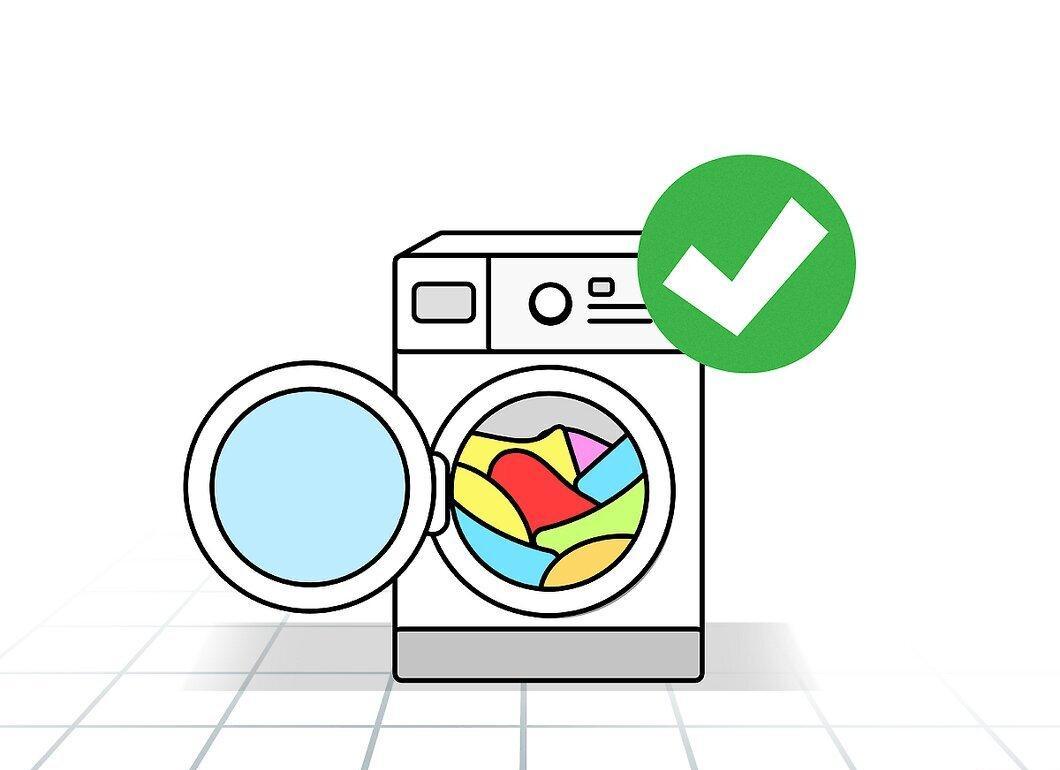
Run your washing machine only with a full load. This helps avoid unnecessary water waste.
- Avoid overloading—this can damage the machine and reduce wash quality. Choose an eco-friendly cycle to save additional resources.
Step 3. Wash in Cold Water
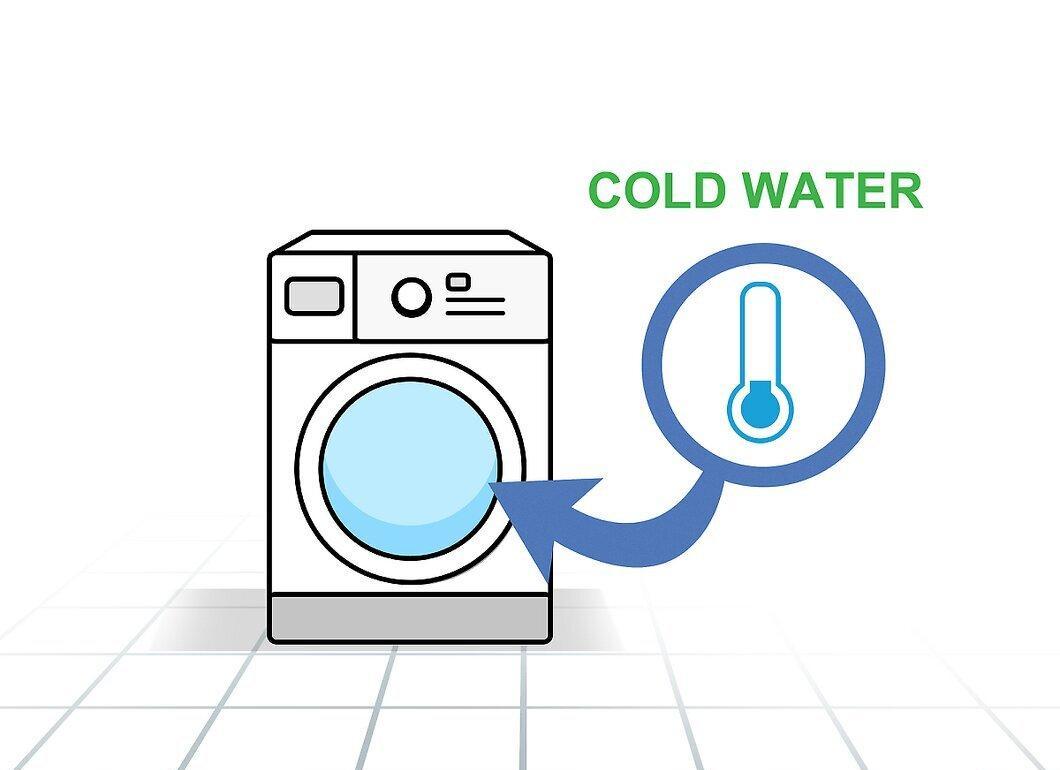
Choosing cold water for washing helps save water and electricity while preventing stains from setting and colors from fading.
Step 4. Air Dry Your Clothes
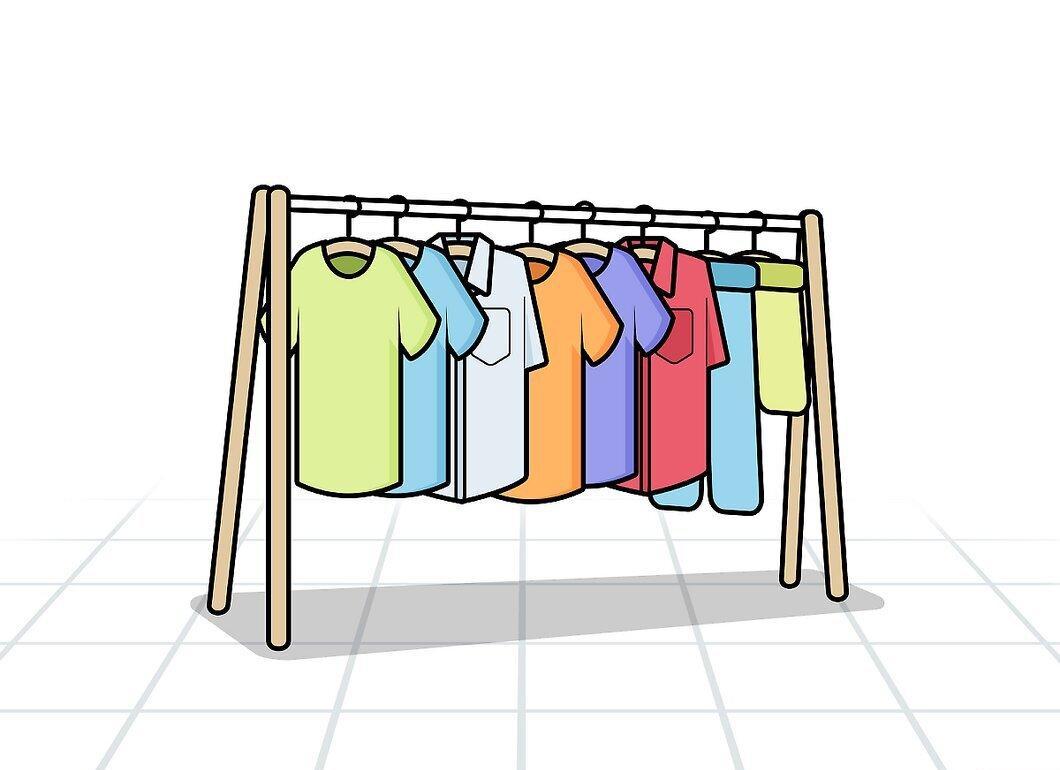
Try hanging freshly washed clothes to dry naturally. This helps reduce the use of electric dryers.
Step 5. Wash Less Often
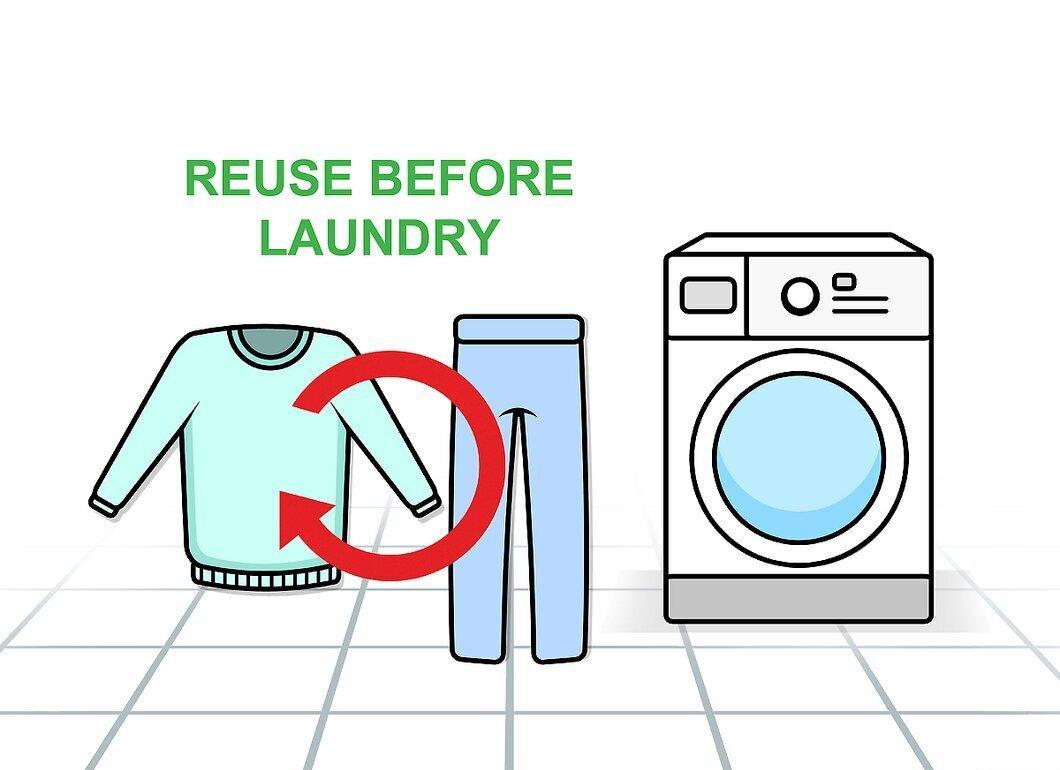
Many items, such as jeans, do not need frequent washing. Consider what really needs cleaning.
- Wear pajamas multiple times and use towels several times before washing.
How to Save Water in the Kitchen
Step 1. Fully Load the Dishwasher
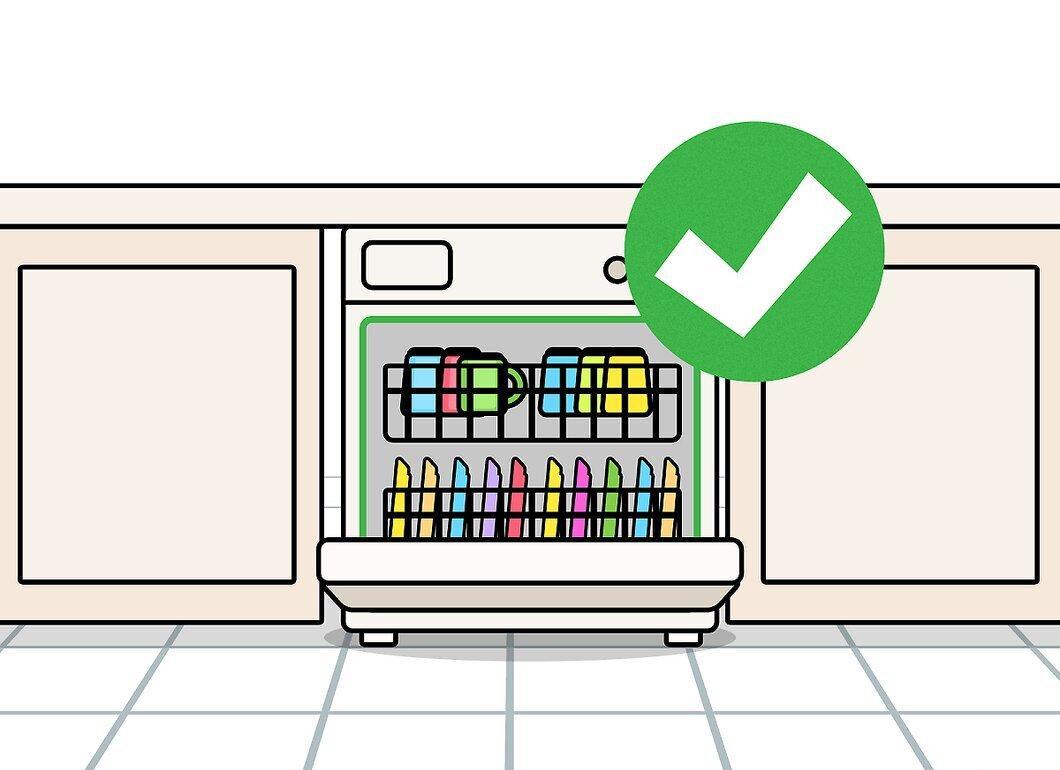
Ensure the dishwasher is fully loaded to avoid wasting water.
- If you don't have a machine, wash dishes in a sink filled with water, rather than under running water.
Step 2. Use the Garbage Disposal Less Often
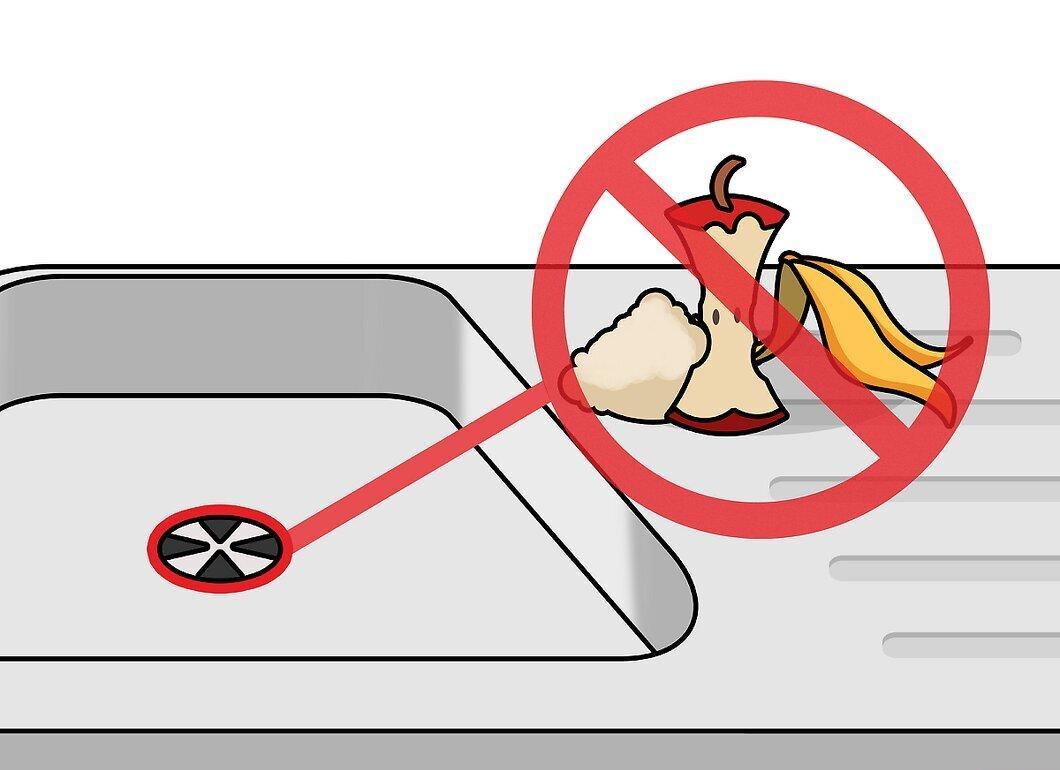
Garbage disposals require a lot of water, so try to use them less often. You can dispose of waste in the trash or compost it.
Step 3. Thaw Food in the Refrigerator
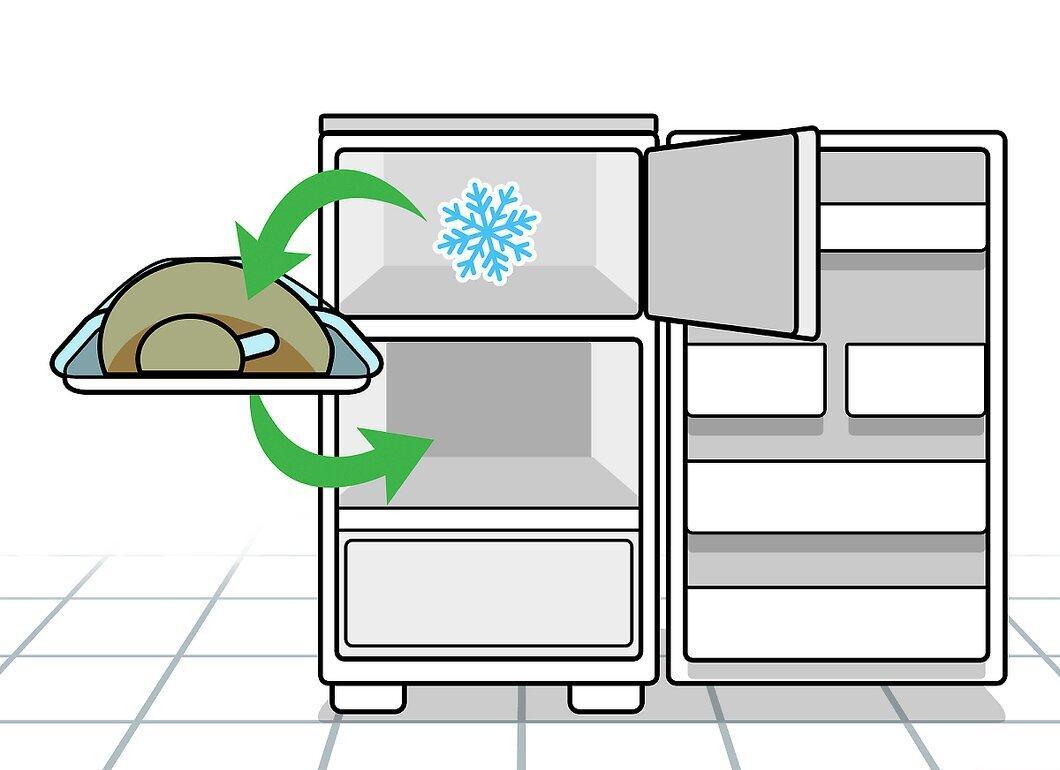
It's better to thaw frozen foods in the refrigerator to avoid unnecessary water waste.
Step 4. Wash Produce in a Sink Full of Water
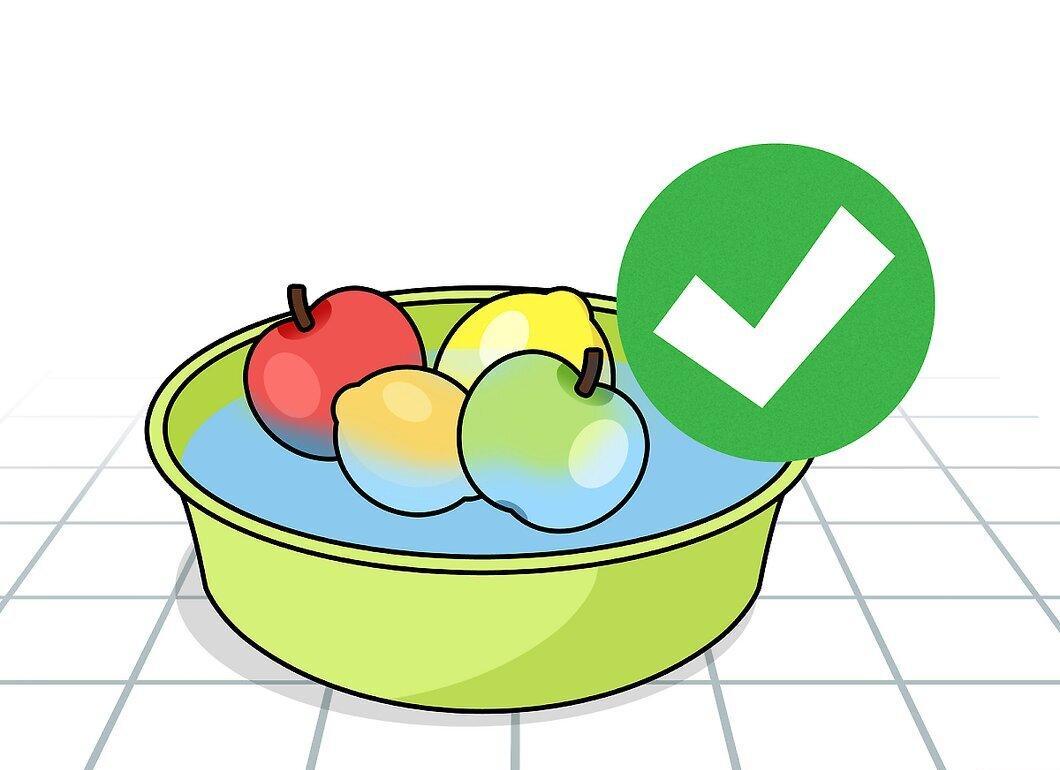
Washing fruits and vegetables in a sink filled with water helps save. The used water can be directed to water plants.
Step 5. Keep Drinking Water in the Refrigerator
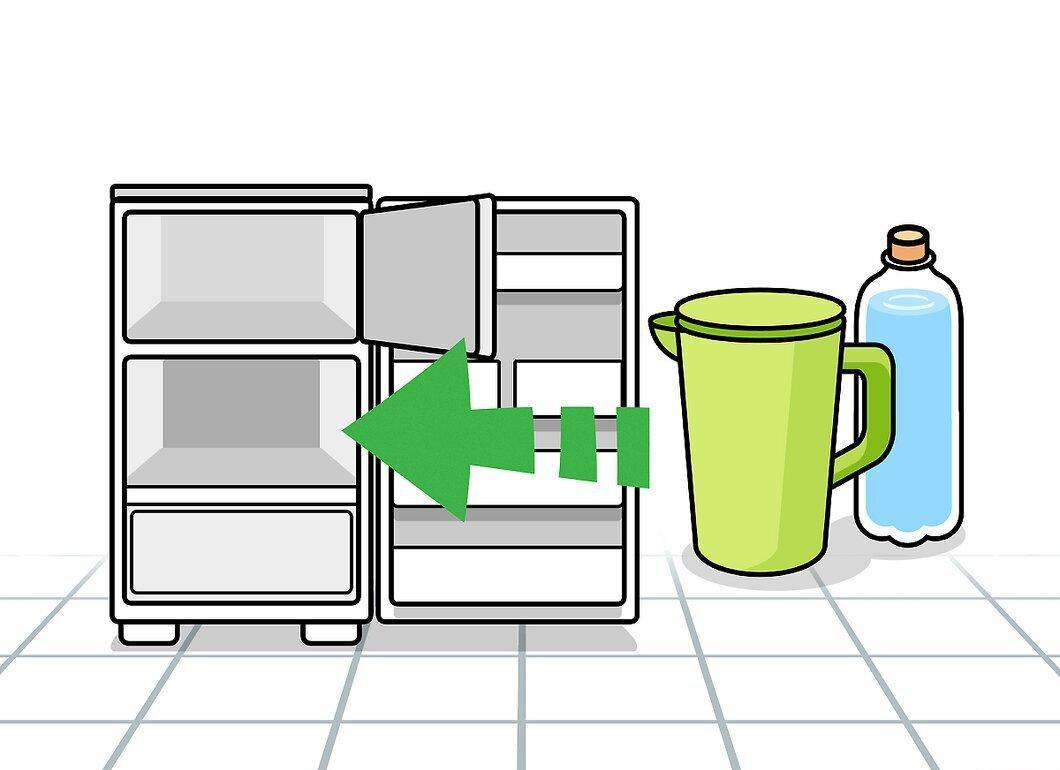
Fill a pitcher with water and place it in the refrigerator. This avoids waiting for water to cool and saves water.
How to Save Water in the Yard
Step 1. Install a Water Meter
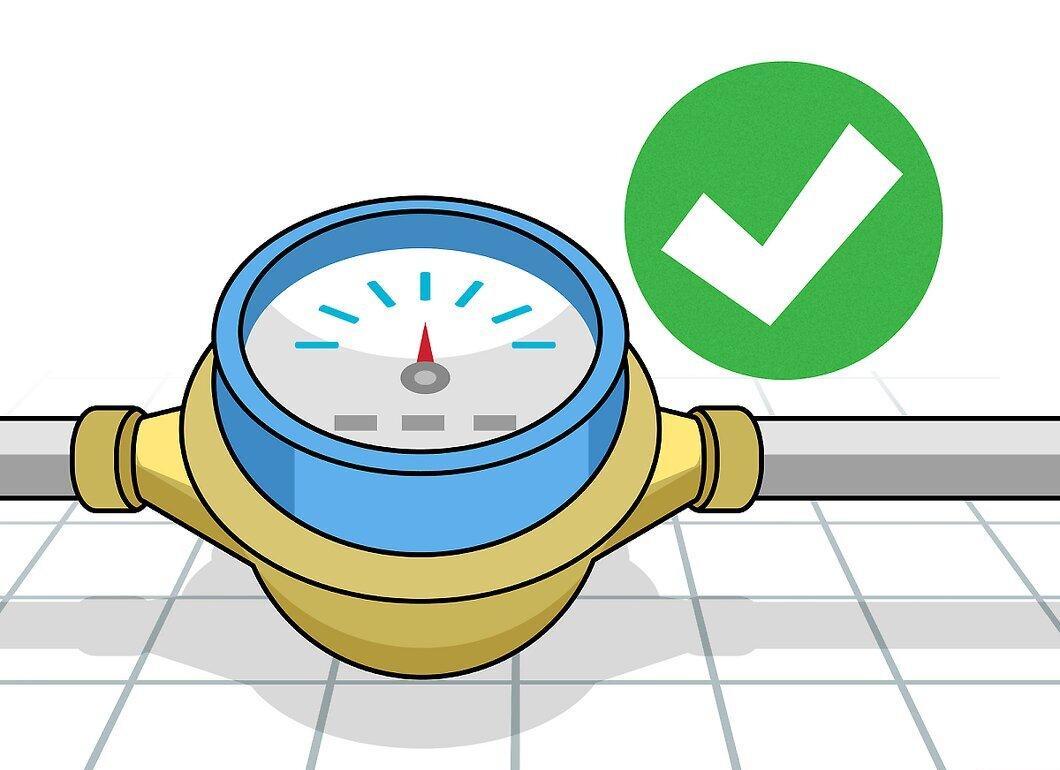
A water meter will help you track water usage for irrigation. This can help identify hidden leaks.
- Learn to read the meter's readings. If they change when you're not using water, it means there's a leak.
Step 2. Water Your Garden Wisely
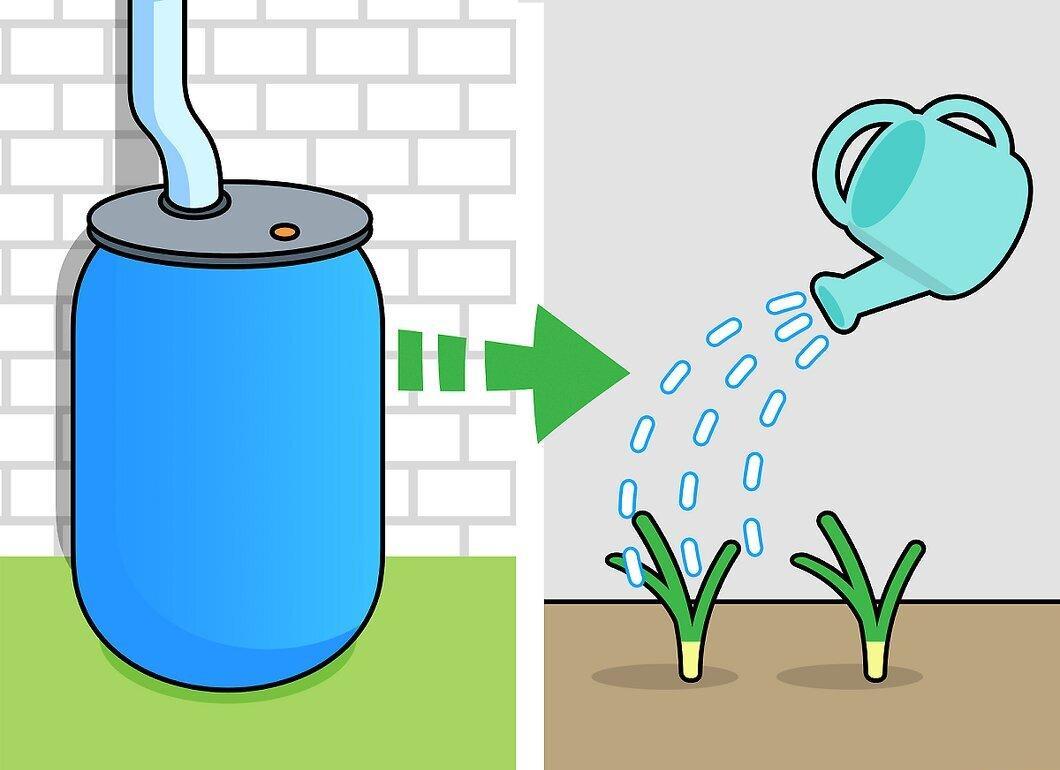
Water plants only when absolutely necessary. The best times are in the morning or evening.
- Use a watering can or hose attachment to avoid wasting water. You can set up a rainwater collection system for irrigation.
Step 3. Install Timers for Automatic Watering
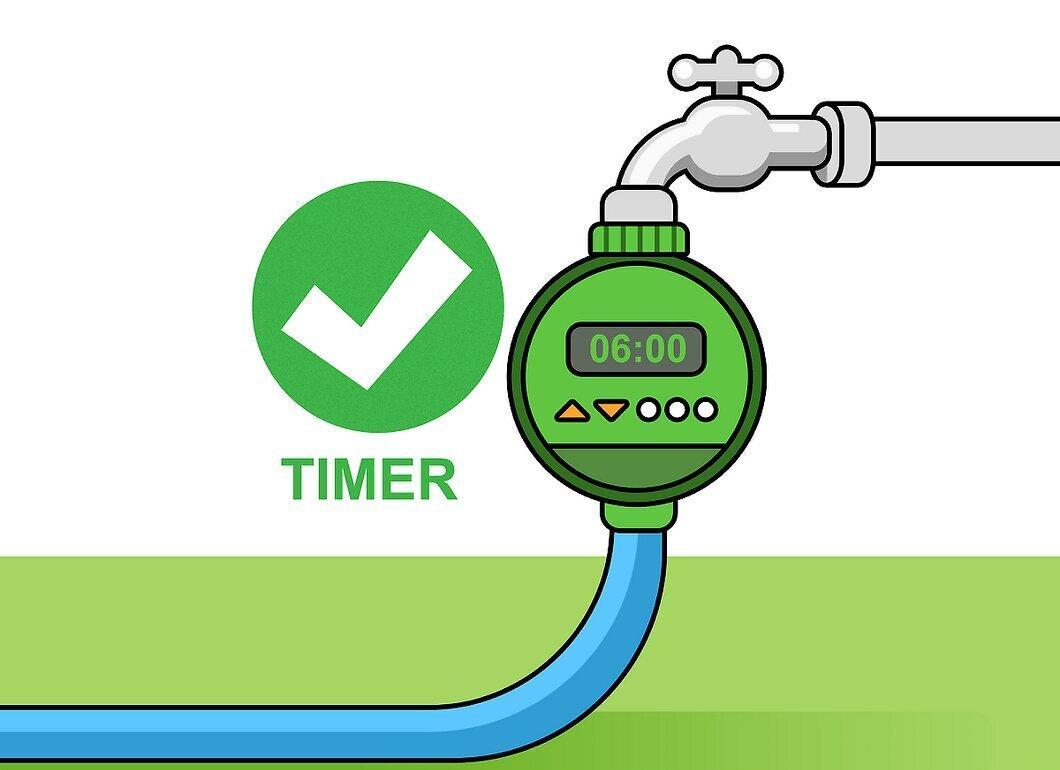
Timers will help organize watering at optimal times and save water.
- If you're watering manually, use a kitchen timer to remember to turn off the water.
Step 4. Monitor the Irrigation System
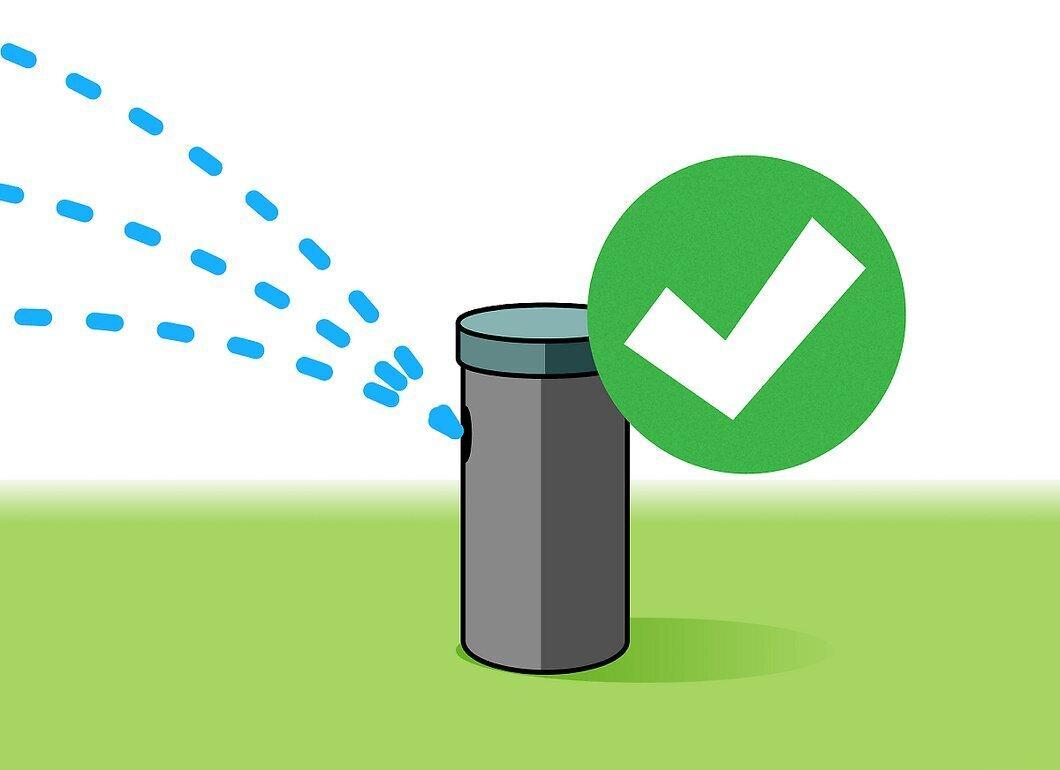
Check sprinklers and the irrigation system to avoid water loss due to malfunctions.
Step 5. Don't Mow Lawns Too Short
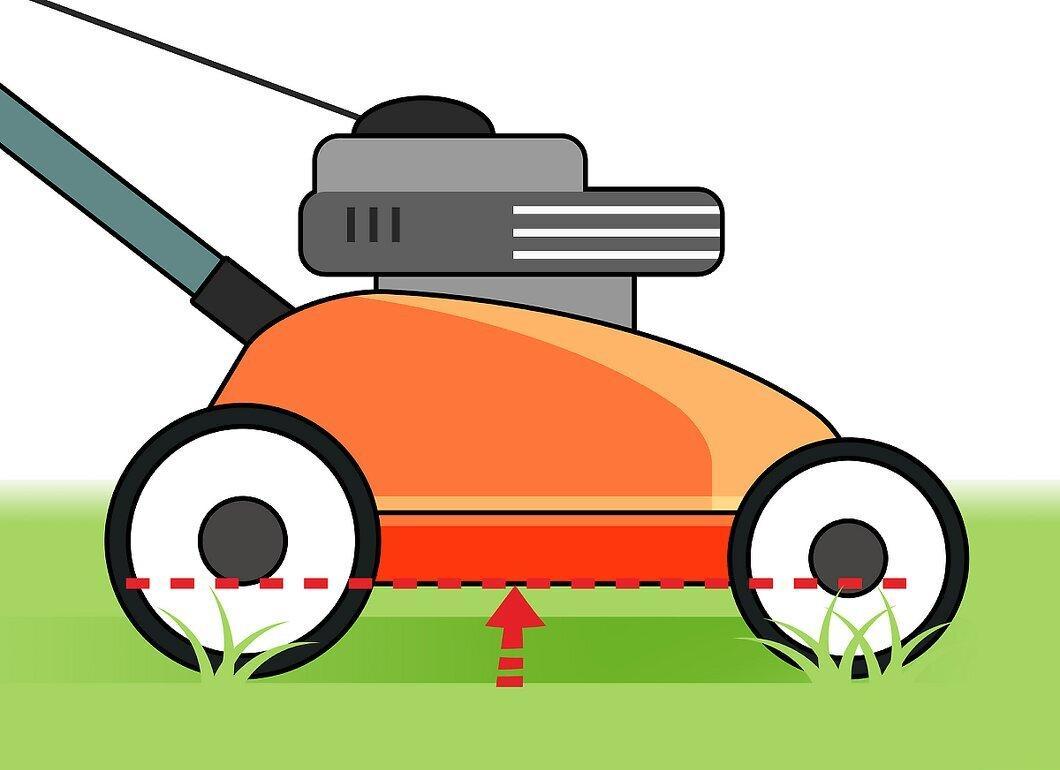
Tall grass requires less water as the roots grow deeper. Set your mower height higher.
Step 6. Use Mulch
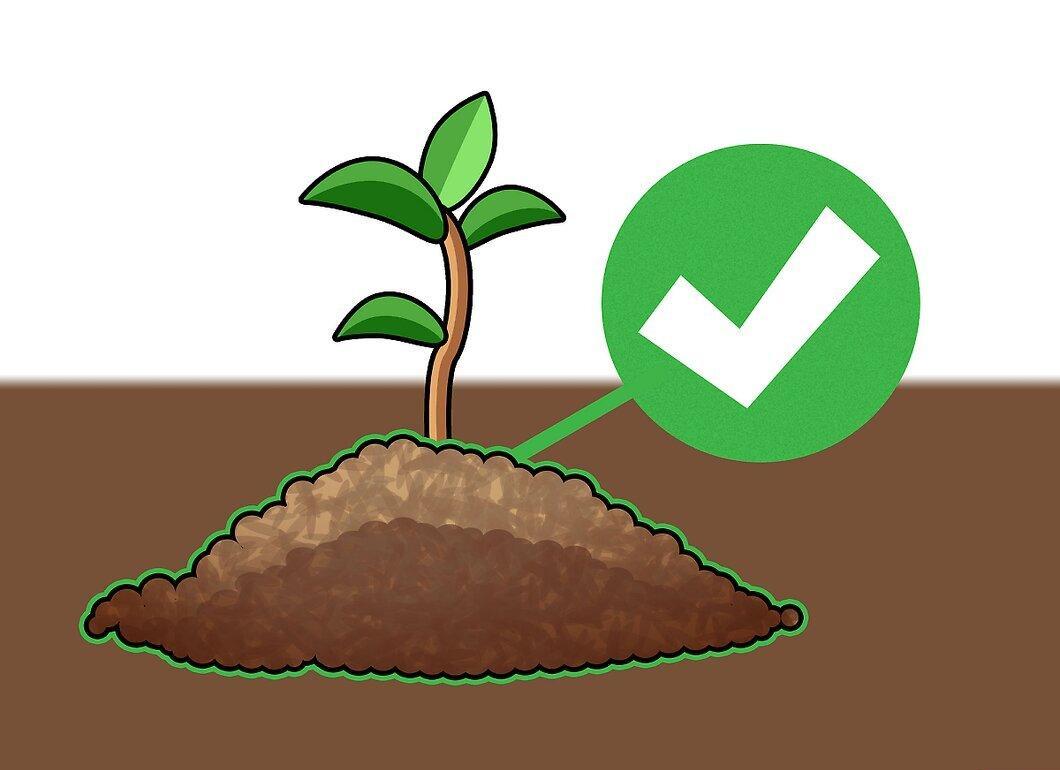
Mulch helps retain moisture in the soil and suppress weed growth.
Step 7. Wash Your Car with a Bucket
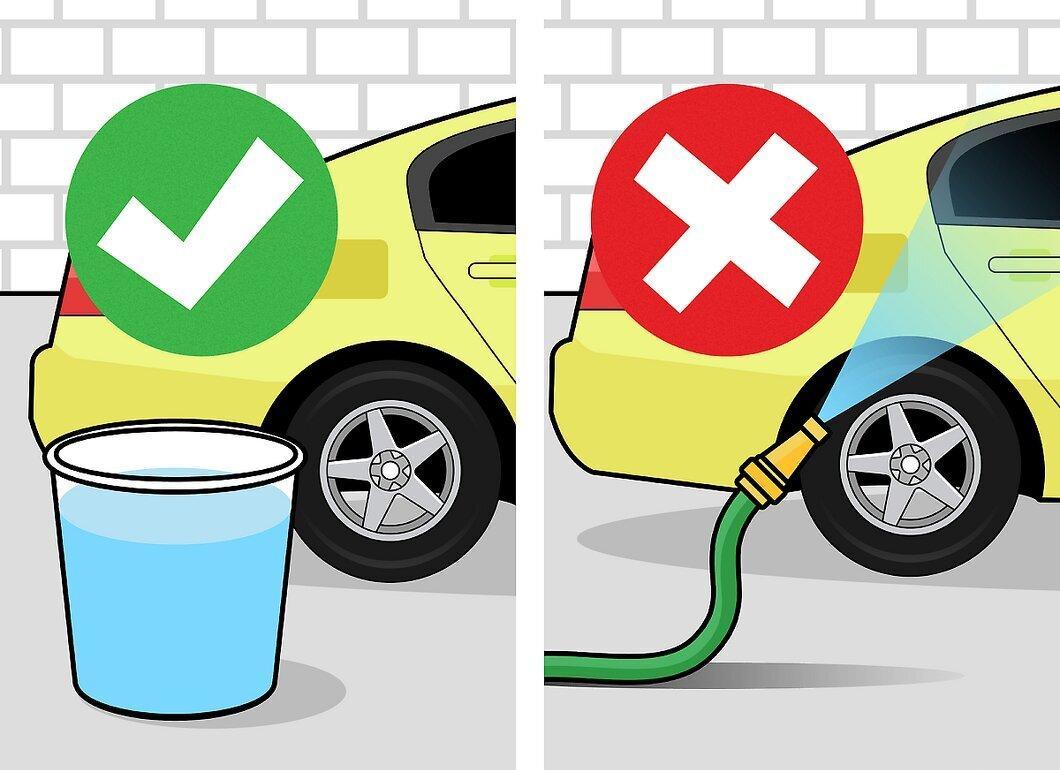
Using a bucket instead of a hose can significantly reduce water usage.
Step 8. Don't Wash Sidewalks with a Hose
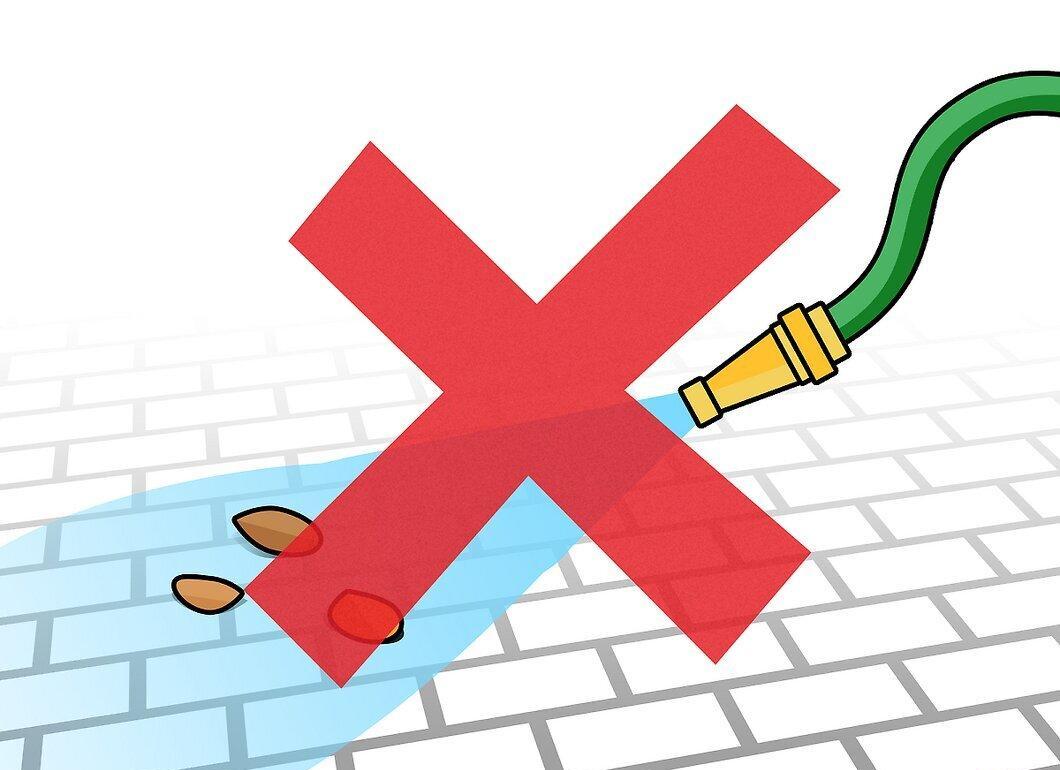
Clean sidewalks with a broom or rake, avoiding the use of a hose. This helps save water.
Step 9. Cover Your Pool with a Tarp
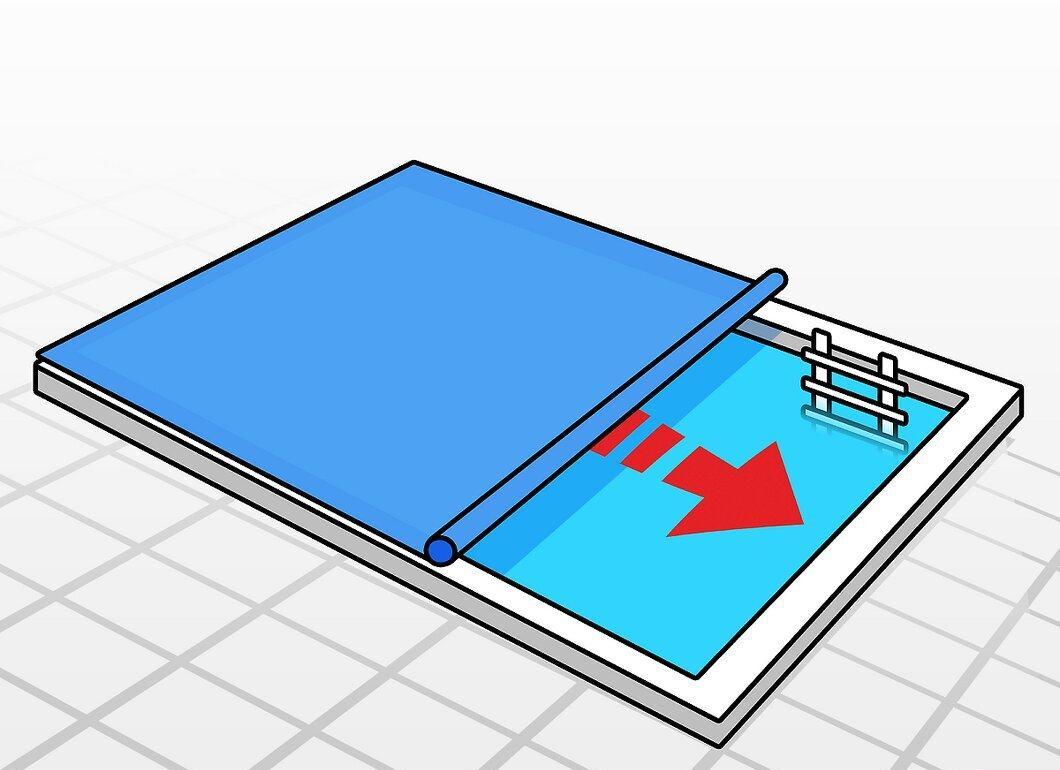
Using a pool cover prevents water evaporation on hot days.
Step 10. Use Recycled Water
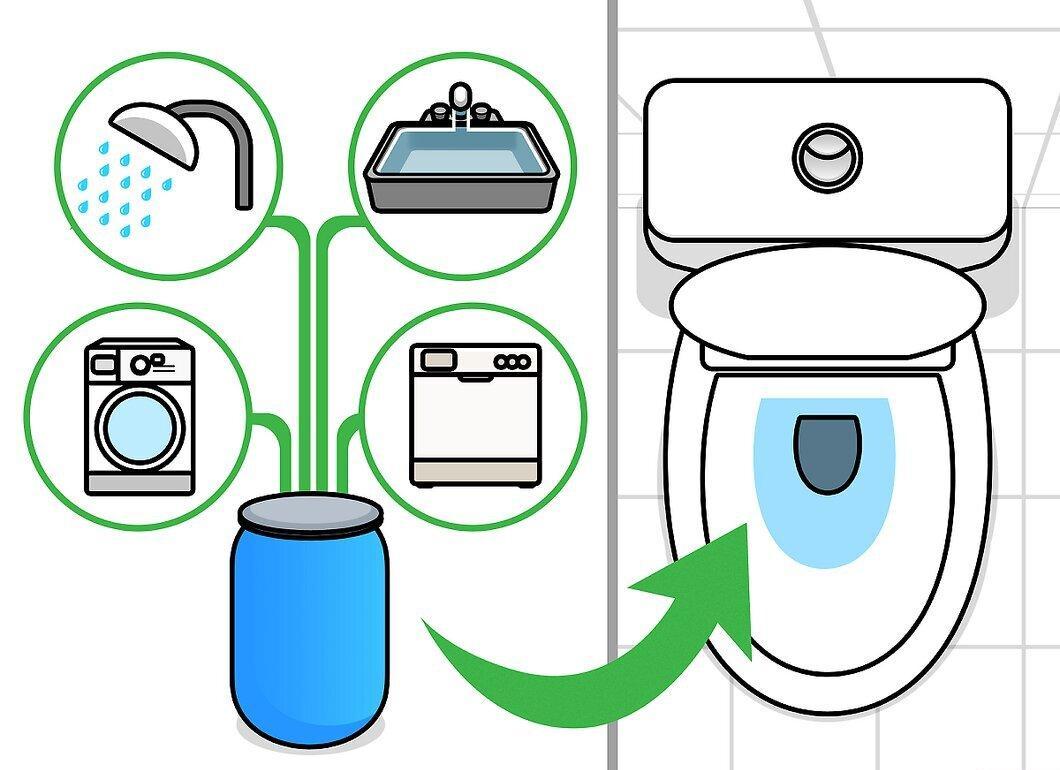
Collect used water from the shower or washing machine for watering or flushing toilets, but not for food.
How to Reduce Your Personal Water Consumption
Step 1. Buy Local Products

Buying local products reduces the water footprint associated with transporting goods over long distances.
Step 2. Reduce Meat and Dairy Consumption
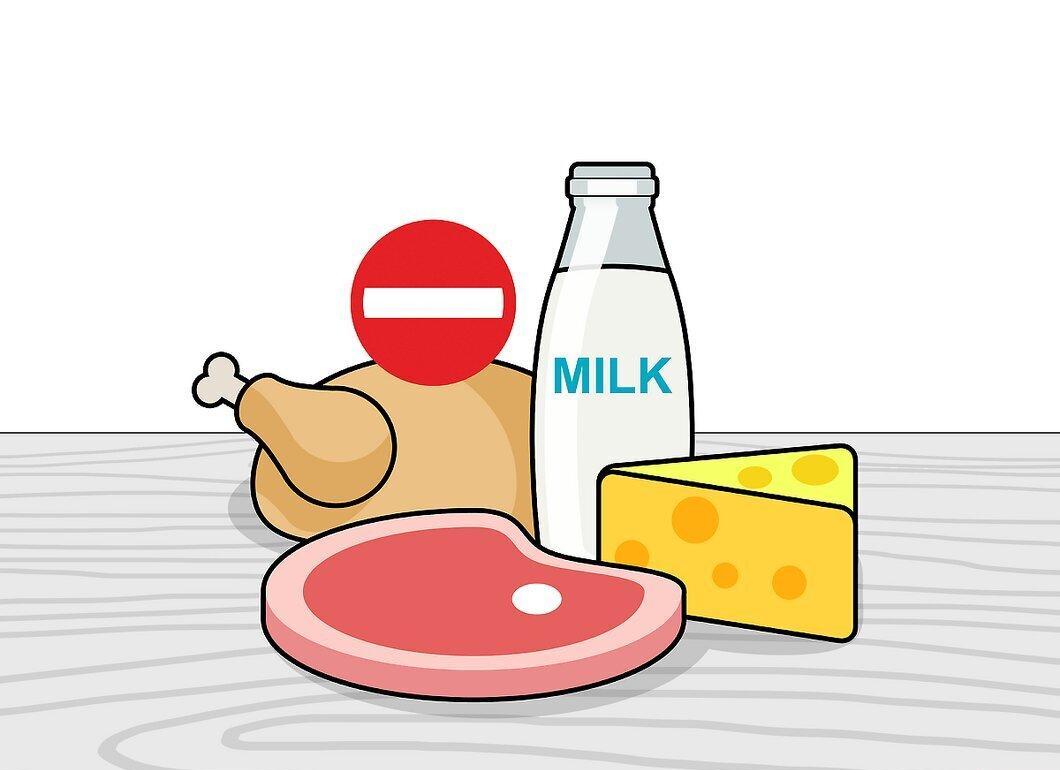
Producing meat and dairy requires large amounts of water, so cutting back on them helps conserve resources.
Step 3. Limit Processed Food Consumption
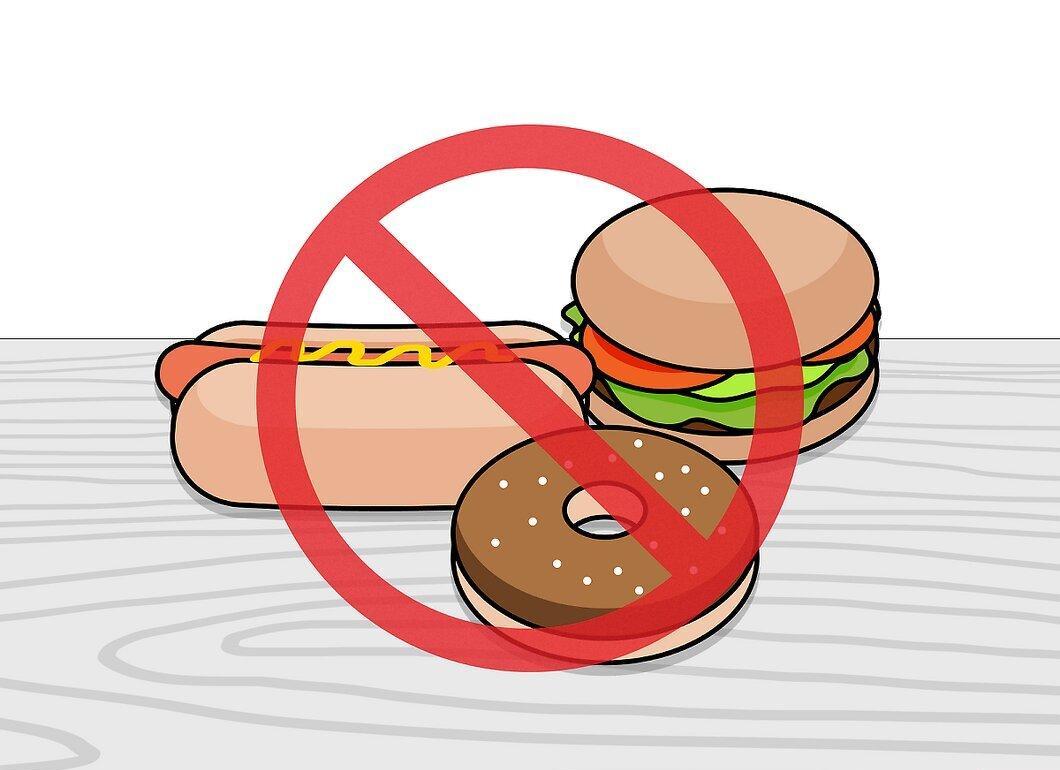
Try to choose fresh products to reduce the water footprint associated with processing them.
Step 4. Drink Clean Water
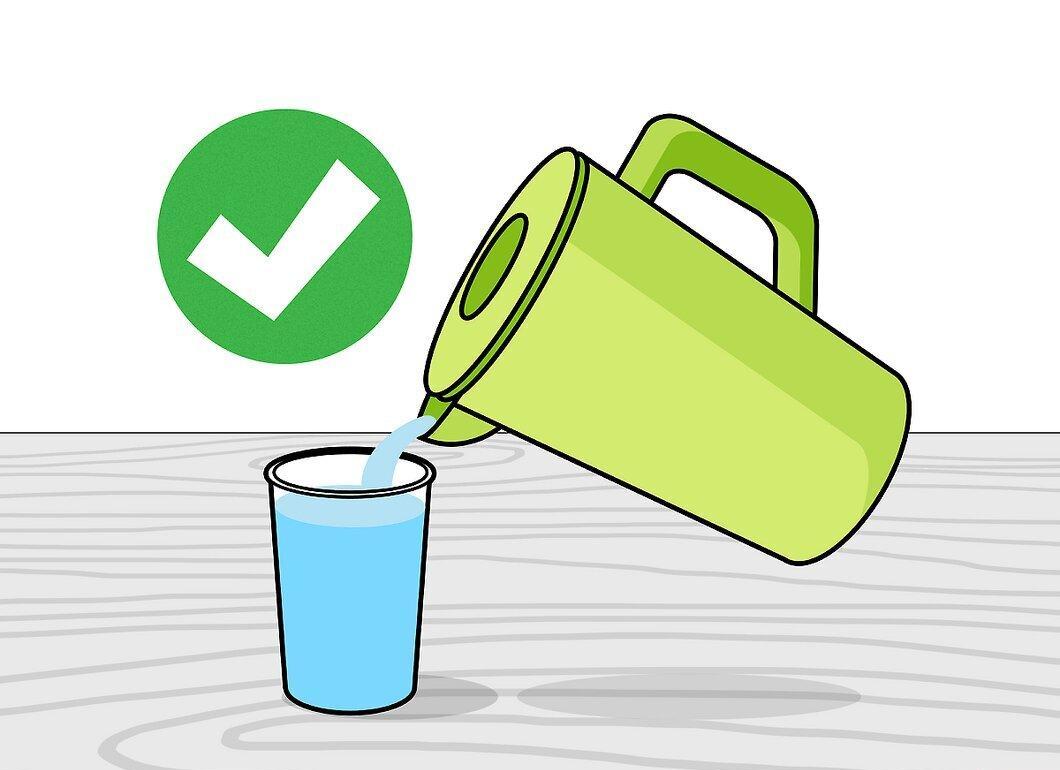
Clean water is the best choice, as other beverages require significant resources for production.
Step 5. Use Public Transport or Bicycles
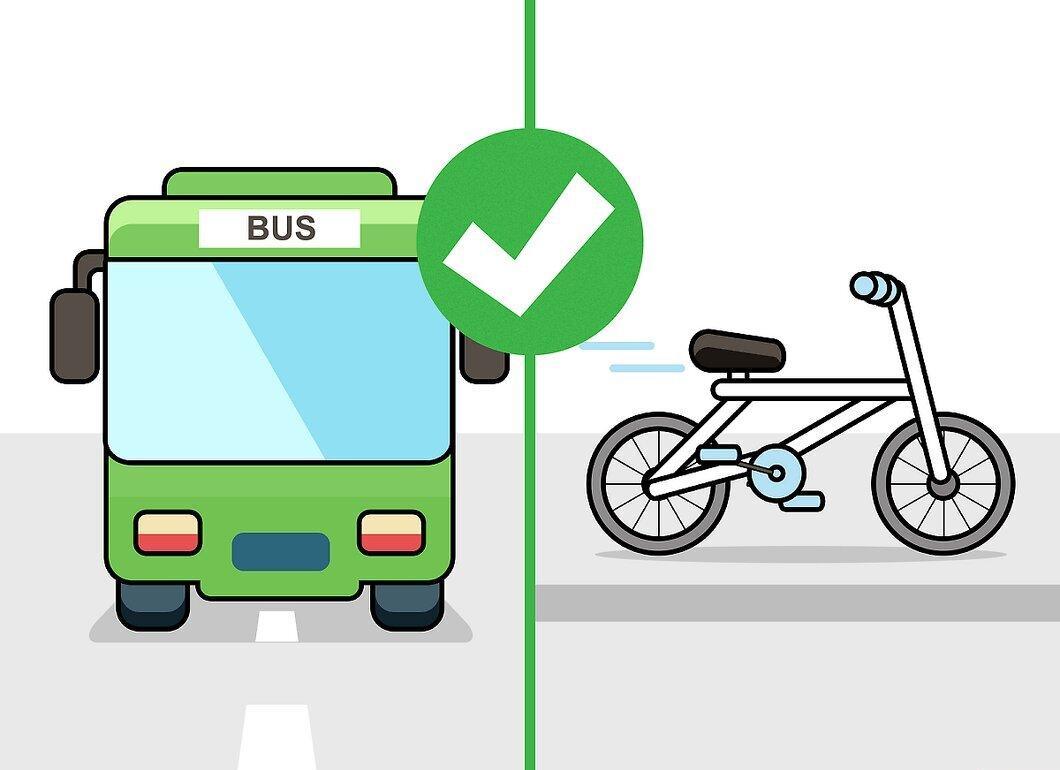
Carpooling and using public transport can help reduce fuel and water consumption.
Step 6. Recycle and Reuse Products
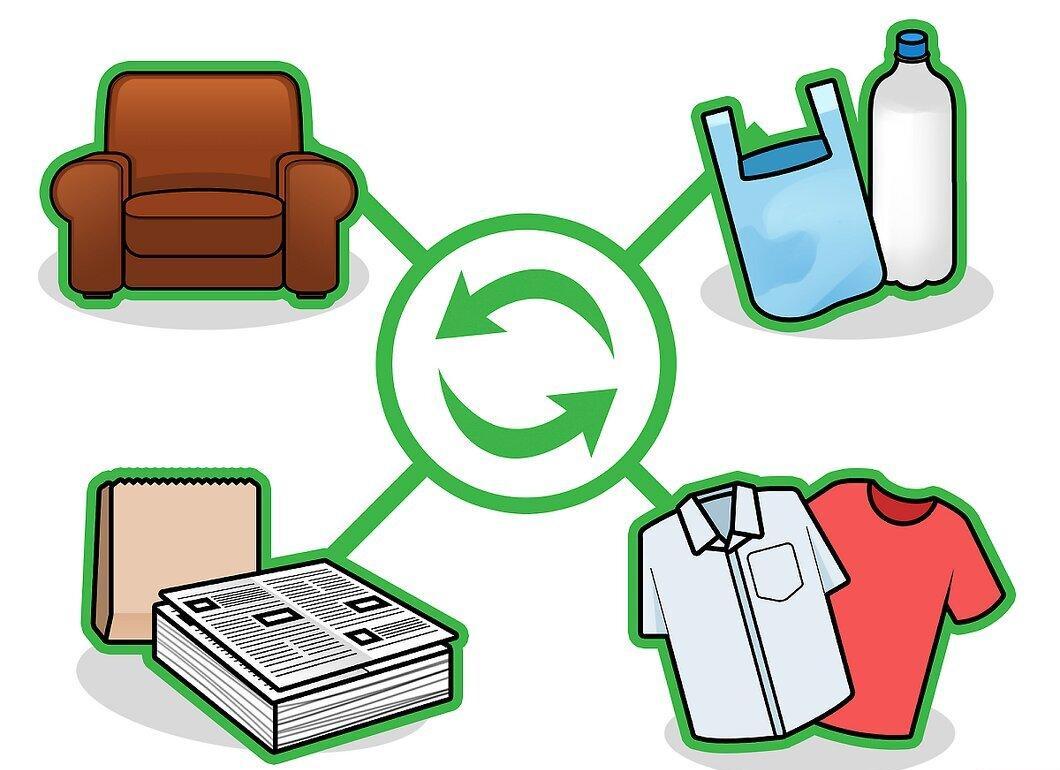
Donate old items for recycling or charity to cut down on resource use for producing new goods.