A hammock is more than just a relaxation accessory; it's a symbol of comfortable moments in nature. It serves as a portable sleeping spot that can be easily hung between two sturdy supports, such as trees or posts. Crafting your own hammock is a fun activity, and there are many ways to create one.
Fabric Hammock for Frame Hanging
Step 1. Prepare the Fabric.
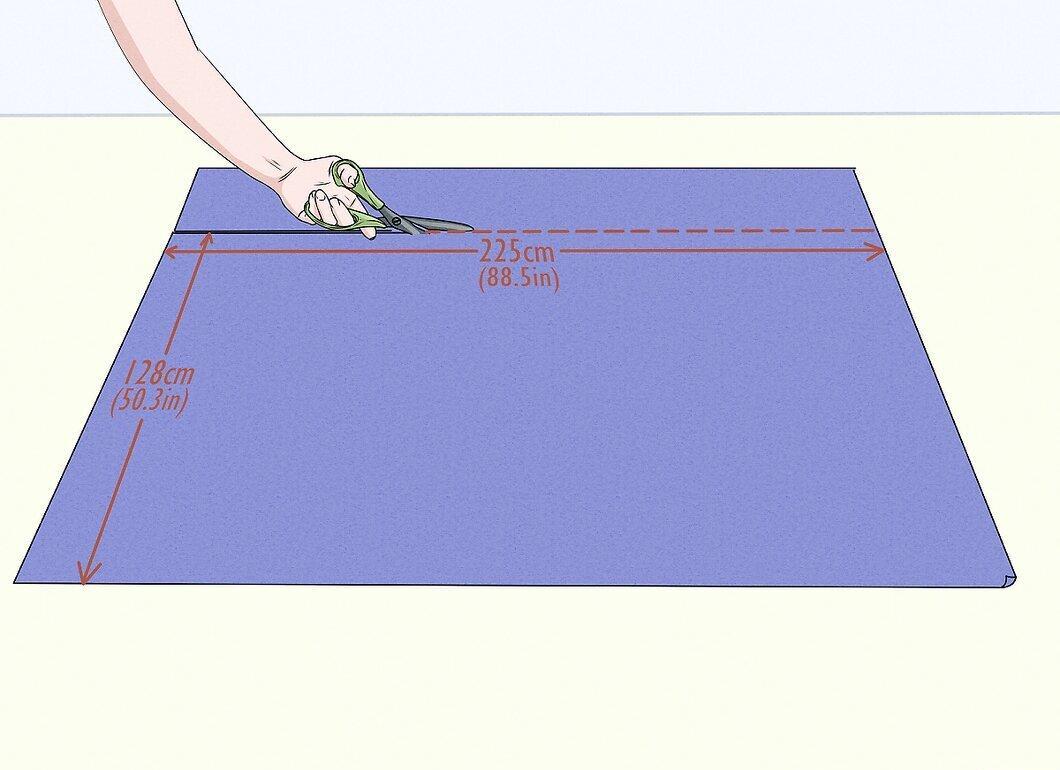
Measure and cut a piece of fabric that is 225 cm long and 128 cm wide.
Step 2. Hem the Edges.
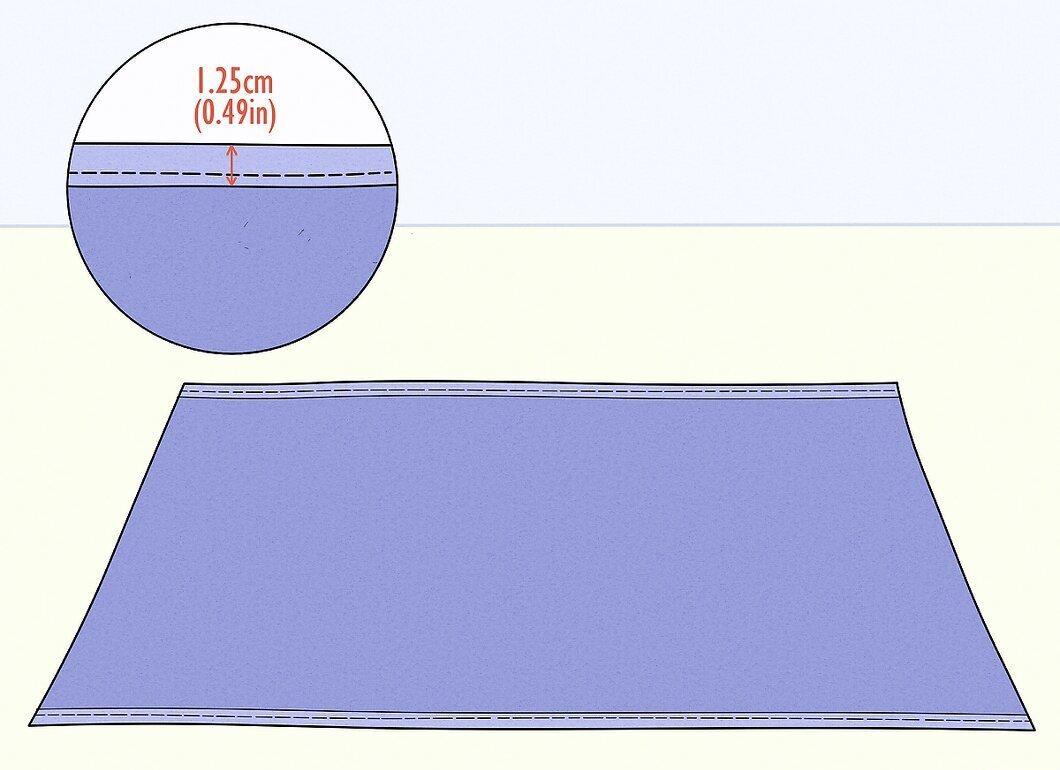
Fold the top and bottom edges of the fabric over by 1.25 cm and sew.
Step 3. Create the Channels.
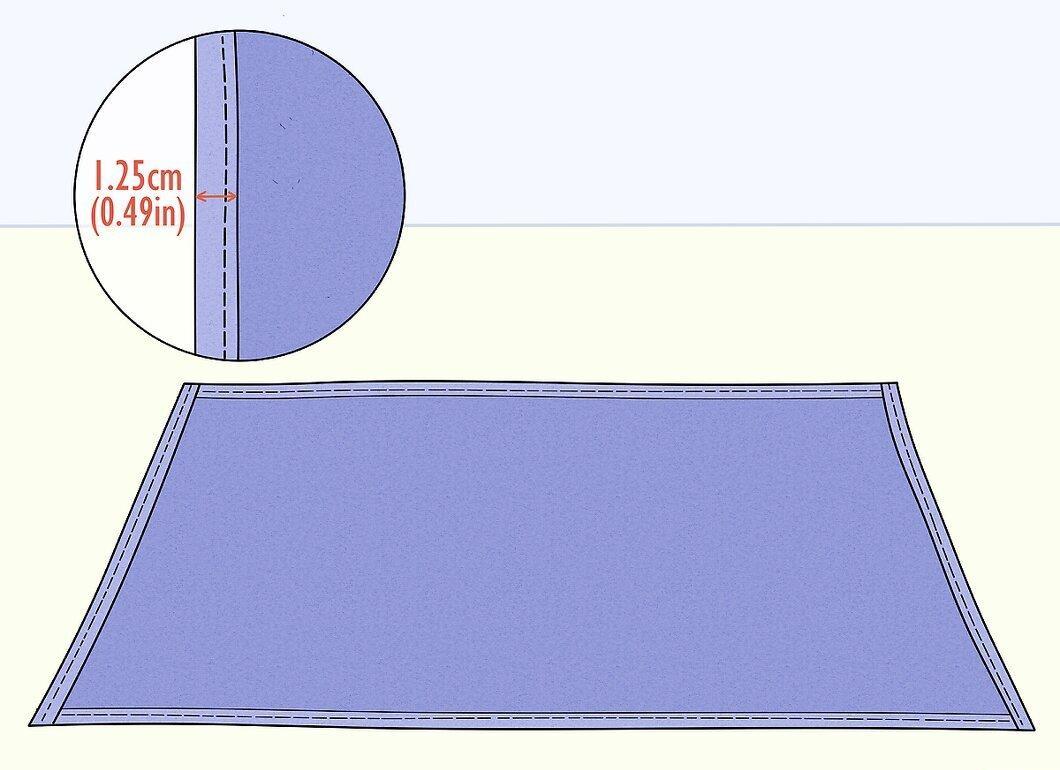
Fold in 6.25 cm on each side of the fabric twice and sew to form channels for the ropes.
Step 4. Prepare the Loops.
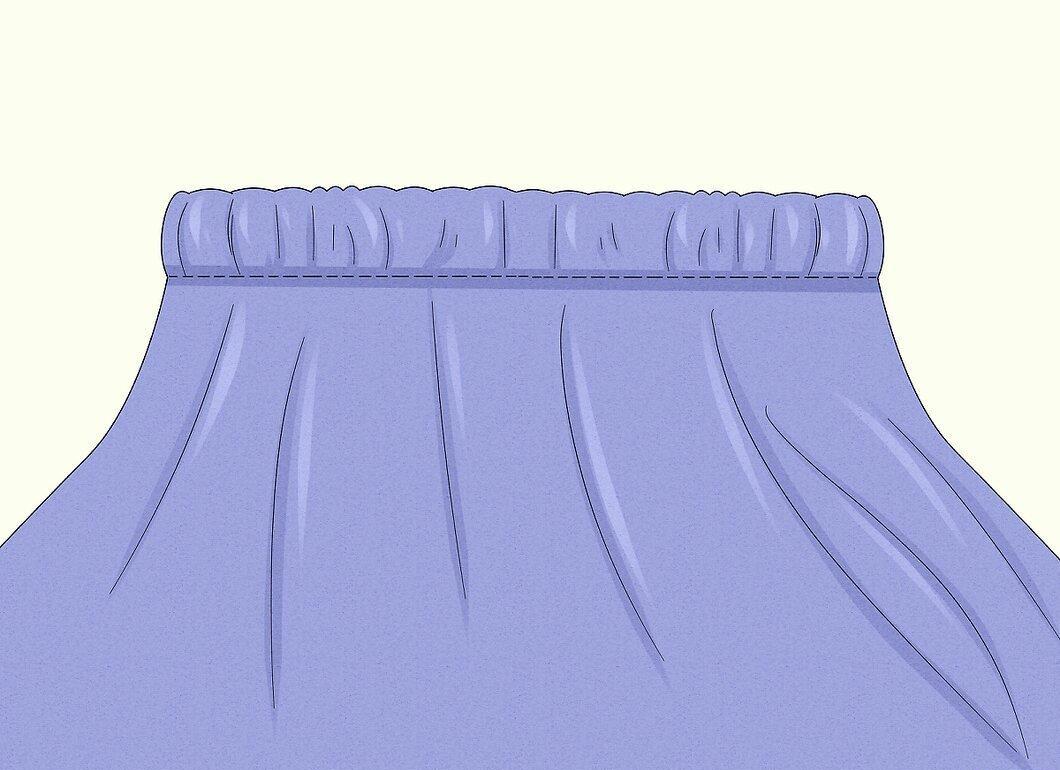
Cut strips of fabric along the short ends and pin them in place, then fold and sew them to the main fabric. Use sturdy thread and create two rows of stitching for added security.
- Do not sew in the channel areas on the long sides of the fabric.
Step 5. Prepare the Wooden Rod.
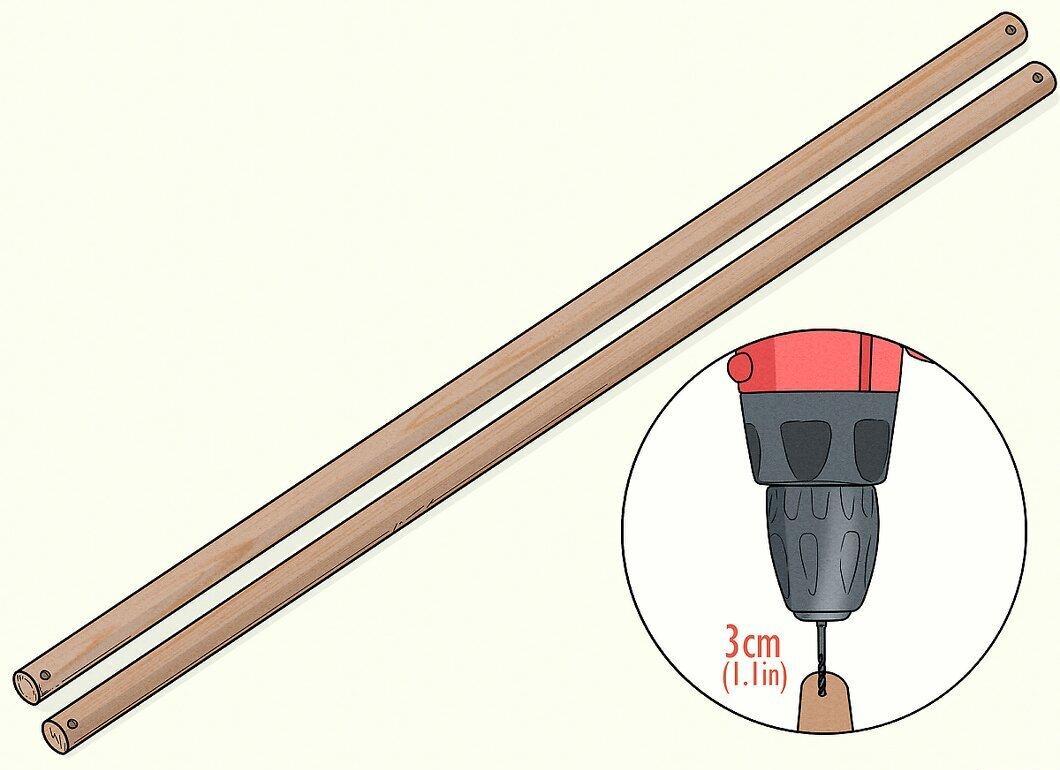
Divide the wooden rod into two equal parts and drill 8 mm holes at each end, 1.1 cm from the edges.
Step 6. Thread the Rods Through the Loops.
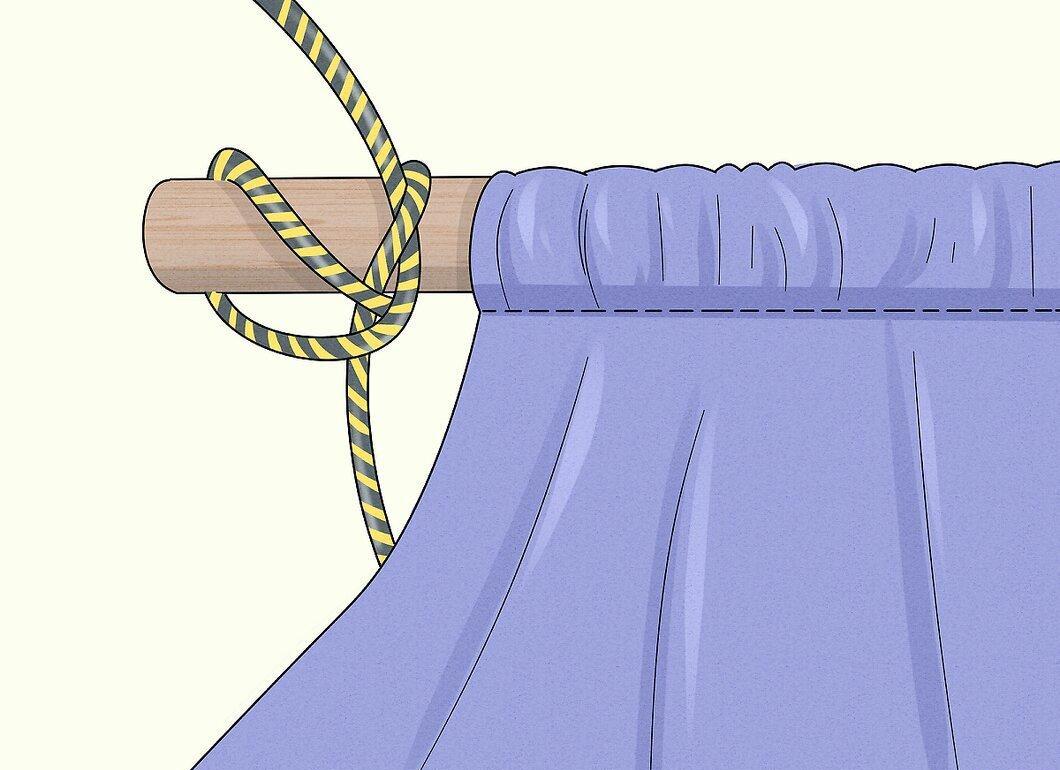
Insert one half of the rod into the loops at one end of the hammock, then the other half into the top end.
Step 7. Prepare the Rope.
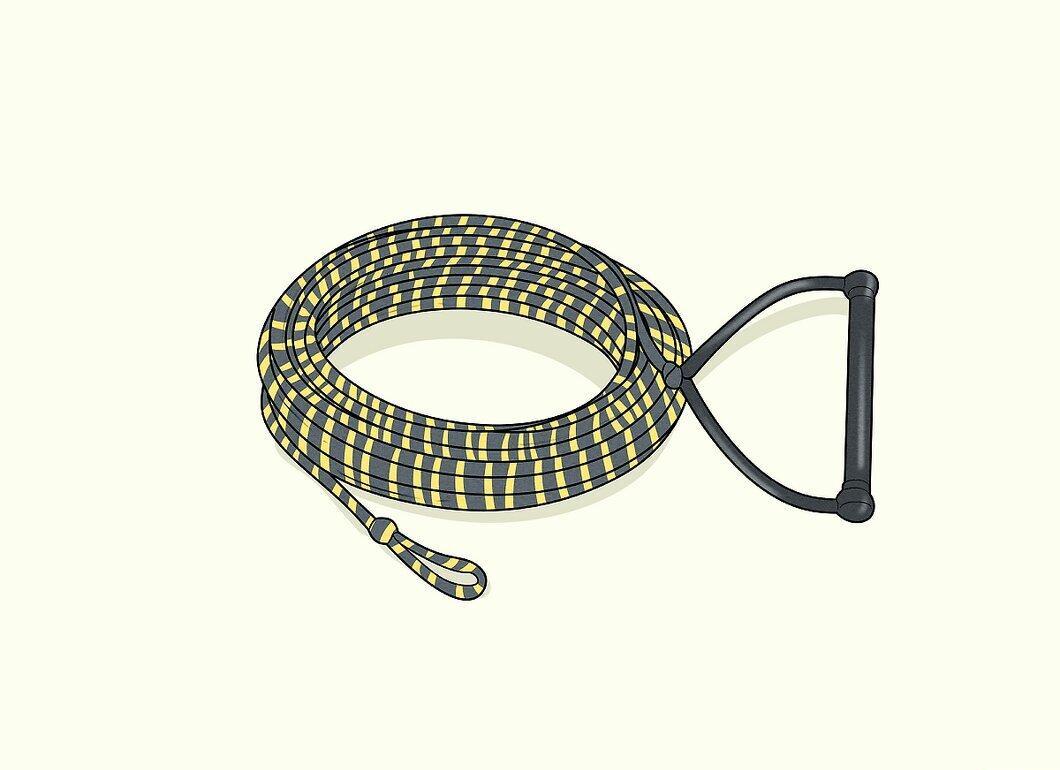
Cut 9 meters of rope and burn the ends to prevent fraying.
- Lay the hammock flat on a surface such as a table or floor.
- Thread the rope through the first hole in the rod, then pull it through the channel and out the hole in the opposite rod.
- Leave 1.6 meters of free rope and thread it through the other hole in the rod.
- Ensure that the two free ends of the rope are about one meter long; adjust if necessary.
Step 8. Tighten the Rope.
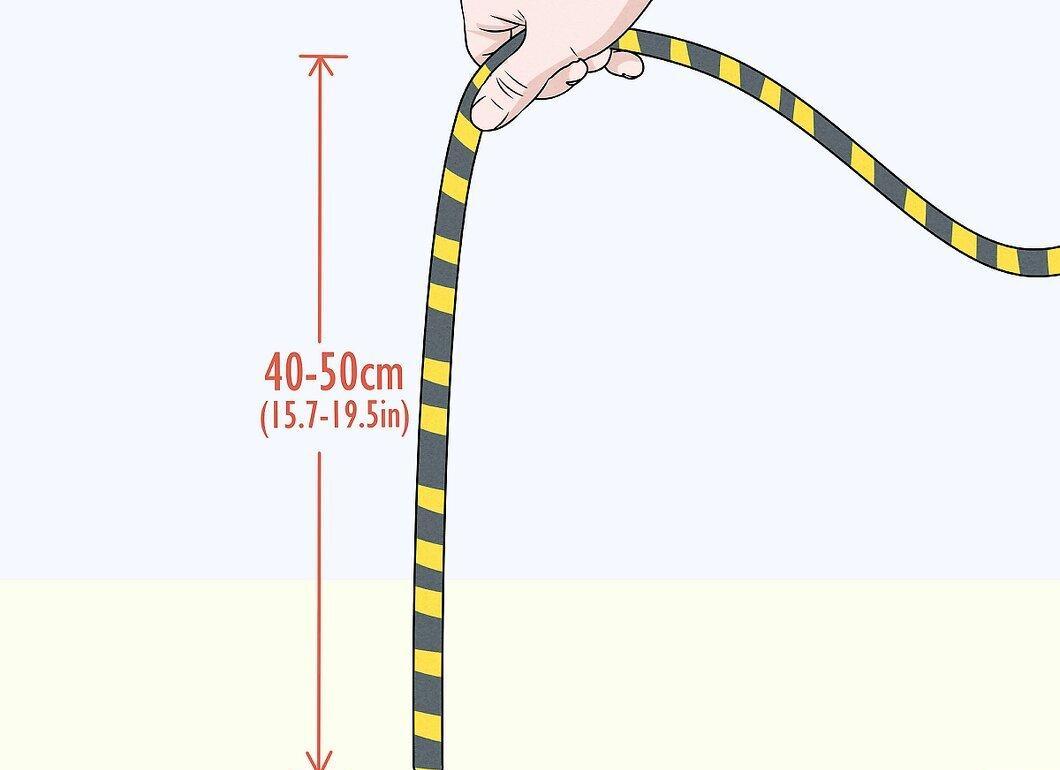
Fold one rope in half about 8 cm from the end to create a loop and pull the burned end through the loop. Tighten securely.
- If the rope is fraying, you may need to tie a knot.
Step 9. Repeat on the Other Side.
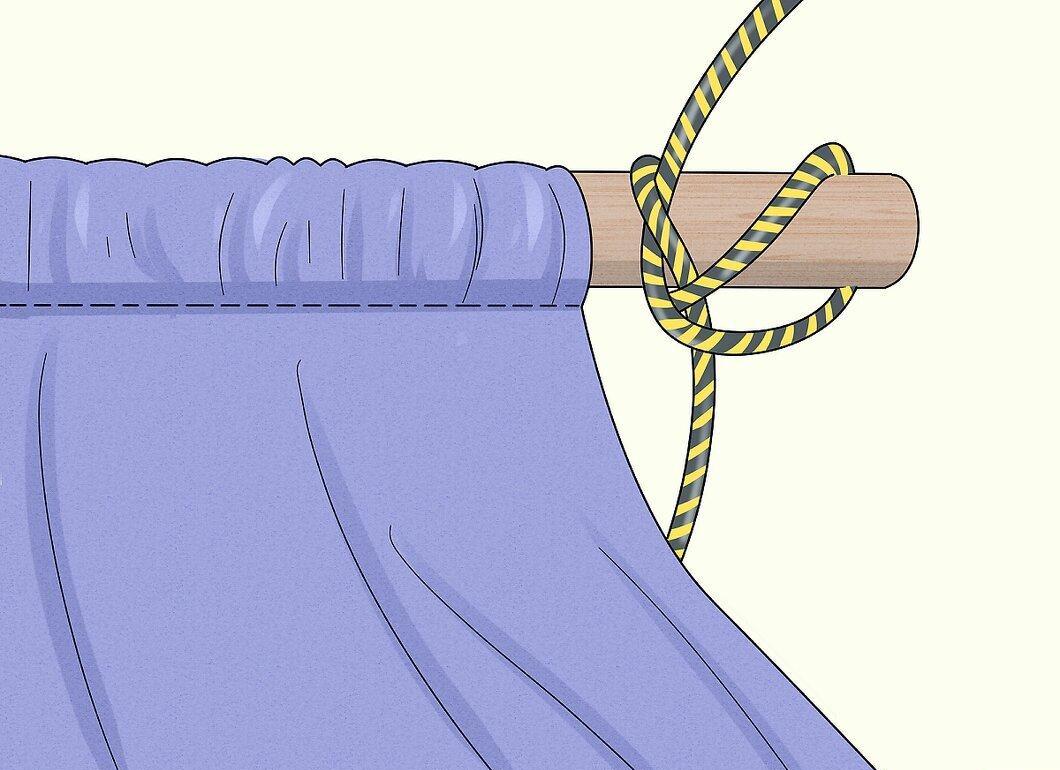
Perform the same actions on the other side of the rod. Cut the rope in half and wrap the ends around the rod, then make a loop and tighten.
- You can also tie the rope with a large knot at the holes on the rods to prevent slipping, and tie the free ends to anchors on posts or other objects.
Step 10. Check the Tension.
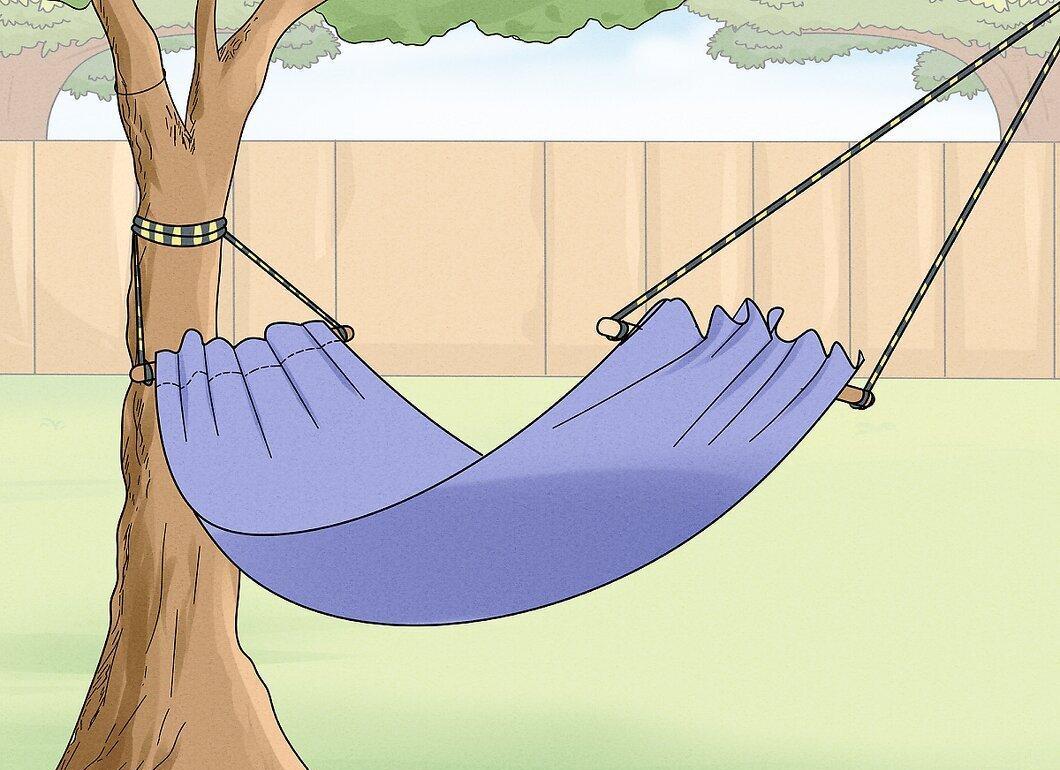
Ensure that the hammock hangs evenly by tying the ropes in the holes of the frame.
Marine Hammock
Step 1. Prepare the Canvas.
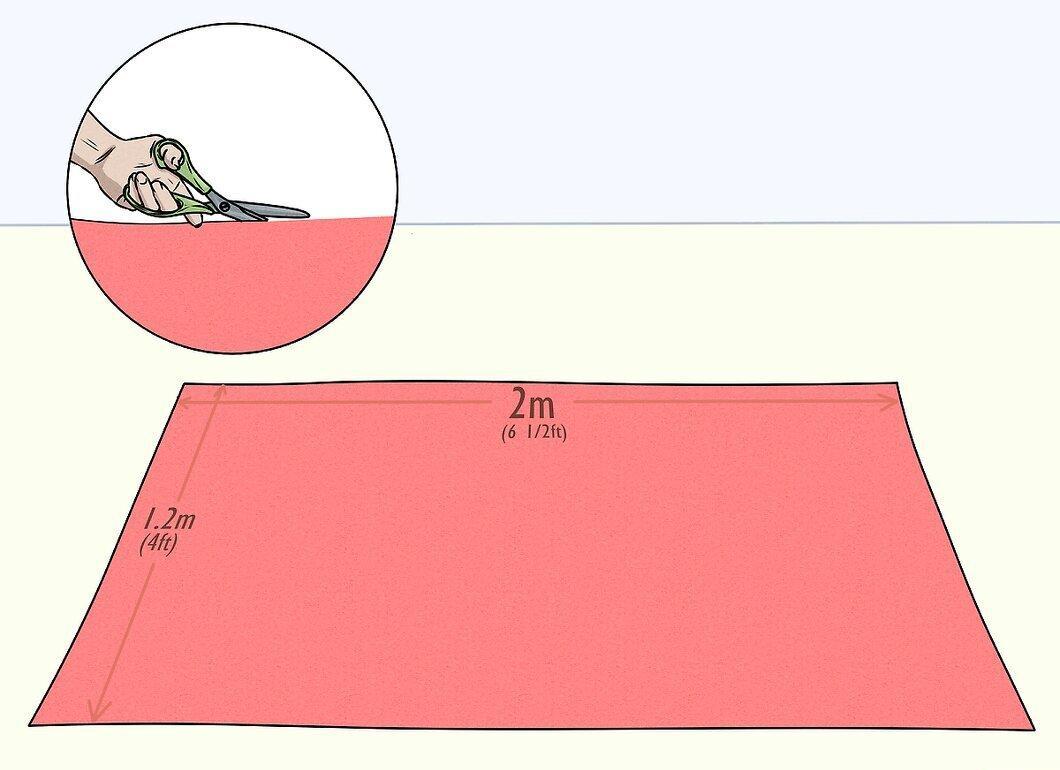
Cut a piece of canvas measuring 2 by 1.2 meters. If tall people will use the hammock, increase the dimensions, considering that you'll lose about 15 cm of fabric in the making.
Step 2. Finish the Edges.
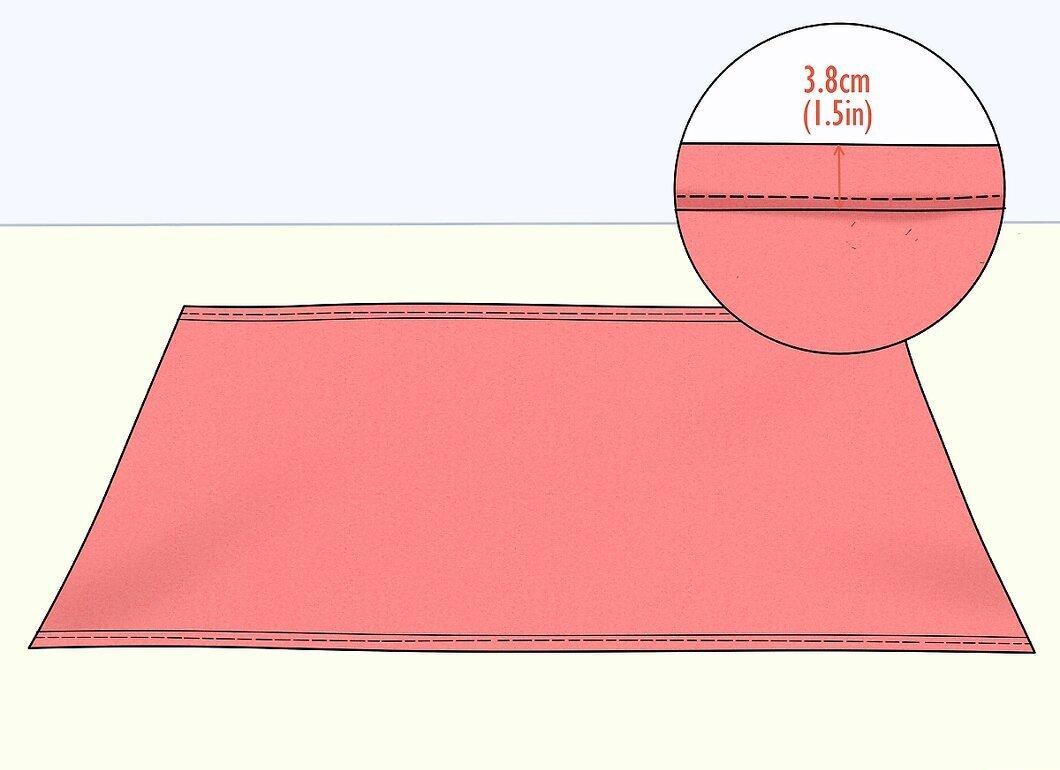
Fold the long edges over by 3.8 cm and sew.
Step 3. Finish the Short Edges.
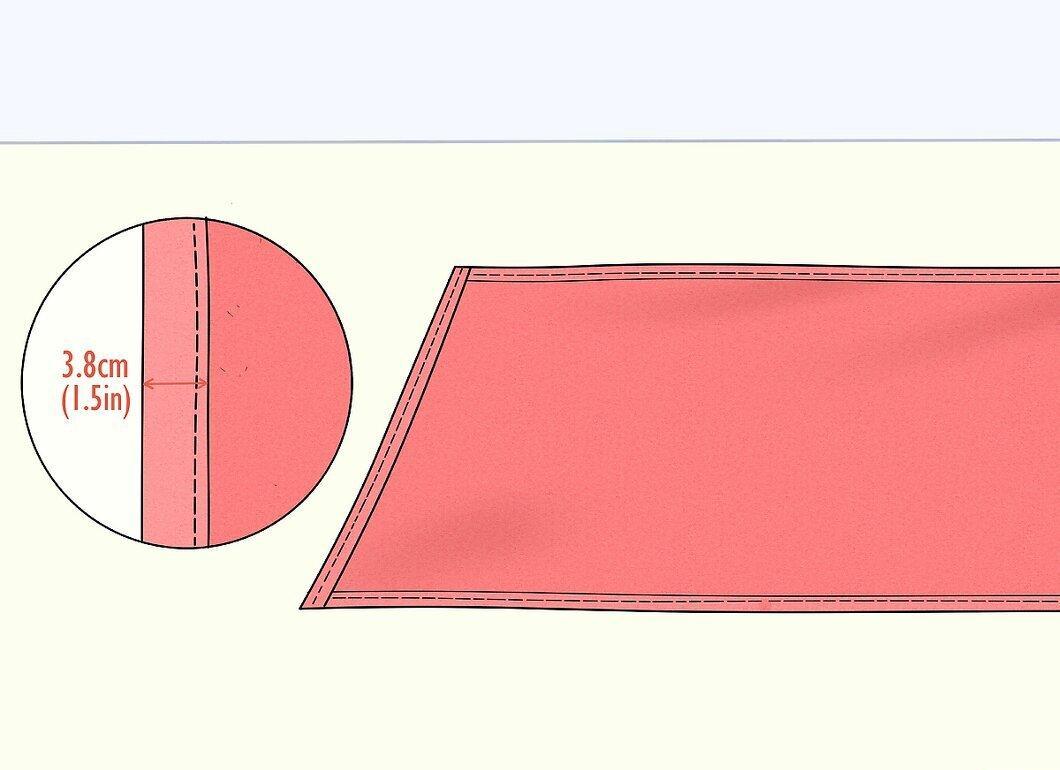
Fold the short edges over by 3.8 cm, press, and sew twice for durability, leaving 2.5 cm from the edge for eyelets.
Step 4. Mark the Eyelet Points.
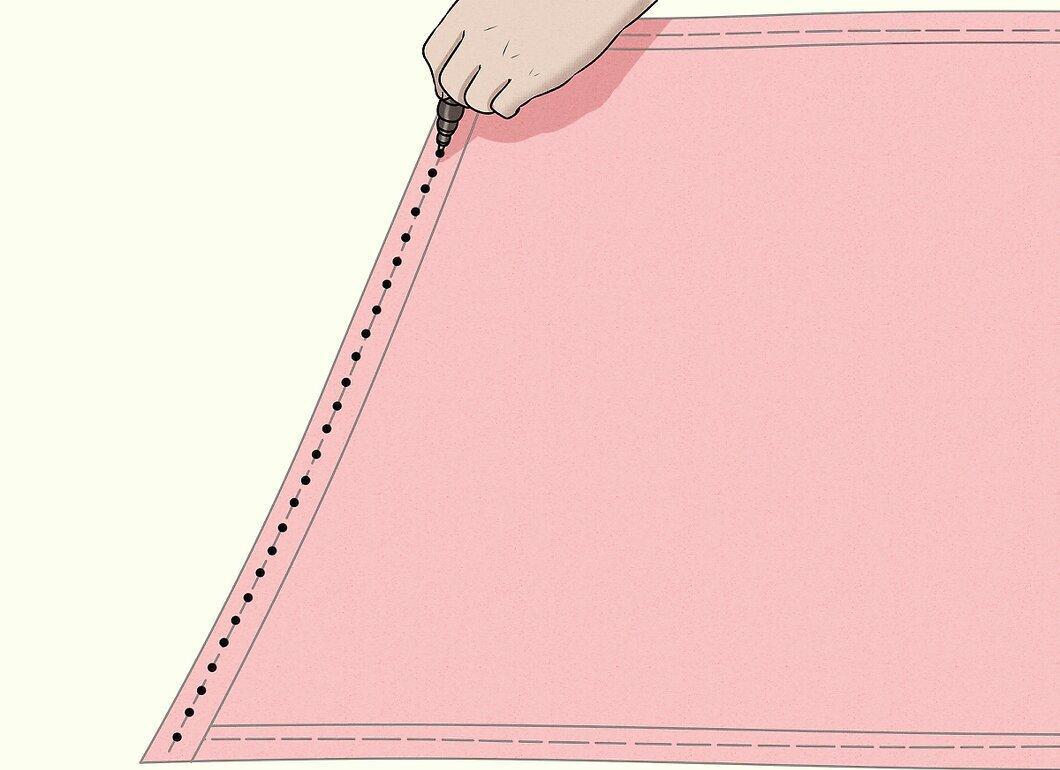
Mark 20 evenly spaced points along the edges where the eyelets will be installed.
- Use an invisible marker or chalk for the markings.
Step 5. Install the Eyelets.
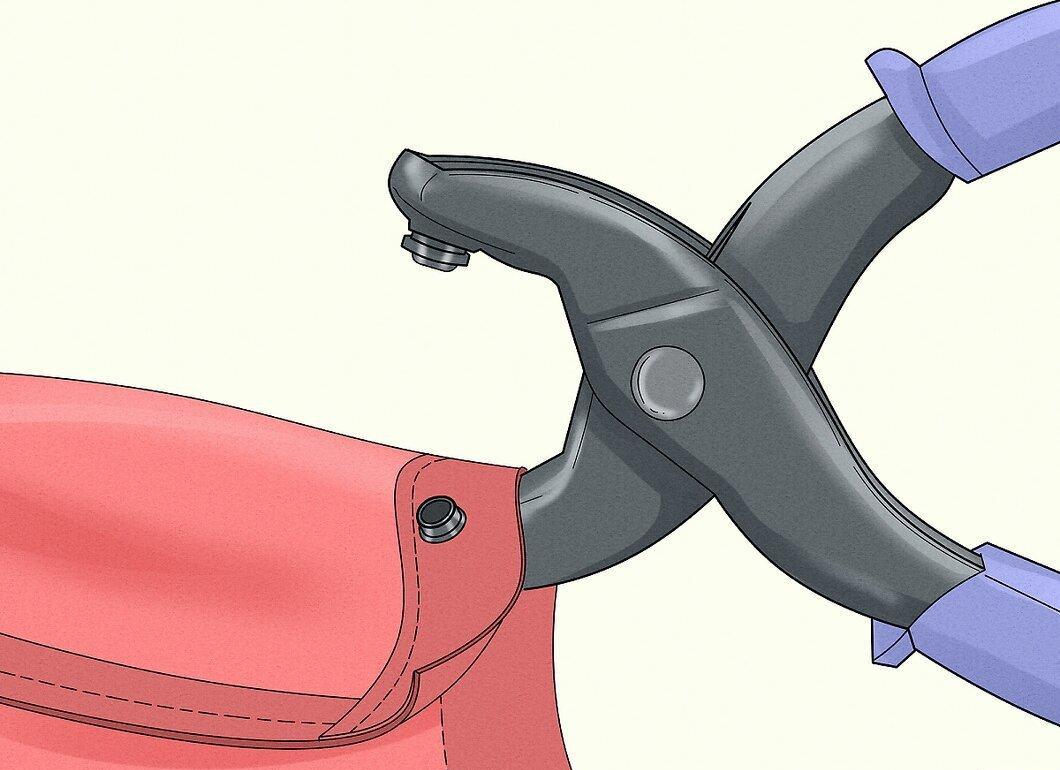
Step 6. Prepare the Rope.

Cut the rope into 10 pieces, each 2.7 m long.
Step 7. Braid the Binding.
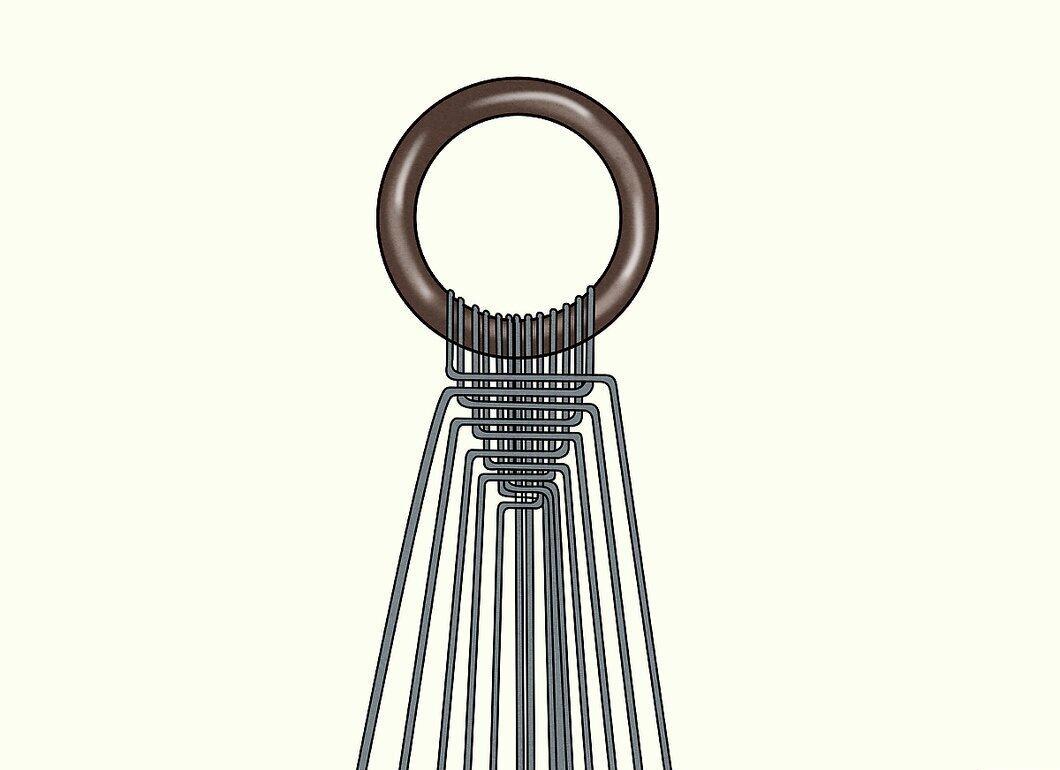
Fold the ropes in half and secure them with a "lark's head" knot. Then braid the lengths together.
Step 8. Attach the Ropes to the Eyelets.
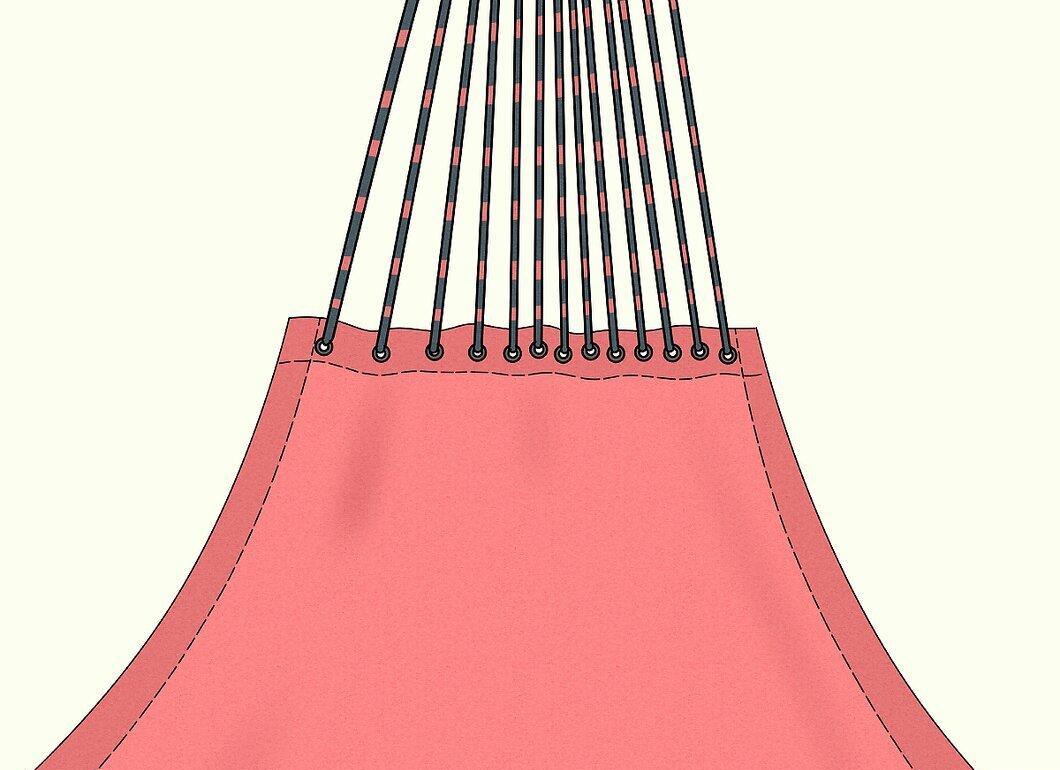
Attach the ends of the ropes to the eyelets using strong knots and pull tight.
Step 9. Hang the Hammock.
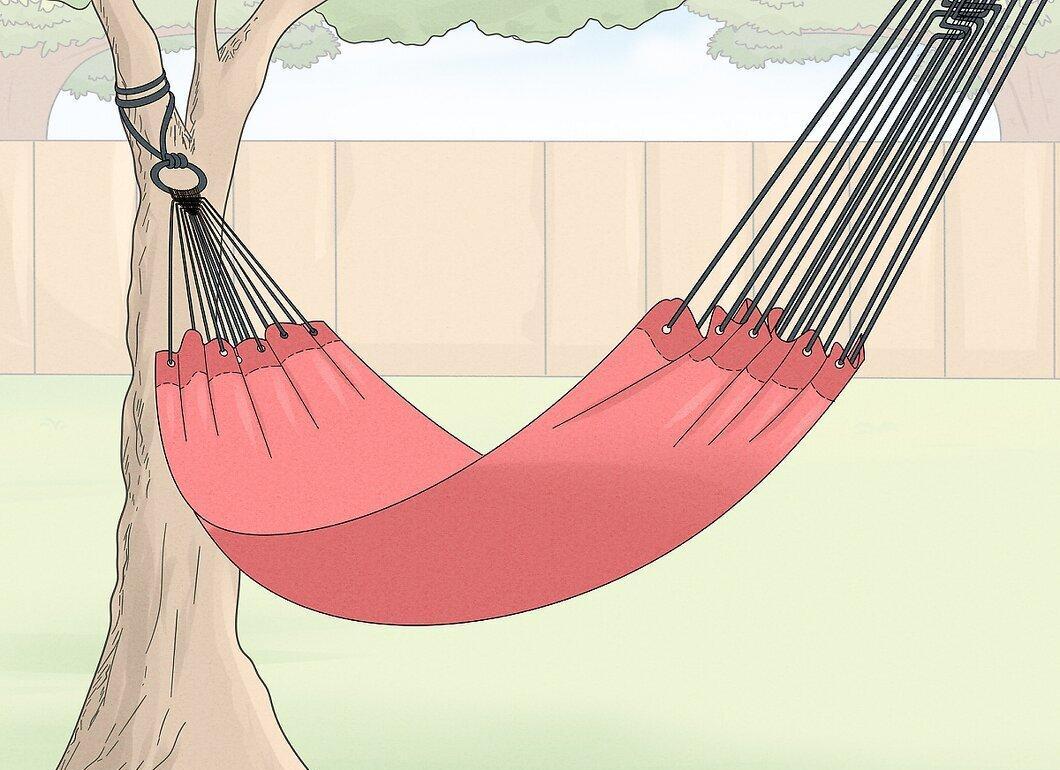
Hang the hammock between trees or posts, tighten it carefully, and ensure it can hold your weight before lying down.
Simple Hammock from Tarpaulin or Blanket
Step 1. Choose the Material.
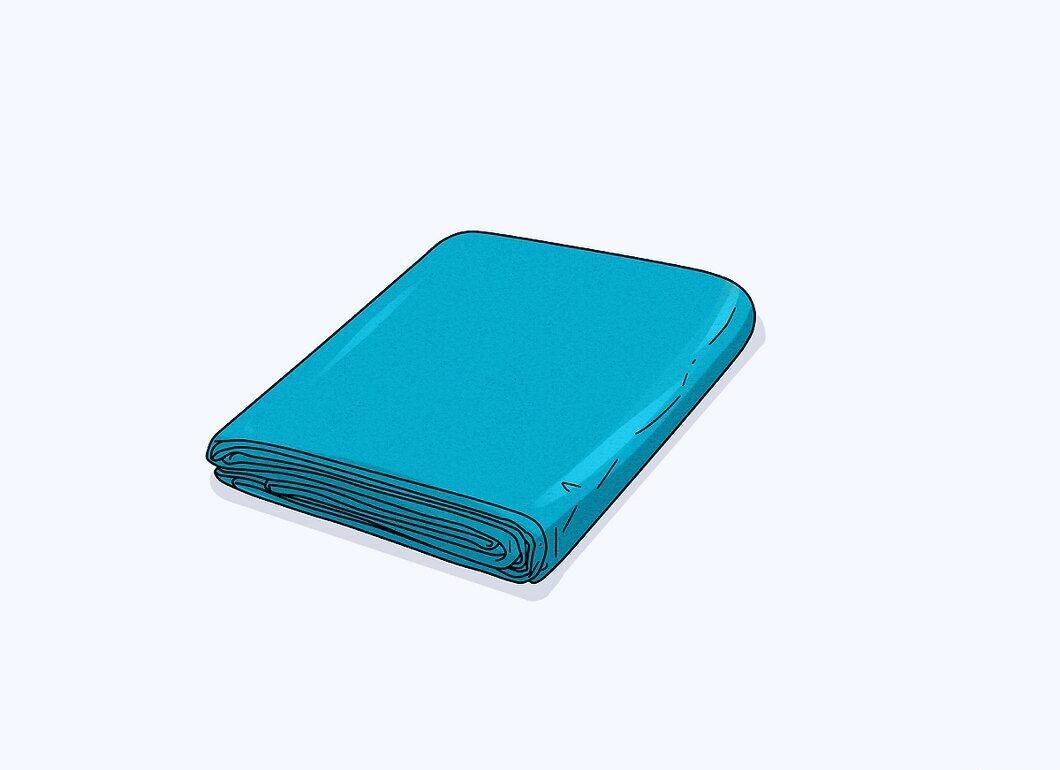
Decide whether to use tarpaulin or a blanket.
Step 2. Cut to Size.
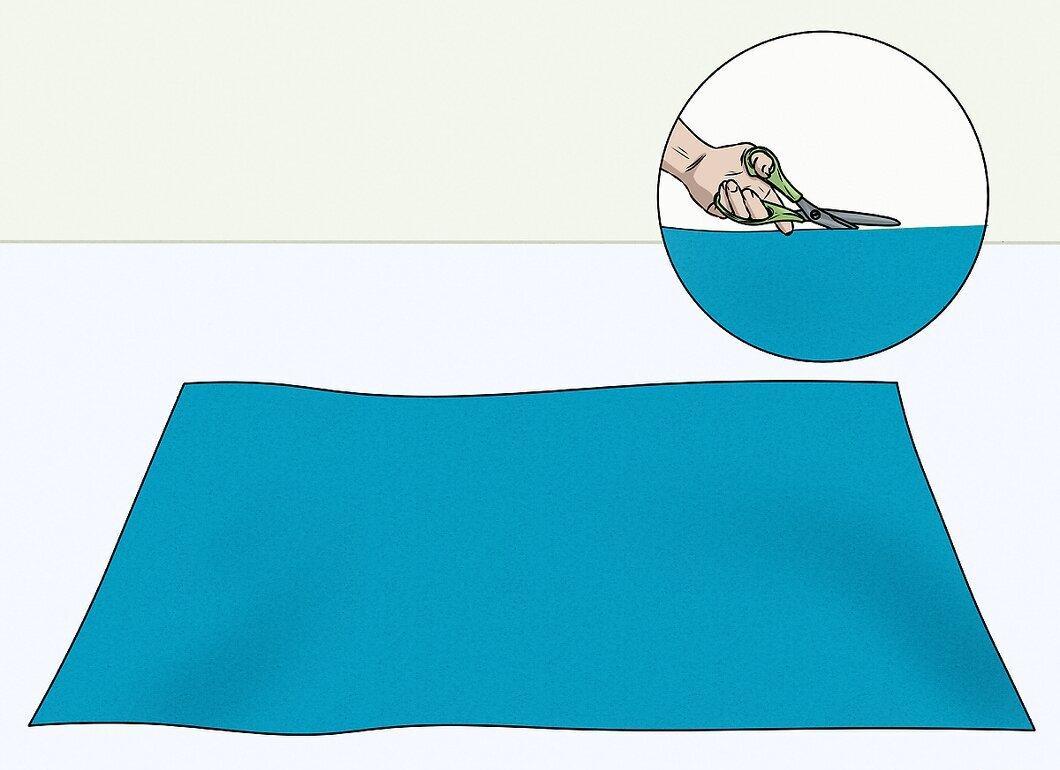
Cut to the desired size if necessary, keeping in mind the sag of the fabric.
- If you want to keep the item intact, do not cut it.
Step 3. Gather the Material.
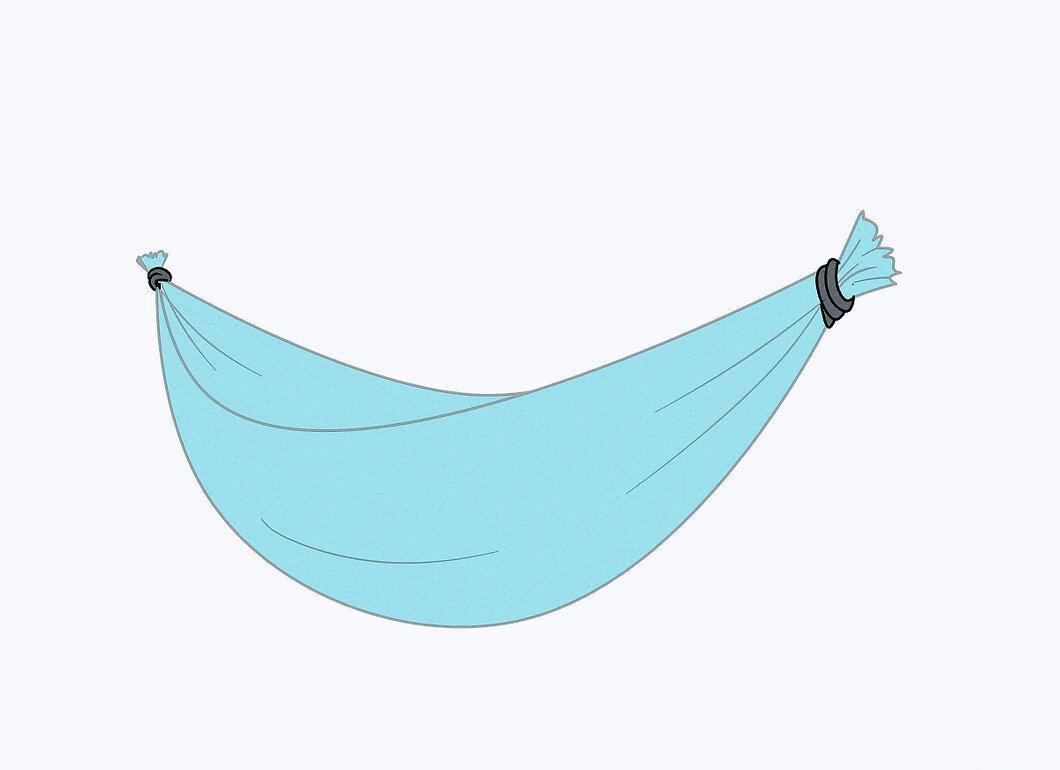
Gather one end into a bundle and tie it securely with strong rope using a "lark's head" knot.
Step 4. Wrap the Tree with Rope.
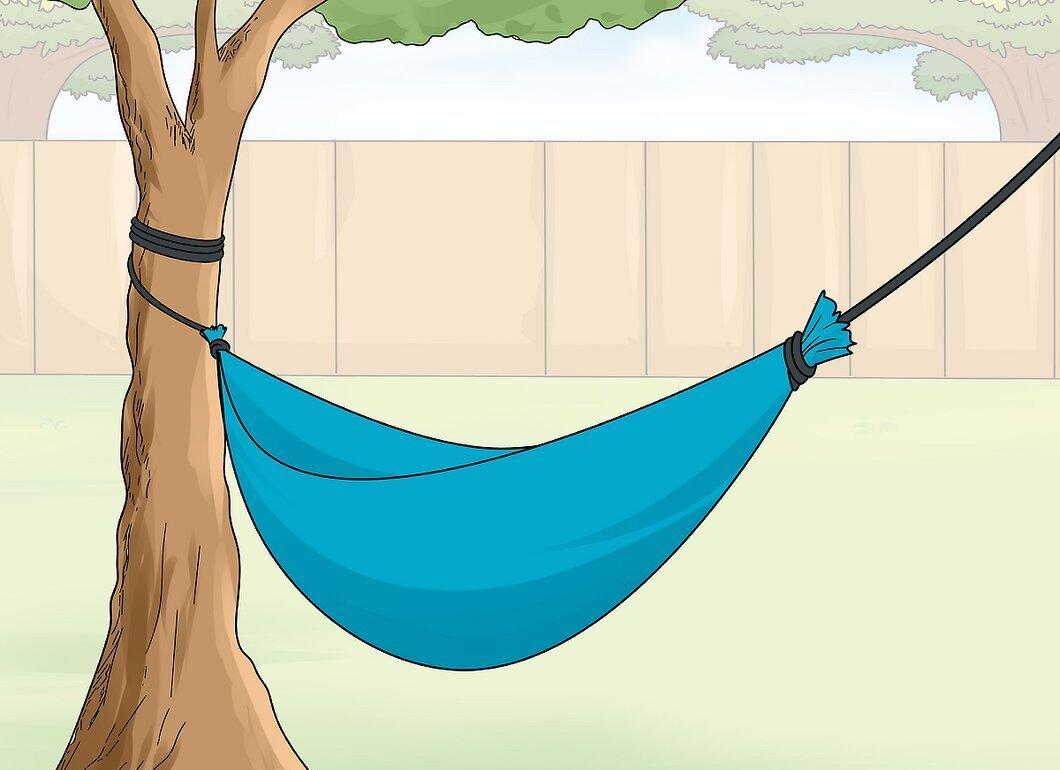
Wrap the rope around a tree several times and throw it over another tree or anchor point. Repeat the process with the other end to tighten the rope.
- If you don't want to create a shelter, you can split the rope into two parts for the top and bottom sections.
- Use the tarpaulin as a shelter by folding it in half if it's twice your height to protect against rain or sunlight.