Creating a flag for your garden is a fun DIY project! You’ll need several materials, such as a sturdy fabric like tarp or canvas, fabric glue, scissors, and sewing supplies. You can either use glue or sew the flag by hand—both methods are quite simple. Once your flag is ready, you can decorate it to your taste and add a special charm to your garden.
Designing the Flag
Step 1. Gather Materials.
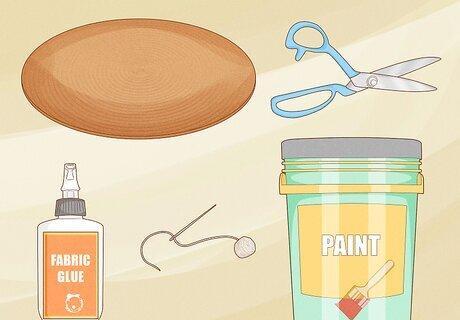
First, collect all the necessary materials. You’ll need a piece of durable fabric, paints or decorative elements, scissors, fabric glue, a needle and thread, or a sewing machine.
- Don’t forget about the flagpole. You can choose a stainless steel flagpole that can be easily installed in the flower bed, or use a large handle.
- All these items can be purchased at home improvement stores or garden centers.
Step 2. Choose Your Flag Fabric.
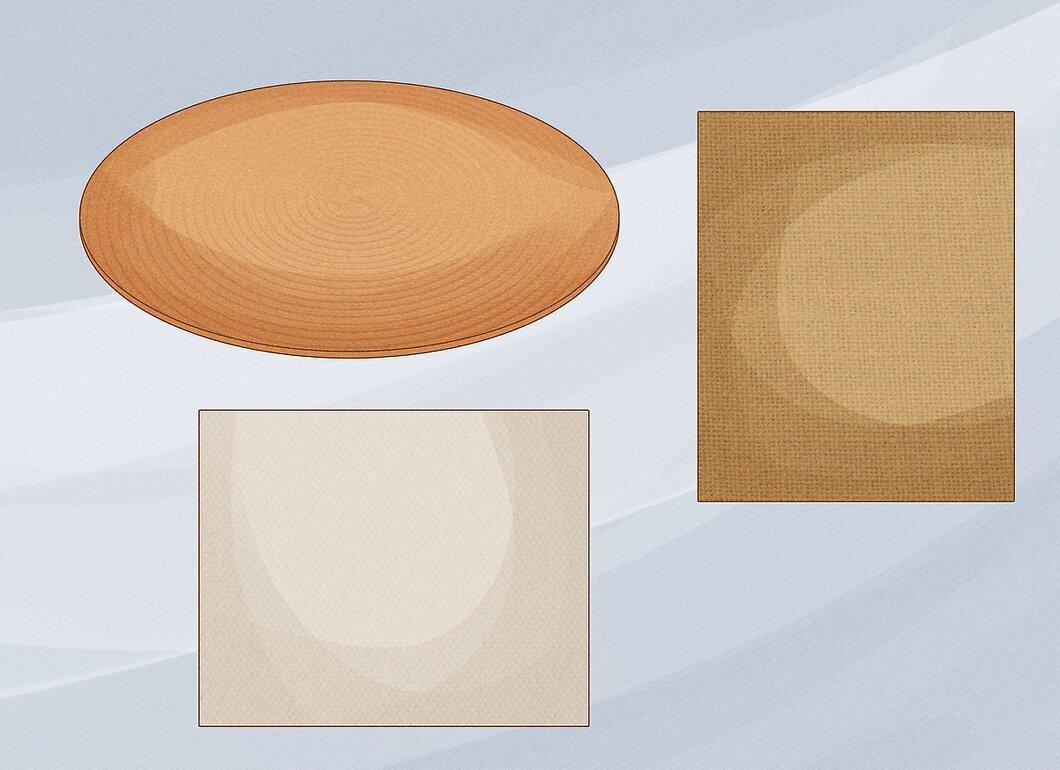
For the flag, a rough tarp works perfectly.
- Any heavy fabric, such as canvas, is suitable. Just make sure it’s heavy enough.
- An old sturdy tablecloth or a canvas bag that can be cut is also a good option.
Step 3. Determine the Design.

Think about the design. Bright colors are typically chosen for garden flags. To give the flag a more rustic look, use tarp or untreated textiles. If you need inspiration, check out Pinterest or crafting blogs.
- If the flag will hang vertically, it doesn’t necessarily have to flutter in the wind.
- To help the flag hang well and avoid tangling, you can weigh down the bottom with a heavier material.
Step 4. Get Inspired.

Here are some creative ideas for your garden flag:
- Use an appliqué to add your house number or any meaningful word. The color should contrast with the main background.
- Use fabric paint for drawing.
- Attach various elements to the flag, such as shells, holiday ornaments, silk flowers, or buttons.
- Create a patchwork flag by sewing different pieces of fabric together with bright threads.
- Stencils and spray paints can help you quickly create a unique design.
- Use similar or contrasting materials to add bows or ruffles.
Making the Flag
Step 1. Measure the Required Fabric Length.
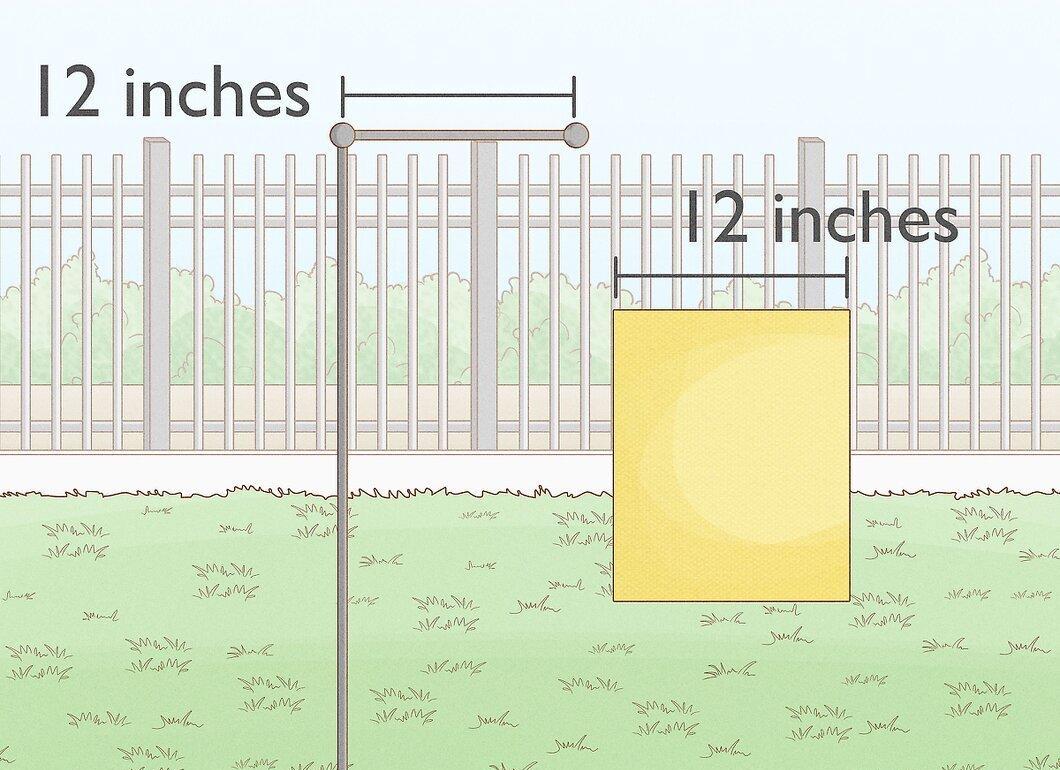
First, measure the fabric according to the size of the flagpole. Make sure you have a holder to correctly determine the length. Cut the material to the width of the flagpole’s crossbar.
- The width of the crossbar is usually about 30 cm, so your flag should be 30 cm wide or slightly less.
Step 2. Determine the Vertical Length of the Flag.
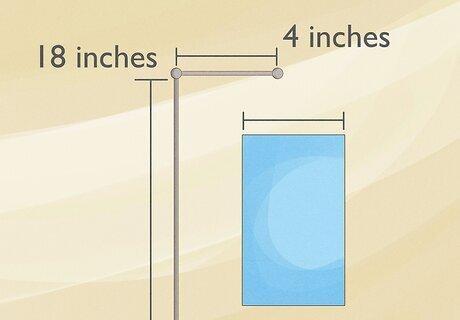
The standard height of a flagpole is 45 cm. Add an extra 10 cm for the hem, making it a total of 55 cm.
- If you have tall plants under the flagpole, make the flag shorter so it remains visible.
- You can make the flag longer to allow it to hang better from the crossbar.
Step 3. Sew or Glue the Flag.
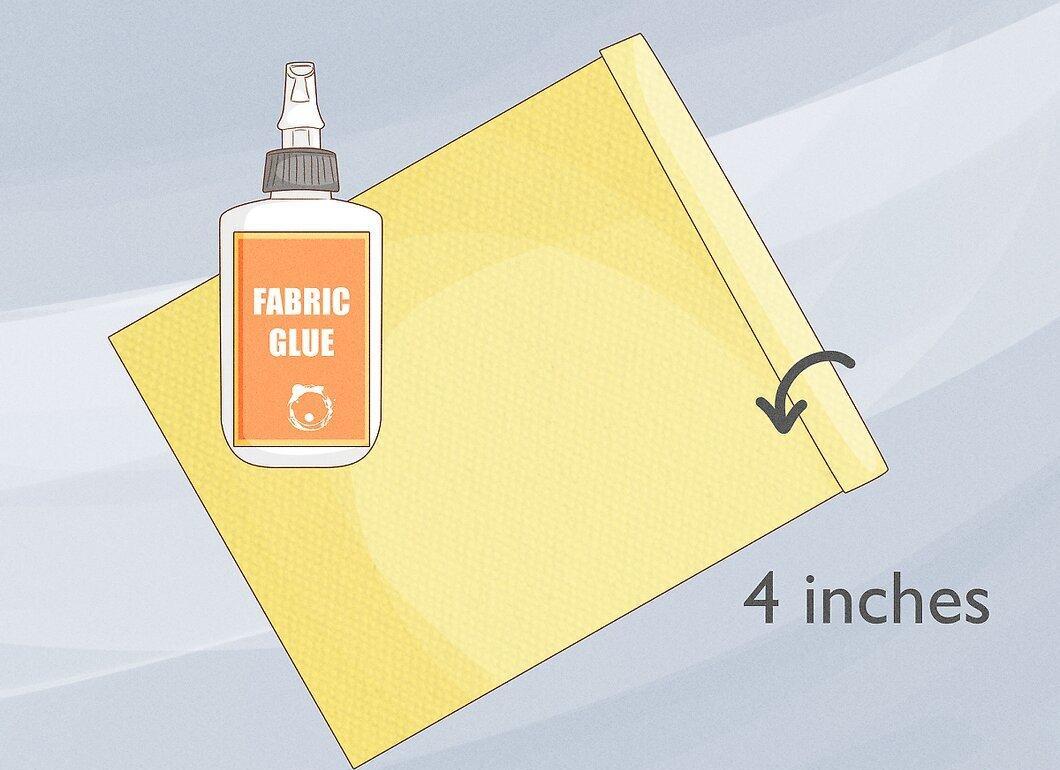
Lay the fabric flat on a surface. If you are using two pieces, join them together so that the edges are glued.
- At the top, fold down 10 cm of fabric to create a pocket for the crossbar.
- Glue or sew the bottom of the folded fabric, leaving the sides open for inserting the crossbar.
Step 4. Add Decor.
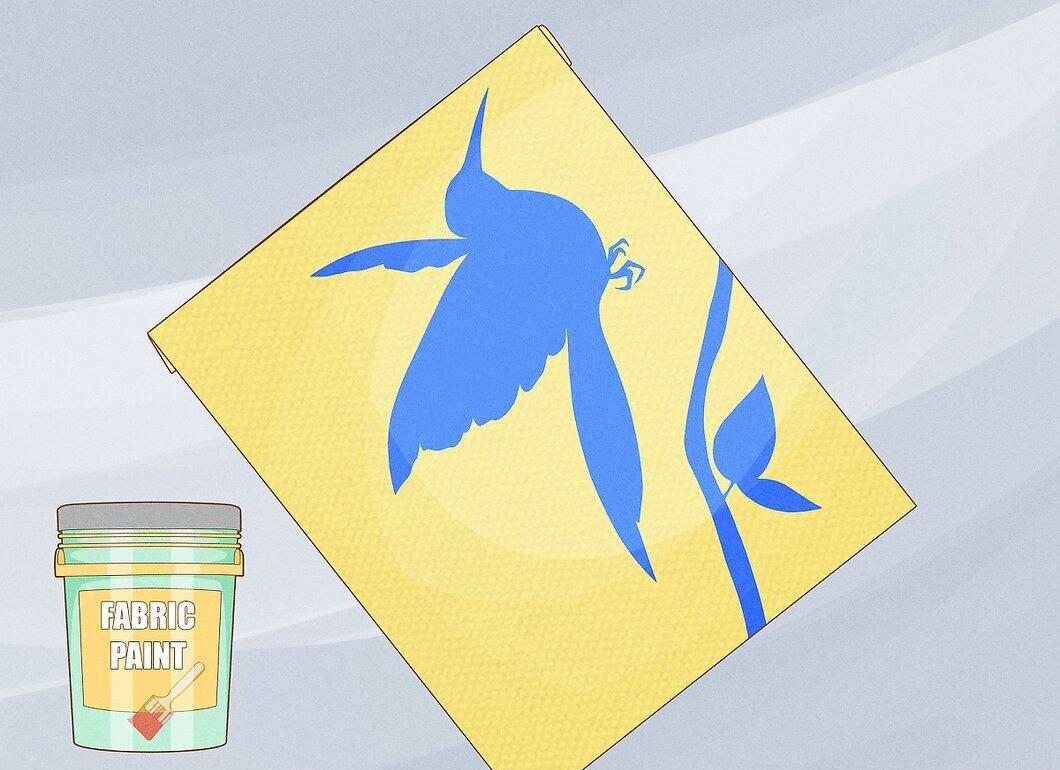
Once the flag is ready, you can decorate it using the ideas mentioned above.
- Glue or paint your desired elements onto the flag background.
- Bright colors look attractive, but remember they may fade over time.
How to Hang Your Garden Flag
Step 1. Find a Protected Spot for the Flag.
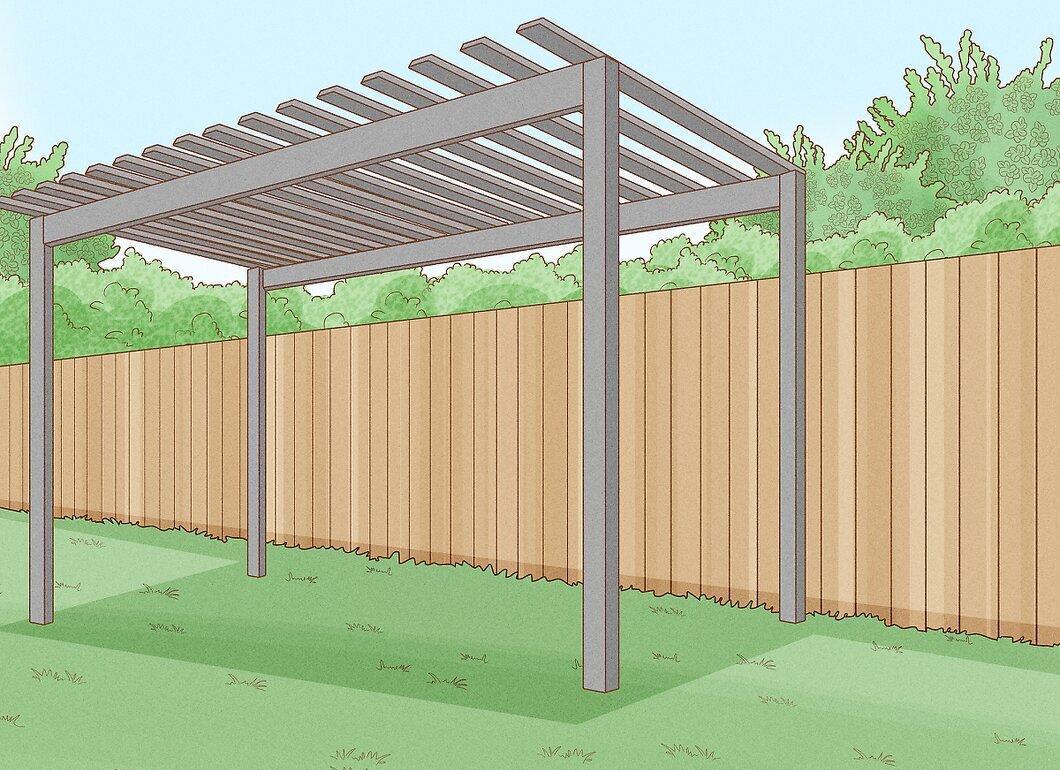
Choose a spot where the flag will be shielded from wind and weather. Make sure the flagpole is securely anchored.
- Usually, driving support stakes into the ground is sufficient, but keep in mind that strong winds can topple the structure.
- Avoid placing the flagpole near fragile items like flower pots or windows to prevent damage in case of strong winds.
Step 2. Slide the Flag onto the Crossbar.

Slide the top of the flag through the crossbar. If the crossbar expands slightly at the ends, this will be enough for a secure fit.
- If the flag doesn’t sit tightly enough, you can squeeze the folded part slightly and secure it with pins.
Step 3. Weigh Down the Bottom of the Flag to Prevent Twisting.

To prevent the flag from twisting around the crossbar, its bottom should be weighted down. You can sew a metal rod into the bottom edge of the flag. This will help it hang nicely and not lift up.
Step 4. Concrete the Flagpole if Necessary.
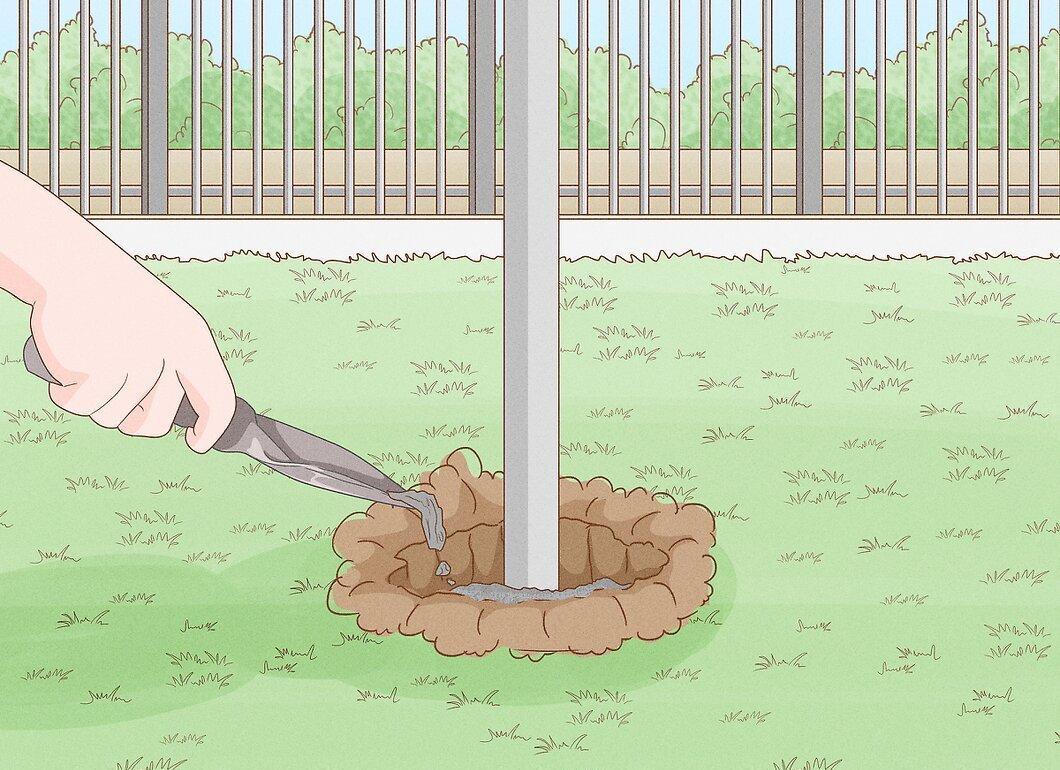
If the flagpole can’t be securely installed in the ground, use concrete. Dig a hole, insert the base of the flagpole, and temporarily hold it in the correct position with bricks.
- Without moving the flagpole, pour concrete into the hole, leaving the level of the mixture slightly below the surface.
- Once the concrete sets, remove the bricks and fill the hole with soil. Your flag is now ready for use!