Conquer Your Fear of Roller Coasters: Tips and Tricks
Fear of roller coasters can generally be categorized into three types: fear of heights, fear of accidents, and fear of being strapped into a seat. However, with the right approach, you can learn to manage these fears and start enjoying unforgettable rides. In the late 90s, a theme park hired a professor from Harvard Medical School to develop treatments for "roller coaster phobia" and stress management techniques to help guests cope with their fears. In this article, you'll find tips to boost your confidence and advice for those daring to take their first ride while wanting to keep their emotions in check. You might even end up loving it! Keep reading to learn more.
How to Boost Your Confidence
Step 1. Prepare for the Ride.
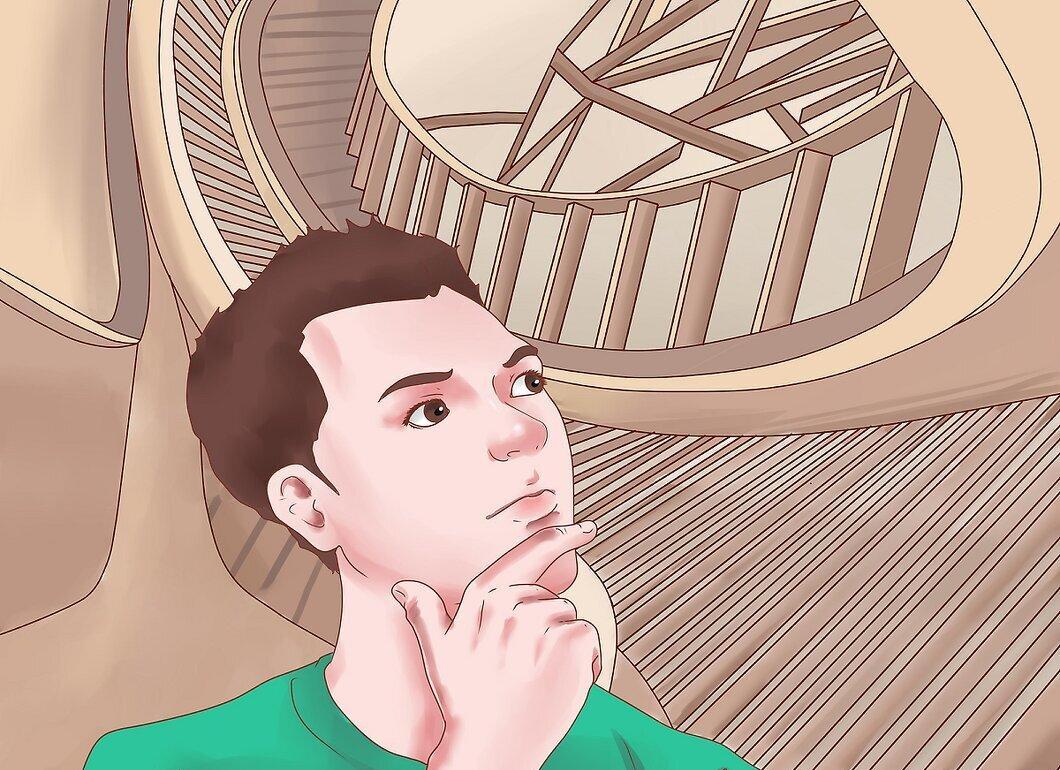
The first step in overcoming your fear is knowing what to expect. Before you ride, familiarize yourself with different roller coasters. Theme parks usually categorize attractions by intensity level, so you can learn more about a specific coaster by purchasing a park map or visiting their website.
- Wooden coasters are classic rides that typically don’t feature complex loops and have sharp drops. Steel coasters, on the other hand, offer more intricate designs with many turns and even inversions. Some steel coasters have a lot of turns but dive down less frequently.
- If steep drops scare you, try to find coasters with rounded descents that provide a smoother drop. You can also opt for rides that accelerate gradually rather than plummeting sharply, although these attractions can still be quite fast. It might sound strange, but many children’s rides are suitable for all ages, so start there.
- Try not to fixate on details like height or speed. However, it’s beneficial to know what turns and drops to expect so that you can prepare and choose a coaster that you feel comfortable riding. After the ride, you’ll be able to share your experience with others or even brag about it.
Step 2. Talk About Your Fears with Others.
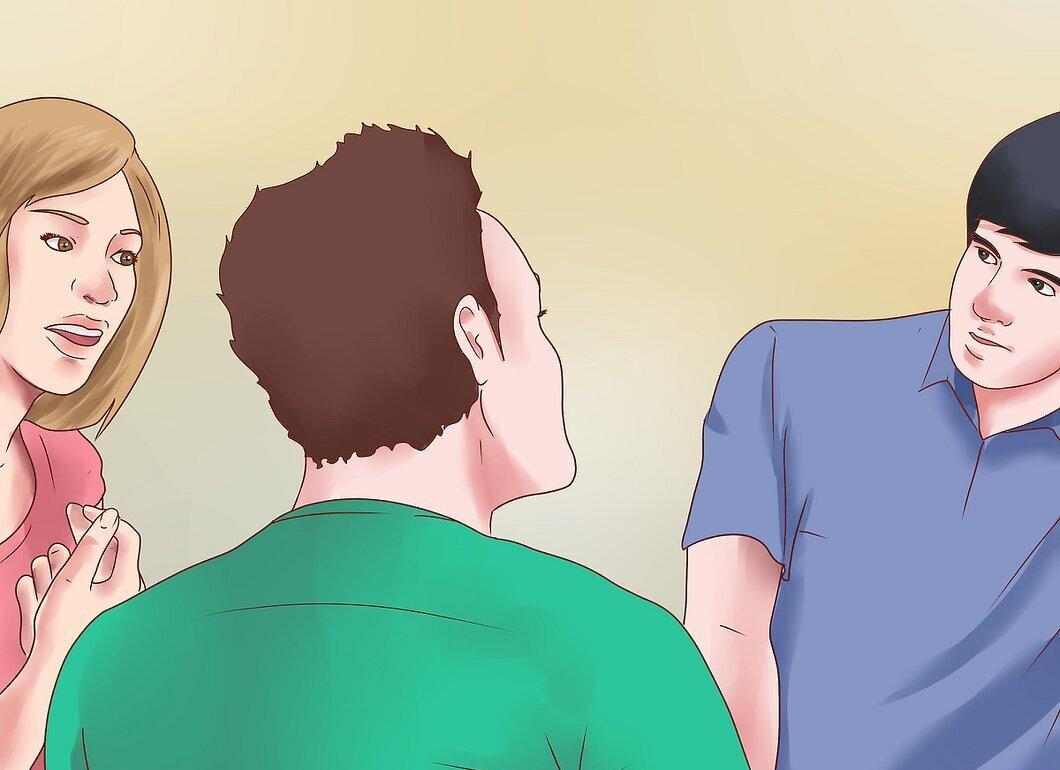
Discussing your feelings with others can help. Every year, millions of people enjoy rides on roller coasters, and it’s truly fun! Don’t be afraid—connecting with fellow thrill-seekers can spark your interest and help ease your nerves. Talk to those who have also felt fear but now enjoy roller coasters. This can give you insight into which coaster to choose.
- Share your concerns with family and friends or park staff who love riding attractions. Ask which coasters are considered safe and which ones to avoid. You can also learn about others' first experiences to avoid making the same mistakes during your first ride.
- Don’t forget to search online for the best roller coasters at your chosen park. Watch videos on YouTube to see what to expect.
Step 3. Accept that Roller Coasters Are Meant to Provide Thrills.
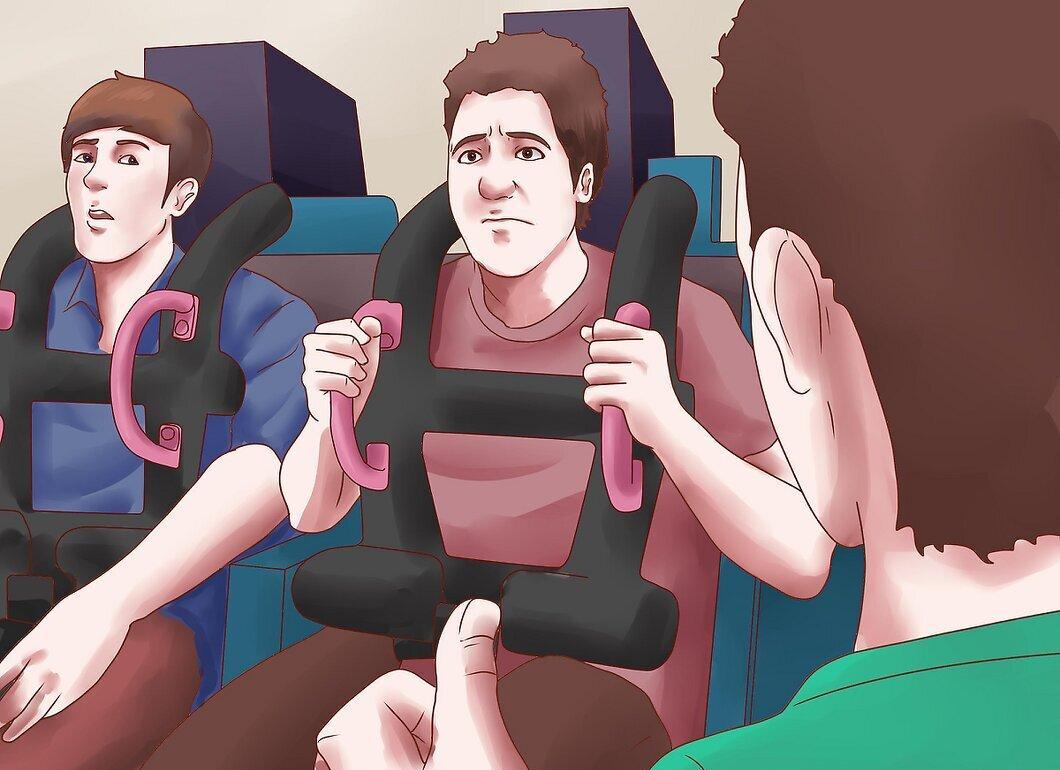
Recognize that roller coasters are entertainment designed to evoke thrills. If the thought of plummeting from the 12th floor at 60 mph scares you, that’s perfectly normal. It just means the park is doing its job! Roller coasters are meant to scare and provide adrenaline, but it’s essential to follow safety rules. Rides undergo regular inspections, and all necessary tests are conducted before they open. There's no need to worry about accidents in specialized parks.
- Accidents on roller coasters sometimes make headlines, but most injuries occur due to visitor negligence or ignoring rules. If you follow instructions and remain seated during the ride, you’ll be fine. Statistically, the likelihood of injury while driving to a theme park is higher than on roller coasters. The chance of fatal accidents on coasters is 1 in 1.5 million.
Step 4. Ride with Friends.
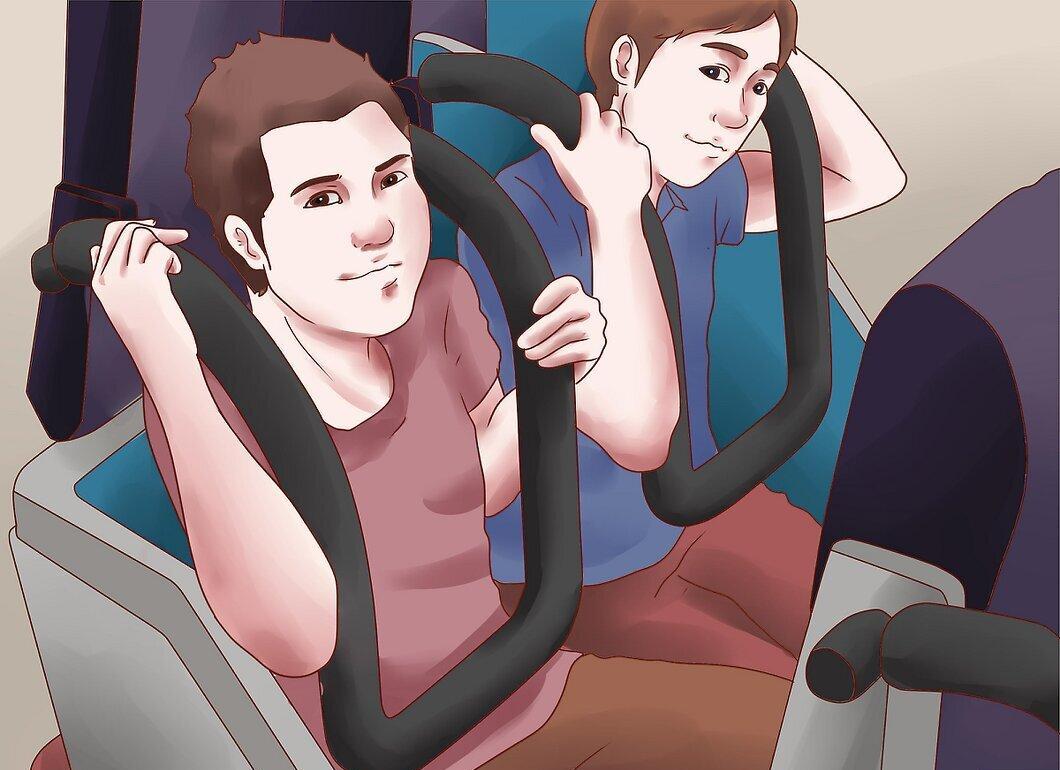
Spend time with friends at theme parks. Riding roller coasters should be enjoyable, and it's much easier to muster the courage for a ride when friends are around. You can scream together and cheer each other on. Some people feel more confident when there are companions who have ridden before and can offer support.
- Don’t go with those who pressure you into doing something you don’t want to. Listen to your feelings and don’t ride something you’re uncomfortable with. It doesn’t matter what others think; what matters is that you feel at ease. Don’t let anyone force you onto a roller coaster if you’re not ready.
Step 5. Be Mindful of Time.
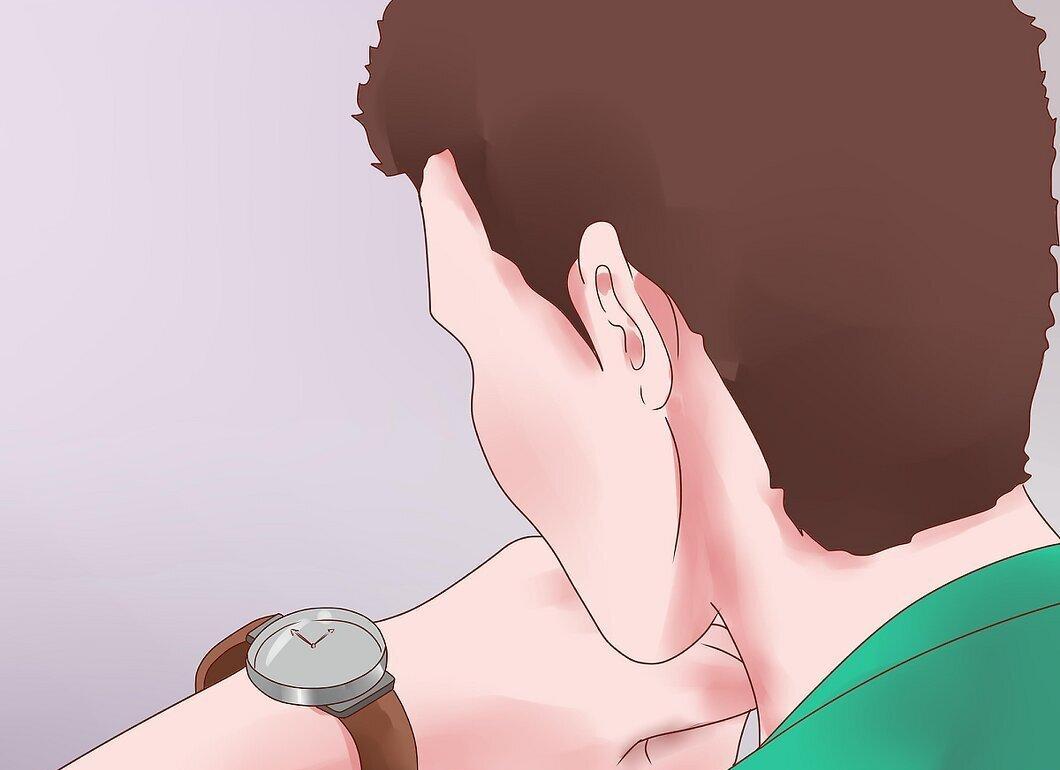
Keep track of time. Typically, a roller coaster ride lasts less time than depicted in advertisements. Sometimes the lines can take twice as long as the actual ride. The drop can be over before you even catch your breath. Remember that while waiting in line, you might feel more fear than during the ride itself, which will likely bring you a lot of joy.
Step 6. Read the Rules Before Lining Up.
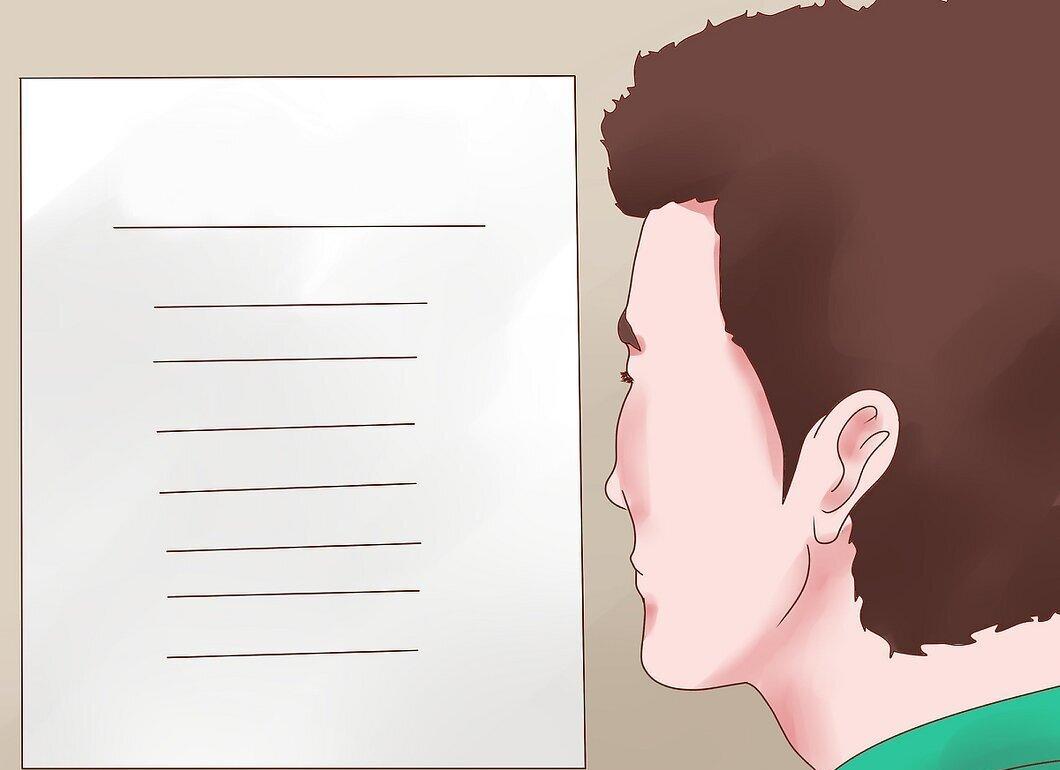
Read the requirements and instructions before you queue up. Ensure you meet height and health criteria. Pregnant women and those with heart conditions are usually not allowed to ride roller coasters.
Your First Roller Coaster Ride
Step 1. Start with Simple Rides.
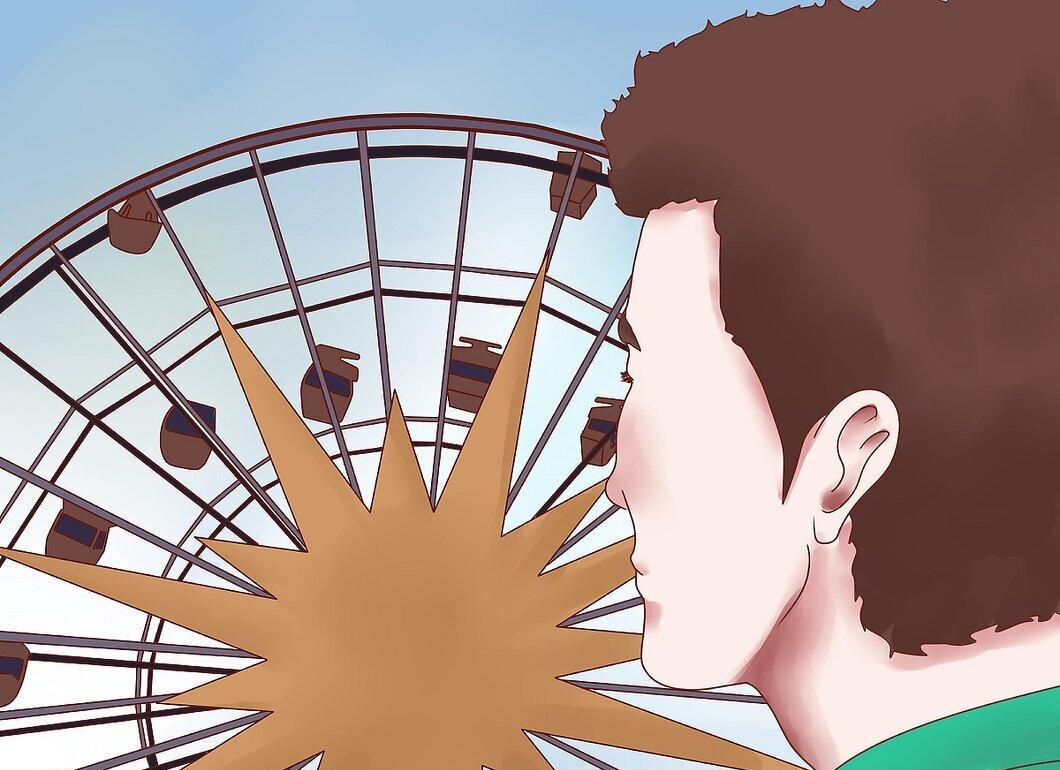
Don’t jump straight onto the most extreme rides like Death Drop 2000 or Vortex. For your first experience, opt for older wooden coasters with low or medium drops and without complex inversions. Take some time to explore the park's offerings and start with less intimidating options.
- Ride other attractions first to build up your adrenaline and get used to the sensations. Even though roller coasters may seem frightening, they are not much scarier than other rides. If you can handle the scrambler, riding a roller coaster will feel more accessible.
Step 2. Don’t Watch Others Ride.
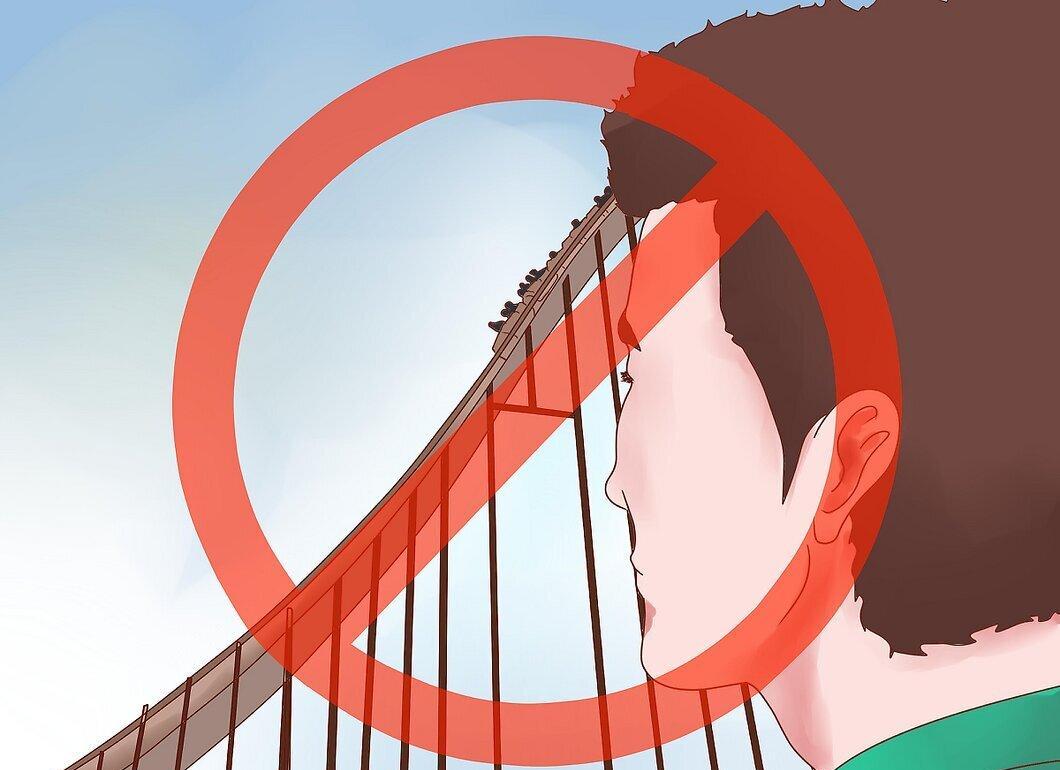
Avoid watching others ride. While waiting for your turn, try not to give in to the temptation to watch the drops or the scariest moments of the ride. Instead, it’s better to talk with friends to distract yourself from the nerves. There’s no point in getting anxious while standing still. Try to focus on something else.
- In line, focus on the people exiting the ride, not the scary twists. Most of those people are likely leaving the coaster with smiles, and you will too!
Step 3. Sit in the Middle.
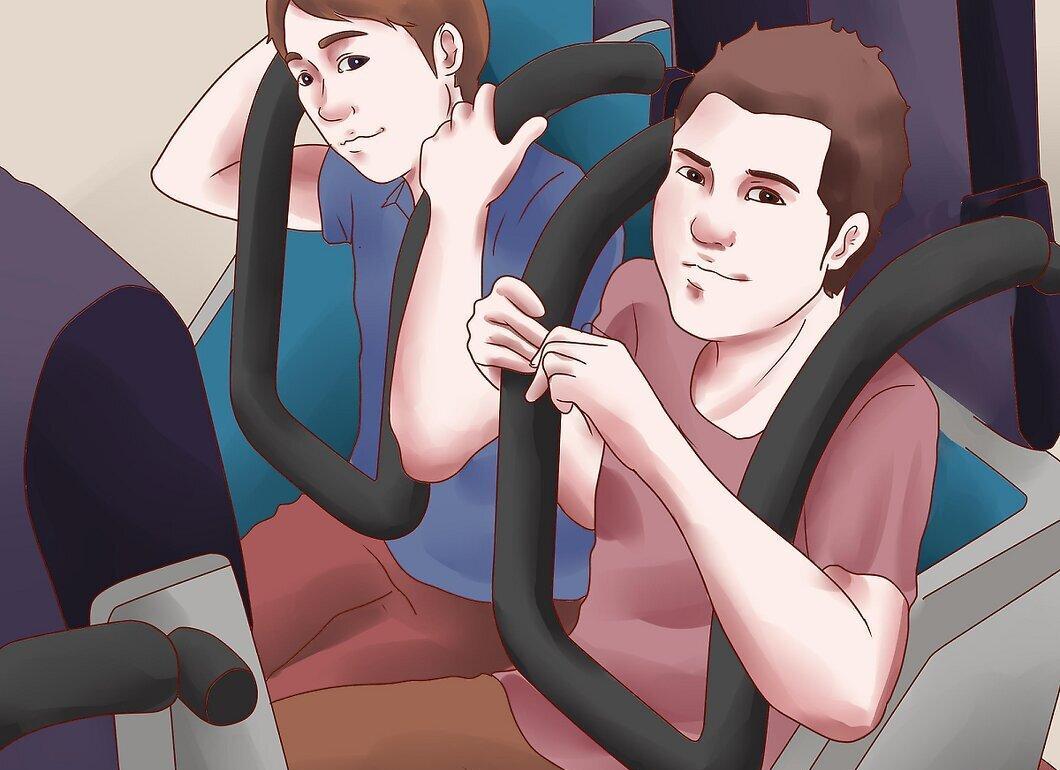
If it’s your first ride, choose a seat in the middle. This will allow you to focus on the back of the front seat and reduce anxiety. While you can look in any direction, sitting in the center will be the safest.
- If it’s more comfortable for you, sitting upfront allows you to see what’s happening. Sometimes, not knowing what’s coming can be scarier.
- Avoid the last car, as it can be more intense due to dynamic forces in turns and drops.
Step 4. Follow Park Staff Instructions.
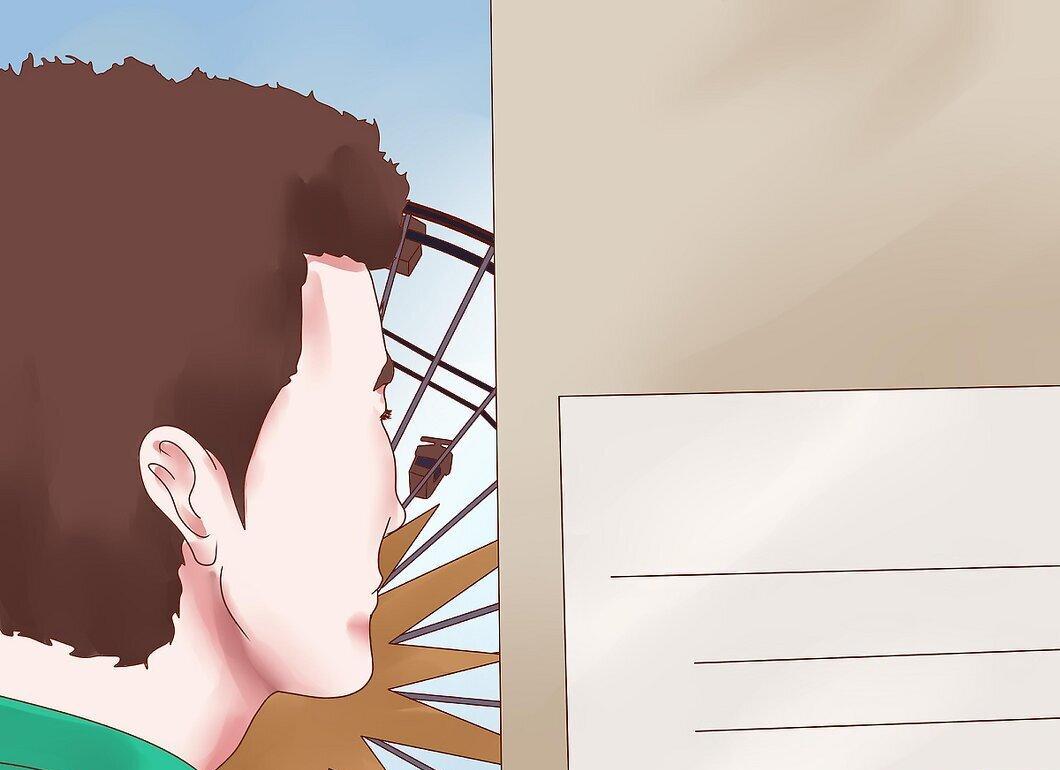
Listen to the instructions from park staff when getting into the ride. Pay close attention to their directions, as different coasters may have various safety systems. Ensure all safety restraints are properly secured.
- Before boarding, check that you are comfortable and that the restraints are secure. If you find it difficult to reach them or are unsure about their fastening, don’t hesitate to ask a staff member for assistance. Even if you secure the restraint yourself, someone will still come over to ensure it’s secure.
- Once you’re strapped in, relax and take a few deep breaths. Make sure you have nothing in your pockets, and just enjoy the ride.
During the Roller Coaster Ride
Step 1. Look Ahead.
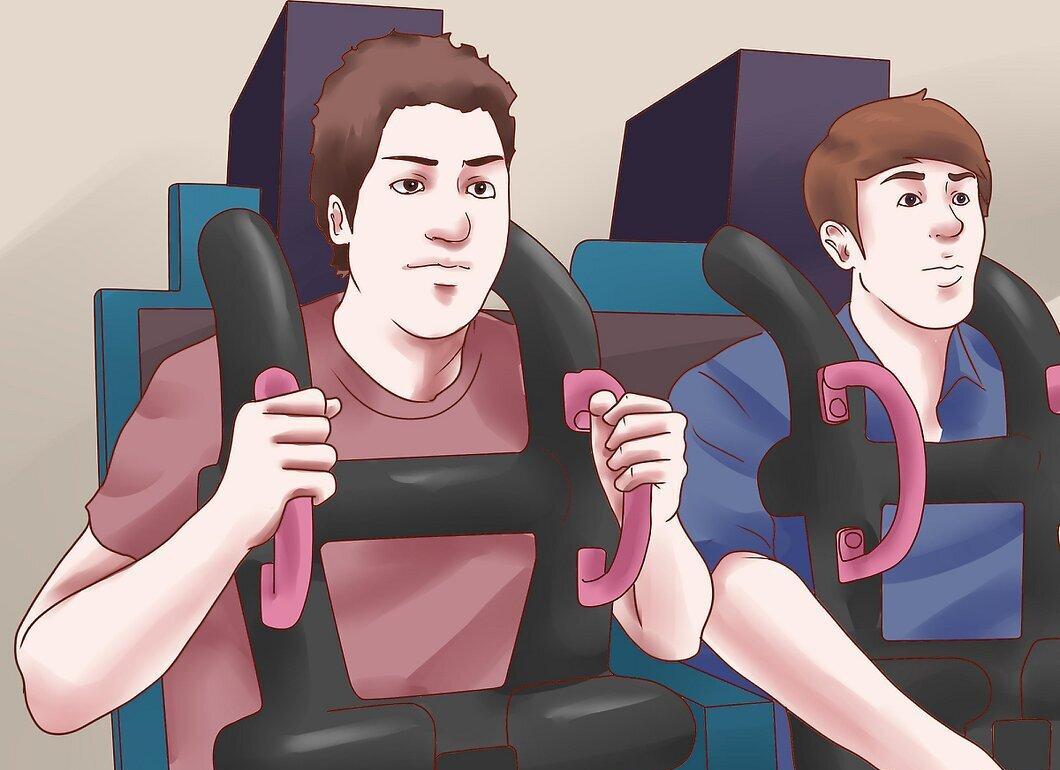
Focus on what’s ahead. Keep your head straight and lean back against the seat while looking at the tracks or the seat in front of you. Don’t look down or distract yourself; otherwise, you’ll feel all the speed, which may lead to dizziness and nausea. Just don’t look down.
- This is especially important when you enter a loop. Look ahead and focus on the tracks; this way, you’ll only feel a light sensation of weightlessness, which is quite pleasant and passes quickly.
- Try not to close your eyes. Many inexperienced visitors think that closing their eyes will help, but it can actually lead to disorientation and even nausea. Focus on stationary objects and try to keep your eyes open.
Step 2. Breathe Deeply.
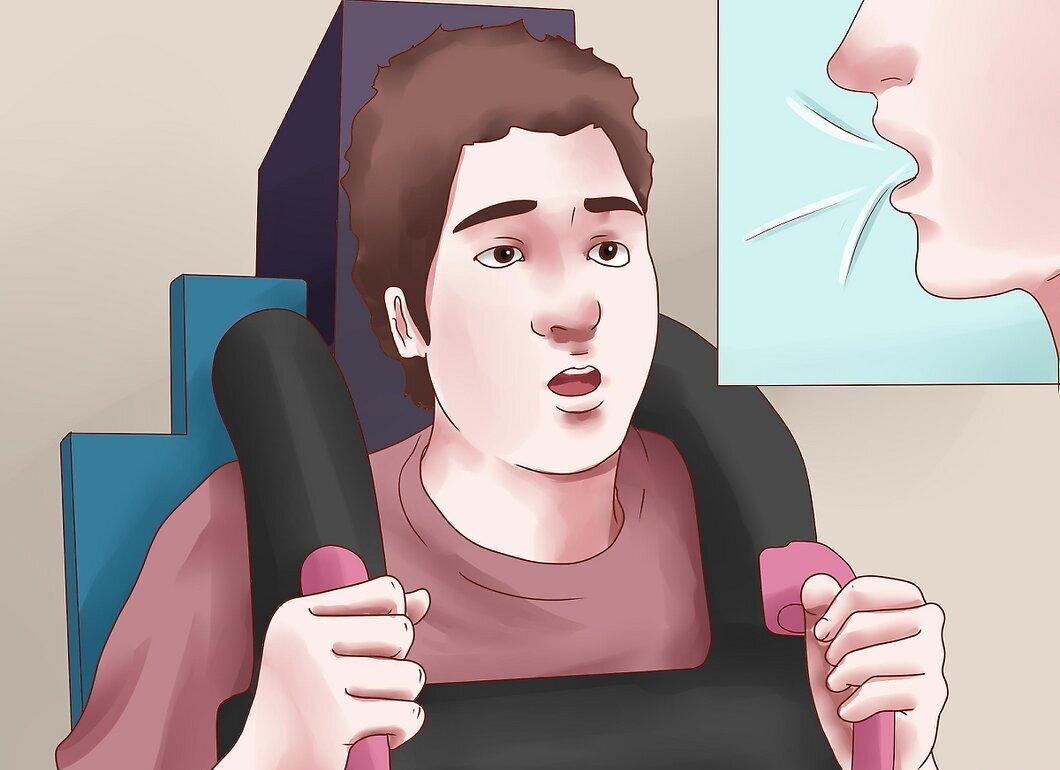
Don’t hold your breath during the ride, or you may feel dizzy. As you approach a steep drop, take several deep breaths and focus on your breathing. This will help calm you and clear your mind. Just breathe. You’ll enjoy it.
- Count your breaths—it can help. Inhale for a count of four, hold for a count of three, and exhale for a count of two. Keep breathing in this rhythm to soothe your nerves.
Step 3. Relax Your Muscles.
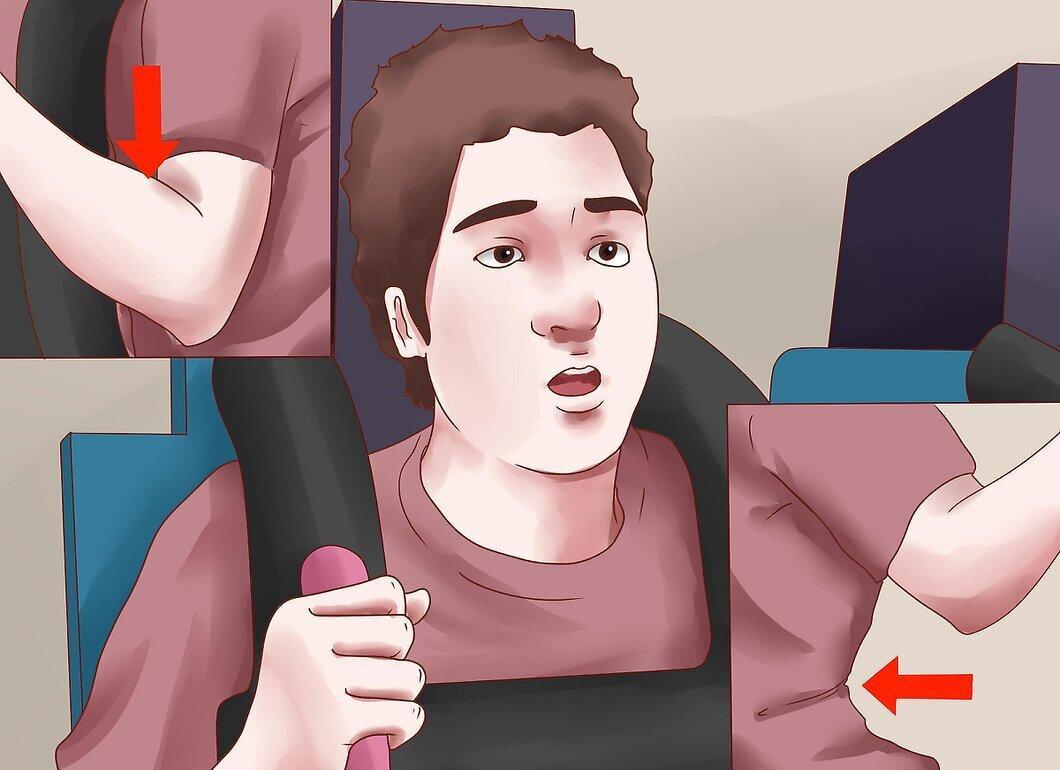
At some point during the ride, you’ll likely feel a lightness in your stomach. That’s the essence of riding roller coasters, but not everyone finds it easy to endure. To relax, tense your stomach and arm muscles, hold onto the safety bars tightly, and try to calm down.
- Riding roller coasters releases a lot of adrenaline, which creates a thrilling sensation. Your heart rate goes up, you may sweat, and your breathing speeds up. To mitigate this effect, you can tense your muscles to signal your body to relax.
Step 4. Ignore Scary Decorations.
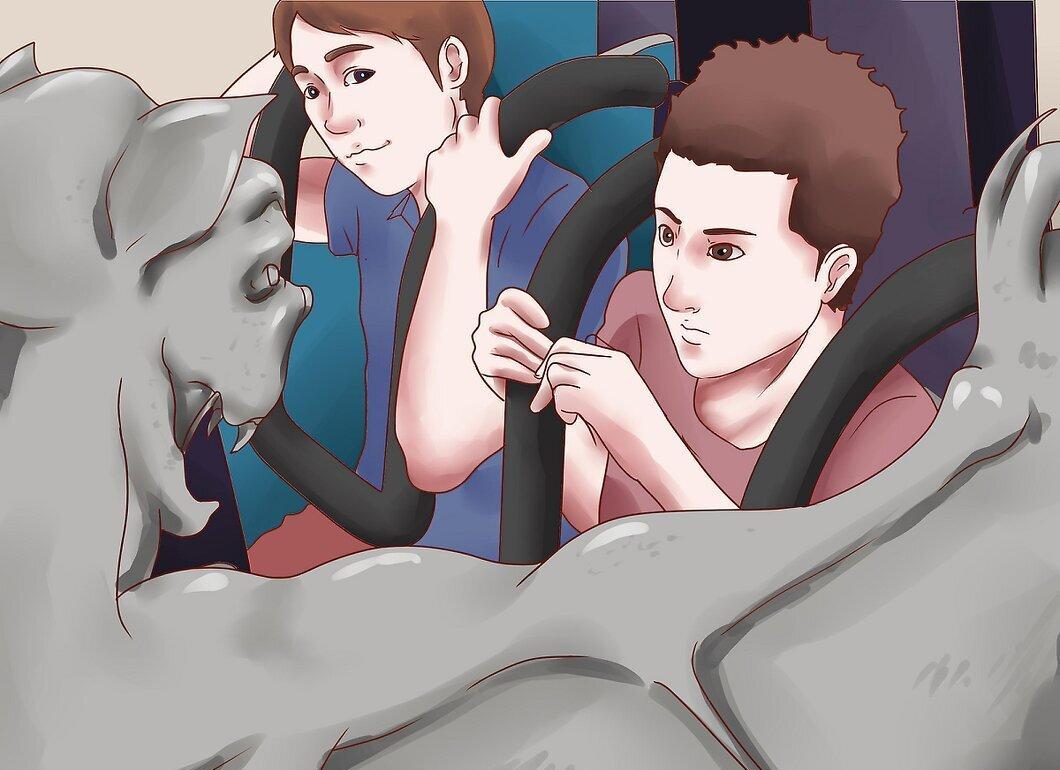
Don’t pay attention to the scary elements around you. Many coasters are equipped with frightening decorations, like scary images and dark lighting, which can unsettle you. If physical sensations disturb you, such decorations can heighten your fear, so it’s best to ignore them. If something unexpected comes your way, just look ahead and don’t worry.
- Some rides have a narrative context that can help distract you. If something scares you, just enjoy the ride and don’t think about the scary aspects.
Step 5. Don’t Be Afraid to Express Your Emotions!
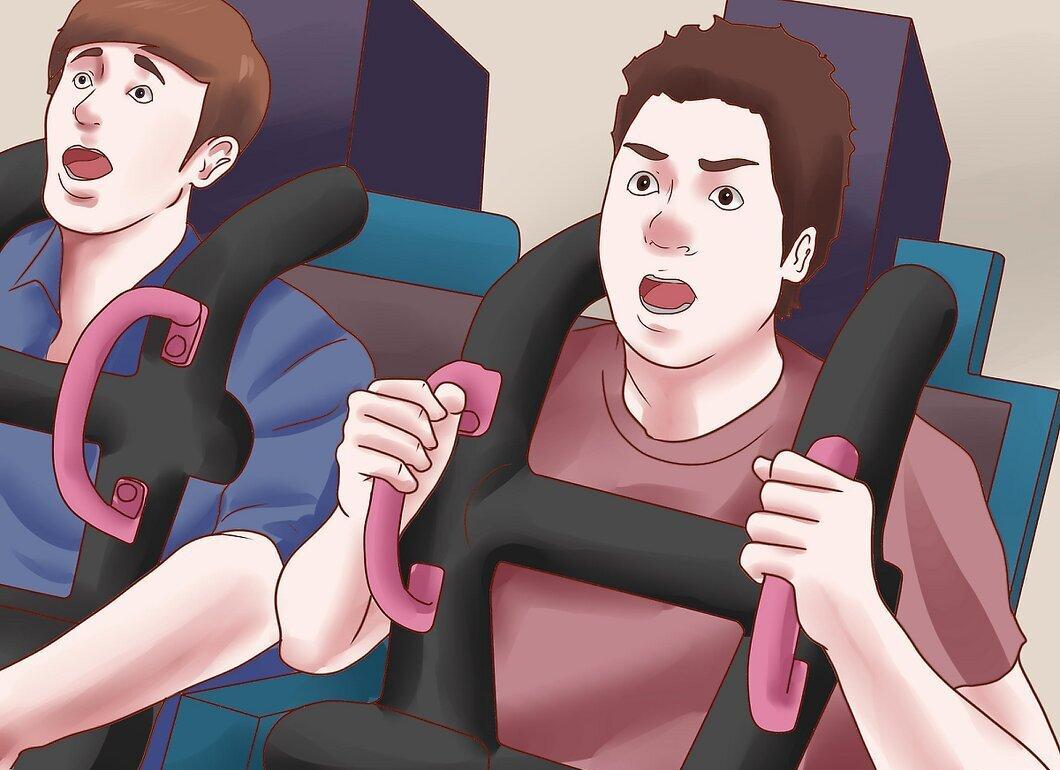
Don’t hesitate to scream! You’re likely not alone in your screams, as the ride will be loud. Instead of sitting silently in fear, just let yourself scream and have fun. You can shout something like "Woohoo!" This will help you cope with the tension and add to the enjoyment.
Step 6. Use Your Imagination.
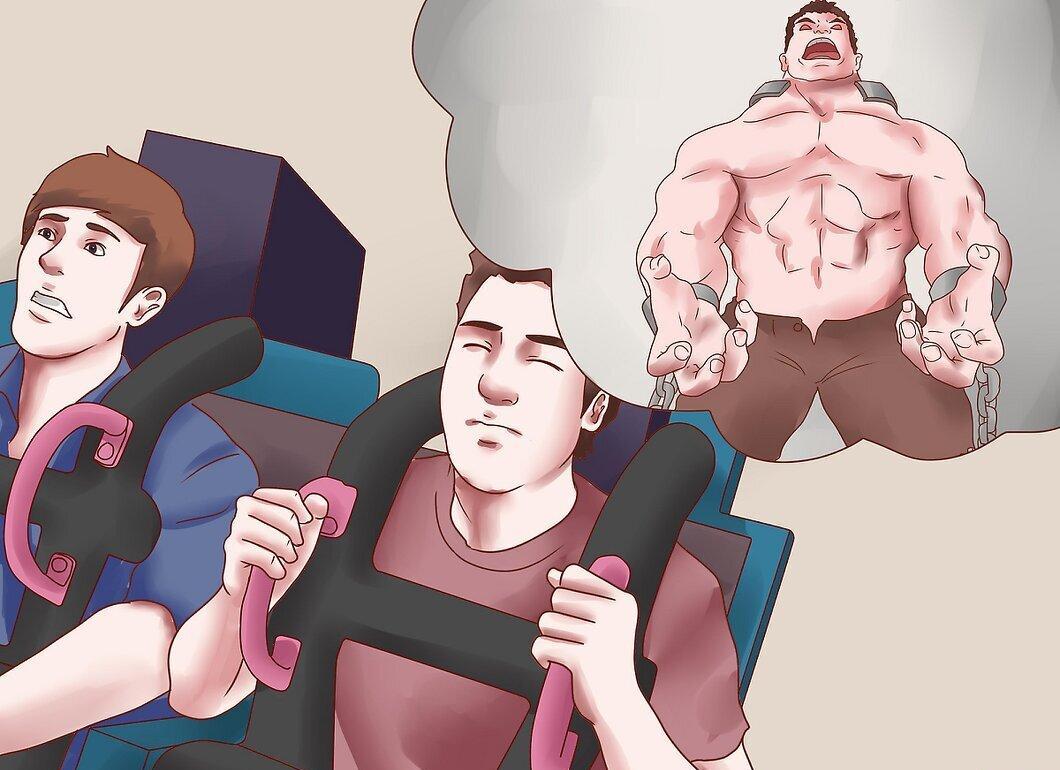
If fear still lingers, try to distract yourself using your imagination. Picture yourself flying in a hot air balloon or soaring alongside Batman. You can even imagine that you’re controlling the train yourself. If you divert your attention from the sharp turns and drops, the ride will go by much faster.
- Imagine that you are a fantastic creature. For example, envision yourself as a free dragon or a kraken racing through the sky. Focusing on your strength can help you relax and distract you from what’s happening.
- Some people love to repeat mantras or songs during rides. Hum something familiar or a simple phrase like, "Everything will be okay."
Step 7. Listen to Your Feelings.
Always follow your instincts. If the ride feels too risky or the ride operators seem concerned, it’s best not to ride those coasters. Most attractions in major parks are thoroughly checked mechanisms.
- Roller coaster tracks are inspected daily before opening, and if any issues are found, the ride is closed. If a coaster has been closed frequently recently, it’s better to skip it.