
Writing an essay, report, or scholarly paper in philosophy is a task that differs from other genres. The main aim of a philosophical text is to first clarify a philosophical idea and then either support or refute it. This means that you must have a thorough understanding of all the terms you will use and have your own viewpoint to analyze the particular concept. Writing a philosophical paper may seem daunting, but it is entirely achievable if you prepare thoroughly and create a detailed outline.
The Process of Outlining a Philosophical Essay
Step 1. Set Aside Time for Reflection.

Allocate time for reflection. Creating a quality philosophical paper requires significant time investment and a thoughtful approach. Therefore, it’s best to start working on the essay as early as possible. In a philosophical context, you need to provide convincing arguments and carefully contemplate the issue, which takes time.
- Begin to formulate your ideas for the essay as soon as you receive the assignment. Jot down thoughts whenever you have free time and reflect on what exactly you want to convey.
Step 2. Familiarize Yourself with the Necessary Materials.

Study all materials related to the assignment. Before you start formulating your thoughts for the essay, it’s important to review the literature relevant to the topic. If you have already read some sources but didn’t remember or understand certain points, it’s worth rereading them before you start working.
- A clear understanding of the concepts being discussed is critical for writing a successful essay. Otherwise, your explanation of philosophical ideas may be inaccurate, and your arguments might not be taken seriously.
Step 3. Ensure Clarity of the Assignment.

Make sure you understand the assignment correctly. Some instructors elaborate on every aspect of the task, while others only outline it broadly. Before you start working on the essay, it’s essential to have a clear understanding of what is required of you.
- If anything is unclear, don’t hesitate to ask your instructor for clarification.
Step 4. Identify Your Essay's Target Audience.

Determine who you are writing for. When planning and writing your essay, it’s important to consider your audience. The primary audience will be your instructor, as well as your classmates.
- Think about the fact that the reader may have their own views on philosophy but hold different opinions. Therefore, if you introduce a term or concept, explain them in a way that makes your point easy to understand.
Step 5. Choose Your Sources Carefully.
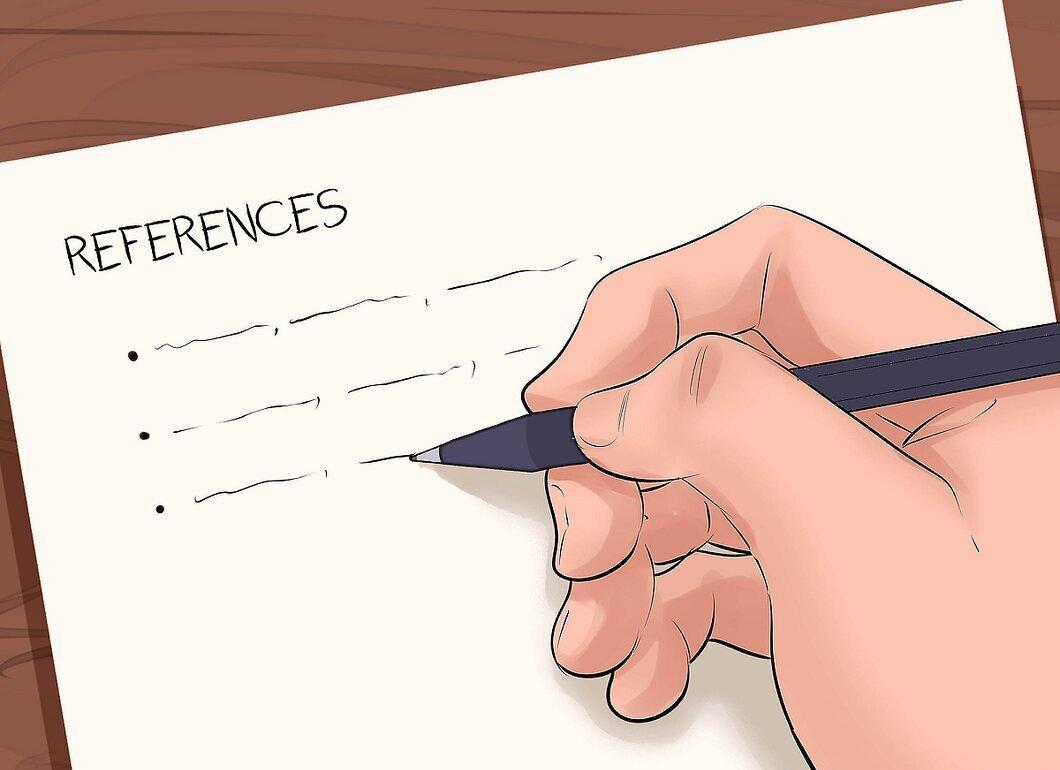
Carefully select references for your text. When writing a philosophical essay, it’s best to use quotes and excerpts from works only when absolutely necessary. The main goal of writing the essay is to explain and analyze the philosophical concept in your own words. Avoid excessive reliance on quotes and paraphrases.
- Quote only when it genuinely supports your position.
- Remember to cite the source for each quote (or paraphrased excerpt), including the author’s name and page number.
Step 6. Formulate Your Main Thesis.
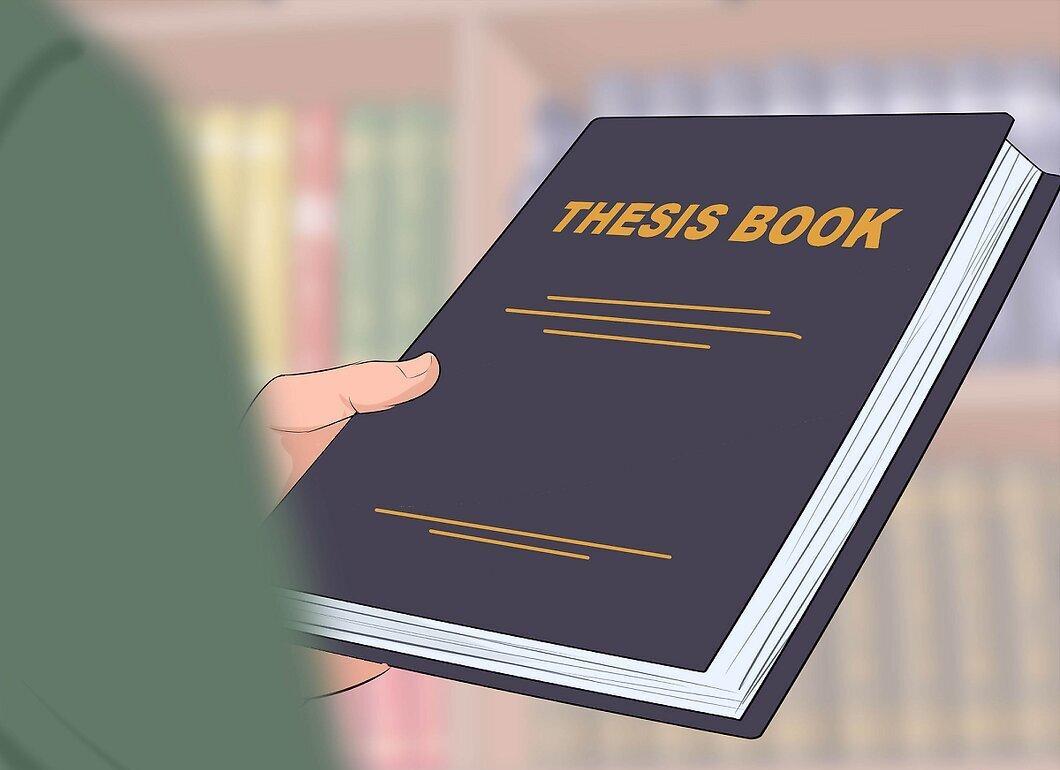
Formulate your thesis. Every philosophical essay revolves around a central thesis. It reflects your position, so it’s essential that all arguments in the text relate to this thesis. Remember that your thesis should not only state your opinion but also explain why you have chosen that particular stance.
- For example, if you plan to refute Aristotle's claim about the connection between beauty and virtue, briefly justify your opinion. One reason for your rebuttal could be that beautiful people are not always virtuous. In this case, your thesis could be formulated as: "Aristotle's assertion that beauty is linked to virtue is incorrect, as we often observe beauty in individuals far removed from virtue."
- Write your thesis at the end of the first paragraph of the essay.
Step 7. Develop the Structure of Your Essay.
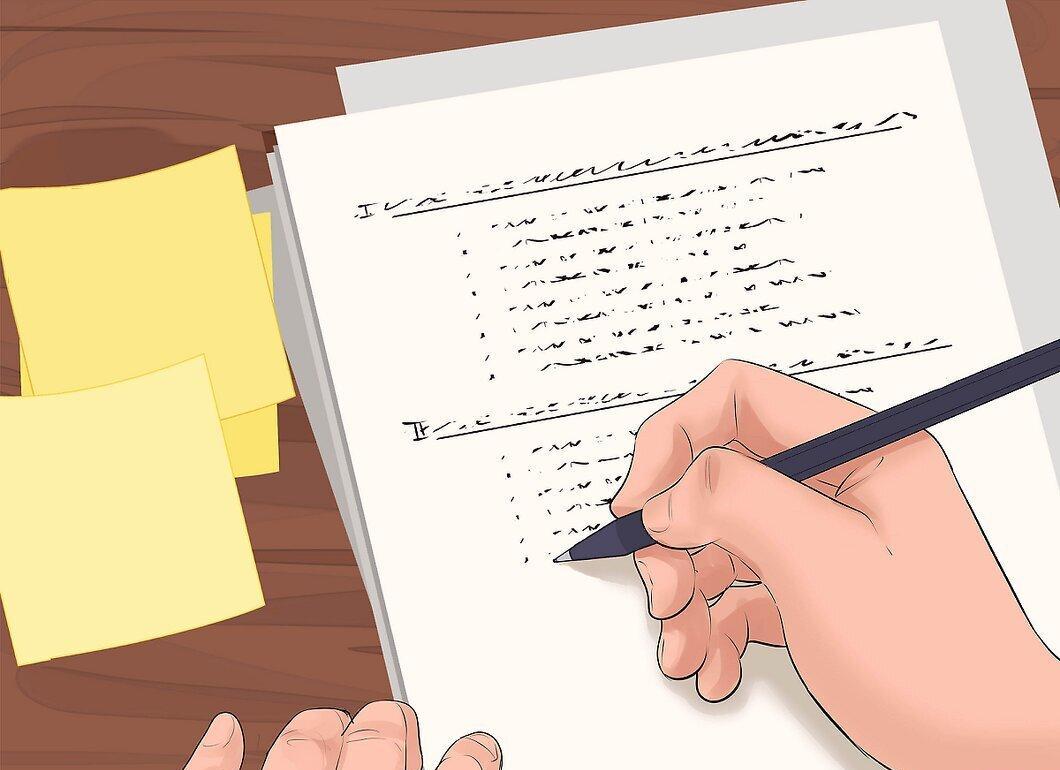
Create the structure of your essay. This will help maintain a logical order of presentation. Ensure that your outline includes all necessary elements. Try to draft a brief outline that contains:
- ideas for the introduction;
- thesis;
- main supporting points;
- key analysis points with evidence;
- possible counterarguments and your responses to them;
- ideas for the conclusion.
Preparing to Write a Philosophical Essay
Step 1. Write Down How You Would Explain Your Viewpoint Verbally.
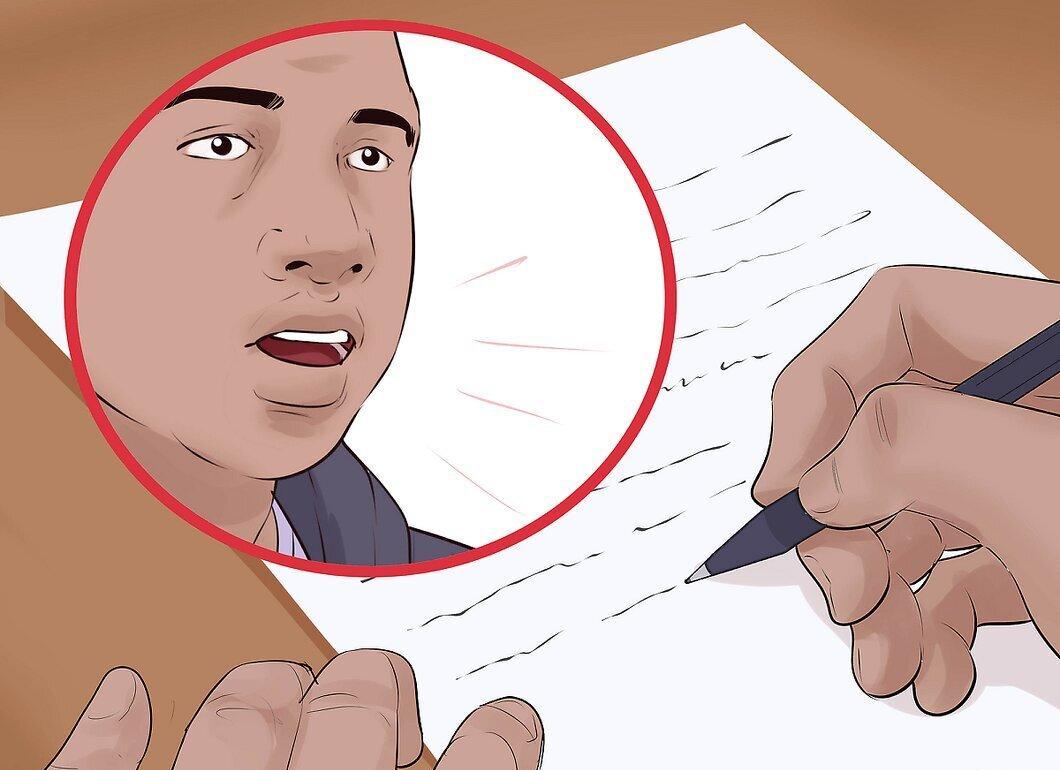
Write down how you would express your position orally. A complex and convoluted style will not make you appear more knowledgeable. It’s best to use simple and clear language to convey your thoughts. Imagine you are explaining the concept to a friend and providing arguments in support of or against it.
- Avoid unnecessary words. Readers will find it difficult to understand your point if you overload the text.
- Before using new words, check their meanings. If you want to use specialized terms, ensure that you understand them correctly before inserting them into the text. A thesaurus doesn’t always provide grammatically correct options.
Step 2. Enrich Your Introduction with Details.
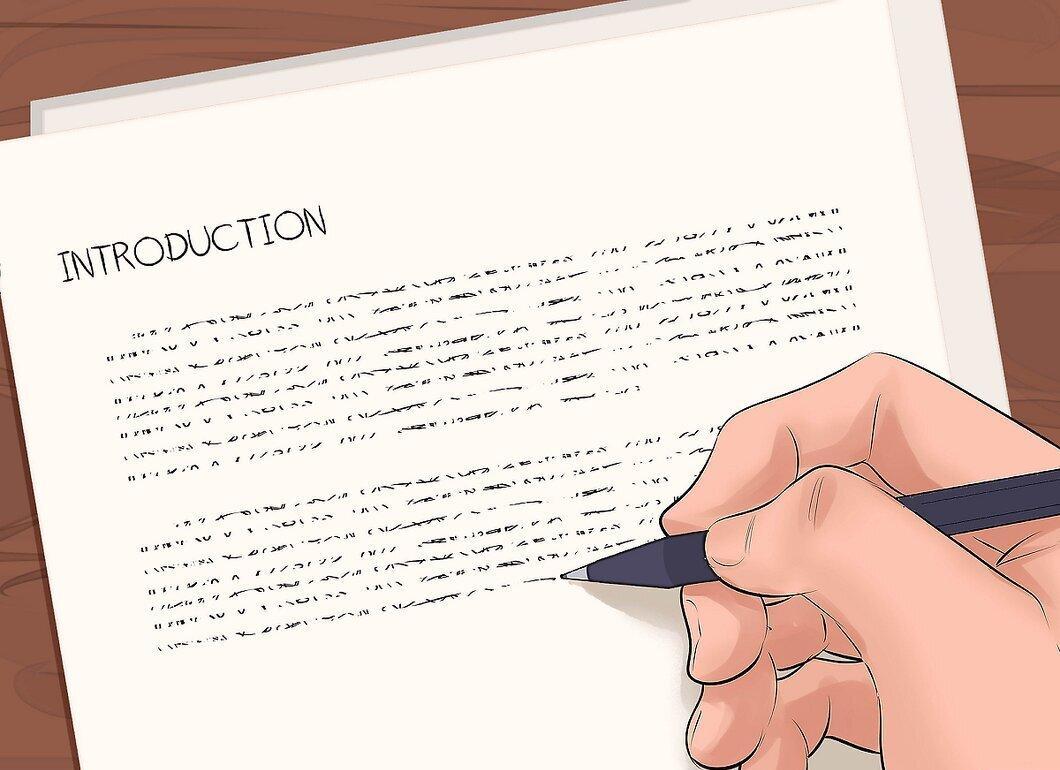
Enhance your introduction with necessary details. The introduction is a key part of the essay that shapes the first impression of your work. It’s a great opportunity to capture the reader's attention and briefly outline your arguments. Therefore, it’s crucial to write it well.
- Avoid starting with general phrases like "Since ancient times..." or "People have always wondered..." Better to get straight to the point. For example, you could start with the phrase: "Aristotle often draws a parallel between beauty and virtue in his works."
Step 3. Clearly Explain Your Position.

Clearly explain your viewpoint. After the introduction, it’s important to justify the philosophical judgment or concept you want to support or refute. Make sure you understand the philosopher's idea clearly and objectively.
- Do not add or exclude details that could give you an advantage in analysis. Otherwise, the instructor may find your arguments unconvincing.
- Stick to the key details of the judgment. If you don’t plan to dispute certain aspects of the concept, don’t elaborate on them unless it is necessary for understanding your position.
Step 4. Support Your Thesis with Arguments.

Support your thesis. After clearly explaining your position, move on to analysis. The analysis should support your viewpoint and be coherent. Avoid contradictions and remain true to your opinion.
- A great way to substantiate your thesis is by providing examples from personal experience or coming up with your own analogies. For instance, if you argue that beauty and virtue are not related, you might mention a criminal whom many consider attractive.
Step 5. Anticipate Possible Counterarguments.

Anticipate possible objections to your judgment. A well-argued judgment should counter any counterarguments. Try to foresee the most obvious objections and think of ways to respond to them.
- Don’t try to refute every possible objection. Focus on three main arguments that may arise from opponents.
- For example, if you assert that beauty and virtue are not related, you could refer to studies showing that attractive women with poor personality traits are less appealing to men.
Step 6. Conclude with Impact.
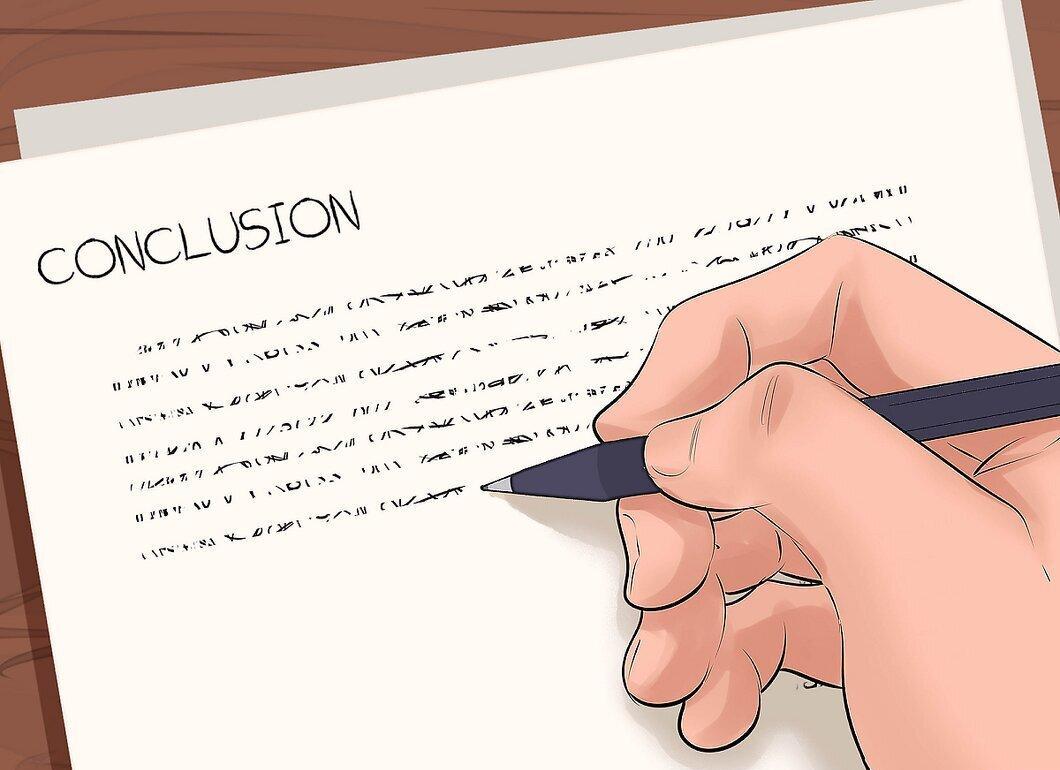
Wrap up your essay effectively. The conclusion is an important element that allows you to summarize, clarify, and highlight the key points of your essay. Try to finish your work in a way that readers understand why your topic is significant.
- For example, you might describe how your essay reveals the importance of this topic for philosophy. If your work is dedicated to Aristotle's concept of the connection between virtue and beauty, explain how it demonstrates the distinction between appearance and character.
Reviewing and Editing the Essay
Step 1. Put Your Essay Aside for a Few Days.

Set your essay aside for a few days. This will allow you to rethink it from a new perspective. Upon returning to the essay with fresh eyes, you will find it easier to improve, add, or change certain elements than if you started editing right after writing.
- If possible, put the work aside for at least three days. It’s better to take a break and come back after a few hours than to not take one at all.
Step 2. Read the Text, Focusing on Content and Clarity.

Reread your work, focusing on content and clarity. Revising is not just about correcting grammatical errors. It’s an opportunity to look at the essay with fresh eyes and make significant changes and additions.
- During the revision, pay attention to your arguments. Do they seem convincing? If not, what can be improved? Are the terms clear? If they are not, how can they be better explained?
Step 3. Ask Someone to Read Your Essay.

Ask another person to read your work. This will help you improve the text. A person unfamiliar with philosophy can help highlight areas that need refinement.
- Ask a classmate or friend (preferably one who writes essays well) to look over your work and comment on it.
- Many educational institutions offer writing workshops; consider enrolling in such classes and asking an instructor to evaluate your work. This can help you find new ideas for revision.
- You can also show the essay to your instructor for a preliminary review if they don't mind. However, it’s important to do this at least a week before the due date, or the instructor may not have time to assess it.
Step 4. Check and Correct Errors in the Essay.

Proofread your essay for errors. Correcting mistakes is the final step, where you need to identify and eliminate grammatical inaccuracies. These small details can distract the reader, so it’s important to set aside time to check your work before submission.
- Review the essay from beginning to end, correcting spelling and punctuation errors. Try reading the text aloud or reading it starting from the end, one sentence at a time. Mark and correct any identified mistakes.