
Tibetan Buddhism represents a well-developed branch of Buddhism that combines deep philosophy with clear meditation guidelines, as well as religious and physical practices reminiscent of Tai Chi, among other things.
Part 1
Step 1. Read the Dalai Lama's Books.

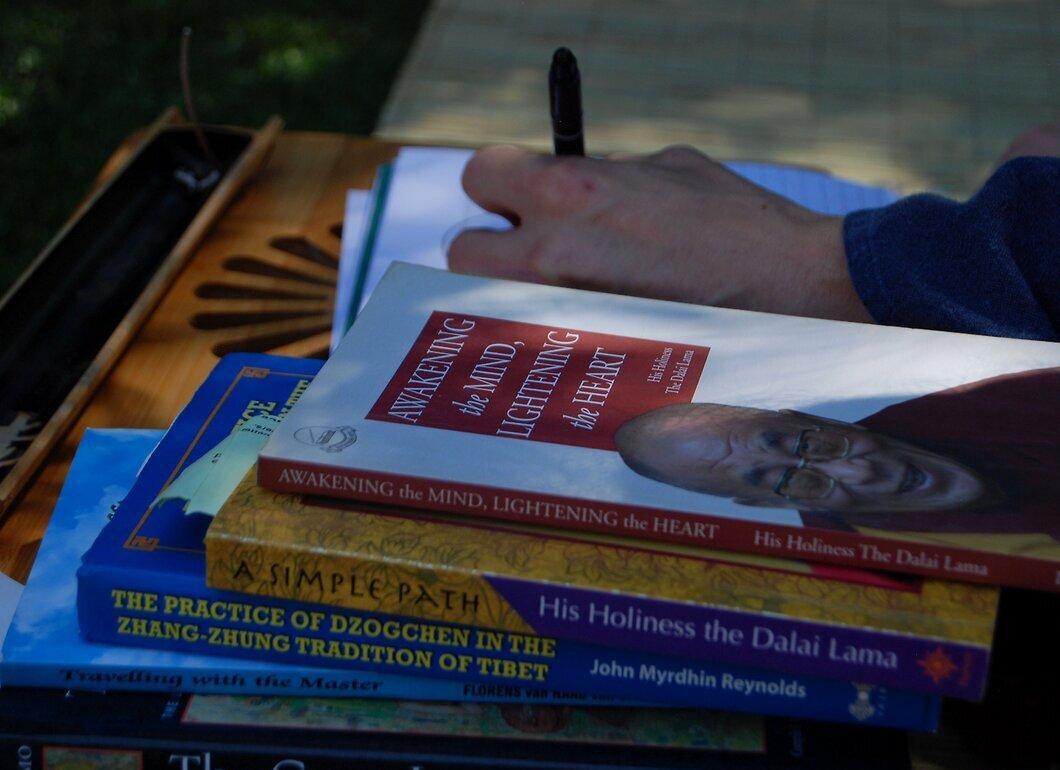
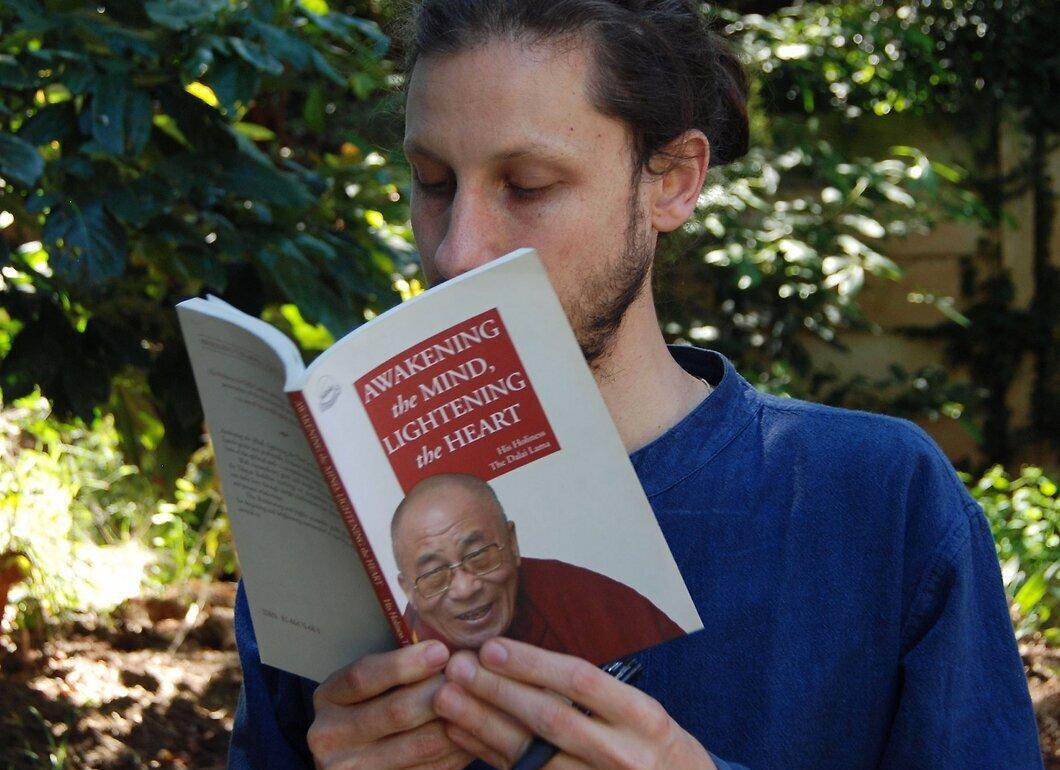
Reading the Dalai Lama's books is a crucial step towards understanding Tibetan Buddhism. Pay attention to works like "The Essential Teachings," "The World of Tibetan Buddhism," "The Mind of Clear Light," "The Art of Happiness," "Open Heart," "How to Practice," and "The Path to Enlightenment." The Dalai Lama is regarded as one of the most educated and humble practitioners of Buddhism, and his writings can serve as a reliable guide.
Step 2. Cultivate Patience.

Patience is key to understanding Tibetan Buddhism. Its philosophical concepts, especially regarding the assessments of the mind, may be challenging to grasp. Take your time to study and reflect, and even if it takes months or years, don’t give up. Memorize meaningful quotes from Buddhist texts to deepen your understanding, and keep meditating.
Step 3. Practice Meditation.

Regular meditation is essential for your spiritual growth. It doesn’t matter which method you choose; the important thing is to meditate every day. Gradually increase your meditation time, but remember the yin-yang principle: if you meditate a lot one day, it’s better to reduce the time the next day.
Step 4. Understand the Importance of Ethics.

Realize that knowledge of high principles is useless if you cannot apply basic ethical norms. Start by studying ethics and strive for self-improvement in this area before moving on to more complex aspects.
Step 5. Visualize Tibetan Buddhism as a Pyramid.

Imagine Tibetan Buddhism as a pyramid, where the base is Hīnayāna, built upon by Mahāyāna with its altruistic motivations and the practices of the Six Perfections, while the pinnacle is Vajrayāna, the key practice of Tibetan Buddhists. Understanding impermanence and suffering in Hīnayāna requires focus, which, in turn, depends on moral precepts.
Step 6. Learn for Different Personality Types.
Tibetan Buddhism offers teachings for people with various characters: profound philosophical concepts for intellectuals, mystical practices for Zen followers, and energy work techniques in Vajrayāna, such as breathing exercises for health and spiritual growth. This makes Tibetan Buddhism accessible to everyone.
Step 7. Study Lamrim and the Basics.
Step 8. Open Your Heart to Bodhichitta.

Make an effort to deepen your understanding of Bodhichitta — an essential aspect of Tibetan Buddhism. Unlike other forms of Mahāyāna, Tibetan Buddhism offers more detailed methods for achieving Bodhichitta.
Step 9. Practice Tonglen for Developing Compassion.

Step 10. Find a Teacher.

Seek a Tibetan lama or Rinpoche to gain knowledge that cannot be acquired on your own, especially if you are interested in specific empowerments. Learn from masters like the Karmapa or the Dalai Lama to deepen your understanding.