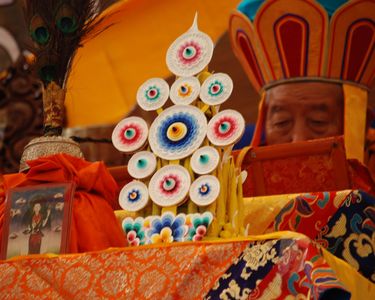
In today's world, billions of people interact with one another, representing different cultures and geographical regions. Therefore, it is essential to have a broad understanding of the religions followed by various peoples.
Part 1
Step 1. Free Yourself from Bias and Stereotypes Before Exploring Religions.
Before diving into the study of religions, liberate yourself from preconceived notions. Strive to understand the essence of each faith deeply, and familiarize yourself with the arguments from both supporters and critics.
Step 2. Reflect on Three Key Concepts – Law, Education, and Religion, which Shape Society through Three Core Concepts – Politics, Industrialization, and Urbanization.

Step 3. Learn About the Concept of Communication Between People.

Study how communication occurs: there is a sender, a receiver, and a channel of communication. It is particularly important to understand that "meaning is created on the receiver's side, based on accumulated information, which is often more significant than the explicit message from the sender."
Step 4. Explore the Differences Between Atheists and Believers.

The first division occurs between atheists and believers. The second is within religions, distinguishing between Abrahamic and other faiths. The third division concerns Indo-Iranian religions, such as Zoroastrianism, Hinduism, and Buddhism, contrasted with ancient tribal beliefs known as paganism.
Step 5. Studying Ancient and Tribal Beliefs, Particularly Related to Ancient Greece and Rome, Will Be Extremely Fascinating.

These religions have significantly influenced European languages and literature, leading to the emergence of new directions and devotions.
Step 6. Immersing Yourself in Tribal and Pagan Religions Will Help You Understand Anthropological Concepts and Human Symbolism More Deeply.

Step 7. Carefully Study the Differences Between Hinduism and Buddhism, which are Often Confused.
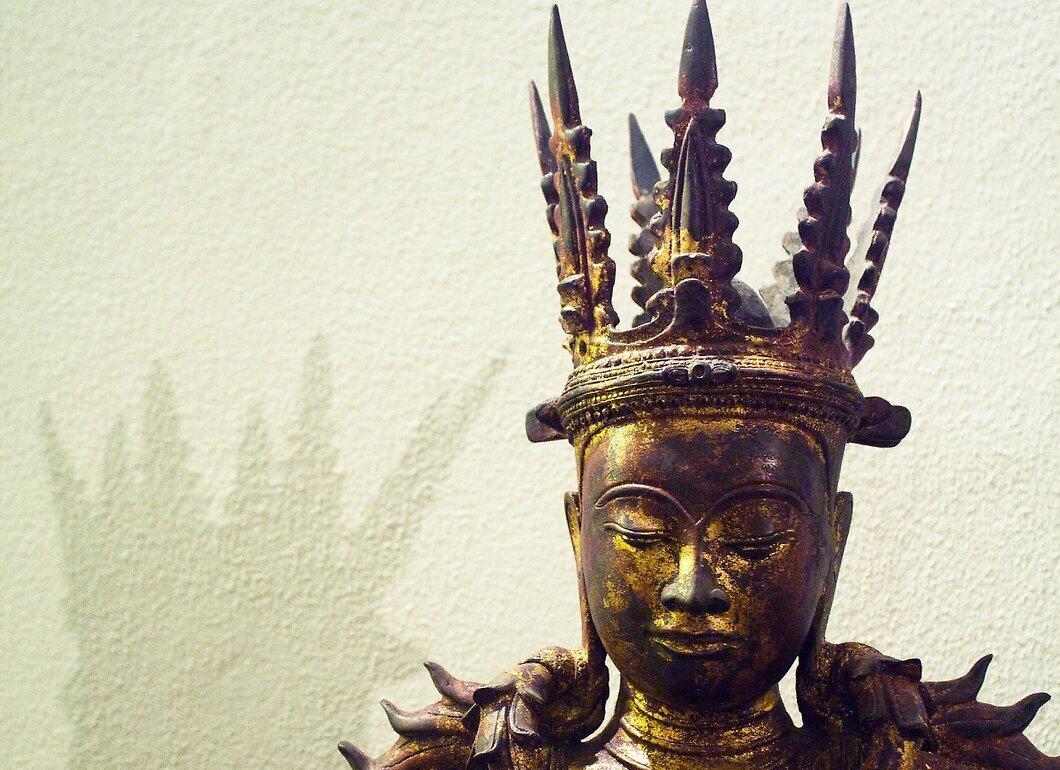
Step 8. Learn About the Different Forms of Buddhism Found in China, Indochina, and Japan.
Step 9. Recognize that, despite the Decline in Followers of Zoroastrianism, this Religion has Significantly Influenced Modern Thought through the Philosophical Ideas of Plato.
Although the number of Zoroastrians has dwindled, their ideas have left a profound mark on history, including influences on Christian rituals such as Sunday, Christmas, and Easter.
Step 10. Distinguish Between Northern Abrahamic Religions (Judaism and Christianity) and Southern Abrahamic Religion (Islam).
Step 11. Research the Origins of All Religions on a Modern Map.

Step 12. Learn About Major Trends, Interpretations, and Movements in the Religion You are Studying.

For Christianity, these could include Catholicism, Protestantism, Evangelicalism, Orthodoxy, Baptism, Lutheranism, Calvinism, Mormonism, and Humanism. In Islam, there are Sunnis, Shiites, Deobandis, Salafis, Reformists, and others. In Judaism, you have Hasidim, Sephardim, Reformists, and Orthodox, while Hinduism encompasses numerous sects.
Step 13. Familiarize Yourself with Mysticism as a Unique Faction or Elite Within All Religions.