Zen meditation can be a true lifesaver during tough times. If you're experiencing tension or anxiety, don't hesitate to explore various meditation methods. Zazen is a unique practice of Zen Buddhism that emphasizes breathing and being present in the moment. Start by finding a comfortable spot and a position that works for you. Begin with short sessions, focusing on your breath, and over time, you'll develop your own rhythm. At first, meditation might feel challenging, but practice will help you achieve the tranquility you need.
Find the Right Position
Step 1. Create a Calm Environment for Meditation.
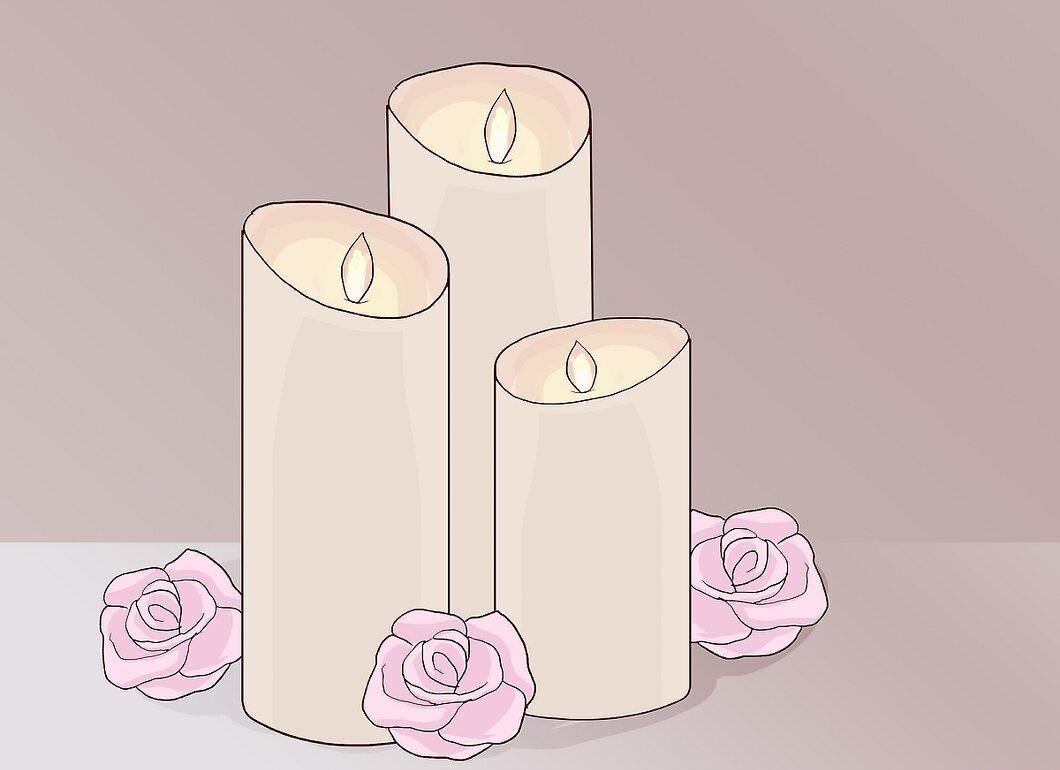
Establish a peaceful space where you can meditate. It’s important to choose a location free from distractions. Find a quiet corner in your home and do your best to create a relaxing atmosphere. This may include various elements: some prefer to decorate their space with shells, stones, or flowers, while others enjoy lighting candles. Select items that bring you peace to set up your meditation area. EXPERT TIP: James Brown, a meditation and Vedic practice teacher, says your space will evolve as your practice develops, so don’t worry if it’s not perfect from the start.
- Over time, your space will improve, so don’t stress about its initial appearance. Regular practice will help you understand what works for you and what doesn’t.
Step 2. Assume a Comfortable Posture.
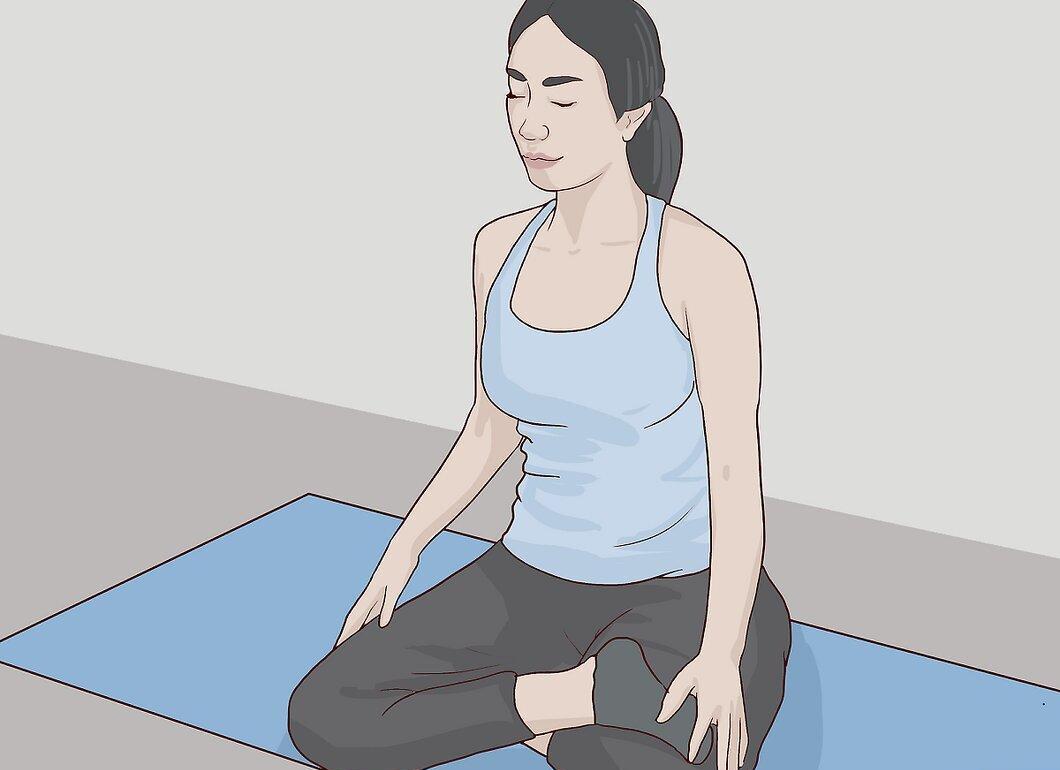
Sit in a stable position. Zazen translates to "sitting meditation," and how you sit is crucial. Comfort and an upright spine are key. If you need to cross your legs or use cushions for support, feel free to do so.
- If you're flexible, try the half-lotus position (hankafuza) or the full lotus position (kekkafuza). For half-lotus, place your left foot on your right thigh and tuck your right foot under your left. In the full lotus position, both feet rest on opposite thighs. However, if these positions cause discomfort, it’s better to avoid them to prevent distractions.
Step 3. Position Your Head Comfortably.
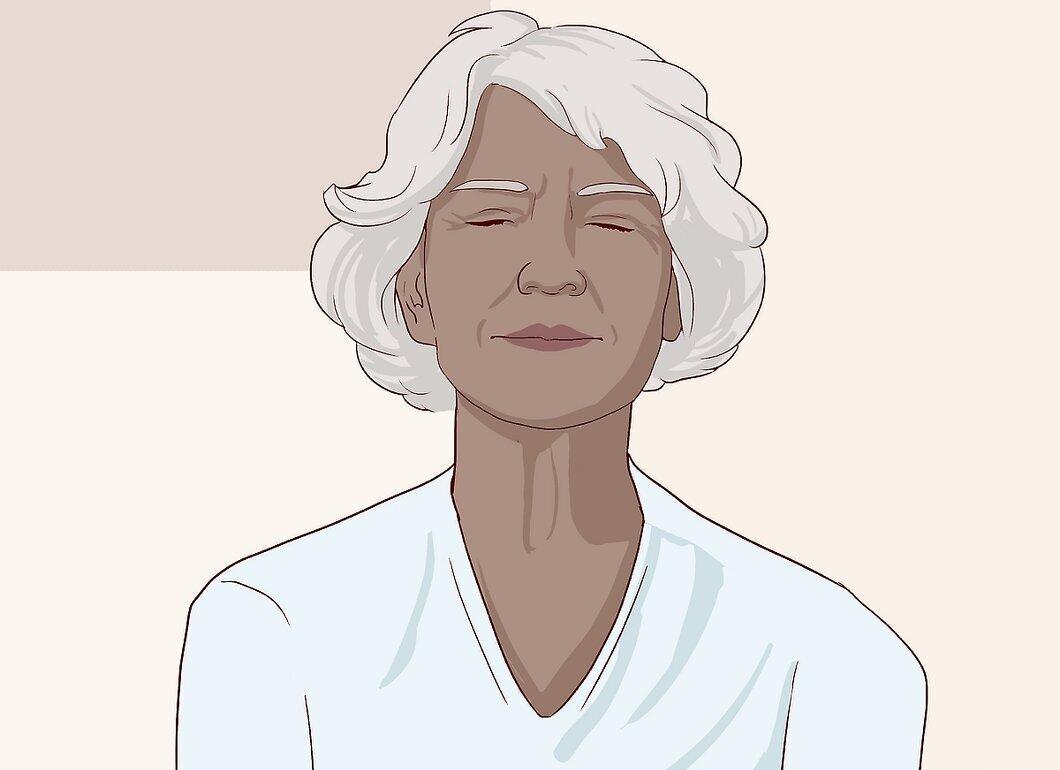
Ensure your head is in a comfortable position. This is important for Zen meditation, as you need to avoid tension in your body. Keep your head so that it doesn’t strain your neck. Try to align your spine with your neck. Imagine an imaginary line going up from your spine.
- It's helpful to slightly tuck your chin to align your neck and spine.
Step 4. Relax Your Jaw and Facial Muscles.
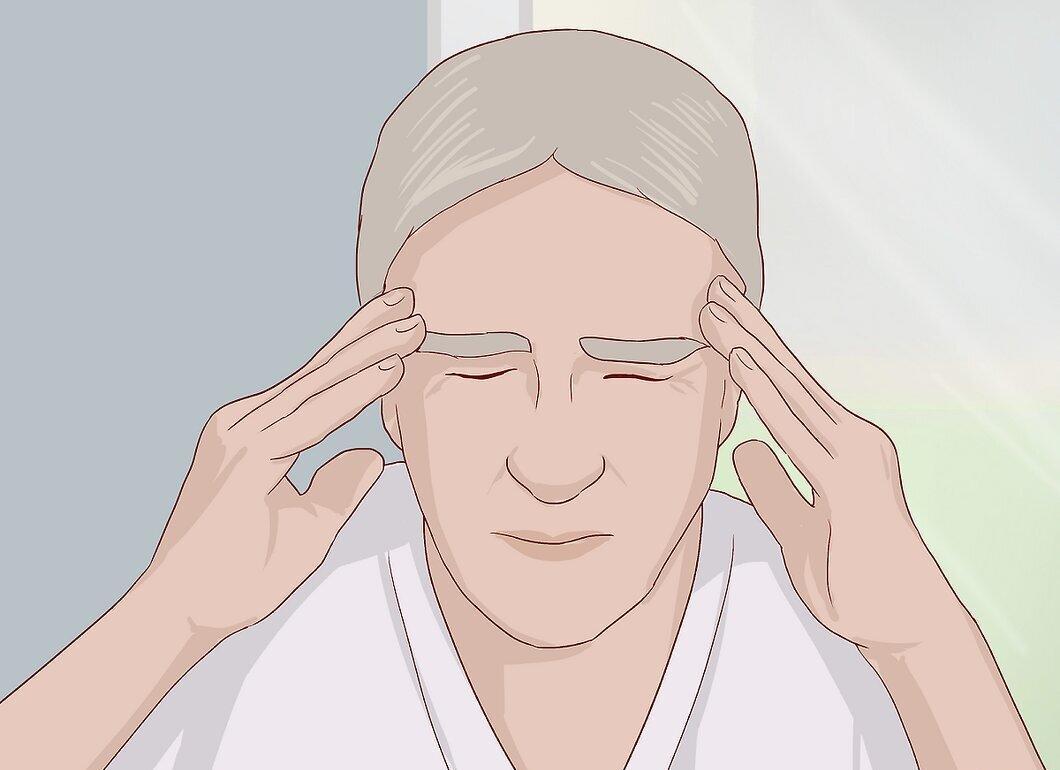
Before starting your meditation, take a moment to relax your jaw and facial muscles. You might not even notice tension until you focus on it. Try to consciously relax your jaw and face before beginning your meditation.
- If your jaw is tense, gently massage your face to release the tension.
Master the Basics of Meditation
Step 1. Breathe Through Your Nose.
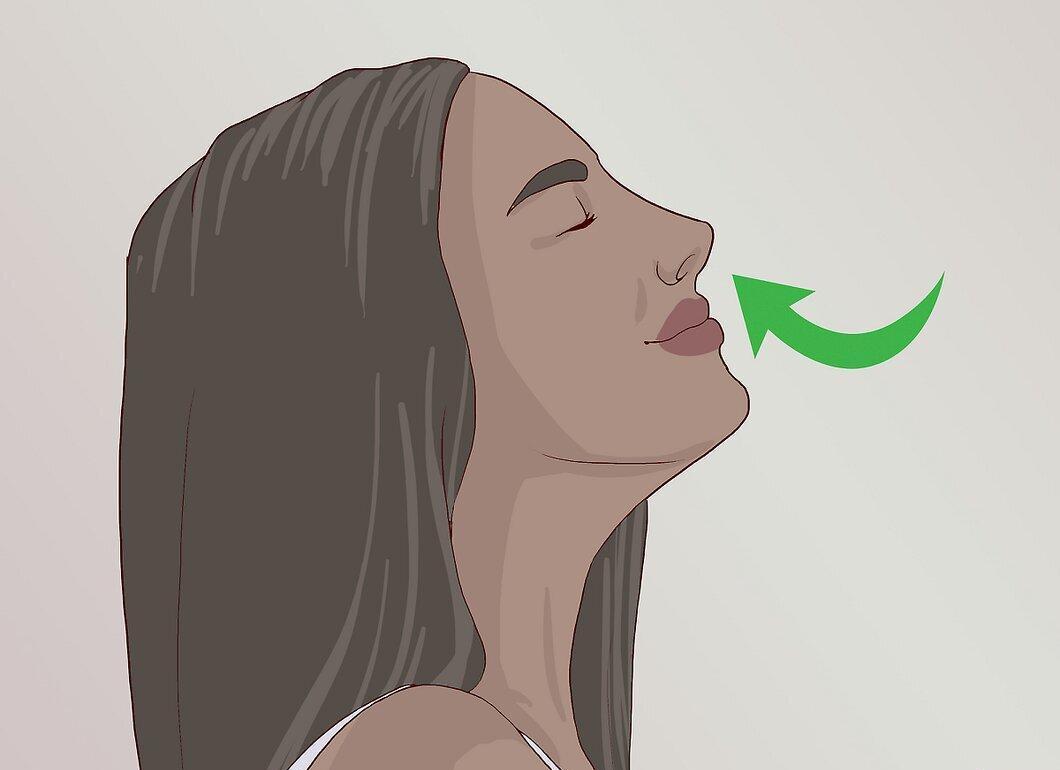
Breathe through your nose. In Zen meditation, breathing is the focal point. It's important to breathe through your nose. Inhaling and exhaling through the nose creates a comfortable sensation, helping you to focus on your breathing rhythm during meditation.
Step 2. Concentrate on Your Breath.
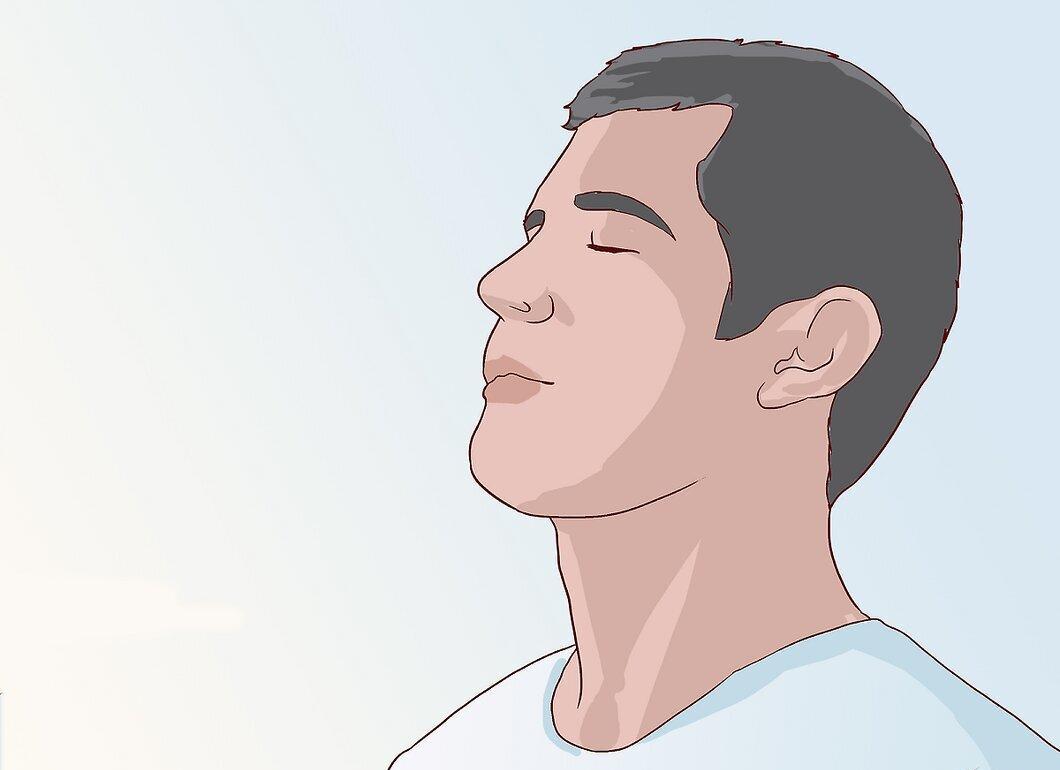
When you start to meditate, pay close attention to your breath. Observe the natural rhythm of your inhales and exhales, the sounds of your breath, and the sensations of warmth and coolness that the air creates in your lungs. Try to maintain your focus on your breathing throughout the meditation.
- At first, this may seem easy, but calming the mind is not simple. Don’t be discouraged if you find it hard to focus on your breath initially. Like any practice, meditation takes time.
Step 3. Decide on Your Eye Position.
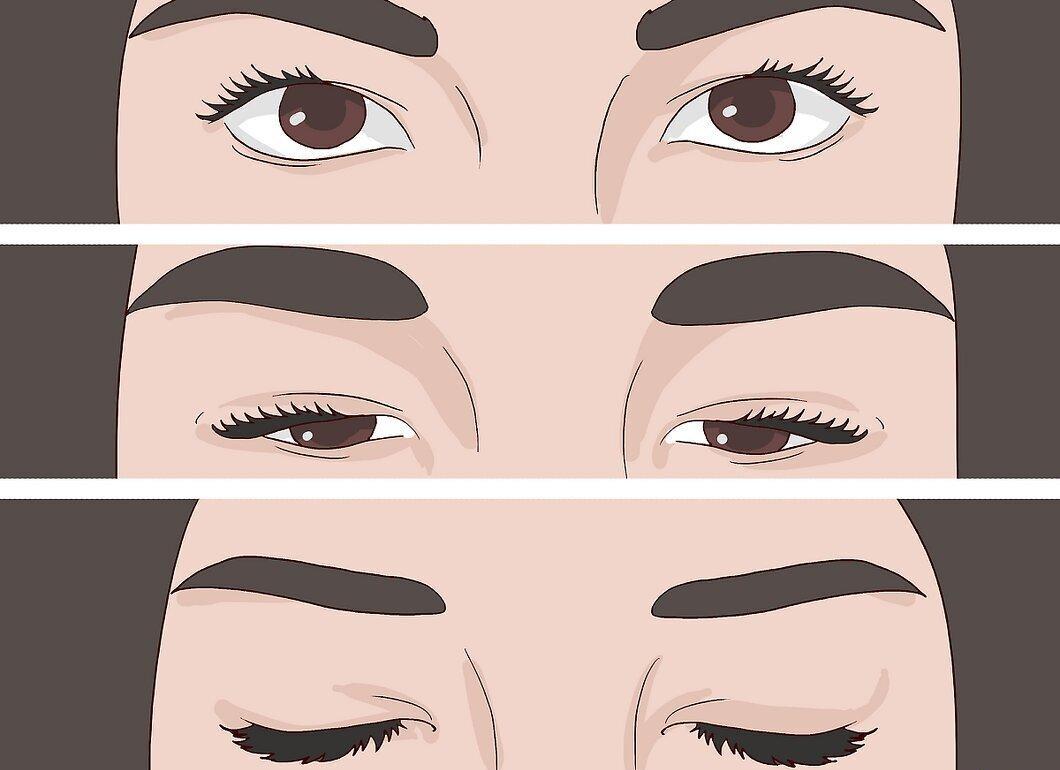
Decide what to do with your eyes. You can keep them open, half-closed, or closed. Some find it helpful to focus their gaze on a single point in the room, while others prefer to close their eyes. It depends on your preference. Find what feels most natural and relaxing for you.
- Don’t be afraid to experiment. If focusing on a point feels uncomfortable, try closing your eyes and see if that helps you concentrate better on your breath.
Step 4. Redirect Thoughts When They Wander.
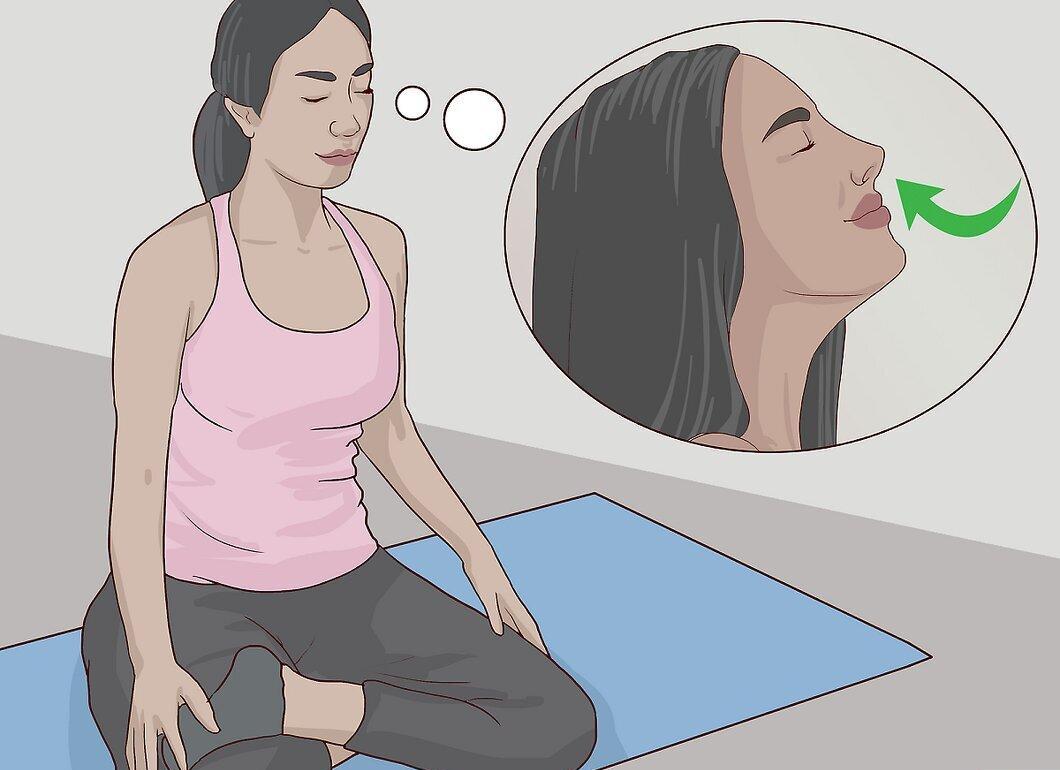
When you meditate, your mind may start to wander. This is especially common in the early stages of practice. You may begin to think about tasks you need to do or events from the previous day. When this happens, gently redirect your thoughts back to your breath and focus on the natural rhythm of your inhales and exhales.
- Sometimes it’s helpful to count your breaths to bring your attention back.
Step 5. Start with Two-Minute Meditation Sessions.
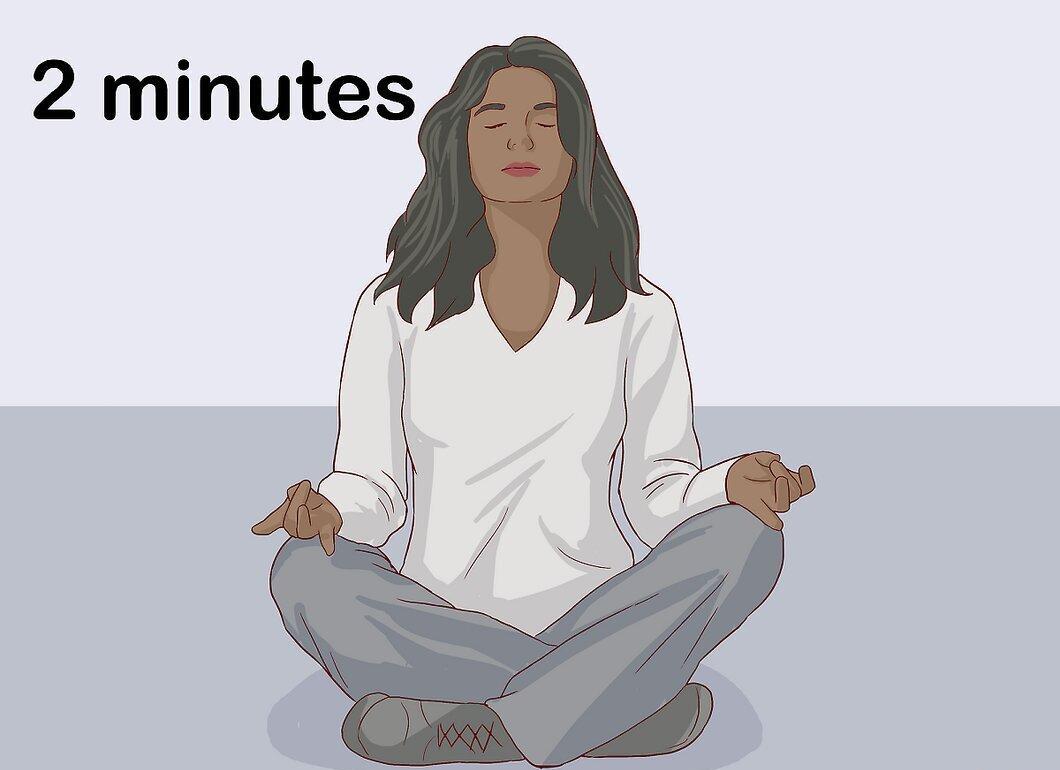
Begin your meditation practice with two-minute sessions. Zen meditation requires effort. If you try to meditate for too long right from the start, you might find it difficult to focus on your breath. Start with two minutes, and as you get used to it, gradually increase the time.
Gradually Establish a Routine
Step 1. Purchase a Zafu or Small Cushion.
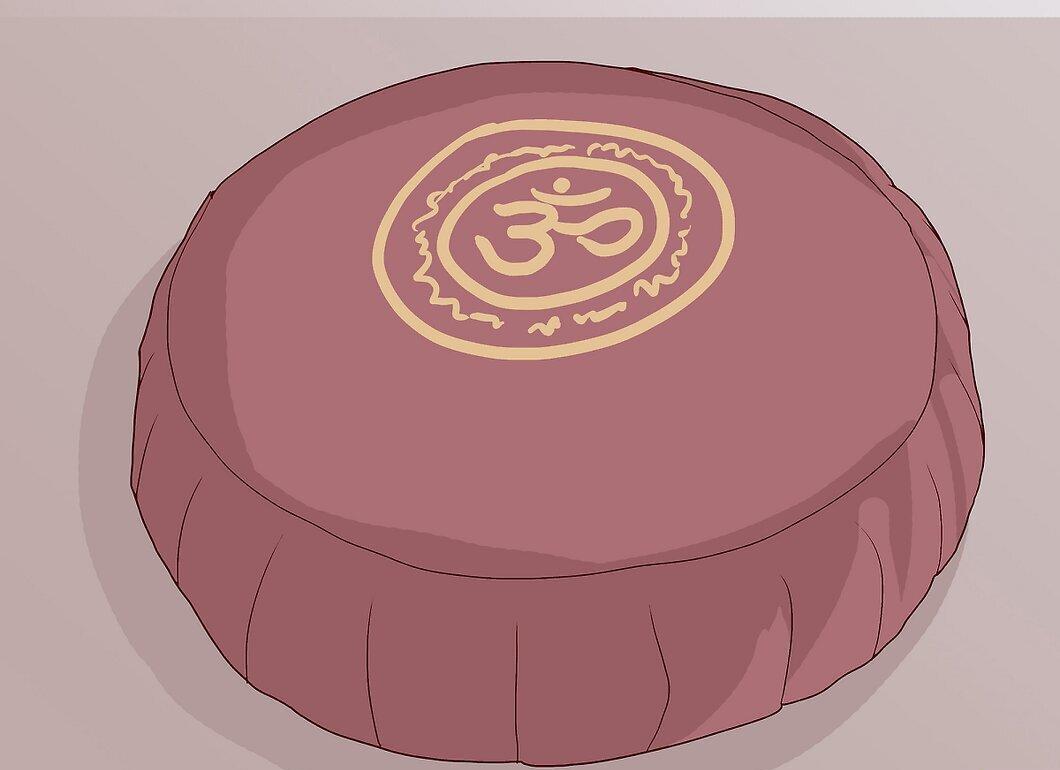
Consider getting a zafu, a cushion specifically designed for Zen meditation. If you find that Zen meditation suits you, think about purchasing one. It will help you sit comfortably during your sessions.
Step 2. Don’t Strive for Immediate Perfection.
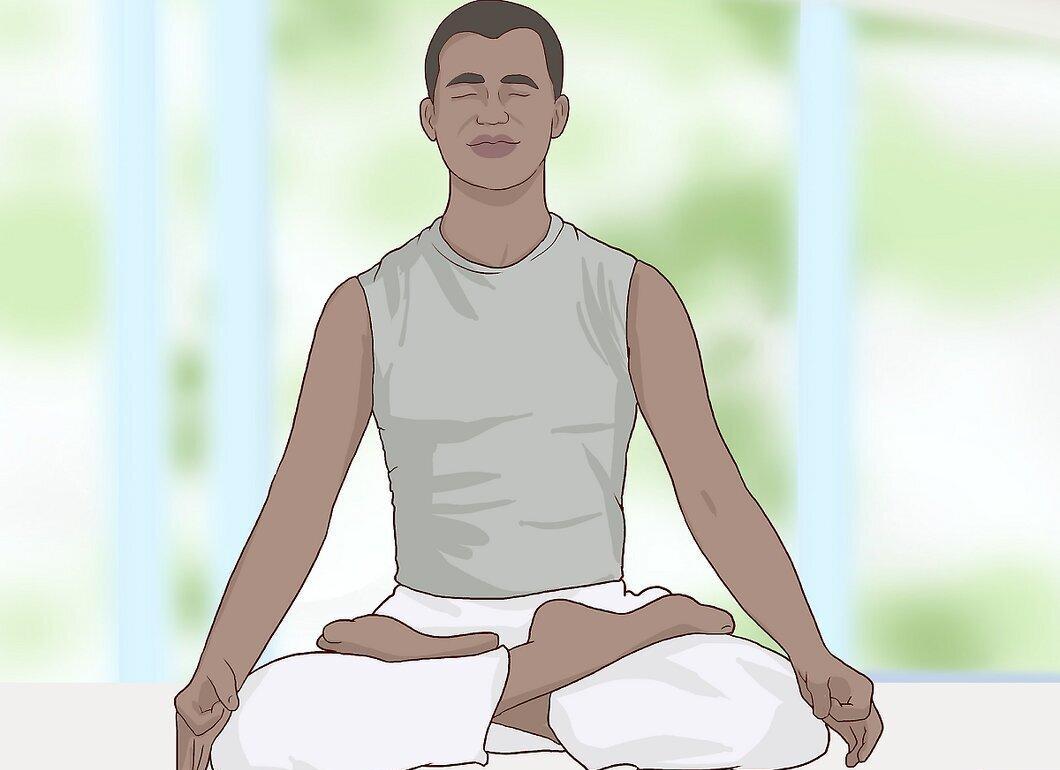
Don’t worry about achieving perfection right away. Beginners often stress that they are meditating incorrectly. You might find it challenging to clear your mind and focus on your breath. Don’t get upset or blame yourself. It’s normal for meditation to feel difficult at first. Don’t judge yourself too harshly; keep practicing. Eventually, meditation will become easier.
- Remember that even experienced meditators don’t always fully clear their minds. It’s completely normal to get distracted from time to time and bring your focus back to your breath. Don’t think you’re doing something wrong if thoughts distract you.
Step 3. Gradually Increase Your Meditation Time.
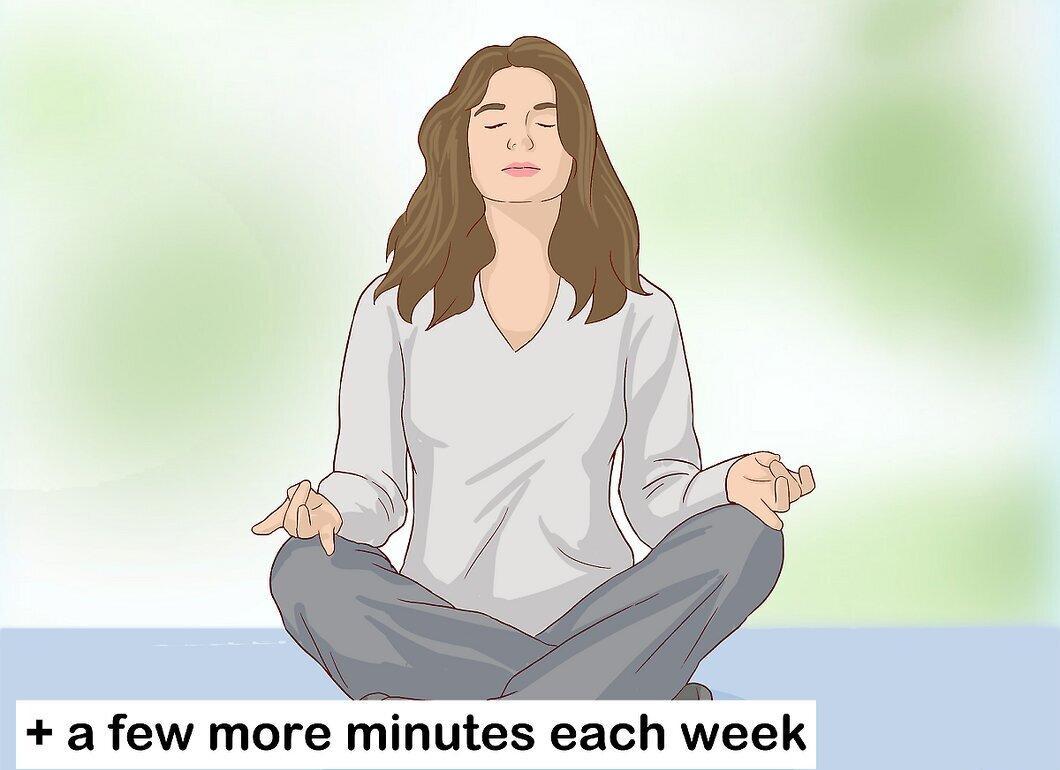
Gradually extend the duration of your sessions. Start with short meditations and slowly lengthen them. Once you’re comfortable with two minutes of meditation, add a few minutes each week. Eventually, you’ll be able to meditate for longer.
- There’s no one-size-fits-all rule for meditation. For some, 25-minute long sessions may be ideal, while others may prefer shorter 5-10 minute sessions. Experiment until you find what works best for you.
Step 4. Sign Up for Classes.
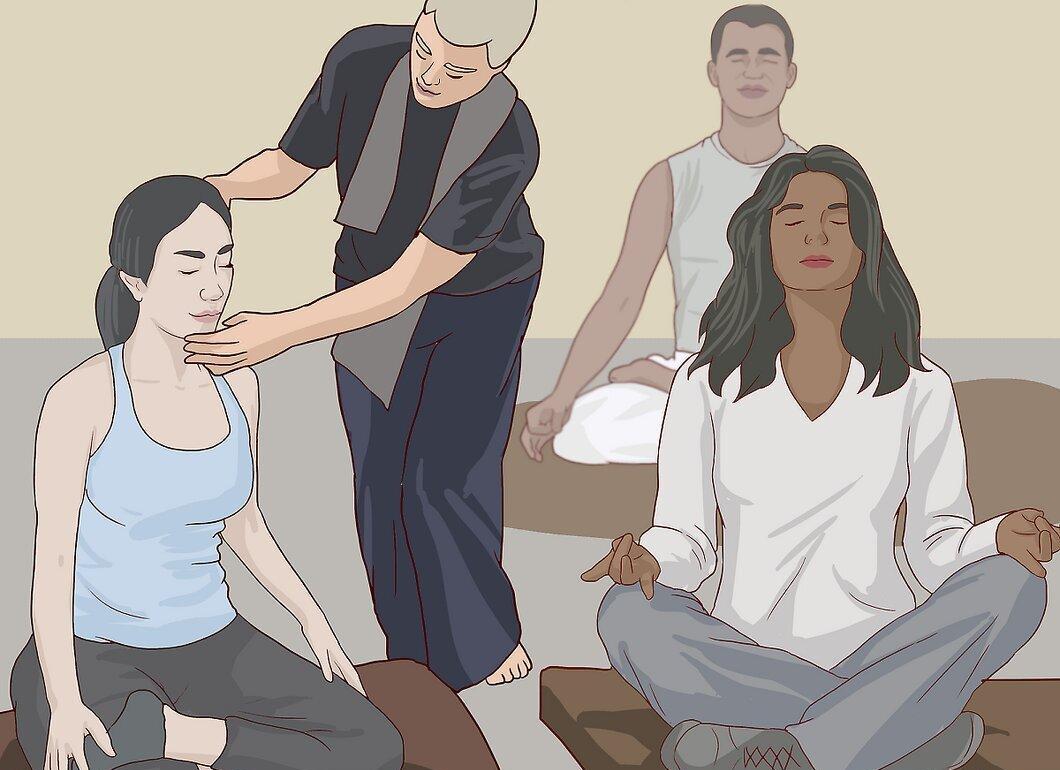
Attend meditation classes. It’s often beneficial to meditate under the guidance of an instructor. Look for information about local Zen meditation classes online. Lessons with an experienced teacher can help you improve your technique and make meditation more effective.
- If there are no meditation courses in your city, check online resources for learning.