
Superheroes such as Aquaman and Wolverine have become true icons of the 20th century. If you want to create your own superhero with a unique mythology and storyline, it's essential to familiarize yourself with the key characteristics and features that will make your character interesting and memorable, along with crafting thrilling stories.
Define Superpowers
Step 1. Invent Unique and "Atomic" Superpowers.
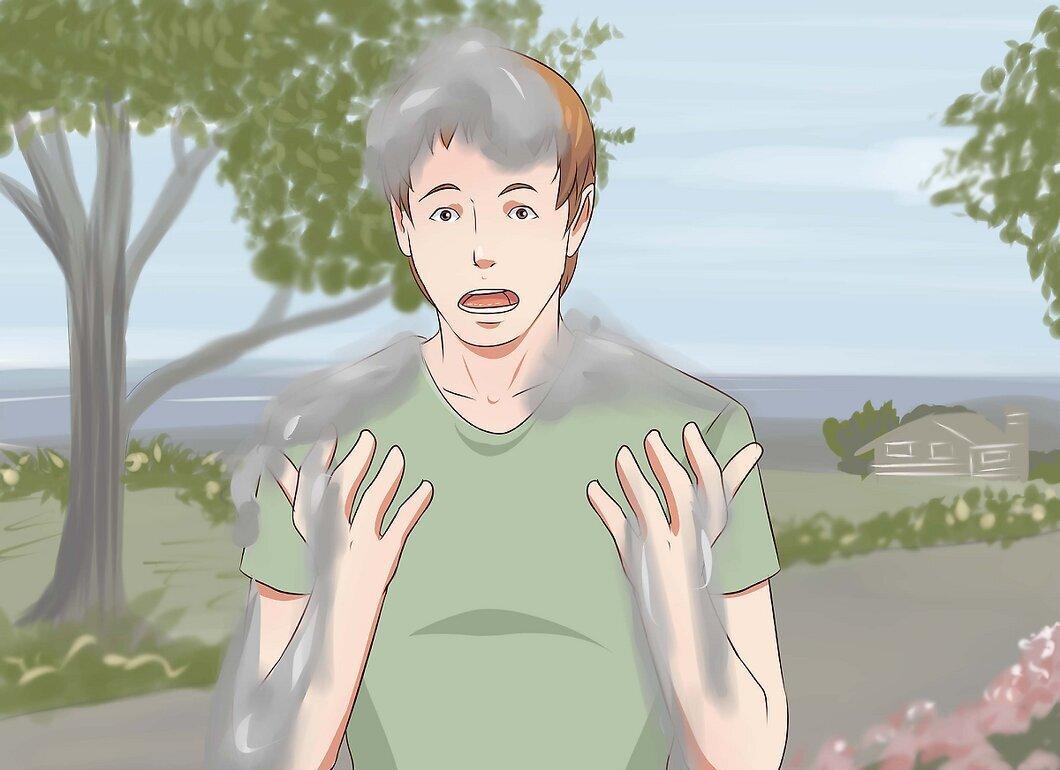
Create unusual and "atomic" superpowers. Some characters gain their abilities through interaction with special substances. Such images were particularly popular in the 1940s during the "Golden Age" of comics when nuclear technologies were on the rise.
- Examples of such characters include Daredevil, Spider-Man, Hulk, Flash, and Doctor Manhattan.[1] X Source
Step 2. Powers from Other Worlds.
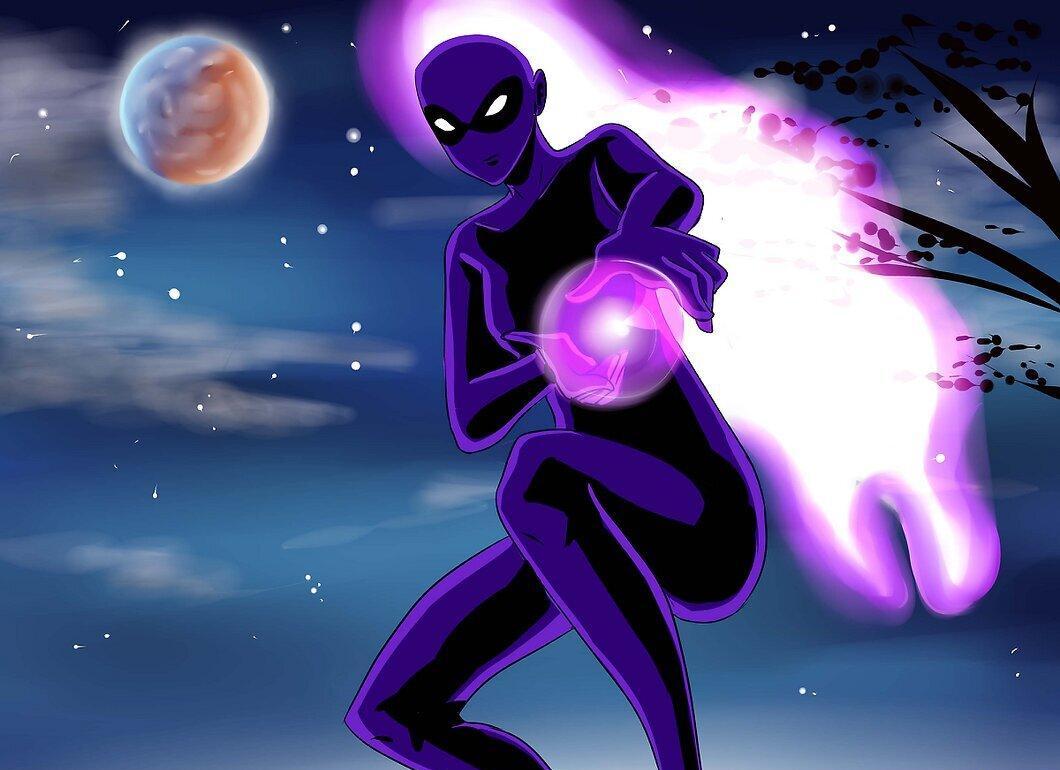
Some heroes possess "extraterrestrial" abilities that they acquire from other worlds. These powers allow characters to travel between dimensions and defy the laws of physics. Often, these heroes may appear as aliens or can change their forms.
- Examples: Superman, Silver Surfer, Green Lantern.
Step 3. Superpowers through Mutations.
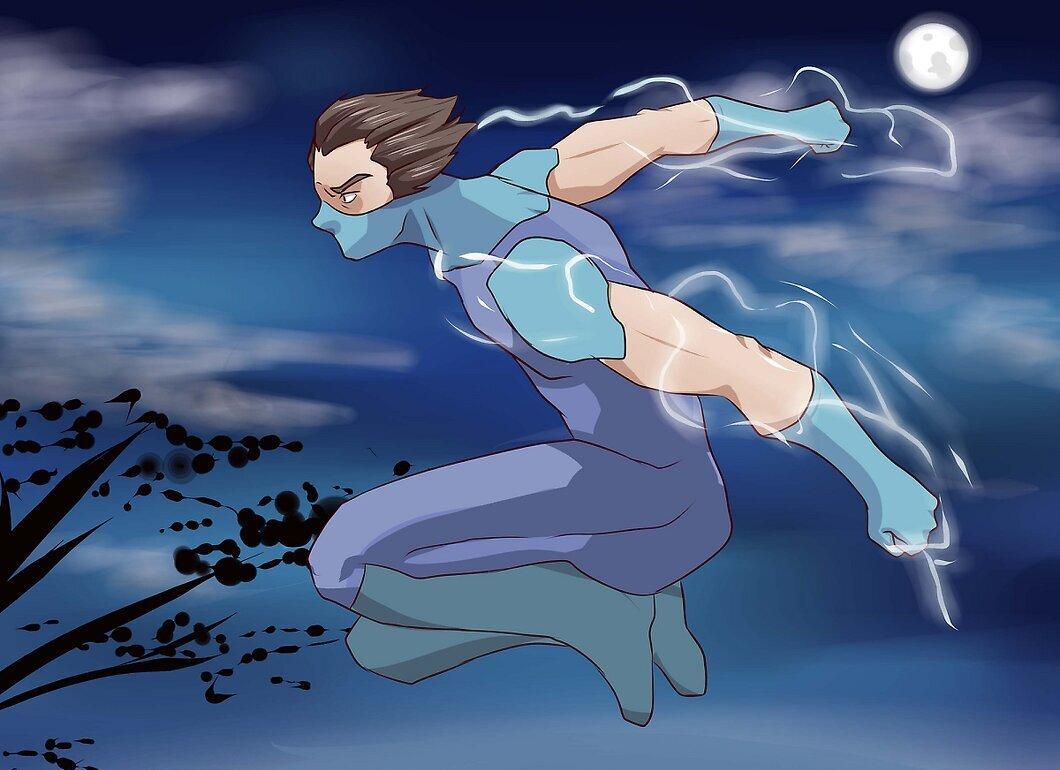
Some characters gain their abilities as a result of mutations. These changes can be caused by genetic manipulation, evolution, or other factors, including magic.
- Examples: X-Men, Captain America, John Constantine (Hellblazer), Aquaman.
Step 4. Create a Hero without Superpowers.
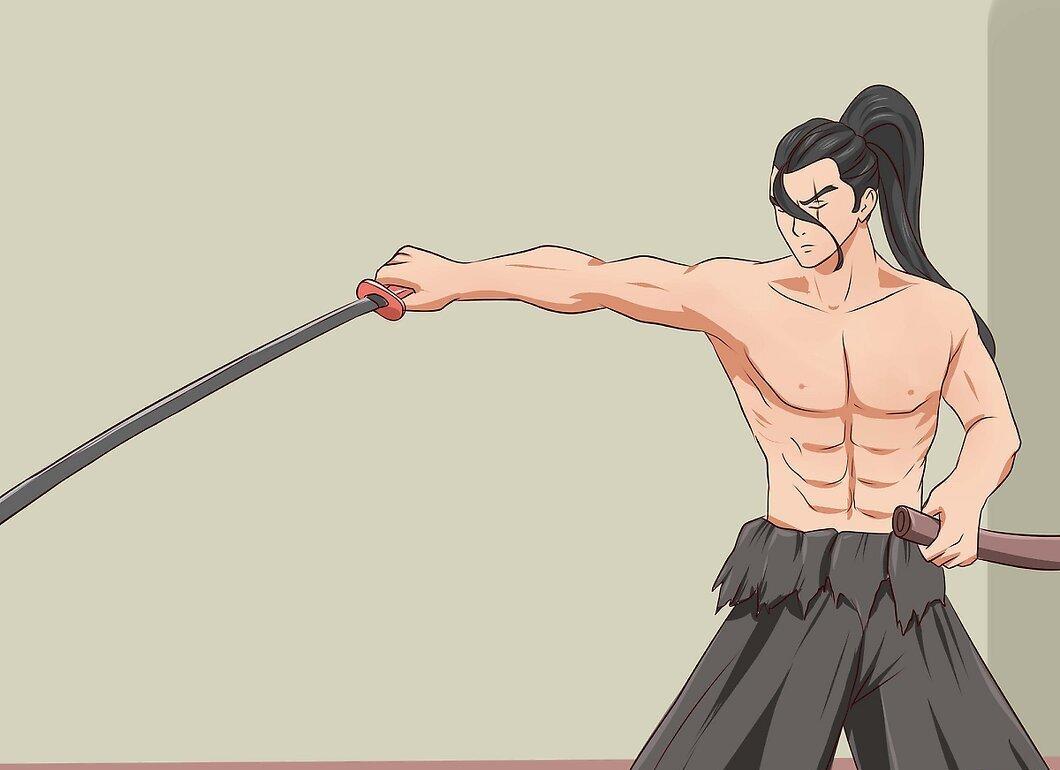
Some superheroes do not possess superpowers at all. Iron Man, Hawkeye, and Batman rely solely on their intellectual abilities and technology. Typically, these characters are wealthy enough to afford high-quality gear, which makes them more relatable.
Step 5. Think Creatively.
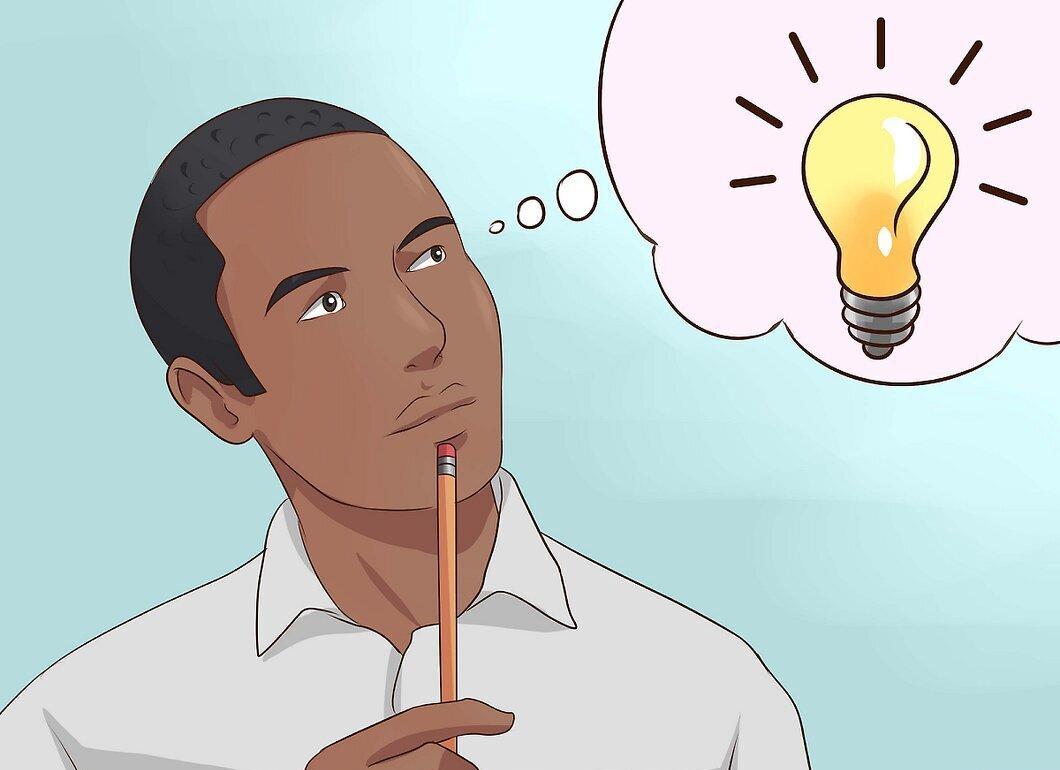
Almost all classic superpowers are already taken, so try to come up with an unusual world where your characters can have unique abilities. Create a superhero living in a corridor with closed doors, where one of his hands is a key. Modern superheroes aren't always people in capes with the ability to fly.
Developing Your Superhero's Personality
Step 1. Define the Hero's Origin.

Every superhero has their own story. The origin of the character contains important details about them. What would happen to Superman if his home planet Krypton had not been destroyed? How would Batman's fate have unfolded without the death of his parents?
- Where is your superhero from?
- Who are their parents?
- How did they acquire their powers?
- How do they make a living?
- What were they afraid of as a child?
- Who are their friends?
- What are their aspirations?
Step 2. Define the Character's Appearance.
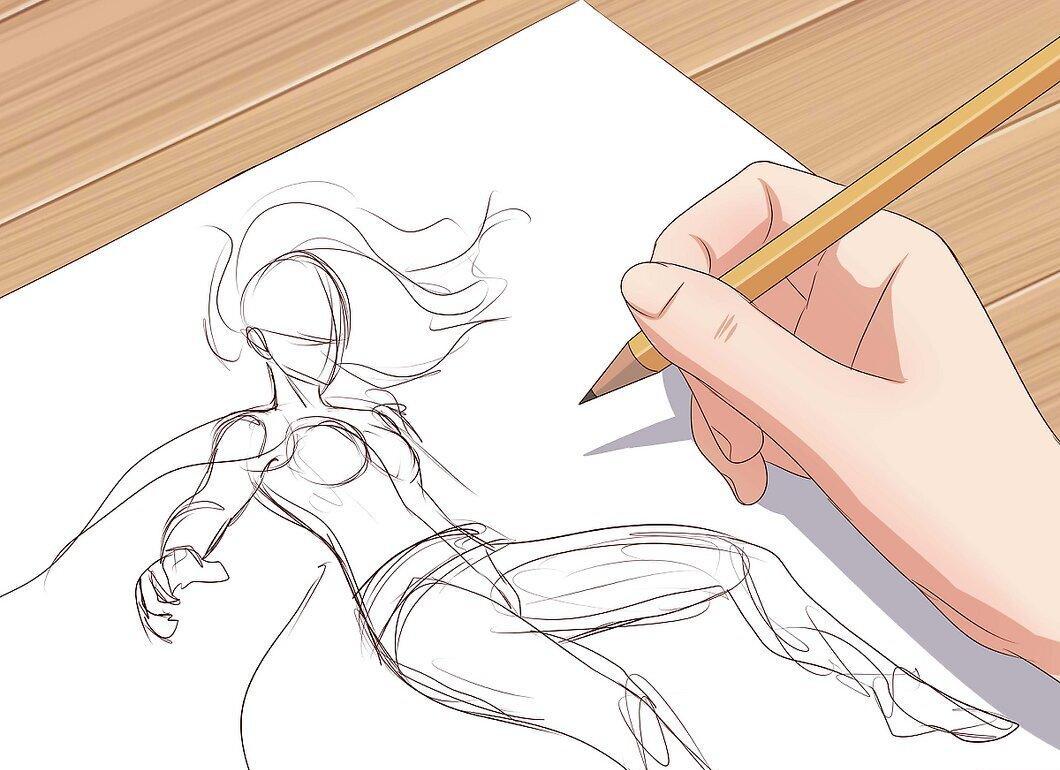
The appearance and costume of the hero distinguish them from other characters. Superheroes typically have a memorable style, ready to fight opposing forces. Think about colors and clothing that will make them unique.
- The costume should reflect their abilities. If they have powers similar to Superman, they probably won't need armor.
- Many heroes wear masks to conceal their identities. Capes were a symbol for heroes in the past, but they can still be used today.
- Come up with a symbol that is easily recognizable, like the letter S for Superman or the ring for Green Lantern.
- Some characters can do without a full costume; they can be identified by specific details (like Wolverine's hair and sideburns).
Step 3. Invent the Hero's Secret Identity.
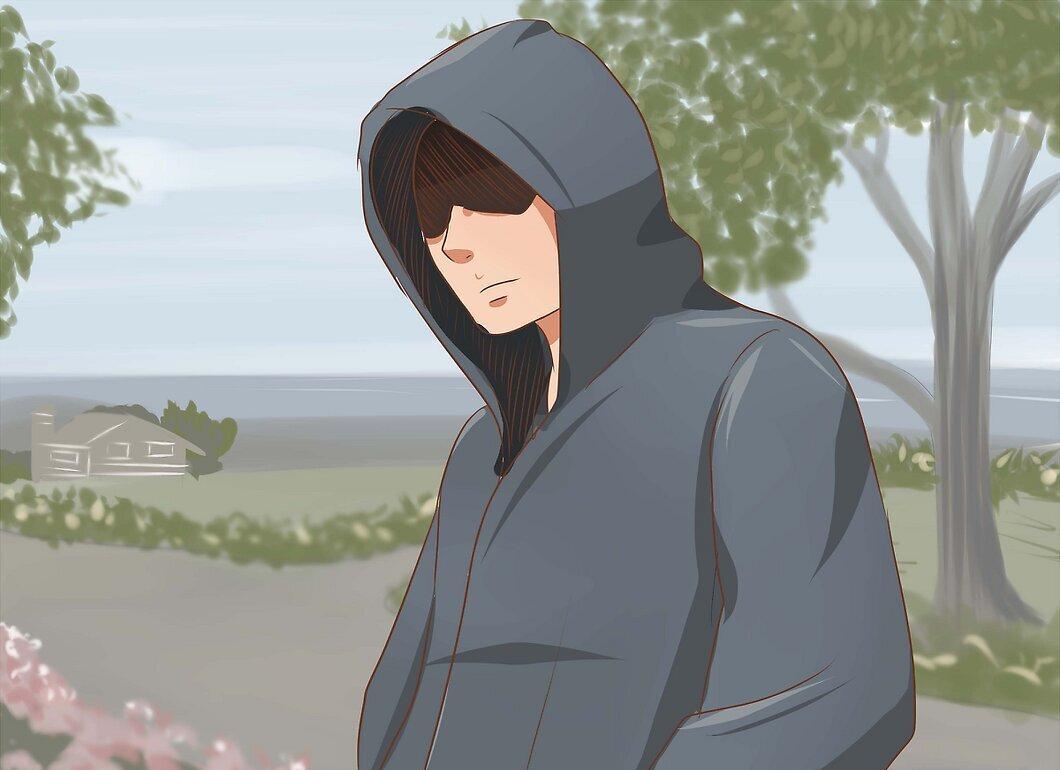
The secret identity of a superhero is just as important as their powers. In everyday life, the character gains real traits. What do they do when they're not saving the world? Who are they really? These aspects make the character deeper.
- A superhero should have their own struggles, challenges. Clark Kent is a prime example, as he faces numerous issues in his everyday life.
- The secret identity may relate to their origin. If your hero is a garbage collector who gains powers by finding radioactive waste, their ordinary life could be tied to that work.[3] X Source
Step 4. Give the Superhero Flaws.
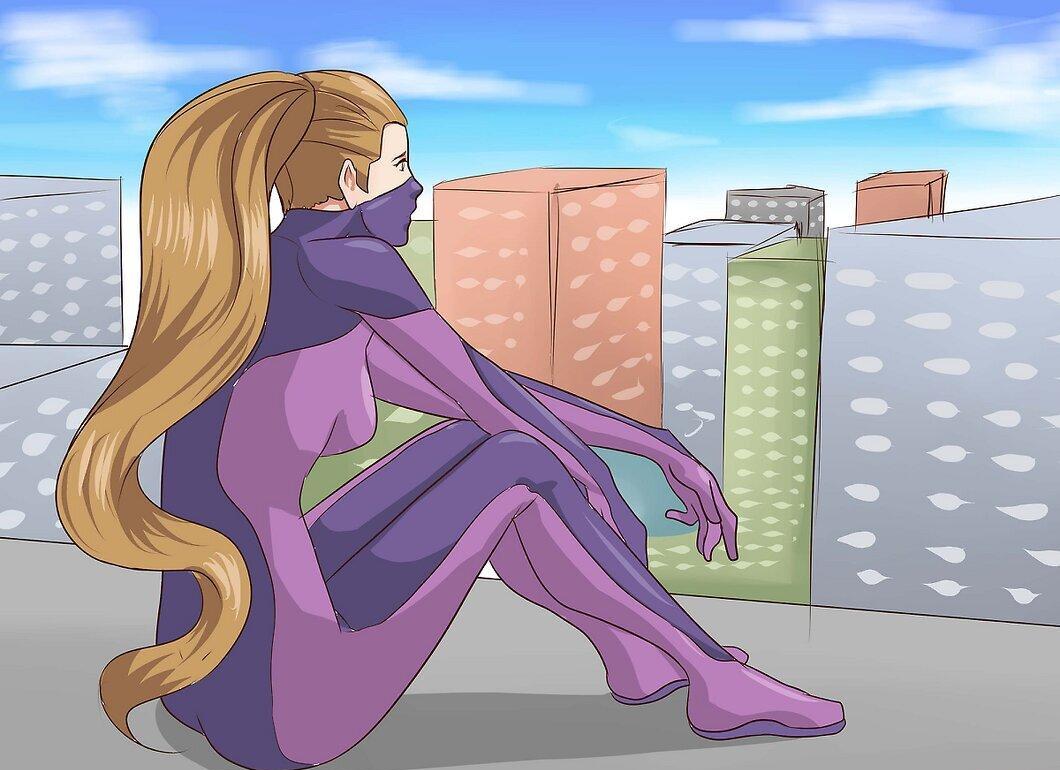
Superheroes are not perfect. An interesting character requires conflicts and challenges. Flaws are an important part of any character, including superheroes.
- What are your hero's goals?
- What hinders them from achieving what they want?
- What are they afraid of?
- What can make them angry?
- What is their weakness?
Step 5. Choose a Suitable Name.
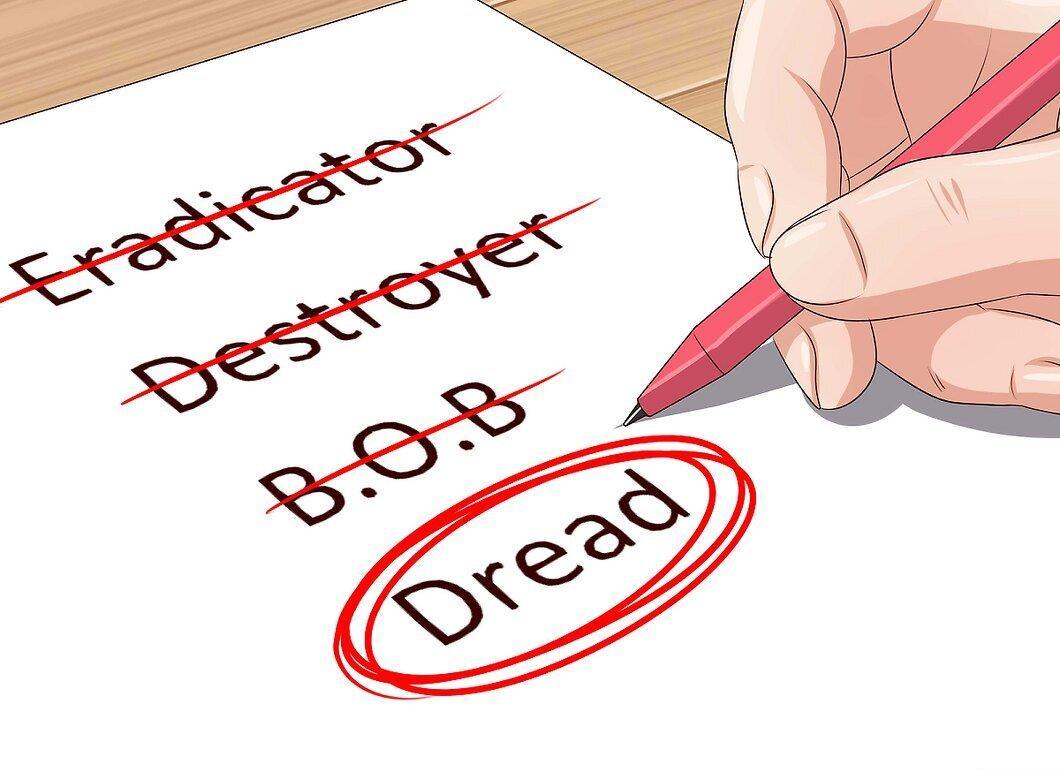
Now that your character has unique traits and flaws, it's time to choose a name. It should be memorable and reflect their abilities and origin.
- The name doesn't have to end with "-man." Examples: John Constantine, Swamp Thing, Wolverine.
Creating Stories
Step 1. Create a World for the Hero.
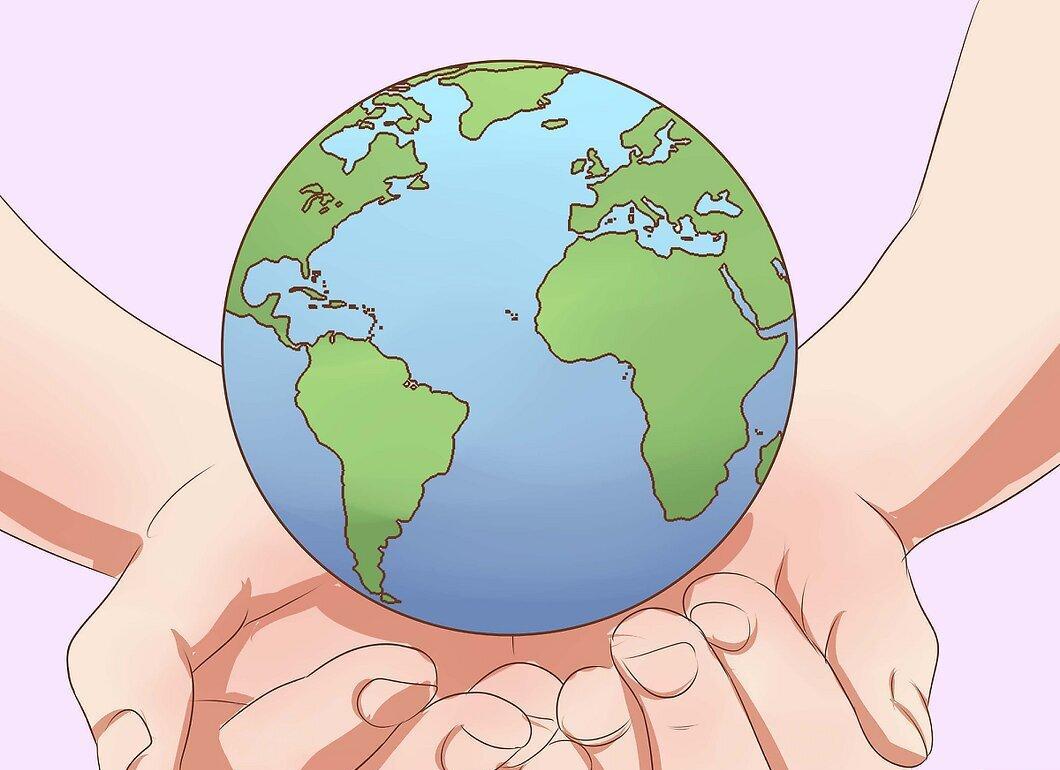
Your superhero must live in a unique world. Superman needs Metropolis, and Tank Girl requires a post-apocalyptic Australia. What kind of world surrounds your hero? What threats lurk for them and ordinary people? Start by creating a habitat.
- What problems exist in this world? A radioactive waste collector can live in any city, but adding unusual locations, like Mars, will make the story more exciting.
Step 2. Invent an Archenemy.
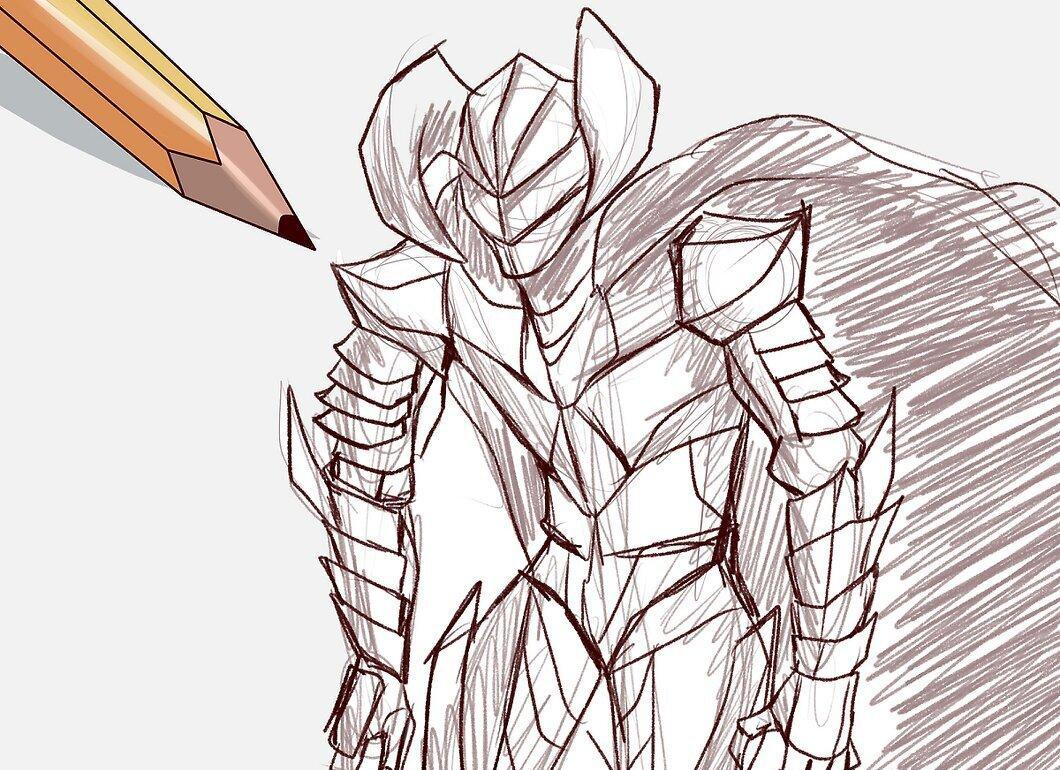
Who will be your hero's antagonist? Who will they fight against? This can be either a group of villains or a single powerful enemy embodying evil. Strong antagonists, such as the Joker or Doctor Octopus, play key roles in the plot.
- Use opposites. If your hero is a radioactive waste collector, their nemesis could be a villain working in a sterile laboratory.
- Enemies don't always have to be human. You can create other foes, like machines or mutants.
Step 3. Create Supporting Characters.
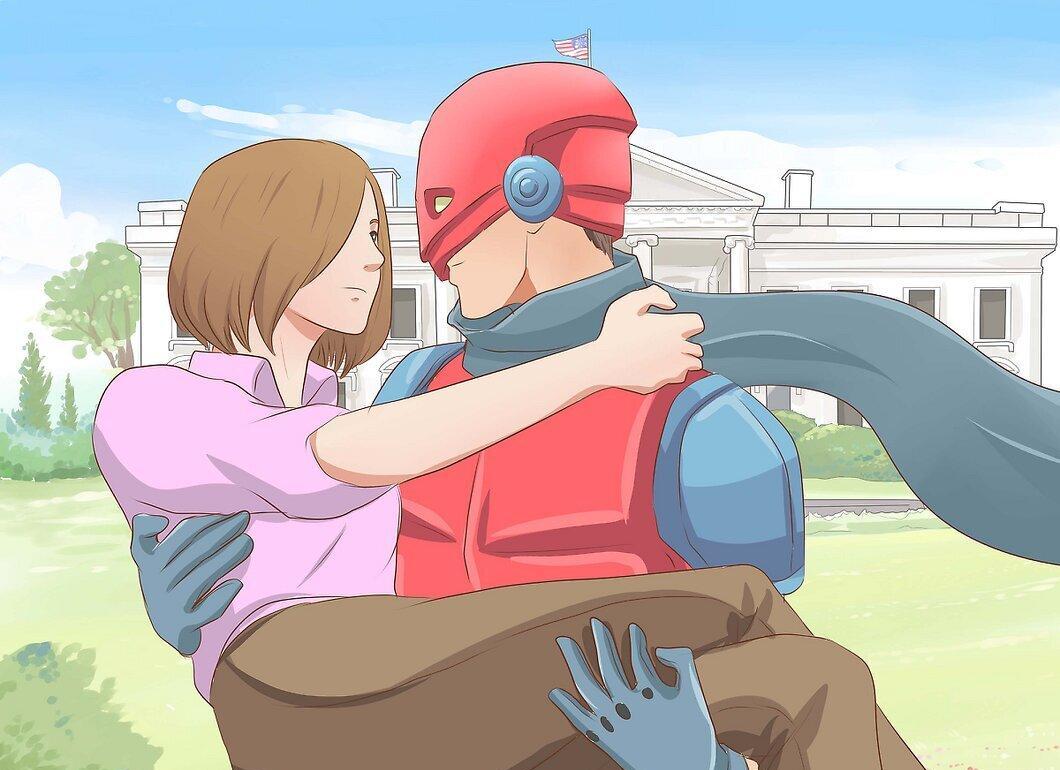
Stories about superheroes don't just revolve around heroes and villains. Include ordinary people in the plot to raise the stakes. Commissioner Gordon, Jonathan Kent, and Uncle Ben are examples of characters who influence superheroes' decisions.
- Who is your superhero in love with? Will they share their secret with their beloved? These relationships can be the basis for conflict.
Step 4. Create an Interesting Conflict.
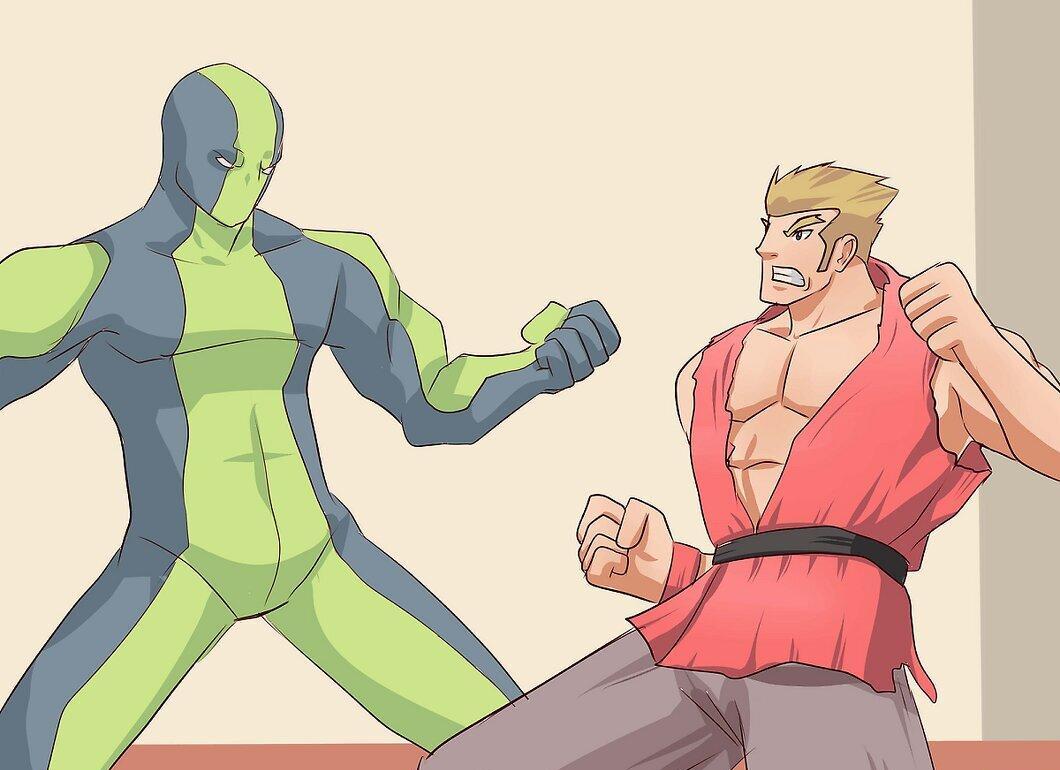
What event brought the hero and villain together? What caused tension in their world? Answers to these questions will create the foundation of the conflict embedded in the story.
- How will your superhero prevent evil? How will a garbage collector stop an evil surgeon from taking over?
- What are the villain's goals? Why did they choose the side of evil? Every antagonist should have their motives, like Lex Luthor or the Joker.
Step 5. Don't Rush to Kill Key Characters.
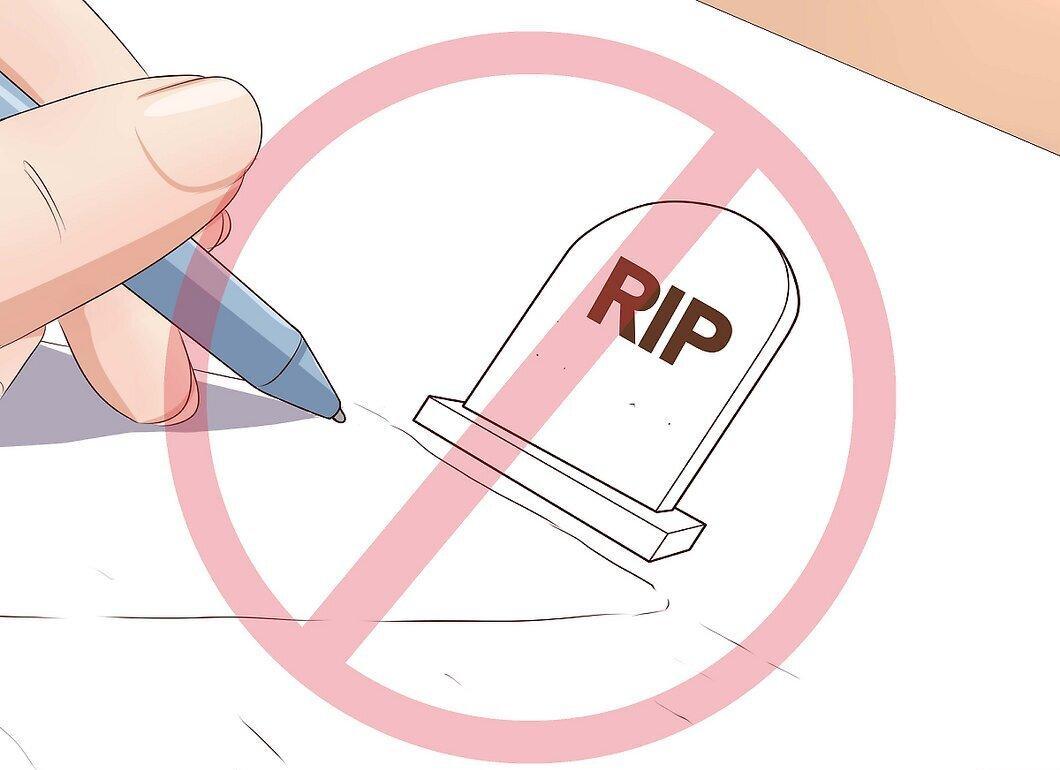
One of the advantages of creating a new superhero is that you aren't obligated to conclude the story. Develop the plot, allowing it to grow. Comics can last indefinitely, like the stories of Batman that started back in the '40s.
- Aim for your stories to evolve and gain new layers like an onion, rather than ending too quickly.
Step 6. Give Life to Your Character.
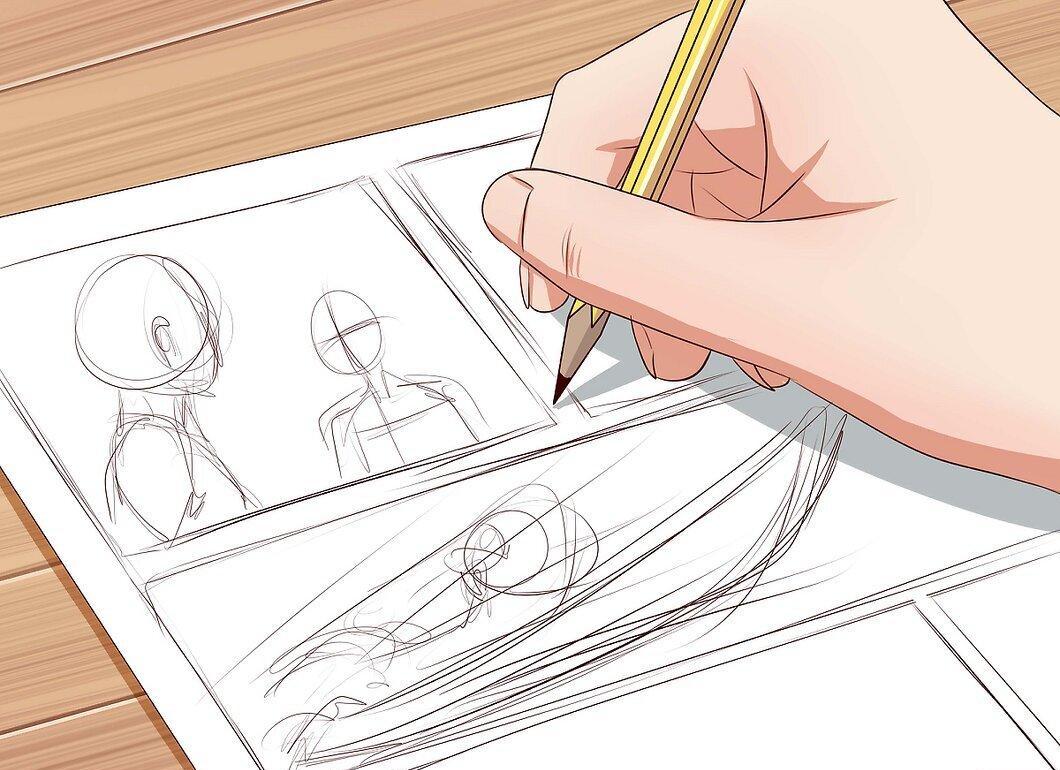
Your superhero can become an excellent character for comics, movies, and fan fiction. If you're ready to develop their story, create your own plots so readers can see them in action. Check out articles like:
- How to Create a Comic
- How to Write a Comic Book
- How to Write Movie Scripts
- How to Write a Hero Story