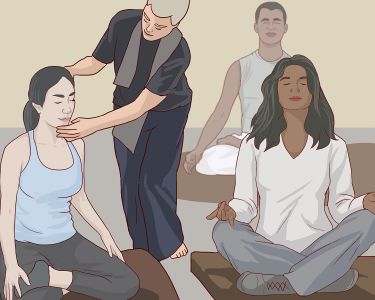
Pursuing spiritual development is indeed a wonderful goal. However, everyone has their own vision of spirituality, so it may take some time to determine what this term means specifically for you. You can try to expand your awareness or use various approaches to achieve spiritual understanding. It’s also worth considering practices like meditation, yoga, or simply embracing silence—many find these methods very beneficial.
Personal Well-being and Self-Awareness
Step 1. Dive Within to Understand Your Purpose

Reflect on your purpose and life values. Take the time to ask yourself deep questions about your life and its meaning. In the process, you may become aware of certain aspects of your personality that can help you develop self-awareness, which is an important part of spirituality.
- For example, write down or ponder answers to questions like: "Why am I here?", "What contribution can I make?", "What brings me happiness?", "What is the meaning of life for me?" Everyone will find their own answers. For instance, you may realize that time spent with loved ones adds special value to your life.
Step 2. Acknowledge Your Feelings Rather Than Suppressing Them.

Don’t try to suppress your emotions. When you feel something, take the time to understand what you are feeling instead of just burying it. Try to articulate your emotions and share them, even if it’s just for yourself. For example, if you had a rough day, you might want to comfort yourself with ice cream. While a little ice cream won't hurt, it's crucial to first understand what you're feeling and why. Perhaps you are upset because someone didn’t appreciate your efforts or failed to grant the vacation you desired.
- What does it mean to express emotions? It can be anything from talking to someone to simply yelling into a pillow out of anger or crying during moments of sadness.
- Acknowledging and understanding your emotions is an essential part of self-awareness, which is, in turn, connected to spiritual growth.
Step 3. Keep a Journal of Your Experiences and Emotions.

Record the events of your life and your emotional reactions to them. If you have a tough day, take the time to jot down your thoughts in a personal journal. You don’t need to follow a specific structure—focus on your feelings and thoughts. Don’t judge what you write; just let your emotions flow, and think about the meaning later.
- Writing about your experiences will help you better understand yourself. You may be able to sort through your feelings about events, even if you didn’t notice them in the moment. For instance, if you write about a visit to family, you might realize that you feel discontented because relatives don’t reciprocate your visits.
Spiritual Understanding
Step 1. Read Books and Articles on Spirituality to Deepen Your Knowledge.

Reading books and articles on spirituality will help you broaden your knowledge. Regardless of your religious affiliation, you are sure to find literature that will serve as your guide. Dedicate a little time each day to reading such materials; this will aid you on your path to greater spirituality.
- If you’re unsure where to start, ask friends or a librarian for recommendations.
- Try exploring key religious texts from various traditions, such as the Tanakh, the New Testament, or the Quran.
Step 2. Attend Lectures, Seminars, and Classes on Spiritual Topics.

Attend lectures, seminars, and classes related to your spiritual interests. Check if local educational institutions offer free public lectures. It’s also worthwhile to reach out to churches, temples, and mosques to learn about gatherings focused on spiritual topics. Libraries may also organize classes or seminars from time to time.
- You can also attend religious services at local temples, mosques, or churches.
- Or explore local spiritual education centers where paid retreats and seminars are held.
- By listening to others, you can open your mind to new ideas about spirituality.
- Courses and seminars can also be found online.
Step 3. Connect with Friends Who Share Your Spiritual Goals for Mutual Support.

Form groups with friends who have similar spiritual interests to support each other. Ask your acquaintances if they’d like to join a discussion club. Organize weekly or monthly meetings to discuss various topics, books, or other issues that interest you. Try to choose a topic in advance so participants can prepare.
- Such support will help you stay on the right path!
- If your friends aren’t interested, look for like-minded individuals on social media. You might find people nearby willing to meet. Organize gatherings through Meetup or simply engage in online dialogues!
Step 4. Travel to Broaden Your Horizons and Discover Yourself.

Traveling helps broaden your perspective and discover yourself. It’s a wonderful opportunity to gain a deeper understanding of the human experience, which, in turn, is part of spirituality. Traveling means rejuvenating yourself and contemplating your place in the world.
- It doesn’t matter if you’re heading to a new location or returning to a favorite spot; travel can mark the beginning of your spiritual journey as it allows you to escape from daily worries and enjoy the moment.
Spiritual Practices
Step 1. Practice Silence by Disconnecting from Electronics.
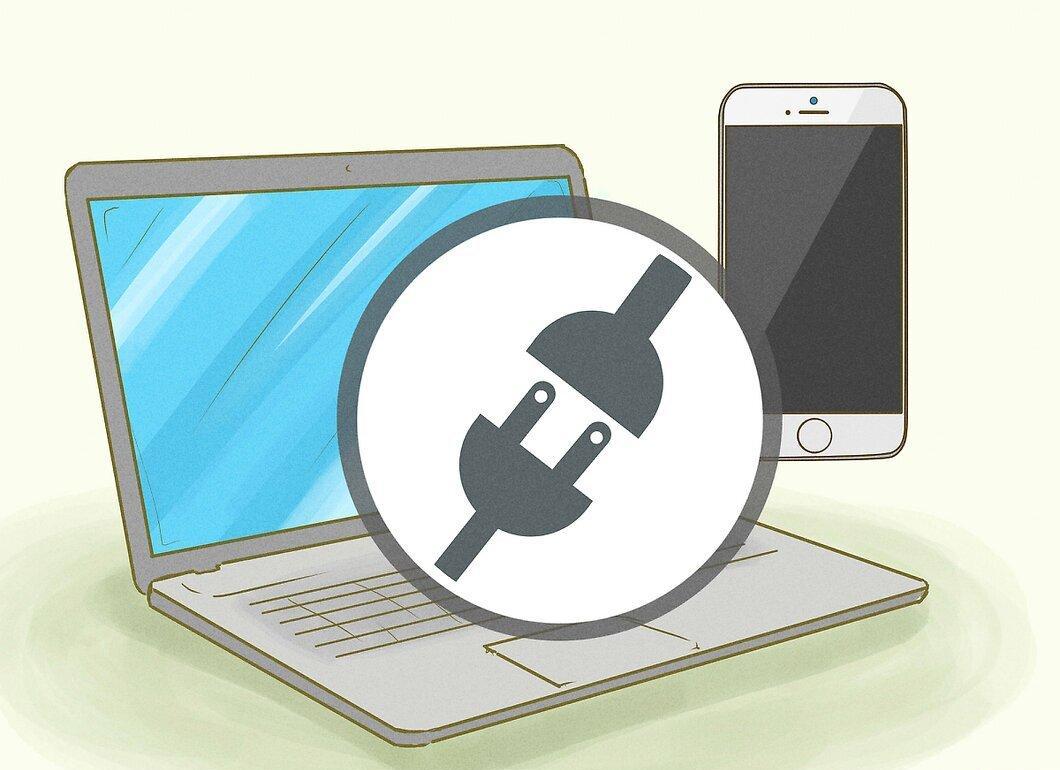
Create moments of silence by turning off electronic devices. In our modern world, we are constantly urged to take action. When devices are on, your brain is continuously distracted by new messages and notifications. By disconnecting all gadgets, you can take a breather and focus on your inner state.
- Try turning off devices for one hour each day or dedicate one day a week to go gadget-free.
Step 2. Learn Deep Breathing Techniques.

Incorporate deep breathing practices into your daily life. Use one of the techniques in the mornings or during stressful moments throughout the day. Deep breathing helps clear your mind and relieve tension. You can perform them anytime since they only take a minute.
- For a simple technique, close your eyes, inhale while counting to 4. Hold your breath for 4 counts, then exhale for 4 counts. Wait for 4 seconds before the next inhale and repeat the process.
Step 3. Integrate Meditation into Your Life.
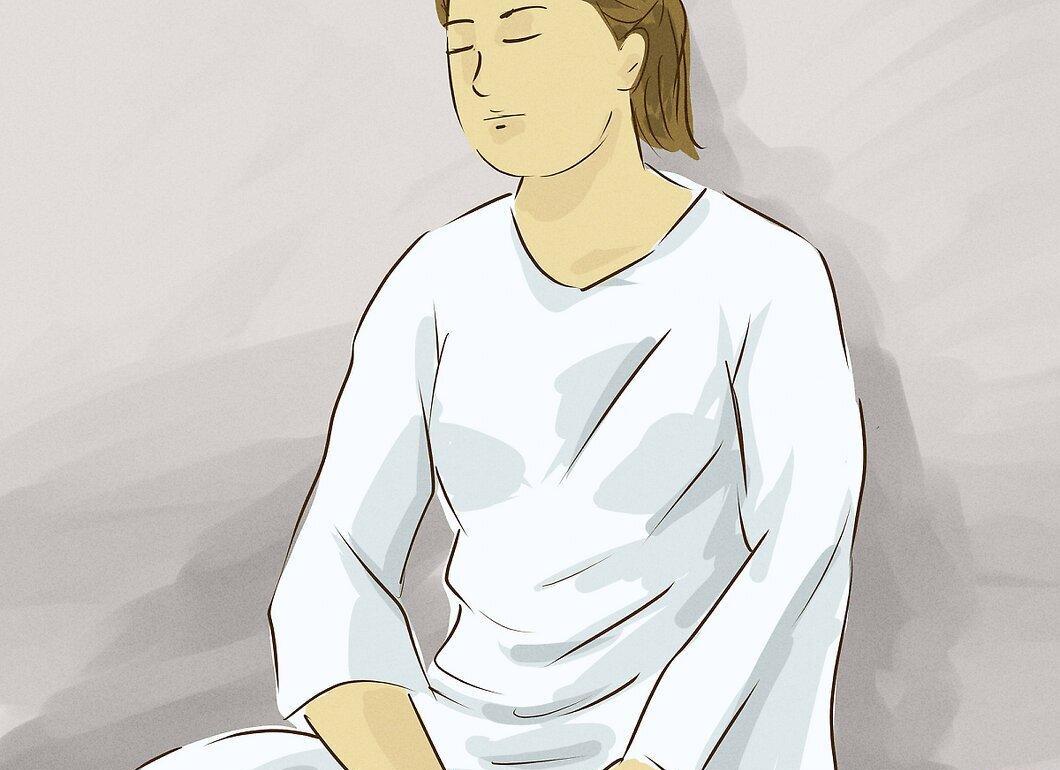
Add meditation to your daily routine. Starting the day with meditation can lower stress levels and enhance focus. You can also take short meditation breaks throughout the day to regain clarity.
- Try a simple meditation: sit comfortably, close your eyes or lower your gaze. Focus on your body, taking a few deep breaths. Acknowledge any sensations and emotions you have.
- Then focus on your physical sensations: the weight of your body on the surface, the temperature of the air around you, the touch of clothing or carpet on your skin. Just remain in the moment without diving into your thoughts. If a thought arises, acknowledge it and gently set it aside to return to your sensations.
- If it’s important to you, you can also pray.
Step 4. Find Yoga Classes.

Sign up for yoga classes. Check if there are yoga studios or classes in parks, wellness centers, or gyms in your area. Sometimes classes are even held in schools or libraries. If you cannot attend classes, you can try practicing yoga at home using videos and online lessons.
- Yoga helps relax, focus, and achieve harmony.
- You might also consider other forms of movement aimed at achieving mental balance, such as tai chi.
Step 5. Spend Time Outdoors.

Spend time outside. While you may not be able to be in the mountains every day, it’s beneficial to simply get some fresh air in any natural surroundings you can find. This will help you reconnect with your body and restore your inner balance.
- Find a place where you can connect with nature: it could be your backyard, a nearby park, or your office courtyard.
- Once outside, immerse yourself in the environment. Notice the warmth of the sun on your skin or the gentle breeze. Enjoy the vibrant colors of the trees or the soft hue of winter grass.
Step 6. Practice Gratitude Daily.

Regularly express gratitude. This will help you appreciate what you have instead of constantly striving for more. Practicing gratitude is an important aspect in many religions.
- Try to think of what you’re thankful for right after waking up or before going to sleep.
- Don’t hesitate to let people know your gratitude for having them in your life and for what they do for you. Sometimes, it’s beneficial to express gratitude out loud!
- Keep a journal where you write down three to five things each day that you feel grateful for.