Effective and Safe Ways to Get Rid of Mice in Your Home
The presence of mice in your home is not just an inconvenience; it poses a potential health threat. These rodents can damage furniture, create messes, and emit unpleasant odors. Removing them and preventing their return can be a daunting task, especially when considering toxic chemicals. Don’t worry, we have several simple and safe methods to help you eliminate mice.
Natural Methods for Mouse Control
Step 1. Keep Your Home Clean
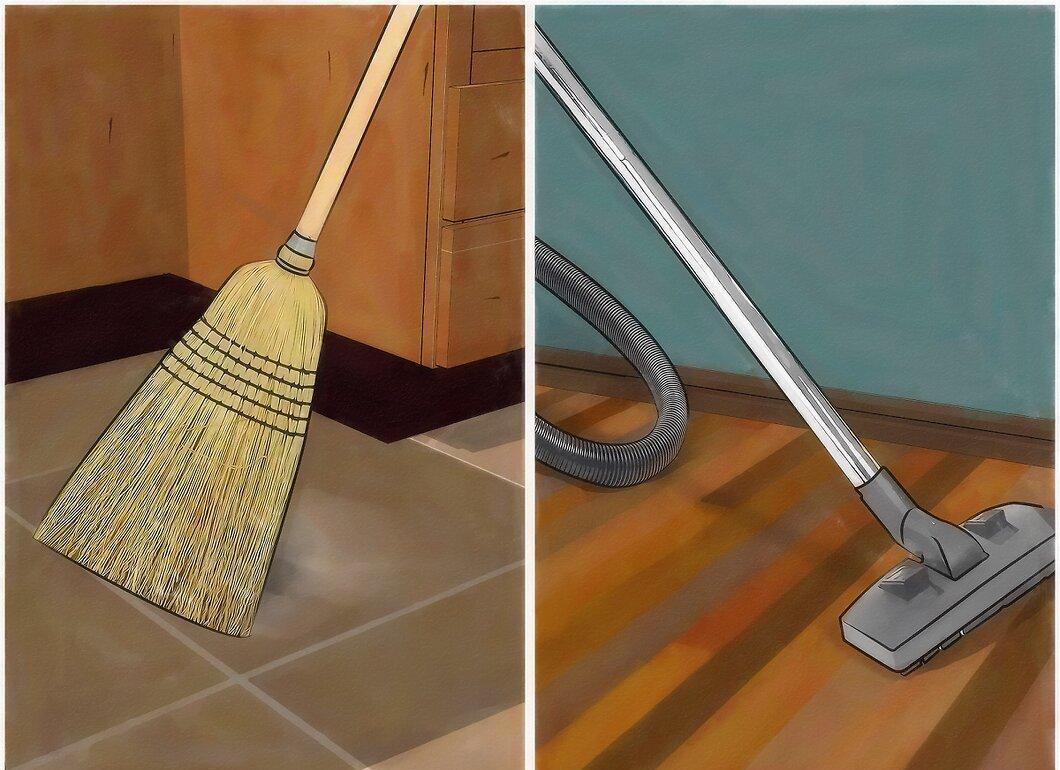
Maintaining cleanliness in your home is one of the most crucial steps. Mice come in search of food, so by eliminating food sources, they won't stick around. Store food in airtight containers in areas inaccessible to rodents.
Step 2. Use Peppermint Oil
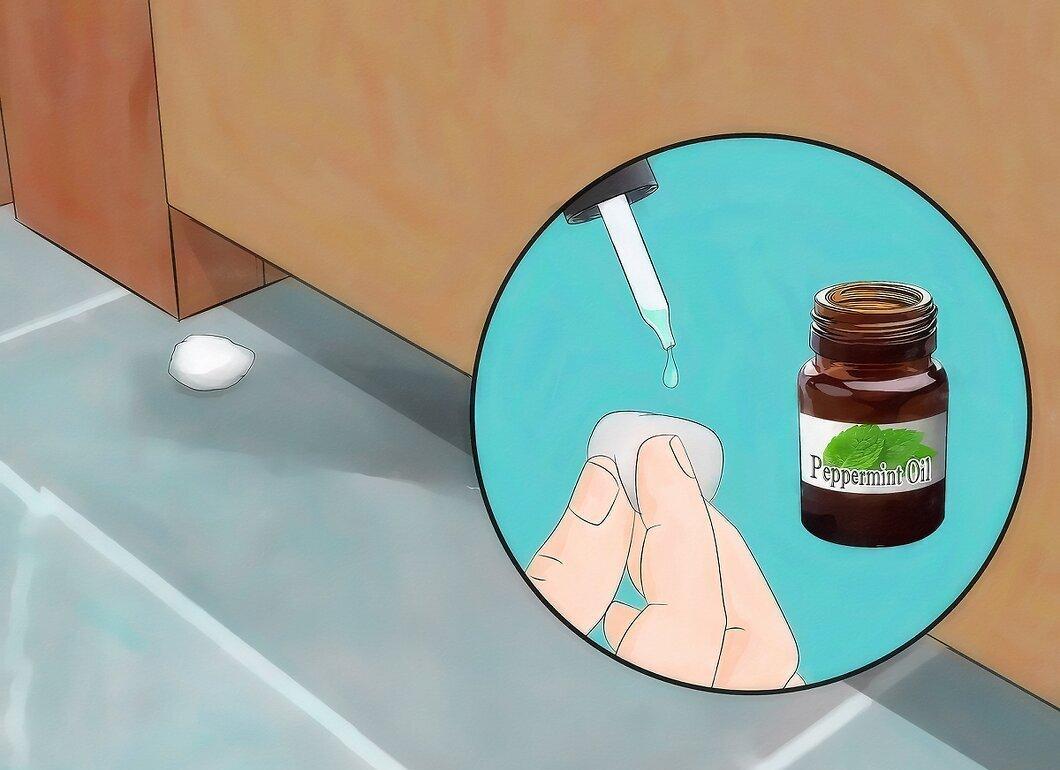
Peppermint oil is an excellent natural deterrent for mice due to its strong aroma. It’s not only effective but also helps mask the odors of forgotten food remnants. You can buy it at a store or pharmacy.
- Apply a few drops of the oil to a cotton ball.
- Place the cotton ball near the trash can to deter mice.
- Position cotton balls in areas where rodents might enter, such as around doors and ventilation ducts.
- Replace the cotton balls every 5-7 days, depending on the oil's potency.
- You can also grow peppermint in a pot near potential entry points.
Step 3. Use Dried Snake Droppings
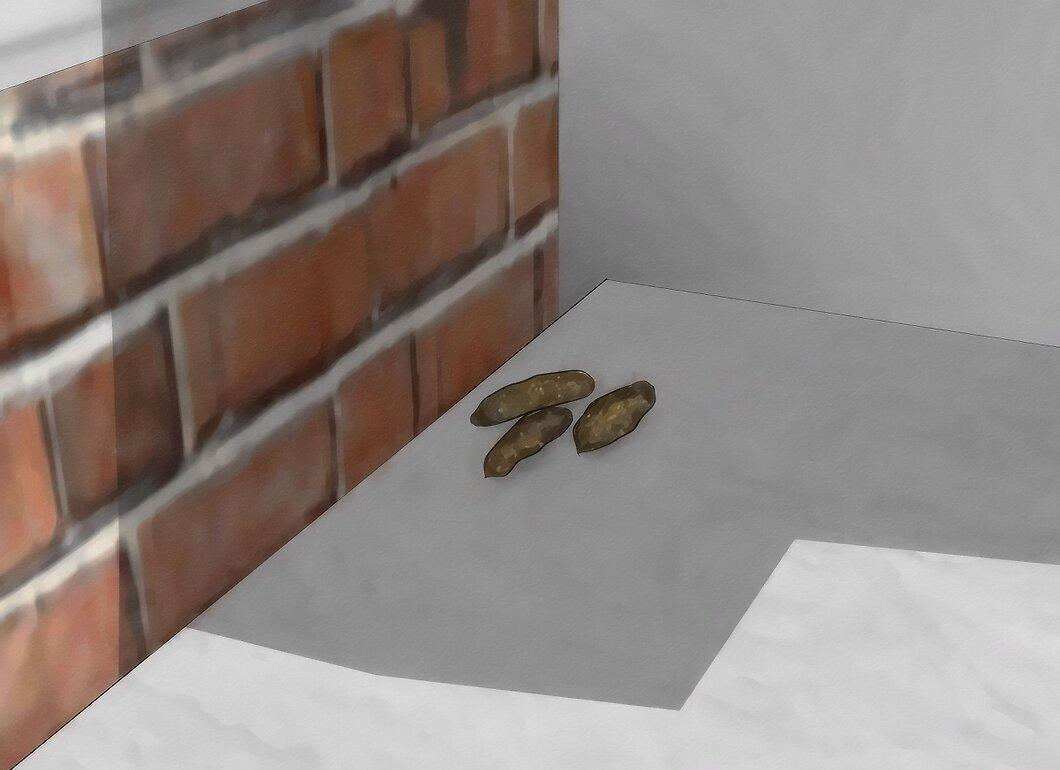
Visit a pet store or terrarium and get some dried snake droppings. Scatter them in places where mice might enter your home to repel them.
- Ensure that children and pets do not have access to these droppings.
Step 4. Install Ultrasonic Repellents
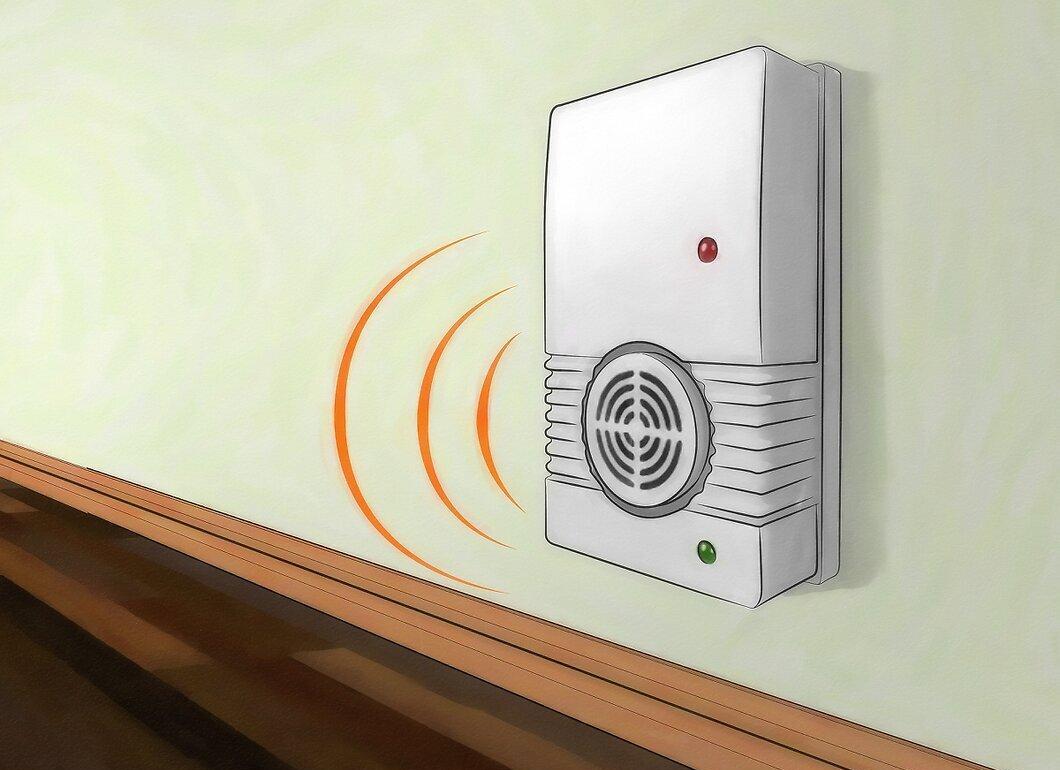
These devices emit ultrasonic sounds that deter mice. They can be purchased at hardware stores or online.
- Keep in mind that for effective use, you need to know the migration paths of mice, as the device only works within its range.
- The effectiveness of these repellents is limited since mice quickly get used to them. [4] X Reliable source University of California Integrated Pest Management Program
Step 5. Use Organic Repellents
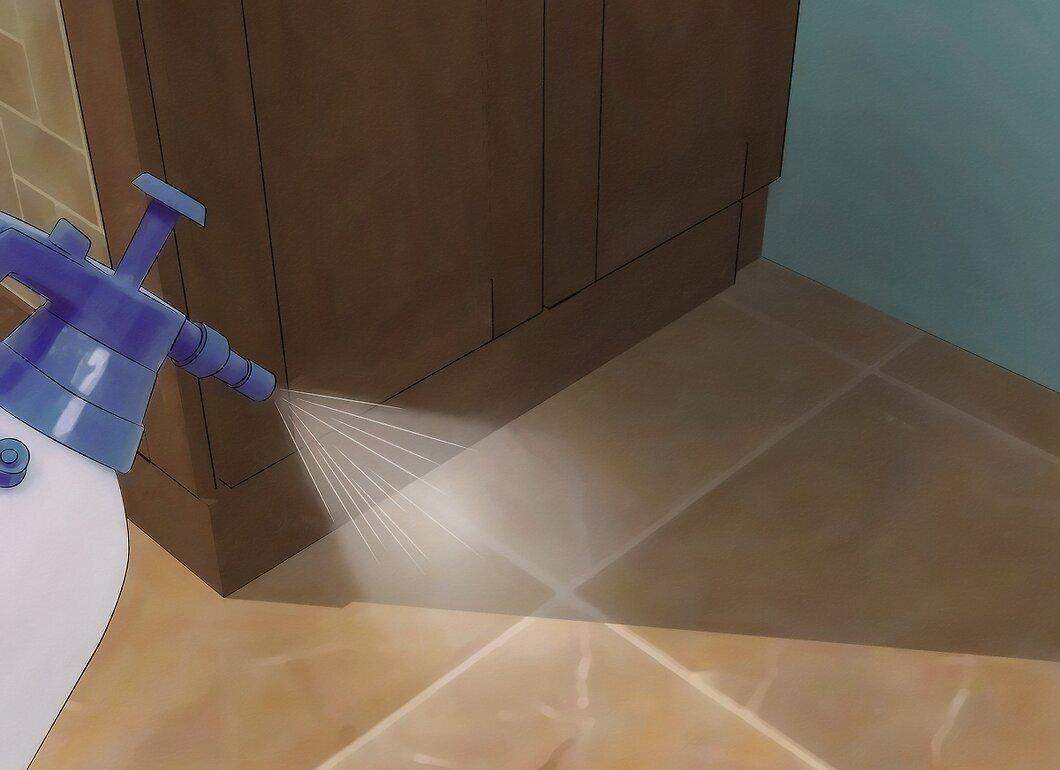
There are many organic repellents on the market that are less harmful to the environment than toxic chemicals. These products typically contain natural components, such as mint, that repel mice, but do not kill them, instead keeping them from entering your home.
- You can find organic repellents at specialty stores or order them online.
Step 6. Get a Cat
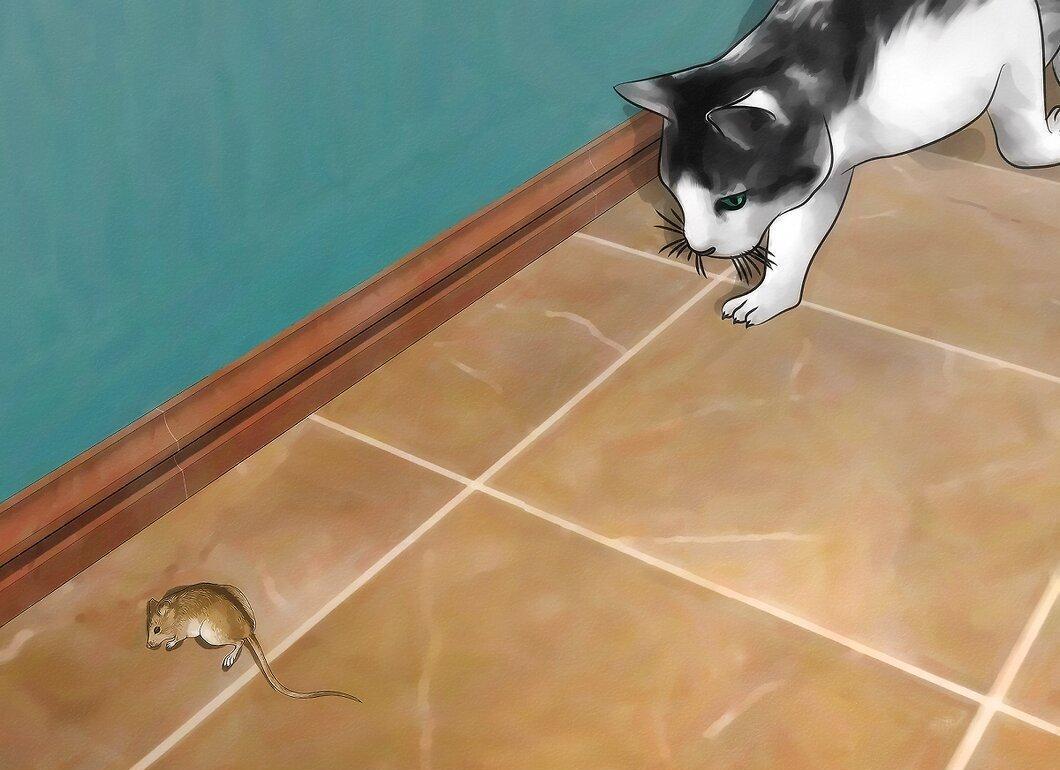
A cat can be your reliable ally in the battle against mice, especially if it roams outside. Outdoor cats have hunting instincts and often catch rodents. However, keep in mind that not all cats hunt mice with the same enthusiasm; some view them as toys.
- Even if you don’t have a cat, use used cat litter. Place litter boxes in areas where mice may appear to deter them with the scent.
- If your home is quite messy, a single cat might not suffice, but after tidying up, it can help prevent mice from returning. [5] X Reliable source University of California Integrated Pest Management Program
Step 7. Keep Trash Containers Away from the House

Mice are highly sensitive to smells, and garbage can be a magnet for them. By placing trash containers away from your home, you reduce the likelihood of attracting rodents.
Step 8. Create Conditions for Predatory Birds to Nest

Build a birdhouse in your garden to attract predatory birds. This method requires effort and time, but it can significantly help in the fight against mice.
- Ensure that the materials for the birdhouse don’t have protruding nails that could harm the birds.
- Barn owls are one of the best options, as they can catch many mice in a single night, but you can attract other predators as well.
Mouse-Proofing
Step 1. Look for Holes in the Walls
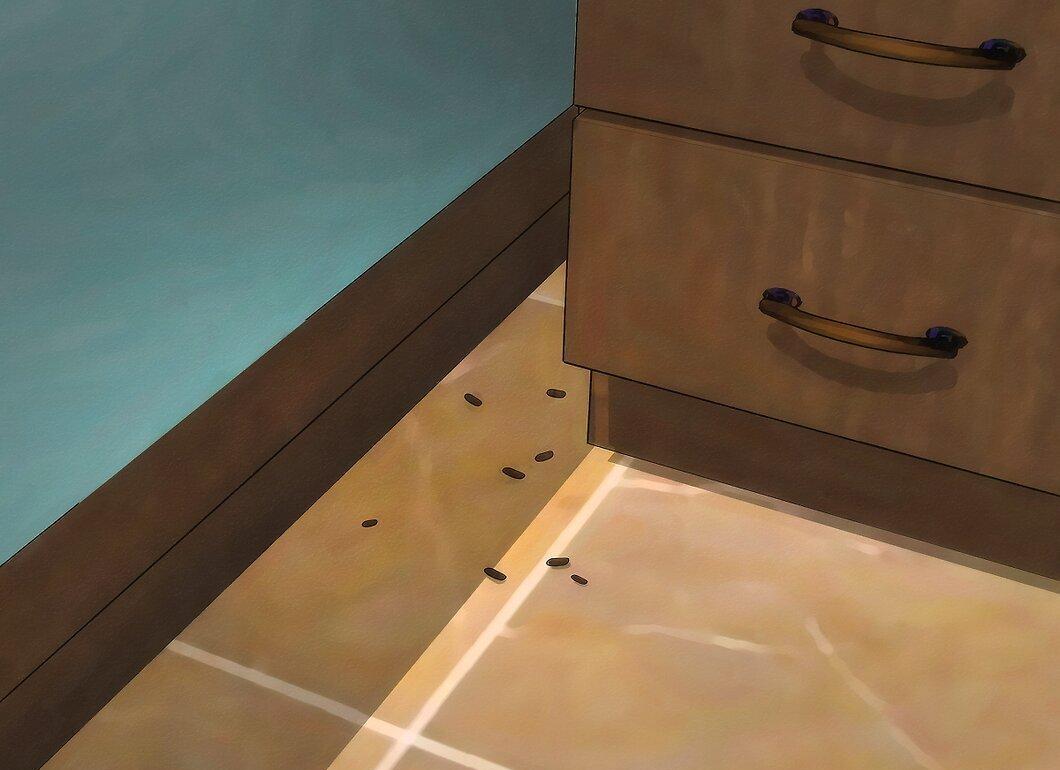
Pay attention to small holes in the walls where rodents might enter. Usually, you can see traces of dirt and droppings in these areas, as well as smell a distinct odor.
- Mark the found holes so they can be easily identified later.
Step 2. Seal Internal Gaps
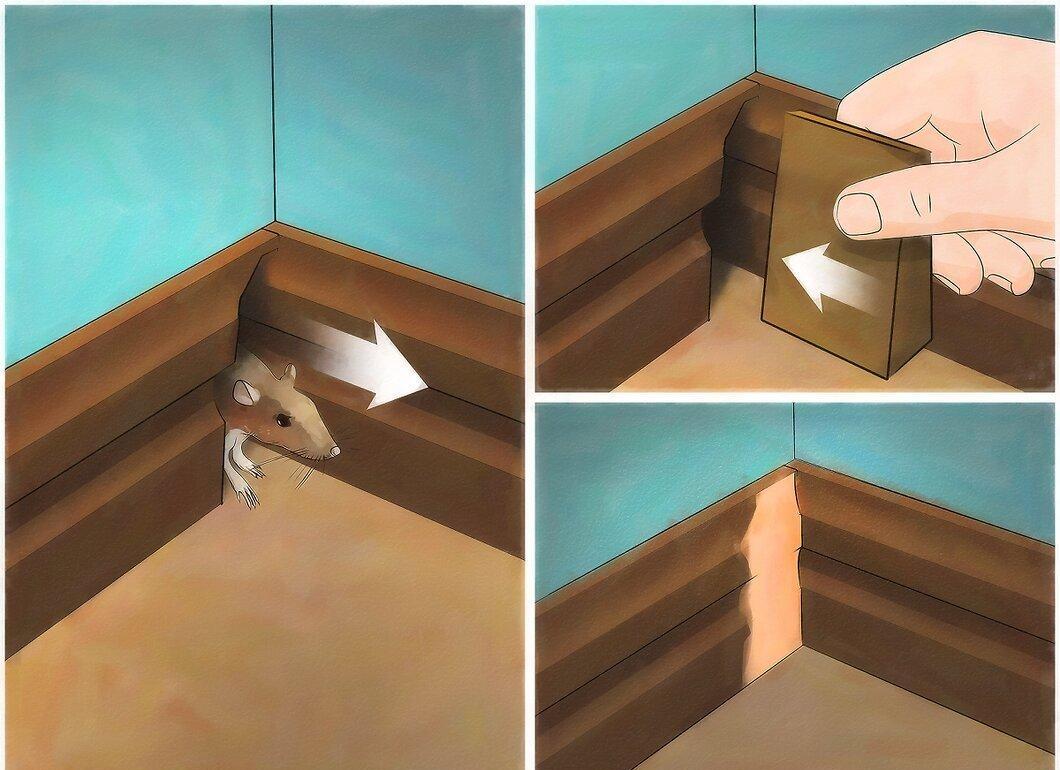
Start by sealing gaps in the internal walls to give mice a chance to leave the home and not hide in it. Use caulk or spackle for small holes, and drywall might be needed for larger gaps.
- Ensure that baseboards are securely attached, as mice can enter through gaps beneath them.
- If mice get trapped between the walls, they may create new holes, so it’s important to give them a chance to exit before sealing.
Step 3. Close Entry Points
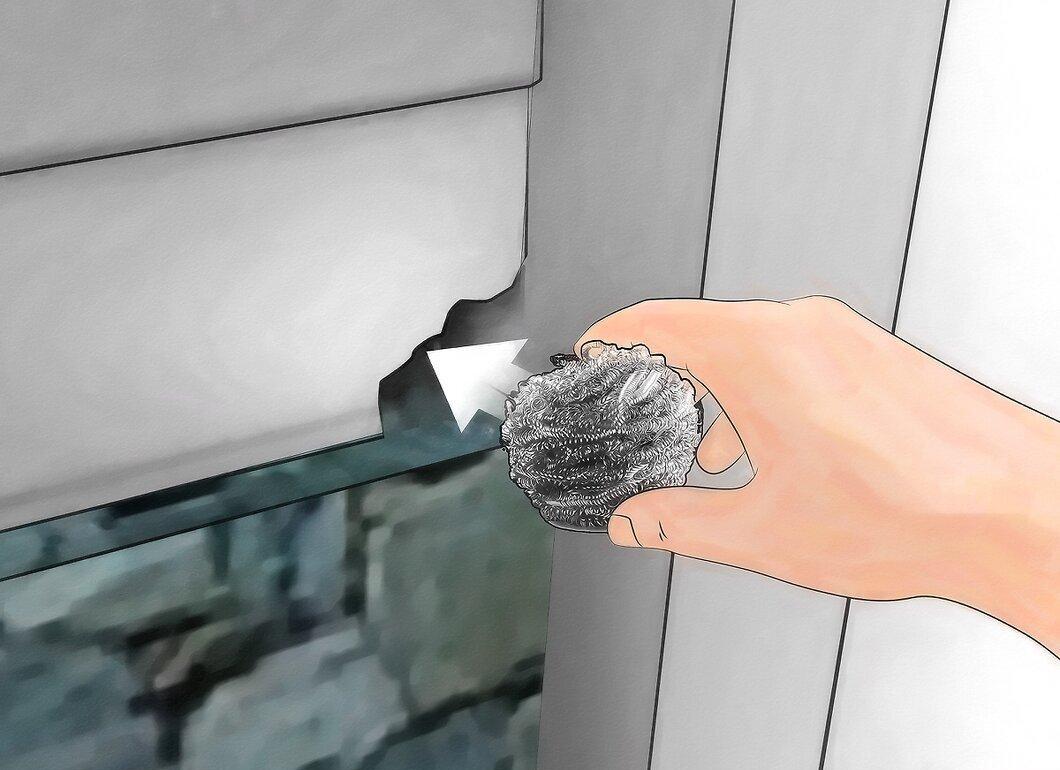
For a temporary solution, you can use steel wool to fill holes, but it’s better to use copper or green kitchen sponges, as they do not rust. Make sure the sponge is securely in place; otherwise, mice may push it out.
- Once the internal walls are sealed, move on to sealing holes in the external walls using the same sponges or construction sealant.
Step 4. Check Sealed Holes
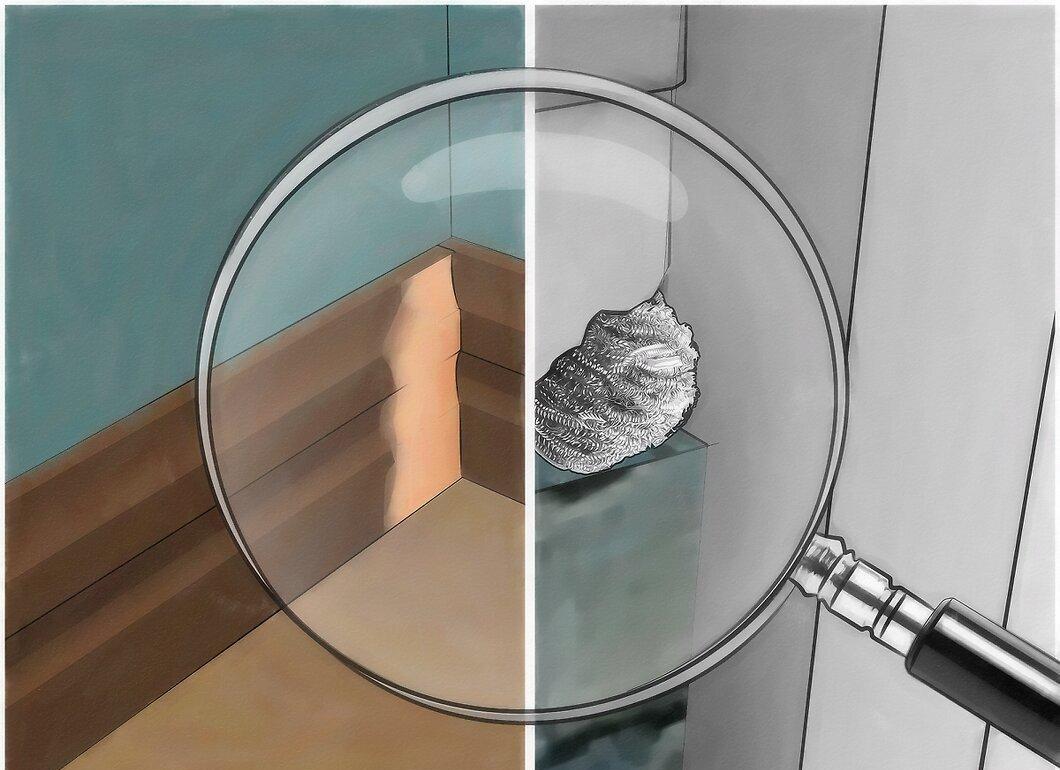
Check the sealed holes after a few days for signs of mice. If they appear, inspect the sealing and look for new entry points.
- Ensure that you clean up droppings and disinfect the area around the holes using a solution of one part bleach to ten parts water. [10] X Reliable source Penn State Extension
Mouse Traps
Step 1. Buy a Humane Trap
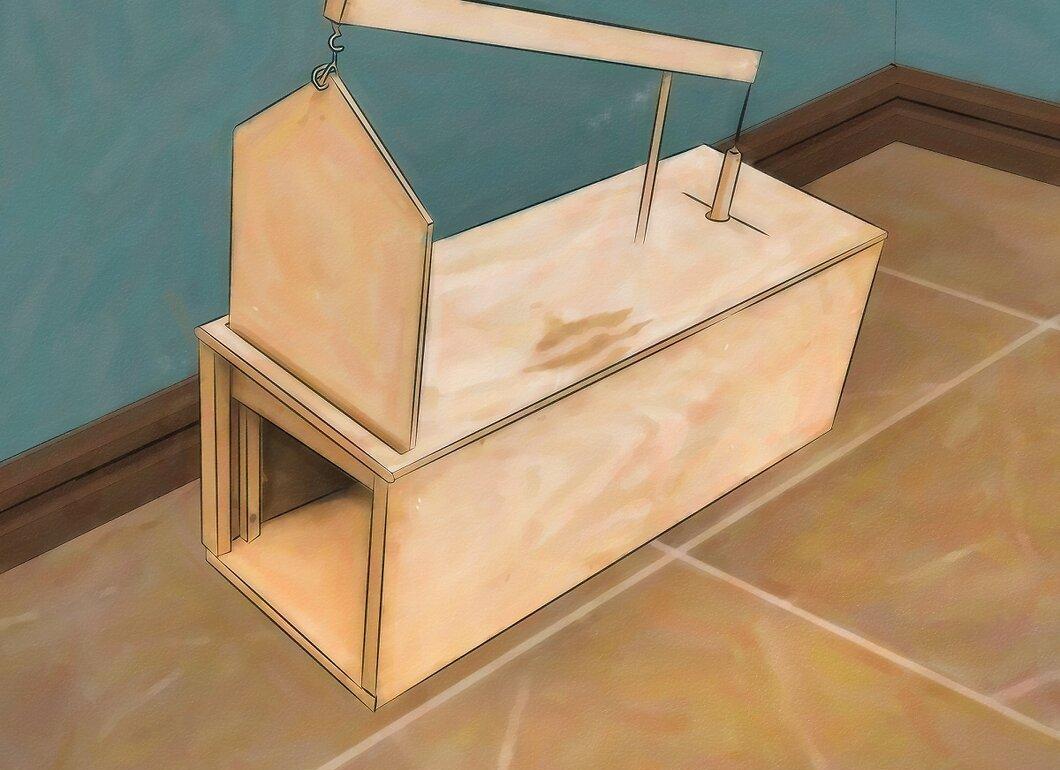
There are many traps that allow you to catch mice alive. They usually consist of a box into which the mouse enters and cannot escape, allowing you to release it humanely into the wild.
- Release the captured rodent at least one and a half kilometers away from your home, preferably in a forest, so it doesn’t return.
- Killing mice does not solve the problem, as a new rodent will move in to replace the dead one, potentially increasing the population.
Step 2. Create a Homemade Trap
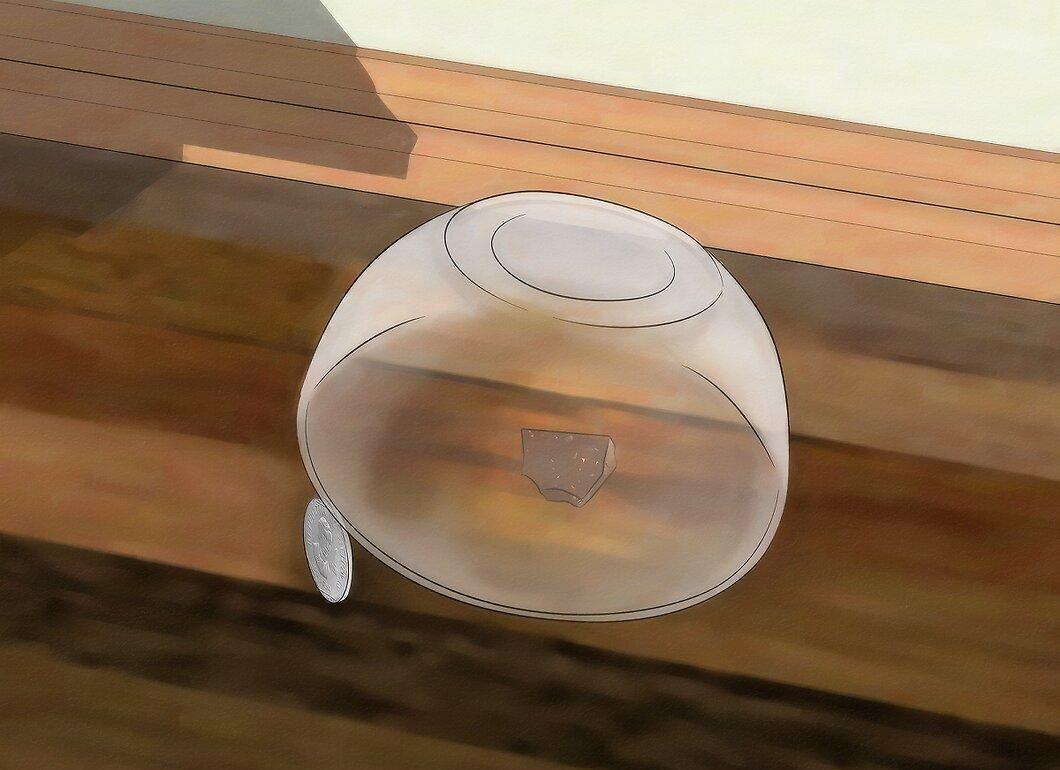
Use a glass bowl and a coin to create a humane trap. Attach a piece of chocolate to the side of the bowl, turn it upside down, and balance it on the edge of the coin. Place the setup in areas where mice are frequently spotted.
- The mouse will crawl under the bowl in search of chocolate and fall in, becoming trapped.
- Then carefully release the mouse away from your home.
Step 3. Lure the Mouse into a Container
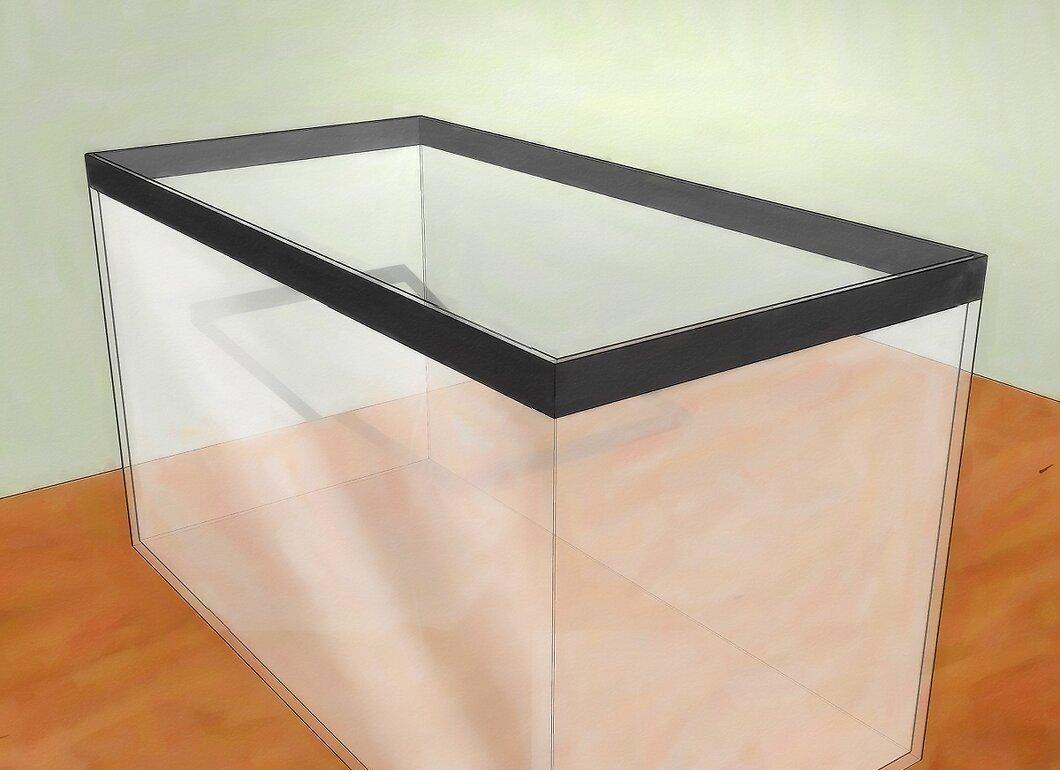
Use a 40-liter aquarium to catch mice. Place it in areas where rodents are often present and create a path to it using books or other objects.
- The mouse will jump into the aquarium in search of food but won’t be able to escape.
- Check the trap regularly.
- If you catch a mouse, cover the aquarium with a lid and transport it away from your home.
Step 4. Throw a Towel over the Mouse
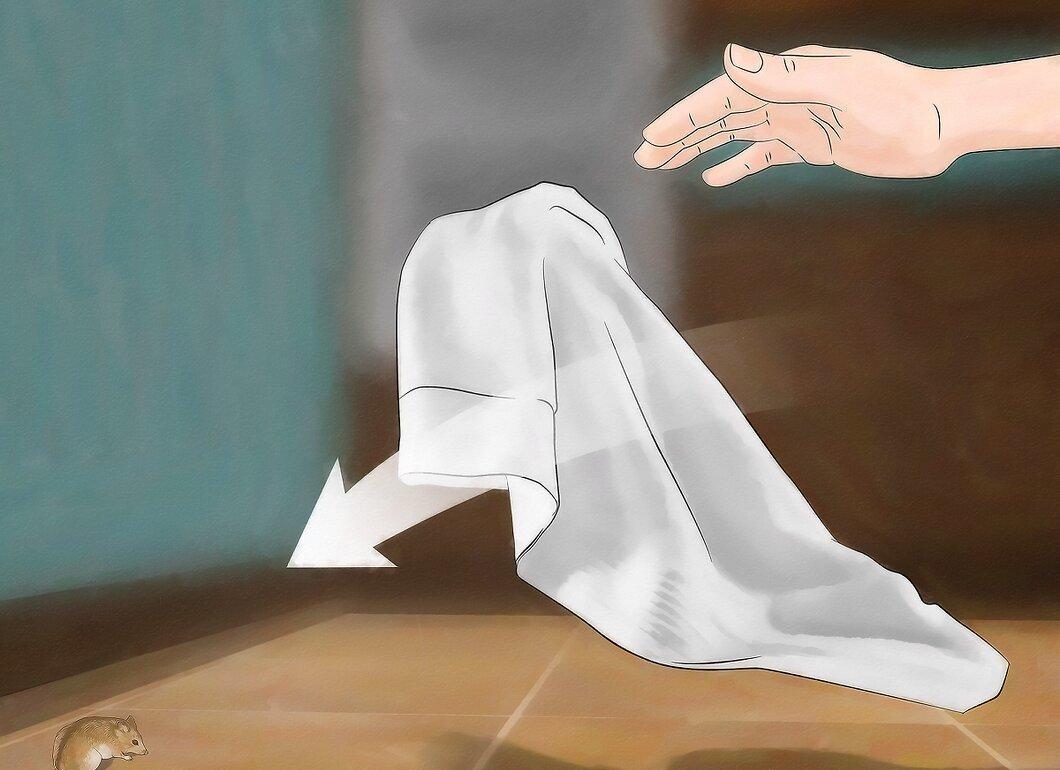
This method requires speed. Turn a wastebasket upside down and place it on a towel. Tuck the edges of the towel under so that the basket lies flat on the floor. Slide cardboard under the basket.
- Quickly flip the basket while holding the cardboard, trapping the mouse inside.
- Remove the trap and take it as far from your home as possible to release the rodent.