Clearing clogs from pipes can be done using a spring-loaded snake tool with a handle on one end. There are two main types of plumbing tools for dealing with clogs: drain snakes, which are the most common, and plungers, designed for narrower openings, such as toilets. In this guide, we will explain how to properly assess the severity of a clog and avoid the need for expensive plumbing services.
Assessing the Clog
Step 1. Try using a plunger.
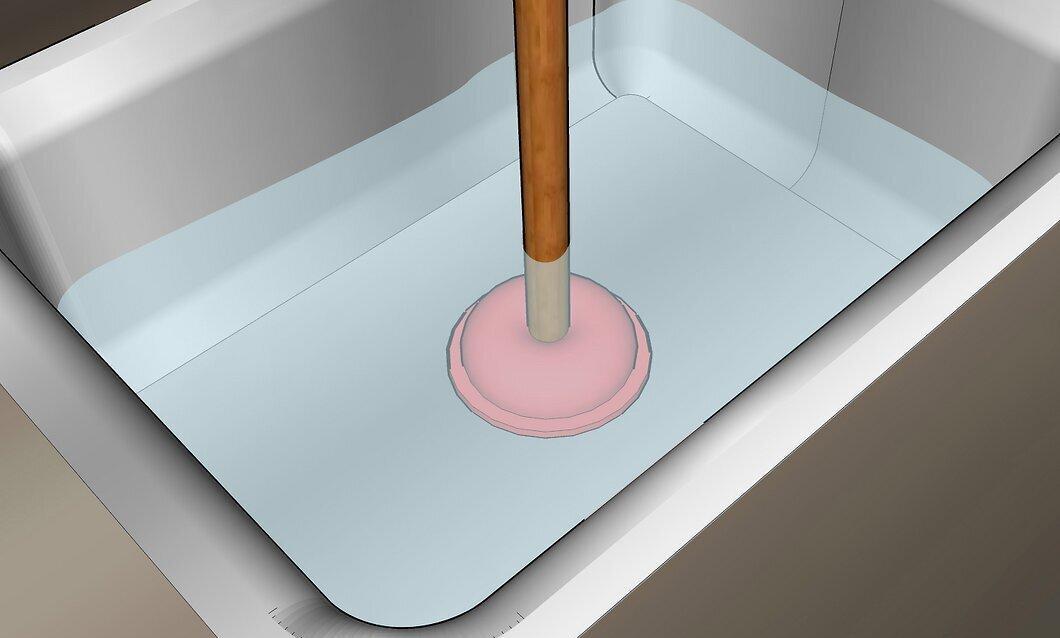
First, use a plunger. Many light clogs can be cleared with it. If you can remove the clog with a plunger, you'll avoid a more complicated process with a drain snake. Here’s how to use a plunger effectively:
- Position the plunger over the drain opening. Ensure that the rubber part fits snugly against the drain, creating a tight seal.
- Push down on the handle to compress the rubber. Once you hear a characteristic gurgling sound, pull the handle back and press down again. Repeat this motion until the water starts to drain.
- If the drain remains clogged, set the plunger aside and try another method.
Step 2. Check the trap.
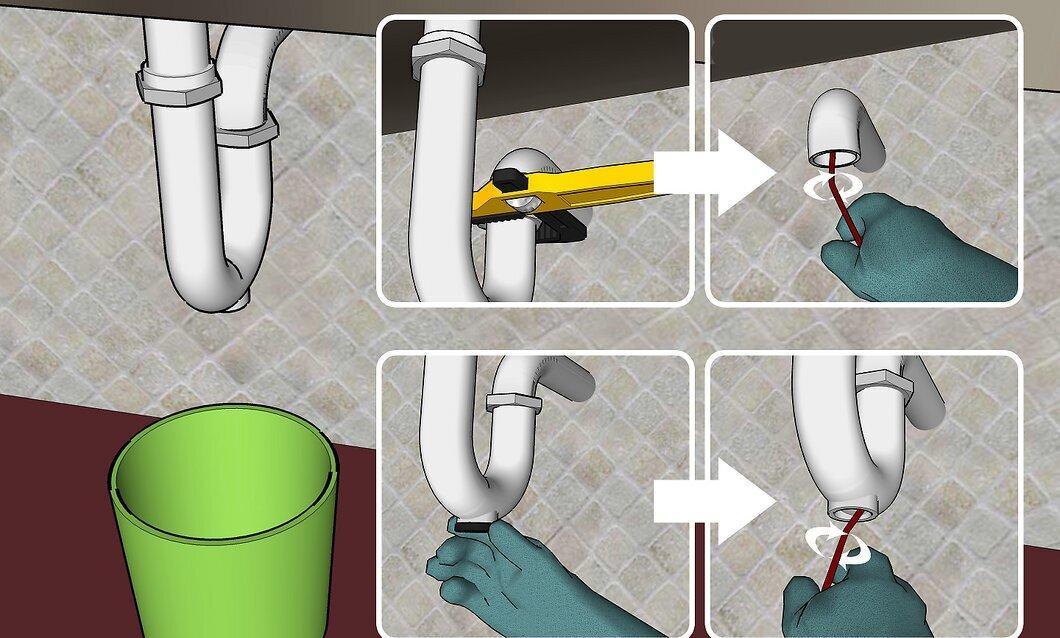
Take a look at the trap. Many clogs form in the trap under the sink, which catches larger items and hair. To clean the trap, follow these steps:
- Place a bucket under the sink to catch any water and debris that might fall out when you remove the trap.
- Remove the trap plug, usually located at the bend of the pipe. Use a wire or another long tool to remove any blockages.
- If there’s no plug, try unscrewing the trap with pliers and remember to clean it before putting it back.
- If the problem persists after cleaning the trap, move on to the next step.
Using a Snake
Step 1. Gather your tools.
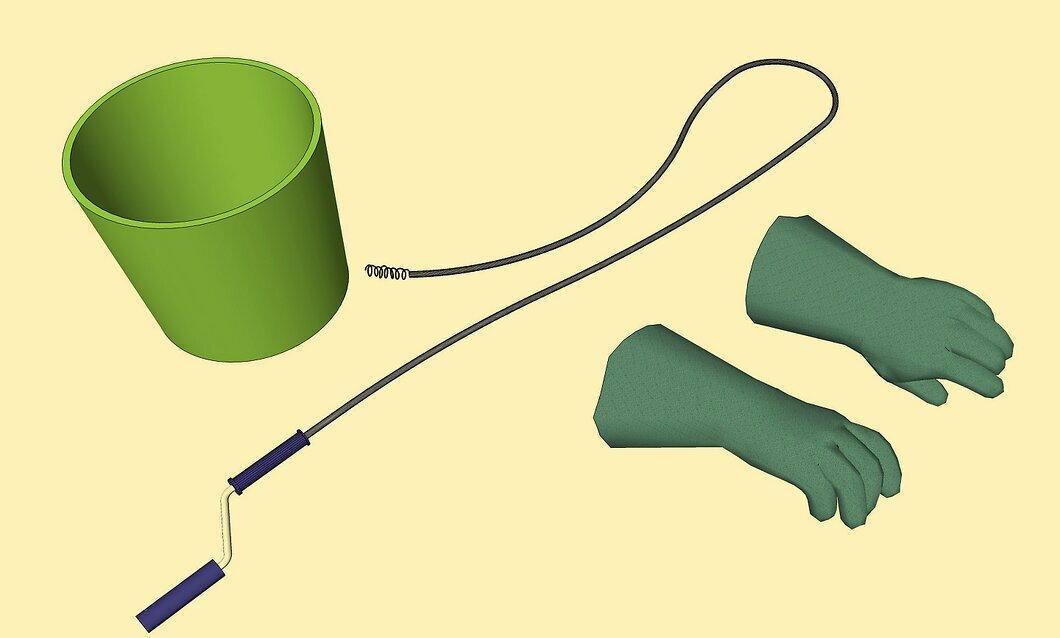
Collect all the necessary items: you will need a sink or toilet snake, a bucket, rubber gloves, and some old towels for cleaning up messes.
Step 2. Clear away any obstacles.
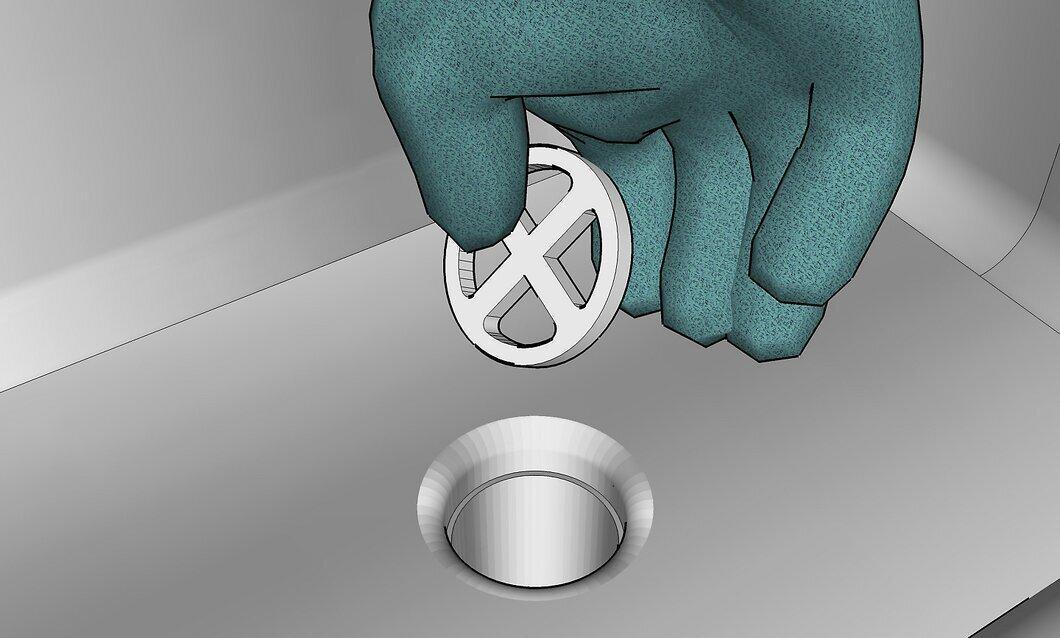
Remove anything that might obstruct access to the drain. If you have a grate, take it off.
Step 3. Insert the cable into the drain.
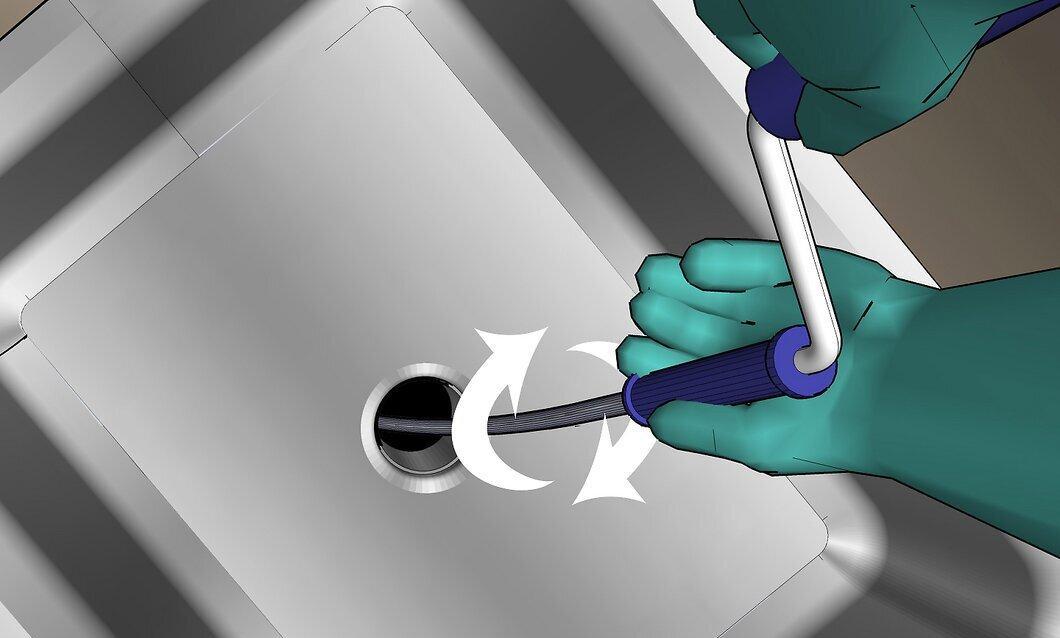
Feed the cable into the drain. Rotate the handle clockwise while pushing it in.
- Hold the handle with both hands if you find it difficult to advance.
- When the cable is about 3 inches (7.5 cm) from the drain opening, stop to better control the movement and feel for the clog.
Step 4. Push the cable until you feel resistance.
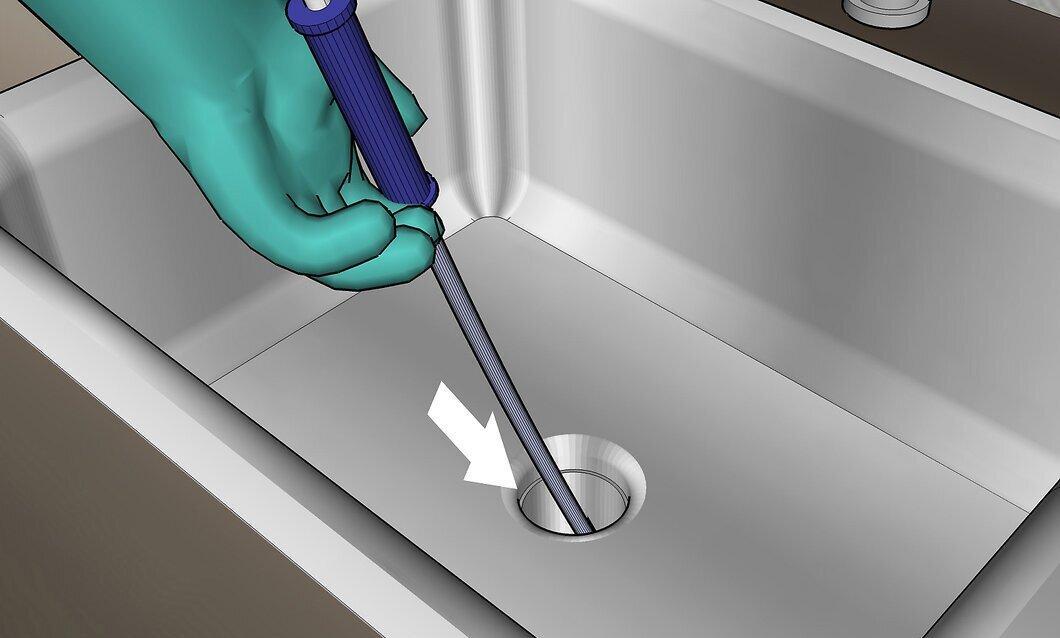
Continue pushing the cable until you hit an obstruction. You will feel the cable hitting the pipe wall.
- Keep rotating the handle until you determine if the cable has entered the clog.
Step 5. Try to hook the obstruction.
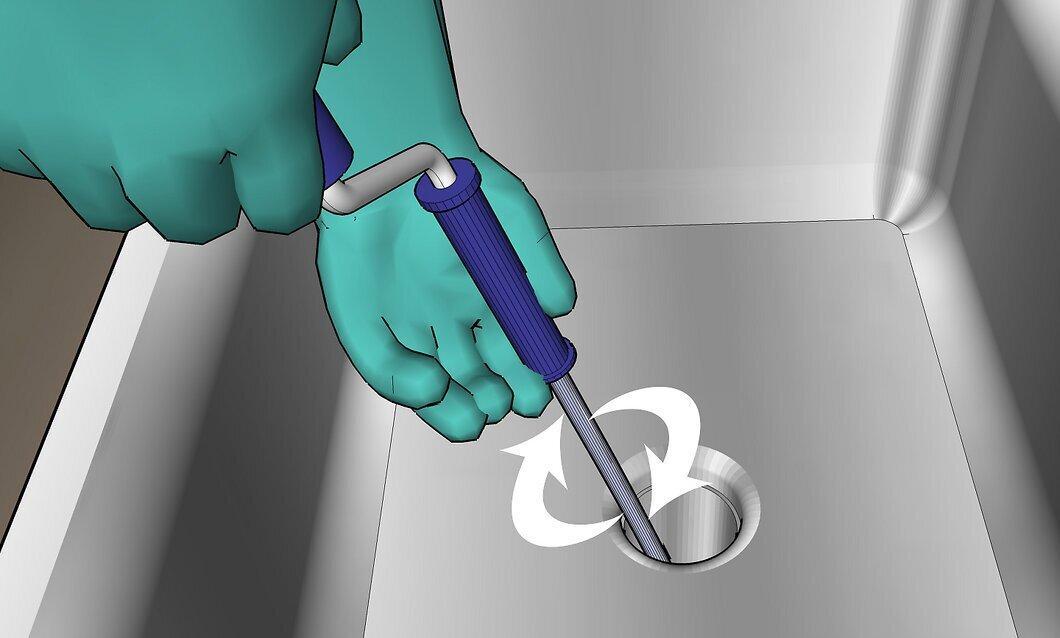
Try to snag the clog. Keep rotating the cable clockwise, then pull it back to capture any stuck items. Then, push the debris inward to break up the blockage.
- Work on the clog until the end of the snake passes through it. Rotate the handle until you break the clog into smaller pieces.
- If the obstruction doesn’t yield, you may have snagged something hard.
Step 6. Carefully pull out the clog.
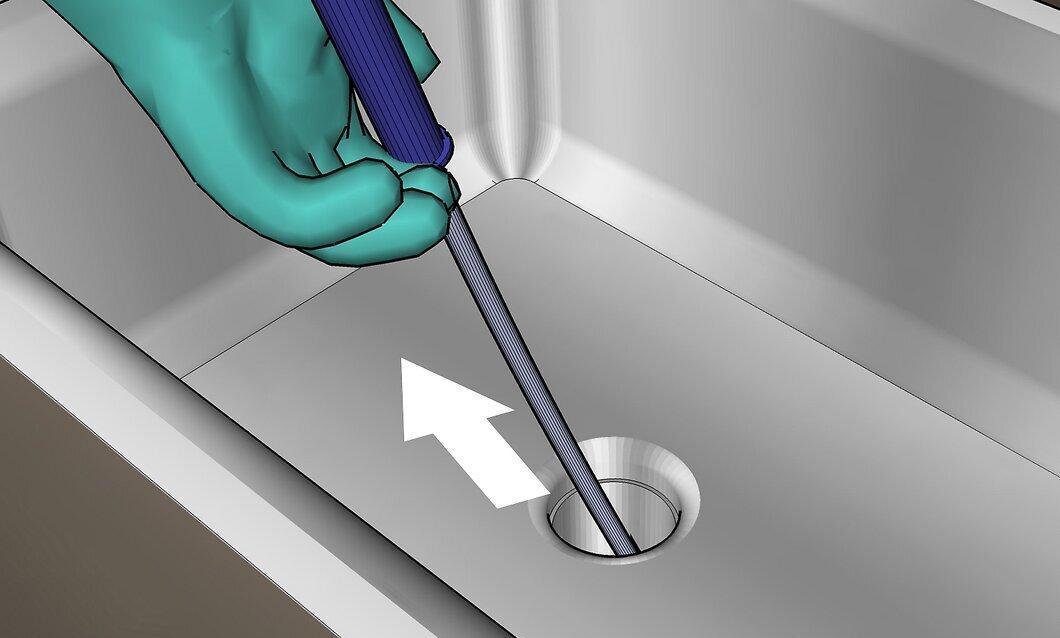
Slowly pull out the cable to avoid losing what you’ve caught.
- Clean off the debris from the cable with a towel and dispose of it in the bucket.
- Continue pulling until the cable is completely out.
Step 7. Check if the drain is working.
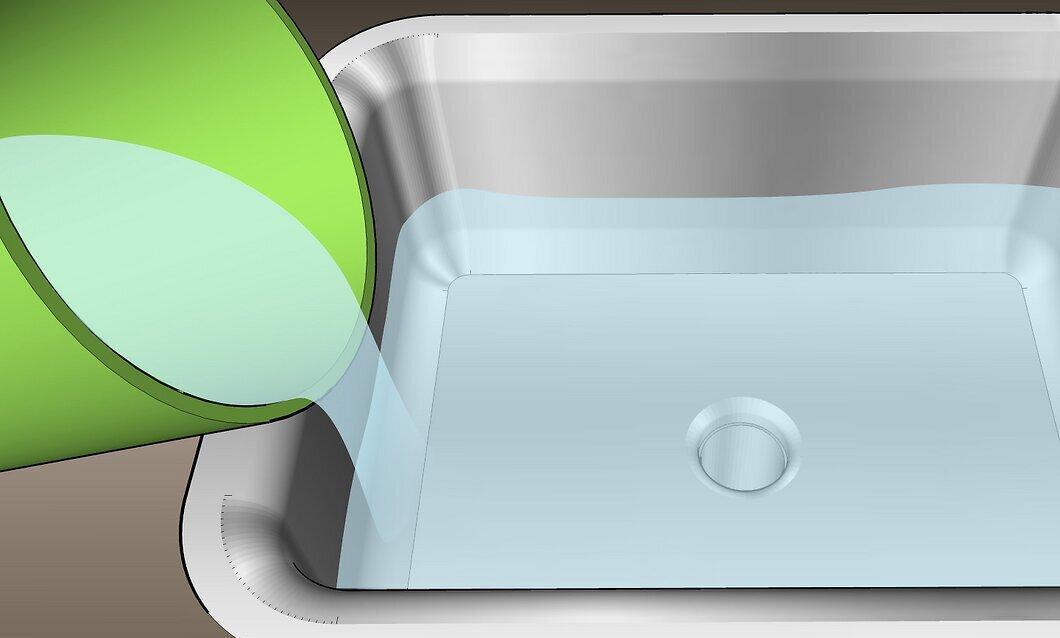
Make sure the drain is no longer clogged. Run water down the drain. The flow rate might not improve immediately.
- If the drain isn’t working, consider approaching the problem from a different angle. You can insert the snake directly under the bathtub by unscrewing the trap and using the same method.
- If the drain is still not functioning after this, the clog may be too deep, and you should consider calling a plumber.
Preventing Clogs
Step 1. Avoid flushing solid items down the drain.

Avoid flushing solid items down the drain. Hair and heavy laundry residues can also lead to clogs. Make sure all solid substances end up in the trash, even if they seem small enough.
Step 2. Use strainers to catch debris.
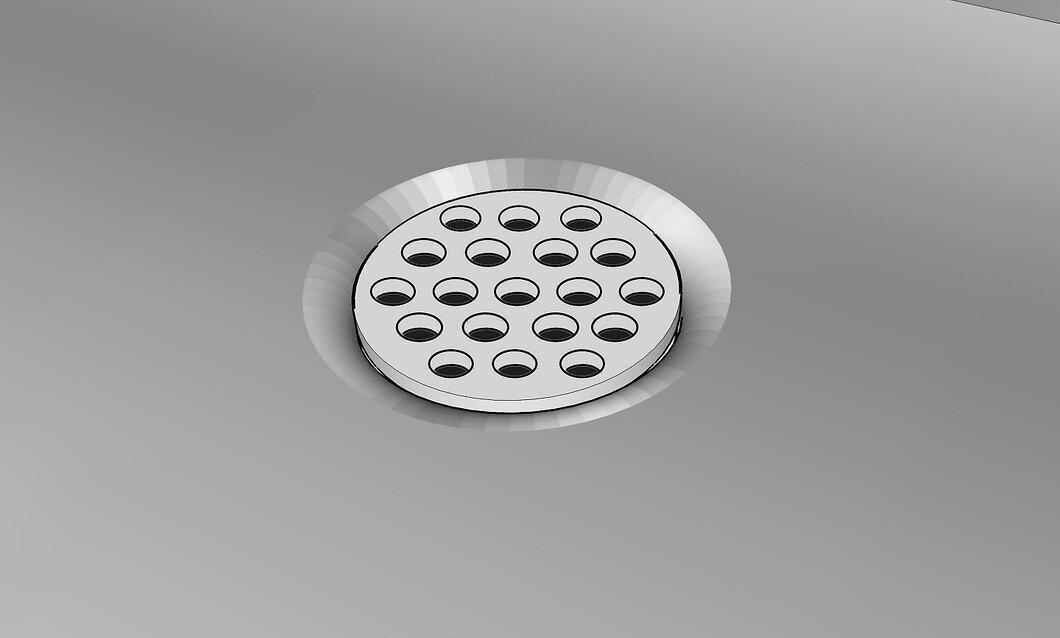
Strainers can help prevent unwanted objects from getting through. Install them in both the sink and the shower to keep hair from building up in the pipes.