Galvanized steel is steel coated with zinc to prevent corrosion and enhance durability. It is often found in sheets used for making downspouts, car doors, and folding roofs. Despite its rust-resistant properties, galvanized steel can become dirty and requires proper maintenance. To preserve its appearance and prolong its lifespan, regular cleaning is essential.
Removing Dirt and Residue
Step 1. Wipe the Surface with a Damp Cloth.
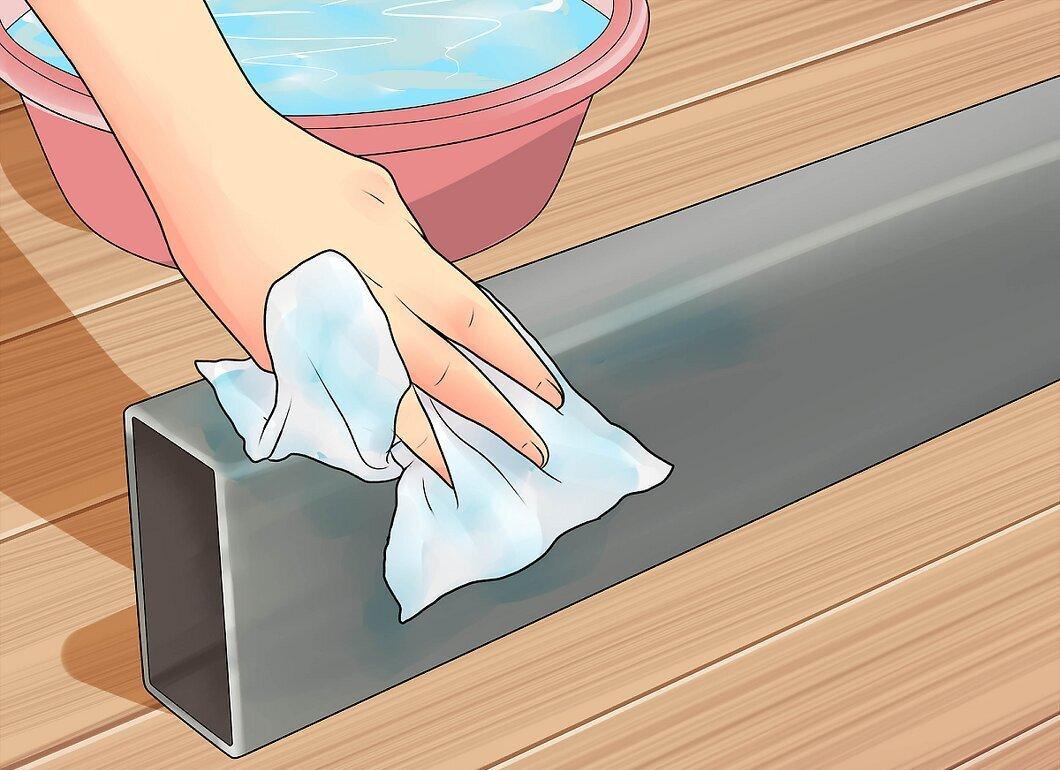
Start by wiping the galvanized steel with a cloth dampened in clean water. This will help you get rid of dirt and streaks. Regular cleaning will prevent the accumulation of grime and chemical residue, making future cleaning easier.
Step 2. Use a Soapy Solution and a Brush.
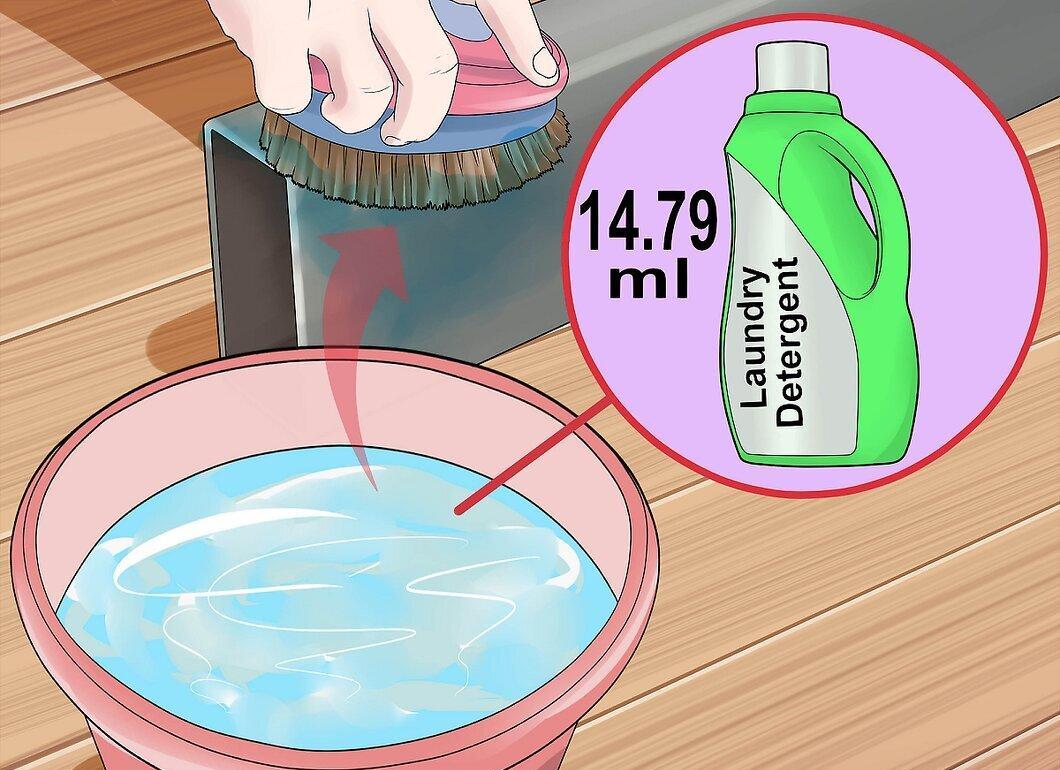
For deeper cleaning, create a soapy solution. Mix 15 ml of liquid detergent with a bucket of water and thoroughly scrub the surface with a brush, paying special attention to dirty areas. It is recommended to use a nylon or plastic brush, as brushes made from other materials may damage the zinc coating.
- Avoid using alkaline cleaners, as they can break down the protective zinc layer.
- Uneven cleaning may result in color differences between cleaned and uncleaned areas.
- Avoid excessive abrasive cleaning to not shorten the lifespan of the galvanized steel.
Step 3. Apply Car Wash Soap.
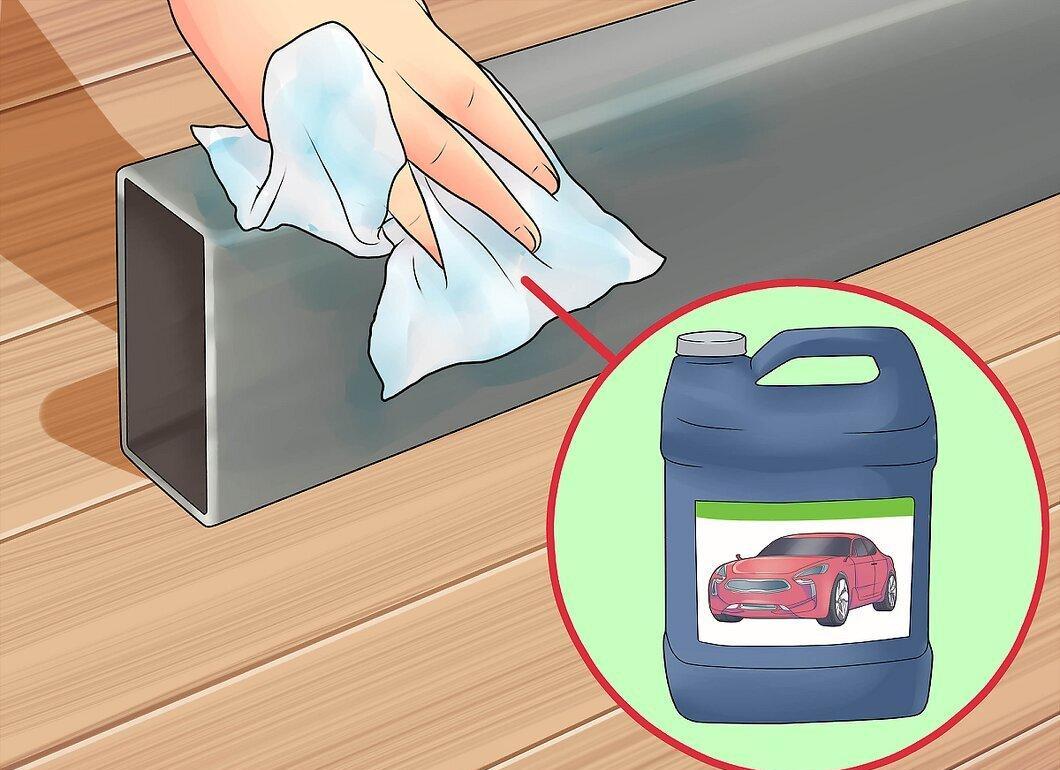
Car wash soaps are specifically designed to reduce the risk of corrosion and are excellent for cleaning galvanized steel. Make sure to rinse off the soap with cold water after use.
- Check the instructions on the packaging to avoid mistakes.
- These products can be purchased at auto supply stores or online.
- Most modern cars are also made of galvanized steel to prevent rust.
Step 4. Use a Pressure Washer for Large Areas.
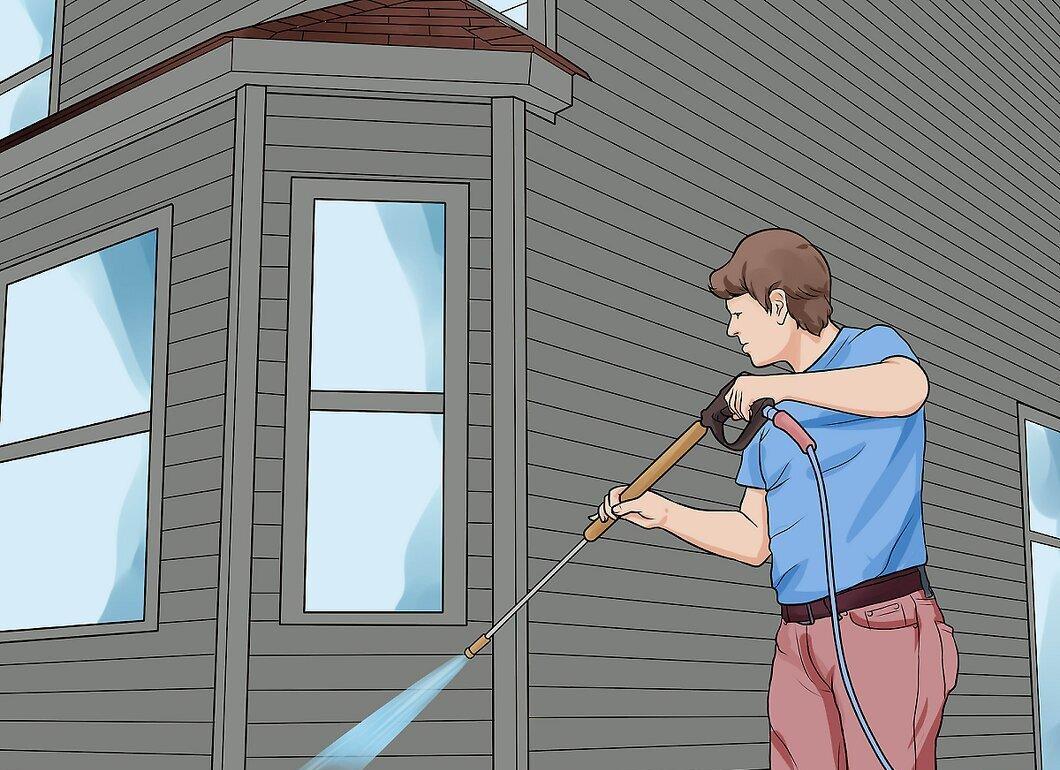
If you need to clean a large area, such as a roof or the walls of a house, use a pressure washer. It will significantly simplify the process, quickly washing away chemicals and cleaning residues.
- Ensure that the water pressure does not exceed 100 bar to avoid damaging the zinc coating.
Removing Corrosion from Humid Storage
Step 1. Prepare an Ammonia Solution.
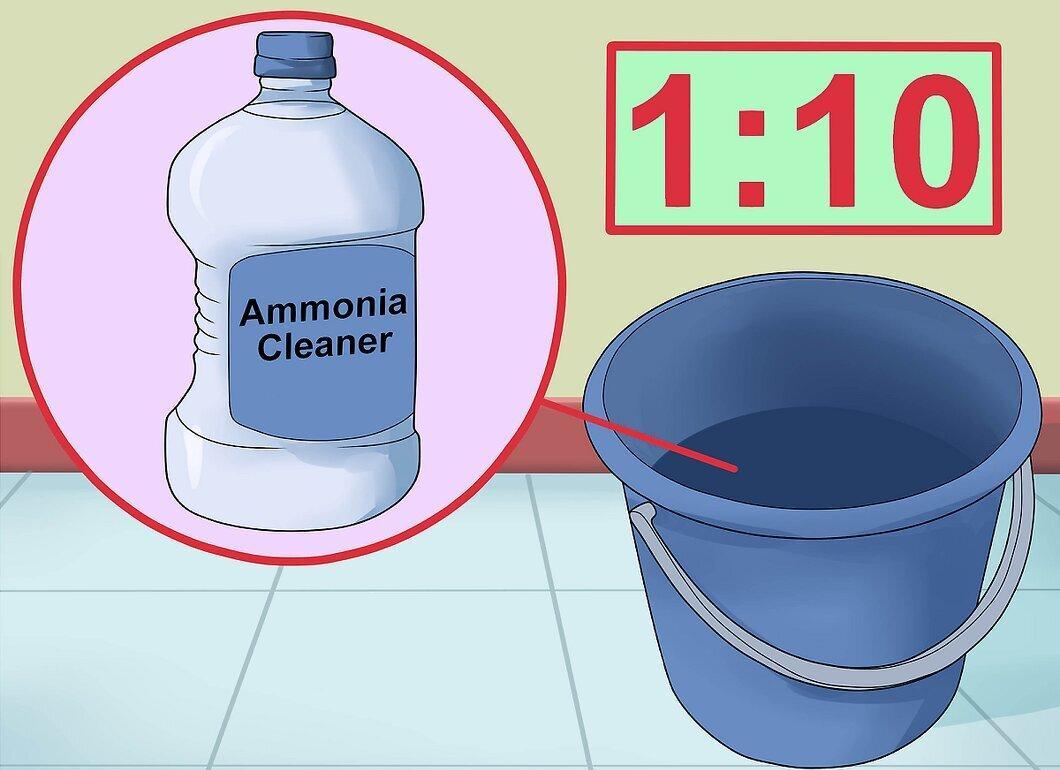
Mix 1 part ammonia with 10 parts water in a bucket. Ammonia-based cleaners are usually available at major hardware stores and are effective for cleaning galvanized steel.
- Be sure to wear gloves, as ammonia can irritate the skin.
- Alternatively, you can use CLR, lemon juice, rust remover, or vinegar.
Step 2. Treat the Steel with a Brush Dipped in the Solution.
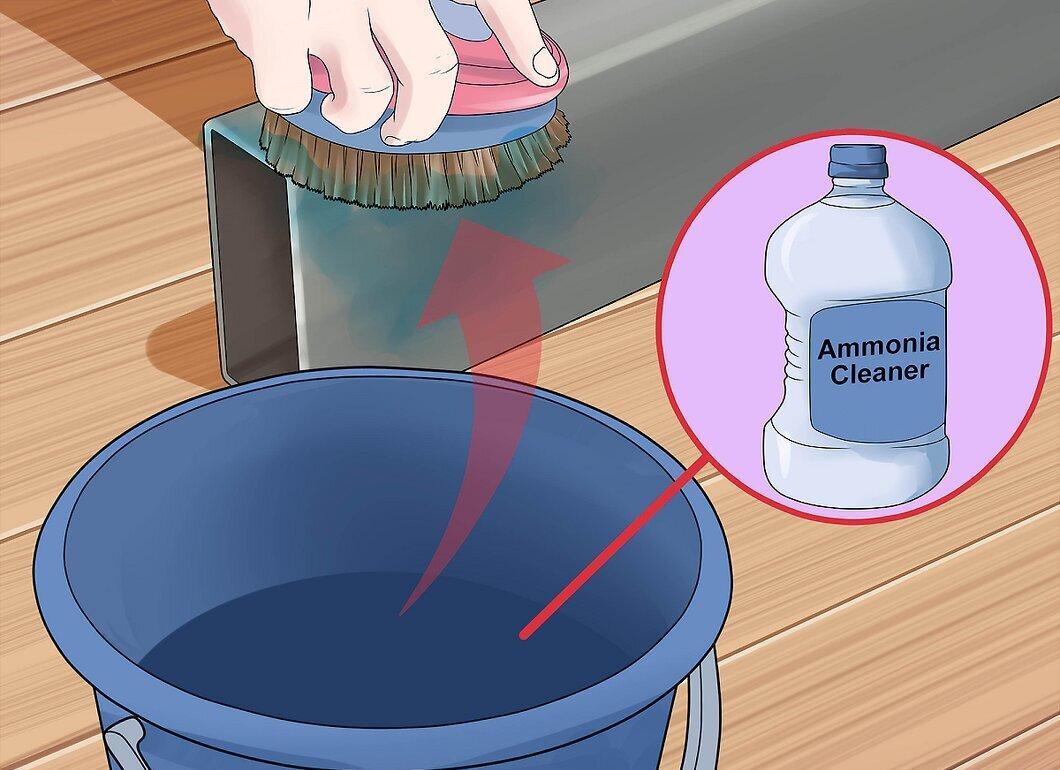
Dip a nylon brush into the solution and scrub the steel in circular motions, focusing on problem areas. The white residue should start to gradually disappear.
Step 3. Request Chemical Passivation.
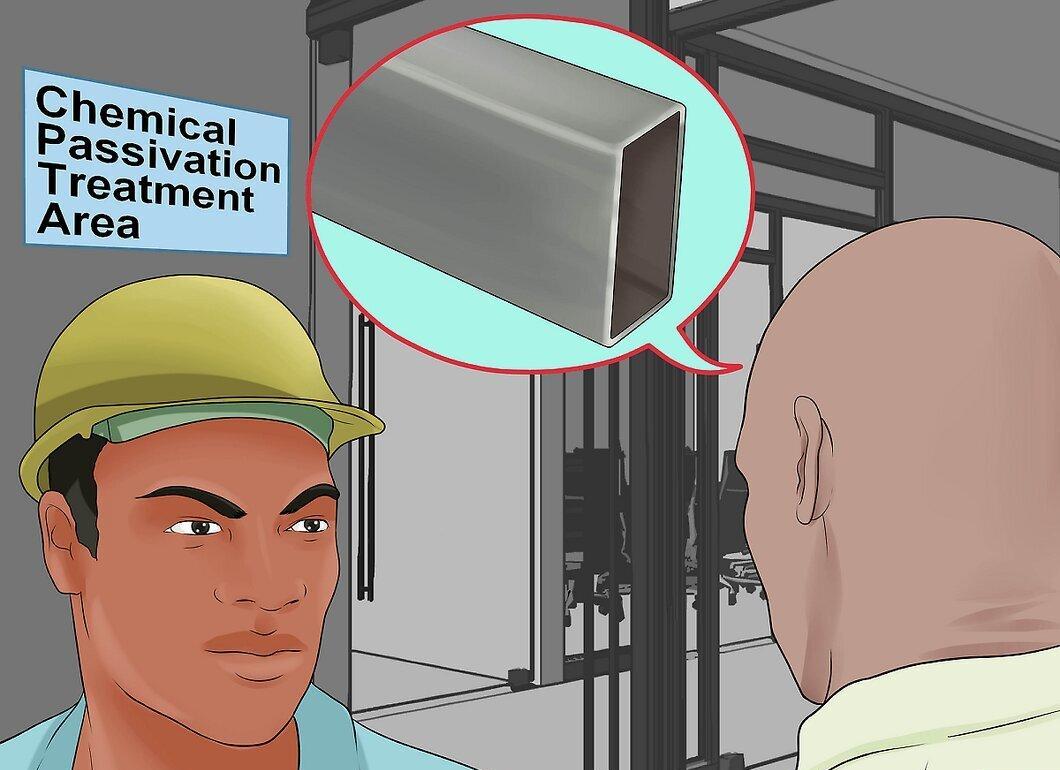
Ask the manufacturer to perform chemical passivation on the galvanized steel. This process involves applying a solution of chromic acid to the surface to prevent corrosion.
- A small investment in passivation can save money on steel replacements in the future.
Step 4. Rinse the Steel and Allow It to Dry.
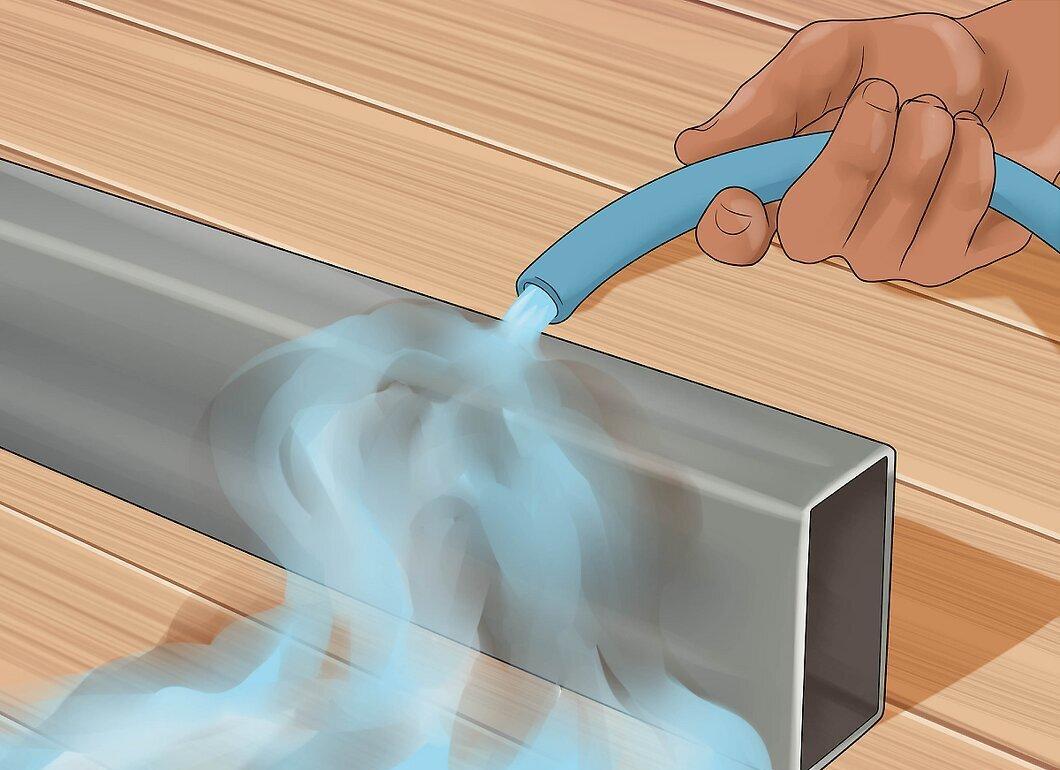
Rinse the galvanized steel with clean water to remove any chemical residues that may cause corrosion.
Step 5. Store Steel Properly.
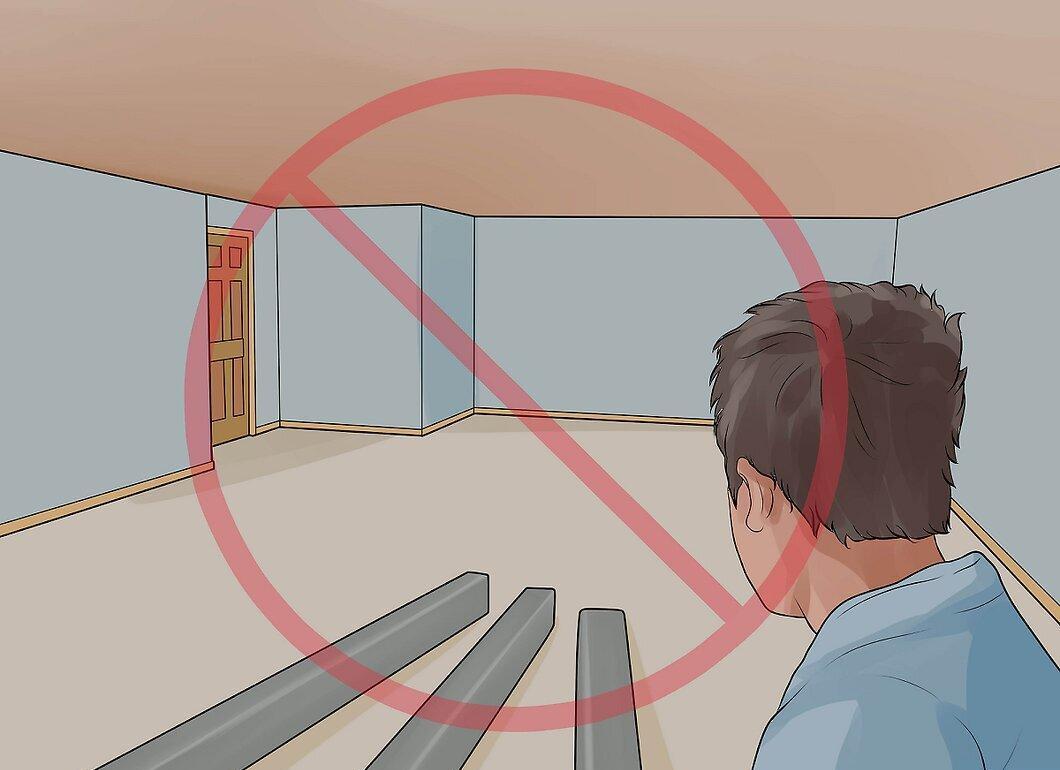
Do not leave galvanized steel in damp and poorly ventilated areas. Improper storage can lead to corrosion. Store steel sheets at an angle to allow moisture to drain.
Removing Paint Stains
Step 1. Scrape Off the Bulk of the Paint.
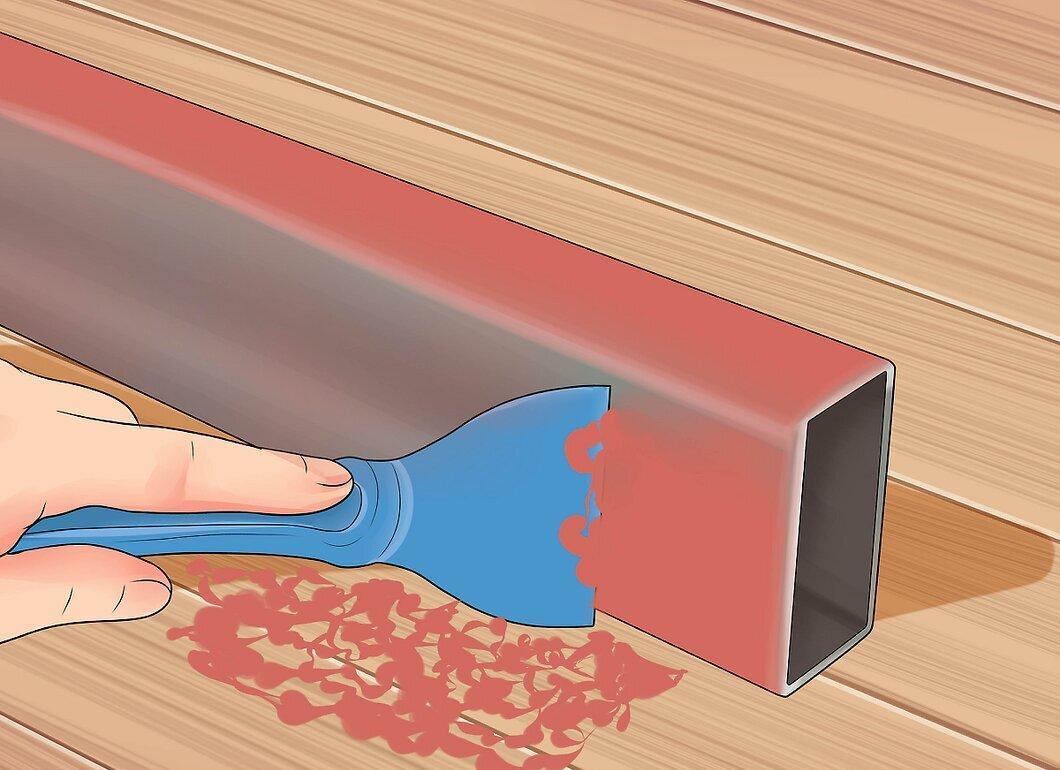
Use a wooden or plastic scraper to carefully remove the paint. Avoid using metal tools to prevent damaging the coating. Start with the larger areas before moving to the finer spots.
- If the paint is still fresh, skip this step and proceed directly to the second one.
- For dried paint, sandpaper can be used, but this may change the color of the steel.
Step 2. Remove Fresh Paint with a Solvent.
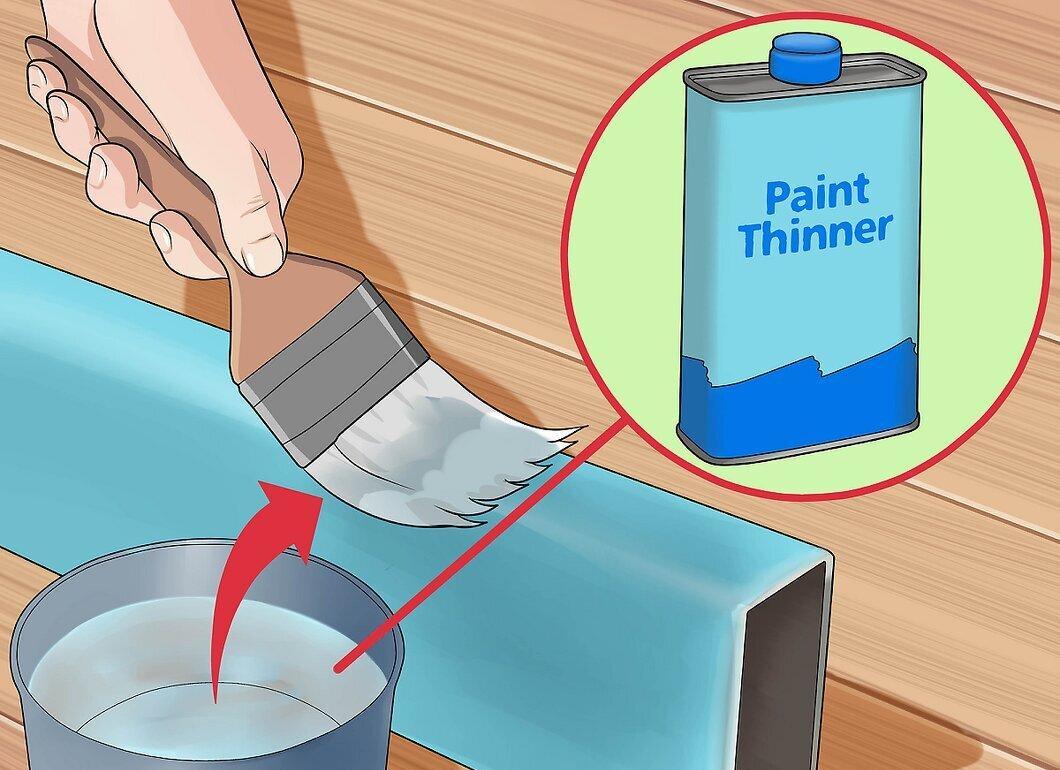
A nylon brush and paint solvent will work well for this purpose. Apply the solvent to the surface and gently clean off the paint.
Step 3. Remove Dried Paint with a Remover.
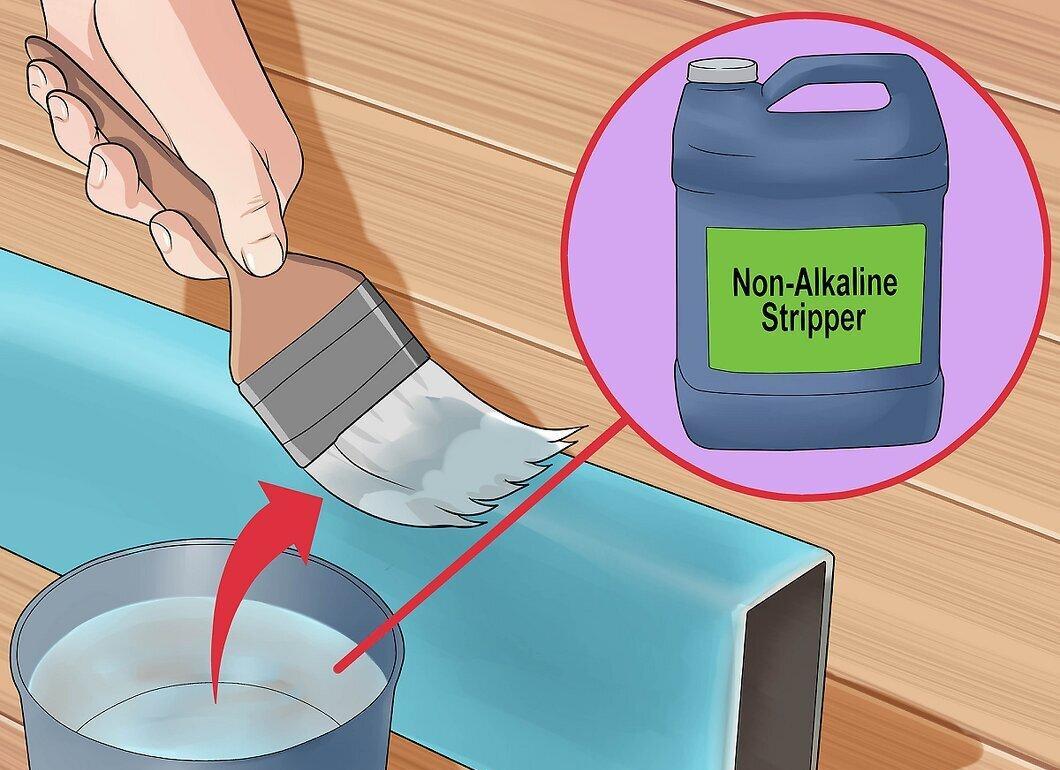
A paint remover will help you deal with dried stains. Generally, paint does not adhere well to zinc, so it can easily peel off after drying.
- Treat the steel with the remover and gently scrub with a brush.
Step 4. Rinse Off Any Residues of the Remover.
After finishing cleaning, thoroughly rinse off any chemical residues to prevent discoloration of the galvanized steel.