If you're concerned about chlorine in your drinking water, aquarium, or garden, you'll be pleased to learn about several simple and quick dechlorination methods. Natural methods like boiling or evaporation are perfect for small amounts of water, while larger quantities require special additives. As a last resort, you might consider installing a filtration system that efficiently removes chlorine from your source, saving you time.
Dechlorinating Water in an Aquarium or Pond
Step 1. Install an Aeration Sprayer for a Fish Pond.
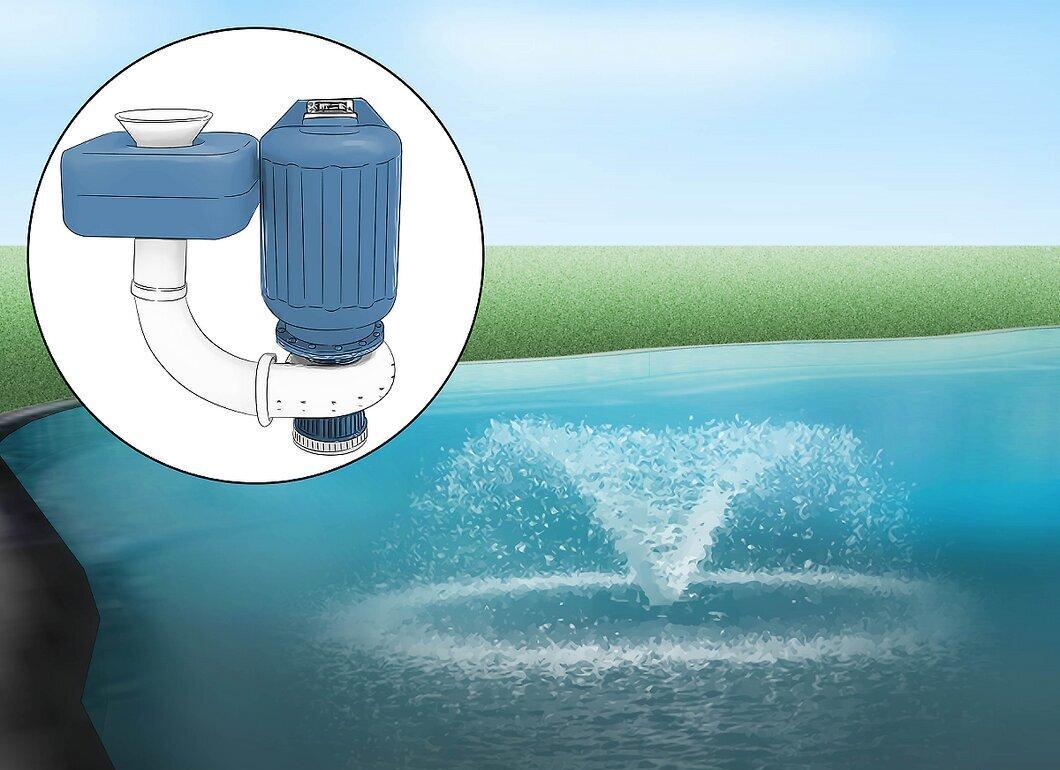
Set up an aeration sprayer in your fish pond. If you want to remove chlorine from the pond, connect the sprayer (a nozzle for the hose) to aerate the water as it enters the pond. Since chlorine is a volatile substance, it will gradually dissipate in the open water, and aeration will significantly speed up this process.
- However, keep in mind that aeration will not help remove chloramine, which is a less volatile compound commonly found in urban water supplies in Russia and the CIS. For that, you'll need special dechlorinating agents.
Step 2. Use a Dechlorinating Agent to Clean Water of Chlorine and Chloramine.
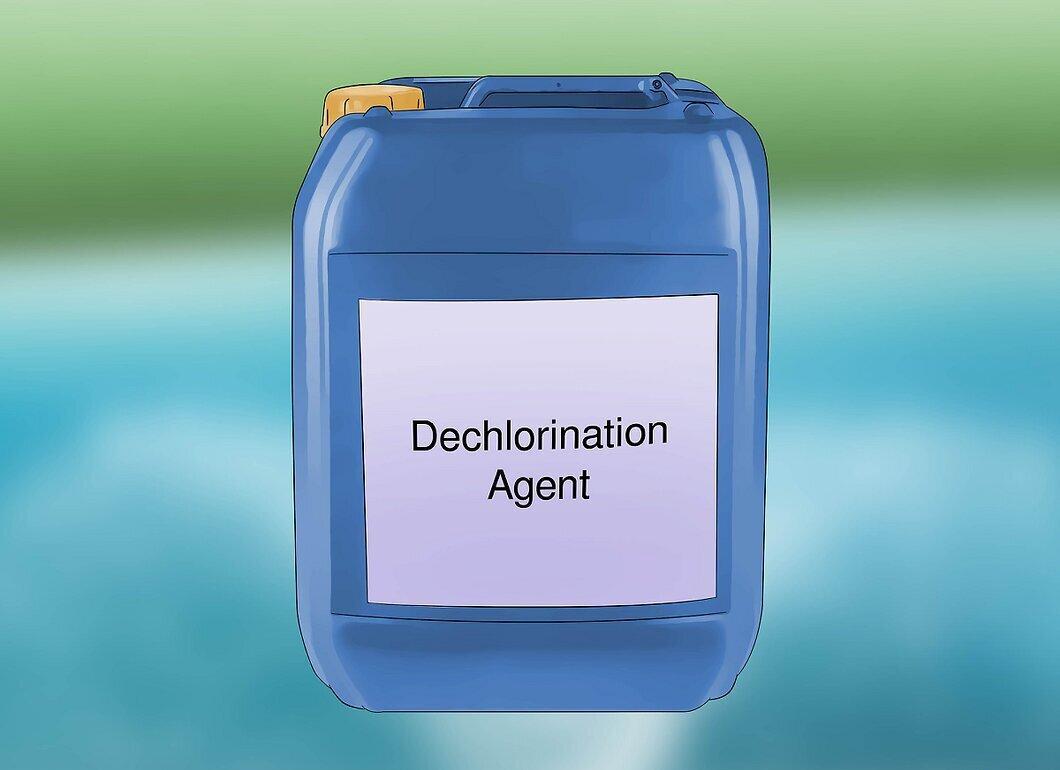
Utilize a dechlorinating agent to treat the water for chlorine and chloramine. These agents can be purchased at any pet store. Check the packaging for the volume of water it can treat, and make sure to read the instructions. To add the agent, open the cap and turn the bottle upside down to let the required amount of substance enter the water.
- Soon after, the water will be safe for use.
- If you're treating water in an aquarium with a biofilter, choose a dechlorinating agent that does not affect ammonia levels, or you may encounter issues with the filter.[3] X Source
Step 3. Use an Air Pump to Increase Oxygen Saturation in Aquarium Water.
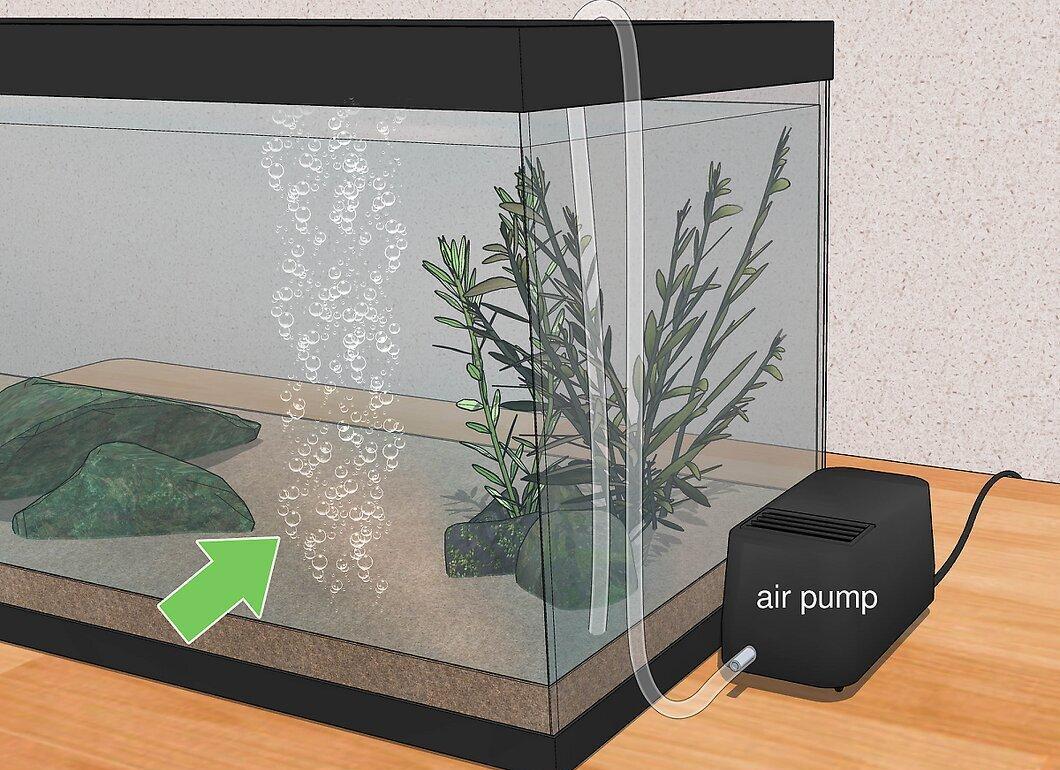
Use an air pump to raise the oxygen level in your aquarium water. Always dechlorinate water before pouring it into the aquarium; oxygen saturation plays a crucial role in this process. Air pumps are typically installed in aquariums to circulate water, helping not only to oxygenate it but also to remove chlorine.
- Choose a pump based on the size and type of your aquarium, as well as the species of animals you plan to keep.
Dechlorinating Drinking Water
Step 1. Use an Activated Carbon Filter to Purify Drinking Water.
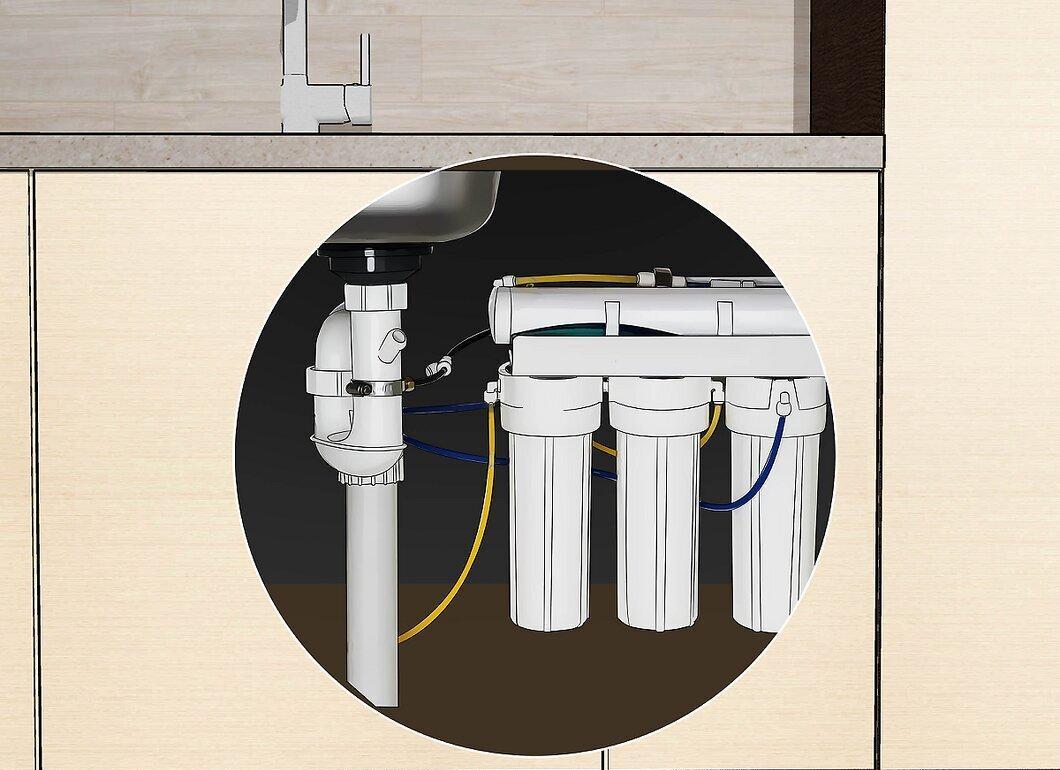
Apply an activated carbon filter to purify your drinking water. Activated carbon is an effective filtering agent that removes chlorine, chloramine, and organic compounds. Some filters can be connected to your home water supply, or you can simply buy a pitcher filter with activated carbon.
- These filters will help eliminate both chlorine and chloramine.[5] X Source
- When choosing a filter, make sure it is certified by NSF International (National Sanitation Foundation), which tests and certifies water filters.
Step 2. Install a Reverse Osmosis Filter in Your Home.
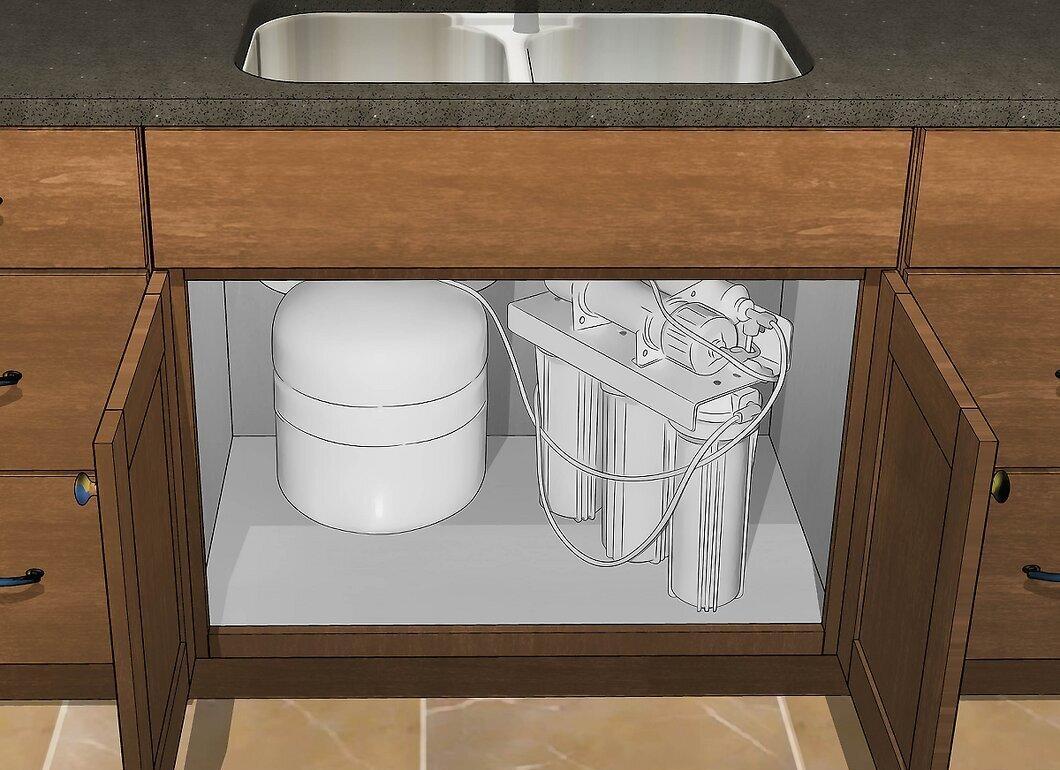
Consider installing a reverse osmosis filter. This process removes ions and various particles from the water. Reverse osmosis systems can be installed under your kitchen sink or at water supply connections. This makes them more convenient than many other dechlorination methods, although installation may cost several thousand rubles.
- Also, keep in mind that reverse osmosis filters can be quite energy-intensive, and large volumes of water may go to waste.
Step 3. Change Filters as Needed.
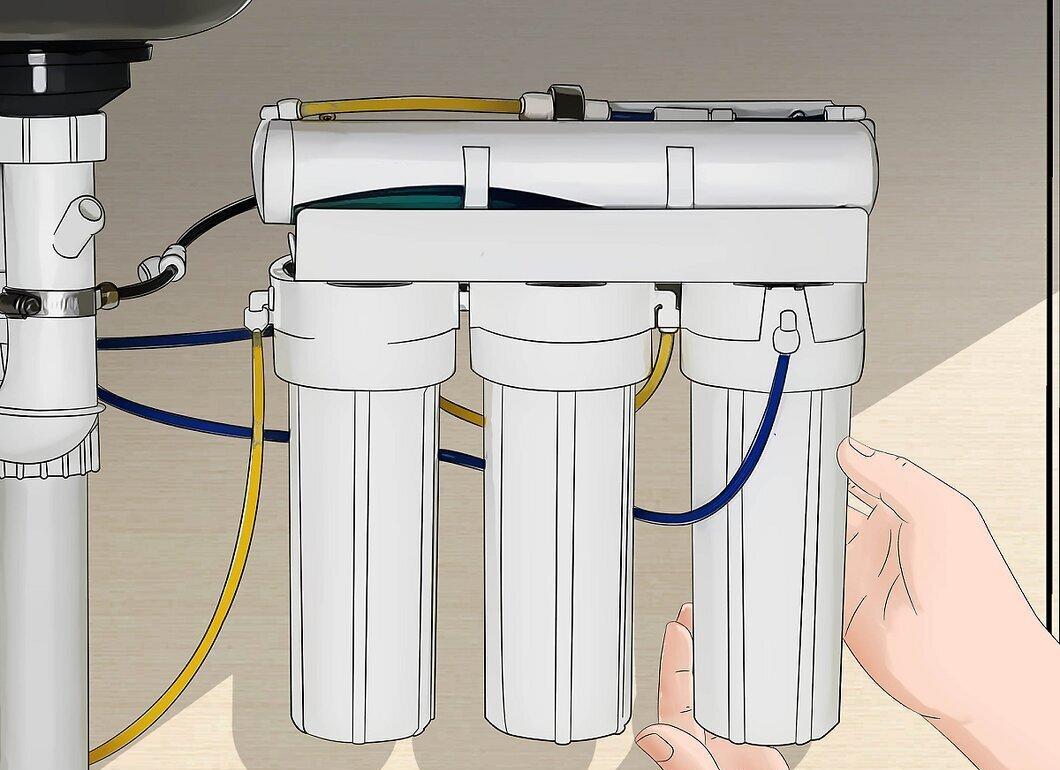
Don't forget to change filters as necessary. All filters require replacement over time. The frequency of replacement depends on the filter size and usage. Check the manufacturer's recommendations to know when it's time to change the filter.
Step 4. Boil Chlorinated Water for 20 Minutes.
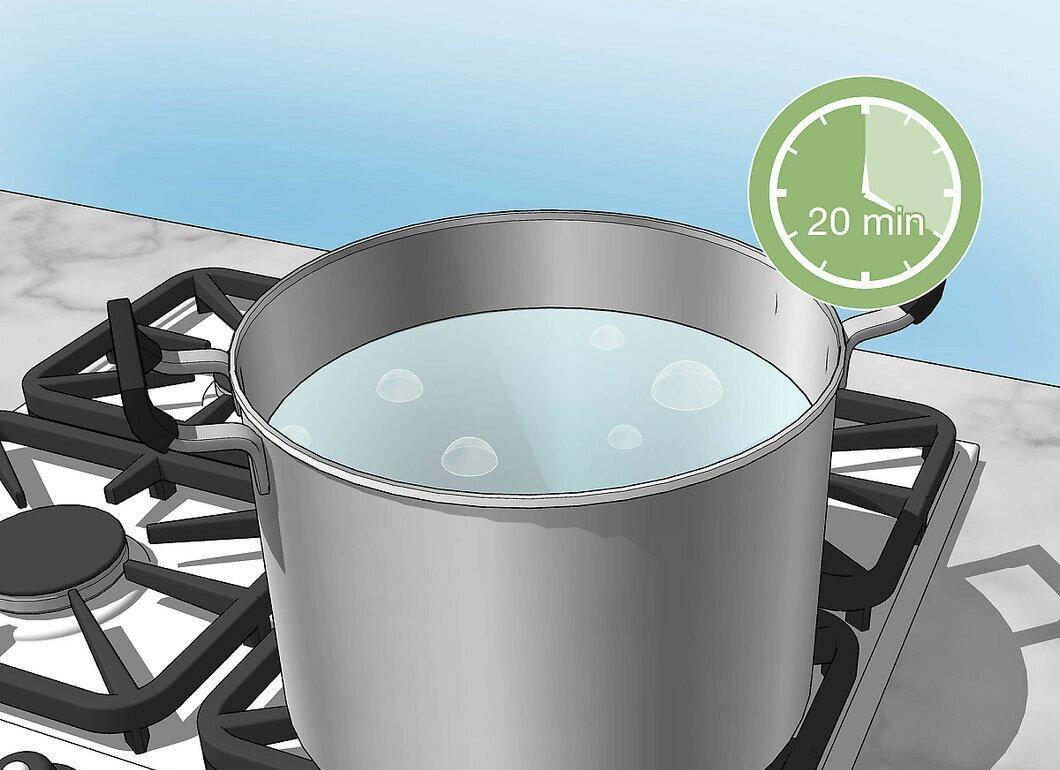
Boil chlorinated water for 20 minutes. This process not only heats the water but also oxygenates it due to bubble formation. After 20 minutes of boiling, volatile chlorine will be effectively removed. However, if you need to dechlorinate large volumes of water, this method may not be the most practical.
- Boiling for 20 minutes is also effective at removing chloramine, which is sometimes used instead of chlorine.
Dechlorinating Water for Everyday Use
Step 1. Allow Chlorine to Evaporate Naturally.
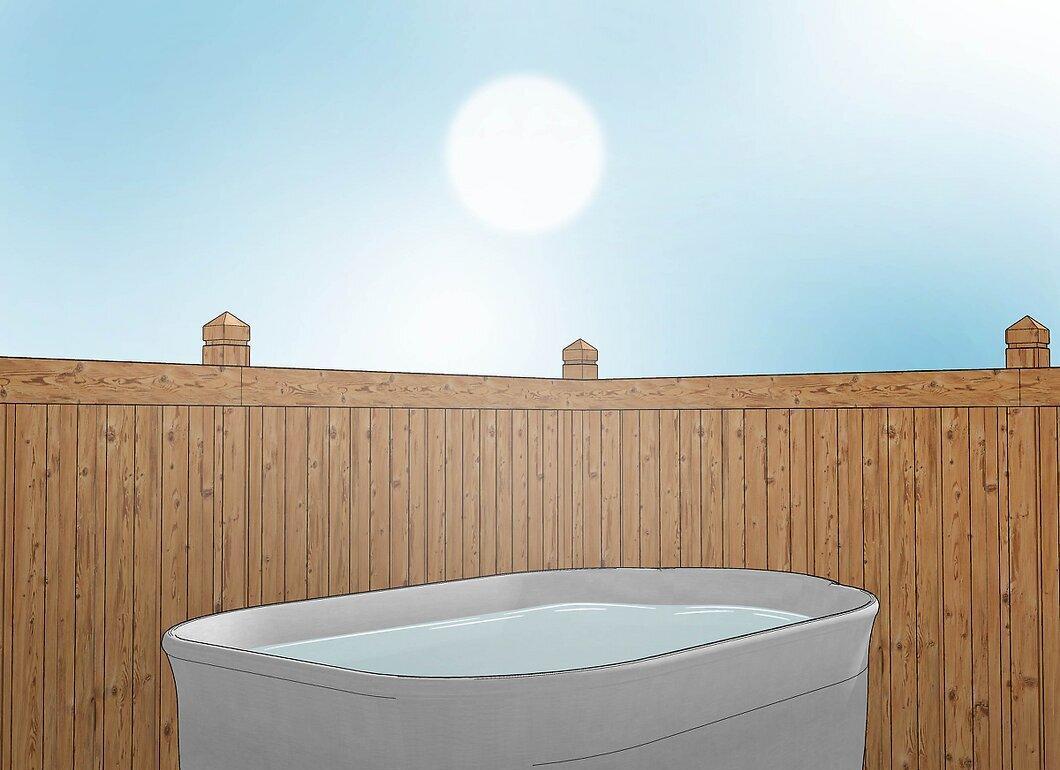
Let chlorine evaporate naturally. Fill a bucket or bathtub with the water you want to dechlorinate. Do not cover the bucket and place it in a clean area to avoid contamination. Over time, chlorine will dissipate due to exposure to sun and air.
- The time required for dechlorination depends on the volume of chlorine and the amount of sunlight reaching the water. The wider and shallower the container, the faster the process.
- Regularly check the chlorine level with a test kit to determine how much chlorine remains in the water.
- Note that this method does not remove chloramine and is not recommended for dechlorinating drinking water due to contamination risks.
Step 2. Add 1 teaspoon of Ascorbic Acid per 3.8 Liters of Water.
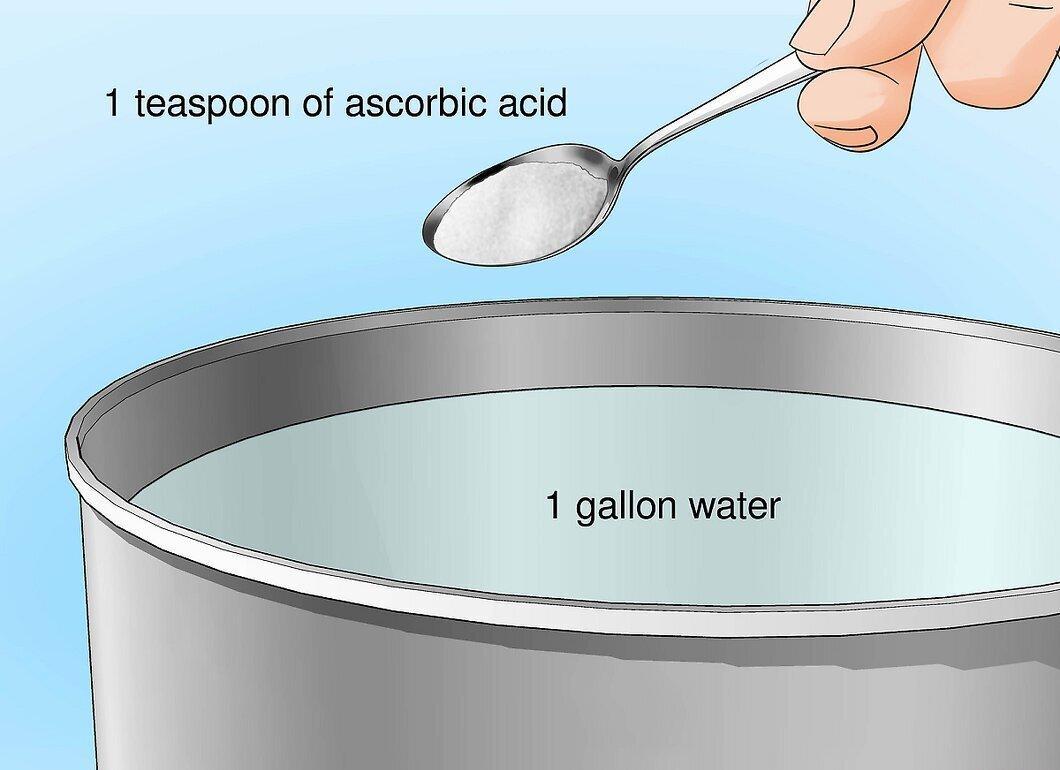
Add 1 teaspoon of ascorbic acid per 3.8 liters of water. Ascorbic acid (or vitamin C) effectively neutralizes chlorine. Simply add the powder to the water and stir. This method is excellent for dechlorinating water intended for plants or hydroponics.
- Ascorbic acid is inexpensive and readily available at most pet stores.
- It removes both chlorine and chloramine, and does not affect the taste of the water, should you choose to use it for drinking.
Step 3. Remove Chlorine Using Ultraviolet Light.
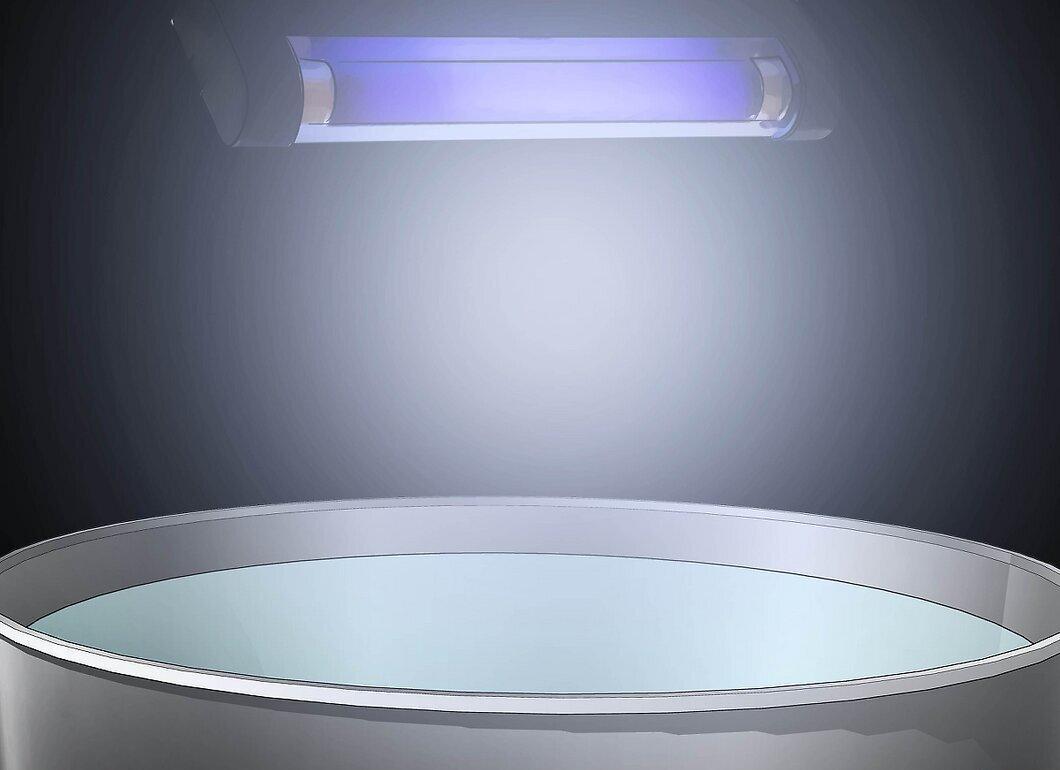
Eliminate chlorine with ultraviolet radiation. Place the container of water that needs to be cleaned as close as possible to the UV light source. The amount of UV radiation needed depends on the volume of water, the power of the source, and the presence of organic matter in the water.
- Typically, chlorinated water is irradiated with UV light at a wavelength of 254 nanometers and a radiant energy density of 600 µW/cm².
- UV radiation effectively removes both chlorine and chloramine and is suitable for dechlorinating drinking water.